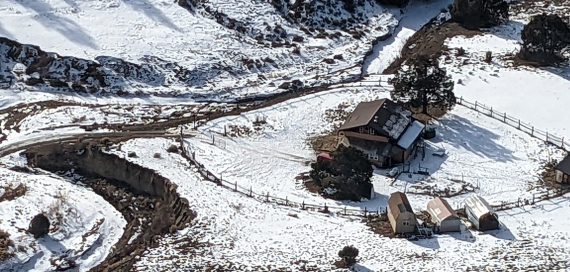
Alan and I have been so focused on our many projects (a bit too intently) it is easy to lose the forest for the trees, or the fun for the details. Having friends, family, and CDT thru-hikers visit have helped to resharpen our essential worldview: play more, work less!
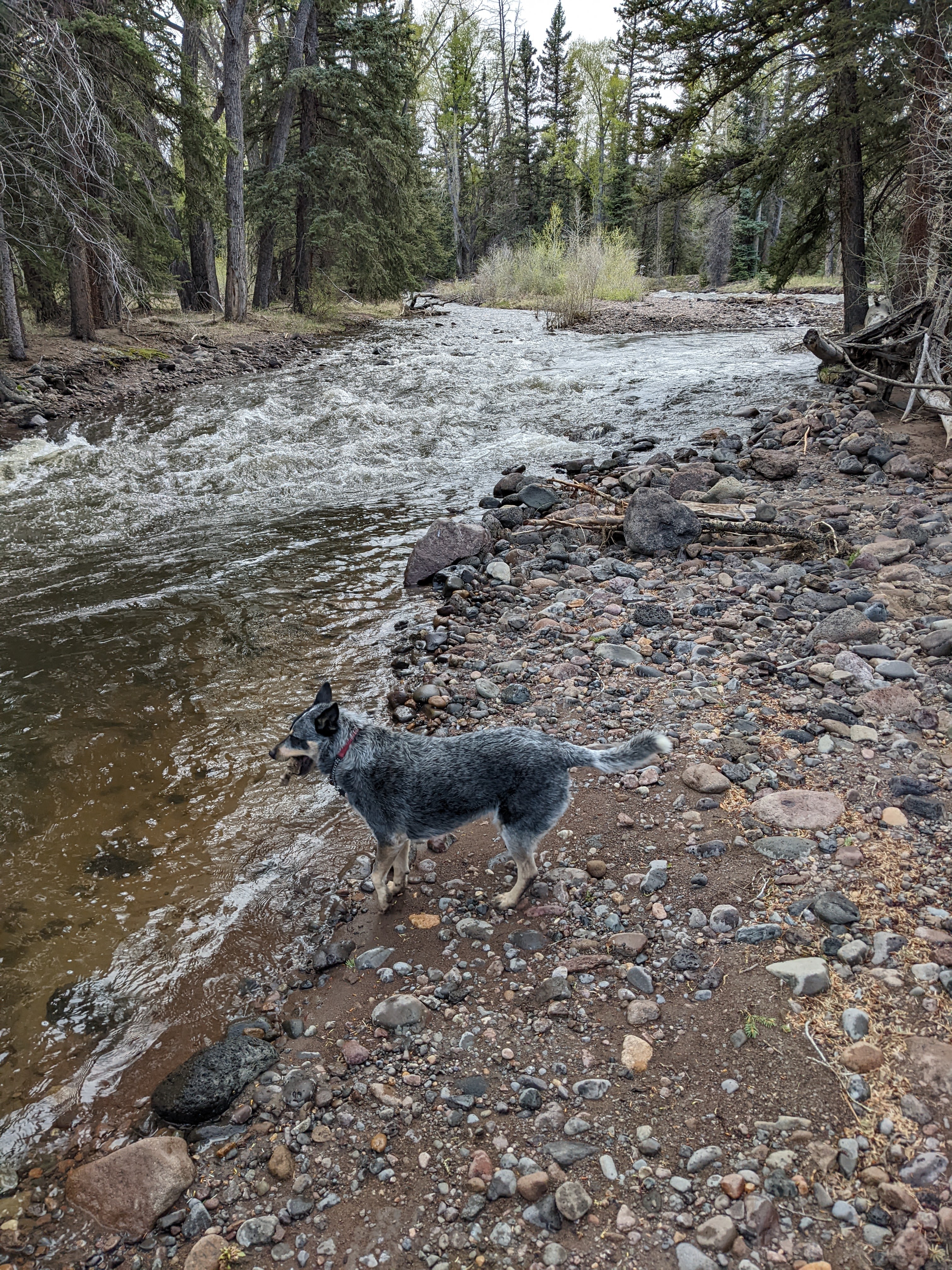
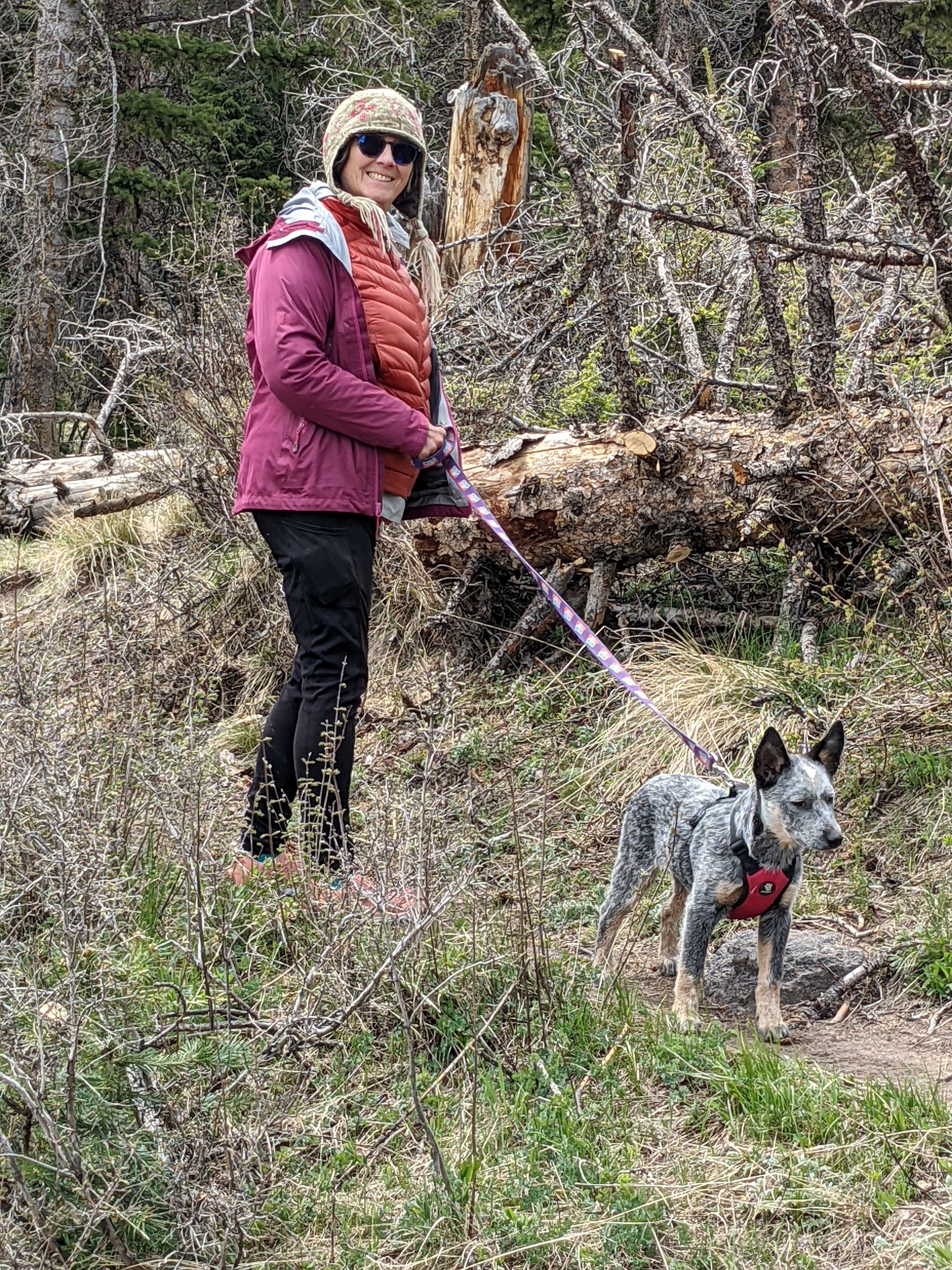
To that end, we went camping up near La Manga pass (Elk Creek). It rained all night! What a joy it was to listen to it on the tent. And it snowed up in the high country above us, prompting the CDTA (Continental Divide Trail Alliance, the group that cares for the trail and the hikers that use it) to urge all hikers out of the South San Juans for a couple days. As a result, our nascent plan to backpack north up the CDT fizzled. We couldn’t go south, as New Mexico has closed the National Forests due to fire danger. So we tried to hike up the Red Lake trail, but it was festooned with blowdown and snow. Then we tried the CDT, but got blown off!


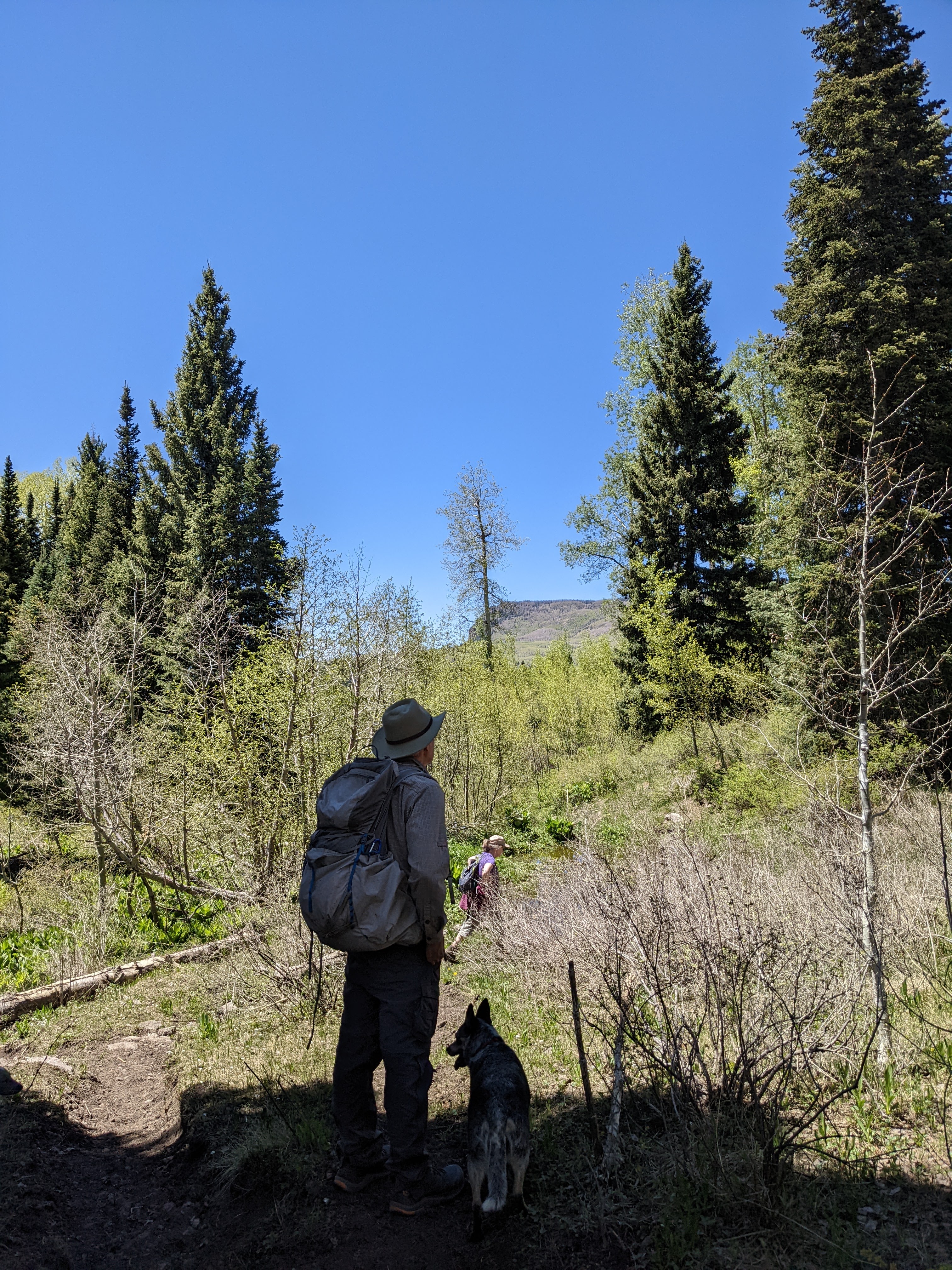
The next day, we had a very successful hike up into the Chalk Mountains by Navaho Peak. It was stunning: green, wet and sunny.
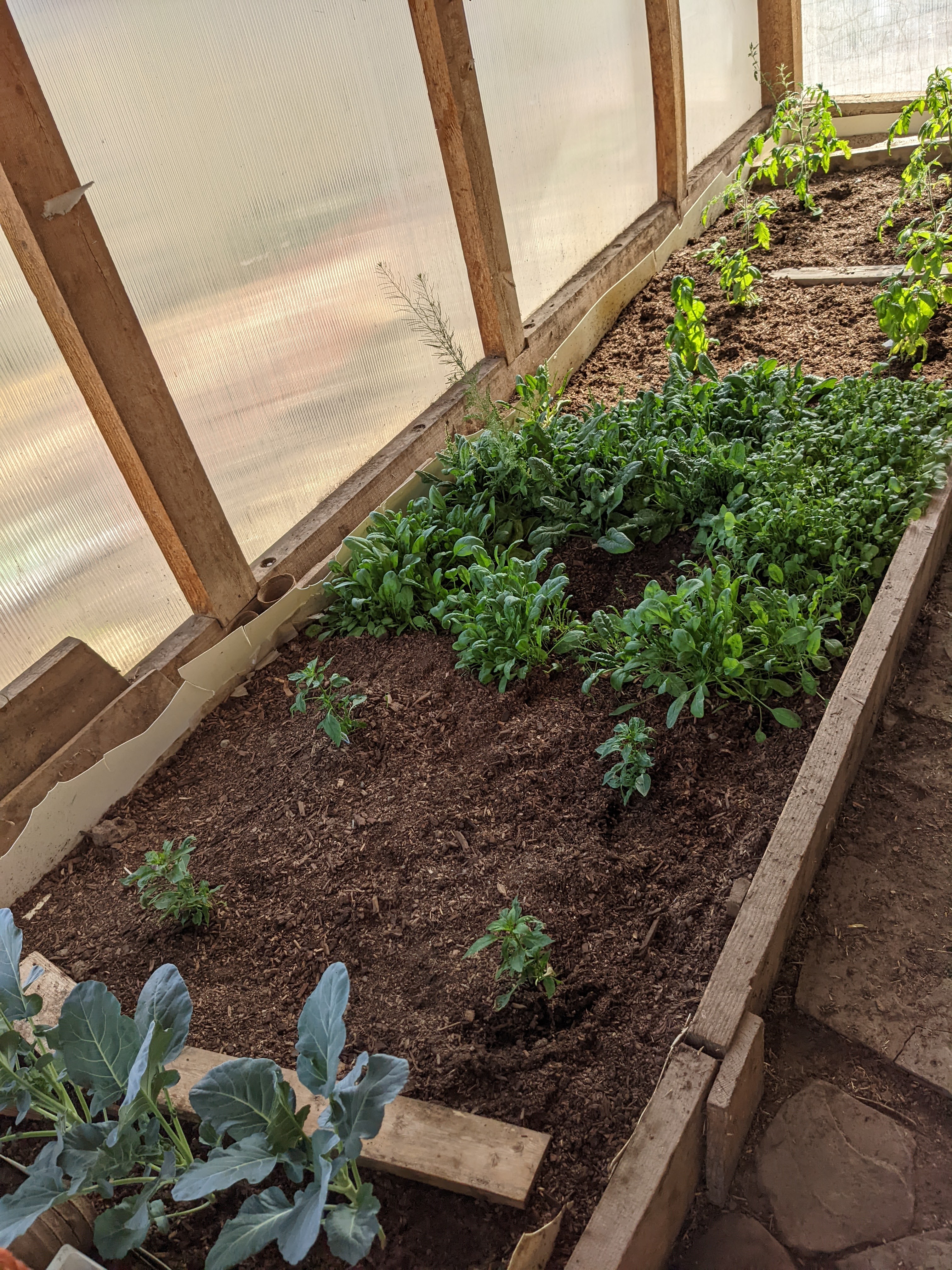
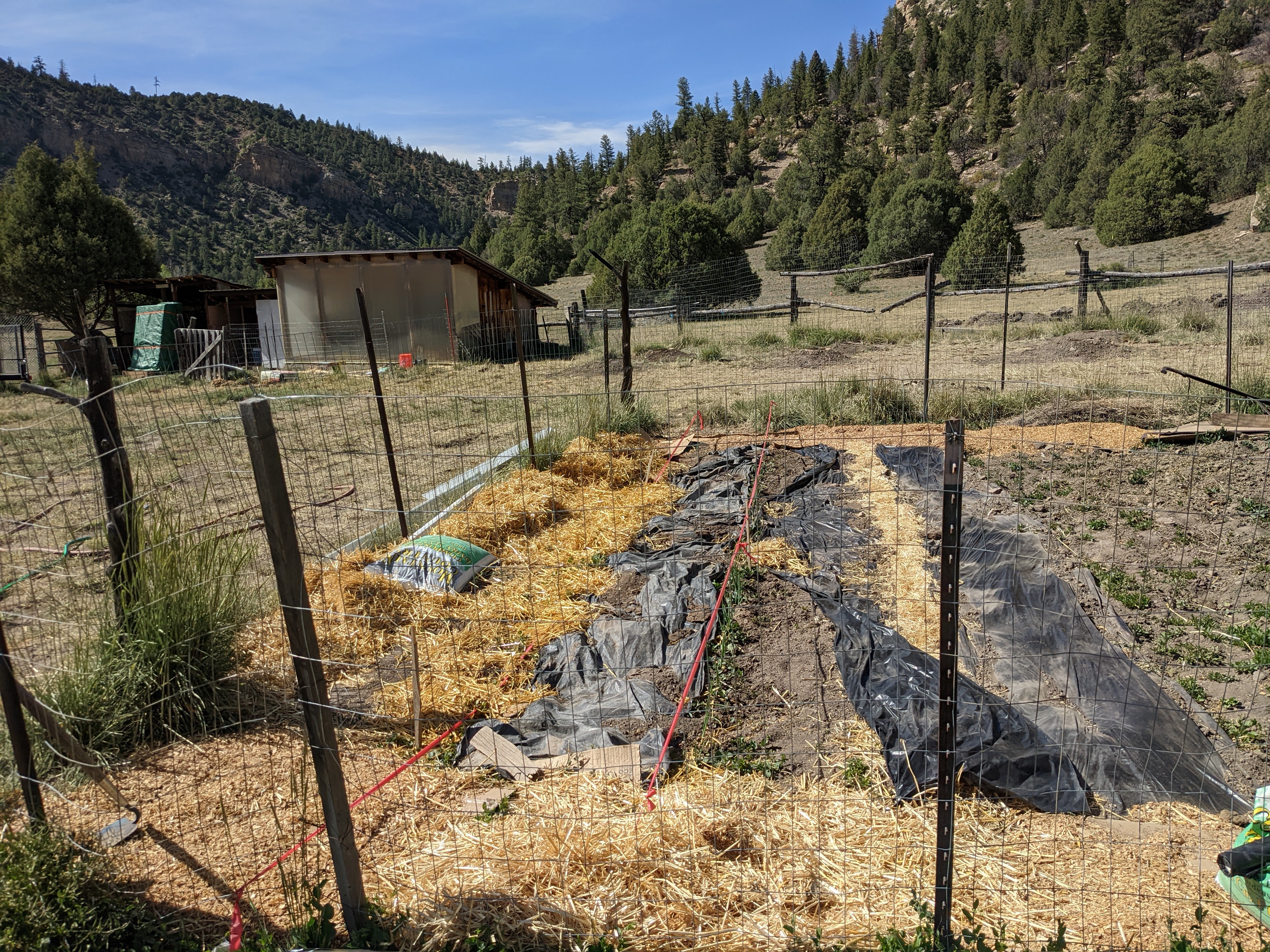
Once back home, we settled back into our many projects: the garden and greenhouse, getting the driveway graveled and drainage ditches dug by a local construction crew. Unfortunately, that night of lovely rain did not reach 4Fords, and we are as dry and dusty as ever.
We have, however, made headway: there’s running water in the kitchen and at the yard spigot. The lab report came back from Green Analytic Labs: the water is high in fluoride and iron-reducing bacteria (IRB). Nothing else, which is the good news. We’ll need to build a filtering system for those 2 things next before being able to use the water for everyday stuff.
Fluoride is a poison to plants, blocking photosynthesis, so, over time, the garden will not flourish. For now, I am using it. Once (if) we get rain, I’ll switch to rainwater.
To get rid of IRB, we have to shock the well with bleach or bromine, then most likely install a UV light to kill what’s left. IRB is not harmful to humans, but the water can smell and feel funny.


I’m leaving this post with this:
I’ve been reading about and realizing that I revel in the role of being a “Ecocentrist”, a term used by Paul Kingsnorth, a prolific British author about environmental issues. He refuses to consider humans as separate from nature:
“I was egocentric because I did not believe….that humans were the centre of the world, that the Earth was their playground, that they had the right to do what they liked or even that what they did was that important…”
Paul Kingsnorth, Confessions of a Recovering Environmentalist, 2017, Greywolf Press





 4Fords Journal