It’s July and so it’s time for the Tour de France, (a perfect distraction from the news and sorrow over the loss of the North Rim GC lodge.) The TdF is Alan’s and my only sports interest throughout the year. Today is a big day in the mountains, as France celebrates its national day. Go Tadej! Go Sepp Kuss!
View from North Rim 2024Dinner at the North Rim Lodge 2024
In other news, we have been incredibly busy here at 4Fords, partly due to the wonderful work ethic our Worldpackers bring to us lazybones. There’s been a lot of fence-building, enlarging the “yard” to a couple of acres, and replacing the old, rotting fence posts with T-posts.
Alan pulling old posts
Rusty driving fence postsSome of the new “yard”
Those old posts are being recycled into log check dams. If we can avoid a huge flash flood for a few years, there’s a chance these will create little green oases. Since living here, we’ve seen 6′ and 4′ floods during the first year, and numerous 14″-18″ runs since then. Our dams will survive up to 2′ of moving water, maybe a bit more, enough to deposit silt and seeds and build protection from future floods. When we moved here, there were no willow. Now, the willow is over 6′ tall. It’s all up to Mother Nature now. Here’s a couple of YouTubes of places successfully using this technique, from small to large: https://youtu.be/k7l-edx0-wg?si=NB44Zhwpt01X7oWdhttps://youtu.be/c2tYI7jUdU0?si=TvURhYrqewYtX0L3
log jam dam to slow flow in creekOne of 15 rock check dams I’ve been constructing to slow and divert flowaway from the cliff wall and downstream erosion (see willow, too)
In addition, we’ve finally begun fencing our large pasture; the one with 3 ponds that cattle love to hang out in and overgraze. The plan is to enclose the 10-12 acres with elk-friendly wire and include 2 big gates so cows can have access when there is plenty of both grass and water. That way it gets fertilized, but can start to regenerate. We’ve already added 2 ponds and some berm and swale to lessen the erosion.
Building fence: it’s very hot out there!
Before that project, Alan became familiar with the backhoe by digging a 3′ hole for our new 1600 gallon cistern. This one is not capturing water directly from the roof, but will be for overflow, bringing our total capture to 5,000 gallons. Our hope is to increase that to 10,000 gallons in the future.
Alan digging the cistern hole
You can never have too much water here in drought-ravaged NM. Our creek is essentially dry for the first time in forever, putting a lot of pressure on wildlife. It is bringing a huge herd of elk, over 60 at last count, down from high up on the mesa, to drink from the last little holding ponds. Without rain, they, too, will be dry shortly. Some rain is in the forecast, but so far has skipped over the canyon to hit the mesas. Every day, I’m filling 2 bird baths and 2 dishes of water for bunnies, chipmunks, and squirrels. There are over 20 species of birds coming to the bird bath every day.
Some of the Elk
We managed to get out for a couple of great summer hikes in the high country at Navajo Peak (South San Juans). The Columbines were out in force, as big as my palm. There were plenty of little creeks for the dogs to get wet and muddy in, so they were happy.
This Columbine was as large as my hand
Aspens – Navajo Peak Trail
The garden is doing well, although the daily wind, 40 degree nights, and 90 degree days are taking a toll on the tomatoes, peppers and corn. Not sure how much we’ll get from them. On the other hand, we can already pick potatoes.
Garden with wind protection.(The brown shed in the background is the next thing to demolish!)
Finally, we’ve taken on learning to make our own corn tortillas, thanks to one of the Worldpackers who taught us the skill. We bought a tortilla press. Alan is better than I am, and we’re enjoying plenty of tacos.
My first attempt at tortilla making: we are improving
I haven’t written anything here for several months. Instead, I made a decision back in February to focus on work. I had taken on a couple of paid writing/AI projects, along with teaching 5 classes, and this ate up much of my time. But now, with the projects and semester behind me, and as the summer Solstice arrives this evening, it’s time to turn a page.
Of course, Alan and I took our yearly trip south, leaving in late January, and I’ve added some photos from that (check out the links in the captions). We had an amazing time camping in our new Skyliner hot tent in southern New Mexico, mostly in the remote reaches of the Gila and Aldo Leopold Wildernesses. It snowed, rained, and blew hard at times, but the tent was awesome and kept us warm and dry. We took many incredible hikes and saw nary a soul. Unfortunately, we had to come home early, having both tested positive for Covid after a workshop I attended at Ghost Ranch in late March. That laid us up for a few weeks.
Since then, we’ve been hard at it here at 4Fords, working on numerous projects, getting a garden planted, and gathering materials for future ones (fencing, mostly). The used Kubota tractor with a backhoe we bought from a neighbor has already been invaluable in moving stuff around. We also have a new 1500 gallon cistern, which will get installed soon (it needs a 2′ deep hole dug and lined with gravel). It will hold overflow water from the roof. I did my annual test of our rainwater (drinking water) for bacteria, viruses, microplastics and toxic metals, and it came back absolutely clean as a whistle!
Cistern
Alan finished the kitchen remodel and we love it. It comes complete with a broom closet! Who could ask for more in a “rustic” cabin?
The fabled broom closet is behind the shelves.
This year, we have opened our home to Worldpackers, and so far have hosted 2 wonderful and hardworking women, with several others coming throughout the summer. They have helped immensely in getting the garden planted, hauling rocks for dams, and painting one of the sheds, along with fantastic conversations and shared stories. It is sad that several of our applicants (from Britain, Paraguay, and Ukraine) had to cancel because of visa issues.
We’ve been a bit political, given the current state of our country and the world, attending a couple of protests in Taos. Need I say more?
Alan, doing his civic duty
Right now, it is very hot, windy, and dry. Our creek has nearly dried up for the first time in decades. There’s still one good swimming hole we take the dogs to every day to cool off, but even that is getting shallow. The well seems to be hanging in there so far with no slowdown. We are very careful not to push it too hard. The garden is fully planted, with a new small expansion: a “three sisters” area of corn, squash and beans. So far, it is growing well, although the heat and wind can be a challenge for baby tomatoes and peppers. The potatoes (in the foreground) don’t seem to care about the weather; they are going crazy. The watering system is nearly perfected. Once that happens, Alan and I can plan a few overnight backpack trips.
We did get into the high country last weekend for a wonderful hike at 11,000′. Still plenty of snow up there, and it was 30 degrees cooler than down in the valley.
Alan and I wish you all a peaceful, joyous solstice.
Happy Valentine’s Day and a Happy 3rd Birthday to Zane Gray, the smartest dog in the world. (Clair de Lune is the sweetest dog in the world.) Unfortunately, Zane is injured with a bad bite from a dog encounter the other day, so he can’t enjoy a nice walk for his birthday. He and Clair were with Alan, on leash, when 2 loose dogs came charging up and laid into him, one biting him on his hip. Clair was fine, just scared. I’m trying to heal him with homeopathy (Hypericum perferatum) Tramadol, and rest, and it might work, if he’d stop licking the wound. Otherwise, he’ll be headed to the vet tomorrow to get stitches and a “cone of shame”. Not a great birthday for a pup.
Happy Birthday, Zane Gray10’x14′ 4-season tent
The pictures above are of our new Skyliner Tent, from Springbar. And yes, that is a woodstove. We are hoping this is our permanent replacement for Pippin when we travel. It’s an amazing tent and goes up in less time than it takes us to set up the camper. It replaces the one we used on the last trip, which really isn’t warm or sturdy enough for the kind of camping we do. The plan is to head out again in a couple weeks to test it out, heading south for a while, then up north to see family. The reason we bought it was to make it easier to find boondocking campsites. It can be challenging with a trailer.
New saltillos tlesThe new wall going in, electric installed, a little broom closet behind.
In the meantime, Alan is still busy doing the remodel on the kitchen, complete with a new range, new shelves and a tiny broom closet. You can’t really tell what it will look like yet, but it’ll give us additional counterspace and cupboards below.
Broom closet, no door yet. New stove hooked up, ready to move back and level up.
I’m busy with school again, teaching 5 classes this semester, but it hasn’t been strenuous so far, as I’ve taught them all before. I was tasked to work with a AI team to develop AI-generated course content, which I’m finding rather ludicrous and possibly dangerous. I’m the “subject matter expert”, and what I’m seeing is that the AI information is tending to dumb down and over-generalize the content. I’ve been quite vocal about the possible pitfalls, so am not the most popular person on the team, which is based in Ontario. So far the roll-out of the first AI-created class has been delayed twice.
I’m working to stay in shape by taking lots of hikes in the canyon and doing my yoga every day. My neck injury has completely healed and right now (knock on wood) I can’t complain about my health. Our washing machine broke and I was able to fix it by replacing the pump. I am staying away from almost all news.
We’ve had 1 snowstorm drop 8″, which melted within hours. And that’s it. Otherwise it’s dusty, dry and brown. I am worried about trying to grow a garden this summer if things don’t improve. Will the well hold up? A storm is coming in tonight, but isn’t supposed to do much here.
The most exciting thing happening here in the canyon has been the massive ice dam/lake that has formed at one of the fords. After all the work the county crew did in December, they couldn’t have predicted that the lack of snow and sub-zero temps at night (along with 60 degrees during the day) would freeze one of the culverts and cause the ice/water to flow over the road. At one point, the ensuing lake was 2′ deep. When frozen hard, early in the morning, you can drive right over it, but later, when it thaws, it’s a bunch of little floating ice bergs, waiting to rip your skid plate off. We’ve parked one vehicle on the outside so we can get out by parking another vehicle on the “inside” and walking to the other truck. So far it’s worked fine and we can get in and out without problem, but it is a conundrum. The crew comes in every week to clear out the ice, but it reforms within hours. They swear that the county has put the money and materials aside to build the road up and make low-water crossings of concrete and grating in the spring. We’ll see. We’re afraid the funds might get frozen, as is happening in so many places right now.
We got the new/used tractor home last week, after repairing the flat tires. Alan, who has always wanted his very own backhoe, now has one. I’m pretty scared of tractors, convinced that they’ll roll over on me at any moment, but it will be very useful this summer. We used it to lower the new range off the truck, which saved our backs, so I’m happy.
It’s February, the most blah month of the year, especially when dry. I had looked forward to snowshoeing and hiking in snow this year, both activities I enjoy, but there hasn’t been any opportunity locally, even Cumbres Pass is more ice than snow. But I love my long walks. I’ve seen a fox, a bobcat, and a few elk. With hunting season over, they are returning to the canyon.
We have signed up to host WorldPackers this summer with the first visitor coming in early May from Great Britain. Then a couple of guys from Argentina, and a third from the East Coast. We’re looking forward to the experience, trading a little labor for food and a place to stay and shared stories.
Alan rolling the air out of the tent for packing
A poem from Alan for your reading pleasure:
Lament for an Empty Coffee Cup
--A Dreadful Penny Poem by “Boz Momerath”

“How disappointing!” mumbled I, reflecting in the bleary dawn
“I’m not quite sure I drank it up, but all my coffee’s gone!”
Then glaring at the empty cup with weary eyeballs swollen
The thought occurred I hadn’t drunk! My coffee had been stolen!

And so across the chilled and thorny desert I set sail
To reclaim my absent coffee from the thieving garden snail
Who surely stole the beverage from my cup, there in the darkling dale
As if it were the golden nectar of the Holy Grail.

Across the dunes the thief fled, trailing puffs of arid air
Laced with randomly firing neurons that wreaked havoc with my hair
So I blinked while I was aiming, and thus I was ensnared
By a dream of Ginger Roger’s backward dance with Fred Astaire!

Hence I paused while yet another Panavision dream,
Unquenched by coffee meddled with my scheme
To reclaim that stolen antidote, buffered with cloudy cream
The tragic loss of which concerns this missive’s theme:

Naked I stood and knocked upon the door
Of the bungalow beside the grocery store
Eve answered, naked as she was in ancient lore,
And smiling said that clothing didn’t matter anymore.

“Clothes make the man!” I muttered in the dark,
Blinded by beauty, bitten by a Snark!
I hardly heard the jesting sound of Eve’s remark
That set bright Cupid’s arrow on its course to pierce my heart!

Alas! That coffee black and bitter I should shirk
And to my taste a sugared coffee simply doesn’t work
They cannot clear away these dreams that fill my mind with mirk
And my stolen creamy coffee might as well have never perked!

The night has passed. The sun is up. My fading dreams have failed.
I never caught the coffee thief through all the sands I sailed.
And love that seemed so easy in a dream was but a shell
That shattered in the ring of my alarm clock’s bell!

Yet still, with all that said, I haven’t really woken up.
Perhaps I’ll simply go and brew myself another cup.
WE WISH YOU A PEACEFUL, COMPASSIONATE, AND LOVING VALENTINE’S DAY
On January 1, after a quiet and lovely Christmas, Alan and I packed up our gear and headed out to southern Arizona. I had signed up to volunteer at the 2025 Women’s Rubber Tramp Rendezvous (WRTR) in Quartzsite, AZ, which is a 2 day drive. The RTR is put on by HOWA, the Homes on Wheels Alliance, a non-profit that advocates people who live in their vehicles.
We decided to tent camp on this trip, to try some new equipment and see how we liked it without Pippin. First, we packed everything into the new Tacoma, but, alas, all the junk (we like to comfortable!) we wanted to take simply didn’t fit under the tonneau cover and in the rear cargo carrier, so Alan tossed everything into the back of the Tundra and off we went on New Year’s Day.
We drove through Flagstaff and down to Sedona, which was so incredibly jammed with tourists it took us 40 minutes just to get through town. Other than a coffee stop, we decided to just keep going. It’s not what it used to be!
We did stop in Jerome, AZ, however, which hasn’t changed a bit since my last visit. We wandered the streets, checking out some of the fun shops and art.
Jerome street artcalled “Bedtime”(is this person having a pleasant sleep?)
The drive from Jerome through Prescott and on down to Quartzsite was lovely, and we found a place to camp about 7 miles north of town, in a BLM dispersed camping area. There were already thousands of folks there, camped all over for miles and miles in all directions, but we found a spot that was remote and quiet where the dogs could run around without leashes. We stayed there for 9 days.
Setting up camp near Quartzsite
It’s a very strange landscape there, hundreds of stretches of rocky soil as flat and long as runways, all going east-west, are separated by narrow arroyos filled with ironwood, mesquite, and acacia trees. Small saguaros, ocotillos and other cacti dot the land. It was both lovely and harsh, and hard on the dogs paws. We did see a Coatimundi one night, and Zane was entranced!
Zane staying warmCooking in the big tent
For the first 5 days, we explored the area. Quartzsite itself is an odd town on I-10, serving RVers and snowbirds. At first I was horrified by the crowds of campers, but after a great lunch at the Sunset Grill, followed by homemade ice cream at Dorothy and Toto’s, I decided it wasn’t so bad. Huge flea markets and thousands of vendor booths line the side streets with everything and anything you could dream of wanting in an RV. You want plastic welcome mats? Cutsie banners? One of 1,000 cast turtles? Plastic gizmos to hang more plastic gizmos?
Campfire before the winds
We drove over to a little town called Bouse, which was tiny, quiet, and had a great museum about the history of copper mining and General Patton’s training ground there (for the north Africa campaign) in WWII. Alan was happy.
Copper mine entranceQuarter-scale Sherman tankZane and Clair checking out an abandoned copper mine
At the Women’s RTR, I was designated a “Safety” person, complete with blue vest and walkie-talkie. With my psych background, my job was to de-escalate touchy situations, hand out shorter dog leashes, and distribute doggie poo bags to the owners of the nearly 200 dogs coming in. I walked about 4-5 miles around the baseball field and parking area for 8 hours each day. It was a blast, although exhausting. I met hundreds of fascinating van and car dwellers, from all walks of life, all happy to be there, all glad for my presence. I got to meet Bob Wells (“CheapRVLiving” YouTuber and the father of the RTR), who was as gracious and soft-spoken as I’d heard.
First morning of the WRTR as women were arriving (it filled up fast)
The first 3 days only women were allowed in and the toughest part of my job was helping frightened and lonely women, unused to living on the road, and/or scared of the crowds. It is especially horrific how may older women have been forced to live in tiny cars, ancient vans, and shoddy RVs. The vast majority of the women there have suffered trauma, many are veterans, or have left abusive relationships. Many have learned to love vanlife and wouldn’t trade it for anything. But for the ones for whom it is new, there is a lot of trepidation and shame. They come to the WRTR for support, education, and community, and boy, do they find it!
An attendee enjoying gongs
The less pleasant part of my job was escorting a number of very angry men out of the area, men who felt “discriminated against” when they were told they couldn’t come in to listen to speakers discuss how to menstruate living in a van, or how to find a safe campsite. Unfortunately, several gentlemen became quite threatening and nasty, so I had to use all my skills to calm them down so as to avoid calling the sheriff. And also unfortunately, every one of them bragged about their MAGA credentials, truly thinking that would intimidate me. It was sort of sad. It is pretty hard to scare me and I was able to get them all to move on, swearing and cursing and telling me how I was a “libtard” who would get what’s coming!
As an homage to Burning Man, where many VanDwellers go every summer, this plywood model gets burned at the end.
The 4th day, the RTR opened to one and all, and the vibe was different but still very fun with so many men now joining in. The speakers talked about everything you could imagine: solar on vans, how to find free camping, staying healthy on the road, how to poo in a van (that one was extra funny….there are MANY ways to take care of business in a van. I spoke on a panel about using some gear for women backpackers for peeing in the woods. The Homes on Wheels Alliance talked about their work supporting the rights of people who live in their vehicle. It is important to note that most people living in a vehicle, whether a car (and one woman had been living in a tiny Smart car for 6 years!), a van, a Schoolie, or an RV, do not consider themselves homeless. They call themselves “Wheel-estate owners!). A lady played gongs on the edge of the field. People did yoga, talked about water storage, visited the free tables, and the cold-weather gear booth. They shared food and dog stories. Dogs were everywhere, and they all got along. Columbia and Patagonia donated tens of thousands of dollars in warm coats, hats, gloves and boots. Bob Wells donated an ambulance he’d been living in for years to be raffled off. (He now lives in a Subaru Forester)
Bob’s ambulance being raffled
In the end, I have to say it was a wonderful experience. I don’t think I would enjoy being there simply as a participant…we’re not interested in living in a vehicle full-time, but volunteering was fantastic and I likely will do it again.
All garbed-up
Back at camp, Alan held down the fort, spending his days writing, hiking with the dogs, cooking meals, running errands, and relaxing.
Yukon toast and omelette on the Coleman.Big tent, sleeping tent, and the shower/toilette bano!All set up on the “runway”
By the 6th day, the weather turned extremely windy and cold, and our tent life became less pleasant. Our big one is only a 3-season tent, with lots of mesh, and difficult to keep warm even with a good heater, and terribly noisy in 45 mph gusts. At one point it collapsed on itself, although nothing was damaged.
We managed for a couple more days, then decided to leave a bit early and head home, impulsively deciding to go visit the South Rim of the Grand Canyon, via Lake Havasu, on the way.
Zoom in and you’ll see the full moon peeking through the window at Buckskin Mountain
It took a couple of days with an overnight at Buckskin Mountain, but we arrived at the rim, loving that it was so empty of tourists. We stayed at the Yavapai Lodge, which allows dogs, for 2 nights, had lunch at El Tovar Lodge and enjoyed ourselves thoroughly. It was still bitterly cold, and there was zero snow, which reminded us of how bad the current drought is. But the Grand Canyon never fails to amaze.
Bright Angel TrailheadZane considering jumpingGreat food at El Tovar LodgeNothing to say! It still astonishes.
We finally got home to 4Fords on January 15th. All was well, in spite of below zero temps. Even Cat-Too was warm in her greenhouse home. We got a huge fire going and warmed the place up over night and have completely unpacked and fallen back into our normal routine. School starts on Tuesday, and I have 5 classes this semester, so am busy prepping for those. Alan has completed his 2 solar jobs, so has switched his focus to repairing the tractor we bought from a neighbor (complete with backhoe!) and beginning the kitchen remodel.
'Twas the night before the night before Christmas
And the house was awake,
And the mouse in the house
Was nibbling cake.
While the mouse in the house of the mouse in the house
Was wondering which sweet sugar plum to take.

Now the mouse in the house of the mouse in the house
Was not very tall - she was really quite small.
Though the hole in the wall of the house mouse's house
Was as small as the head of a small silver pin,
Even so, the house mouse's tiny house mouse could fit in!

All the house mouse's children were playing a game
And the rules always changed - they were never the same.
So the game never ended, and never began -
But when it was over, it started again!

It appears as they played,
That they ate marmalade,
....And they couldn't sit,
COULDN'T SIT...,
COULDN't SIT STILL!
...So they jumped up to sing on the cold window sill.

"Will this night never pass?" sang the mice in their sorrow.
"Will the hands of the clock never spin to tomorrow?
We are certain tomorrow will be Christmas Eve!
But tonight is the night before that - so we grieve."

So they sang.
But the house mouse's house mouse's children were small,
Much smaller than mice - by a factor of twice!
And though they all sang just as loud as they should,
I'm afraid no one heard them, for nobody could.

So they put all their sweet sugar plums in a line
And they offered them up to Old Father Time.
And humbly they asked the Old Clock, don't you know,
To make Christmas come faster,
For it came much too slow.
Father Time gave a wink, and his hour hand blinked.
His escapements all whirred as he wound up his springs.
His pendulum gurgled, his case sprouted wings!
His bells, how they chortled! His chimes how they tinkled!
He rolled up his sleeves and he made the time wrinkle!

And all in an instant of new fallen snow -
Of hours and minutes and moonlight all aglow,
Of seconds and angels and sparkly star light
The mice children found
That it WAS the next night!

It was Christmas Eve! The Old Clock brought them there!
...They were slightly confused and had quarks in their hair.
Then Grandfather Clock spread his wings,
And left them quite nimbly -
With a Whoosh! And a Swoosh!  He flew right up the chimney!

But then out of the chimney appeared in a tick -
A little old man by the name of St. Nick!
"That was fast!" Santa chuckled.  "Oh my, what a trick!"
Here it is, Christmas Eve!  ...How'd it get here so quick?"
Wishing Everyone a Peaceful, Loving Christmas, a Relaxing Holiday, and a MOST Happy New Year — Rusty and Alan
It’s been a while since I’ve posted anything. That’s because both Alan and I took on a lot of work this fall, jobs that are just now beginning to wind down, thank goodness. The work had nothing to do with 4Fords, but padded the bank account, so we can’t complain (much).
Annual Christmas Tree Expedition
We did have a couple of adventures this fall. One was the annual Christmas Tree Expedition and Picnic, which was a grand success. I can’t tell you how many years we have been doing this, but it has been many, and has always been a pleasure. A lot of thought and meandering through the woods goes into choosing just the right tree. This year we found a lovely Blue Spruce.
Another adventure was the gift of some fresh elk, shot on the Jicarilla Tribal Lands by a local. We hung, deboned, and processed about 45# of prime burger, steaks, and roasts. It was quite a job with our limited tools for such work, but we got it done. The dogs kept a very close eye on us throughout.
Alan’s deboning a shoulder
We also stole a few days to visit Taos, which has become our annual Holiday shopping mecca. Taos remains one of our favorite towns; although the traffic is horrid, the food is awesome, the old town fun, and the people kind.
Rio Grande Gorge and bridge: is that a river…or a dancing woman wearing an elf hat?
We got a couple of lovely hikes in along the gorge, one had many petroglyphs.
Rio Grande River
The Winter Solstice is today. Meteorological Winter began on Dec. 1, so we are, according to the weather folks, already 3 weeks into winter, although we have yet to see snow here. A little fell around Thanksgiving, but then nothing for weeks, leaving the canyon dusty and dry. Nearly zero at night, up in the 50s during the day, makes it nice for hiking, playing with Zane and Clair outside, and chopping firewood, but Alan and I are very ready for some white stuff.
I like the Meteorological Calendar because going by those dates means we are already well into winter, and my birthday, March 1, marks the first day of spring. But I love the Solstices and Equinoxes too because of their significance in history and their neat division of light and dark. A reminder that this Earth of ours is truly a bit off-kilter. Anyway, we will be celebrating the solstice this evening as we watch the sunset on Monero Cliff and look forward to longer days to come.
Our plans include a vacation to SW Arizona after New Year’s Day to visit the RTR (Rubber Tramp Rendezvous), where I have signed up to volunteer as a therapist and support person. I have wanted to visit this event for many years. Not sure why, but I feel a connection to the people who live full-time in their cars, vans, and RVs. At any rate, we will check it out and enjoy some warm weather before coming home to hunker down through winter.
Zane Gray guards the food
We wish you a brilliant solstice, a renewal of light, some snow and a cozy fire, and a wonderful holiday season! — Alan and Rusty
Welcome to the season of change and color. We hope you all are getting out to enjoy the cooling weather. We are thinking of those affected by the hurricanes.
I just returned from a 3-day workshop at Ghost Ranch with Robin Wall Kimmerer, author of Braiding Sweetgrass. I am not one to go to, nor really enjoy workshops, but this one was superb and truly inspiring. Robin may be the best storyteller I’ve ever encountered, and her tales of Skywoman and the Twins were mesmerizing.
The focus on the workshop was to talk about parallel ways of knowing, “Traditional Ecological Knowledge (TEK) ” and “Scientific Ecological Knowledge (SEK)”. Robin is both an indigenous teacher and a research biologist, and her career has been working to bring these 2 ways of seeing the world into parallel (but not blended) ways of thinking, each important and of equal value in understanding our complex universe.
Campsite at Ghost Ranch
I stayed in the campground at the Ranch, as the weather was perfect, the views exquisite, and the cost much less! Alan stayed home with the pups, working on our neighbor’s solar project. It was a chance for me to test our new AC cooler, portable solar array and solar generator, all of which worked perfectly, keeping the cooler cold and the freezer frozen and my phone and lantern charged up.
Ghost Ranch truly is a magical place. If Alan and I stop by for a hike when it is empty, it looks a bit run-down and forlorn, as likely befits a 21,000 acre ranch run by the Presbyterian Church. However, when the place is busy with visitors, it comes alive and feels full of powerful energy. One volunteer, a young woman who has been coming from Boston to help every year since she was 15, said that the valley is a big bowl, surrounded by mountains, just waiting to be filled. It certainly was brimming with good vibes this weekend.
For the first time ever, I joined a Sound Bath, performed by Douglas of Lotus SoundBath in Santa Fe, which was very relaxing. He was set up in a giant yurt, which made the sounds of the gongs, crystals and singing bowls reverberate and move in amazing ways. Again, not usually my thing, but it was well worth it. I was wonderfully calm and happy all day.
View from Campsite
A good portion of the weekend was spent talking about the English language, the language of conquest and colonialism. The language of erasure. Robin showed the audience how the word “it” is perhaps the most dangerous word in our language, as “it” allows us to objectify anything that is not human. And once objectified, “it” is easier to extract/kill/clearcut/destroy. Apparently, no indigenous language has a word analogous to “it”. Every thing in nature instead has a name that makes it a “being”. A tree is “being a tree”, for example. There are many times more verbs in the Anishinaabe language, and most native tongues, and many less nouns. And, being a “being” makes a tree or a land harder to destroy. If you see a blackberry bush as a “being”, not an “it”, you realize that picking the fruit is actually killing the plant’s children and you are more likely to act carefully before grabbing the berries and stuffing them in your mouth! There is actually a movement to replace “it” with a new pronoun, a Potawatome word I believe, aki, which means “earth”, and is an action word: “being earth.”
Thus, in most traditions, there is an Honorable Harvest code of conduct, if you will, that guides interaction with the other beings out there. If you are interested in knowing more, here’s a link that explainsHonorable Harvest. I think many of us know these things, and may practice them already, but it is interesting that it has been sort of codified within indigenous cultures.
One of the things that came up again and again during the workshop was most of the participants intense fear of the future: feelings of hopelessness and despair over the state of the environment, the future of humans and everything else you can imagine. I do not feel that way. And I think that why I don’t feel that way is because of my daily, constant connection with nature. It may sound silly, but when I spend 6-8 hours every day in direct contact with the land, touching it, feeling it in my fingers, walking it, getting wet or muddy, watching it change day by day, following the plants and trees as they shift, I feel only the strength of the earth, and that gives me hope. The earth prevails.
Whole tomatoes freezing.
Speaking of Honorable Harvest, we ended up with a veritable cornucopia of food this year out of my meager garden. Over 50# of tomatoes, many of which are still ripening and I am busy drying and freezing. I don’t have the kind of time needed to do the sauce canning I have done in the past, but I don’t plan on wasting a single tom. I’m saving a few of the best for seeds next year.
Drying tomatoes
Carrot juice, anyone?
We did a wonderful, long hike up into the South San Juans recently, ending up at 11,000′ at a stunning lake. Many of the aspens were just past their peak, but then we’d come around a corner and be stunned by sights like this.
Magic leaf: see how the veins mimic a human hand?
We are busier than we like in spite of, or maybe because of, our playtime. I am still teaching 5 classes, although 2 end today and another begins, so it will be 4 from here on out. Alan is still building solar arrays for folks. We are readying the house for winter: stacking firewood, closing up the gardens, rolling up hoses. The weather remains unseasonably warm for October (in the low 80s), but it is freezing at night now. I think we are expected to get cold this weekend.
Wishing you all a wonderful autumn and many good times.
Yet another picture of us in our happy place
Namasté
* Kimmerer, R. W. (2015). Braiding sweetgrass. Milkweed Editions.
On September 1, Meteorological Fall began, as it does every year on this same day. I understand that it is based on cyclical temperature changes and a desire for easy record-keeping among weather people, rather than astrological shifts, which change each year. Interestingly, Sept. 1 this year brought immediately noticeable color changes in the canyon, green leaves creeping toward gold in the cottonwoods, along with an unfortunate resurgence of hot, dry days. I’m ready for cooler temps, but they haven’t quite materialized, still reaching mid-80s during the day.
But the warm weather has given the garden a second wind, after being rather beaten down by days of rain. All of a sudden, my second planting of broccoli, peas, and lettuce, are producing a bumper crop. A rare experience at this altitude, and very welcome. I spend time every day harvesting and processing stuff for the freezer and store room: 25# of carrots, 70# (!) of potatoes, beets, beans, spinach, broccoli, celery and, finally, tomatoes. There are actually large pumpkins and spaghetti squash, too, winter items I have rarely been able to grow successfully.
This little odd one has grown through the fence.These are big pumpkins by my standards!This one likely crossed with a zucchini. But it will taste good!Some of the potatoes, onions on right, and carrots buried in sand.
Alan says spring planting is the first step to cooking dinner in December and harvesting is the second.
Hauling old broccoli plants to the compost pile. They reached 4′ tall.
We have had a little time to get out for hikes, enjoying one long day in the Rio Chama Basin, taking the new truck for its first off-road spin (other than OUR road, of course). I’ve also gotten back to walking the dogs up and down the canyon nearly every day, getting ready for another backpack trip in a couple of weeks. We wander 3 or 4 miles, checking out where the cows are hiding, looking for unwary squirrels, and watching for elk or deer. Hunting season is here for bow and black powder so we also keep an eye out for hunters. It’s almost time to bring out the orange clothes and dog jackets and post shiny new No Hunting signs all over. We got a cow elk permit this year and sold it with a promise they won’t hunt on our land.
Post Hike Rest and Refueling
On a different topic, I had a reader ask me about how we do laundry here at 4Fords. We do not go to the laundromat, and have our ancient but trusty washer and dryer set up in the sunroom. At this point, to do laundry, we take a hose from the outside spigot and attach it to the cold water hose on the washer (there is no hot connection). Alan hopes to get a frost-free spigot installed soon in the sunroom to eliminate the need for the hose, which tends toward wanting to leak. From there, I do a load just like normal. The truth is, most of our clothes are work clothes: dirty and old. It’s part of living this way. I no longer own any “office” clothes! Our dirty laundry is mostly jeans, tee shirts and rags.
It gets interesting with the drain. As long as we’re using biodegradable soaps, wash water makes awesome garden water. The washer drains into 3 connected tubs (which also catch rainwater from the sunroom roof), which I then pump to the sprinkler in the garden. It’s a system that has worked well all summer, saving hundreds of gallons of water.
Washer, Dryer and Laundry line in the Sunroom
Graywater catchment tubs
It gets more complicated in the winter. Because the sunroom is not insulated, it freezes at night (although warms once the sun is out, sometimes hitting 70 degrees, even if it’s below zero outside. We can only do laundry when the sun is shining, allowing the water lying in the bottom of the washer to thaw. Sometimes I turn on a small heater to hasten the process. Because there’s no garden to water, we simply run the drain into the driveway to filter through the gravel, or I’ll drain it into the trees and shrubs, if it’s been dry.
I have always hung my laundry up, using the dryer only if we’re in a hurry. But here, I’ve found that there’s often too much wind or dust in the air to always hang things outside, so I’ve rigged up a line in the sunroom. In the summer, when the room hits 110 degrees in the mornings, the first clothes we hang are bone dry before we hang the last.
Anyway, it will be nice, and feel like a huge luxury once the spigot is installed and I don’t have to haul a hose outside when it’s 0 degrees.
As fall closes in, the colors are shifting
One of my favorite sights as fall approaches are the blooms of cornflowers that dot the landscape, creating a lavender hue to the land. It always brings a smile. They are my favorite flower.
Instead of my usual musings on life here at home, I thought I’d share a photo essay of our recent backpack trip into the South San Juans.
I won’t give too many details about where we went, as I believe that half the fun of backpacking is in the discovery and planning and so want to leave that to anyone who might be curious enough to figure it out themselves.
My pack weight: the lowest I’ve ever had.My packAlan’s pack: 24.9#: his lowest ever, too!Alan’s gear layout
This was a rather sudden decision to head up and cool off in the high country. We put together our gear, with a few new items: a Nemo tent that weighed half of our other tent, water filters (both our main system and its back-up failed on our last trip), a more comfy sleeping pad for me, and a very cool new dog pack for Zane.
At the trailhead, putting M&Ms in the gorp.Zane, looking stylin’Clair, who can carry a lot, and never seems to notice.Ready to goA few miles in
We started up the trail around 11 am. It was a pretty short hike for that first day, only a few miles and about 1000′ up, which is great when your pack is at its heaviest. Alan and I are slow hikers, taking our time to look around, take plenty of breaks, and explore things we see. We’d never make it as long-distance hikers, grinding out 25 miles a day!
First break
We arrived at our destination around 1pm, overlooking a large, natural lake and set up camp pretty quickly. I had taken a hard tumble coming down to the lake, and had a few scrapes and bruises to tend to. I am a believer that it is good for women to fall regularly as we age, to keep our bones strong, and practice that habit frequently!
First campsiteAlan on a walkabout around the lake. I zoomed in for this, he is actually far away.
Immediately after getting the tent up, the skies opened and it poured, and continued to pour well into the night, with a few breaks just long enough to putter around doing chores. During one of the lulls, Alan took a hike around the lake, probably a bit more than a mile. I wandered about, checking out the surroundings, filtering water and taking a short nap. Later, during another lull, we cooked a meal (dehydrated Peak Energy Sweet Pork and Rice) and had some tea and played cards before crashing early. It continued to rain hard until 1am.
Playing Gin RummyDogs staying dry and hogging the down quilt.The moon peeks out during a break in the squalls, as we brush teeth and prep for sleep
The next morning was Alan’s birthday. We woke to picture perfect bluebird skies and cool temperatures. We realized that we have spent many of his birthdays camping in the mountains, and doing it is his #1 birthday wish. However, a Snickers birthday surprise is always a treat with morning tea.
Happy Birthday!
After breakfast (dehydrated Mango Sticky Rice), we decided to move camp to a more secluded spot further from the trail. We hadn’t seen anyone, but knew that people would start arriving as the weekend approached. The dogs can get barky with strangers passing by, and we like to be a bit away to deter that behavior. And this is where we realized our goof. Every backpacking trip entails at least one error, goof, forgotten item or malfunction. It wouldn’t be backpacking without something needing to be rearranged, jury-rigged, or shifted around. One year, Alan forgot his hiking boots, and we had to drive 60 miles home to get them. Another time I brought the wrong sleeping pad, one that leaked, so had to sleep flat on the ground for 5 nights. Our last trip, as I mentioned, all our water filtering systems quit on us, forcing us to boil our water, thus using up our fuel so quickly we had to leave a day early. It’s always something.
This trip, we planned a shuttle hike, leaving 1 vehicle at the end of the trail, and driving to our starting point in another. We did this, but forgot to bring the first vehicle’s key with us. It was safely tucked away in the second truck. Oops. This meant that the trip would be an “in-and-out”, starting and ending at the same trailhead. Not a huge deal, but it changed our itinerary.
breakfastshaking the dew off the flythe hourglass pond near our 2nd campsite: muskrat heaven!Day hike
Once we moved camp, above a hourglass-shaped pond that was home to a family of muskrats, we went on a day hike up and across the tundra. This was an adventure in route finding, as there was no trail, just huge cairns, few and far between, and built for people on horseback to see from a distance, but not hikers. I used my Gaia GPS app to create a route, and it mostly worked, as we wandered hither and yon, checking out the dozens of tarns and ponds that dot the area. Zane spooked a huge buck that ran off faster than he could react. Then he rolled in some fresh elk poop and smelled horrible. We had to give him a bath, which we do by throwing a stick in a pond a few times. There was no one around, and the place was huge, stretching in all directions toward higher peaks. We were at 12,000′. After a few hours, we turned around and headed back to camp, using my Gaia route to help find our way. We took naps in the shade and read books.
At dusk, I wandered down by the lake and sat on a rock. An egret was circling several hundred feet overhead, looking for fish. Suddenly it folded its wings and plummeted down into the lake so fast I could barely follow it with my eyes, much less take a photo. It hit like a cannonball, and disappeared for a few seconds underwater, emerging and struggling with a small trout in its talons. It became airborne but at about 20′ the bird dropped the fish. The egret then flew over to a tree and sat for a bit, preening its feathers, before taking back to the skies. As I watched it dove again, in the same pot, the splash again sounding like a gunshot. This time the egret reemerged with a huge trout, I’d guess at least 16″, and successfully climbed back into the air to fly up the lake to what looked like a nest. I lost sight of it at that point. What a wonderful end to a great day.
That night we ate dehydrated Chicken Coconut Curry, and went to bed early. Alan thought it was a great birthday.
An old sign from when sheepherding was allowed in this Wilderness area.Filtering water: the new one worked perfectly!One of the dozens of tarnsZane getting a bath by chasing a stick in the pond
The following morning, after delicious dehydrated Blueberry Peach Crisp, we made a slow and lazy start to venture further afield, attempting to reach the Continental Divide Trail (CDT) several miles cross-country. It had been on our original shuttle hike itinerary, but now it would simply be a day hike. We retraced our steps from the day before, but went past even more tarns and cairns and hillocks of wind-scoured spruce trees. There was a massive marsh, over a mile across, with innumerable rivulets, hidden sink holes that we had to navigate around.
Occasionally Alan would shout out something like “What news from the Mark, Riders of Rohan?” at the top of his lungs. This was a sign that he was happy. I was humming the opening of Beethoven’s 6th symphony over and over. Our feet got wet, but the day was a perfect temperature, the air smelled lovely, and the land was nearly level. What more could hikers wish for? We found the CDT junction, which is a well-worn path, and continued north on it for another hour, stopping for a long rest in the shade and saying hello to a couple of long-distance backpackers.
At the CDT junction
On our way back to camp, we managed to follow the wrong cairn and start down the wrong drainage. We discovered the mistake quickly, but it took 30 minutes to figure out where we were. We were rather lost. The Gaia app, using the route I created earlier, was sending us in literal circles and was useless. We eventually had to rely on old skills, as Alan pulled out his compass and we climbed to a high point, found magnetic North, and lined up the landmarks we had made mental note of earlier (a distinguished cliff face and a saddle between 2 mountains). We were then able to get an accurate line of travel. I don’t use our phone app often for that very reason. While wonderful when it works, allowing you to map routes and track distances, when it doesn’t work, or the battery dies, you are up a creek. I feel for hikers who haven’t learned the art of orienteering: using a compass and map, or triangulation. They will not be able to navigate if not on a well-traveled trail.
Eventually we got back to camp, after having to negotiate any number of stunning tarns and marshes, but always going in the right direction. One was big enough (2 acres, maybe) to have a large rock island in the middle so we took a long break there and ate the last of our snacks: mini beef sticks, tuna, Gorp, Luna bars, and rather soggy M&Ms. (We’ll never put our snacks in Clair’s pack again.)
Dinner prepWringing out the socksHanging up the food bag
We were tired but quite satisfied at our success. Getting lost in the woods is something everyone should try sometime. I wrung out my wet socks and hung them out to dry on a branch. We had tea and dinner (dehydrated Butternut Dal Bhat) and hung up the food on our bear rope. After playing a few hands of cards, we fell asleep. Later we were awakened by Zane growling, and when I unzipped the door to the tent to look, he leapt out and ran off, barking madly across the little marsh by the hourglass pond, toward some lights he saw in the distance. Newly arrived campers were setting up a tent in the dark using their flashlights, but I think Zane thought it was a Monster Bear with shiny white eyes, because he was in an absolute frenzy. I had to chase after him, yelling at him to “come home, Zane!”, sloshing through the marsh, and literally grab him and carry him back to the tent before he finally quit struggling. I felt embarrassed by the havoc we created, probably scaring those campers, although setting up a tent in the dark in a remote area is sort of asking for something to happen.
After that adrenaline rush, we all got back into our beds and promptly slept like logs.
Mist rising in the morning
The following morning was our last, and we needed to pack up and head down the mountain toward home. We ate some dehydrated Cliffside Coconut Berry Granola. It was another perfect periwinkle day, so first we took a stroll around the lake, finding an 8′ waterfall tumbling through the willow and flowers. I hope you can open the video I took of this musical little stream.
Waterfall music
Then it was time to go. We took our time hiking out, enjoying the sound of the wind in the grass and looking for side trails with their half-hidden cairns. We passed a number of day hikers and backpackers coming up for the weekend.
Wind in the grassesand the pups following Alan like the great trail dogs they are.
Then, finally and with some sadness, we got back to the truck and threw all our gear in the back. The dogs jumped in and were snoring within seconds. We turned the truck toward home, with a stop for homemade ice cream at a little camp store nearby, and then burgers and fries in Chama (neither were dehydrated).
Zane relaxingGear tossed in the backRusty looking a bit wind-burned and worn out!My pack weight once home
Now it is August, and I am full of angst of how quickly summer is already disappearing into fall. The meadow is turning brown, the sunflowers are in full bloom and there is still so much to do before welcoming cold weather. The ripening of the garden vegetables was the first clue: after waiting for 6 weeks, suddenly there’s so much food to harvest, eat, and freeze for winter, but I also noticed the seemingly instant changes in the landscape: greens shifting to gold, the sun now peeking through the south-facing windows, where they had been blocked by the eaves for 2 months during the hottest days. This summer has been very hot, although not as terrible as in many other places. I think our hottest day so far was 94. We often worked in the mornings and hid from the heat in the afternoons and this became such a routine that we felt it would last forever.
DROOPING SUNFLOWERS, HARBINGERS OF FALL
We’ve had intermittent rains all summer, fortunately, and are currently in another monsoon period, those days that start with brilliant blue skies, morphing to afternoon thunderstorms and downpours that occur when the moist air from the Gulf of California crashes into the dry, hot air in the higher altitudes of the Southwest. When the clouds roll in, they offer a wonderful relief from the heat, and I can watch the wilted squash plants soak the raindrops up and spring back to life. I cannot keep enough water on these plants, two gallons each morning and 2 more in the afternoon still isn’t enough to stop the squash leaves from drooping with heat exhaustion. Rather like me. We splurged on a new weather station, and now can watch how the heat index, humidity level, and barometer work together to bring the much-needed cool air and moisture.
ALAN INSTALLING THE WEATHER STATION
This summer we have celebrated growing a garden small enough to feed Alan and I, but big enough to put plenty in the freezer for winter. Not too big to require hours of weeding. Small enough to protect from critters, using row cover to deter grasshoppers. (See the sheets of row cover hanging about the garden, above.) Already, I’ve filled 2 dozen vacuum-packed freezer bags of zucchinis, peas, and spinach to enjoy in smoothies and stews in January. Broccoli, beans, and celery follow. We’ve got enough root crops to store all winter. We’re eating all the usual summer veggies every day, grilling them outside to keep the house cool. While mostly still green, there are hundreds of tomatoes ready to ripen, and, of course, there’s plenty of winter squashes. Nothing is more satisfying than knowing you have food for the future. I believe it is one of the greatest pleasures of living this lifestyle and well worth the effort we put into it.
FOODSAVER VEGGIES READY FOR FREEZER
But, as summer lumbers on inexorably toward its end, not all the projects we were so excited to start in May are finished, and now fall, with freezing temps and shorter days, is right in front of us. How did it happen so quickly? Can we get everything done? Is it time to shift to stacking firewood and think about frost protection in the garden? I’m 70 years old and still feel ambushed by every change of season: that first blush of green in March welcoming spring, the dry winds of June telling me that summer is right on their heels, and now, the golden haze of August in the meadows, hinting of autumn. Finally, the cold, gray skies promising a dusting of snow in late October will warn me to get the warm clothes out and find my snowshoes, buried in a shed since March.
Inevitably, our thoughts turn to firewood. For many years when I was a young back-to-the-land hippie in Idaho, starting in August, we got permits and logged our own firewood from Kaniksu National Forest. The kid’s dad and I had multiple chainsaws, peaveys, rope and pulleys, wedges, axes and a big 1967 International Harvester 1-ton beast of a truck able to haul 2 cords home. I loved the crisp early fall days, wearing flannel shirts and leather gloves, climbing high on the old logging roads to search for dead, standing, Tamarack and Spruce trees on the uphill slopes. The kids played in a safe spot and had a picnic. We took turns taking the tree down: putting in the notch and back cuts and using felling wedges to fine tune the drop, carefully watching it fall from a safe distance, then limbing and bucking it into 16” rounds. The lovely spiral shape of the Tamarack and the smell of the Spruce were intoxicating. Rolling the rounds down the slope to the roadbed near the truck was dicey work. One of us stood on the road with the peavey bar to stop the rounds from escaping us and go bouncing and charging down the hill, crashing through the underbrush. Not for the faint of heart, but one of my favorite chores. Today, the chainsaws stay in the shed, and the peaveys are long gone. Alan and I tamely buy our 4 cords of pinon, cedar and pine already split and delivered to the woodshed. Our only chore is to stack it up and burn it. I admire and am a bit jealous of those who still get their firewood from the source and remember those times with great fondness.
FIREWOOD SHED
Recently, a bull elk has discovered our yard and is visiting every night and early morning. He’s nearly tall enough to step over the 4’ fence. The dogs growl from their beds, but don’t bark at him. Those huge antlers make them very cautious. He drinks from my bird bath (knocking it over every night) and munches on our apple tree (until Alan got it surrounded with a wire cage), but mostly just grazes and looks longingly at the (fenced) garden. I’m sure he could jump in and demolish it all, so I have put blinking fairy lights around the top, and that seems to work as a deterrent. Of course, there’s another month to go and he might change his mind as the meadow grasses thin and the veggies ripen. Interestingly, he avoids the bee-garden, not liking those plants, lavender, bee bright, bee balm and lilacs, at all.
ALAN TOOK THIS VIDEO IN EARLY MORNING
Other projects we have completed: a drinking water faucet at the kitchen sink, a slightly improved drain line (although we might still need to rebuild the whole thing next spring), improved debris catchers for the cisterns, more Zydyck dams, and painting the house. We are doing this by hand, with brushes, so it will take a while, but the non-toxic Milk Paint is awesome, goes on well over the rough stucco finish, and we should have it done by winter.
PAINTING THE FRONT, WITH UNFINISHED SPOTS
We recently had a marvelous backpack trip into the South San Juan Wilderness with a friend. I was glad to know I could still hoist a pack and hike uphill all day without trouble, and we had a great time, although all three (!) of our water filters quit on the first day, forcing us to boil all our water. As a result, we ran out of fuel on the third day and had to hike out. Needless to say, Alan and I have bought several new filter systems along with some new lightweight gear and a pack for Zane. We’ve decided to head out on another trip next week, hopefully covering a section of the Continental Divide Trail, if weather permits.
After all, this is why we live here: to enjoy everything the Southwest has to offer!
CAMPSITE FIRST NIGHTIN BLISSRUSTY, A BIT SOGGY, BUT IN BLISSCLAIR IN BLISSZANE IN BLISS
Big Garden June 7Big Garden July 1June 30Protection from hail (it didn’t hail, in the end, but likely will at some point!)The small garden
It feels great to have the gardens planted and growing well. Having all the water they need is a gift. In 2022, our first summer here, we were hauling water while working on the cistern and well, but it rained so much that year my small effort at a garden was a success. Last year, due to the severe drought, only enough rainwater for drinking, and a lack of filtered well water, I avoided gardening. This year, finally having good well water and 2700 gallons of rainwater in 2 cisterns, I hope that, barring hail, frost, bunnies and deer, we’ll see some real food out of it. Throughout June, the plants were burning up in the heat and being pummeled by the wind. Now, they are in danger of being beaten by hail, so I added shade/hail cloth to protect the peas, lettuce, spinach, and some of the tomatoes and squash plants. I put PVC tubes over the celery to help them stay cool and grow tall. Peas hate the heat and didn’t grow much, but we already have potatoes and spinach. The heavy mulch seems to be keeping plenty of moisture in and most of the weeds at bay, at least so far. Bindweed, however, is persistent! I have set up a watering system for when we are gone, too.
Pizza in the shade of the juniper by PippinPippin’s new home
Pippin’s awning ripped off and was utterly destroyed during a violent microburst 2 weeks ago, so we moved the camper to a more protected and permanent spot that also boasts a cozy shade area under a juniper tree. I’m doing some repair work on the interior, as, in addition to losing the awning, it has been experiencing some serious entropy from hard use. The fake wood paneling on the cupboards has chipped and scratched, so I am painting them, which brightens the interior up wonderfully. I’ve built new latching doors to cover holes left from removing the (non-working) radio, improved the storage shelves, and replaced the shower head. They don’t make campers like they used to, that’s for sure. There are whole YouTube channels about the poor quality of many newer RVs and travel trailers. Apparently, since 2019 (Covid) the quality has gone downhill across the industry. Pippin was built in 2018 and doesn’t have any of the major issues (leaking roofs, rotting floors) that seem so common, but the finish materials are pretty shoddy. We’re planning to keep the camper here this winter and not put it in storage, and have moved it so it will be easy to hitch up when needed. It will also continue to be our spare bedroom.
The Diggin’s and makeshift ladderJune 20
Alan continues to dig in the never-ending effort to find our gray water drain. In spite of months of every kind of effort, it still drains slowly and backs up on occasion. The ditch is now 5 1/2 feet deep and about 20′ long, going past the front of the house where we are pretty sure the drain pipe emerges. It has to be down there somewhere, right? …so Alan digs for 1 hour every morning before the sun heats up. Every morning, hope springs eternal that he will hit it. (Hasn’t happened as of July 1.)
SunFlair Solar Oven
On a more fun note, during the hot spell, I cooked chocolate chip cookies and boiled potatoes in our solar oven: and with greater success than finding the drain line! The cookies bake perfectly, needing 2 hours to get done. The potatoes boiled in about 30 minutes and later turned into potato salad. It’s a great alternative to using the oven on a hot day and helps keep the house cool. If we are good about monitoring the windows and shades, the house stays wonderfully comfortable, about 72 degrees. Who needs air conditioning in a straw bale house?
The numerous paint samples
Our Milk Paint has arrived in a dozen 5-pound bags of powder and I have just begun painting the house. We chose the second from the top above “test patches”: a 1:2 mix of “Marigold” and “Snow White” from http://www.milkpaint.com. I imagine it will take all summer and well into the fall, as we are going to do it by hand to be able to stop and start when we want, minimize waste, and avoid having to mask everything. It’s great to have a product that is easy to mix and clean-up, and is completely non-toxic. Milk Paint allows breathability in the straw bale walls so that mold can’t grow. So far, it goes on easily and looks great.
First paint goes on
The rains finally arrived during the last week of June and have offered relief from the suffocating heat and dryness. The grass had turned brown and crunchy, but now in just a week, is lush and green. The earth was so thirsty, it has soaked up every drop (3″ and counting) without any flooding until this morning, when the creek began to run for the first time in a year. I moved the truck across the arroyo just in case it gets deep. Our Zeedyk structures (one-rock dams) seem to be doing their job in slowing down the water and allowing silt to stay in place instead of rushing toward the Pacific Ocean. You can see 3 of them below. Of course, they won’t work if it truly floods, as it does on occasion (6 feet deep in 2022!), but they are simple and easy to rebuild, which is why they are popular lo-tech solutions to limit erosion.
Miller Creek and Zeedyk Structures
We are headed out on a short road trip after the 4th to check out Taos and Santa Fe with our grandson. Looking forward to some “urban life”. We’re going to explore the Earthship Community in Taos on our way.
Here’s Rusty in 2014, welcoming a new baby, “Lil Brown Jug” to the family. Just a reminder of past good times!
Ben Franklin. And no, our well is not dry, but we pay close attention!
This spring has flown by, as Alan and I continue to work on our water systems. Living in the desert Southwest gives you utter respect for water: toilet water, drinking water, garden water, shower water, laundry water, dishwater. If you don’t take every drop seriously and consider every bit of usage, you will struggle to live here. Many of our neighbors haul their water in large totes or tanks that they fill, for a price, in either Chama or Pagosa Springs. Many others have some rooftop rainwater storage, but not nearly enough to sustain them during May and June, our driest months. Very few, other than the big ranches, apparently have working wells like ours. We are very aware of how fortunate we are and send daily prayers that it continues to flow. Since spring, the driest season, is also the time of year when a garden needs the most water, it has been, up ’til now, a challenge to meet all our needs.
This year however, for the first time, we seem to have all the water we could ask for (knock on wood), although it is not all plumbed as we would desire. The well is running at 5 gallons/minute and is fully filtered so can be used for the gardens, shower, laundry and dishes. The 2 cisterns were full as of May 15, giving us 2600 gallons of stored, drinkable rainwater. We put together a gray-water system for our washing machine, which gives us nearly enough used water for the big garden. The composting toilet saves us about 35 gallons/day. Another small tank collects 50 gallons off the greenhouse roof, which, although nearly empty now, I use for the small garden. I’m about to set up another tank over by the barn, which, while not useful for us, will offer refreshment to wildlife.
Gray water from the laundry and rain from the sunroom roof drain into 3 connected cans . A pump moves the water to the garden.The new cistern, with its overflow pipe, and intake from the roof. It was completely full with 1600 gallons as of May 15, and is used to keep Pippin’s water tank full and water the front yard at times. Today, it has 1400 gallons. It is covered with 2 layers of insulation and didn’t freeze once last winter.
As a result of what seems to be a plethora of agua, I planted a couple areas of bee-attracting plants. They are a small start, but once fully planted and landscaped, will hopefully be the beginnings of a bee garden, . This canyon simply does not have enough pollinating flowers until well in July, so birds and bees, while plentiful, struggle until then. As pollination is an essential piece of land regeneration, my long-term goal is to have an abundance of spring flowers to attract pollinators. So far, I’ve put in lavender, lilacs and bee balm along with a few others. I’ve also started a number of different strains of lavender in the greenhouse to transplant outside later.
The afternoon spring winds, occasionally hitting 60mph gusts, make it hard for baby plants to thrive. The wind batters their leaves, and sucks the moisture right out of the ground. It takes patience, lots of “hats” with which to cover tender starts, and frequent watering to give them a chance at survival. This year has been especially windy, as anyone in the West can attest to. Our entire camping trip in March and April was chased by high winds. The photo below shows how the surrounding grass, brilliant green just a week ago, is already turning brown. I could flood it with water endlessly, but the winds would dry it out as fast as I wet it. One good note: once (if) we get some monsoon rains, this grass will come back greener and lusher than ever. It’s quite remarkable.
The new bee garden under construction with landscape cloth and mulch to hold moisture in
We had one severe microburst of wind (no rain, alas) last week: the strongest gust I have yet seen here, maybe 70mph and sounding like a jet taking off. In only 10 seconds, the burst managed to rip Pippin’s awning to shreds and tear it from the camper before I could even get to the door. We so rarely use the awning anyway, we have decided to simply do away with it. We had it out for some CDT thru-hikers staying here for a week while snow melted in the South San Juan Wilderness, and we forgot to close it when they left. On our travels last winter, we only used the awning once in a rainstorm, then had to immediately retract it when a gust tried to pick it up. The inevitable entropy of camper-trailers!
As an aside, having the hikers here was a pleasure. One was from Germany, another, Israel, and the third from Colorado. The snow was still so deep in the high mountains, that most hikers were skipping the stretch from Chama to Pagosa Springs, but these three are serious about not missing any of the trail, so opted to wait for some of the snow to melt. They are now likely getting close to Silverton, CO in the Weminuche Wilderness.
Hanging out in Pippin with thru-hikers (not in sight!) (Awning out and soon to be history!)
I think often of how the ancestors who lived here centuries ago managed the windy and dry conditions. We know that Indigenous peoples lived here at least as early as the 1000s. Then, our Miller Creek was likely year-round, but the winds were just as bad or worse (according to local history and looking at the rock formations). The Poshuouinge Ruins (https://en.wikipedia.org/wiki/Poshuouinge) near Abiquiu, NM, are an example of a farming community from that time in the Abiquiu Valley who figured out how to grow crops on an exposed mesa in hot weather and very high winds. They built miles of little rock walls, ditches, and berms to not only move water, but also offer protection from the wind.
The big garden just planted and getting mulched. Every thing has to do with maintaining moisture.
In other news, while I’ve been gardening, Alan continues work on getting the plumbing fully operational. It has been a challenge finding the right parts, odd little Sharkbite™ connectors and adapters that no one seems to sell. He is also spending time every morning while it’s cool digging a hole in front of the house in our never-ending attempt to locate our gray-water drain line. We know it’s out there, but there’s no clue as to exactly where. It needs a clean-out and candy-cane vent installed to stop the drain from backing up. This has been a long-standing challenge that I mention frequently, so I won’t bore readers with any more details, but be assured that, once this thing is fixed, we WILL be celebrating!
The search for the drain line goes on….and on……
In more pleasant news, we have finally chosen and ordered the final house paint. Below are all the sample colors we tried. And the winner is…..the second from the top (more yellow in reality than here): Milk Paint www.milkpaint.com: a 1:2 mix of “Marigold” and “Snow White” Farmhouse Finishes. Of course, now we have to paint it. 🤪
I want to finish this post by celebrating water. Here’s a picture of the Arkansas River in full flood near Rocky Ford, CO, on our way home from our recent trip north. It was so beautiful standing on the banks, listening to ducks and geese, frogs and crickets, everyone just enjoying the water flowing by on its way to the Mississippi.
Since Alan’s return from Denver, we have gotten a start on our spring projects. For the first time since arriving here in 2021, I don’t feel quite the same sense of urgency or necessity to get things finished ASAP, but we can start to work on those things which will enhance our life, or improve the land. The first was Alan installing lights on the back porch. Thanks to the gift of some chairs from S., it now looks like a place you might want to sit of an evening! It’s great advantage is that it stays cool all summer, getting only a little sun. In the picture below, the door on the far left goes into the cold room, and the one next to it contains the solar equipment. I’ll stain the deck at some point and maybe add more art. There’s never enough art.
The back porch with lights
Another is the start of a large landscaping effort to get rid of as much mud as possible in the yard. Years of neglect, cow intrusions, backhoes, dogs, and dumptrucks have ruined bits of the yard beyond repair. I have no interest in trying to get new grass to grow, so we’re creating a series of places for dog-friendly shrubs, mulch and stone, across the back yard where mud is the worst. This is just the start, and is the kind of project I love.
Mulched circles for future plantings and rocks. There will be more!
While Alan was in Denver, I went on several long hikes with the pups. One was up Elk Creek in the South San Juans. It is a popular and well-known trail, but little traveled this early in the season. 3.5 miles up led us through spruce and aspen forests to a huge meadow at 10,000′, brimming with at least 6 streams running down into the creek, numerous beaver ponds, geese, and fish. I took Alan back last weekend. We hope to backpack up there soon, before cows are herded into the valley for summer grazing. If we can spend a night, we might get to watch the beavers at work. Their extensive dams in the meadow inspired me to start reading “Eager: the Surprising Secret Life of Beavers” by Ben Goldfarb.
Elk Creek, South San Juan Wilderness, just below a series of beaver dams. Zane has been swimming and is cold, Clair is just happy!You can see several of the beaver dams just below the tree line.
Back in the 1970s, when I lived in northern Idaho, we hauled our water in 5 gallon buckets from Pine Creek, which ran near our cabin. Our valley was maintained, if you will, by numerous clans of beavers, who built dams up and down the 3 mile meandering stream. They kept the meadows free of encroaching willow, and full of flowering grasses and covered in wild strawberries. When I went down in the morning to dip the bucket in, a beaver or 2 would invariably be swimming by, checking us out. We never bothered them, they never bothered us. The kids loved them and said hi every day. We never filtered the crystal clear water we drank, and never got giardia (the intestinal parasite quite commonly said to be spread by beavers) or anything else. The way in which beavers manage a water system also filters out a great deal of bacteria and silt. I am a great fan and hope they make a tremendous comeback. They used to live here at 4Fords, but have long been trapped or pushed out by overgrazing.
The garden under preparation: ignore the ugly sheds! They are both destined for a do-over this summer!
After taking a year off, I’ve begun putting in a garden. The soil is nicely rested, and I’ve mulched and organized it to minimize weeding. The worst weeds here are bindweed (aka Devils’ Guts or Creeping Jenny, and often mistaken for Morning Glory), an invasive plant that loves disturbed soil. I can’t get rid of it, but I can make it easier to keep out of the way of growing vegetables. We don’t have Canadian thistle here, the bane of our gardens in Bayfield, but crabgrasses love to pop up. Mulching is also essential to minimize water loss due to winds and sun.
The last day of frost is technically June 15th, similar to Colorado, but I’ve found it actually to be much earlier in the 2 years we’ve been here. I’ve already planted the usual early crops: yellow onions and scallions, peas, chard, and spinach, and will add potatoes, carrots and beets, etc. soon. I have some seedlings coming up in the greenhouse for later, but since Cat2 likes to dig in the greenhouse soil, I’m not going to use it much this year. She pretty much destroyed everything I tried last year.
Relaxing by the fire
It continues to get cool enough of an evening to need a small fire occasionally, and the dogs still love laying in front of the stove to get warm. During the day, the sunroom heats up and allows warm air to filter into the house, which is really all the heat we need until late afternoon.
Milk Paint Samples
Other projects for this summer include painting the house. While this is arguably a huge project, we don’t feel in a rush. If it takes a year or 2 that’s fine. The house is in good shape, it just looks a bit ragged. We will also paint the tall shed at the same time and I hope to tear down the metal shed next to it. I’d like to not need 6 sheds. And a barn!
The barn in winter on the right…it’s actually an old hay barn, and quite large. It is well-built and doesn’t leak at all but is not enclosed. We have a number of things stored in there, including an old hang glider!
Alan and I got home to 4 Fords a week ago, and found the place in perfect order and as beautiful as ever. Unfortunately, he immediately left again for Denver to do some repairs on his mother’s house (a tree fell on it and took the power out). So the pups and I are alone, enjoying the gradual arrival of spring. Like pretty much everywhere, it’s been quite windy and dusty. There’s still a bit of snow on the hillside, but the temp hit 70 degrees today. I’m beginning to plant the garden; onions and peas are in the ground. I missed not growing anything last year, and, while it won’t be huge, I’m hoping to grow enough to put some things in the freezer for winter.
In the end, we were on the road in Pippin for over 7 weeks, starting in Durango, then traveling south into Arizona and southern New Mexico. We discovered many new places and revisited a few old favorites. We continue to be astonished by the diversity and beauty of our new state (and southern Arizona, too).
Hiking in Tonto BasinPetrified Forest National ParkRoosevelt Lake, Tonto Basin
One of the highlights were the Chiricahua Mountains in southern Arizona, just past the New Mexico state line, near the village of Portal.
Cave Creek Basin, Chiricahua Mountains near Portal
Other highlights were the cool rockhound areas we found. The Black Hills Rockhound Recreation Area was a large forbidding tract of desert landscape of…..rocks. Not a tree or shrub in site. A number of serious rockhounds were camped in the area. We met a young man, 12 years old, decked out in his rock hunting outfit: a canvas bag, gallon of water on a string over his shoulder, (for washing any finds), a floppy hat, big leather boots and oversized flannel shirt. He was enthusiastic and came to our camp to tell us all about jasper and creek diamonds.
There was also Rockhound State Park, a park just north of the border dedicated to…rocks, lots of rocks.
Rockhound State ParkRest Area near Deming, NM
The above photo was a blast from the past. In 7th grade (maybe 6th?, I wrote a short essay about Lottie Deno after my father told me about her one night while the family watched Gunsmoke. We never missed an episode, and he had quite the crush on Miss Kitty! I liked the story about Lottie’s name, so looked her up (in the Encyclopedia Brittanica, no less.) I hadn’t thought of her since, until we came across this marker at a rest stop near Deming.
The McComas Incident
Speaking of historical stuff, we also passed the infamous McComas Incident Historical Marker south of Silver City. Alan, his dad, and his brother visited this site many years ago to unearth some family history. The McComas family was apparently the last white persons to be murdered by Apaches. I’d love to know more of THAT backstory. Chatto was a bit of a renegade among Apaches, so who knows what he was up to.
We spent over 3 weeks total near Silver City, a town and area we love and were excited to explore more. We had a reservation at The City of Rocks State Park, a truly unique place, by the way, but when we got there we were unable to fit Pippin into the site. Instead, we drove a few miles away and found the best dispersed campsite ever: miles of running room for dogs and a hot springs only 5 minutes away! What more could you want?
Typical campsite at City of Rocks (not the one we couldn’t fit in)A short hike from our remote campsite in the High Chihuahuan Desert Grasslands
After 2 weeks of that, we drove south to Cave Creek Basin in the Chiricahuas, which was an amazing discovery of southwestern riparian climate, 10,000′ peaks, more amazing rock formations, and the best restaurant we’ve seen in ages: The Portal Café. We left after a week, when it snowed 6″ and got very cold.
South Fork, Cave Creek, Chiricahuas
We then returned to our familiar campsite near Silver City. The cold, windy, snowy weather made hiking in the mountains nearly impossible, but soaking at Faywood Hot Springs a pleasure! From there, we began the trip home, feeling both excited to get back and reluctant to leave the nomad life.
Before getting home, which took 10 days, we made a number of important stops:
White Sands National Park near Alamagordo, NM;
the International UFO Museum in Roswell, NM;
Valley of Fires State Park near Carrizozo, NM; and finally,
Villanueva State Park, where we camped along the Pecos River in a stunning narrow canyon.
While all were wonderful (ok, I coulda skipped Roswell), White Sands truly blew us away and we stayed several extra days to do more hiking among the dunes. Alamagordo isn’t much to write home about, but the nearby little town of Cloudcroft, at 9,000′ in the mountains, is fun, and has endless hiking trails.
Sunset at White SandsHiking White SandsThe vista at White Sands
From White Sands, we wandered north, landing for a quick night at Valley of Fires State Park, a vastness of sharp, crunchy lava rocks, filled with lava tubes and little caves. It was eerie.
Valley of Fires State Park: miles of lava rockThe museum at Roswell
Alan finally got his chance to see the UFO museum in Roswell. Sadly, it didn’t impress, but had some fun exhibits and great coffee mugs.
VIDEO:Aliens have arrived….Pecos River, Villanueva, NM
We spent our last 2 nights of this magnificent vacation on the peaceful Pecos River, in a hidden gem of a park, Villanueva. It is popular for fishermen, but there were a couple of fun and challenging hikes. Zane loved swimming in the river.
So, here we are, home again, and already planning our spring projects. What’s next? Landscaping, mostly, some gardening, and lots of relaxing. Our indoor projects of winter, such as finishing the kitchen, will likely be put on hold until hot weather sets in and I don’t want to be outside all day. My semester of teaching 7 classes ends in 3 weeks, and I am taking the summer off (well, almost). And, finally, of course, we are planning lots of hiking. I am looking forward to putting the backpack on and exploring more of this wonderful state we now call home.
Pippin, being Pippin….Zane and Clair being dogs….Alan and Rusty being Alan and Rusty!
I wanted to give an update on our travels since leaving Silver City: Alan and I have discovered a new-to-us beautiful spot here in southern Arizona/New Mexico. It’s such a pleasure to find a place that both grabs your imagination and offers endless fun, relaxation and hiking, and the Chiricahuas have done that and more.
Hiking the Cave Basin TrailRustler Park, Chiricahua Wilderness: 9000′Chiricahua National Monument
This area, Cave Creek Basin, is a cross between Zion National Park and the San Juan Mountains: 2000′ red rock cliffs beneath snow-capped peaks.
We’ve done several long hikes , and there are many more to discover, something that always gets me excited for future ventures.
Ready to relax at Pippin after a big hike
We’re camped in the high P-J desert: an area of the National Forest that has sadly been heavily over-grazed. Our site has lots of old cow poop around, but nothing recent, and is very private. We like to find spots where the dogs can run free. Not that Clair and Zane wander, but they do like to check out the surroundings and keep an eye out for critters.
Clair hard at workZane hard at workWonderland of Rocks: Chiricahua National Monument with Cochise Stronghold in the far distance
We drove 2 hours across 20 miles of the mountain range on a fantastic, but very rough mountain road to visit the Chiricahua National Monument. It was worth the shaking and bouncing to see the Wonderland of Rocks, although they have the usual rules about no dogs on trails, which cut our visit short. On our way back, we stopped at Rustler Park, a (still closed for winter) campground at 9000′, snowy and badly impacted by the 2011 Horseshoe II Fire.
Burnt area at Rustler ParkSnowy and cold Rustler ParkWaterfall on Cave Creek
Back at our camp, we checked out a couple of trails more friendly to Clair and Zane. This is a birder’s paradise, and birds are very present. Most of the people who visit in the springtime are serious about it, but it has not been crowded. We’ve seen a few Ring-Tail Cats, which are cool looking critters, although I imagine if you live here, they might be as troublesome as raccoons are in other areas.
Hiking up the Silver Peak Trail
We will be leaving here soon, and our next stop is back in the Silver City area, where we are hoping it has warmed up a bit. We’d like to wander into the Gila Wilderness, but it was still too cold and snowy when we left there a week ago. Fingers crossed.
The Portal Cafe: they have wonderful food!
We wish you a Happy Spring Equinox and the return of GREEN!
Alan and I have been traveling now for about 3 weeks, and are completely immersed in the camping life. It always takes a week or so to settle in, get Pippin set up, and the dogs used to the rules of the road. This year was complicated by bad weather, cold, and high winds that made it challenging to get the water system up and running, not to mention nail-biting driving conditions.
We had a couple of lovely days in Durango, (thanks to the Greens for a lovely birthday!) followed by a quick trip to Canyon de Chelly, where we were met by 50 mph wind gusts, frozen pipes in the campground, and innumerable goatheads and rez dogs. Clair and Zane refused to walk anywhere but down the middle of the campground road, and wanted to be on leash at all times. They are terrified of the goatheads, not the loose dogs!
The terrifying goathead
From there, we headed further south, stopping for a marvelous afternoon in the Petrified Forest National Park, where we took a fascinating hike, albeit in high winds.
Petrified Forest National Park
Those winds and freezing nights forced us to book a site at a spendy KOA campground, something we don’t usually enjoy, but we needed available reliable water and a sheltered spot to finally organize Pippin, so we were thankful to find it in Holbrook, AZ. From there, we continued south and finally escaped the wind, dropping off the Mogollon Rim into the Tonto Basin, a place we have been visiting for 7 years now. There, it was calm and 70 degrees and we were finally able to relax and pursue our favorite activity: hiking.
Sycamore Creek
After a week of that, Alan and I decided to wander a bit. We had been staying at the Cholla Campgound, and it was beginning to fill up, so it was time to go. We drove east, back into New Mexico, stopping overnight at a remote place called The Black Hills Rockhound Area. It was certainly full of rocks. There we met a12 year-old rockhound, avidly outfitted with cleaning materials for his finds, a canvas rock-collecting-bag, and a homemade walking stick jury-rigged from a broken ski pole taped to a crowbar for easy digging. He was very knowledgeable, talkative, and turned what looked to us like a field of sharp lava rocks into “river diamonds”, “imperial jasper”, “jas-agate”, and “rose quartz”.
Much more than just “the stinking desert!
The next day, we passed through one of our favorite towns, Silver City, where we stocked up on groceries and propane. Silver City is the only place in the U.S. whose downtown tourist area is anchored by a 50+ year-old food co-op, still looking just like the original hippie establishment. It also has the best coffee shop for many hindreds of miles, TranquilBuzz, which we of course visited before heading out to The City of Rocks State Park. The campsite I had reserved out there was unfortunately too tight even for Pippin, so we cancelled that and headed out to BLM land nearby. We’ve been here ever since.
Pippin hiding out
The City of Rocks is a very strange geological phenomenon, indeed, worthy of a state park out in the middle of the Chihuahuan Desert Grasslands of southern New Mexico. It is a few hundred acres of odd rock shapes, all jumbled together. The park has created campsites spread through these odd shapes, and it is fun to walk through them. There’s a steep but stunning hike up nearby Table Mountain (in the far left distance), from which you can see down into Mexico. Being booked out 6 months in advance, however, makes The City of Rocks hard to get a site. The one I had reserved months ago didn’t say we wouldn’t fit. As it turned out, we much prefer our boondock site a few miles away, where dogs can run free!
Since being here, we have hiked, slept, read, written, thrown endless balls for dogs and even soaked in nearby Faywood Hot Springs. Lovely! We highly recommend checking out Rockhound State Park, Spring Canyon State Park, the Gila National Forest and just wandering around on the BLM land for entertainment.
The plan is for Alan and I and the dogs to head out on Friday for points unknown, but ultimately south and west and warm and dry. It depends on if the road freezes and if Pippin has been plowed out. The camper is sitting at the back of the storage lot, surrounded by a field of snow. According to a few folks from the Dulce area, this is the warmest winter ever recorded here, and as a result, the usual mud season started in mid-January instead of early March, and continues still. We probably should have left weeks ago! The creek started running yesterday, which is a sure sign of future flash floods in the making. On the plus side, maybe it will be over by March, instead of mid-April, as is usual.
What passes for a County Road in these partsThree Happy Doggies with their bones
We are still dogsitting Mira, a wonderful, sweet lady who gets along amazingly well with both Clair and Zane, even to sharing bones (mostly….sometimes Zane gets a little testy). She will be staying with another friend when we leave while her mom continues to recuperate.
The last storm, right before Alan got home, dropped 16″ of snow in 4 hours. I’ve never seen anything like it: a full-on blizzard that came and went in a flash and left a winter wonderland behind. Much nicer than mud, but short-lived.
Snowshoeing in the ice fogFrosty morning after the storm
Omi Mementos
Right after the storm, Alan got home from a productive and fun 10-day stay in Denver, bringing a few mementos from his mom’s home which we have hung on our bedroom wall: “the Angel Corner.” The pups and I were very glad to see him and we immediately started poring over maps and planning this road trip. We decided to stop all house improvement projects until we get home in 6-8 weeks.
I have a list of places we’ve never visited and hope to see. It’s a bit scattered, and I doubt we will make half of them, but a girl’s gotta dream.🌞
One of my lists of places to go. They are all over the map!
Alan got home and the temp has climbed to 60 degrees
I created a temporary window seat, and ended up loving it so much that when we get home, building a permanent bench and real cushion will be one of the first things I do. I can sit here and read, have a London Fog, and watch the birds. Perfect!
Window Seat pilot project
The sunroom is our “staging area” for all the junk we’re takingNew generator
Packing for a long road trip is always a challenge. We hate shopping, and eat nearly 100% organic, which limits our options, so we try to bring as much food stuff as will fit in a 14′ camper. Also tools, dog food, backpack gear, etc. In an effort to save a little space, we bought a quieter and much smaller generator and are taking less camping equipment. We don’t use the generator often, just when there’s several cloudy days in a row or need to use something that takes more power than our small solar array allows, but it is a nice luxury.
We DO hope to backpack a bit, maybe on the Arizona Trail again. Both Alan and I are feeling strong and all our various aches and pains seem to be in retreat. We will start by taking long daily hikes, with our packs holding more and more stuff until we feel confident we can carry 25# for 8 miles. Again: 🤞.
We will have our Starlink set-up with us, so I’ll be continuing to teach from on the road and will probably write a few blogs. At home, I have a couple of field/security cams set up and they seem to be operating perfectly. We’ll watch elk cavorting in our yard! Alan and I will also continue to watch The Great British Baking Show, which we are binging on with great pleasure.
There’s no doubt that the moisture plume (the name I know it by) (aka Atmospheric River) has made it’s way from the coast to northern New Mexico. Combined with continued warmer-than-normal temps, 4 Fords has seen some unusual weather for February, making the road impassable and the rocks up on the cliffs slip and tumble. The days and nights are a parade of rain, sleet, hail, snow, high winds, thunder and lightning, followed by a few minutes of brilliant sunshine to light it all up, then disappear back into the gloom. And more is coming.
The above title doesn’t do justice to the general yuckiness. With Alan in Denver, I am here alone with 3 bored dogs (one belongs to a friend) and a serious case of cabin-fever. I try to get them out for a good hike every day, but, even with microspikes or snowshoes, there is no way to avoid sinking into the underlying mud that refuses to freeze. Even the pups get tired of it and end up wanting to go back indoors to warm up by the fire.
Taking a walk with doggies (believe me, there’s mud hiding under that pretty snow)
On the other hand, the canyon has been exceptionally pretty when the sun does emerge, with the daily fresh snowfall and the trees coated in ice. I hear elk, coyotes and birds all over. There’s a fox who yips every evening, although I have yet to see her. There have been a couple of small rock falls that echo through the canyon for a minute or more. The mountain lion I posted about in the last blog is still around, although not nearby. We just see his tracks and keep a close eye out.
In the morning, I scrape off the arrays to keep the power going. It’s a chore I actually enjoy because it gives immediate satisfaction:
Before
Before (0.0 kW)
After
After: 3.3 kWand at 8am!
Here’s a quick video of me clearing the snow when it’s wet and heavy. It actually takes about 5 minutes. (Much easier when it’s powder.) And of course, there are 2 smaller arrays to also clear.
Clearing the array
Other daily winter chores include moving and chopping firewood, another activity I really enjoy, and have for over 50 years. I don’t do any shoveling, which is good because I hate it. The way this place is set up, it’s just not necessary. I feed the birds every few days and take out the compost.
Every morning Clair, Zane and I visit Catoo, who lives in an insulated cathouse inside the greenhouse during the winter. She is about 16 years old (we have been told: she came with the ranch), but is very healthy and happy. She says hi to us with purrs, gets some pets, and touches noses with the pups, but is mostly interested in food. At night she hunts, as you can see from our wildlife cam. She gets quite chubby in the winter, but slims down in the summer. On sunny days, the greenhouse reaches 70 degrees even if it’s only 30 outside.
Catoo, she’s just been rolling in he dirt of the greenhouse and is looking a bit scruffy. She’s be embarrassed to see herself this dirty!
Catoo hunting
We play a lot. The dogs and I, that is. Throwing balls and sticks, chasing balls and sticks, searching for lost balls and sticks. It’s an endless game of the joys of balls and sticks!
It’s been awhile, but not because nothing has been happening. It’s definitely winter here in the canyon, but the weather has been all over the map: -18 and snowy to 50 degrees and muddy. Recently, it’s been more on the muddy, warm side of things. At one point we had over a foot of the white stuff, but it’s dwindled to nearly nothing. It didn’t freeze last night, which means the County Road is a 4″ mud zone best avoided. Luckily, we are well prepared for this and have food to last weeks, if needed! (Not likely).
In the meantime, Alan and I have settled into a wonderful routine of winter relaxation and work. I am teaching 6 classes this semester, which is too many, but they are going ok so far. It does take a fair amount of my time. One of us takes the pups for a long hike every morning, recently hiking down in the arroyo, up into the woods, and on the ridge above our place, as the snow is easier to traverse than the mud with microspikes. Lots of elk, coyotes and even a fox keep Zane VERY excited. Clair is more sedate, and would rather just chase a stick. Or sleep on the couch.
Microspikes are a necessity in this weather….
In the house, we are plugging away at 2 long-planned remodel jobs in the kitchen and bathroom. We truly only “work” a few hours a day at most (hence our slow pace). We’re making good headway with both, although the kitchen is a much longer project. There’s at least a good start with a new counter and sink. I’ve rediscovered my pleasure in creative tile work.
8622: The number of our home in BayfieldProgress on the kitchen remodel
The bathroom is about done, other than a little trim work. Our table saw bit the dust recently, so we have to wait for parts before finishing.
Progress on the bathroom remodel
There’s a wonderful boulder behind the house I call Beard Rock, Alan calls Cube Rock. (In the summer, the bushes truly resemble an unruly beard.) We have thought about building a platform behind it and putting a teepee on it since we moved in. Maybe this summer!
Beard Rock: home of our future teepee.
Alan’s vision for Cube Rock
The teepee we want…courtesy of Nomadics Tipis
Chama Chili Ski Classic
We got out last week for an enjoyable stop at the Chama Chili Ski Classic: where a bunch of XC Skiers and Snowshoers braved high winds under a blue sky near Cumbres Pass. Some were really fast! It was fun, but too cold for the pups, so we headed back down and took a hike closer to home.
The Grosbeak Convention
The birds have been out in force this winter. I do feed them when it is cold and snowy, and they’ve told all their friends and relatives. These are Evening Grosbeaks, I counted well over 50. When they leave, an equal number of LGBs and LBBs move in and grab what the bigger ones leave.
That reminds me: a couple weeks ago, Alan and I watched a bunch of birds foraging at a recently killed elk: 4 Bald Eagles, a couple of vultures, many little birds and a few ravens. 2 of the eagles and ravens were on guard duty, facing away from the kill, searching for larger predators. As Alan and I watched, a coyote came trotting out of the woods and headed their way, hoping, no doubt, to grab a quick meal. One of the ravens gave the warning, and the 2 eagles flew up and toward the coyote, diving, snapping at him, driving him away. A raven followed, cawing wildly in support. Coyote was unable to get any closer, and the birds harried him across the meadow down into an arroyo, where he probably lay low, waiting for the big birds to fill up and go take a nap. The sentinels returned to the feed, this time taking their turn at the meat, while 2 other eagles and ravens replaced them as guards.
I don’t believe that “survival” is about competition, or at least not unless under extreme stress. Survival of the “fittest” has more to do with cooperation and collaboration. There was no doubt that all those birds were helping each other: the eagles grabbing chunks of fresh kill and acting as protection, the vultures and ravens grabbing bits of offal and assisting as needed, the little birds nabbing bugs and bits off the fur which make the meat tastier and safer for the others. They were looking out for each other. Later, satiated, they will go digest….no babies to feed this time of year….and coyote will be able to come get his share. I’ll bet he’s ok with that.
Break time: London Fog with dipping chocolate, a la Madelayne!
Overall, this has been a fun and fully enjoyable winter so far, even with the less-than-perfect weather. I find joy every day in small actions: painting a small landscape, placing a tile, walking the pups through untracked snow, sharing hot cocoa with Alan, watching our favorite shows on Netflix. It’s the little things that give the greatest pleasure.
This is a tale of animals on the move. After our last snow, Clair, Zane, and I went for an early morning walk up our county road. Winter always brings my tracking geek out and that day was perfect. First, I saw a very fresh set of rather small, nearly clawless prints heading with a determined stride straight up the road….no turns or stops. No more than 5-6 hours old. The animal was a fox, with long legs and paws in a perfect one-in-front-of-the-other line. There’s a mama fox living down-canyon from us, so maybe her?
Fox prints (courtesy of Wildlife Illinois) shows the barely visible claw marks
After about a mile, a second set of prints joined the first, these slightly larger, more dog-like, and laying right on top of the fox’s. A coyote was checking out where the fox was headed and following closely; maybe to a good meal? They were serious critters, as they both ignored the numerous bunny paw prints crisscrossing the road, which looked to have happened earlier last night. Then, even older, snow-blown sets of elk tracks, maybe 3, appeared, headed in the same direction. Were Ms. Fox and Mr. Coyote following the bigger animals in hopes of finding one that was ill or dying?
Bunny joins the crowd (actually, was out before the others during the night)
Fox, coyote, bunny, and elk
After a couple miles of this, the dogs and I reached a meadow where a hunter’s camper is permanently parked, and immediately, in the space of 5 feet, all the tracks scattered: the elk fading into the woods above the road with a few leaps, the fox and coyote running left and right, in circles, across each other, and then down into the arroyo below us, completely disappearing in the thick scrub oak and willow brush. I stood there staring at the now untouched snow in front of me, trying to make sense of what had happened to get all the animals so excited. A bear? A lion? There haven’t been any hunters up that far this year that we can tell, but maybe someone came over from the Jicarilla Apache Reservation, just 1/4 mile up the hill.
Our Neighbor’s Hunting camper
It was time to turn around, and as I did, I noticed that Clair had disappeared. Up until now, the dogs had shown little interest in all the tracks, other than the rabbits. They were more interested in running through the snow and begging me to throw sticks. Clair normally only wanders off when there is something extra delicious (read: stinky and rotten) nearby to dig up. I called her, and called again. Hmmmm, unusual for her to not come straight back. Finally, she showed up, but refused to come close.
Clair, and what’s that in her mouth?
It took me a minute, but I realized she was carrying a very fresh, very dead, deer leg. Oh, yum! It still had some fresh blood dripping. Clair had a huge smile on her face.
Now, the whole story was made clear. Something, likely a hunter from over the mountain, wounded a deer, but then lost it (shame on that hunter for not continuing the search). The doe (likely, given the small size of the hoof) struggled down to the arroyo, where there was a bit of running water, and lay there for who knows how long until it died. The elk, innocently traveling through during the snowstorm either heard the death throes of the deer or caught scent of her or the hunter, and spooked up into the woods. Last night, Ms. Fox, with her uncanny sense of smell, got a whiff from miles away and came trotting up our road, determined to get there ASAP. Mr. Coyote, smelling both the fox AND the deer, figured he better get out there and see what was happening. Venison beats mice any day.
Fox and coyote meet by the cabin, and run around to avoid each other (they are not always enemies and would prefer to sidestep any confrontation) but, eventually, they both head to the deer carcass. There are mountain lions around, after all, and if you’re a coyote or fox, you definitely want to steer clear of them! How did they divide up the spoils? Did they share and share alike? Or fight over every morsel? I did not go down there to find out (again…mountain lions).
Clair, Zane, and I show up the next morning and Clair’s nose leads her straight to the kill site. Zane was busy chasing a stick and had no interest in wandering. Clair didn’t have time to gnaw off a leg, so it must have been done by either fox or coyote. (Who are exactly where at this point? Gone to their dens, full and happy? Hiding in the brush until we’re gone?)
What a treat for a dog. She kept a good 100 feet away from me and Zane all the way home, growling whenever he came too close, hoping for a bite. She’d run ahead, then drop and chew, then run ahead again. By the time we got home, all that was left was that poor doe’s hoof. By then, Clair was done with it and gently left it on our front stoop as a gift, while she went in to take a nap.
The End
Walking our now muddy road
In other news, to escape the now muddy conditions, Alan and I spent a day in Taos, doing some last-minute Christmas shopping. We stayed at our favorite, dog-friendly Inn at La Loma Plaza and took a hike along the West Rim of the Rio Grande Gorge. Great views.
Inn at La Loma Plaza, Taos
The Rio Grande Gorge Bridge….is that a choo-choo train crossing the bridge? Or just some trees on a hill?
Alan and I hope that you all enjoyed the return of light on the Solstice and we wish you a Merry Christmas and a Happy New Year!
“These humicubations, the nocturnal irrorations, and the dankishness of the atmosphere, generated by a want of apricity, were extremely febrifacient.”
Lorenzo Altisonant (aka Samuel Klinefelter Hoshour), Letters to Squire Pedant, 1856
“The domination of Nature leads to domination of human beings.”
Abbey, E. (1984). Beyond the Wall: Essays from Outside. Holt Paperbacks.
“Growth for the sake of growth is the ideology of a cancer cell”
Abbey, E. (1979). The Blob Comes to Arizona. New York Times, May 16, 1979.
2023 Christmas Tree Expedition
I still love winter, although I’m not as fond of the shoulder seasons, the constant shift from mud to frozen and back, until it finally stays cold enough to keep the ground hard. Then I’m happy. What I love about it is the relief from summer heat, which I do not enjoy, and the joy of apricity when sitting on the south side of the house in a T-shirt, and it’s only 20 degrees on the north side. I love the quiet, the animal tracks (and animals) that emerge once hunters disappear, and the shadows that hide in the snow. Sure, I get tired of endless layers of clothing going on and off and on again. But not that tired, and not until February, when we will start a long vacation south. That’s another thing to love about winter: the opportunity to get away from it and enjoy a warmer clime.
Into the Woods
Once again, serendipity has struck here at 4 Fords. After our greywater drain system clogged last month some 70′ from the house, no “snake” could go further, and no clean-out was there to access it. Alan and I got a backhoe operator to come, only to have him sadly get ill. After a few weeks, as the ground froze, we gave up on getting the darn clog fixed until spring. Alan set up a workaround, using a sump pump that could drain the 70′ of pipe regularly, allowing us to continue to take showers and wash dishes. For several nights, we half-heartedly poured some natural drain cleaner down it (made from earthworms), but didn’t expect much. Lo and behold, after the 5th day, and more than a month into the mess, the drain is free and clear. All hail the Earthworms! Let the holiday season begin!
Still lovin’ it
I am finishing up a challenging semester of teaching Mental Health. I love the students, it’s the rest I can’t stand. I plan to continue to teach at least until we’re done with all the big renovations, or until they fire me. I’m not the easiest professor for the administration to manage in the Colorado Community College System. I especially enjoy teaching inmates from the Colorado Dept. of Corrections. They rock.
We continue to take mini steps forward on projects around the place. Alan, having finished his workshop, is enclosing the utility closet, the one with the giant filters. It will soon be hidden from view. I am doing the same in the bathroom, building a cupboard and a small shelf. Since our house defies the laws of Feng-Shui (by having the front and back doors opposite each other), I’ve hung some Chinese Emperor coins over the doors to keep the money from flying out as fast as it comes in. I’m sure that will be a huge help during a large renovation.
Fog before snow
We’ve also been having fun with art projects, something that has been sadly neglected these past 2 years. Alan created some wonderful Christmas cards, based on our favorite ornaments, and I’ve been playing with something called Neurographics, a strange, but quite interesting look at where art and neurology blend. We both hope that 2024 will bring more and more art.
Alan’s SantaNeurographics
I have just finished one of the best books I’ve read in a long while. I often get bogged down in non-fiction books: everything the author wants to say gets said in the first chapter; the rest is just fluff. But “Wrenched from the Land: Activists Inspired by Edward Abbey“, by ML Lincoln (2020), is an engaging series of interviews done with people strongly influenced by Abbey into environmental activism. Most were good friends of his. The interviewer keeps his own voice out of it and lets these uncompromising characters (and they ARE all characters) speak for themselves. From Paul Watson of Sea Shepherds (anti-whaling organization) to Shonto Begay (Navajo artist extraordinaire) to Terry Tempest Williams, each one speaks of how Abbey energized them to become who they are today. A wonderful, encouraging book.
As the winter solstice approaches, we give thanks to the returning of light, to the return of moisture, to a good Solstice fire as we watch the sun sink over the cliff on December 21st, and, finally, to the chance to relax and “den up” a bit in the coming winter. (Well, after the holidays, anyway 🎄.)
2022 Solstice fire2023 Solstice fire, awaiting the flame
My classmate, whom I don’t remember at all except that she had long red hair, but I will call Dana, found out about a planned anti-war protest happening in Washington D.C. on May 3rd & 4th, 1971, and decided we had to go. While our school, The George School in Newtown, PA, was Quaker, and did not support the war, it also did not allow students to protest it, so we needed an excuse to leave campus for a few days. We made appointments for admission interviews and campus tours at Georgetown University in D.C. for Monday, May 3. I had already been accepted to Oxford’s experimental College in Alvescot, England and was going to be leaving the country just a few days later, so I had less than zero interest in GU, but it sounded good to the Dean and we were given permission to leave for 2 nights.
The train to Phillie came right through the school’s property which actually had a tiny station. I had used it a number of times for various nefarious activities. We flagged it down on Sunday morning, May 2nd, and made our way to D.C., arriving that afternoon. Rather than going to the dorms at GU, however, where we were set up to stay, we headed to West Potomac Park near the National Monument where ten thousand hippies had gathered for the march. We were immediately befriended by a young man who had driven his VW bus right up onto the grass and built a campfire about 100 yards from the monument. He and I hit it off and got stoned. He was in his early 20s, an Army veteran recently returned from his second tour in Vietnam, and was thoroughly against the war. Wearing his fatigues covered in anti-war slogans and peace signs, as was his bus, he looked quite the rebel.
courtesy of Longreads, from L.A. Kauffman, Direct Action, 2017
That same evening, May 2nd, Nixon rescinded the permit for the protest, making it essentially illegal to be on the streets of DC and sent the police to roust everyone. It was part of his “Operation Garden Plot” plan. The entire gathering, full of angry hippie righteousness, immediately marched for several hours through the streets around the park, singing We Shall Overcome and chanting “Hell no, we won’t go”. At one point, I found myself at the front of 10,000 marchers playing my guitar (which I never traveled without) in a round of Where Have All the Flowers Gone? Someone held a bullhorn to my mouth so I could be heard. It was a rush of adrenaline, let me tell you!
We were unable to go back to the park, as police were everywhere clearing it out, so my new friend who had smartly moved his bus to a side street in the GU neighborhood, let us sleep in it. (I wish I could remember his name, as he plays an important role at the end of this story)
courtesy of The Philidelphia Inquirer, 2021
The next morning, Monday, May 3rd, the day of the actual protest, we and our new friend decided to go to our interviews after all, as the main march was supposedly cancelled, replaced with hit-and-run tactics of stopping traffic and protesting in smaller “Affinity Groups” around the city. We weren’t quite sure what to do. But the GU campus was closed, apparently in support of the protesters, so the 3 of us ended up wandering back toward where we heard a large bunch of protesters yelling. Police in full riot gear were everywhere. Reports later said that, as part of “Operation Garden Plot”, over 10,000 federal troops were placed around the city to arrest anyone they came across. Except for Federal employees, it was illegal to be on the streets of D.C.
Dupont Circle courtesy of Marriott
We were maybe 2 blocks away and walking past a construction site on Dupont Circle, when a police paddy wagon pulled up. 4 cops, in full riot gear, surrounded us, demanding IDs and asking why we were there. I tried to turn and walk away, but one officer grabbed a 2×4 – there were many lying on the ground – and whacked me across my back and arm. The next thing I knew, I was lying on the floor of the overcrowded paddy wagon, Dana next to me. My guitar was gone. I had a massive headache and I was PISSED OFF! Our new soldier friend had apparently not been picked up as he was in uniform (they must have missed all his anti-war stuff!), but he had told Dana that he would try to get us out.
Dana and I and about 20 folks were stuffed into the wagon, lying on top of each other, singing more protest songs. Our spirits were high. The cops, screaming at us to shut up, sent pepper gas into the space. Luckily I had a bandana, and another woman had some water, so I soaked it and put it over my face…a tactic I had learned from previous protests. Others were not so fortunate and had to deal with the horrible, stinging effects of the gas. Dana’s face turned a deep red and her eyes swelled shut.
Protesters held at the football field(courtesy of the Philidelphia Inquirer)
Most people know that the majority of people arrested that day were held in the practice field of the (then-called) Washington Redskins and released from there without charges. Unfortunately, that was not the case for those of us arrested away from “Affinity Groups”, those of us not actively protesting. Dana and I were taken to the City Jail, where we were held without charges for 5 days in a cell meant for 4, but which now held over 20 men and women, including not just protesters, but prostitutes, drug dealers and car thieves. Dana and I were the youngest.
I made it harder for myself because I was purposely not carrying any ID. I didn’t want to be identified as a juvenile. I was just 17 and had heard that you could be sent to juvenile detention which was worse than anything! I was proud of that decision and not once during the total of 7 days I was in the system did I give up my name or where I lived.
Those 5 days in the cell are pretty much a blur, but I remember it was, believe it or not, mostly fun. There was pot to smoke and PBJ sandwiches to eat, although we were often hungry. A toilet in the corner that someone pulled a blanket around for privacy. We sang for hours and made up silly poetry. I was fingerprinted, but without ID and no record there wasn’t much the police could do. One by one, the others were released. More came. On the 5th day, the last of us protesters were removed. I discovered later that our military friend, looking for us, had given our names and said we that were “just kids from some private school”. Likely the school was looking for us, too and had called emergency contacts. (As an aside, my parents were out of the country and were not informed of the entire incident until after the fact).
Dana and I were moved to a juvenile police office, where we were questioned for hours about who our “leaders” were and who had “indoctrinated” us. It was strange. They taunted us with food. Eventually, Dana, whose face was still hurting and burned from the pepper gas, decided she’d had enough and told them her name, her parents names, and she was released to a relative who lived nearby. I, however, being me, refused to talk and sat on the floor in the middle of their office, stubborn and singing even more songs. At the end of that 5th day, I was escorted in a police car, with handcuffs and leg irons, to the Washington D.C. Juvenile Hall. By then and unbeknownst to me, my sister and our long-time family accountant who handled things when my parents were unreachable, were involved.
Of everything this long story covers, my 24 hours in Juvie Hall were the only ones that frightened me. That place was scary: tough street kids with homemade knives fighting in corners of the huge space, sexual harassment and assaults happening in the dark classrooms. I stayed safe by staying near the few other minors picked up at the protest.
At the end of that long 6th day, still believing that I was anonymous, I was moved to yet another location for the night, this time with other protester adults. It was a long, skinny, abandoned bathroom in the basement of the courthouse, a room with holes where toilets had once sat, and 8 broken sinks. Not a cell at all, but locked. Finally, on the 7th morning after my arrest, I was taken in front of a judge who explained that I was charged with obstruction of justice for not giving my name and not cooperating with police, but that he was dismissing my charges and releasing me to a responsible adult who would escort me back to school. However, they’d keep my fingerprints, just in case.
His bus wasn’t this cool, but he was working on it! (courtesy of reusellcvs..life)
In the end, who was waiting for me outside but my soldier buddy. He had borrowed a friend’s clean uniform and looked like a soldier on leave. He had somehow worked his way through the system to find me, knowing only my name. He even had my guitar, which I had dropped when the officer floored me. He drove me back to George School in his VW bus, we said goodbye, and I sadly never saw him again. (The accountant had also sent a car to pick me up, but I turned it away to go with my friend.)
Once back at George School, the school nurse kept me in the infirmary for a couple days until it was time for me to leave for England. And off I went on another adventure destined to end in more police encounters!
May 3rd and 4th, 1971, were the days of the actual anti-war protests in D.C. Over 12,000 people were arrested on the 3rd, the largest mass-arrest in US history, and while there was gassing and some beatings, including me, no one was killed. On May 5th, a Nationwide Moratorium was organized to follow the MayDay gathering in D.C., protesting the deadly violence toward anti-war protesters by police at Kent State and Jackson State on May 4th and 15th, 1970.
On March 29, 1973, the last US soldier left Vietnam.
References:
(Any errors in getting this story straight are mine alone. It was a confusing time in our, and my, history).
Who lives here? Behind the house and up the cliff part-way, there were lots of fox prints around
Strawbale and adobe houses need special finishes both inside and out in order to avoid moisture build-up in the straw or clay material. That leads to mold and disaster. Our house was finished inside with a homemade lime plaster, using materials from the property, with mica from a nearby quarry added to make it sparkle. It must have looked great when they did it, but 20+ years later, the walls had become dingy, and the sparkle was gone. Because there was so much clean-up when we arrived, including cat pee, we made the decision to cover the interior walls with Killz paint: which is certainly NOT breathable. We chose it, knowing there was risk in doing so, because the building codes now require a non-breathable paint on inside walls of adobe or strawbale homes but also to cover any lingering smells (there weren’t any, we cleaned it out super carefully, but just to be sure….).
That has worked out well. We are very happy with the interior walls. There has been no sign of moisture or mold anywhere. That left the exterior finish. This was initially done with an unpainted 2-coat stucco having an orange-ish color. After all these years, it, too, has become dull with many small repairs, including the new windows. Now that we’re done with the stucco work, we plan to paint the entire outside next spring. But this time, the paint MUST be breathable, so any moisture has a way to escape, and that is the issue I’ve dealt with over the past few weeks. Finding truly breathable paint is hard and expensive. Paint stores will tell you their “Elastomeric” paint is breathable, but when you look at the stats, it’s not. Another store will say that all their latex exterior paints are breathable, but they’re not.
I found a solution in Milk Paint, (https://www.realmilkpaint.com/) and we just received some samples. This paint comes in a powder form, is completely non-toxic and easy to apply and amazingly affordable. For exterior use it gets sealed with a special oil sealant made from Tung Oil, Pine Oil and zinc. Highly breathable.
In the photo below, you can see the patched and funky original color. The 2 squares of paint are the 2 samples of Milk Paint we tried. We have decided on the light yellow color – Yellow Rose. Can’t wait to get this done next year! (The parallel scratches toward the bottom were made by a bear many years ago.)
Choosing paint: the 2 squares are our 2 samples.
I have not written in a while because for the most part, Alan and I have been simply plugging away at the usual chores and projects. The continued drought is quite depressing. (and makes all the worry about moisture in the walls seem ludicrous). We have not seen a drop of rain in months, and the land is in extreme drought. With cold weather returning, the fire danger has lessened, but the dust is terrible. On a positive note, the creek is still running and the well hasn’t shown any signs of slowing down. Many wells in this area have gone dry this year.
In other news, however, after 2 years of no problems, our graywater drain line has clogged somewhere 6o’ from the house. It’s been one of those “if it ain’t broke, don’t fix it” things that’s now broke. Remember, gray water is not sewage: it’s the water from our shower and sinks. It could be used to water plants, but the builders put in a “dry well”, an underground pit likely filled with gravel, and it has worked great for over 20 years. But they forgot to install any way to clean it out! The pic below shows the workaround Alan created to allow us to run a snake and a sump pump. It’s a very temporary solution as we wait for Joe to come with his backhoe and dig up the pipe. We’ll see what’s down there, and put in some clean-outs for the future. In the meantime, we can use the sinks and shower without problem.
Plumbing Workaround: the drain issue has slowed down our kitchen remodel.
Today, taking a break to enjoy the beautiful sunny day, Alan and I and the pups went on an 8-mile hike on the Rio Chama Trail near Tierra Amarilla (T.A. to locals). It was a lovely new find for us. There was no one there on such a stunning Monday. We will be back to explore more.
Rio Chama between Lake Heron and El Vado LakeCheck out the reflection in the river. There’s an abandoned bridge behindNew bridge crossing the Rio Chama. Lake Heron dam is just to the left.
We’ve been doing a lot of hiking in our canyon, and recently I’ve been especially enjoying these cattails, which make a great sound in a breeze that you can’t quite catch in this video. Behind them is a small spring that never dries up, with a pond that’s maybe 15′ across. Zane loves to jump in, but Clair avoids getting her little wootsies wet. She might deign to take a sip.
Cattails waving in the breeze down the road: there’s a spring hidden behind them.Hiking breakHiking break
November (starting on Oct. 29th, actually) is the month of BIRTHDAY celebrations in our world, so I want to take this moment to send our Birthday wishes to all of you Scorpios out there.
When C.S Lewis wrote Surprised by Joy in 1956, he meant the title to be a double entendre. The first meaning was about the ecstasy he felt in religious experience, a sort of ode to how Christianity saved his life. The second had to do with his wife, Joy, whom he, a confirmed bachelor, married in his 50s. Joy died of cancer only 4 years later. Lewis was devastated, but held onto his love and joy in her memory.
For me that feeling of experiencing such joy is something that’s very dear to my heart. I hope that everyone experiences those moments of great happiness, the kind of powerful emotion that rises up from the belly and explodes in your head with a rush of dopamine. Science tells us that it’s simply a neurological experience. And it is. But it’s so much more than that. One of the sorrows of Alzheimer’s, dementia, and other neurological diseases is the loss of the ability to feel happiness.
However, one of the wonders of being surprised by joy is the way it can creep up on you in the funniest ways. It can be a religious ecstasy, it can be from psychedelics. It can happen out in nature, it can be from a scene in a movie, a favorite food or smell.
Surprised by joy at the Grand Canyon
I think that it’s possible that as we get older, being in a state of joy might occur less and less. Perhaps. Our brains change, for sure, but science also tells us that our brain may not be degenerative after all, but constantly creating new paths of experience, if we only let it. Maybe because as we age, we have more and more repetitive things happen to us, and there’s less and less that’s “new”. So it’s possible, for example, that a lot of older folks do more traveling not just because they’re retired and can, but also to discover new experiences and stimulate that old feeling of pleasure.
Creating new joy in our (semi) retirement: the downspout gargoyles
As for myself, my life certainly has had more than my share of incredible moments of being surprised by joy. Singing Handel’s Messiah in a small church in New Hampshire at age 18 comes to mind. One of the most ecstatic experiences I’ve ever had, and I am most assuredly not religious! It was the harmony of voices and the acoustics. I spent half of the performance crying more than singing. Peyote and mushrooms, of course, have also offered wonderful moments of sensory wows. How about olfactory delight? One time in New Orleans, Alan and I were at Arnaud’s where we were served warm, fresh beignets. The server put the plate right in front of me and the smell of it was overwhelming; it brought tears to my eyes. Just thinking of it brings that smell back…..🥰.
Happy, happy, joy, joy in NOLA
Okay, strange. But, for me, the overwhelming majority of moments of heart-stopping exhilaration have come from nature. And still come from nature. Starting as a young child, it has never let up. I can be standing on a mountaintop, or sitting down by a creek, hiding in a lava tube, drowning in aspens, avoiding a morning spider web covered in dew, or looking at rocky crags above treeline. Wham! That emotion of rejoicing arrives.
Lava Tube in Snow Canyon, UT
But the one that’s happened most in nature for me has occurred when I am simply walking down a trail. A new trail perhaps, but even one I’ve been on many times. A quiet uncrowded trail, just walking along and around a corner and boom! There’s this astounding vista, and my belly and chest and head are filled with a sense of warmth and wonder and I have a huge, silly grin plastered on my face. It’s physical. Maybe I’ve been in thick trees and make a turn and all of a sudden can see for miles or maybe it’s been in a dark forest of spruce and I traipse across some deadfall thinking of nothing and kazaam! It’s a whole aspen family in full color.
Disappearing into color
The feeling has always been the motivation for hiking and backpacking. Always. It holds me in thrall and has me pushing to go just that little bit further. What’s around that next corner? Maybe I’ll be surprised by joy, right?
Conejos River South Fork Trail
That’s what started me painting many years ago. I wanted to capture those moments.
Inspired by Alan, I began painting this whole series of trails. I think I ended up doing 17, paintings of the forest with paths. Inevitably the path I painted disappeared around a bend. And that painting was trying to see beyond that corner.
My first “Path Painting”
My goal was always to push the viewer into thinking about what might possibly be around that bend. What’s just out of sight? Will they be surprised by it? Will it bring a whoosh of happiness? I don’t paint anymore. But I do take pictures with my camera and post them in blogs and wish my photos might capture that same feeling. Certainly Alan and I are out there a lot, searching for new places, new paths, new corners to peer around. He’s the one now, even more than me, who says “Let’s just go a little further. What’s around that corner?” One time, he said “Just another 50 feet.” And we went, and we found the trail junction we’d been looking for for hours in the Arizona heat. Just that extra 50 feet did it. Such wonderful delight: 2 MORE trails stretching off in either direction. Maybe it’s a kind of addiction: the search for joy. While all the time it’s just neurons, it’s the way in which our brains are so great.
What’s around that next bend, pups?
That brain wiring is what allows us old dogs to learn new tricks. (As an aside, I personally believe that all creatures have the same capacity for joy. I know my dogs do!) If Rick Hanson has it right in “Hardwiring Happiness”, every time you are surprised by joy you’re creating new neural pathways, like new sledding runs on a clean snowy hill, which like the paths in my paintings, open you up to infinite possibilities.
A sled hill like a new path in our brain, waiting for an experience to happen
I talk about this capacity for joy now because this is that time of year when much of the country is enjoying the fall colors. Right, this minute. I’m looking at a tree Alan calls Marilyn Monroe. She is a huge cottonwood, tucked back in a corner of our canyon surrounded by junipers and ponderosas. Every year Marilyn turns the most unbelievable, golden color that just shimmers like nothing I’ve ever seen in a cottonwood tree. We have a lot of cottonwoods in the canyon and they’re beautiful and turn golden orange. But this one, because she’s protected, will last for weeks and weeks, just shimmering phosphorescence and brilliance. And every year I see it and I’m shocked, I’m surprised by joy. As I am right now.
We are on our way home after an adventurous, sometimes stressful, mostly wonderful 2 weeks of travel. It all came about as part of a 1-day family reunion in Las Vegas to see Cirque de Soleil’s “Love”. To get to Vegas, we packed up Pippin and the dogs on Sept. 21st, and headed to Sunset Crater, near Flagstaff, where Alan was sure the movie Starman had been filmed in 1984. (It wasn’t, but it’s an interesting volcanic crater full of lava rocks and some unique ruins next door at Wupatki Nat’l Monument).
Wupatki National Monument, next door to Sunset Crater
From there, we went through the Reservation, across Navajo Bridge at Marble Canyon, and on toward the North Rim of the Grand Canyon. It started to pour in the afternoon, and when we got to Jacob Lake where you turn into the park, the power was out, forcing us to travel another 30 miles in the opposite direction in torrential rain and lightning to get gas.
All was fine once we finally got to our campsite in the GC. It’s very different visiting the place when you don’t plan to go down in it, but just look from the rim. You feel much more detached: staring at a a giant negative space that’s too large to grasp visually. We reminisced about our last time there with Madelayne, when we spent a week backpacking the Escalante Route.
On the Colorado in the GC in 2019
You can’t really take dogs anywhere in National Parks, which is a drag, but we managed. We drove to Cape Royal, which had stunning views we’d never seen before.
View after the rainView after the rainCape RoyalVery Curious RavenView of Shiva’s Temple from Cape Royal: we hiked around it on the other side in 2019Dinner at the LodgeUFOs landing at the GC?
After leaving the Grand Canyon, we went a few miles to camp just outside of the Park. Part of the stress of this trip has been that the wholeworld seems to be traveling right now. Every place we went was packed. I started looking for campsites over 2 months before we left, and could only find odd spots here and there. Even our usual remote boondocking sites were crowded. And it was very HOT when we left. It’s wonderful to see so many people enjoying the American Southwest, but challenging to see our understaffed/underfunded parks and monuments struggling to keep up.
Grilling, somewhere en route
After the Grand Canyon area, we headed to St. George, UT. It has grown so big, it’s really a small city now. We spent a night at a hotel there, because I couldn’t find a camp site anywhere. To cool down, we took the dogs swimming at Sand Hollow right outside of town. The next night we moved a few miles to Snow Canyon State Park, a place people call Mini Zion, and very worth the visit. Lava Tubes and many hikes can be found through the canyons and slickrock, but it was still very hot, over 95, so our activity was limited.
Swimming at Sand Hollow: Clair and Zane were ecstatic.
From St. George, it’s only a couple hours to Las Vegas. I found a campsite in Red Rocks Canyon State Park for 4 nights. It was very basic but we could take the dogs off-leash right behind the camp. Red Rocks itself is full of many day hikes, and we did one, Lost Creek, to a waterfall, but again, it was over 90.
Lost Creek Spring
Finally, it was time to descend to the Strip: we abandoned Pippin for a day, and checked into The Flamingo. Amazingly, the dogs handled Las Vegas like long-time gamblers: cruising through the casinos and food courts and hordes of people as if they did it every day. We were very proud of them. The show was as amazing as expected and a good time was had by all.
In the CasinoView from our hotel room in Vegas: The Sphere: it was the night of U2’s first performance there.Breakfast with the fam
Enough said about Vegas. We even got in a fun visit visit with my cousin who lives there. The weather finally cooled down. And then it was time to leave.
Our next stop was back in Hurricane, Utah, this time camping at Sand Hollow State Park, where the pups got to swim again. Unfortunately there was a UTV Takeover Event so the place was swarming with Side-by-Sides and ATVs and was loud.
We left early, and landed that night at Coral Pink Sand Dunes State Park: a cool spot, again full of ATVs, and also sand surfers. We managed a long trek away from the crowds and the campsite itself was lovely. I’d like to go back there again, maybe when it’s a bit less busy.
Coral Pink Sand Dunes State ParkGlen Canyon Dam, Page, AZ
Last night, we slept at a crummy campground right off the highway near Page, AZ. Everywhere was full, except for a few spots at a private concession campground for $110/night. No thanks. This morning, our nearest neighbor, a couple in a vintage Airstream, sent us this picture they took during the night of Pippin under the Milky Way. That made the place worthwhile. We also found a 3-mile hike nearby called “The New Wave” that circled a rock formation of wavy slickrock. We tried to get down to the lake at a place called The Chains, but the lake was about 50′ below the cliff edge and unreachable.
Pippin under the Milky Way
Tonight, we are hanging out at Navajo National Monument, near Kayenta, AZ. Worth the visit if you’re ever passing through. Beautiful free campground, lovely hikes (no dogs allowed, as usual), and incredible views of both a deep canyon and stunning sunset. Alan found a spot to play ball with Clair and Zane while I write this.
Blogging, in the sunset at Sunset View Campground, Navajo Nat’l Monument
Tomorrow: heading home to 4 Fords. Alan’s ready to make more chocolate chip cookies, as we ran out a few days ago and are both jonesing for them!! Time for home!
Last weekend, Alan and I and our friend Lynn traveled up to South Fork, 90 minutes away, and spent much of the day enjoying the 2nd Annual South Fork Alder Ass Races. What fun! The donkeys, burros, asses, mules were having a blast; the people, dogs and kids were having a blast; Everyone was having a great time except for Zane Gray who was quite nervous……what WERE these strange critters? Did he need to herd them, attack them, or lick them to death? What’s a good Australian Cattle Dog to do? He did calm down eventually and enjoy himself.
Zane looking at his first Burro
The video below is of the start of the race. About a third of the entrants ran a beginner’s 3-mile run, and the burros didn’t have to carry anything. The ones with packs on went the whole 11 miles up and over a steep mountain. It took the fastest about 90 minutes. They carried a miner’s pack with pick, shovel and pan. There’s a whole circuit of these races, with the trifecta happening in Fairplay, Leadville, and Buena Vista. These bigger races include 30 mile courses, going above 10,000′. Quite a feat.
We had no idea Ass Races were a thing. I hope to see more.
On his way to the races!
The start of theSouth Fork Alder Ass Race 2023: 87 Asses!
In the video, I comment that “they got a poop!”. I’m referring to one of the fundraisers the organizers do. There’s a 100-square taped grid on the ground at the start, called “the dumping ground” and people buy tickets. If poop lands on a square, that person wins 1/2 the pot ($500 this day). A whole crew of volunteers then clean up the poop.
The “dumping ground”
In other news, we found our juicer a few weeks a go and have been living on daily juice ever since. We mix it with my homemade black cherry kombucha. Yum. I’d forgotten how much I enjoy it for breakfast.
Prepping the juiceThe juice
Now that the plumbing is done 🤪 and we are enjoying hot showers 🛁 and hot running water 🚰, Alan is continuing to work on electrical stuff. He’s wiring up his workshop and is about to start building its front wall. I’ve been slowly making headway with the stucco. All of the wall repairs are done and I am beginning the new sunroom wall. I enjoy the process: it is very mindful work. I make it in small batches which are easy to mix. I hope to get 2 coats done before we head out on vacation. It depends on the heat, as that wall sits in hot sun most of the day.
First coat, bumpy and lumpy so that the next coat will stick!
Yesterday, I went around the property and replaced a dozen No Trespassing/Hunting signs. This canyon is well-known for good hunting, so we have to be vigilant. We sold our Elk tag to an outfitter with the agreed contract that they will not hunt on our property. It is Bow season now. Rifle season runs from Oct. 1-Dec.31 with no breaks. I used Gorilla Glue to stick the signs to the boards we have screwed or wired to fence posts and trees. Unfortunately, there was some kind of strange reaction between the heat, the glue, the plastic signs, and my skin, and it ended up staining my hands a strange yellow-black. NOTHING takes it off. I have to keep my hands heavily moisturized and wear gloves for a few days and supposedly it will wear off.
Oops: Gorilla Glue stains
I’ve been taking the dogs for walks down canyon to visit their favorite swimming hole. Even with the severe drought conditions, the creek is running well and this little pond is still 6′ deep. Zane jumps in from the edge, which is 5′ above the water (hard to tell in this picture), but Clair makes her way down and only dips her toes.
Zane’s Swimming Hole
The new 1550 gallon cistern is done, with the downspout and filter system in place, and Buddha watching over it. All we need is rain. I still plan to insulate the tank, but the tarps I ordered are lost in the mail.
The completed cistern…with Buddha gargoyle
Finally, Pippin is happily sitting in our driveway, enticing us with lovely reflections to our next adventure! We leave for Sunset Crater, the North Rim of the Grand Canyon, Las Vegas (Cirque de Soleil “Love” show), and other points west in 2 weeks. We’ll be gone 2-3 weeks, seeking fall colors!
This sign’s been there long enough for the Aspen to nearly engulf it!
The heat finally started to break about a week ago; still hot, but not quite so demoralizing. Got out of it one day with a lovely 5-mile hike south of Pagosa Springs. Shady, steep, lots of water. Leche Creek is apparently an old stock trail from the 1800s, although it sees fewer visitors these days.
Leche Creek Trail: 9500′
We’ve had a few brief rains so far, enough to wet things and put 100 gallons in the cisterns. A couple weeks ago, a bunch of wildfires popped up in the area (over 25 according to the Forest Service), most around Pagosa Springs/Wolf Creek, but one 20 miles west of us on Jicarilla Land. The smoke got bad for one day, but then moved north. The recent isolated showers have helped, so we hope that no more will blow up. Been thinking of the people in Hawai’i. 😔
Bees LOVE theseIndian Blanket Flowers: I will definitely be planting more.
Trying to turn on the hot water heater for the first time.
Alan got everything hooked up on the hot water heater, but alas, it would not ignite. Tech support thinks it’s a bad motherboard, and sent some new parts. May also be related to altitude. Luckily it’s still under warranty. We waited 3 weeks for the parts, which arrived yesterday, so Alan is gearing up to get back to it. Will hot water ever run? We don’t REALLY miss hot water as much as it may seem. We have it in Pippin for showers, and it’s easy enough to heat water on the stove for dishes and such. Mostly, we are just excited about having showers in the house (what a concept!). Fingers crossed. It has been an endless saga.
Alan’s birthday happened, as it tends to do every year this time. We celebrated with some fun gifts and a quick trip to Denver and Ft. Morgan to visit with family. Do you know what the picture below is? Check it out: www.briping.com
The lamp below that is made of 100% mycelium. It gives a beautiful soft reading light.
Being totally silly with Brody in Ft. Morgan
Waiting for the heater parts to arrive, we’ve been doing other projects: I’ve reseeded 2 areas of the yard that were destroyed by backhoe and dogs, and they are doing well. I planted a mix of drought-resistant native grasses and flowers, clover (to add immediate nitrogen), and low-grow pasture grass. Eventually, it will become a wild-looking mass that should be able to handle running dogs.
back yard, planted 4 days agofront yard, planted 1 month ago
Another major thing to check off is finishing the rainwater catchment system. The pictures below show both cisterns under construction. Water comes off the roof, goes through the bug filter (the boxy part of white pipe), then fills up the pipe that goes straight down. Once that is full, water then diverts to run into the cistern. The purpose of the long pipe is to capture the first runoff of rain, the stuff that most likely has bird poop, dirt, or dead bugs. (It can be emptied by opening the cap on the bottom after each rain.) The rest of the water that goes into the cistern is clean, although we also filter it when pumping it into the house. In total, we now have about 2700 gallons of potential drinking water. Once we know it’s working well, I will likely paint it.
New cistern in the frontCistern in the back
The bug filter
(Amazingly, just moments after writing the above, Alan put the last touches on connecting the downspouts and it started to rain! I ran out to catch this picture as it started. Right this minute, water is flowing into the cisterns. Every drop is so precious here, we celebrate it all.)
In addition to making some progress on stucco work, We finally got the new cover on the old shed. It was quite a process, but it is tight and, most importantly, dry. It is Alan’s workshop. Once the hot water is up and running, finishing this little space will become the next priority: putting a wood front wall, door, windows, and a floor. We found a local sawmill that cuts rough lumber, from which we hope to buy a load soon to build this and some of the kitchen remodel.
The new workshop is underway!
We’ve really been enjoying hiking in the Humphries, which I have mentioned before. It is only a few minutes from here and is usually empty, other than for elk and deer. You can walk cross-country (off-trail) for miles without any prickers or thistles (which the dogs love), and the landscape is hilly, going between meadows, and oak, aspen and Ponderosa forests.
Hiking in the Humphries never gets old
The heat cramped the dogs style: too hot, even for them, to play or walk outside between 10am-6pm. I think they were depressed. More recently, with the slightly cooler temps, they wake up waiting for the magic word:”walk”, which sets off frantic barking, whining and jumping. There are other triggers: “hike”, “out”, “play”, putting on sunscreen, putting on boots, putting on their collars, filling a water bottle, etc. etc. These are outdoors-motivated dogs!
Pups in the morning, hoping to hear the word “WALK!”
2 years ago this week Alan and I sold our home in Bayfield and moved into our camper Pippin. 3 months later we bought 4Fords. And here we are, still loving the place. Sometimes, it’s difficult to imagine how much work we’ve done. Other times, it seems like so little. Sometimes it feels overwhelming, other times, it feels just right. There is much more to do, of course, but in tiny, little baby steps we are achieving our goal of living in a self-sustaining, off-grid home with a tiny carbon footprint. In a larger sense, we hope to demonstrate that it is possible to live comfortably in the midst of abrupt, extreme climate change and, more importantly, without doing more harm to our earth. Our ultimate dream and goal, of course, is to have zero reliance on fossil fuels, access to affordable, quality food that rejects CAFOs and GMOs, and to use resources in a way that builds resilience and regeneration, not impotence and rigidity. Also, we wish to create a landscape that encourages and invites wild critters of all types to hang out, from native grasses to rattlesnakes. Any of us can make positive change, if we can overcome our fears and take that first baby step.
This little guy (14″ or so) was right by the front door. Alan barely missed stepping on him. Here, he had been captured in a garbage can, and was then relocated safely away from the house.
This week, we have continued taking those baby steps:
New picture windows to replace the ones that were broken.Starting on repairing the stucco. The gray will eventually get painted.
Learning to stucco is my next project. I’m getting my start by doing the finish work around the new windows. You can see where I’ve put some in and where the hardware cloth is waiting for more. It gets so hot by 11am on that side of the house, I can only do a little every morning before I roast. Next, I’ll move on to doing other repairs around the house. There are surprisingly few cracks or damage, but they need to get fixed before water gets in and harms the straw bales beneath (mold!). Then, I’ll start on the bigger stuff: the walls of the generator room and around the sunroom. The goal is to finish the stucco work by fall and maybe get the whole house painted. Not sure if it will happen this year, but I can dream! Question: should we keep it the same color, or go for something new?
A working shower!!!
Next, Alan hooked up the cold water into the shower. We had no idea if the showerhead or faucet would even work. It’s been years since they were used. We had no idea if they had frozen or if they leaked. But Alan made the hook-up and, lo-and-behold, they both work great. No leaks and plenty of pressure. You can’t imagine what a wonderful thing a running shower is until you’ve not had one for 2 years! A cold shower, in this heat, is a pleasure. And the tiles are in great condition. No repairs needed there. (Actual HOT running water will follow soon.)
Digging the cistern holeIn place, waiting for backfill
Today, Joe came and started on getting the new cistern situated. A 3′ hole was dug, and 6″ of sand spread. Then, the tank was tipped in and filled with 12″ of water to hold its shape while getting the hole backfilled. Since it might rain, we made a temporary downspout, covered with the tarp. You don’t want to lose a drip of water around here! Once set up, I will wrap it with insulated covers to protect it from UV damage and keep it from freezing. The 2 cisterns together should give us over 6 months of drinking water. This is the kind of thing the people of Phoenix and LA will need to learn if they want to live there in the future. Water is precious.
The new window. Note the absence of tiles around it.
Another project I am even more excited about is repairing the broken tiles that fell while removing the old windows. The builders did not know about wonderboard, so the old ones, while lovely, were never very secure. I ordered a box of 100 random Talavera tiles and look forward to making the interior windows look cheery.
Talavera tile selection (courtesy of Mexican Decorative Accessories, Etsy.com)
This is my mantra of the week. There is no doubt in my mind that where we live molds our culture and our behavior. One of the sillier ways I see it is in the obsession so many urban folks have with wearing black. Do they know that black became popular in part as a way to hide the ubiquitous coal dust that coated everything in the 1800s? Before that, black was rare (expensive to dye, so only for the wealthy) and for widows and funerals, but designers and dressmakers in the Victorian era were unable to fix the stained chintzes and silks their customers brought back, so there was a campaign (started in Paris, I believe, then quickly spread to London and NYC) to make black popular. And it never slowed down. The dirt found on farms can wash out more easily, so it never caught on in rural areas……landscape and culture. (There’s a great article about this in an old NY Times, but it won’t let me link it here)
For those who live in a landscape where nature is non-existent, or at least well-subdued and groomed, the culture must evolve as anthropocentric (1): humans as the center of all things. That’s what it looks like to most (but not all, of course!) city-dwellers. Nature represents at best only retreat, vacation, or occasional beauty, at worst a scary and dangerous place needing subjugation. Whereas, in a landscape where you are tiny and nature is everything, the culture becomes increasingly biocentric (2), and that musk thistle Alan and I deplore becomes as important as ourselves.
Soaking in the San Juan River
Yesterday, I spent the day in Pagosa Springs while the truck was in the shop. I hung out at the Root House Coffee Shop, which serves great stuff and has lots of comfy seating, then took a 5 mile walk along the River Trail, through downtown and then south through the wetlands, stopping every little bit to wet my head and feet in the San Juan River, as it was above 90.
Unfortunately, they were unable to fix neither the truck horn nor the back up camera, so the day was pretty much a bust, but I did enjoy the river.
The Regulator for the Regulator
In the meantime, Alan installed the second-stage Regulator, which essentially regulates the main Regulator. Who’d think that propane could be so complicated? He did get the dryer hooked up, and has made good progress on hot water.
Cooling off in Heron Lake
On Sunday, we took the day off for a drive to escape heat in the AC of the truck and visit a friend in Ensenada. We explored the Los Brazos area, a lovely winding road up to the Los Brazos Cliffs, with many summer homes and cabin/RV resorts. There’s no public access in the area, which was disappointing. Then we went through Heron Lake State Park, stopping at the lake to let the dogs cool off. Zane jumped, dove, swam and had a blast. Clair sedately waded along the edge, never going deeper than 3″. She really does not like water. We found the Rio Chama Trail, a 11 mile out-and-back hike along the river, and plan to go back once it cools down a bit.
Los Brazos Cliffs (courtesy of Geraint Smith Photography) (with Los Ojos in the foreground)
Rio Chama Trail (courtesy of AllTrails)
The prolonged drought has made us more aware and nervous about water. We decided to install a second rainwater cistern. It holds 1600 gallons and will catch roof water off the front of the house. A contractor will be digging the hole and hauling sand to level it in a few days. Our other cistern, which holds 1100 gallons, is down to about 400 gallons. This is our drinking and cooking water. The well is doing a great job for everything else, still running at 5 gallons/minute, which is a lot of water for this part of the Southwest in the middle of a long, hot, dry spell.
The cistern arrives
We have a lot of musk thistle in the arroyo, grown 6′ tall from seeds washed down in the flash floods. Alan and I are not fond of musk thistle, as it is prickly and competes with native grasses, but bees and hummingbirds love it, and it provides homes, food, and pollen for both, so we are learning to like it more. (Practicing Biocentrism?).
Musk Thistle and Bees
After refinishing the hearth with epoxy (in last post), I decided that I liked the results so much I wanted to do more. So I spread a bunch of the stuff on the rock that holds up our stair stringers. (The adobe floor alone is not solid enough to hold up that kind of weight). I decided to make a diorama of it, and turned it into a little lake, complete with a rhino and frogs.
Mixing EpoxyEpoxy just poured under the steps, held in place by painter’s tapeDiorama; can you see the rhino and frog?Shaman Rain Dance (courtesy of IStock)
There’s no doubt that we are 2 of the 50 million people struggling with the prolonged heat wave hitting the Southwest. Temps in the low 90s are not unusual for northern New Mexico in July, but seeing those temps for many days in a row is. Until a couple days ago, it was still cooling down into the high 30s at night, which was a pleasure, but now the night temperatures are only dropping to about 50. That is also unusual.
Luckily, our crazy little adobe/strawbale house manages the heat well. Running a couple of fans we are able to keep it very comfortable, never going above 74 inside. I can’t help but believe that what Alan and I are doing here is what everyone will need to adopt if they want to live in the Southwest. The decades of cheap, profiteering building practices which emphasized air conditioning over good insulation are a thing of the past. Especially as great alternatives already exist.
In addition, I’ve been reading the horror stories about the thousands of homes in the Phoenix suburbs that have been cut off from water. If you want to move to the Phoenix area to get out of the snow, read the fine print on your home contract! (1, 2). And Chama, the town nearest to us, has not had drinkable water for much of the past year (3, 4). I really think that many homeowners will not be able to rely on their towns to provide good water in the future. Rainwater capture and improved water management might become mandatory. We need to learn from the trees! They seem to be able to suck water from bare rock. These cedar/junipers use up to 50 gallons/day. Where does it all come from?
Cedar/Juniper tree on Monero Man Ridge
Our own water situation has been great so far. After 2 months without rain, we still have about 600 gallons of filtered rainwater for drinking, and the well is producing 5 gallons/minute. We are still waiting for the water testing report that will tell us how successful we’ve been in our filtration. Will it be drinkable? Will I be able to water a garden with it? We think so, as it looks and tastes great. I know this may be difficult to relate to for those of you dealing with constant rain and flood……the amount of energy you may be spending on keeping things dry, we spend on keeping things wet!
Mixing EpoxyEpoxy on the Hearth
I’ve been working on small projects around the house that don’t require being out in the sun. I repaired the wood stove hearth, which is made of local rocks, but which were impossible to clean because of the rough surface. I covered it with a layer of epoxy, which is easy to wipe down and looks shiny and clean. Continuing in that vein, I’m now repairing the front door area, putting in some tiles and a screen door. I’m waiting for grout to finish it, and then will start on the trim work.
Current project: repairing the entry using tiles. Waiting on grout to finish.
Alan is now working on the hot water heater, which has been a long slog. Getting the vent parts took ages, and then he had to cut a hole in the roof to install it. That’s all done, so “all” that’s left is hooking it up to propane. I look forward to our first hot shower inside the house (i.e., not in Pippin!)
Alan installing the vent for the hot water heater
In the meantime, he has had fun relaxing with old friends and playing with the pups.
Relaxing with friends in the shade in 95 degrees
Today, I took a hike up the mountain behind the house. It’s a beautiful steep area covered with huge boulders. I found this cave halfway up, flat, sandy, and big enough to sleep in! I guess we have an emergency hiding spot if the s**t hits the fan!
Caveabove the houseQuite a scramble; the cave is just in those bouldersView of the house from the cave
During the evenings, we relax where the shade is best, the back porch, usually. It still often turns into a construction work area, but is a great spot to throw frisbees to the dogs. And, of course, July is time for the Tour de France, our favorite (actually the only) sport we follow. Always a joy to watch the stunning scenery of France, and, this year, the Basque area of Spain. Go Sepp Kuss!
The back porch never gets sun.I’ve always had a thing for orange flowers
Superbloom of irirses. Video doesn’t do it justice!
I had to start this belated blog with a slideshow of a walk I took last month with the dogs through a rare Iris superbloom up near Navajo Peak. I’d guess that only 50-60% had bloomed at that point, but it was already spectacular. Of course, photos simply can’t catch the beauty, but you get the idea, and maybe will be inspired to find some wild flowers near you. The smell was as amazing as the flowers. Also amazing was the fact that there had been NO one else up there.
The best part of the day was using my Olympus SLR camera for the first time in several years. I’ve become completely dependent on pics from my Pixel phone, which are pretty good, but not as much fun! Alan gave me the camera years ago, and I took many wonderful photos of animals in the wild, but slowly put it aside for the ease of the phone. Aaarggh!
Navajo Peak Trail up around 11,000′Planting Aspens
June was full of good times, interspersed with hard work. Alan was finally able to turn on the filtered well water system, (He has become quite the plumber). It had ZERO leaks and is working perfectly so far, meaning I am able to water the new aspen trees with a hose!
Turning it on was a 2 day job. First we had to SHOCK the well, which involves pouring 3 gallons of bleach down the well head and running it with hundreds of gallons of water through the entire system. We then let it sit 12 hours to kill any bacteria, then flushed all the bleach out with hundreds more gallons. That ran the well dry, so we had to let it recharge to full capacity, which took another few hours. Then, and only then, could we start opening the many shut-off valves. And it all worked!
Now Alan is working on adding backflush drains, and then will start hooking up the on-demand hot water heater! That is truly something to look forward to. It’s been nearly 2 years since we started this adventure: which means nearly 2 years without hot running water. (other than in the camper).
Alan installing an outside frost-free spigot through the adobe wall.Coldroom door. It’s super insulated. The room never freezes and never gets above 50 degrees.
I’ve been doing small projects: sanding the cold room door, finishing the woodwork in the bathroom, lots and lots of laundry, things that are not very exciting, and part of the reason I have not been writing blogs! We’ve also been taking lots of shorter hikes, trying to average at least 3 miles/day.
The filter system ready to turn on for the first time.TV area
At night we tend to retire to the “TV room” upstairs and watch a show. We’ve been enjoying Joe Pickett and Alone and the new Avatar. We don’t really watch for very long, which is why the new Avatar movie took us 4 nights to finish.
Alan’s improvements to the cliff trail (it was pretty dicey before that)The crew.
Our daughter, Amanda, came to visit with Brody, dropping off her older sons, Alex and Will, for 10 days. It is always a pleasure to have them around. Alan and Alex hiked up to the clifftop on the old road Alan found that makes it a relatively easy 2.5 mile walk. The view from the top shows the new gravel covering the driveway. Interestingly, it is much, much greener than it looks here, with thick grass 3′ tall throughout the valley.
A momentary respite from mosquitoes at Mogote Campground
We took the kids camping on the Conejos River an hour away. A beautiful spot, but the mosquitos were atrocious! We spent quite a bit of time hiding out in the camper. One day, though, we went up to Platoro, high enough to escape bugs.
Valdez Trail, Platoro, CO: no mosquitos.
Now we’re home, settling into a long, hot, dry spell. It is 90 degrees today, which is hotter than average. Humidity is at about 10%. That’s dry. Fire danger is high. But the mornings are cool, getting down to 35 degrees at 6 am. That makes the heat so much more bearable.
Cactus blooms in Miller CanyonSuper Buck Full moon (AKA Thunder Moon) rising up-valley 7/3/23
So, Alan and I wish you all a Happy 4th of July and a summer full of joy and fun.
Hanging an American Flag on the shed on the County Road. (For all those crowds of people who drive by!)
Spring has sprung in a big way here at 4Fords, with over 2″ of rain, emerald green meadows growing an inch a day, and an abundance of chores. During the winter, Alan and I generally plan too many projects for the coming year. We’ve done that every year since 1987: a case of our dreams being bigger than our motivation! Or budget. Or time. Anyway, we’ve tried hard to tamp it down this year: the only really big job is finishing the water system, something Alan has now begun, after frowning for hours at a passel of YouTubes. He’s becoming a Plumber, a very reluctant change from an Electrician. Pex A or Pex B? What type of Crimpers? Pneumatic Pressure Gauges, NPT. A whole new language.
Alan crimping
Of course, the issue is that plumbing parts have been tricky to get a hold of, and just when you think you have everything, you find you need 2 more 3/4 x 3/4 x 3/4 Ts. And there are none to be bought on Amazon, none available locally (there are 2 tiny hardware stores within 30 minutes). The nearest source is 3 hours away. Grrr! We’ve lived rurally long enough to be used to this, but it can get aggravating when you’re ready to work.
The water filters being installed in the future utility room: filtering Fluoride and Iron Reducing Bacteria, along with the usual sediments.Alan’s filter schematic
Part of the plumbing requires dismantling part of the kitchen.
Part of the plumbing project involves remodeling the kitchen, which is in desperate need of a do-over. That’s why this is the biggest job of the summer. The tiles, 25 years old, are falling apart. Alan’s begun to take out shelving, which will eventually be replaced with cupboards,. And the tile counter will become butcher block.
The rattler, dead, before being grilled
For those who have been reading these posts for a while, remember Zane’s run-in with a rattler last August? Tomorrow, we are taking the dogs to a ranch south of Albuquerque for Rattlesnake Aversion Training. Hopefully this will avert another attack. Here’s a link to what it’s going to be like (but a different trainer): https://youtu.be/xbmh1JmK_U4
So, to be clear, if one project is stalled, there’s always a dozen more things to jump into! I’ve been painting trim and doors, and generally sprucing the place up. I planted some bush cherries and filled the greenhouse with tomatoes, peppers and spinach, my only gardening this year. Alan sorted out the sunroom. He started the courses needed to renew his Electrical licenses. We’re deciding where to move one of the sheds, which will become a workshop. I’m trying to find someone to bring gravel to the driveway and dig holes for the footers. And I’m finalizing grades for my 4 classes and about to start teaching 1 summer course. The world of Mental Health education is booming right now.
First rainbow of the year, followed by a couple inches of hail.
And always, there’s the fun stuff: hikes to take, dogs to play with, music to listen to, movies to watch, naps to take, root beer floats to enjoy, books to read, and a back porch to relax on. Not to mention visits, camping, and backpacking, No wonder the summer goes by so quickly and we don’t get all the projects done.
Playing with pupsArnica flowers on top of Monero Mesa: I hope togather some and make Arinca Oil
I want to give a shout out to a book I am listening to on Audible. It’s Sir David Attenborough’s latest: A Life on Our Planet: My Witness Statement and a Vision for the Future. The man is 94, and has had an astounding life. The book is part memoir, part history of climate change, and part visionary. It is both heartwarming and heartbreaking. He reads it, too, so you get to listen to his wonderful voice. I particularly love how he discusses the issue of planetary boundaries (the Doughnut Model of Economics) (https://doughnuteconomics.org/about-doughnut-economics) and humanity as integral to nature just as nature is integral to humans. There’s a lot I would love to say about this, but he says it so much better, I simply hope I can convince others to give it a try.
Alan found a new and safer way to hike up to the top of the cliff, Monero Mesa. This picture does not do credit to how GREEN it is here.
March 29th was Alan’s and my 34th anniversary. (Phew!) Given everything going on right then, neither of us remembered, which happens more years than not. That said, once we DID remember it a few days ago, we used it as an excuse for a night out in Abiquiu. We stayed at the Inn, had a fabulous dinner, and took a hike near Ghost Ranch. Found this arch in an unnamed canyon, although called “Cat’s Eye” on my OnX Hunt app. The hike led up a dry wash, with a scramble up, under, and over a bunch of large boulders, then winding through a wide, high desert valley just east of Ghost Ranch.
Cat’s Eye ArchScrambling up unnamed dry washAbove the steep climb, the valley opened up
Our propensity for taking days off to play slows down our progress on projects around 4Fords, but that’s ok. We have plenty of projects to keep us going for as long as we live. Alan and I are definitely project-oriented folks….even if there’s nothing to do, we’ll FIND something. Who’s in a hurry, anyway? The point is the process, not the finished product (although having hot running water in the bathroom will be a wonderful thing!). Right now, Alan is starting on the complex plumbing job, installing 5 large filters and a second pressure tank. I am building a stone patio in front of the house, using rocks we haul home from down in the arroyo. After every flash flood, there’s a whole new batch of great flagstones laying around. All that said, we look forward to a time when these big jobs are finished and we can focus on more fun activities like painting the doors and putting in a new kitchen counter.
Patio in progressThis big rock was already here, but had to be lifted.Tired puppies in their favorite spot.
The hike by Cat’s Eye Arch must have exhausted the dogs, as they’ve mostly been taking naps on the couch since we got home. When we take hikes, they both get the zoomies, and chase and play-fight for many more miles than the 5-6 that Alan and I might walk. They live for our hikes, and the second they see one of us taking out our hiking boots, they start howling and jumping about. Zane also lives to bark at cows and chase rabbits.
Talking about hikes, last week we climbed an old, old road down-valley from our place. It wound up to the top of the mesa to the west of our house, probably 800′ above the valley floor and crossing the Jicarilla Apache Reservation in spots. It ended on a narrow point sticking out into the valley, with wonderful views all around of the San Juan mountains from Telluride to Chama. Lovely to see all the snow still up there.
View from west ridge looking east toward the San Juans. Can’t quite see our house at the far end of the valley below.The point 800′ above the valley, and Zane daring fate.
Other home improvement projects include covering the garden in cardboard. I think I won’t grow a big garden this year, and let the main garden lay fallow, instead just growing some things in the greenhouse. I’m also building a path to the outhouse and planting some more trees and bushes.
The messy garden, getting it’s cardboard layer. In the foreground is a path I am building to the outhouse.
A lot of what I planted last year died over the winter, very unusual for me, so I need to replace some shrubs. The Butterfly Bushes and Lilacs did fine, as did the Apple, Plum and Aspen tree. But the Lavender, which should grow well here, all died in the winter, as did the Oregano. It did get to -20 degrees, though….
We’ve found 2 sets of beautiful sheds this spring. One pair lying right in front of the house. I hope the elk didn’t use our walls to rub them off!
The bigger pair were literally just a few feet from the front door when we got home from traveling.Pippin, our “guest quarters”, is ready with internet, hot water and a microwave.
I went to the first Earth Day in New York City with my mother. We rode the train in early. 5th Ave. was closed to vehicles and about 1 million people walked up and down it all day, participating in singing and chanting, listening to speakers like Barry Commoner and the mayor John Lindsay, eating street food, and having a grand old time. 10% of all Americans did something to celebrate the day. Nearly 1 billion people participated worldwide. It felt like anything was possible and we were going to clean up the world in no time! Richard Nixon, horrified by the Ohio River catching fire from toxic waste, created the Environmental Protection Agency later that year, partly in response to his own horror, partly in response to the visual power of that first Earth Day.
Union Square. We were there, and I remember all the people sweeping the street and singing. (courtesy of New York Police Department photograph collection. NYC Municipal Archives.)
Here’s the link to the NYC Archives about the day. P.S. It was a lot more colorful!!
Here’s another link with Walter Cronkite’s coverage on the day:
Me, I want to recapture the optimism and joy that pervaded that day. I want to be a Decarb Bro and believe we can solve our climate problems with technology. I’m not really there, but I keep trying!
Enjoy the day. Do something special to celebrate this wonderful planet.
The Mazatzal WildernessBlue Lake, South San Juans Wilderness, Conejos River Watershed, Sept. 2022
After 7 weeks of travel, we’ve arrived home at 4Fords, and are glad and ready to be here. It was a bittersweet vacation: with Alan’s mom’s passing, we raced (as fast as an old truck and camper can race) up to Denver where we spent about 10 days. Being able to spend a lot of quality time with family and friends made the visit a blessing.
Bluewater Lake – AZ
On the way up to Denver, we stopped one night at Bluewater Lake State Park near Petrified Forest in AZ. While the campground was just ok, we took a stunning hike down this lovely little canyon to the dam (which looks like it’s about to collapse.)
Dam at Bluewater Lake
Other than that the trip up to Denver was full of terrible roads (I-40) worse traffic (I-40) and more interstate than I’ve driven in decades.
Chatfield Reservoir in Denver: we camped here for a nightIt snowed there and got very coldHappy Easter from Denver
Easter happened while in the city, and Alan found this emaciated Easter Bunny in the neighborhood. We visited several awesome coffeeshops, including my new favorite Denver venue: Death & Co. https://www.deathandcompany.com/about-denver/
Sunset at Pueblo Lake
When we left the city, I was far behind in my classes, so we stopped at Pueblo Lake State Park for a couple nights so I could get caught up. I am teaching 4 online classes this semester, (and taking 1), and they are keeping me busy. I love the students, though, and am not ready to fully retire. This semester I am teaching Behavioral Health to future psychiatric workers and to inmates in 2 Colorado prisons.
Relaxing from schoolwork in Pippin Relaxing at Lake Pueblo More superbloom: photo does not do it justice.
Once leaving Colorado for our new home state of New Mexico, we headed south to Bandelier National Monument for a couple of days with more family. What a great spot. The ruins seem unique, built in caves instead of the usual arches, and stretching down the canyon for over 1/2 mile. Definitely want to go back. Although they don’t allow dogs anywhere, which is becoming the norm in national parks and monuments, there are many hikes just outside the Monument, on Los Alamos National Labs property. We will return here for sure.
Look close: Ruins at Bandelier National MonumentAlan on a motorcycle: now he wants one.
We drove home from Bandelier on Tuesday, after stopping for an excellent lunch with friends at Abiquiu Inn. Alan and I were a bit anxious about driving in, knowing that our road was washed out only 2 weeks before, and that the snowmelt had been fierce. But we were pleasantly surprised to see the road graded and dry. The only tricky spot was where the 6′ culvert had washed out and the county hasn’t replaced it yet. (Will they ever? Who knows!) We had to do some quick dirt and rock moving and use our traction tracks (the orange treads under the truck in the photo) to get across. You can see there’s not much water flowing right now. It was about 4′ deep 2 weeks ago.
Crossing the new “5th Ford”This was once a 6′ diameter culvert before the snowmelt crushed it.Welcome home.
Once home, we found everything waiting. Cat 2 was healthy and happy to see us. There was no mouse poop anywhere, and all the solar arrays were humming along merrily in the beautiful warm sunshine. The dogs were ecstatic: Zane had the zoomies up and down the driveway and found his toys that had been buried under the snow all winter. The grass is emerald green and the cistern is full. We are excited to get going on this year’s projects: getting the water systems finished and having hot running water again!
Here we are in the Tonto Basin of Arizona, and Spring has FINALLY arrived, in the form of a superbloom of Poppies. First one in years, apparently, but entire mountainsides have erupted in brilliant orange. My photos can’t do them justice.
We’ve spent these past 3+ weeks enjoying warming weather, blue skies (mostly) and wonderful hikes. We’ve been walking miles most days, getting into better shape, up and down the Superstition Mountains, Salome Wilderness, the Sierra Ancha Wilderness, the Four Peaks Wilderness, and the Mazatzal Wilderness. L, our granddaughter, joined us for a week, which was the highpoint of our trip so far. We geared up and backpacked the Arizona Trail for a few days into the Superstition Wilderness, which was stunning and very challenging: up a 1000 feet, down a 1000 feet, repeat. With little water, lots of prickly cacti, and hardly any flat spots to camp. Beautiful, though! We will definitely return for more.
First night’s camp Setting up camp next night
The first night we dry-camped on a windy ridge, in a tiny spot covered with old cow poo, but with an amazing view. The second night, our campsite was at a beautiful no-name creek with lots of water and a big flat spot. We did Yoga there.
As most people know, I love backpacking, and was pleased that I didn’t have any problem carrying 30 pounds (including water) up and down these challenging mountains. All our gear worked. There were light freezes at night, but the days hit the upper 60s. In the end, it was Zane Gray who struggled the most: the hard hike seemed to re-injure his neck sprain, so we turned back early.
Zane resting with his neck brace off: he was BEAT!At the trailhead about to head up the mountain.Sunset over the mountains
We visited the Tonto National Monument Cliff Dwellings, which involved about a 1 mile climb up a nice walkway, and a small but lovely ruins complex. Roosevelt Lake is in the background in the picture. I’d like to return for the guided hike up to the larger ruins…maybe next trip.
Saguaro
We’ve been staying at the Chollo Campground here at the lake, rather than boondocking, since there’s been lots of very strong winds ( 70mph gusts) up on the cliffs where we were camping earlier. Also, both Tonto Creek and the Salt River which feed this reservoir are in full flood stage, and some bridges and roads are impassable. It hasn’t been this wet in something like 15 years. Many of the routes we had considered for backpacking were too muddy, washed out, flooding or inaccessible by car right now. It was a puzzle figuring out where we could safely travel.
Our plans have changed. Alan’s mom is in the hospital, so we are headed to Denver tomorrow, instead of to Texas. We’ll camp at a big campground at one of the reservoirs there. I’ll write again from the big city.
relaxing in campon trailunnamed creekMazatzalsBreakfast at Vida e Caffe in Globe, AZ
We left the Gila Wilderness on March 7, and drove the twisty, narrow mountain road down into Silver City. I don’t recommend trying this with anything larger than Pippin! After doing the usual chores (groceries, gas, propane), we stopped at what must be one of the coolest coffeeshops anywhere, Tranquilbuzz Coffee House, for a scrumptious latte and snack. I highly recommend stopping by and checking out the great art and musical instruments. I saw a 4-string Gibson guitar I covet! I had one just like it that burned up in our house fire in 1979.
Tranquilbuzz Coffee House
After a quick stop overnight at Roper Lake State Park near Safford, AZ, which was a nice enough campground, but had an overwhelming stench of sewage wafting from the lagoon, Alan and I drove northwest toward our next stop at Roosevelt Lake. Having been here several times over the years, we had a favorite campsite in mind, and found it empty. It is high above the lake on a bluff, surrounded by 500′ cliffs and awesome views. We’ve been here ever since.
Setting up campView of heavy fog over the lakeMazatzal Mountains above Tonto Basin, across from our camp (taken from the lake)
We’ve been spending our time hiking most days, trying to get into better shape. Tonto Basin is a huge area, with numerous Wilderness areas, and a couple dozen trailheads. Some, such as in the Ancho Sierra Wilderness, still have 3′ feet of snow. We got turned back by deep snow (for our second time in 5 years) trying to reach Abbey’s Way, a trail Edward Abbey made when he was working at the nearby fire tower. Others, like the Jug Trail into Salome Wilderness, are warm and green. The Hells Hole Trail was stunning and little traveled. The wet weather has brought on a superbloom of poppies, and whole hillsides are covered in orange.
Poppies in bloomDesert hike into Salome Wilderness
We took one day to drive up to Payson to get groceries and talk to the rangers there about hiking the Highline Trail. March is usually the best time to backpack this 55 mile iconic National Scenic Trail, but this year’s unusual wet weather has turned much of it into a mud-fest and the small creek crossings into raging torrents. We hope to do at least part of the trail next week, but are watching the weather closely. (It’s raining right now). Tonto Creek, which flows into Roosevelt Lake from the north up on the Mogollon Rim, has been in flood stage for weeks. There are many residents who live in a small camper/mobile home community called Punkin Center on the far side of the river who have been unable to cross it (there is no bridge, but 3 wide fords that are usually passable).
The river that flows into the lake from the south is the Salt River, and it is also flooding, making it possible for rafters to put in (which doesn’t happen every year, apparently). The lake leaves through the Roosevelt Dam, which, as dams go, is quite lovely. https://www.usbr.gov/projects/index.php?id=242
Our hikes this week have had the purpose of adding mileage and weight to our packs. Our personal best has been 8 miles with 20+#. Not quite a full pack, but getting there. We went up the Tule Trail into the Superstition Wilderness, across a huge, deep arroyo with cows, and climbing up under some castle-like peaks.
Tule TrailOn the Tule TrailPeaks in the Superstition MountainsZane, wearing his neck brace, loves the hikes.
Another hike was up on the Arizona Trail off of Mills Ridge. It is a steep climb with amazing views.
Arizona TRailhead at Mills Ridge
Arizona Trail on Mills Ridge
Above Mills Ridge: Alan is pinching our truck The lake is in the background
But we also love to spend time relaxing in camp. Pippin has been wonderful: warm and comfortable, even in the rain. The views from up here are amazing, and Alan has been cooking some five-star meals. We spend time writing, poring over maps, eating, sleeping, and, at night, watching movies on the laptop with Starlink.
West Lakeshore TrailLakeshore Trail: 11.5 miles of this!
We spent a few days at Elephant Butte, camped inside of the State Park in 2 lovely campgrounds (Lion’s Beach and S. Monticello). The facilities are very nice, but we get a bit tired of having the dogs on a leash all the time. We spent each day taking long hikes, increasing both our distances and the weight in our packs in preparation of backpacking. There is a wonderful trail that goes along the lake for 11 1/2 miles, and, once the high winds died down (finally!), we took several nice hikes along the trail. I am impressed by the amount of work someone has done to create and maintain it. In 3 days we saw only 2 other people on it, although all the campgrounds were full.
We left Elephant Butte on Saturday, Mar 4th, had a marvelous breakfast at Passion Pie Bakery in T or C. Crepes to die for, even gluten-free ones! Put it on your list.
It took several hours to go from Hillsboro to Silver City: a very twisty mountain road, but well maintained. There was quite a bit of snow on the hills, which a local told me was unusual.
The Trail of Mountain Spirits: from Truth or Consequences to Silver CityRecent snow (apparently unusual) in the Black Range of the Gila Mountains
Once in Silver City, which, if you haven’t been there, is much like Durango, just more Southwest in style, we bought groceries at the local co-op, then headed north toward Gila Cliff Dwellings Nat’l Monument. Unfortunately, the only camping up there was snowy and muddy and cold, so we turned around and headed to another, lower area north of Mimbres, NM. You have to go through Hanover, home of large, active open pit copper mines. But the Mimbres valley is stunning, and we climbed up to our current remote campsite at Comfort Well.
We are finally “off-grid”, relying on Pippin’s solar panels for power. Starlink is working great, but takes a lot of power, so Alan hauled out the generator, which we will likely turn on this evening for a bit to charge the batteries.
Otherwise, Pippin has been perfect: we are sleeping like logs inside, with the dogs, (those who have seen Pippin know how close we all are!) and are staying warm even in 25 degree weather at night.
Setting up camp at Comfort Well Dispersed Camping Area: North of Mimbres
Today, we took a 5.5 mile hike on small ATV trails in this BLM area. It crossed a lovely creek, and meandered through a Ponderosa and Chaparral forest. Interestingly, we crossed the Continental Divide Trail (CDT). Tomorrow, I think we will try an 8-miler on that.
Hike near Sapilla CampWe did not expect to find THIS out here
Yesterday, we left V&S’s beautiful home and headed south to warmer climes. It was a late start, thanks to last minute unexpected problems (isn’t that how it always goes?): the truck wouldn’t start (battery terminals) and Pippin started leaking a lot of water. Gratitude to the patience and ingenuity of S&V: we were able to address both issues successfully and head off into the sunset and high winds around 2:30 PM, arriving at Elephant Butte around 7:30pm.
Lion’s Beach campsite
After a good night’s sleep in Pippin, which, as you may know, has a too small bed (6′ x 5.5′ for 2 adults and 2 dogs, but that didn’t matter as we were all tired. We rose to a beautiful, warm morning. Needing groceries, we drove into Truth or Consequences, got drinks at Mile Marker 7 Coffee Shop, and then stopped at Bullocks, where Alan documented a found-object collage art van. (Zoom in for some curious details).
“Whatever”
After lunch, we took a 6 mile hike along the lake, hardly saw a soul, and were exhausted by 40mph headwinds and walking through sand. GREAT training for backpacking!
Elephant Butte Lake
Pups running, enjoying the beach
Now, we’re relaxing in Pippin, after a sumptuous spaghetti dinner. We’re watching the latest Itchy Boots video on YouTube. Our mobile Starlink is up and running; it took all of 5 minutes to set up and works wonderfully. What an amazing thing, I’m able to teach from the road. We’ll sleep in Big Agnes (our 6-person tent) tonight, on fat air mattresses. Tomorrow, we move to a more remote campsite. In a couple days, we’ll head further south, no destination yet….
Big Agnes next to Pippin (Starlink phased-array antenna is there on the ground, too.)Another New Mexico Sunset
So, enough of the white stuff. We’ve decided to head out, a few days early, to seek spring adventures. We’re trying to sneak away between storms, which have been coming one on top of the other for several weeks. Since the above picture, there’s been another foot. Tomorrow’s supposed to be nice, so we’ll leave in the morning, pick up the camper at the storage place in Chama, and head south. The weather app has more snow on Sunday, Tuesday, Thurs-Sat of next week, so we’ll hope to be out of it before then. I hate pulling a camper in bad weather.
(Dis) organizing gear
Planning 6-8 weeks of camping and backpacking with 2 dogs takes some work. We’re also trying to do it in a way that will keep it better organized between trips. The process is complicated by the fact that the camper is not here. And that we have been unable to drive up the driveway all winter until just now. And that the truck was in the shop for over a month. Alan’s been doing more minor repairs, and we’ll stop in Santa Fe to pick up some last truck parts before visiting S & V for a couple days.
Before and after: adding shelves to the truck.
The plan is loose, but we hope to go south all the way to the border, then back up to Tonto National Forest, where, I’ve mentioned earlier, a backpack trip is planned on the Arizona Trail. Then, in early April, we’ll travel over to Texas for a week of fun with friends. Then, who knows? I don’t think we want to come back until we hear that the mud is dry! I hope to hit Organ Pipe Nat’l Monument, the Petrified Forest, and some other parks down that way. On the other hand, by the time we head home, I’ll be itching to start a garden, and Alan will be contemplating his next project(s).
What might those be? Well, this summer, we need to finish the water system and plumbing. That’s a big job, and we’ll likely hire a crew to do a lot of it, as it will include installing underground cisterns and laying pipe 5′ underground. Other projects will be building the workshop and remodeling the kitchen. We’re considering attempting to become more fossil-fuel free by putting in a wood cook stove. Not sure yet, as we’d still need to figure out a hot water system. Our solar is big, but not quite big enough to manage a hot water heater in the winter.
I cooked on a woodstove for many years and still think it’s the best way to go, no joke! Of course, we’d have to design a summer kitchen, but that’s pretty simple: electric stove top indoors and a brick oven outside covers it!
Enough on next summer…have to focus on the next 2 months!
Snow day hikeNew Paka Puffys
We have some new gear for the trip: replacing our old down puffies for new alpaca-filled ones. (Believe it or not, lighter and warmer, although slightly more bulky). We also have an Enlightened Equipment Accomplice Sleeping Quilt for 2. (Replacing our 24-year old bags). Goose down, good to -10.) I’ve waterproofed raingear and collected a selection of dehydrated meals, all for the Arizona Trail.
Arizona Trail imagecourtesy of Depositphotos
On another note, we had to give up on our free, come-with-the-house Envirolet composting toilet. Not to go into detail, it just didn’t work like it should. We’ve replaced it with a Nature’s Head composting toilet which not only works perfectly, but is small and easy to use. Here it is getting installed. The next picture is of Alan emptying it into the humanure composting bin before our trip. (https://modernfarmer.com/2017/03/humanure-next-frontier-composting/
Nature’s HeadHumanure
Alan has put in some new outlets and lights upstairs: we look like a supernova out here at night. It’s awesome. And the solar’s been wonderful even with all the cloudy days. We generally hit 100% charge by 10am.
I have been busy with classes: teaching 4 and taking 1. One class is through the Department of Corrections, and it has been a struggle to satisfy all their requirements: they wanted me to get fingerprinted by driving all the way up to Colorado Springs (6 hours from here) at 8am. I declined that and instead got fingerprinted at a photography store in Pagosa Springs! (Whodda thunk?) I told them my prints are already on file in D.C. but they didn’t believe me…those old anti-war protest arrests should count for something! Anyway, they are still insisting I come up to Co. Spgs., so maybe I won’t be teaching that course after all!
Alan and I wish you a happy end to winter and a welcome start to spring. We’ll keep you updated from the road!
Alan and I have always played a lot of music in our homes and cars. More than most people? Probably not, but hours every day. During the past few years, with streaming services, we abandoned our large CD collection for subscriptions with Pandora (first), then Spotify, and currently with YouTube. For the past few years we’ve had a small Bose knock-off speaker that worked pretty good, but lacked decent bass. Anyway, Alan gave me an early birthday present of a new Sharp stereo. Old school, 3 piece system. It sounds awesome! So, I dragged out our ancient CDs and am going through them to see which ones are still ok. The Sharp also has Bluetooth, too, of course….what doesn’t?
Stereo. (Old Bear claw marks to the right)
Our road is beginning the spring melt already, although it isn’t too bad yet. With snow coming next week, it’ll get pretty sloppy. We brought the red truck home today after a month in the body shop (result of a hit-and-run last November). Good to have it back, as it handles the county road a bit better than Alan’s heavy Ford. Now we can start prepping for our road trip in March, too. (More on that in the next post).
The road as it starts to melt and get muddy.
Around 4Fords, we’ve been focused on doing small projects and chores. Alan’s been running circuits for more lights, which are going to be wonderful. I put new treads on the stairs and other piddly things, along with quite a bit of school work….oh, and taxes. The house intermittently looks sort of like a construction zone. We spend hours every day playing and taking icy/muddy hikes with the dogs, although Zane re-sprained his neck and is back on steroids, so we can’t do that for a while. The vet is worried he will need to have his cervical area fused! We have to figure out how to keep him from playing SO hard. It’s a bummer…he’s in a lot of pain.
In the truck. Zane has to support his neck, (we’ve ordered a neck brace) and is clearly not happy. Clair is simply hoping for treats, as usual.
Cabin fever finally struck last weekend and so we impulsively packed up the dogs and a change of clothes and drove down to Abiquiu, 75 minutes south of us. No snow! 60 degrees. We took a couple of short hikes in the desert and spent the night at the beautiful and friendly Abiquiu Inn. We strongly recommend it! There’s a wonderful restaurant, too, with great art. I ate fresh trout (my favorite fish!) for breakfast, and a friend joined us for a great meal. www.abiquiuinn.com.
Alan is ALWAYS prepared!
At home, it’s becoming clear that the days are growing longer. Being in a canyon, we take great pleasure in watching how the sun moves throughout the year. On the winter solstice, it set just over the cliff on the left of the picture below. You can see how far it’s moved north in just 6 weeks.
Sunset Feb. 7
The picture below shows how powerful the albedo effect can be. This is the garden, where we spread our wood ash during the winter. You can see how effectively it works to melt the snow under the ash. The ground is completely bare here, while the snow around it is still 18′ deep.
Low albedo at work.Waiting for dinner, writing this blog.
This morning at 7am we hit an all time low temp for Alan and I since living in the Southwest. The thermometer showed minus 20. (The previous record for us was -18 in Bayfield back in 2003).
But in that odd New Mexico way, when I sit playing with the dogs on the south-facing front of the house at 10am, it’s 35 degrees and balmy, while on the north side it’s barely hitting +8 degrees and feels like the arctic.
Sitting out front throwing stuff for the dogs. The garbage can is temporarily catching snow melt, which I then pump into the cistern. It will go away next spring, when we complete the rainwater capture system.Clair and Zane will spend hours digging and searching for toys, chunks of ice, or sticks of firewood in the snow. It’s their “job” and they take it VERY seriously.
10am, north side (I didn’t take a pic of it at -20 at 7am….too cold!)
In other news, this is the time of year Alan and I generally start planning a vacation. Most years we go somewhere in February, like many people, to get away from the drag of endless winter. While we love winter, we get as tired as anyone of the constant layering of coats and slogging through snow. (Strangely, not as tired as I get of salt and sand and bugs and humidity. I am not a person for the tropics, although I love the paucity of clothing.)
Last winter, we didn’t travel, enjoying being here at 4Fords so much we decided to tough it out. And were glad we did, as it was a marvelous season. But this year we have made plans to travel for a couple of months, and so are looking at maps and figuring out places to go.
Anyone who knows me well knows that I love maps…paper maps. I have 2 crates of them upstairs. Mostly topographical Maps of various places we’ve backpacked, alphabetized by location. I keep an active account with http://www.MyTopo.com. While Apps such as OnX Hunt, Farout Guides (nee Guthooks), AllTrails, and GaiaGPS (and, of course, Google Maps) are wonderful and useful, and I carry a Garmin InReach GPS for safety, there’s nothing as satisfying as looking at the WHOLE picture that only a paper map gives you. And compasses are cool, too.
A very useful tool in our planning! Great map.
Here we are
Oh my, the places we’ll go! The choices are endless, and that’s just here in the SW! (And only one side of the map.)
We are going to take Pippin (our 14′ camper) and a tent. The tent is for sleeping, as the bed in Pippin is too small for 2 adults and 2 dogs. We did it with Clair for 3 1/2 months, but we were packed in like sardines. Any anyway, we both like sleeping in a tent, as long as we have comfy pads and our new double quilt from Enlightened Equipment.
Our new Double Quilt; it weighs less than halk of both our sleeping bags and is warmer….Pippin and the Tundra in the South San Juans Oct., 2021
The plan is to leave around March 1 to check out Organ Pipe Nat’l Monument, and several places on the way, then go back to a favorite spot in the Tonto Nat’l Forest around Roosevelt Lake, where we are hoping for some serious backpacking with our granddaughter on the Arizona Trail. Next, we’ll head over to Texas (via Roswell, NM) to meet friends in Guadalupe Nat’l Park, then wind our way down to Big Bend Nat’l Park. After that, weather and whim will decide when we get home. We want to avoid the worst of the mud/snowmelt season here, but get home in time to start a garden.
What makes this trip a bit more interesting is that I am teaching 4 classes this semester, and need to have internet access at least 1-2/week. So that’s where our new Mobile Starlink setup will hopefully come in handy. Will our little solar array on Pippin be enough to power it? We’ll have a generator just in case.
That’s the plan, but, as many of you might know, Alan and I change plans frequently, so this first draft is just that. In the meantime, we dream and calculate driving distances and check out State Parks and Boondocking sites, and stay warm with gallons of tea and cocoa.
That’s what we’re doing. All five at once. (Think that’s too many “Rs”? Check out the “8-Fold Path of the 4 Noble Truths”!)
I have no idea why the previous owners never finished the bathroom. They got busy with kids, jobs, or having too much fun I assume. Or they just didn’t care about privacy. The walls, made of homemade adobe bricks built from dirt taken out the arroyo, and glass bricks and a shelving unit make up about 1/2 of the walls. The adobe was to create a thermal mass/fire wall behind the original wood cookstove (wish it were still here!)
The unfinished wall when we first moved in
But, Alan and I, being older and maybe more private, want a bathroom that is actually it’s own space.
That said, finishing these walls was quite the process, as nothing, and I repeat, NOTHING, in this house is square.
(Of course, being square was always uncool in our book, so maybe that’s why we love it so much).
Alan creating the rest of the wall with a series of parallelograms.Installed
The doorway is neither square AND closes on an angle and there’s logs to work around.
…And what’s with the odd door: a cheap, hollow thing, unlike anything else in the house. Probably the second owner added it.
The hanging is my first piece of weaving I did when I was 17 at Franconia College. I actually dyed these wools using natural ingredients. Everything else I wove at Franconia was burned in the house fire in 1979. It, too, is not square, nor even rectangular.
Working around the beam
Above, Alan’s fitting in a trapezoid over the door. The center framed area will hold a stained glass window we found on Etsy.
Here he is about to insulate the new “walls”Here the new wall is enclosed. Still needing finish, of course.Waiting for the glass and finish work over the door, The door itself will change, also, but we need more lumberView from inside the bathroom.
Next, Alan turned to finishing the kitchen lights. One of the pendants arrived broken, so we had to wait for a replacement. Now, they are up.
New pendant lights. They don’t really turn everything so blue, but it’s a great look!The rest of the kitchen lights. This is actually how it looks.
Everything in the house, including the floor, posts and beams, was finished with linseed oil. It is harder to find these days, and the price has tripled since Covid…..but eventually, I will get to that chore.
Now, we are starting to look at the kitchen remodel. We probably won’t start til spring, as we’ll have to move the stove and sink out into the sunroom for the duration. The goal will be to get more counter space and closed cupboards, and look less “busy”.
Ultimately, you can see that this house will never look like a suburban home. In its own way, it is a work-of-art. It was hand-built using local materials with love and care by people who were mindful of their impact on the environment, with fitting a home into the landscape without overwhelming or harming it. The shell is solid and has stood 25 years of the harsh northern NM climate without damage. It is a working home, where projects and dreams happen. It is also our refuge and retreat.
Here are a few photos of recent tracks around our place. I’ve written before about my fascination with tracking. It was a stunning day yesterday, so I took a 3 hour hike around the canyon, checking out who else is hanging out.
Elk, heading onto our property toward one of our ponds for water. Once hunting season ended on Dec. 31, they came out of hiding and have been all around; at least at night!Some Tom Turkey was showing off here. No sign of a struggle.
3 coyotes trotting down the road.
a little guy, small rabbit likely
Today, we took a walk at Valle Seco, a Forest Service area north of us and saw more tracks.
This photo was taken at Valle Seco, about 1/4 mile off the highway on a closed FS road. The hole is nearly 2′ diameter. This looked like a coyote den at first. Maybe curious elk checking it out? I’ve never seen coyotes make such a mess. A bear? Not people tracks, either. Any thoughts?
Alan and I have done a lot of driving recently; a week on the Front Range with family, trips to Durango and Pagosa, Las Vegas, NM, Albuquerque, and more. Big Red (below) is now in the shop, getting repaired following the hit-and-run a couple months ago that trashed the back quarter and rear bumper. It’ll be there for at least 2 weeks. So we are down to 1 vehicle, Alan’s work truck. The first big storm of the season is moving in tonight, and we hope to see at least a couple feet of white stuff from it. The plan is to lay low and get out the xc skis and snowshoes.
Big Red, the day we bought her on Sept. 7, 2013!
Just to add some variety, here’s some shots from our drive home from Fort Morgan, CO.
The Wind Farm near Last Chance, CO: it goes on for about 50 milesGreat Western Sugar Factory, Colorado’s only beet sugar manufacturer.South San Juans, nearly home.
We haven’t done much work on the house recently. Too much driving, I guess. I’ve been busy prepping for the coming semester, which starts Monday. I’ll be teaching 4 classes online. Alan’s been working on adding lighting in the kitchen, which is wonderful. We continue to work with the water system: there’s 1000 gallons of rainwater in the cistern, and it’s not freezing much even when it’s minus 10 outside, so that’s great. Every 10 days or so I drop a pump into it and fill up the 65 gallon tank upstairs, which then gravity-feeds to the kitchen and bathroom sinks. The well provides water for doing laundry, but we still need to install the 3 large (120#) filters that will allow us to use it for washing and gardening. That’s a big job, and not one Alan really wants to tackle in cold weather.
Another New Mexico sunset, driving home
The woodstove works fantastically and keeps the place cozy, and so we have been enjoying comfy evenings reading and watching TV shows like The Expanse and Wednesday. We don’t watch much television most of the year, but make up for it during these long nights!
Last night, instead of the 12″ of snow we were expecting, we got 1.5″ of rain. It poured all night. My neighbor texted me that she has never seen rain in January here in all her years (almost 70 of them). The snow line was about 300′ above us:
Bummer! Now, instead of sledding and xc skiing, we have a bumpy ice rink for miles. The pre-existing snow of about 6″ has shrunk to 2″. In addition, there’s been solid cloud cover for 8 days now, also a record. I get antsy after about 2. I’m like the solar array, I need a constant sunlight to keep my batteries charged. That said, the solar arrays have been doing ok (better than me!) throughout, meaning we’ve had plenty of power to keep the Christmas tree lit. And the new kitchen lights burning.
Rain Gauge
As I took this picture, grousing about the gray skies, the sun came out. It won’t last; there’s more weather coming, but it must have heard my whining!
Today, I took a walk with the dogs. To my right, the arroyo dropped 30′ to a shelf of cottonwoods and scrub oak. A thin ribbon of water wound its way down canyon.
West facing cliff
To my left, the cliff face rose 600′ to a high mesa. “Monero Man” (a stone figure) lives up there in the rocks, but is hard to see from this angle.
It was quiet. There was no wind, no planes, no birds. Dead quiet. Even my footsteps were hushed. The dogs trotted ahead. They were suddenly on high alert, hearing something out of my range; channeling ancestral Dingo pack behavior: ears up, hackles up, tails straight out, gaze swinging left and right looking for any disturbance in the quiet. On patrol. Hair rose on the back of my neck.
Clair and Zane on patrol
A loud crash exploded from the scrub oak near the creek, 50 yards away. I caught a quick glimpse of an elk butt before it vanished into thicker brush. The bushes shook and branches cracked. The dogs stood stock still, turned to face this potential menace. A flock of small birds and a dozen ravens and crows emerged from the cottonwoods, cackling, cawing, and squawking as they rose into the air, angry that their afternoon nap was disturbed.
Birds rising
For 15 seconds, the noise was cacophonous, as the birds reacted to the elk. Then, just as quickly, the elk stopped moving, and the birds settled back into the bare branches with a few loud complaints. Overhead, a red-tailed hawk cried “kree! kree!”, circled once to check things out (anything yummy down there?), then took the currents up to the top of the cliff. All was quiet again. It happened that fast. The elk was likely just getting comfy.
The dogs looked at me, as if asking if there was something they should have done. I gave them a treat, and we continued our walk in the December light.
Alan and I did not set out to make a political statement when we moved to 4Fords. Our motivations were much simpler: to simplify our lives, which had become quite overwhelming at our lovely home in Bayfield, what with complex and expensive upkeep and projects, to save some retirement money by cashing in on the real estate boom, and, most importantly, to put our lifetime of skills and knowledge to the test of living comfortably off-grid and environmentally more lightly on the land.
The verdict is still out, but, so far, we seem to be making headway. Recently, Alan put the finishing touches on our indoor composting Envirolet. We have an indoor toilet after 15 months of outhouses! A red-letter day, (if it works properly!) and one that makes me think about our relationship with water.🚰 That’s where our actions might be seen as political.
The Envirolet, waiting for the finishing touches: shelves, trim, etc.
It is highly likely that water will become the next “resource grab”. It’s already happening in Arizona, where Saudi Arabians were given (by the Bureau of Reclamation) thousands of acres of alfalfa fields with *unlimited* water rights. They sunk deep water wells to irrigate them. Those wells are causing surrounding, older wells (wells that belong to long-time farmers) to go dry. The alfalfa is being shipped to Saudi Arabia. Saudi Arabia does not have enough water to grow their own alfalfa. They are essentially taking the water (and land and produce) that Arizona desperately needs and putting farmers out of business. In the middle of the worst drought in thousands of years. That stuff pisses me off. https://www.azcentral.com/story/opinion/op-ed/2022/08/11/saudi-firm-fodomonte-pay-arizona-groundwater-use/10271103002/
Interestingly, New Mexico encourages residents to “capture” water for personal use, while Colorado considers water to be a resource best managed by the state. You can only save 110 gallons in Colorado off your roof, where cisterns holding thousands of gallons are common here in NM. New Mexico’s motto seems to be to keep the water where it originates. Colorado’s seems to be to control the flow downstream for maximum profit. I love Colorado, but think they may have this one wrong.
Here at 4Fords, we have developed an almost sacred respect for water. We are lucky to have 2 sources: our well that produces 4 gallons/minute, but is non-potable. Good for rinsing dishes, washing hands, and laundry, but not for gardening, cooking or showers…yet. As I have mentioned before, we (….read Alan) are working on improving that by installing big, commercial-grade filters in the well-vault. Our other water is currently stored in an 1100 gallon aboveground rooftop rainwater cistern. It is working out perfectly. Insulated, it has not frozen in the -8 degree nights yet. Filtered, it makes wonderful drinking water. We pump it into an indoor tank every 2 weeks, which gravity-flows into the bathroom and kitchen sinks.
How many of us think about where our water comes from and the work it takes to get it to our tap? We tend to take it (and waste it) for granted….I know I did…..but it really is a complex luxury. Should it be a for-profit business, or is it a human right to have clean water?
The super-insulated cistern this morning at -8 degrees
Alan and I want to wish everyone a peaceful, joyous season. We embrace the cold, enjoy the short days, the long nights, and the opportunity to relax and slow down for a few months.
The Annual Family Christmas Tree Expedition and Picnic It took a couple days, but we got the tree up.Tree through the doorZane relaxing after a long walk.After many years of 20′-24′ trees, we are finally settling for something a bit shorter!
Blessings to you all, and may any merit we have created in this year of turmoil and joy be for the benefit of all sentient beings!
Not sure what happened to November, other than a lovely Thanksgiving, but December is here, like it or not! To celebrate, Alan and I took a hike on the Kitchen Mesa Trail at Ghost Ranch. We didn’t make it to the end, as Clair de Lune wasn’t able to hop up the steep chimney (Zane Gray scrambled right up), but I wanted to share some photos of this beautiful place.
Kitchen MesaThe Dinosaur Quarry that put Ghost Ranch on the map. (Other than Georgia O’Keefe). The museum has lots of skeletons.This is where Clair (in forefront) turned around and said NO MORE!So…Alan and I took turns climbing up to see the view. And Zane.The viewMore of the viewBeautiful Day, stunning place. We’ll be back soon.
In other news, we have made some progress here at 4Fords: check out the finished solar inverter closet on the back porch, built to keep the dust out. Alan wanted to buy a British Telephone Booth for it, but we couldn’t find one. (The other door goes to the Cold Room.)
Inverter Closet
Having a working composting toilet has been a wonderful step forward in the process of renovation. So far, it works great, but takes some getting used to for sure. Strangely, we both still enjoy using the outhouse during the day. But at 3 a.m……..
Zane Gray sprained his neck about 10 days ago. For several days we had to carry him everywhere and hand feed him. The vet put him on steroids, sedating meds and anti-inflammatories, and he’s been healing well, as you can tell from the photos of our hike today. We’ll need to be more cautious when playing with him; he LOVES to do acrobatics.
Finally, for you gold-panning fans, here’s an interesting pic from another hike we took last week at Hopewell Lake east of Tierra Amarilla.
My first backpack trip was in Vermont with my boyfriend Jack in 1971, just after I was deported from England. I had done some camping as a kid at Camp Longacres, in NY state, and a bit more in England and Scotland, but “roughing it” was just not something my family did. Jack took me out to his favorite quarry, a 3 mile hike, and we shared the night with peyote and one sleeping bag. The next day, we meant to check out a stretch of the Long Trail near his hometown of Shelburne, but got lost and ended up sleeping in a farmer’s field, still high on mushrooms. The farmer chased us out in the early morning, so we went back to his parents place for breakfast.
Mt. Washington stock photo (but it looked like that when I hiked it) Courtesy of istock photos
My next backpack adventures included a few miles of the Appalachian Trail (AT) in New England: Mt. Washington most memorably, a bit of the 100-mile Wilderness in Maine, one sleepless night on Mt. Desert Island, and some more on the AT down in the Smokies. Nothing long, and my gear was horrible. My sleeping bag was one of those old Coleman bags lined with deer prancing across the flannel. The canvas and wood pack was something I scrounged at a thrift store. But I sure loved every moment.
Coleman bag with deer and goats
Army Surplus pack
The next year, I made my own Frostline kit pack (which I took to Crete, (a story I tell in an earlier blog). That pack took John and I into the Olympics in Washington in 1972 for a week: up the Quinault River to Enchanted Valley, across a glacier, and over O’Neil Pass. That was my first serious backpacking trip and it nearly killed me….blue jeans, cans of baked beans and tuna, no sleeping pad, a heavy Army Surplus down bag, and bloody cotton socks. (I tell that story, too, in another blog). It amazes me I didn’t swear off backpacking forever, but I adored it (after my feet healed)! During that time, I also backpacked with a friend, Scoop, to Tassajara Hot Springs and Monastery in Big Sur, a ritual trip for all serious wannabe hippie Buddhists. It was very wet and muddy, and I remember feeling like a pro because I had REAL hiking boots. Scoop and I also took a few days up in Menominee land in Wisconsin in 1971.
Frostline kit pack from the 70s
John and I visited the Olympic Nat’l Park beach and had 3 days in a tent by the ocean.
Olympic Nat’l Park (courtesy of Getty Images)
In Idaho, we checked out the Salmon River and Seven Devils area. I was hooked for life. I backpacked to several Rainbow Family gatherings and near Nelson, B.C. with friends.
Enchanted Valley trail, Olympics (courtesy of RootsRated. com, 2016)
Once kids came along, backpacking went into the closet, although we did a lot of car camping through the years, visiting National Parks and remote mountains from Washington to Pennsylvania. During our time in Alaska, we didn’t backpack at all and barely took hikes. I started running instead to stay sane.
But starting in 1983, I got serious about purchasing decent gear and planning ever more adventurous trips: in the John Muir Wilderness, the eastern Cascades, the Grand Tetons. My pack got lighter (I think it weighed about 50# during these years, yikes!!) My trips were with friends and mostly 2-3 days, but were wonderfully rejuvenating.
1980s Northface pack…weighed 7#
Once I moved to Boulder in 1986 and met Alan in 1987, our escapades got bigger, longer and more off-the-beaten-path. We returned to the Olympics, went down in the Grand Canyon for a week (our packs were over 60#! We carried a full 35mm SLR Nikon camera and lenses. And large binoculars.) We hiked up to the Continental Divide near Boulder with friends one 4th of July. I had sprained my ankle and limped the whole way. Alan slipped off a log and got soaked in the creek. There was a lot of snow up high. We read Lord of the Rings for the umpteenth time in our tent.
2018: Rainbow Hot Springs
Once we moved to southwest Colorado, the trips became more frequent and serious. Grand Gulch, Chicago Basin, Emerald Lake, Indian Peaks, the Rio Grande, the Raggeds and West Elk, the Flattops, the Chiricahuas in Arizona (that was a bust….it snowed 2 feet, so we went to Bahia de Kino in Mexico instead). We bought the latest gear, got lighter and lighter, spent weeks planning routes, dehydrated and mixed hundreds of our own meals: chicken ala king and curry and rice being our favorites.
I got so into it I started painting pictures of our gear:
2003 Gear paintings….We’ve gotten SO much lighter since then!
Our granddaughter Laney began joining us when she was 12 or so, and those were the best trips of all: all over Weiminuche Wilderness, Rainbow Hot Springs, the Grand Canyon (oh, that Papago Slide!!) (https://youtu.be/8Z25mr_EvPA) (start at 5 min.), Grand Gulch, Cirque of Towers in the Wind River Range. Since moving to New Mexico, we’ve had 1 major trip around the Conejos River headwaters on the CDT, one of many we’ve done with our friend D.
The Colorado River, Grand Canyon. Best drinking water in the world! But brown.
Current Osprey Lumina, weighs 1#
We have more trips planned for the future, a few perhaps this winter, when we travel south to avoid the mud season here. Maybe a meander through Joshua Tree, or Organ Pipe. Perhaps a bit of the Arizona Trail in Tonto Nat’l Forest. Our packs are down to about 24# (without water). Our gear is state of the art. Even the dogs have their own setup. Our dreams never end. We don’t go fast, but we go far.
Moving in, Oct. 31, 2021One year laterThe future generator/freezer room1 yr later: genni/freezer room awaiting stucco and trimOne dog: Clair de Lune1 year later: 2 dogs: Zane Gray & Clair de Lune in a rare snuggleWell vault being installed in Feb. 20221 year later: the well house and running waterNo power1 year later: The sun at work!1 year later: The BIG solar array!The eerie outhouse
1 year later: ” pit privy” improvements1 year later: the #1 project in progress: hopefully will make the outhouse a thing of occasional use!1 year later:Some things don’t change: our love of the outdoors!Duck Lake south of Antonito, CO1 year later: Fall colors still impress. 1 year later: the cliff hasn’t fallen down!
In the end, Alan and I choose to celebrate the positive, accept the negative, and live every day to the fullest until it’s over.
A red-letter day yesterday. We went to Abiquiu to tour Georgia O’Keefe’s home and studio. Reservations are 3-4 months out, so I had purchased the tickets back in June.
4Fords in the morning. Brrr….
It was a gloomy and cold morning when we left 4Fords, but by Tierra Amarilla (T.A. to locals), the sun was out and it was a perfect day. An hour south, near Ghost Ranch, we stopped for a hike on the CDT at Martinez Canyon, hopping across the Rio Chama and traipsing through huge golden oaks and cottonwoods.
Approach to the 31,000 acre Ghost Ranch
Dropping down off the red cliffs of Ghost Ranch into the Rio Chama valley, we were suddenly back in the height of fall colors. The valley was covered for miles in cottonwoods and willows in yellows and golds.
Rio Chama Valley approaching Abiquiu (courtesy of Fine Art America)
Once in Abiquiu, we parked the truck in a shady spot so the dogs would be comfy, and joined the tour. Only 6 people go at a time, along with a guide; this time, a local artist named Frank (below, in Georgia’s courtyard). The place is exactly as it was when Georgia left at age 94, to move to Santa Fe due to worsening health. She always meant to return, but died at age 96 in Santa Fe.
Frank in the courtyardThe pantry I covetThe studio, just as Georgia left it. the bed was for her caretaker.A look into the living room Initially, Georgia filled the house with color, but later moved to all grays and whites, partly because of her worsening macular degeneration, partly as a nod to Japanese aesthetic and her desire to focus more on the colors in her art.
The tour was inspiring and a wonderful slice of history. If you don’t know much of her life, or are interested in her relationship with NYC and Ghost Ranch, I strongly recommend the book “Ghost Ranch” by Leslie Poling-Kenpes.
After the tour, we took another hike in Abiquiu, through some meadows and more cottonwoods. Then, we finished up with a wonderful late lunch at the old and famed Abiquiu Inn.
behind Abiquiu Inn
All-in-all, a wonderful day, one where I fell even more in love with New Mexico, and did what Alan and I do best: take time off to have fun.
The fall colors have been so spectacular this year, we’ve just had to take a few days to enjoy them. We took a hike on the CDT, and watched the narrow-gauge train chugging along below us. Then, the next day, we drove some back roads around the Cruces Basin Wilderness (south of Antonito, towards Tres Piedras and Tierra Amarilla. The colors might have been the most spectacular we have ever seen. They went on and on for miles.
Watching the train from the trail (Clair is talking in the background)
Never gets oldThe last cottonwood to turn yellow
There’s no aspen in Monero canyon, but a lot of cottonwoods and scrub oak, which are still full of reds, oranges and yellows. I’ve been taking walks daily with the dogs to enjoy the views.
A Little Paint
But, back on the ranch, we’ve also been very busy tying up all the loose ends before winter sets in…likely to happen this weekend. I’ve been painting: the outhouse, the doors; just sprucing things up a bit. Also stacked one last cord of oak firewood and finished insulating the rainwater cistern.
Outhouse Improvement Project (we hope to have a working toilet within a few weeks, but, just in case!)
Alan’s been working long days on the Wellhouse. It will insulate the vault 8′ below.
The Wellhouse. It’s further along than this now….enclosed and insulated. Next is the metal roof.First Fire
In typical northern NM fashion, the days have been in the upper 60s, but the nights are down to 25-26 degrees. We had our first fire, after cleaning the chimney and repairing a broken firebrick. Lovely!
Sunflower Spirals
I grew a couple of sunflowers this summer….they got 10′ tall. These heads are about 15″ across. I love the pattern of the seeds. We’ll put them out for the birds once snow comes. I cut them down when harvesting the last of the cherry tomatoes (about 20# of them!). There’s still quite a few big toms growing in the greenhouse, along with peppers and basil. The cat slept on the lettuce and killed it all!
TomsWaiting to go for a hike
I’m wishing we could be backpacking, but we’ve been busy and I’ve still been recuperating from surgery. All’s good now. Zane and I have both fully recovered! I took the pups for a 5-miler this morning and felt great!
The 4th Ford: about 12″ deep. The dogs and I waded across this morning on our walk: Clair jumps across and gets as little wet as possible. Zane swims.Zane, happy after a swim.
I haven’t written recently because we’ve been pre-occupied with the myriad daily chores and projects that must occur as winter approaches. Firewood, frost protection, garden harvest, vehicle maintenance. We have most of the firewood in, just waiting on one more cord. The 1000 gallon rainwater cistern is full and super-insulated. I’m setting it up to be able to collect snow melt from the south side of the house through winter. It’s an experiment involving frost-free downspouts and first-flush apparatus.
Carrots getting covered in sand for winter storageDrying tomatoes for winter salads
The solar is working perfectly and it’s wonderful to have more power than we know what to do with. No generator! A washing machine! Dryer! If you’ve enjoyed these luxuries all of your life, imagine doing without. 85% of Americans have at least a washer in their home, but only 2% of people in Africa and Asia (www.statista.com). I’m glad to have them working again.
We had 2 surgeries in our home recently, my gallbladder and Zane’s balls. Glad to say both patients are recovering nicely. But it did cramp our style for awhile.
Alan’s moving ahead with the well vault cover. He’d be done with the concrete work if only it would stop raining! We’ve had a lot of rain, 2″ a day at times, so far above average it’s a joke at this point. There was even some snow on the mountains the other day, not unusually early, but a wake-up call nonetheless.
Yet another amazing sunset/rainbow.
Hunting season started on Oct. 1 in New Mexico, and runs for 3 full months without a break. We haven’t seen hide nor hair of an elk or bear or even a deer; they must still be in the high country. But, a few hunters have been prowling around with their spotting scopes, so Alan and I went around and hung up a bunch more No Hunting signs. Most hunters are great, but it only takes one stupid one to put a bullet through your house.
See the grey splotch on the back wall? That was a patch over a bullet hole. (Taken the day we moved in last year)Signage makes good neighbors
Anyway, all is good here in the hinterlands. Hoping to get into the high country to leaf-peep soon, but it has to stop raining first!
Finally: both of us are registered to vote and have drivers licenses. We are officially New Mexicans now!
Last summer, when we started prepping the house for sale, we needed to de-clutter in a big way. We not only sold things like our flock of chickens and raft of ducks, but beds, easels, tillers, a milking machine, the huge dining room table, bee hives, a horse trailer, the Snorkel hot tub, and innumerable other things we’d collected and no longer needed. (Well, I’d argue for another hot tub). But, we also had to store a lot of things. Unfortunately, due to Covid, there was an extreme shortage of storage units, with minimum 6-month waitlists. We eventually rented a Zircon container and a friend who owns a storage facility let us put it at his yard. Over months, we got 2 other small units, one in Bayfield and one in Aztec, NM. And we crammed them full. Once we moved here, we had a moving company bring everything from 2 of the 3 units. (Being off-season, they charged us less than half-rate, too, what a deal!). We didn’t have to run around buying new furniture and towels and such once we settled here. I hate shopping, so in the end, the storage insanity was worth it.
Selling the beehives last year
Well, today, we are unpacking the last of those boxes from the last unit, including the above paintings. While we sold or gave away much of our art, we kept these, our favorites. Unfortunately, they are too big to hang at 4Fords. We have no humungous bare walls. Adobe/strawbale homes just aren’t built like that. So, we’re going to have to get creative. I think we’ll end up keeping all but 1 or 2 in one of the sheds, and rotating them out when the mood suits. Or sell a couple. Or hang them outside. Or burn them during a long winter’s night. Who knows? All is ephemeral.
We figure that we got rid of about 50% of our possessions in the move….but that remaining 50% is still too much! I’m working on cutting it down even more, but much of it is tools, gardening and canning supplies, camping gear; things we use all the time.
We also got our big chest freezer here, and it is plugged in, working great and full of food. Thanks to our wonderful ex-next-door neighbors who put up with having it in their garage for 14 months, and to Tobia and Michael who kept our second little freezer at their house all that time.
Freezer
The garden is winding down and I am picking beans, potatoes, greens, carrots, onions, tomatoes, herbs, and peppers daily. I had no idea it would be so prolific. I’m putting beans in the above-mentioned freezer already.
Big oneonions.
Alan heads to Denver tomorrow to see his family. I’ll hold down the fort, harvest potatoes (about 100#, I think), and continue on daily projects of getting this place ready for winter. We got the new gutters installed, and I’m insulating the aboveground cistern in hopes we can keep it flowing with drinking water all winter. I’ve seen amazing water systems here in NM, aboveground, below ground, massive and small; all bringing the best free, filtered rainwater you ever paid big bucks for in a restaurant. Being illegal in Colorado to capture more than 110 gallons of rainwater, this concept is relatively new to us. We’ve decided to wait ’til next year to move all the water storage underground to give us more time to learn about the complexities of off-grid pumping and filtering. So, in the meantime, this is what I’m working on for the cold season. Once done, it will be all black and, I hope, less ugly. And ice-free.
Insulation in process
NOT ugly: We found this lovely pillow at the Chama Valley Art Festival over Labor Day weekend. The artist, Linda Chase, lives in Abiquiu, (think Georgia O’Keefe) and creates lovely art from found objects. This is made from painted leather scraps she had from old projects, used ribbons from a horse’s tail, and pieces of old serape. Hopefully we can keep Zane from eating it.
In the summer of 1973 I was bored out of my mind in Moclips, WA. The guys were very busy building the ferro-cement boat, but they all (except the girls’ dad) frowned on “chicks” working on it. The other girlfriends were older and into the flower-child hippie, long skirts and macrame thing. Not my scene. (I was a jeans, flannel shirt, Buck knife, and work boots gal, myself). I was doing shifts as a housekeeper in the local motel, saving some cash for some vague future travel. In the casual way of the times, a number of hippie hangers-on had landed in Moclips after hearing about the “commune” building a cool boat. One of them was a guy named T.
Moclips store courtesy of Washington State WikiMoclips: best gooeyducks anywhere!
T. was a musician: guitar player, pianist, songwriter, from California. He was working at the lumber mill in Copalis Crossing saving money to go to Alaska to work at the pipeline. Every second person you met at that time was trying to get to Alaska to find work on the pipeline. I started playing music with T and we played well together. He was exceptionally talented, and loved Roger Williams songs (of all things!), which he reworked with rockin’ riffs and vocals ala Eric Clapton and Roy Orbison. I sang harmony, played rhythm guitar and a little piano.
T asked me if I wanted to join him on his trip to Alaska. Sure! Anything was better than hanging around feeling useless. He had a well-outfitted VW bus (who didn’t?) with 2 spare tires, extra gas cans, a full tool set and a case of whiskey. (I wasn’t drinking in those days; it was all for T.) We made up a playlist and planned to get gigs where we could to help pay for the trip.
We took off, traveling first north through Vancouver Island where we caught the ferry to Prince Rupert, BC. We camped there for a few days, played to good tips at a bar. It was my first introduction to the horde of rather shiftless, barefoot hippies who were ending up in small towns with no money and no plans. Even Haight-Ashbury hadn’t been that bad. There was an epidemic of crabs in P.R. All these kids were trying to get to Alaska. T. and I felt quite smug with our set-up and refused to give a ride to the 20 or so who begged.
Prince Rupert, BC, courtesy of Wikipedia (much larger than it was!)
As we filled up with gas in Prince Rupert before heading east toward Terrace and the ALCAN, the attendant mentioned a new road that was opening the very next day that would be a scenic shortcut to Whitehorse, Yukon. He called it the Cassiar-Stikine Road, a nearly 500-mile network of dirt logging and mining roads, connecting the huge logging operations and copper mines of the coastal BC region. It had always been closed to public traffic, but with the building of one major bridge, was set to open. Sounded good to us, so we set off to look for it.
After some searching, we found the road inside a massive Weyerhaeuser lumber mill near Terrace. We drove through the gates, and were guided onto a truck scale. That was literally the start of the “road”, through the scale. The crew at the mill checked out the VW, making sure we had adequate tires and gas. They examined T’s rifle (illegally brought into BC), warning us of grizzlies. They gave us sketchy directions and explained the over 50 river/creek crossings we would have to do. They described the only place to stop along the entire drive. They took our picture, we got their blessing and were officially the FIRST private vehicle to travel the new Cassiar Highway.
Cassiar Highway, BC to Yukon
The road took us over 5 days to cover and was astounding, living up to all the warnings, beauty, and horrors we had been told about. There were black bears and grizzlies, but they never approached us. There were at least 50 water crossings, but we never got stuck. We saw caribou and moose, fox, sheep, beaver, and wolves. There were incredible views, the Aurora Borealis, remnants of a huge wildfire, hurtling logging trucks we barely avoided, and many, many fishing spots with endless 14″ native Dolly Varden and Rainbow trout. We ate trout breakfast, lunch, and dinner. T. was a fly-fisherman and was in heaven.
View from the Cassiar. Believe me, the road was not this smooth!!
BUT…..there were mosquitos. Huge mosquitos. So thick it was sometimes hard to see through the windshield. So many that peeing outside was hell. I’m one of those people whom mosquitos seem to dislike, but they LOVED T. By the end of the first day he had hundreds of bites, and by the time we reached Whitehorse it was thousands. No exaggeration. He went to the medical clinic with a fever and terrible rash and got a shot of cortisone, antibiotics and benadryl. All his whiskey was gone.
Halfway, we stopped at the only outpost. One older Yukon bush man lived in a handbuilt log cabin and sold illegal moonshine, dried jerky and gas (for $10/gallon!) from a raised tank and a hand pump. We bought an unneeded gallon, and T shared some moonshine. The grizzled old fellow seemed all too happy to see a woman in his place, and so we moved right along.
Whitehorse Inn
I don’t remember much of Whitehorse, other than the small medical clinic and the wonderful old hotel, the Whitehorse Inn, right downtown. They gave us free room and board for 2 nights of gigs. I remember it being painted white, not dark like the photo. The funny thing about it was that the liquor laws were such that you couldn’t sit down to drink anywhere in town. You could sit to eat in the huge, drafty dining room, but if you wanted alcohol you had to stand at the bar or a tall table with no stools. The point was that if you were too drunk to stand up, you had to stop drinking. It pissed T. off no end. and he proved it by drinking all night and never sitting down. We played guitar a couple nights to a rowdy group of locals who tipped us well. They even danced and asked for an encore when I sang Patsy Cline’s Crazy.
Dawson City in the 1970s. Looks much nicer now!
Our next stop was Dawson City, Yukon, north and close to the Alaska border. There we met an old coot named Chester Henderson, who let us camp in his yard for a few days while he and T. fished in the nearby river. The town was really derelict, and the river was miles of mine tailings. It wasn’t very pleasant, but the fishing was good, Chester was friendly, and the berries were humungous.
Chester Henderson’s House 1963 (courtesy of the Dawson City Museum)
The nutty coincidence is that Alan’s dad knew Chester, and he took Alan and Glenn to meet him in 1968. Also of interest, the records say that Chester died in 1971 of suicide following a broken leg, but T. and I met him in 1973. Was it his son? a ghost? An imposter? I have no idea. The shed had a museum quality collection of axe heads and Chester’s family history of the gold rush. Now, it’s a real museum and there’s a mountain named after him nearby.
Mine tailings, Dawson City, courtesy of Superstock
From Dawson City, T. and I crossed the border, where the US custom agents found his rifle, but didn’t say anything. The road was paved. We headed into Chicken, AK, for another night of music and heavy drinking.
Chicken, Alaska, courtesy of WestCoastTraveler.com
Next stops were Fairbanks and then Anchorage. I won’t go into details about our time in Alaska. I got a job cleaning tour buses and we played nights at Chilkoot Charlies. It didn’t last long. T.’s drinking quickly got out of control and I decided to return to Moclips, which had been the original plan anyway. Anchorage was a pretty wild and chaotic town in those days, full of scammers and money-grabbers. Everyone after a piece of the pipeline pie. Time to get back to a small town.
We’ve been busy here at 4 Fords these past few weeks. Completing many small projects and some large ones. And taking some serious time to vacate.
Our biggest Red Letter Day was yesterday, when Alan turned the solar array on for the first time. Hallelujah! 6.5 kW of power at our fingertips. So far, we’ve run the washing machine, the chop saw, the table saw, the hammer drill, and several pumps, lights, toaster, and, of course, Starlink. There’s still some bugs to work out and calibration to happen, but all-in-all it’s working and we’re happy.
InverterLithium Phosphate batteriesArray
Other smaller projects include my continuing effort to stucco the new generator and sunroom walls. Next, I will tackle re-covering one of the ugly sheds (the silver thing in the above picture). I’m insulating the generator room ceiling today and had to do some repair on its propanel roof.
On the roof
We moved a small water tank upstairs and now have yummy gravity-fed rainwater flowing into the kitchen from our catchment system. There’s been so much rain, the big cistern is full. The plan is to add another 1,000 gallons down the road. I also ordered custom insulated tarps for that cistern in an effort to keep it from freezing this winter.
Water continues to be the biggest bugaboo here. We have plenty of it, but storing it for winter months and gathering it for the dry ones is a complex problem. I actually believe that much of the world (think Southern California) will be dealing with these same issues in not too many years as dams fail and clean water becomes rarer…..climate change is making water either too scarce or too abundant, or both at the same time and place, and we will all need to learn how to balance it.
We’ve had so much rain this summer, the desert looks lush and semi-tropical. The flowers have been stupendous. The creek is running nearly every day. For the first time in several years, northern New Mexico has moved down on the Drought Monitor from Exceptional to Moderate. It’s likely temporary, but we’ll enjoy it while it lasts. If you aren’t familiar with it, this website is awesome: https://www.drought.gov/states/new-mexico/county/rio%20arriba
Mountain Bog Gentian
In more Red Letter Days, Alan and I spent a couple days in Las Vegas, NM for his birthday, savoring good food and relaxing in a lovely hotel. Then, for the icing on his birthday cake, we enjoyed a strenuous but lovely 4 day backpack trip to the CDT above Platoro Reservoir near Antonito, CO with our friend and backpack buddy D. It rained less than we thought it might, although the trail was muddy and the river was high. We got up to 12,400′ and camped at Blue Lake and the headwaters of the Conejos River at 11,500′. Unfortunately, there were lots of cows up there, not usual at that altitude. But it was stunning. We’ll go back. We had a hard freeze one night. Brrr.
Alan sewing a button at camp.Headwaters of the Conejos River, 11,500′
School has begun and I am pretty busy with start-of-semester questions and the usual problems that crop up with students every year. I’m teaching 4 online courses this semester, which will keep me semi-busy. I’ve also contracted to be an expert witness for the Colorado Attorney General’s office on a case involving the Board of Nursing. That should be interesting…..
I wanted to share a photo of some wonderfully colorful Loner Bees on these flowers, but they disappeared….they seem to really love Indian Blanket (Gaillardia). They also love the native Globe Marshmallows.
Last night we got another 1.5″ of rain. Our new stock/water retention ponds got a couple feet of water. These work to keep the water from sheeting across the meadows and taking all the dirt away. They look ugly now, but in a year or two, they will be covered in sage and grasses and be mostly invisible. They will hold thousands of gallons of water for wildlife, and allow for the land around it to regenerate. There are 3 ponds in this field, and we plan to add 3 more across the road.
Alamosa Canyon (northeast of Wolf Creek Pass)
We took a lovely hike up Adam’s Fork Trail of the Conejos River (west of Antonito, near Platoro Reservoir). The plan is still to do a CDT hike starting in that area in about 10 days, if the weather cooperates, so we were reconnoitering the area. The above picture is of Alamosa Mountain/Canyon a bit further west. It doesn’t do justice to the brilliant reds and oranges of the rock.
After the hike it was a 3-hour drive home (Platoro Reservoir is a long way from anything), so we stopped for pizza in Pagosa.
Pizza picnic at Echo Lake near Pagosa Springs
After the 5-foot flash flood last week, the county commissioner came out and we met him, along with the County Road Crew supervisor. Apparently the county is asking for emergency funds through FEMA to help repair/upgrade roads and water systems in Rio Arriba County, as the flooding has done tremendous damage. It should be officially declared a state of emergency tomorrow. While the floods are not enough to get on national news, they have devastated some communities, contaminating water supplies, washing out roads and bridges. Our little road is on the list for repairs, which it desperately needs. There’s a culvert we cross that is hanging on by a few inches of dirt.
Hairy.“Ily’s Bridge” above our place, damaged by flood
The rain has made everything so lush…the garden, which I did absolutely nothing to this spring but hoe a little and throw in seeds, is blooming. There’s apples on the apple tree, and tomatoes and peppers in the greenhouse. And hundreds of giant mushrooms springing up everywhere….unfortunately, neither edible nor psychedelic!
Potatoes, Beans, Onions, Carrots: simple garden this year
Apples…I wonder what kind they are? The tree has been here for years.
Peppers, tomatoes, basil, spinach (pulled up for next planting) And Cat 2.Mushrooms in the desertOur “woodshop”
Alan is making a lot of headway with the solar. It might be working by this weekend. Installing the inverter was a job. I think it weighed over 200 pounds, We lifted it using a come-along winch with great success and no injuries. The batteries, which also weigh over 100#, will go in the cold storage room that never freezes.
Inverter
Cold Room. Never freezes or goes above 55 degrees. Solar batteries are going in here.Building the solar battery box.
In the evening, when it cools off, we love to have dinner under one of the large pinyons by the house. You can see how incredibly green everything is. 250% above average rain in June and July. Here we are enjoying some Cosada (Costa Rican National dish)
These past couple of weeks have been an adventure in rain and flood. The other day we got over 2 inches of horizontal rain in less than an hour, a record for around here. A mudslide covered the highway, and our arroyo got so high it was carrying full-sized tree trunks. Strange things, like in the picture below, sped by. Alien artifacts from the Dulce Base?
An alien artifact? Zane checks it out.
The next morning, all was calm again. It’s the speed and intensity of the rise and fall of water that is amazing and exciting to watch. Flash floods are life as usual in the southwest, so it’s nothing like what is happening in other parts of the country (Kentucky being the climate catastrophe of the day), but it’s a humbling sight: mother nature wins all, again and again. When will we learn?
I missed capturing the huge tree that just fled by, left to right, it was going too fast. This is usually a dry crossing
We ended up postponing a planned backpack trip to the South San Juans due to the rain. The mountains are getting even more than us. Our route included fording the Conejos River a couple times and, while it is usually 4-5″ deep and pleasant to cross, right now it is chest-high. So, we’ll wait.
Snake
Yesterday, Alan and I killed our first rattlesnake. It was about 2 1/2′ long with 8 rattles, coiled right by the house next to the generator room, where I was working. The snake sprang at Zane, missing him by a hair (Zane was terrified by the attack), then coiled up, rattling furiously. He was invisible against the grass and we could only hear the rattles, not see him, even standing only a few feet away. We were figuring out what to do when he uncoiled and slithered into the gennie room. There, I trapped him under a long pole and Alan chopped his head off with a shovel. It took him a long time to stop wiggling, even decapitated….at least 5 minutes of rattling and snapping his jaws. Eerie. We were sad to kill him; rattlers eat a lot of mice and are a beautiful part of this land, but we didn’t have any way to capture and relocate him safely. (I have since ordered a LONG snake hook and gripper so we can move them a long ways away without harm.)
I gutted and skinned him, grilled the meat and ate some. He was pretty skinny and tough, but yummy. I’m drying the skin and rattles.
Snake, snake guts, snake meat, snakeskin (not very well skinned)
It’s amazing how primal our reaction is to seeing a rattlesnake. When I saw him go for Zane, I jumped back 6′ before I even realized it was a snake. Same with Zane. Today, when he went outside, he carefully avoided that part of the yard. (Me, too!) We will wear our barn boots outside more often from here on.
Home Improvements
Alan has made great headway with the 8kw solar array, finishing the trenching and laying the wire, covering it, and getting the ground-mount buried in concrete. (Big truck came in to do that.) The ground is reseeded. Now he’s getting the panels in place. I’ve been working on stuccoing some walls: installing tarpaper and chicken wire, placing “weeps” and other esoteric stucco things I am learning about from watching YouTubes. I know nothing about stucco. After that, I’ll tackle those ugly sheds you see in the background. (They’re getting re-covered.)
Alan and the trencher
Other
Had a great trip to Las Vegas, NM, again to see my brother: a wonderful town, home of Montezuma’s Castle, United World College, and The Hotel Castenada, a hotel from 1898 (closed for 70 years until 2019) where train travelers can still get off and have dinner on the patio.
Amtrak stop at Hotel Castenada, Las Vegas, NM
Montezuma’s Castle, UWC, Las Vegas, NM
So, things keep moving forward, mostly fun, occasionally scary, never boring.
In Feb., 1972 I arrived at Franconia College in Franconia, N.H. to restart my college career (aborted so soon at Oxford). If you google it: https://www.nhpr.org/nh-news/2018-09-19/franconia-college-an-experiment-in-the-white-mountains-that-changed-a-n-h-town-forever (great article, by the way) you’ll get a little info about this short-lived school housed in an old hotel between the small towns of Franconia and Bethlehem NH. My father liked to tell everyone that I studied Poverty at the most expensive school in America, which was sort of true. I’m sure it was pricey and I did take a course called “Poverty in the Northwoods”, for which I recorded oral histories with old folks on farms in the area who lived below the poverty line. In exchange for their allowing me to record their stories, I did chores for them: chopping wood, repairing windows, stacking hay. That’s where I learned how to chop wood. I loved that class.
I’m in this picture, on the roof, 5th from the right, I think; a vague memory. Photos courtesy of NHPR.org
When I arrived in Franconia in my Corvair and with Shasta the dog, I discovered that while my tuition had been paid, my room and board had not, an oversight of my parents, who were settling in London and busy with their own lives. Unable to reach them, I spent the first 2 weeks living on the floor of the “music dorm”. Very quickly it became apparent that I was not cut out for dorm life. I hated the noise and constant partying and felt claustrophobic (something I still struggle with in crowds). By February I moved myself into a tiny abandoned shack built into the hillside several miles down a sugar road (a track that gives access to the sugar maples). It had a wood stove and a great view of the valley. There was 6′ of snow on the ground, and one of my professors (Michael Dorris, author of “The Broken Cord”, married to Louise Erdrich, also an author) lent me his snowshoes and xc skis so I could get around. I loved it and it was my first experience at living off-grid. I told no one where I was living, for fear of being kicked out. Shasta loved it too, and went with me everywhere. I made a little cash babysitting Michael and Louise’s son, who had Fetal Alcohol Syndrome (thus his book, above).
No surprise, Franconia was heavy into any drug you could imagine. On Friday nights, bowls of cocaine and dozens of handrolled joints sat on a table outside the dining hall for anyone to partake. PCP, Qualudes and LSD were endemic. Not so much heroin. Pot was allowed everywhere and not considered a “drug”. Already a daily pot smoker, I tried it all, but hated everything but the mushrooms). Meals were organic, local-sourced when possible, with vegetarian options. No one seemed to know I wasn’t supposed to eat there. Classes were hands-on. (Thus the oral histories and chores). I took classes in weaving, starting with shearing the sheep and making dyes from local dried plants. That’s where I began my learning of herbal uses. There were drafting courses, another anthropology class on Northwoods fiddlers. I joined the choir, learned the flute, and loved singing Mozart’s Requiem that spring in several local churches.
I made a great friend, R, who later became addicted to cocaine and died. Another friend, a gifted fiddler, jumped off the roof while high on PCP, playing his violin, and died. That’s what started my fascination with mental health and, in part, led me to become a Certified Addictions Counselor years later. It’s also a piece of why I am a MAPS (Multidisciplinary Association for Psychedelic Studies) counselor. Maybe I’ll get to Burning Man yet!
That spring, I met a bunch of hippies living on a commune up in the mountains, building an off-grid, self-sufficient, organic community. I stayed there off and on through the end of the semester and the following fall. It was a little TOO hippy-dippy for me in the end; (I was way more practical: more into blue jeans and work boots than flowers and long skirts; still am).
1963 Corvair; image courtesy of Pinterest.com
Only 2 weeks into the semester, I drove some new friends to Montreal for a Dead concert. We were just getting to the city when my Corvair died. Smoke and flames billowed from the rear (air-cooled, rear-engine). I pulled off the road and we sat there wondering what to do. Only a few bucks between us. The others decided to hitch to the concert and left me standing by the side of the road. Across the street was an auto repair shop. I walked over and talked to the guys there. They came and looked at the car, shook their heads (doubt they’d ever seen a Corvair, much less had a clue what to do with it). I offered them some of the pot we had hidden under the seat to take the vehicle off my hands and give me a ride to the concert. That was that! No title, no concerns about getting busted in Canada. No thought to the loss of the car. No, getting to see the Grateful Dead was much more important than a silly car I hated anyway! The deal was made, I got a ride, and the next morning we all hitched back to school. That was my first serious experience with the Buddhist concept of non-attachment!
Over spring break, my parents came back to the US for a visit, staying at the Morris County Golf Club. They bought me a car for my 18th birthday: a 1968 Volkswagen bus, the kind with the sunroof and little windows all around the top. It cost $800. I was in love. In order to care for it I took the 40-hour mail-order course that VW offered, sort of a hands-on “Idiots Guide to VW Repair”. I became a Certified VW Mechanic, believe it or not. Actually had the framed certificate they sent me for years. For the rest of my time at Franconia I made money by doing tune-ups on my classmates VDubs.
Similar, but mine had little windows ALL around the top. It was so cool. Courtesy of ClasssicCars.com
Several weeks after getting the bus, I was teaching my friend R how to drive a stick. She missed a downshift and turn and crashed the bus through a telephone guy wire and into the concrete embankment by the onramp for I-93 going 50mph. Amazingly, the bus sustained only front end damage (no engine up there, right?). The telephone pole fell, narrowly missing the bus. R was shaken but unharmed, but I split my head open, requiring me to hitch a ride from some students going to Littleton to the hospital with a hoodie wrapped around my bloody head. I got 87 stitches in my cracked forehead and an immense migraine. And arrested for leaving the scene of an accident (charges later dropped). The first of many concussions, and why I keep up on current research on TBIs (traumatic brain injuries).
These are just a few stories from a tumultuous year of my life. One story leads to another and to another and add up to a life that may seem a bit crazy, but made sense at the time. All those experiences are who I am today and go a long way to explain my side of why Alan & I are doing what we do. All things are connected. Butterfly wings included.
Happy Independence Day and we hope you have had a fun, relaxing day. Alan and I stayed home, except for a walk up to our neighbor Lynn’s place to say hi. Yesterday, it rained a lot, and we finally experienced our first flash flood. The creek rose 2 feet in 2 minutes. Having never seen that before, it was pretty impressive and a bit scary. The water in the picture above is actually about 50′ across; normally it is dry or maybe a foot wide. It was exciting, and a test of our new fence.
Fence across the arroyo. You can see some of the brush I removed
This morning I went out in my rubber boots and checked the 2 places where the fence crosses the arroyo. One was fine, but the other (above) was piled up with a large log and 4′ of brush and dirt and had ripped out a post. The water was already receded. We got it fixed easily enough, but there’s definitely a learning curve with fences built across arroyos that flood! I was in my element: getting my boots muddy, splashing around in water.
Me playing in the mud with Zane
Living this remotely means a type of self-reliance that is hard to imagine if you live in a city or suburb, or even outside of a town like Durango. It’s a 2 1/2 hour drive to Home Depot, so you want to be sure of what you need! In ordinary times it’s a challenge, but with current supply issues, it can be really frustrating. No fun to drive that far to find that they don’t have that 1 1/4″ male PVC adaptor after all. As a result, both Alan and I are improving many skills: in plumbing, construction, even in gardening; making do with what we have on hand has been taken to a whole new level.
Then you get surprised: the Jicarilla Apache Grocery and Hardware in Dulce ( 12 minutes away} has that adaptor in stock today. And Dory, the manager, sells it to you at 70% off and a new story about the UFO he saw last week. What’s not to love?
My current project: an insulated generator room. Definitely Wabi-SabiGarden: the black stuff is biodegradable/organic film made from corn – not plastic!
But all this has made me think a lot about the Right to Repair Movement (https://www.repair.org/stand-up) and its effort to make manufacturers design products that can be repaired by buyers and/or private repair people. This movement became big in the auto industry, when only dealers had the ability to read/repair the computers in our vehicles. Now, thanks to successful lawsuits, that knowledge must be shared with private auto repair shops and individuals interested in learning such as college automotive programs. The Right to Repair movement wants those rights to include (in part) appliances, computers, and tools. If my washing machine breaks down, I need to be able to watch a YouTube that will tell me how to fix it, and then be able to buy the exact parts I need online to do it. There are no “authorized Westinghouse dealers” within 150 miles. Not that I want to repair my washing machine, but I also don’t want to have to just run out and buy a new one just because a cog wore out. As my mother used to rant: “built-in obsolescence should be outlawed.”
Green grass again
The rain has brought back the grass from absolutely dead to lush and emerald green. It’s one of the most wonderful things about the desert: the resilience and adaptability of this harsh land.
Fence gateNew fence along the County Road (yes, that’s the County Road!)
A few days ago, the crew finished 3,000′ of new fence. It encloses about 12 acres, including the house, a big meadow and a long stretch of the arroyo. The purpose is to keep cows out and begin regenerating the land. I’ll talk about Open Range laws another time.
Result of decades of overgrazingAlan lookin’ good in his new Stetson
Literally: “Outblowing”, the Dutch activity of spending time in the wind, usually by going for a walk or a bike ride.
There’s been a lot of Uitwaaien around here these past 2 months as there’s been more wind than I’ve ever seen in the Southwest. Coming from all directions, soft, hard, night and day. Up to 60mph. Even more than the sun and heat, it’s dried out the grasses to the point that by June 8th there wasn’t a speck of it living in the valley. The wind covered everything in a thin layer of dust in a matter of minutes to be blown away by the next gust. The dryness has bought out a plague of grasshoppers, who thrive the drier/hotter/windier it is. We’ve spent many hours out in this wind hiking, walking, and working, moving between loving its energizing wildness and sound to hating its killing everything and creating monstrous wildfires. Uitwaaien. The world is indeed outblowing.
Strawberry Moon of June/Dead grass of Drought
Finally, the weather pattern broke. For 4 days now we’ve had rain, about 3″ of it, mostly soft, gentle drizzles (female rain in Navajo culture). Yesterday, though, we had a real gullywasher! (Male rain, although Will called it “Samurai Rain“). Hoo-wee, the hail came, the wind, lightning, and more than an inch of water in about 30 minutes. The ditches, the arroyo, the yard were awash. We had just decided to take a walk, thinking it would tempt the rain to fall, and our ploy worked! We had to run to take shelter in the shed across the road.
View from shedTaking shelterThe arroyo had been dry 5 minutes earlier
More rain is coming, and suddenly we’re in Monsoon Season. What a relief from worrying about fire. Now we can worry about flash floods! Much more pleasant.
In other news, we spent 4 lovely days in Denver. I’ve decided that being in the city is a series of marvelous interludes of fun (family, wedding, party, food, a great AirBnB) interrupted by episodes of traveling through the 9 circles of Dante’s Hell (driving around Denver). To be an urban dweller in Western American cities means being much better than I at repressing those episodes. We brought Alex and Will back with us for a visit, which is one of those special grandparent pleasures! Love being a grandparent.
3000′ (10 acres or so) of elk-friendly, cow-deterring fence is nearly built. The crew has been doing a great job in the wind and heat and should finish by Wednesday. It is our first major step in repairing decades of erosion surrounding the house. Within a couple of years, we should see much more riparian plant life along the arroyo. Alan’s finishing a job in Pagosa, then we will start on the big solar array. The well is pumping filtered water all the way to the house, but still needs some tweaking before we can start really relying on it. In the garden/greenhouse our potatoes, beans, onions, tomatoes, basil and peppers are doing great! Boy, did they love the rain. The grasshoppers destroyed the sunflowers, though.
Alex and Alan atop the cliff (I’m waving at them 800′ below, but you can’t see me)
We took a hike yesterday on the CDT, also known as the CDNST (Continental Divide National Scenic Trail). We went south from Cumbres Pass to the New Mexico state line, about 3 miles one-way. At that point, the National Forest in NM is closed due to fire danger. There was no signage saying it was closed, but we turned around anyway.
6 miles total is about all that Zane can manage at 3.5 months old. We did one 8-miler a couple weeks ago and it about knocked him out for 2 days. Clair has a split toenail that is bothering her, too.
NM/CO state line on the CDT looking north
Looking south, where the trail and forest is closed
Zane and Clair herding Alan
Anyway, it was a stunning day, and pictures do ‘way more than words to show the beauty of this area.
View south from the trail, looking toward ChamaLooking north toward Pagosa Springs. The CDT traverses that far ridge line of the South San Juan Wilderness
The hike felt good: always a good thing to take a day off from routine. We were wearing our Tilleys and loving them in the high gusts of wind! (http://www.Tilleys.com for the unfamiliar!)
Alan and I have been so focused on our many projects (a bit too intently) it is easy to lose the forest for the trees, or the fun for the details. Having friends, family, and CDT thru-hikers visit have helped to resharpen our essential worldview: play more, work less!
Elk Creek
To that end, we went camping up near La Manga pass (Elk Creek). It rained all night! What a joy it was to listen to it on the tent. And it snowed up in the high country above us, prompting the CDTA (Continental Divide Trail Alliance, the group that cares for the trail and the hikers that use it) to urge all hikers out of the South San Juans for a couple days. As a result, our nascent plan to backpack north up the CDT fizzled. We couldn’t go south, as New Mexico has closed the National Forests due to fire danger. So we tried to hike up the Red Lake trail, but it was festooned with blowdown and snow. Then we tried the CDT, but got blown off!
On the Red Lake TrailContinental Divide Trail sign above Cumbres PassAlan at Cumbres Pass train station where the CDT crosses
The next day, we had a very successful hike up into the Chalk Mountains by Navaho Peak. It was stunning: green, wet and sunny.
Navaho Peak trail toward Buckles Lake
Once back home, we settled back into our many projects: the garden and greenhouse, getting the driveway graveled and drainage ditches dug by a local construction crew. Unfortunately, that night of lovely rain did not reach 4Fords, and we are as dry and dusty as ever.
We have, however, made headway: there’s running water in the kitchen and at the yard spigot. The lab report came back from Green Analytic Labs: the water is high in fluoride and iron-reducing bacteria (IRB). Nothing else, which is the good news. We’ll need to build a filtering system for those 2 things next before being able to use the water for everyday stuff.
Fluoride is a poison to plants, blocking photosynthesis, so, over time, the garden will not flourish. For now, I am using it. Once (if) we get rain, I’ll switch to rainwater.
To get rid of IRB, we have to shock the well with bleach or bromine, then most likely install a UV light to kill what’s left. IRB is not harmful to humans, but the water can smell and feel funny.
GreenhouseThe start of the garden, trying to keep the wind from blowing everything away.Drainage ditch behind the sheds to prevent “sheeting” across the yard.Zane Gray cuddling after a long, hard hike.
I’m leaving this post with this:
I’ve been reading about and realizing that I revel in the role of being a “Ecocentrist”, a term used by Paul Kingsnorth, a prolific British author about environmental issues. He refuses to consider humans as separate from nature:
“I was egocentric because I did not believe….that humans were the centre of the world, that the Earth was their playground, that they had the right to do what they liked or even that what they did was that important…”
Paul Kingsnorth, Confessions of a Recovering Environmentalist, 2017, Greywolf Press
Monero Man view from the porch Monero Man (as outlined by Alan)Plumtaw Fire – Pagosa Springs
Tom Robbins is and has long been one of my favorite writers. The recent article from Rainshadow Journal (http://www.rainshadownorthwest.com) by Fred Obee, May 9, 2022) is the story of a commencement address he gave in 1974. I love it, especially the current update on Robbins’ thoughts about it 48 years later, at age 90. He is the writer who never grew up, who uses language like a game of tag, with a mix of strategy and madcap running down a steep hill.
Photo of Tom Robbins by Dan Wallen. Used with permission of University of Washington Libraries, Special Collections MPH1272
Life continues as busy and chaotic as always: multiple projects at many levels of completion. We pray for rain. We study the cliffs overhead for birds of prey (and find hidden monsters). We raise a puppy. We have welcome visitors, human and other. All is good.
Hiking in the Humphries Wildlife Management Area a few miles from our home
Busy times here at 4Fords. Spring has sprung, and suddenly all the projects we have been planning need to get going! Where does one start? Here’s the most recent to-do list:
Get filtered water running in the house. (We have water to the outdoor spigot, but it’s not adequately filtered yet.)
Get well water tested (I have all the bottles, just need to get it to Durango to the lab)
Design/plumb parallel rainwater/drinking water system from the second cistern.
Build 8kw solar array in back yard.
All materials are here, the design and plans are in place.
Install the composting toilet
It will run on the 12v solar system.
Needs a vent through the roof.
Landscaping
Finish building/repairing fence around yard for dogs. I’ve made a good start!
All plants are here, need to be put in the ground.
Set up irrigation for them.
We have a permit to dig up 6 aspens in the Nat’l Forest, if we find time.
Plant garden (it’s going to be small, believe me!)
Empty the one remaining storage unit (mostly our artwork).
Enclose generator area and insulate for winter back-up.
One wall is framed, one more to go.
Find someone to stucco the sunroom and generator room.
Finish the major clean-up around the barn and sheds.
In progress: he’s coming Monday. 3 dump trailer loads.
Gravel the driveway/parking area (have it lined up to be done soon)
Find a fence builder to build a fence around 15 acres to keep cows out.
Replace gutters for rainwater capture system on house, barn, and greenhouse.
I’ve learned how to use a rivet gun and have put one 30′ section together already.
Finish interior wood work: cabinet doors in bath and kitchen, etc. (probably next winter)
Remember to have fun!
Zane discovers BIG water (Rio Chama) in the Edward Sergeant Wildlife Management Area in Chama
The weather, as many of you know, has been unusually windy, with daily gusts up to 60mph. This in turn has dried everything out quickly, turning too much of New Mexico into a burning inferno. We did have one unexpected 4 hour rainstorm that seemed to be only directly over our house: a 1/2 mile up or down the canyon remained bone-dry. We got a few hundred gallons in our rainwater cistern from that one.
I spent a couple days around Santa Fe with my brother, which was fun. What was notfun: seeing the Hermits Peak fire up close: (https://inciweb.nwcg.gov/incident/8049/). It was man-made: started by a prescribed burn that got out of control. Maybe the worst fire I’ve ever seen, as the winds were (and continue to be) chaotic. Nearly zero visibility on the interstate. The hotel we stayed in was completely taken over by fire fighters. Before I headed home, I got to have coffee with the Incident Commander, who spoke of his concerns for how this fire might play out and about the exhaustion firefighters experience every year now, as fires start earlier, run larger, and last longer. They use the hotel as R&R for the fighters to get showers, good food, and sleep.
Hermit Peak Fire near Las Vegas, NM
Back home, water is now getting pumped to the upper cistern, 1000′ from the well, allowing me to start some landscaping and a small garden, and water it with a sprinkler. As it is still freezing most nights, I’m not putting many plants in yet, and everything I’m planting is hardy to Zone 2 and drought resistant. And perennial. I also bought permits to transplant a half dozen aspens from the public lands, if we get to it.
Upper 1600 gallon cistern (well water).Future herb gardenFuture plantings (wind protection in place for a few days). Aspens to come.
Zane Gray is growing and started puppy classes last week with Tobia and Jessey and their pup, Frankie. Zane is a real handful: adorable and a brat at the same time. Clair is a good big sister, but gets exasperated with him and hides in the bedroom sometimes. Can’t blame her. Those sharp little puppy teeth HURT!
An irritated Clair let’s Zane know who’s boss
In a way, we have more of a social life here than we ever had in Bayfield. People stop by to visit and ask about the previous owner or where the cows are. I’ve joined a little group who get together weekly to talk about the Emergent Properties of Complex Adaptive Biosystems and why capitalism can never understand or work to the benefit of the environment. Scientific Monkey-Wrenching among the older set. We’ve gotten to know most of our neighbors, and talk whenever they’re around. I know all the baristas in Chama (all 3) by name.
Rio Chama Espresso
I follow a few long-distance backpacking through-hikers on YouTube. I’ve always wanted to be a Trail Angel (someone who helps hikers, by leaving water or snacks on the trail, or donating funds. We’ve offered one guy who is doing the Continental Divide Trail (CDT) to stay in Pippin once he reaches Chama, while he waits for the snows in Colorado to melt a bit more. That should be fun. You can catch his channel: “travelinbeat“.
As Alan and I were working on the cistern today, I was thinking of Alvescot College, in England. Some of the houses in Alvescot had big old wooden, moss-covered cisterns on their roofs and in their backyards. There was no central water there. https://www.british-history.ac.uk/vch/oxon/vol15/pp8-17
Cistern workAlvescot Village courtesy of British History Online
In 1971, toward the end of my junior year of high school at George School in Newtown, PA, I was offered a scholarship to Alvescot College, a 2-year experimental college conceived by Oxford and Rutgers Universities. It was designed to bring students with certain talents together to learn and work on bringing classic English Lit into “modern” technology, with the ultimate goal of creating new BBC productions. (And it did….the surge of new BBC stuff in the late 70’s were partly a result of Alvescot’s work). Hating George School, and knowing my parents were moving to England in the fall, I jumped at the opportunity. I arrived in mid-April, midway through the “Hilary Term” (spring). Next came Trinity Term (summer).
I was given a lovely suite of rooms to myself at the manor (upper right corner of the picture above). Every other day, a local farmer delivered fresh milk, eggs, butter, cheese and veggies to my room. I lived on salads and omelets. Otherwise, meals were served in the dining hall by a French chef. There were about 25 students and a half-dozen professors, mostly TAs from Oxford. I was one of only 2 Americans. The other students came from all over the globe: Fawaz from Lebanon, Sinclair from New Zealand. One kid was the son of the local Lord. We were all 17-19 years old. My classes included “Classical English Literature and the Environment”, (we did a lot of cemetery rubbings), “John Donne to Music”, and, the best, “Philology and Culture”, taught by J.R.R. Tolkien. Classes were held in the standard small seminar format of Oxford. You were expected to be prepared to discuss your assignment intelligently and thoroughly with 4-6 others. The professor moved things along and added critique and ideas. Wish all education was done this way.
I spent most of the summer walking the mile or so across the village, past the pub, to the classrooms, then back for lunch, then back to class, then back for dinner. Wonderful! Lots of Lager & Limes. I gained 10 beer pounds that summer. The pub was tiny, had a dirt floor and a dart board, and kept its beer in old wooden kegs buried in the dirt behind a makeshift bar.
I think this was one of the college buildings.
For our time with Tolkien, his TA drove us to Tolkien’s cottage home not far away, where we sat in the backyard if the weather was nice, or in his study if not. The author was close to the end of his life, and nearly wheelchair-bound, yet was sharp as could be, causticly witty, and demanding of us. We talked about language and how it affects culture, about how and why words matter. Heady stuff. You had to have your comments well thought out, speak succinctly and with a point, or he pooh-poohed you and went on. I was pretty intimidated, but tried to say coherent things. Amazingly, I was the only student who had read the LOTR books (multiple times, even) so could speak to them a bit and that helped. A few topiaries of hobbits and elves (I think) perched in the yard, and his office was a mess of papers, teetering on chairs and bookcases. His son Christopher came by a few times. We always had tea, served by his caretaker; his sister, maybe?
It was the only class I took seriously, although I liked them all. I was into my Jane Eyre/Elven phase and wore a long flowing black skirt, black blouse, black/green cape, black Birkenstocks, and smoked a (real) pipe with cherry tobacco that I bought locally. I never inhaled (!) but loved the smell. I had a beloved baby blue corduroy jean jacket, too. I smoked a lot of weed, and had a crush on one of the instructors, a 28 year-old musician named T. who was the music manager at a popular club called The Troubadour in London (https://www.troubadourlondon.com/).
The Troubador Club
Alvescot was a stunning place, and I spent hours wandering the fields and hills, walking along the ancient stone walls. I spent a few afternoons helping a farmer rebuild a 300 year-old stone fence for his sheep. I fished on the river, drank illegal Anisette, and drove to London with T. We hitchhiked to Edinburgh for 5 days of fun. What a beautiful city. Still one of my favorites.
Edinburgh ( I stayed in a rom at the far end of this street)
Toward the end of August, T. left me for another, telling me he’d used me as a cover for his gay life. I was heartbroken. I started missing classes, spending my time playing with the darts team at the pub in the afternoons. I never missed a class with Tolkien, though.
In mid-September, 2 local Bobbies, both on the darts team, came to my room and arrested me. I was charged with selling pot. I hadn’t been selling. The seller was the son of the local Lord. But I was a convenient fall-guy, so it was me. The Bobbies apologized and said it wasn’t anything personal, just politics. I was a good dart player and they would miss me at the tournament. They took my passport, and hustled me to Heathrow leaving all my stuff behind, including my guitar. I was placed on the plane and told not to come back.
Once home, well, things went from bad to worse. My parents left for England the following week, on the cruise ship QEII. What happened next is another story. My father managed to get me another passport by Christmas, but the college never let me return, even though they acknowledged that I’d been “framed”.
I think of those few months with great fondness. I may have stayed in England if it had worked out. But maybe not.
For much of the past 2 weeks, high winds have blown in every afternoon. This is normal spring behavior across the southwest, although this year has been especially dust-filled and strong. We’ve had a number of “Amber Alerts” warning us to stay off the roads due to zero visibility from dust. At our home in Bayfield, the wind always came from the southwest and was very predictable. Here at 4Fords, it comes in a swirl of chaos. The direction changes moment by moment: a 40mph gust from the north, followed by a brief lull, then a swirl down-canyon from the east, then around to the west. It’s quite disorienting.
As most people are aware, the presence of so much dust is a result of worsening drought in the West. So much so that NASA has whole programs studying the effects of traveling dust. We know that layers of red dirt from Arizona over high mountain snows in Colorado cause faster snowmelt and increase both spring floods and drier conditions later in summer. Dust captures both pollen and microplastics and spreads them through the air during wind storms.
But, aside from the dust and its evils, the wind is captivating. I can stand outside the house in a dead calm and listen to wind in the cliffs overhead, where it roars like several jets taking off. It has a particular humming sound as it tears through the junipers and pinyons. There’s a different kind of shushing noise when the wind reaches the ground and is going through the sage brush. I especially love it at night, when the turkeys are gobbling in the trees and the wind is howling. I’ve talked about the wind before, and likely will again. It’s a major player here.
The pessimist complains about the wind; the optimist expects it to change; the realist adjusts the sails.
William Arthur Ward
As a result of all this blowing about, Alan and I haven’t made as much progress around the ranch as we’d like. That said, he got the solar working on the well, which was a red letter day! (As I played with Zane). We now have 2 out of 3 solar arrays up and running. The third is stored in the backyard, waiting its turn. As an aside, we also have 2 solar “suitcases” (small panels that run the electric fences) and 3 solar porch lights. Plenty of sun in the southwest! Might as well use it.
Solar Suitcase
Zane twirling by his baby teeth
We’ve been expanding a small Zuni Bowl (lined with rocks) to capture the water we’ve been purging from the well (to clear out years of silt). Zane loves water. Clair does not. I’ve seen both deer and turkey tracks around it.
Zuni bowl
Finally, I helped a neighbor empty her storage unit: a couple of old ladies moving heavy furniture. Glad no one was watching. It was not graceful. No pictures of that.(Alan helped with the biggest stuff.)
Follow your heart wherever it takes you. Nobody knows where the wind blows. No one can say.

Mario Frangoulis
And, of course, no talk of wind would be complete without:
May the wind under your wings bear you where the sun sails and the moon walks.

J. R. R. Tolkien
Cows down by our stock pond. Pregnant one is blond one in front.
Right after I turned 21 in 1975, the girls’ father and I bought 20 acres in northern Idaho. We spent the ’74-’75 winter living at Zim’s Hot Springs in New Meadows, Idaho, helping to caretake the property, which was closed to the public. (http://www.zimshotsprings.com). We were what was called “back-to-the-land” hippies, looking for land to homestead. We devoured Mother Earth News and Countryside Journals and talked about ram jet pumps, wind power, and organic gardening.
We bought the land, which was 6 hours north of Zim’s, because of its price (cheap) and its beauty: a meandering spring-fed creek through lush meadows, mixed first and second growth cedar, tamarack and pine in a small canyon 6 miles north of Priest River. We also discovered I was pregnant, something we’d been hoping for over a year. It was a happy time.
On Easter weekend that year, John went north to Anchorage to work for the State of Alaska. I spent a couple weeks camping on our new land before heading to Alaska myself, getting to know the place, looking for cabin and garden sites. I pitched my tent near the creek, which was bordered by chamomile, strawberries, and mint. Their smells permeated the whole area. There was even a small swimming hole.
A local rancher, Jack W., ran about 30 cattle in the valley. His family had owned the entire thing since the 1800s, but he subdivided and sold the front half (20 acres of which became ours), retaining a section in the upper end of the valley for himself. Idaho, like New Mexico, is an open range state, allowing cattle to roam freely. If you don’t want them on your land, you have to fence them out. They visited my camp site daily, and I had to be careful not to leave stuff out they could kick over.
My only neighbors were a husband and wife, relatives of Jack in their 80’s, who lived in a tiny cabin a mile away. Both suffered from tertiary syphilis, and were quite demented, but kind to a young girl. On Easter Sunday, they brought me tampons and home canned beets. A trio of long-haired Zen hippies from Long Beach were also camping nearby, looking at buying some of the subdivided land further up the valley. They would become good friends in the future.
One morning before dawn I wakened to a cow lowing nearby. I’d been hearing it in my sleep for a while. I got up to look and found a mama cow on her side, heavy into labor and struggling. I watched her for a while, could see she was weakening, and knew something wasn’t right. Having recently read James Herriot’s “All Creatures Great and Small“, I was sure that the calf was breech. With the confidence of youth, I decided that I needed to help. I grabbed some Vitamin E oil I had for my pregnant belly and slathered it on my arm along with vaseline from our first aid kit. Speaking to her constantly in babytalk, I waited for the cow to be between contractions and slid/pushed my arm up inside, reaching around until I had a tiny, soft hoof in my fingers. What a feeling that was: I could feel his heart pulsing rapidly through the hoof.
With my eyes closed I moved my hand and arm around, visualizing how the little guy was situated, not straight up and down the birth canal, but crossways. Her next contraction was so strong it cut my circulation off for a couple minutes. I don’t know how bigger people do this: it was tight. I pulled on the slippery leg, got hold of a second one and was able to feel the face. His little body turned toward me over the next few contractions as I pulled steadily. Another push and his hooves and head slid out toward me. I don’t think he was turned too much, and maybe she would have birthed hm without my help, but I didn’t think so at the time.
He came out fast in the end, a very large bull calf. Knocked me right over onto my back and the umbilical cord broke. Red all over, like his mama and still covered in a caul. She was unable to get up yet (cows usually birth standing up), so I carried him to her head so she could lick him. I helped by rubbing him with some of the mint growing around. It took him a minute to breathe, but he did. She passed the placenta without problem. I offered her a gallon of water from the creek, mixed with some honey I had in camp, and, finally, she struggled to standing.
(An aside: we drank freely from the creek for 8 years. Even with the cows and the large population of beavers, we never got sick from the water.)
Mama cow and the babe did well and they eventually wandered off into the woods. I saw them a few times grazing nearby, but they never acknowledged me. I felt a bit slighted by that!
Why do I tell this story now? Alan and I live in a canyon in a state with Open Range laws. Our neighbor has about 10 cows that wander freely, overgrazing the drought-damaged land. This morning I am watching one large Hereford cow, so pregnant her belly looks ready to burst. I hope she has a healthy birth. Happy Spring. Hoping you have a relaxing, pleasant Easter.
There was a green prepper with grandkids
Who stir-fried green peppers through Covid
When asked for her views
On political news,
She said she preferred living off-grid.
 ---Alan
Alan loves green peppers. Especially on pizza. I prefer mine a bit riper, more in the orange to red stage. But in the Rocky Mountains, the growing season is barely long enough to get any peppers, much less succulent blood-red ones, so I settle for small yet tasty green ones. At the end of the season, I have a lot of them and end up canning and dehydrating them for winter. Canned green peppers are a treat in stir-fry in the winter and I took great pleasure this morning when I found a jar from 2019 hidden in the back of our coldroom.
Green peppers
Does having this jar mean I’m a prepper? I’ve had conversations recently with neighbors about the meaning of “prepping”. Most people assume that being a prepper involves a kind of paranoia about the future and our government’s lack of ability to keep us fed and safe. To them, prepping requires keeping a year’s worth of dehydrated food or MREs in barrels in your secret underground vault, along with plenty of guns and ammo. It means putting up huge steel gates and fences around your property so “they” can’t come and steal from you. I read lots of post-apocalyptic books that lean on this theme and quite a few of our (wonderful) neighbors practice this mindset in reality.
But can being a prepper have a different meaning? Something more positive and life-enhancing? How about the simple joy found in caring for your family? Without being paranoid or needing to carry a weapon at all times? How about the pleasure in sharing your bounty with others? How about just disliking shopping so much that you’d prefer to only have to go to a store once a month? Or, how about caring about quality of food over cost, which makes having a garden or buying in bulk sensible choices?
I strongly believe that paying the actual cost of quality, organic, non-GMO food rather than relying on the wheat/beef/dairy subsidies that prop up our cheap food industry is an important way to change the agricultural-industrial harm being done to the planet. It’s a cost I’ve always been willing to take on, although it means we have less cash for luxury items. I offset this expense by growing as much food as possible and storing it. And by buying bulk.
I haven’t been online much recently because high winds have made our internet unreliable. That’s now a thing of the past as we now have StarLink! Averaging about 50-200 mbps. (That’s about 50 times faster than before). Yahoo!
The StarLink dish sitting atop the outdoor solar shower stall built by the original owners. (The little black thing next to it is a tiny solar panel for our porch lights.)
And we brought Pippin home from storage, so we can run it on her solar panels. With gas prices hovering at $5/gallon, running the generator is a pricey business.
Pippin is homeGarden 2 is tiny, in front of the greenhouse)
Spring has sprung, and Alan and I have spent much of our days outside. I’ve got 2 small gardens about ready to plant. The greenhouse has salad stuff growing.
Garden 1: (cardboard will be used as mulch)Greens in the greenhouse with Cat2 (the screens stop him from walking all over the seeds.)
And the well is working! Looks like about 5 gallons/minute. The water is silty, so we have to purge it by running it a lot over the next week or so, then we’ll get it hooked up to the filter and plumbing and get it tested. Very exciting! A real shower is in our future.
First well water. Alan is timing the fill rate. You can see how dirty it is.Me in the well vault.
Right now, the wind is blowing about 60 mph, with sleet coming down horizontally. Probably the last winter storm of the year. Wolf Creek Pass should get 8-10″. Maybe it will fill our cistern a bit more.
We sometimes do fun things: Clair and Zane Gray: his first coffee shop visit
Alan and I celebrated our 33rd anniversary on March 29th. He was the one who remembered it this year. Generally, neither of us think of the day until sometime in May.
The Knot says that: “While amethyst is the contemporary anniversary theme for celebrating 33 years of marriage, textiles are the traditional gift.” (www.theknot.com) I have plenty of textiles, thank you, and don’t need any more knickknacks, even lovely purple ones. We didn’t do anything for the day.
33 years ago, we spent our honeymoon in NYC, at The Pierre. We did the usual city stuff: plays, museums and great food. Then we spent a week with my mom on the Jersey shore, going for long runs in the sand and looking for glass on the beach. Subsequent anniversaries were shared in similar fashion: we would spend a weekend at some luxurious or interesting resort or hotel: The Stanley in Estes Park, the Broadmoor in Colorado Springs, Ojo Caliente, the Strater in Durango, La Fonda in Santa Fe. Those were fun getaways, as weekend escapes generally are. Eventually we devolved into taking camping trips in late March (often to Comb Ridge in Bluff, Utah). While grand hotels are wonderful, these rougher getaways were and still are our favorite way to honor the years passing by.
Since living here at 4Fords is rather like an extended camping trip, maybe not doing anything for our anniversary was the best celebration we could ask for!
Happy Anniversary to each other: still best friends after all these years.
We welcomed Zane Gray into our home a few days ago. He is a local Blue Heeler pup, one of 9 born just over the mountain from us on a working ranch. His dad looks like Clair’s twin. Alan and I spent a couple months deciding whether or not a second dog was a good decision for us. We’re not getting any younger (surprise!), and 2 dogs requires about 4 times the work of one. But we have also noticed that Clair often seems lonely, and is turning to us for attention more and more. We hope that having a “little brother” will give her someone to play with other than us.
Favorite sleeping place: in with the muddy boots
So far, it seems to be a good choice. Zane is still too young to run and play much, preferring to spend his waking hours wiggling and biting anything that comes near his jaws, but Clair is trying. We named him after my favorite classic Western author, mostly because Alan and I keep saying that we are living inside a Zane Gray novel (you know, the one where the hero escapes with the girl to live out their days isolated in a remote canyon.) And he’s grey (or gray, if you prefer the British version). Also, I imagine he will fit the obvious nickname: Zany.
Otherwise, planting willows and grass seed and building fences have been my main activities around here recently, (you can see some of the fence that needs replacing above) but last night, after several perfectly lovely spring days, a major storm moved in, dumping squalls of rain, sleet and snow. That makes it a good day to bake cookies! And watch the cistern (remember the cistern?) fill up: 400 gallons so far.
It’s the FIRST state to guarantee free college tuition for ALL residents, regardless of age, full-or-part time status. This was signed by Governor Lujan 3 days ago.
There’s only 2.1 million people here. Lots of space.
Other than 2 counties (ours being one), the state is solidly blue and “blue-collar”.
You are encouraged to capture rainwater off your roof! (In Colorado, rainwater belongs to the state and you can only gather a couple 55-gallon drums worth from your roof. Everyone around has some sort of cistern, above or below ground to capture every drip of water that falls on their rooftops. So far, we have 1, but plan to add 2 underground tanks in the future for winter use. (There’s also a cistern connected to the well).
Our above ground 1000 gal cistern is pretty old, and had a 12″ crack on the bottom. We weren’t sure if we could repair it, but decided to try.
Cistern ready to work on.
First, we lifted it up, which took some serious leverage, then rolled it into the sun to dry.
Alan INSIDE the tank: the background is really just light filtering though the bottom, not a scene from “Stranger Things”!
There’s a tool we knew nothing about: a polypropylene welding gun, which we ordered, along with plastic welding rods and stainless steel mesh. Alan started by climbing inside the thing and cleaning some of the muck out, using a pump and many, many rags. Cisterns are supposed to have up to 4″ of sludge on the bottom, an anaerobic mush that works to clean rainwater of any heavy metals and bacteria. It took a while to get the gook out so he could even sit inside. He had to wear a respirator against the plastic fumes and then began melting the mesh and welding the plastic over it. It took 3 hours. I was his assistant, handing him things, disposing of the sludge (great garden compost!).
Alan outside the tank. You can see where the cracks were.
Once done with the inside, he repeated the work on the outside. That was much easier. In the meantime, I was leveling the site the tank sits on, as it had gotten mucked up and the leak had caused a lot of the ground to slough away. It was like working with concrete, using a leveler and trowel.
Then, we managed to roll the thing back into place and lower it down slowly. The downspout fit in just as it started to rain. And now we have 4″ of fresh water. I’ve tested it several times and it is clean and potable! However, we have ordered a new gutter system that includes filters specific for rainwater capture, and plan to not drink it until that is installed. Who knows when some birds might come and poop on the roof!
Cistern back in place, awaiting a new gutter system and more RAIN.
One of the long-term projects here involves trying to control some of the never-ending erosion right around the house. Not that we can, or even want to stop the water from doing what it does. In arroyo country of the southwest, the slow carving out of land is stark, dramatic, and constantly changing. What we want to do is slow it down, stop the damage from cattle, and start to build a healthy riparian zone around some of the creek. The alternative is that eventually (20 years or so) our house will land in the creek.
A pretty happy section of the creek: the grasses and willows have slowed the erosion and allowed a flatter stream bank to develop.
What makes it fun, in my view, is that doing this work doesn’t require a lot of know-how, heavy equipment, money or tools. It’s the kind of project that I enjoy most – low tech with immediate rewards. I’ve found that simple solutions usually work best: an Occam’s Razor kind of philosophy. The mantra of the jury-rigger set.
Foraging bag
A few days ago, Alan and I took a walk down the arroyo, slipping and sliding around the snow and mud, to find and cut branches of healthy willow shrubs. I used a foraging bag, which is water proof and holds a lot. I use it to collect herbs in the summer and carry schoolwork when traveling.
WIllowWillow cuttings
We gathered a couple dozen cuttings, and they are sitting in a bucket now, starting to root while I finish building the fence around the first replanting area. Actually, the fence is finished, just waiting to hook up the solar fence battery.
Solar “suitcase”: we’ve used these for years for our cows, bees and chickens
In the strange division of labor that all couples develop, most of this project is mine. (On the other hand, fixing the cistern, a future post, is Alan’s). Maybe because this is sort of “gardening” and that has always been my bailiwick?
Planting area (the plank in the foreground is used to cross the creek when I don’t have my rubber boots on)
The plan is to put in about 50 willows here, which involves shoving the cuttings about a foot into the soft ground. That’s it. Then, I’ll plant something called “streambank wheat” and dryland wildflowers, transplant some sage bushes and rabbit brush from the meadow above. Because we miss our aspens, I’ll put a few up on top, but that’s just icing on the cake. We’ll have to water it all for a month or so, if it doesn’t rain, but after that, these plants pretty much take care of themselves, as long as cows can’t come in and trample them. The red ribbon is to warn elk that there’s a new fence here!
Planting
Upper part of this section, blocked by a portable electric fence to keep cows out. The bank is steeper than it looks here. Maybe we can plant it, too someday.
I have one other area a little downstream marked off for this project and hope to get them both done before hot weather kicks in.
There’s been a couple of days of stunning t-shirt weather, and nearly all the snow was gone. The full moon was amazing, Alan got a lot of work done on the well, and I started building a fence around a “regeneration” site.
Full moon risingThe well vaultFence Posts
Last night, we had a weather forecast for a “small storm; less than 1″ of snow” . We woke up to this:
12″ fell in 3 hours this morning in whiteout conditions
We knew that the creek would be rising rapidly, and thought about packing up and going camping for a while to avoid the mess. Instead, after waffling a bit, we decided to tough it out and see what nature brings to us. I mean, that’s why we decided to stay here through the winter: to see what happens in this rough and tumble canyon. This is what we have this afternoon:
The driveway looking downstream
Where yesterday was a dry arroyo, today a true “creek” is crossing our driveway, about a foot deep at the ford and growing by the minute. Down by the highway, it is apparently several feet deep; impassable for now, overflowing the culverts. Overnight, it should slow and freeze, so we’re going to run into town early and load up on groceries and generator gas to last a couple weeks.
Our neighbors have been wonderful, calling to check up on us, let us know what’s happening downstream or offer to buy anything we need. Not sure how they’d get it to us, but it’s the thought that counts. We’ve talked to the Rio Arriba County road crew, who are very familiar with this yearly event and will eventually come in and do what they can to improve the road conditions.
While all of this is understandably somewhat anxiety-producing for us, we also feel pretty excited and happy. We’re safe and warm, and surrounded by unbelievable beauty, and both Alan and I take great solace in seeing Mother Nature have her way.
In the meantime, we are baking cookies and enjoying Volodymyr Zelenskyy’s TV show: “Servant of the People” on Netflix.
Enjoying the flood
We wish everyone a Happy St. Patrick’s Day, and a warm welcome to Spring!
I actually can’t imagine boiling these guys to death. (courtesy of GettyImages)
Last night I dreamed that there were giant Alaskan King Crabs in Monero Creek right in front of our house. I was trying to catch them for dinner and explaining to Alan about how to get the meat out of them.
It brought back memories of my brief career as a crab shaker in Copalis Beach, WA when I was 18. The nameless business was based in a 8′ x 16′ windowless shed run by 2 guys. Inside was divided into 2 rooms. My job was to stand at a 4′ square, stainless steel table with a raised lip, divided into 4 quarters, and shake crab. I wore full raingear: waterproof pants, coats, boots, rubber gloves, and hat. The boiled crab got dumped from a huge steamer onto the table, and I and 3 other women, Amazonian biker chicks, would grab a crab, break it up, and bang the sides of our palms on the lip, thereby releasing the meat from inside the shell. Every hour or so, one of the owners came by and scooped the meat onto a scale. Our portion was weighed, then the meat taken back to the canning room. We weren’t allowed back there, but I caught glimpses of piles of canned crab in unlabelled tuna cans. The shells were tossed on the floor to be swept up later. The room was sweltering and so steamy we could barely see each other. We got paid minimum wage ($1.60) plus more based on weight. I was pretty tiny back then, about 95#, and the table was too tall for me to be able to bang hard. so the biker ladies found me a box to stand on. They took me under their wing, showed me their tattoos, road rashes, and Harleys, and sometimes pushed a bit of their meat into my quarter. We smoked pot in the back during breaks.
At the end of the day, the Harleys would spin off, and I’d either hitchhike or wait for a ride from one of the folks back in Moclips. I smelled like rotten crabmeat. Really rank. Once home, I’d peel everything off and jump in the shower. My hands were swollen, red and ached.
We were supposed to get paid weekly, but didn’t, and after a couple weeks I complained. The owners promised to pay us all cash the following morning. That evening, I waited an hour for my ride, then went back to the shed to use the phone. A van was backed up to the door, and the guys were hauling out the huge steamer. I saw boxes of cans in the back. Realizing that they were taking a runner, I got angry and asked what was up. “Oh, we’re taking the steamer to get repaired”. I didn’t believe them and demanded my pay (I probably didn’t sound very demanding, being quite shy back then, but I stuck to it). One finally handed over a whopping $160. I said they’d better pay the other ladies, too. They said “of course!”. Right then, my ride appeared, so I took off.
It ended up that they had stolen that crab from a legitimate operation in Aberdeen, and had done it a number of times all across the Olympic Peninsula. They got busted and I had to talk to the police. The biker chicks disappeared, too. 🙂
In other news, we now have a working solar fridge. Still some work to do to enclose it, etc., but a great step forward.
This is the time of year when winter seems to never end…and doesn’t it seem as if climate change makes winter start later and last longer? The past few days have been cold, blustery, and full of flurries that only add up to a few inches of the white stuff. Everything is brown and white, even the sky has been dull. This weather makes me think about camping. Hiking! Backpacking! Sleeping high in the mountains, surrounded by aspens and water, blue skies and flowers!
Last fall, we lived in Pippin, our 14′ camper, for 3 months while we waited to close on 4Fords. Looking back, both Alan and I realize that we had a blast during that time. We are not the type to be full-time RVers, we like having roots too much, but, geez, the simplicity of camping is awesome. Over the years, we have called all three of our homes (Boulder, Bayfield, and now Dulce) “Basecamp“. Those homes have been our roots, yes, but they’ve also been where we hang out while planning the next adventure. Our homes are really just big storage units for our camping life. We have a whole shed full of tents, sleeping bags, cookstoves, backpacks, water filters, dehydrated food, and the dehydrator to make it. Camp chairs, bandanas, bear vaults, GPS, critter mesh bags…oh, the gear!
We never really wanted a camper, preferring tents, but decided that having hard sides would expand our camping season. Enter a 14′ GeoPro, fondly called “Pippin”.
Pippin in the South San Juans
The bed inside is only 6’x6′, not long enough for Alan, so we built a “bed-extender” and bought a fancy custom mattress. Hey, compared to 4Fords, Pippin has running water and a shower! (It has a toilet, too, but we don’t use it, liking an outdoor loo more).
Even with all the work we’re having to do around here, we’re already planning trips with Pippin, who is currently stored in Chama, for the spring (desert), summer (Point Sublime, Grand Canyon), and fall (anywhere with aspens: Crested Butte?). This time of year demands that we dream of color, cerulean blue, emerald green, the yellow of quaking leaves, the silver flip of a trout, the orange flash of a tanager.
This is what I think about during the dull days of late winter: the colors of camping.
One of several “one-rock dams” or ORDs. This only shows a small part
Yesterday we achieved both a wonderful high tech project and started a major low tech improvement: Alan finished the first solar array, which is now online and working, and I started to build one rock dams (ORDs) and zuni bowls to help control the flow of water as it melts off the road and races down the arroyo. (There’s links to explain these in earlier posts)
Essentially, while Alan spliced wires, attached surge protectors and set up monitoring apps, I spent the day playing in the mud, a pastime I now remember I used to love. Did you play in the mud as a kid? Yesterday, I even floated a bark-boat down the creek (unfortunately, it sank when Clair tried to eat it). I felt about 6 years old. I need a new pair of rubber boots, as mine are not tall enough and I ended up wearing bathtubs instead of boots, along with the 10 pounds of mud on the outside. I know that most people will be horrified to imagine doing such work, but I swear, it’s fun. I don’t have to do it, I don’t overdo it, and I quit if it starts to feel like a chore. Who needs a gym?
Alan contemplates the layout. This will be enclosed in a cabinet once completedThis is the worst spot on the county road by our property. (It’s worse closer to the highway). I’m building a “water bar” to drain it more quickly
The snow is melting fast here, and it astounds us how much damage it can do in a very short time. It also dries out quickly, thank goodness.
This is the “waterfall” coming off the road, above. About 10 gallons/minute. A zuni bowl will get built here, once it slows down, and a small pond will be dug into the side of the arroyo to hold the water for a couple months.
I can’t emphasize enough how much pleasure there can be in small achievements like moving some rocks and changing the flow of a rivulet. While there is so much more to accomplish, I want to take joy in the every day stuff.
Next, Alan will run some wires for lights and hook up the FrostKing fridge, which we’ll move indoors. It’s not pretty, but it’s large and made for off-grid living: so well insulated that it can go for 10 days without electricity, even in summer, and uses only a tiny amount of power. We plan to enclose all that ugly compressor stuff on its top.
The FrostKing fridge, which has been living on the back porch for years, about to be moved indoors. I think they had planned on walling it in?
It’s been snowing off and on and we are expecting a few inches more through tomorrow. Being Sunday, I imagine we will have a quiet day of reading and writing.
May all beings everywhere be safe, be healthy, be happy and live in peace.
Alan and I took a few days off for R&R in Taos, NM. Taos is one of our favorite towns, one that we often think of retiring to, if and when we can no longer manage a place like 4Fords. We stayed at the Inn at La Loma Plaza https://www.vacationtaos.com/, ate at the fabulous Love Apple, took 2 awesome hikes and generally relaxed. We watched Jerry Arizona YouTubes in our room. Jerry’s videos chronicle his backpacking, hiking, and climbing adventures in the Southwest, and he’s very good and pretty funny.
We watched one about his worst near-death experiences while in the backcountry. It reminded me of my first similar experience.
It happened when I was in Crete over the 1971/72 holidays. I had flown to London to meet my parents, then on to Crete. We stayed in Heraklion for a few days, then my dad gave me the keys to a rental car (I was too young for an international license) and told me to catch up with them at the airport 8 days later for the flight back to Athens.
I had made vague plans to meet up with S., a college friend of my brother and J. He was living in the village of Loutro on the south coast of Crete with a bunch of hippies. We’d exchanged a couple of postcards: “Hey I’m coming to Crete, would love to visit”. “Sure, we’re in Loutro, come!” (Ahhh, the travel plans of youth.) I drove across the spine of Crete, a tiny dirt road at the time, which took several hours. Never saw another car, but had wine, bread, cheese and olives with some shepherds at the highest point. Here’s the link to part of this amazing route today: Road to Hora Sfakion . The road ended in Sfakia, and I parked the rental by the post office to ask if I could rent a boat to take me to Loutro (no ferry in those days). The postmistress was wonderful; she explained that all the fishermen were out and wouldn’t be back until after dark, but that, if I wanted, I could leave the car there and walk the 6 mile sheep trail used by the postman every week. That sounded good to me, so I packed my trusted Frostline kit backpack with a few things (I remember an ounce of pot, a couple of good books, a bathing suit, a canteen, a small first aid kit I always had on hand, and a camera).
The trail was decent, smooth, about 12″ wide, but it crossed a very steep, very exposed 45 degree slope covered in a mix of shale and loose dirt. At the bottom was the turquoise water of the Mediterranean, but it was about 1000′ down. You can see what it looked like in the picture below.
Loutro early 1970s
I was cruising along, about halfway there, and took a short break to eat some Smarties (the British ones, like M&Ms), and drink some watered down ouzo the postmistress had filled my canteen with. It was a beautiful day, the kind you see only in the Mediterranean, not a person around, just me and the trail.
When I went to sling my backpack onto my shoulder, the strap broke. The pack slipped down, pulling me with it. We started sliding, pack first, me, head down, following. The scree was sharp and there was nothing to grab. I caught a glimpse of blue water glittering very, very far below with nothing between me and it, and was sure I was going to die. I tried to get the pack off my arm, but the strap was caught. It felt like we slid faster and faster for a long way; it was probably about 200′. The pack stopped in a jerk, caught on the sharp edge of a rock and tiny sage bush sticking up through the scree, and my body caught on the pack.
It took me 5 minutes to catch my breath, slow my heart and think about how to get out of there. Very, very slowly, I got my foot jammed against the rock and slipped the pack off my arm. I thought about letting it go to splash into the sea, but didn’t want to lose everything, so I took a shoelace (early carabiner!) I had tied to the outside and used it to reattach the shoulder strap. But I didn’t put it on yet, thinking it might pull me over backwards. I wiped off a few small cuts with a bandana also tied to the outside of the pack, but was too nervous to get out the first aid kit. After that, it took me a long time, maybe an hour, to cautiously climb back up. I did it by moving on all fours, heading crabwise and at an angle to the trail, and moving the pack ahead and to one side of me in small pushes. Each step required me to dig into the scree with my foot (I was wearing Keds, shorts and a tank top, by the way), until it was buried 5-6″ down and felt a little solid, then doing the same with the other foot and one hand. The other hand would balance the pack and push. I’m sure it wasn’t nearly as organized as it sounds, but whatever I did, it worked and I eventually reached the trail. It felt like an Interstate. I sat and shook like a leaf for quite a while.
After tending to the cuts with bandaids, I got the pack back on and set out, making Loutro after another hour. I was covered in dirt, minor cuts and bruises, but in one piece. I found S. He took one look at me and we went swimming, leaping off 10′ cliffs into the perfection of the Mediterranean. All fear gone, a 17 year old’s sense of immortality restored.
Taos Mountain
May all beings be safe, be happy, be healthy and live in peace.
It is so much easier to live off-grid successfully today than it was when the kids’ dad and I did it in the ’70s in northern Idaho. Back then, solar was bulky, expensive, and hard-to-find. We wanted to use it, but even the Whole Earth Catalogue couldn’t help! Generators were the same. We had a small one to pump water from the creek in the summer (we carried it in 5 gal. buckets in winter) but that was about it. It was all 12v, and car batteries were the only choice. We’d haul a battery in from our truck and hook it up it to listen to the radio. We used kerosene for both lamps and an awesome fridge. We bought kerosene in 55 gallon barrels.
Now the choices seem endless. After much discussion, Alan and I have decided to have 3 separate solar arrays: a 660w array (above) for our 12v/DC refrigerator, composting toilet and most of the lights, a 1.6Kw array for the 12v/DC well pump because it is 750′ away and across the creek from the house (too far to trench wires affordably), and a big 8Kw system for all our 120v stuff: microwave, range, washer, and, of course, an electric Ford Lightning pickup!
2022 Ford Lightning (courtesy of Ford)
The goal is to use no fossil fuels on the property. Not even propane. We’ll see if it’s possible. Alan has the first array nearly complete, should get it hooked up by next week, and we’ll have a fridge and some lights, yeah! The array for the well is being shipped now (it’s been delayed, as so much has this winter), and will start getting installed this week along with the new well pump and 80 gallon pressure tank. If all goes ok, we might have water by April. The big array will be built over the summer and hopefully will go online by fall.
Small generator for daily use
In the meantime, we are living off a generator. Above is the gennie we have for our camper, Pippin, but it is so easy to start and fuel efficient, we’ve ended up using it all winter here at the house. It burns about 4 gallons a week. It sits under a roof at the back of the house and it’s not too loud. We run it for an hour or 2 in the morning, so we can use the internet, make phone calls, and read the news online or look at emails. I do the NY Times Crossword. We watch Stephen Colbert with our morning tea and chocolate. Then we run it during the day as needed to power tools, or when I grade school work. And finally, a couple hours in the evening to stream a movie. Yup, we still have our big screen TV. Several nights a week we forgo the gennie and just read by lantern….very peaceful. Everyone should try just turning off their electricity sometime. There’s a disconnect switch in your main service box. Completely off. Quiet!
Back-up generator
We have a second, back-up generator, a big monster that can run it all. But it’s a gas hog, and we haven’t connected it to the propane yet, so it’s sitting there on the porch. It will be what we keep for when a system needs repairs or the sun doesn’t shine for days, something that hasn’t happened yet, and maybe never will. It shines a lot in New Mexico.
the first DC/12v systemPipe/wire run for the first system.
It ends up being less expensive to have 3 completely separate systems than one huge one…that is partly because the 12v fridge and toilet are already here and work fine, but this also allows for some redundancy between systems. We are building a closet for the lithium batteries upstairs in the office area. They can’t freeze.
The Ford Lightning is my dream. I really miss our Nissan Leaf, but it would never make it up the county road, so it had to find a new home. The Lightning wants 80 amps for charging, which is a lot of electricity, but it can be “trickle-charged” on 30 amps, if you don’t need to drive it every day. We’ll see what the final cost ends up being, but that’s my fantasy! I also think it would handle mud season like a champ.
Most of the work to get these solars installed will fall on Alan, my hero, but I think (hope?) it’s work he really enjoys. He seems to, anyway.
Alan having fun cursing at the ground wireThis chair is sitting in the middle of nowhere, 2 miles from our house. We like to walk up there and relax.
(May the people of Ukraine be safe, be healthy, be not alone, and live in peace. Namaste.)
Tracks of a mountain lion
As a kid, I got into exploring the area around our home on Lee’s Hill Road in New Vernon, NJ. If I wasn’t being a wild horse, I was a detective/spy: Nancy Drew or, later, Ilya Kuryakin from The Man from Uncle. Our place backed onto a wonderful Bridle Trail (www.BridlePath.org) that went for many miles with numerous forks and side trails. In those years (we’re talking 1961-1967), no one cared for the trails, and I rarely saw anyone else on them, but some of those trails had been there since the Revolutionary War days, maybe longer, and were in amazingly good shape.
New Vernon, our house and the bridle trail
I spent thousands of hours on them, and got to know dozens of miles. One trail wound to the Great Swamp (https://www.fws.gov/refuge/great_swamp/). Another took me past our neighbor’s dairy barns (where the farmer sometimes let me help milk), and yet another led me to someone’s huge back pasture filled with miniature Shetland ponies. I would often climb on one and gallop across the meadow, my feet nearly dragging on the ground. I followed the wild animals who called the trail their home, and began learning to track them: raccoons, skunks, deer, feral cats, woodchucks, opossums, fox, and once a bear.
But this is the story that relates to today’s hike:
Back then I read everything I could about tracking, and started my lifelong “hobby” of following things in the woods. The mystery of how wild animals lived never failed to fascinate me. One day, however, maybe in 1967, I came across the footprints of 2 men, something I’d never seen, both sets large and smooth-soled, sliding around in the 1″ of snow covering the ground. I followed the prints backwards, and they ended at a sedan parked in the woods behind the school down the hill from our house. Strange place to park a car, hidden away. I decided to see where the tracks led, and followed them back into the woods. It took over an hour, but they eventually led to an abandoned and dilapidated old farmhouse that sat on a hillock just inside the Great Swamp. The land around it was wet and smelly, dense and dark. Any road that led to it was long eaten up by the marsh. I knew of the house but had never gone close to the place as it looked dangerous. The Great Swamp was notoriously scary, with stories of quicksand and monsters hidden deep within. Not even Freddie, who was older and lived across the road, would go there. Today, there was smoke curling from the chimney and 2 sets of shoe prints that went straight into the half-hanging door. I could hear men arguing. I was totally spooked, and turned and ran home.
Once home, I told my parents what I’d seen, and they called the police. I remember my mom thinking they might be thieves she’d heard about on the news who had recently robbed several stores. 2 cops came by the house, and I told them what I’d seen. They asked if I could show them the trail and tracks, so I did. The trail was a couple hundred feet away from our house, and the footprints joined it while still adjacent to our property. I ended up leading several officers all the way to the abandoned house in the Great Swamp because they couldn’t figure out where it was on their maps, or find any road leading to it. It was getting dark. Once we got there and the police announced themselves, the 2 men surrendered right away. I was walked home by one of the officers with a flashlight and didn’t really see the arrest. (In my mind, though, it was a big shoot-out, like Bonnie & Clyde. I can even hear the guns blazing.) They indeed WERE burglars on the run; cold, tired, hungry and ready to give it up. My mom had nailed it.
I went to the station later and got a medal from the cops for helping them out, and my love of the mysteries of tracking became cemented in my psyche forever. I had that medal until it burned up in our house fire in 1979.
The Great Swamp today (it wasn’t a nat’l Wildlife Refuge then, and the boundaries were different)
All of that is to say: today, I followed the tracks of 2 mountain lions. I saw them at the top of our driveway, and followed them down canyon on the road for a mile. It was the same mother and cub tracks we’ve been seeing all winter, but this time they were on the trail of several deer. Their tracks covered the deer prints. Neither set had drifted, melted, or collapsed, so they were from early this morning, after the wind stopped, but before our neighbor left for work at 4:30am. Interestingly, off to the side were the even more recent tracks of a lone coyote. (A couple of places his tracks covered theirs, that’s how I knew it was later). He was following them, they were following the deer. Was the coyote hoping for some leftovers? The smaller cat headed off-road several times, probably to check out possible rabbit or squirrel hideaways, but the big one never wavered and neither did Wily Coyote. After a mile, deer, cats, and coyote moved into the woods and steeper slopes of the valley, and Clair and I turned around. She had carefully and seriously sniffed each and every track. I wonder how the story played out for the deer. Where do those cats sleep? Did they at least catch a mouse or two? How about the coyote, did he evade them? The mystery never fails to astonish, just like it did when I was a kid.
Clair on the trail (well, actually, before we found the tracks)Mountain Lion track (courtesy of http://www.NatureOutside.com)
A day like today lets you know who’s boss. While the media delights in regaling us with horror stories of major natural catastrophes (hurricanes, wildfires, floods, and tornados), you can see the power of Mother Nature in ordinary weather, too. For me, it’s a mix of sound, movement, smells, and visual euphoria.
Sage and grasses in the wind
Right now, we are between 2 winter storms. The second should be arriving anytime, as it pushes its way past Utah. It’s already dropped several feet in the mountains, but we only got a few inches, already melted. The wind, however, is gusting to 40mph and the sun is playing peek-a-boo with the clouds, which are racing across the sky like they’re late for a date. I was outside throwing the ball for Clair, standing on some ice in the back yard, and the wind caught my jacket and spun me in circles.
Icy spot
The juniper trees love it: their branches are dancing and bobbing with the gusts. Unlike pines, their conical, tight shape makes all their branches move in unison and they flounce around like ballerinas in green tutus in nature’s choreographed ballet. It’s quite mesmerizing.
Junipers
The sounds of the wind are dramatic, too. It whistles through the trees with that low howling sound you associate with a horror film. Whooooo! It’s especially eerie during the night of course, when you’re heading to the outhouse. Last night coyotes added their song to the wind. They were making their own music; they have their own orchestra. During the day the wind is more like a lullaby, calming and soft. There’s also the sound of the snow, which is skittering across the crusty ice in the meadow. Shhhhh, shhhh. Finally, there’s the sound of ice cracking in the creek bed and the waterfall running over the banks into its pool of ice water. We haven’t heard a rockslide, yet, but we will.
Finally, there’s the smell. When it gusts, the smell of winter sage is everywhere. Normally, you have to get right up to it to smell it this time of year, but something happens when the wind moves over the bushes. To me, the scent of sage is truly the symbol of the West in all it’s glory.
As you know, we are working to get the existing well back online. This is a major operation, especially now, in the winter, with the road melting more every day and a storm on the horizon. Our neighbor (who asks not to be named) has taken this project on as a personal mission to get us running water in the house by spring. If he succeeds, I will ask the Queen that he be given a Knighthood.
The purpose of a Well Vault is to have a dry little room, accessible by ladder, below the frost line so it never freezes, where a pressure tank, water valves, solar equipment and wires can be safely kept.
Culvert has been deliveredDown this road (yes, this is the County Road)To be placed into this hole, surrounding the wellOnce the hole is deepened and leveled, the culvert is lifted 8′ down into the holeWhere it is carefully situated around the well head and outgoing waterline (to be inserted through the culvert wall later)The culvert is partially backfilled and covered with a temporary lid (as a 3-day storm is about to descend)Clair resting after a long day supervising the guys.
No, it’s not all sunshine and roses around here. Not all the time. As Alan says, sometimes we scare ourselves with our own audacity. What the heck are we doing? We’re too old for this s*#t! Especially at 3 in the morning when the demons of doubt come out to play with our amygdala. Negativity bias is alive and well here at 4Fords. Will the road collapse with a mud slide and leave us trapped in the canyon for weeks? Will we get the well working? Will we stay healthy long enough to enjoy this beautiful place?
Amazingly, the angst doesn’t last long. By morning, I am excited by a sense that I am taking my personal freedom in hand: a wonderful, fragile, and sacred privilege here in the first world. And that freedom can be as frightening as it is exhilarating. Too often our choices move toward security and safety, unreliable values that, while fine in and of themselves, are in no way guaranteed, no matter how much we work, save, or eat healthy, and which seem to breed their own unique brand of worries.
I do not want to live within that sphere of anxiety. I’d rather take my comfort in reflections in the water or in the funny rocks that lie all over our land. In watching Clair meditate with us in the mornings. To hell with security.
Reflection in Monero CreekBearded RockClair meditates with us
To change the subject, do you know Mark Boyle, The Moneyless Man? He’s a writer, who first wrote a bestseller about living without money: The Moneyless Man: A Year of Freeconomic Living (2010). Recently, he published a book about living without technology: The Way Home: Tales from a life without technology (2019). It’s a wonderful examination of living in Ireland without electricity and running water. (How do you write a book without a computer in this day and age? With a pencil!) He’s an inspiration and I recommend the book if you like that kind of thing. I personally love much of technology…I say this as I am listening to my Eufy vacuuming the upstairs. (It runs even when there’s no power!) Not to mention my Kindles or laptop!
But I don’t believe new tech, no matter how cool and innovative, can magically solve all our human-made problems: instead, it tends to solve one thing by creating an even bigger problem that will have to be solved sometime in the future. Witness the reversal of the Chicago River or the barely functioning New Orleans levees, the silting of dams, the centralizing of the electrical grid, and climate change, to mention a few. Another great book that tackles this issue is Under the White Sky (2021) by Elizabeth Kolbert. I think technological advances need to be considered for their future costs, too.
Then there is the “Jevon’s Paradox“: we think that having a new thing like an LED lightbulb will save us all on electricity, but, instead it just makes us put up more lights! The more efficient a tech, the more we use it! An “inefficient efficiency”(Ministry for the Future, Kim Stanley Robinson, 2020).
As Doc Brown said in Back to the Future: “The future isn’t written!” So let’s enjoy it now.
So, when you have a moment, Google Dulce Base or Archuleta Mesa. Scroll down. You’ll see a bunch of fascinating articles about aliens, UFOs, and cattle mutilations. It seems we live in the midst of an alien invasion of little grey men (as different from little GREEN men, I’ve been told). Archuleta Mesa is a large mountain just NW a few miles. We can see it from our hillside. It has a bunch of cell towers on top. And apparently a huge underground joint Alien/Military base tunneled below. Geologists have confirmed (on The History Channel, no less) that it is possible to drill inside the mesa, because it’s made of rock!
We’ve been told about these aliens by each and every of our neighbors, who regale us with their personal and very serious stories of cut up, dead cattle falling from the sky, little grey men knocking on doors, and multiple UFOs landing right here in Monero Canyon! They ask us if we’ve seen them yet. They are not joking. We haven’t, but we’re looking!
In other news, I finished up with taxes yesterday, the earliest ever, and we’re celebrating our first refund in 20 years. I hope our taxes are helping to fund the Dulce Base!
4Fords has 2 cisterns, and they both need a little work. One is 1,000 gallons and sits right next to the house, catching rooftop water. Pretty common in water-starved New Mexico. We emptied and shut it down for the winter because it freezes, but yesterday, Alan climbed inside and tightened the drain so it wouldn’t leak, then replaced the downspout inside the lid. The whole gutter system needs to be replaced, but that’s for another day. Maybe we’ll start getting some rain now, but the snow on the roof is melting also.
Alan in the cistern
The second cistern is a 1600 gallon tank, mostly buried in the hillside above the house. Being buried means it never freezes and can be used year-round. That’s where the well pumps up to, 1,000′ away. It fills the tank allowing the water to settle and the hydrogen sulfide that is in all water around these parts to dissipate. Then, it flows downhill into the house when you turn a faucet on, creating a gravity-fed plumbing system. This tank is ok, but needs some TLC where snow melt and cows have pushed dirt down on the lid.
Second cistern mostly buried up the hill
We plan to add a THIRD cistern, also buried, behind the house as the back-up for long dry spells. Having a well doesn’t guarantee enough water for gardens and irrigation: it will likely only pump a couple of gallons/minute, and only while the sun is shining…as it will be running on solar. Redundancy is the key in an off-grid home. There’s no city services to rely on.
I write this to point out 2 things: most of us take water for granted, and water is a precious commodity here in the Southwest (and much of the world). We waste so much of it every day: flushing good drinking water down our toilets to be dumped into sewage ponds; squandering quality water to sprinkle lawns where lawns shouldn’t grow and assuming that clean, drinkable water will always be there. Every day now I watch as the snow melts and sheets, drains, and trickles down into the arroyo and disappears downstream to the Rio Chama, eventually to land into the Rio Grande. I think about how I wish we could capture more of it and keep it here on this dry, sparse land. If you read about the efforts Los Angeles is making to preserve and reuse water, you’ll get an idea of the scope of this problem.
If this interests you, I invite you to check out Brad Lancaster: https://www.harvestingrainwater.com/ I’m especially taken by the idea of Zuni Bowls:
While we were under contract for this property, back in September, we searched in vain for someone to do an inspection of the well. We knew it wasn’t working, had a burned-out pump, and was likely plugged somewhere with a rock the previous owner’s son had thrown down it. What we wanted to know was 1} if it had any water in it given the drought, and 2} if that water was potable. We had no luck finding anyone to help. It was frustrating: should we terminate the contract or accept the well “as is”?
So, to help us decide, we had the idea (from a YouTube) to measure the water depth by dropping a plumb-bob down into the well, listening for when it hit water, and then pulling it up to check the length of the string where it becomes wet. If there was water, we’d send a tiny bottle down to collect a sample.
During our next visit, we tied a long string on a spool to our plumb-bob. We opened the wellhead. Just as Alan let the weight go, it occurred to me that maybe it should go slowly. He let go, and the plumb spun downward at terminal velocity, too quickly to see the string unwind, disappearing into the void. I said “Do it slowly!” but too late, which caused Alan to startle and jerk the string. My bad, should’ve kept my mouth shut.
It stopped unreeling. Alan started pulling the string up, but, surprise, surprise, after just a few feet it caught and stopped. The bob was stuck. A looong ways down. And there we were: me, Alan, and our Realtor, staring down the 8″ hole into the dark. We pulled it, wiggled it, tried everything to unstick that thing, but it was stuck for good. So now we had a broken well with a possible rock, a dead pump, and a plumb-bob. We went home to Pippin (the camper).
Now it is February, and we have found a neighbor with well experience willing to help. This was his plan: create some kind of jig-thingy that would attach to the polypipe that runs down the well to the old pump in a way that won’t snap, and try to pull the whole thing up. That worked some, but it was still stuck, so he and Alan dumped a whole bottle of (biodegradable, of course) dishsoap down the well to grease things up, then attached a 50# 6′ digging bar to 200′ of cable, threaded that down 70′-80′ into the well and DROPPED it as hard as possible onto whatever was down there, BONK!. Very scientific. And it worked! He and Alan hit the blockage with that bar a few times and, using Alan’s truck, a block and tackle, and the neighbor’s front loader, were able to pull the whole mess up: pump and 150′ of pipe, rope, wire, and plumb-bob. The rock didn’t make it up and is likely sitting down on the bottom. Among a lot of soap bubbles.
The icing to this story is that the polypipe was wet, which confirmed that there is water down there, and only at about 60′, which is great news.
Alan in the holeAfter pulling up the messThe rescued plumb-bob.Me, taking a hike while they were doing all this!
Look who moved into the truth window this morning:
Lladro Tall Monk c. 1967
While it is still definitely winter, the snow began to melt with vigor yesterday as the temps reached 45 degrees. (Still in the single digits at night) The 20 acre meadow behind our house has a very gentle slope allowing the snowmelt to “sheet” gradually. That means water is moving all around our house in tiny rivulets on its way to the arroyo, where it spills in small waterfalls (some not so small), creating new, tiny washouts that will add to Mother Nature’s ceaseless earth-moving project. The arroyo is no longer dry.
This water is flowing, about 2 gallons/minute: the arroyo is 30′ past the fence. There are about a dozen of these around the house.
It amazes us how little of it soaks into the ground, but that’s the reality of the southwest high desert in a drought. If you dig down, it is damp for only 3-4″, then bone dry. You can see that in the picture below. We also wish we could capture this water and save it, but that dream has to wait. This land has been mistreated for decades and will take time to restore. We will be landscaping using old tech like Zuni Bowls, one-rock dams, and rainwater capture basins. I can’t wait to share the same shot of the yard a year from now. Hopefully you’ll see sage, lavender, and oregano beds, larger shrubs and a few aspen and cottonwood trees. (And a new fence).
Monero Creek is flowing once again
I feel very small watching the earth being reshaped all around me. We just hope to create a small, safe oasis in the midst of constant change.
Alan and Nick will be working on the well today, after a 2-week hiatus. Hopefully they will be able to clear the obstruction so we can get a new pump down there. It will be a muddy mess!
The last couple of days have been rather mundane and boring: long drives all over to run errands, go to the dentist, etc. It’s February, and Alan and I are feeling our usual Feb. blahs. We usually get away for a couple of weeks to take a break from the snow, mud, and cold but this year we are staying put, mostly so we can learn about the mud season here at 4 Fords. (Unless we change our mind, pull Pippin out of storage and take off!) We’re also hoping to get further on restoring the well.
County Road 352 in all it’s muddy glory.
I’m adding a few pictures that show what we’ve been up to. We try to do at least one small project every day. Today it was building the bedroom door and repairing some plaster damage.
Alan down the well vault.Bedroom door (there wasn’t one before). Still needs sanding.The sunroom as workshop.More of the road: took a walk on it today.
Alan has all the components now to install our first (of three) solar arrays. This one is a 12-V DC 660W array to run the existing FrostKing fridge and Envirolet toilet, along with some lights. That should be up and running within a week. The second array will run the well, and the third will be the big AC one, running everything else (washer/dryer, hot water heater, etc.) and able to charge a future electric truck. Can’t wait.
Envirolet and plaster reapirs: the bathroom is ready to paint!
Finally, it’s evening. Time to relax and watch a show.
When I was 5 or so (before we moved into the apartment in Morristown, NJ), I have many memories of waking up very early, before everyone else, and going outside to watch the dawn. I still do that more days than not.
One morning, back when I was 5, I got up, went down to the kitchen and took a paring knife from a drawer. It was the only knife I was allowed to use. Our housekeeper/nanny, Zena, would let me stand on a chair and help sometimes. It maybe had a 3″ blade and a gray, wooden handle.
Anyway, I took that knife outside with me and crawled into a stand of bushes that grew behind the house (Rhododendron? Hydrangea? It had flowers.) Under the bushes was a secret spot just big enough for a little girl to wiggle in and feel like she was hidden. I used to play there a lot.
I took the knife and made a shallow slice across the palm of my hand. Enough to get a few drops of blood to squeeze out onto the ground. With each drop, I made a vow. The vow was that I would NEVER GROW UP.
I have no idea where I got the idea to do this. I adored Peter Pan (with Mary Martin) and believed in him as much as in Santa Claus. Maybe from that? But a blood oath? A pirate story? I know I was aware that being a grown up seemed boring and like nothing would ever be fun or new again and I wasn’t having any part of it.
Until I was in my 40s, the scar from that little cut was faint but visible on my right palm. I looked at it every day and remembered that vow. Maybe that’s a piece of why I am drawn to live in a place like this….it feels like a child’s world under a big bush: new, exciting, hidden, and never boring.
Paw print in the earthen floor made by the builder’s puppy back in 1998 (we painted it)Bear claw marks/scratches (real, I just painted them black to show up) (That story will follow soon)
We take a walk up to Crystal Gardens. Sounds like a great destination, doesn’t it? Clair, Alan, and I wander up the county road from our place, which has been plowed since the last storm dumped a foot. No one lives up here in the winter, and after crossing the Continental Divide 1/4 mile above us, the road eventually dead ends at the Jicarilla Apache Reservation boundary. We pass our barn and notice that a horse has been sheltering inside. (The horse is gone, but there are a number of “apples” left behind, and she had peed on Alan’s truck.) The horse likely belongs to our only neighbor (she lives a mile away in the other direction).
The barn and corral
Then we leave our property and keep on walking, crossing a tiny bridge. It’s named after the woman who coerced the county into installing it, “Ily’s Bridge”. It’s pretty sketchy; but apparently has been in place for 20 years.
“Ily’s Bridge”
There’s a million elk tracks here, and I notice something else (can you see it?):
Mama mountain lion print
It’s a lot of recent mountain lion prints, one set very large, one smaller, likely a mama and cub, who have traveled up the road like us, following the elk. You can tell it’s a cougar by the size (as big as my palm), the absence of claws, and the round shape. She’s probably showing her little one (likely born last spring and soon to leave home) how to track, in hopes that one of the elk is ill or lagging. There’s plenty of rabbits, turkeys, foxes, and mice, too, for a hungry lion. Clair is VERY interested and carefully smells each of the hundreds of prints, keeping us waiting for 10 minutes.
From there, the road climbs more, and we can see a house on the left. It’s a long-abandoned place, but I think was once quite lovely: 3 stories of log and stucco, with a sunroom, huge cistern, a (collapsed) Gro-Dome, and the remnants of a garden and corrals. Looks like no one’s been there for years. Wonder how long it will stand?
Finally, we get to Crystal Gardens.
Crystal Gardens
Not much to look at maybe, but it raises a lot of questions…who put it here? Were they trying to start a business? See the dolphins? The shed gave us a better idea of why New Mexico so embraces the color turquoise: the building both sticks out in a pleasing way against the winter hues, and also somehow fits into the surrounding landscape. It compliments the sky and makes us smile. What more do we need? Will anyone ever return here?
Today was a project day. Alan took Clair to Pagosa to run errands, so I pottered about, working a little here, a little there. Here’s some of my current projects:
The kitchen island
You might recognize our old stools, coming back for a rerun. The island is a funky old homemade cabinet that we’ve given a new butcher block top and are about to trim and paint. The entire kitchen behind will eventually be torn out and rebuilt with more counterspace.
The closet-to-be
The house has no closets, so I’m building one. Needs doors, trim and some shelving, but I got the walls up.
Stove pipe
Heat register replacing the old stovepipe
The house had 2 stovepipes, one (like the one in the picture) from an old wood cookstove that came up through our bedroom. We’ve dismantled it and replaced it with a heat register. The floor is well insulated, so the upstairs is always cooler than down. The extra heat was nice last night when it hit minus 14 degrees. The pipe in the picture comes from the regular wood stove, and will eventually be surrounded by decorative metal.
Making interior soffits (I think that’s what they’re called?)
While we have all the power tools needed to do the work around here, whenever possible I prefer using hand tools. It’s quieter.
New toys
Alan got home around 3pm with the parts for our first (of three) solar arrays. This one is 12V (DC) and will run the FrostKing fridge, the composting toilet, and some back-up lights. The second array will run the well, and the third will be the big one, 6-8KW, running everything else.
I realized something recently. You know that feeling of mild dread when you wake up at 3am with a full bladder? You just KNOW you’re going to have to get up and shuffle over to the bathroom. But it’s warm and cozy in bed, so you don’t want to, so maybe you try to ignore it. But eventually, you simply have to get up.
Well, here’s what I realized: that sense of dread is no different whether your toilet is 6 feet away from your bed or 30 feet across your yard. However, how many times do you return from your bathroom to your bed smiling?
I’ve found that every time I crawl back into bed from going to the outhouse at 3am, I am smiling. Why? Because of the stars. This fall/winter has been exceptionally great for stargazing. All fall, Venus, off to the west, lined up with Saturn and Jupiter toward the east, waiting their turn to dance with the moon as it waxes and wanes. Mars wandered around the periphery. I’d leave the outhouse, then spend a minute or two staring up. Orion, setting off to the northwest, Cassiopeia, hanging overhead, the Pleiades trying to hide above the north ridge. We have zero light pollution here, so they sparkle and glitter like diamonds in the cold air. What’s not to enjoy? Throw in some coyotes, and maybe the hush/swoosh footsteps of elk moving through the arroyo for full-on laughter from me.
Then, I feel the cold air – it is very cold here compared to Bayfield – and realize I need to get my body back to bed, where it’s warm and cozy, just like I know it will be.
On cloudy nights, I watch the movement of clouds and the moon against the cliff face. Maybe not as dramatic, but still worth checking out. In snow, I watch how my flashlight plays with the flakes as they fall. Either way, clear or cloudy, the night sky offers something never seen during the day, and that alone makes it worth the effort.
That’s not to say I won’t be happy when Alan gets the Envirolet composting toilet working. (He’s picking up the rest of the solar parts that will run it tomorrow. We have a lovely small bathroom, and having a working toilet will give us comfort when we’re not feeling great or sleet is pelting down. But I bet I’ll still use the outhouse on those starry, starry nights.
We got a foot of snow today, first in a while and well needed.
So, while it was snowing hard, I started doing our taxes, which put me in a bad mood, so we went sledding and walking in the snow instead. Then I felt great!
We inherited 2 cats with the property. We call them Cat 1 and Cat 2. They are big, healthy boys, rather feral, and had been abandoned by the previous owner. They are fixed, so we figure they came from the local humane society. I have no idea how old they are, but would guess 4-5 years. I set them up with a cozy home in the greenhouse/chicken coop. The greenhouse gets up to 70 degrees during the day, and hasn’t frozen yet at night, even though it is below 0. Cat 1 will now deign to be petted occasionally and loves to tease Clair. Cat 2 is very shy, but loves to sleep on the bags of soil in the greenhouse. They are why we don’t have any mice. They are not allowed in the house.
Cat 1Cat 2Greenhouse (in front) and Chicken coop (in back)
Clair, on the other hand, rules the house. Her fav spots are in front of the fire or on our bed. It is not a democratic society here among the animals.
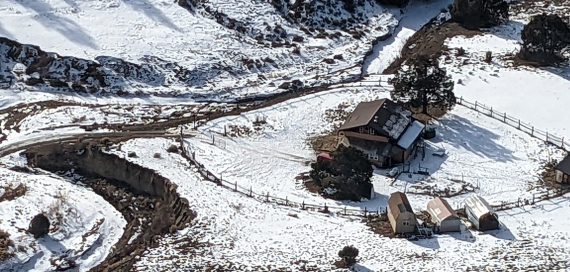
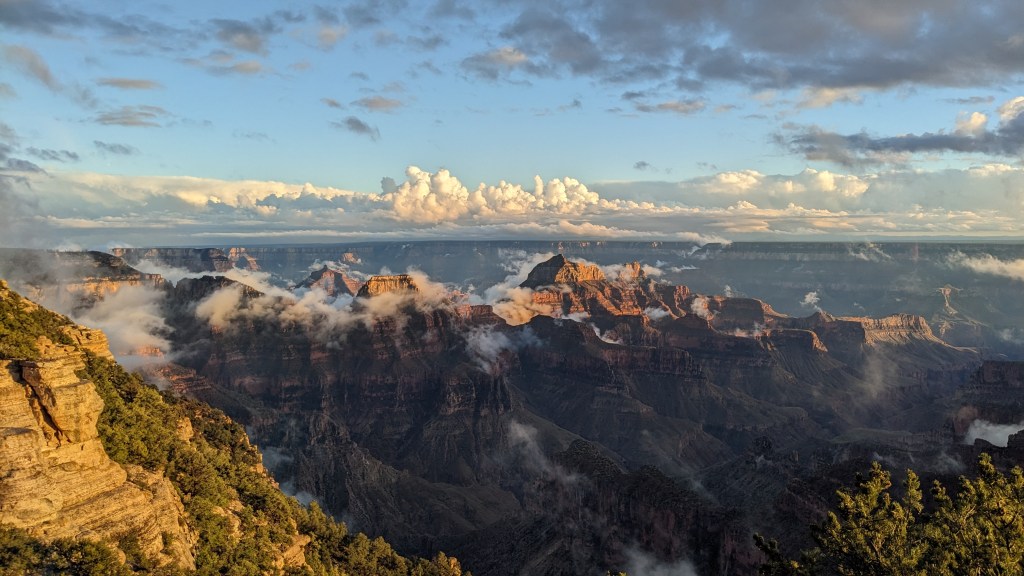
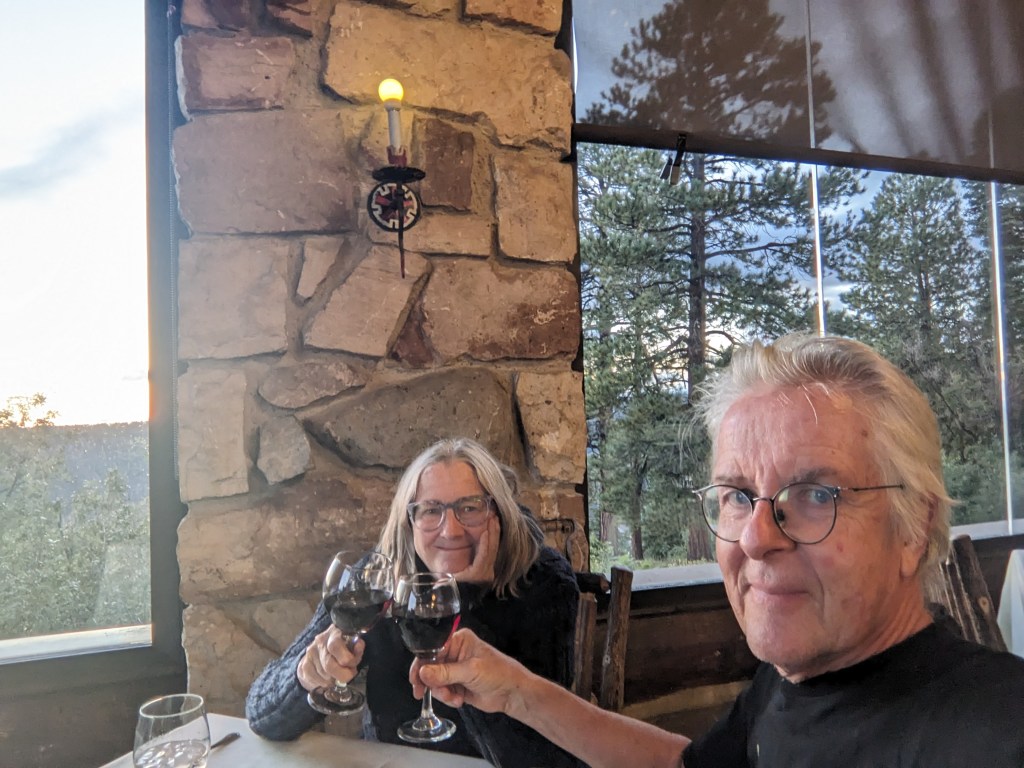

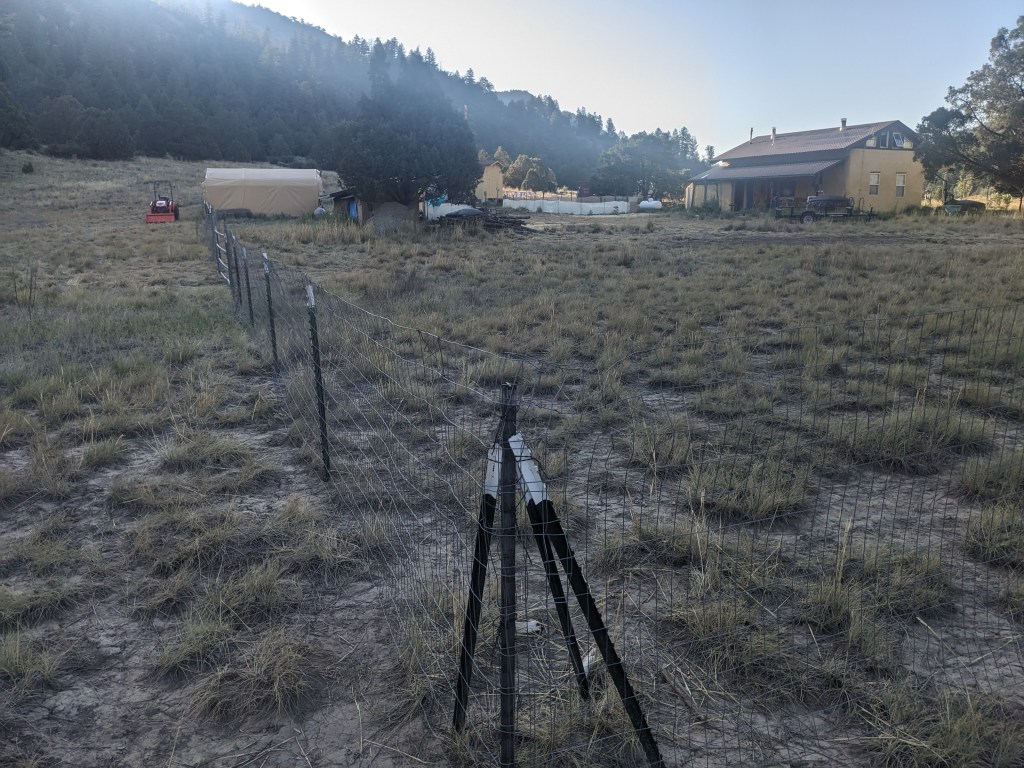
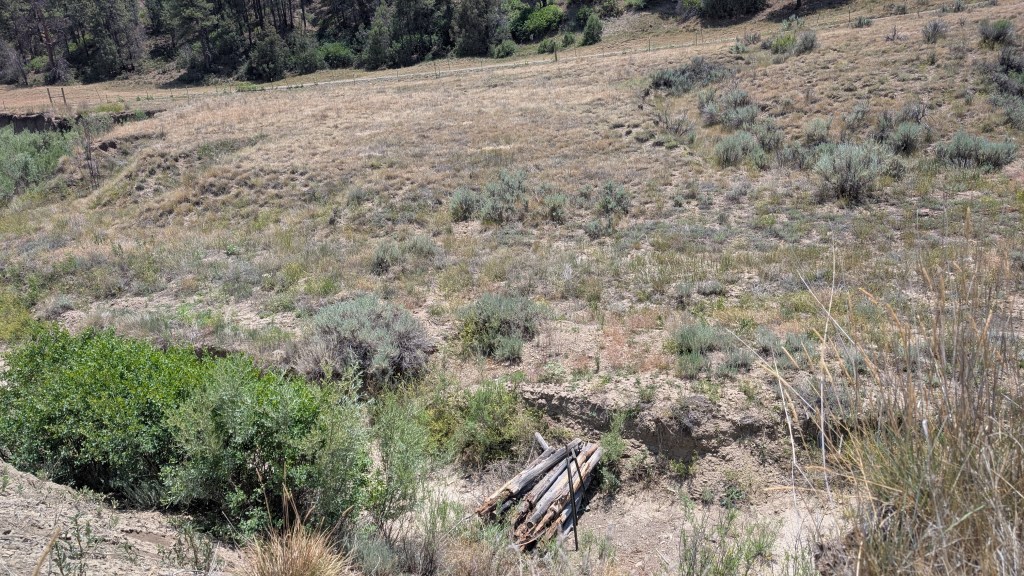


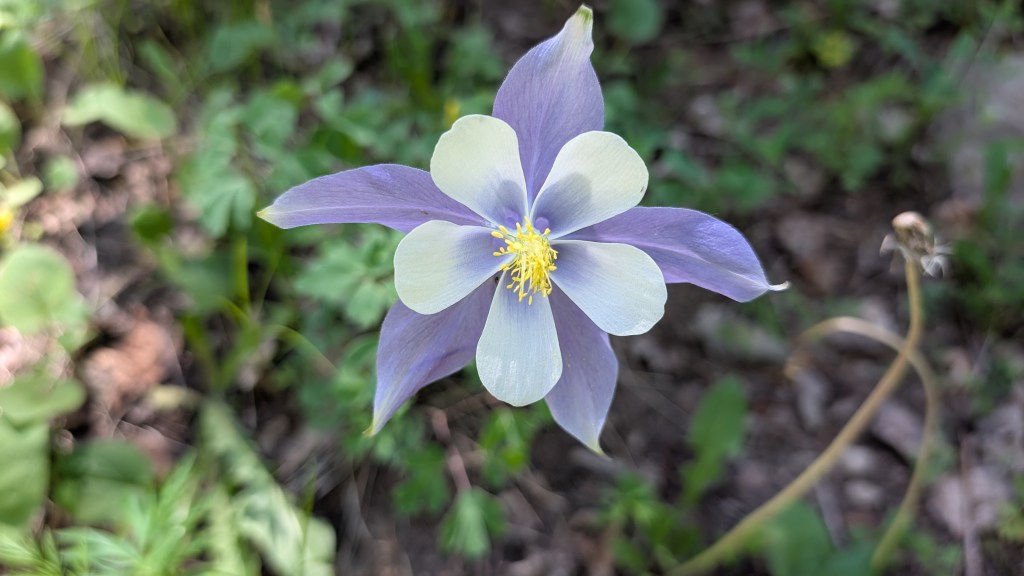

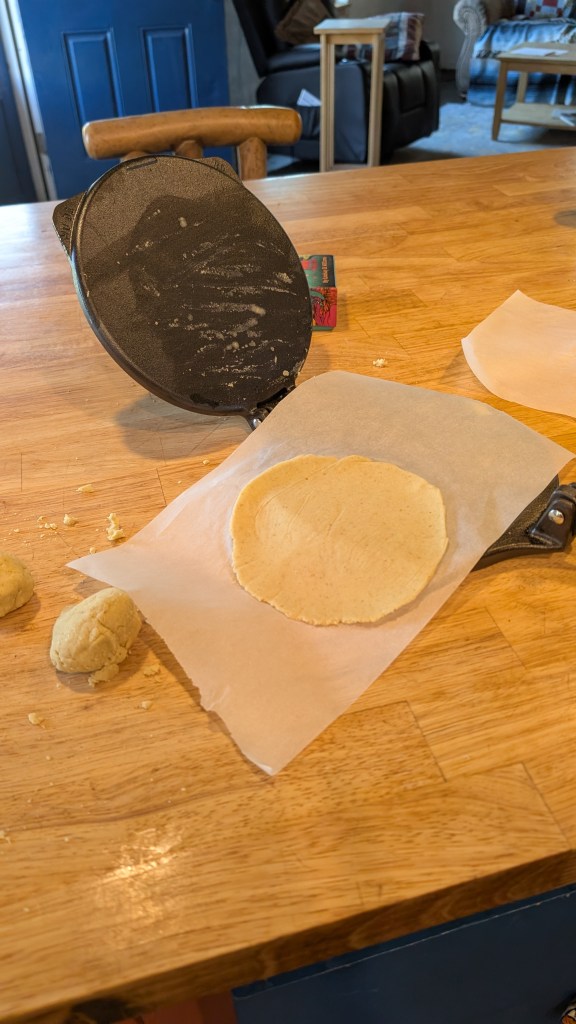


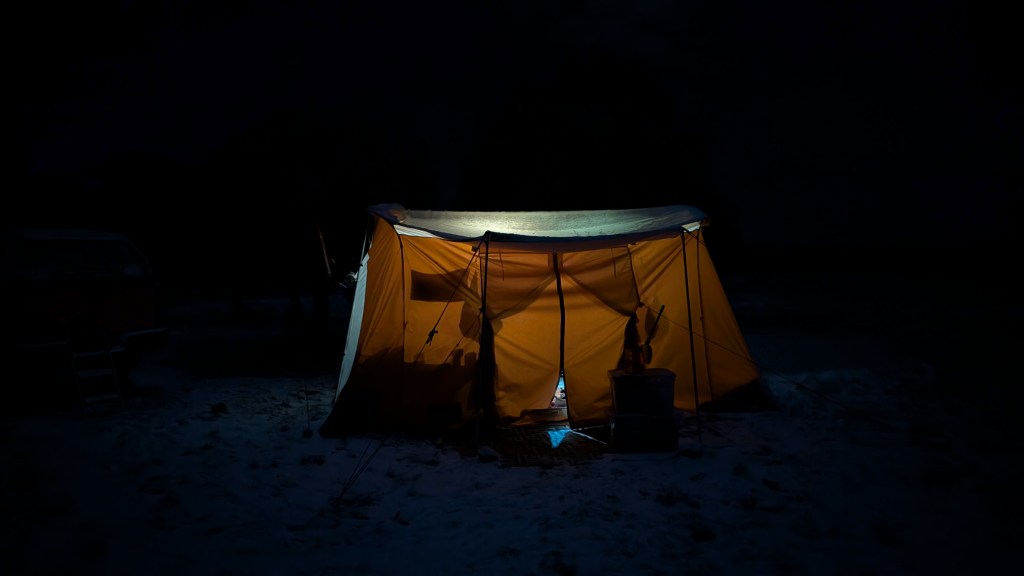


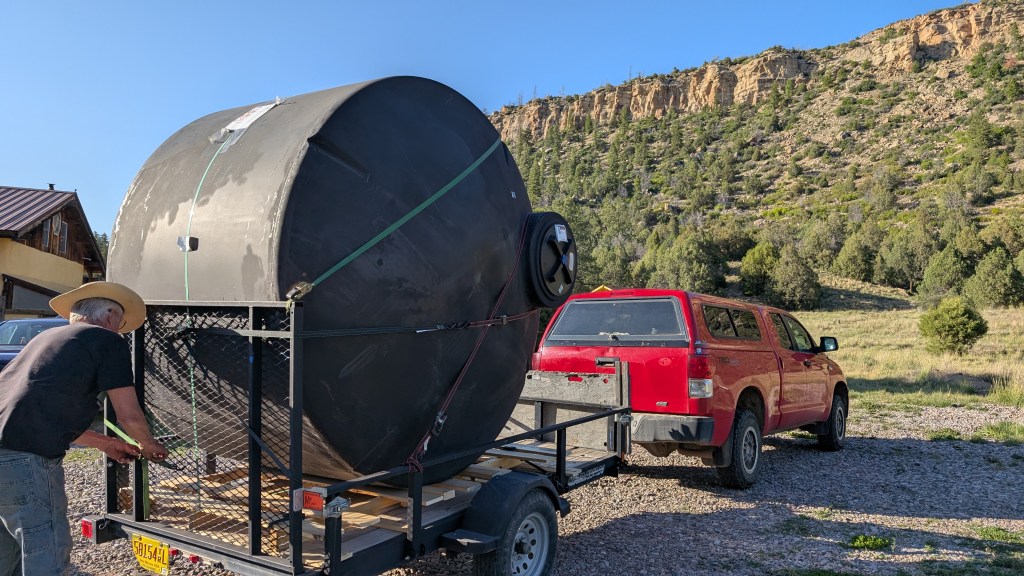
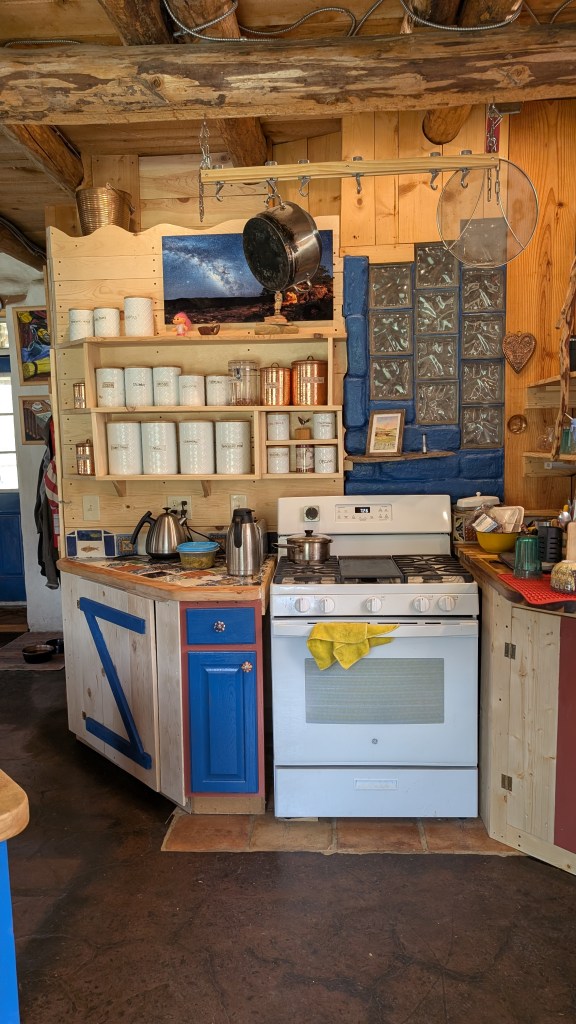
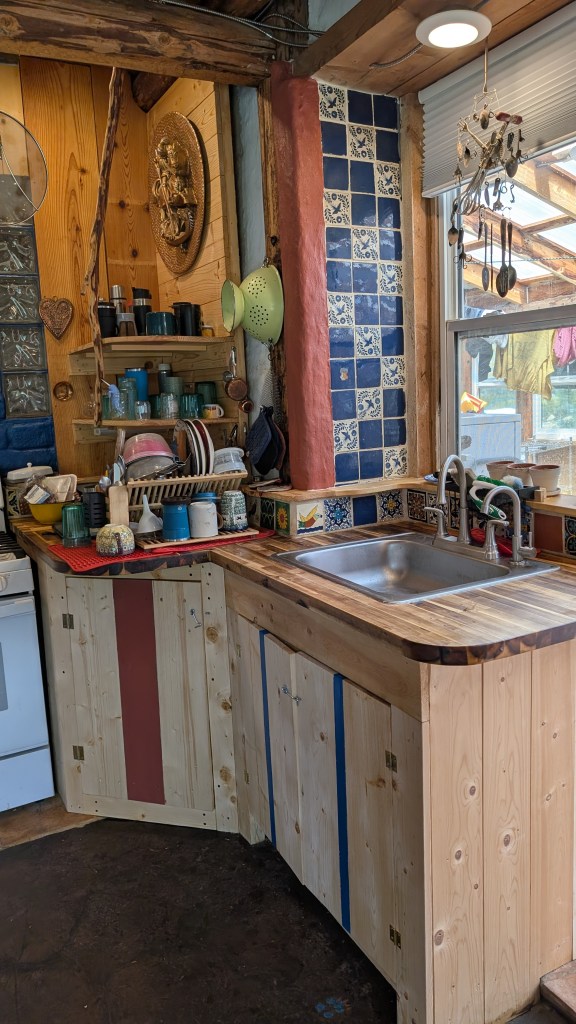

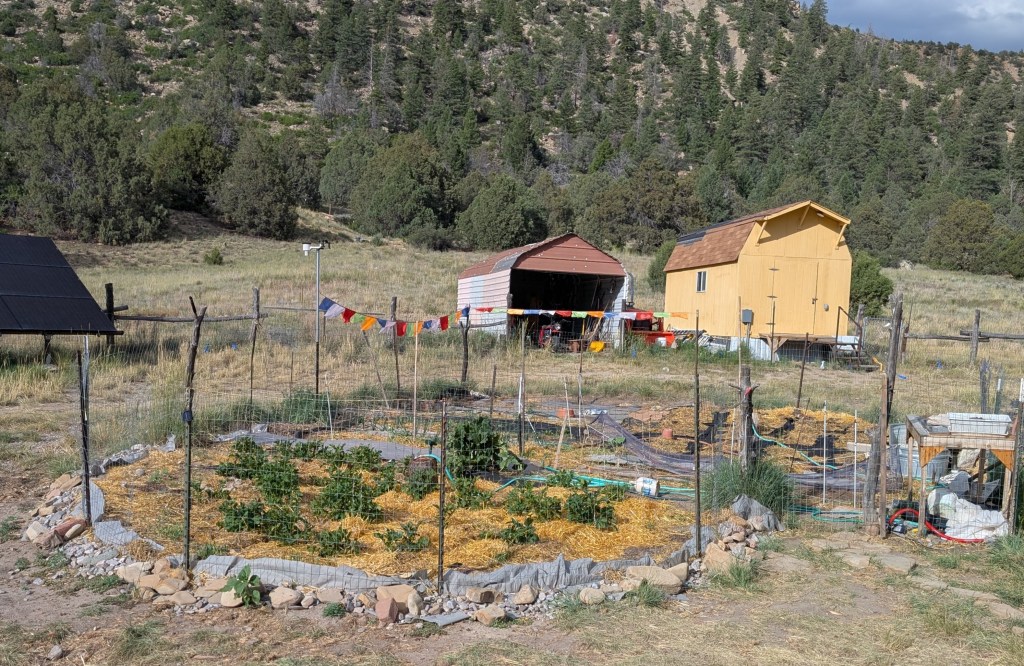
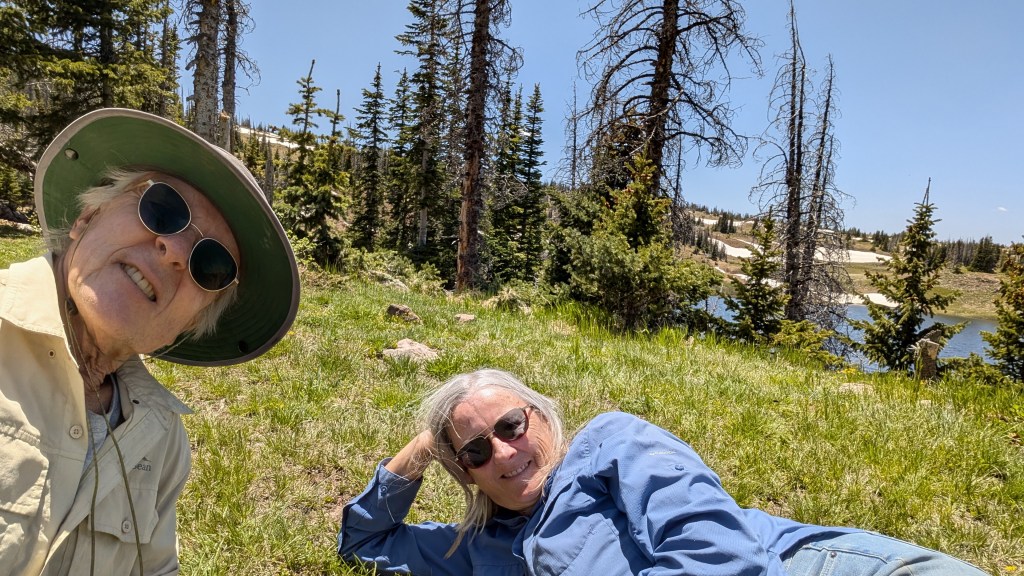


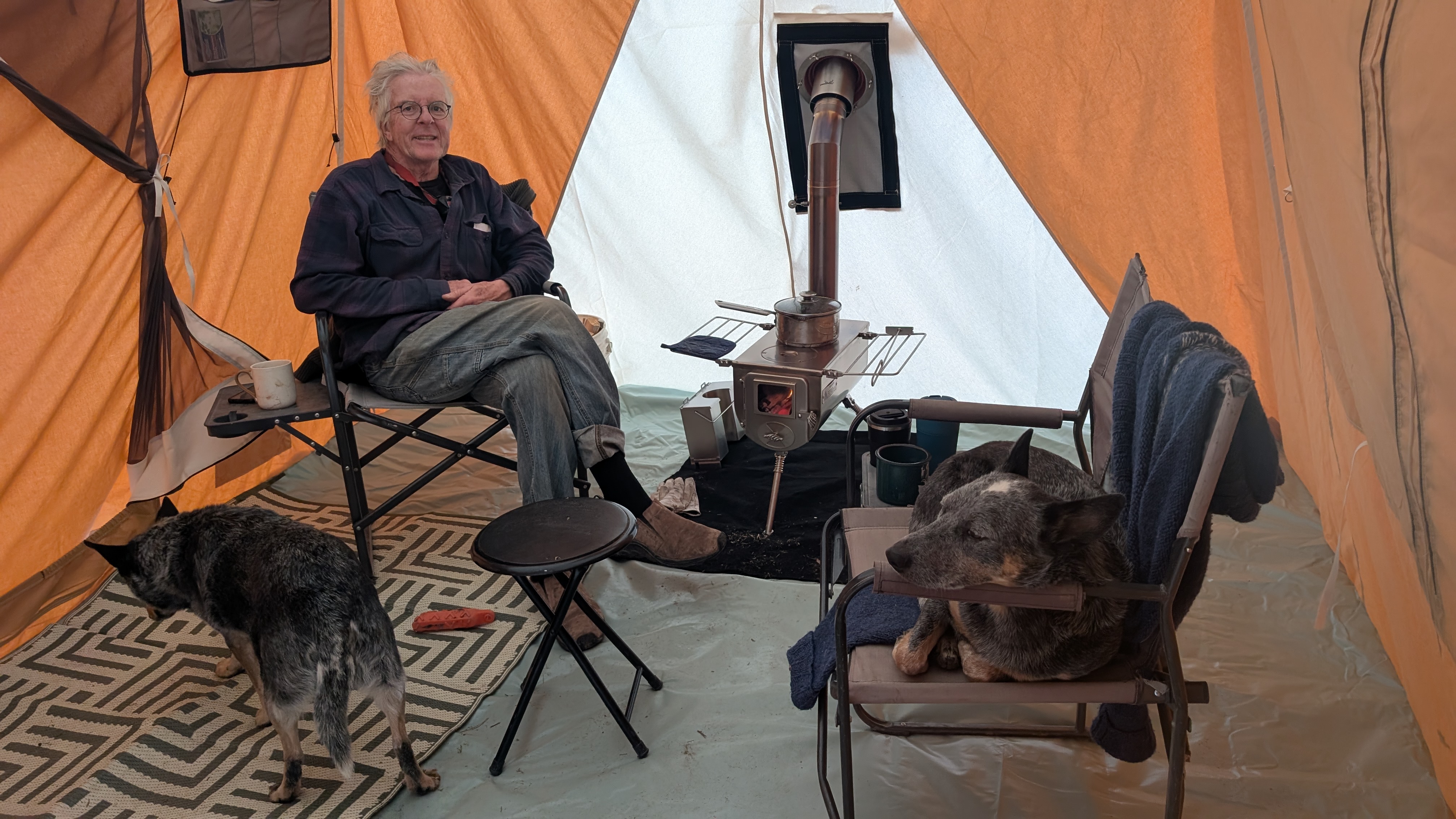
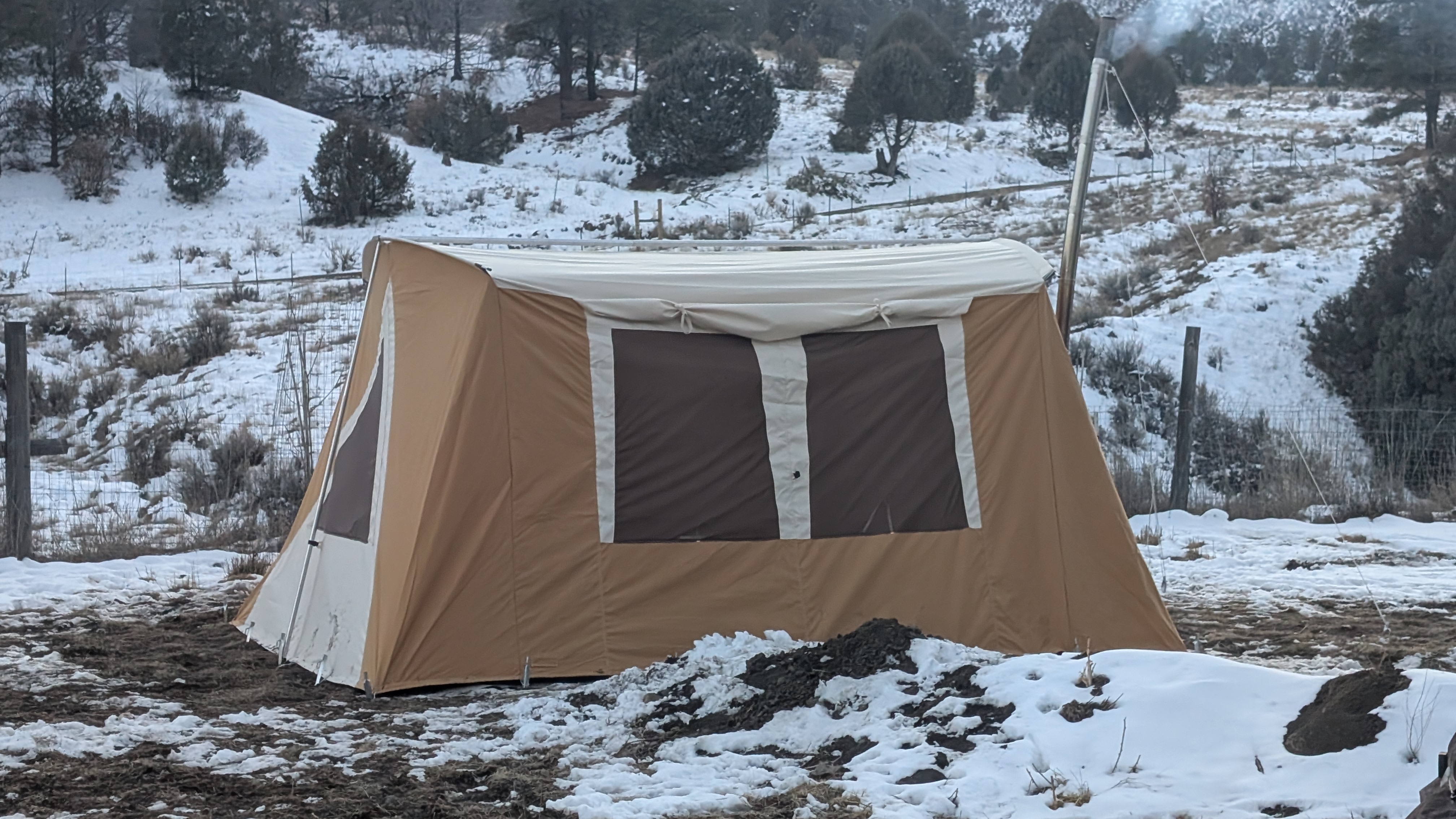
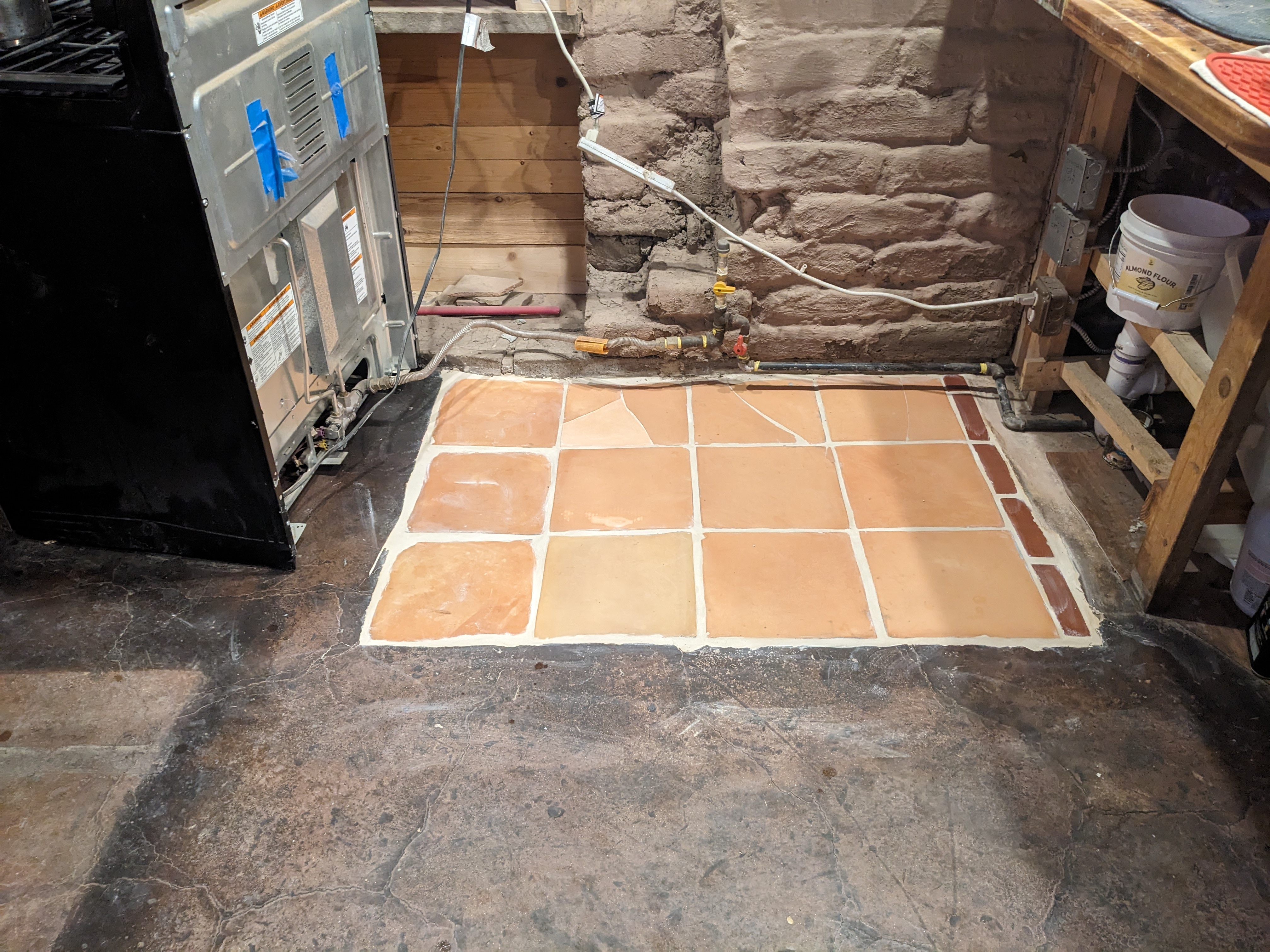

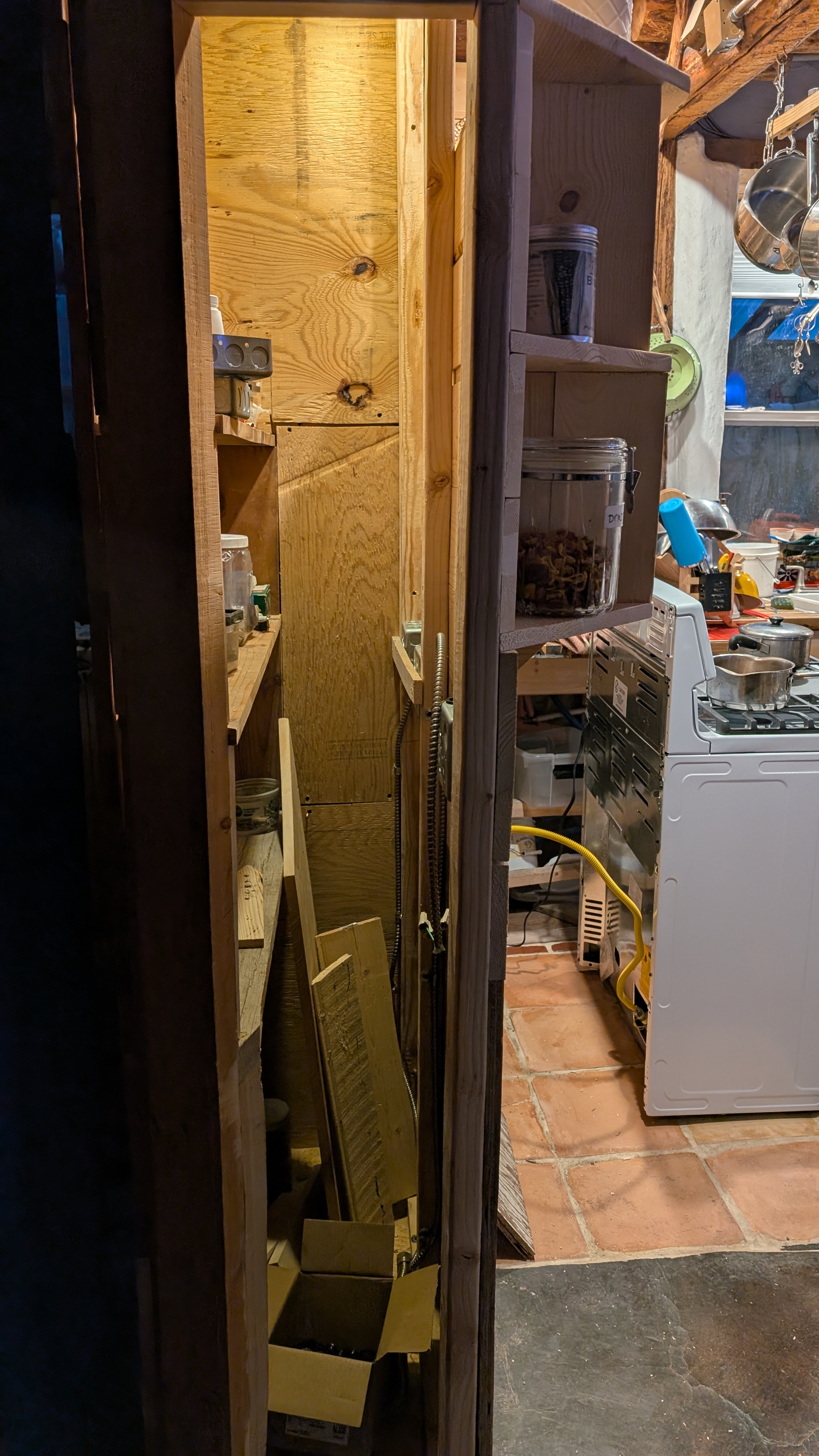
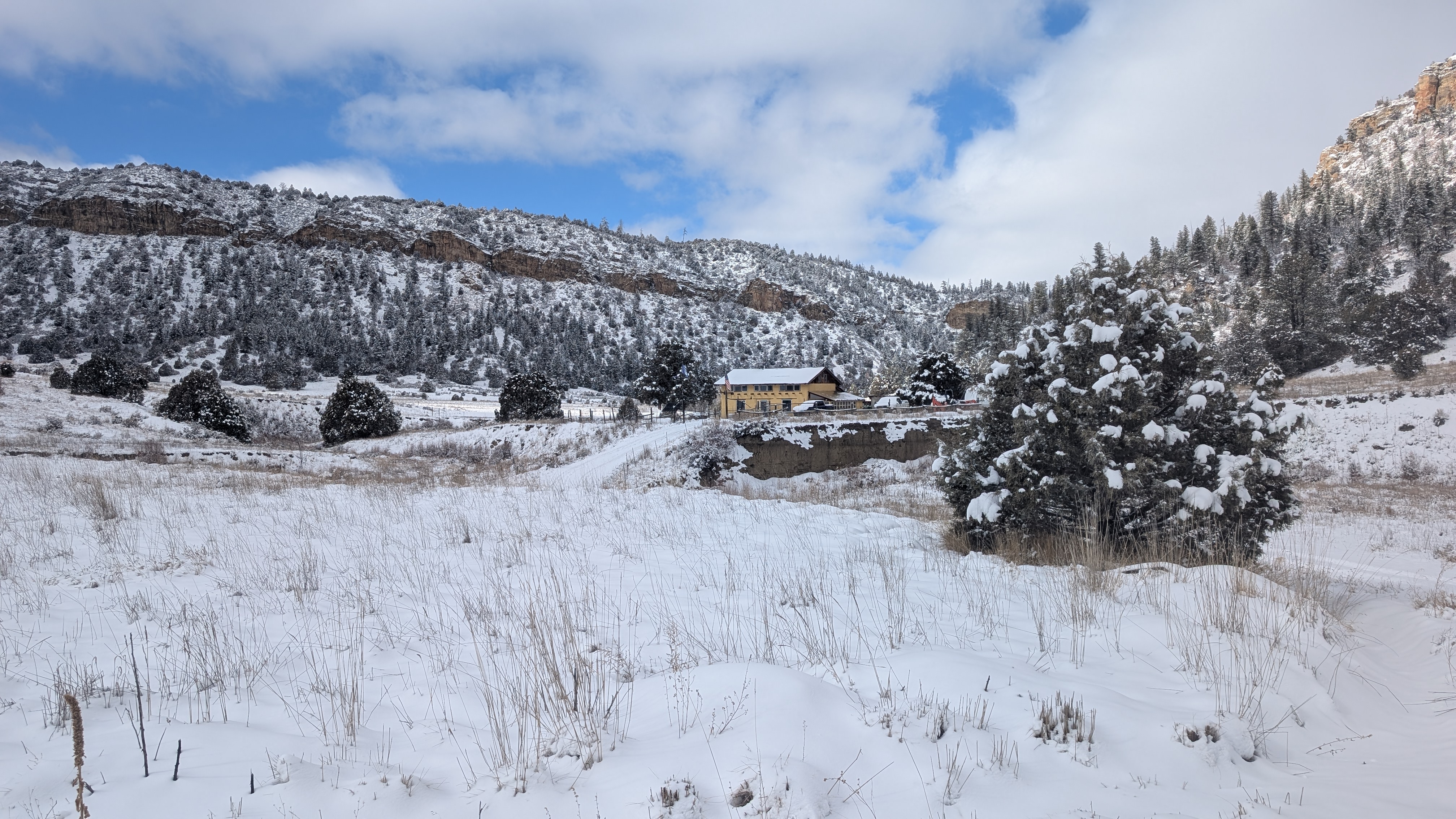
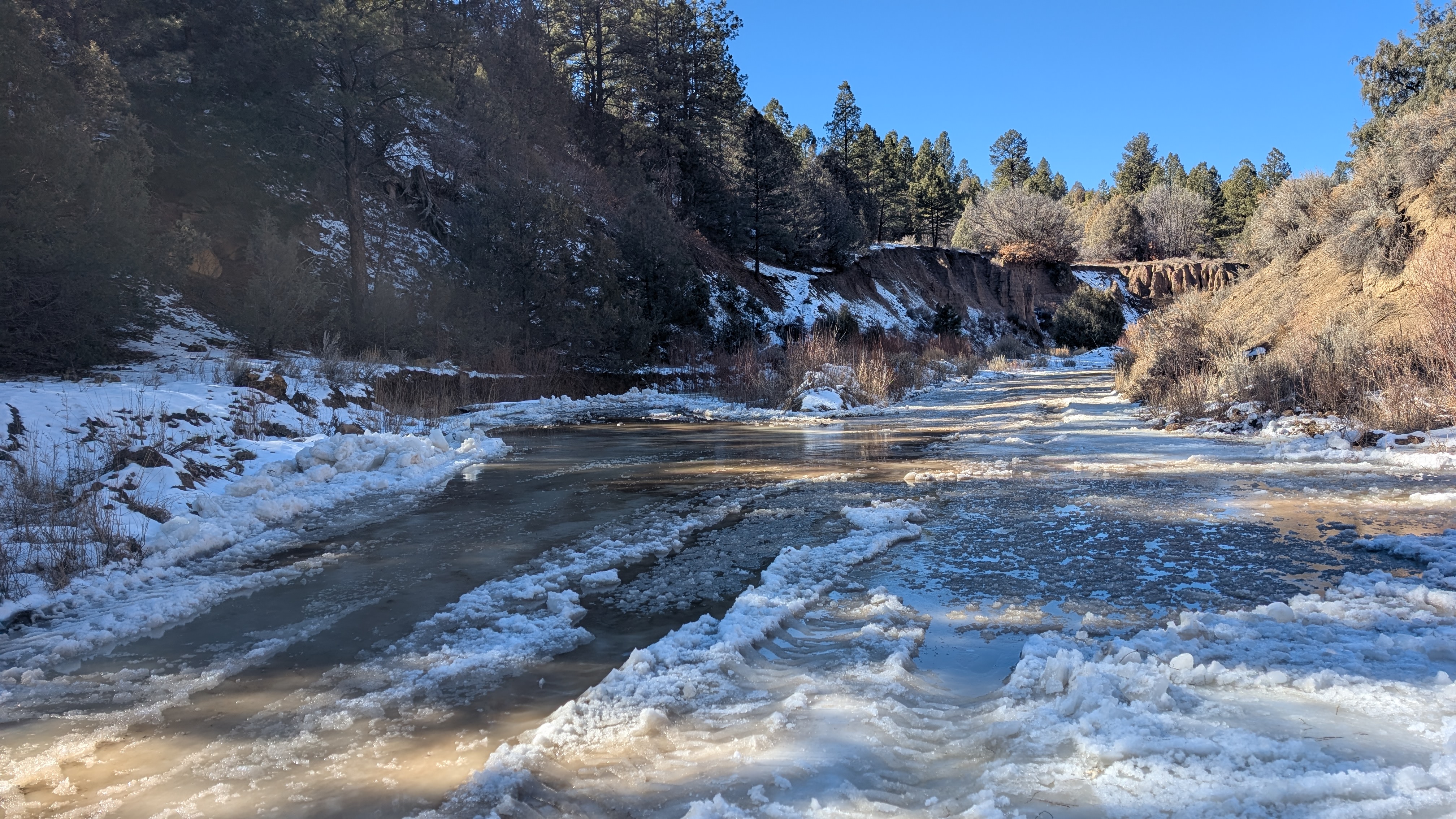

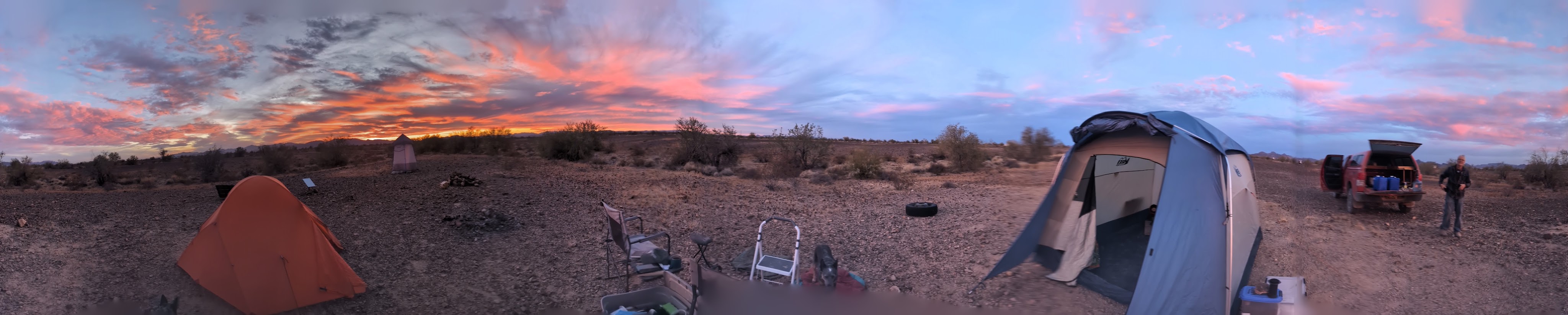


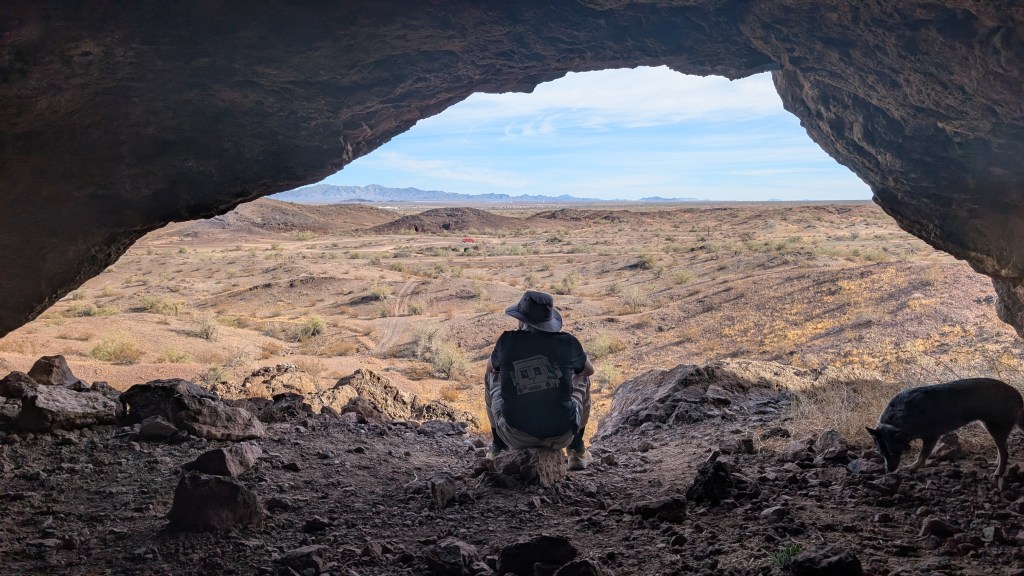
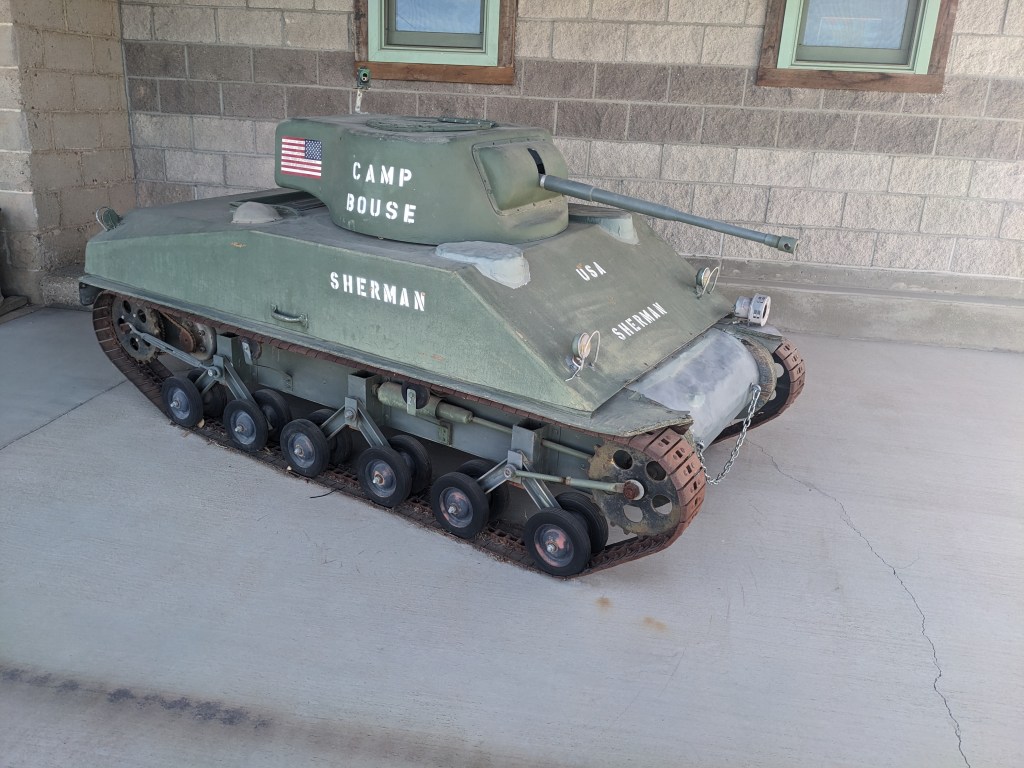

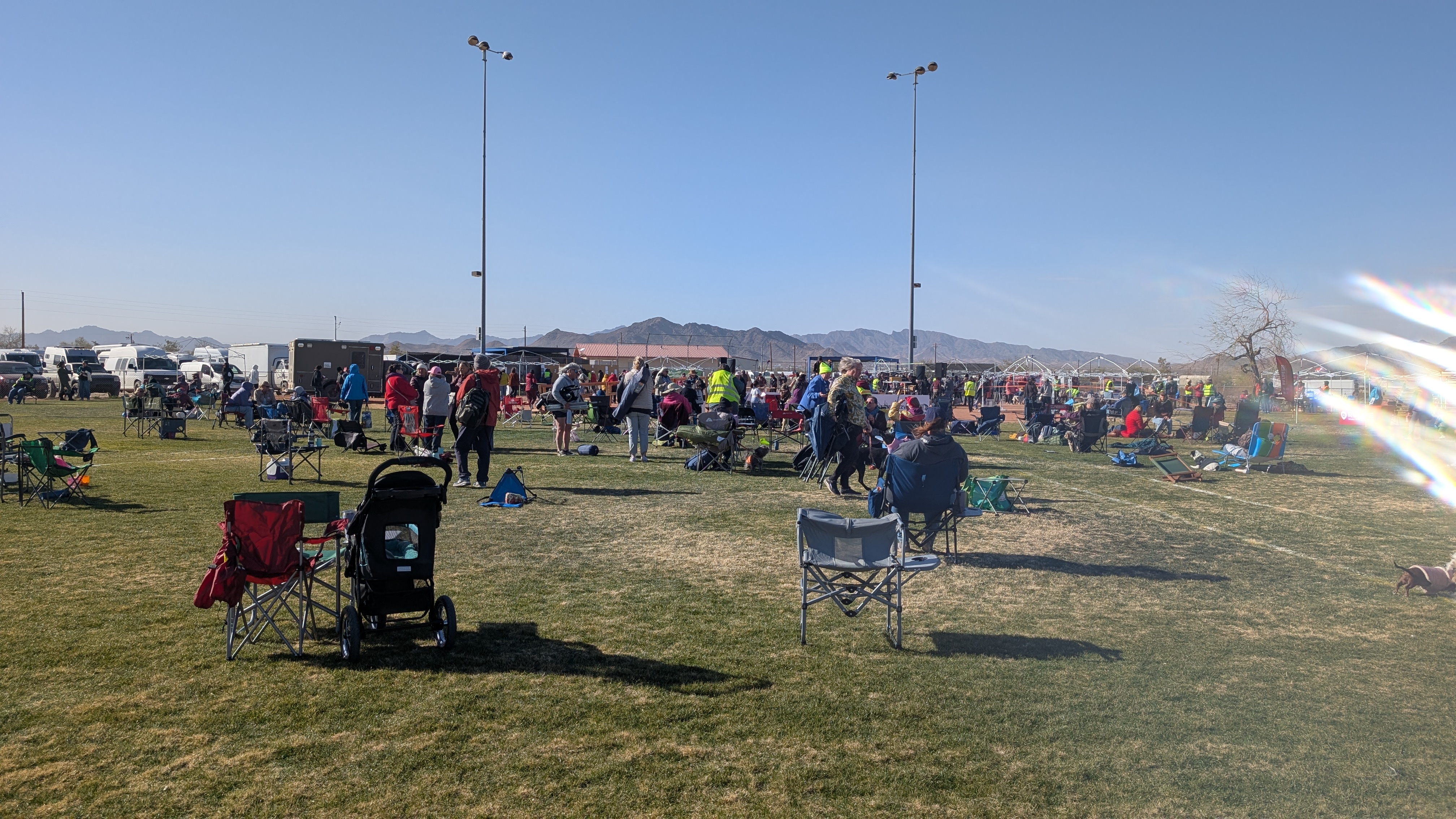


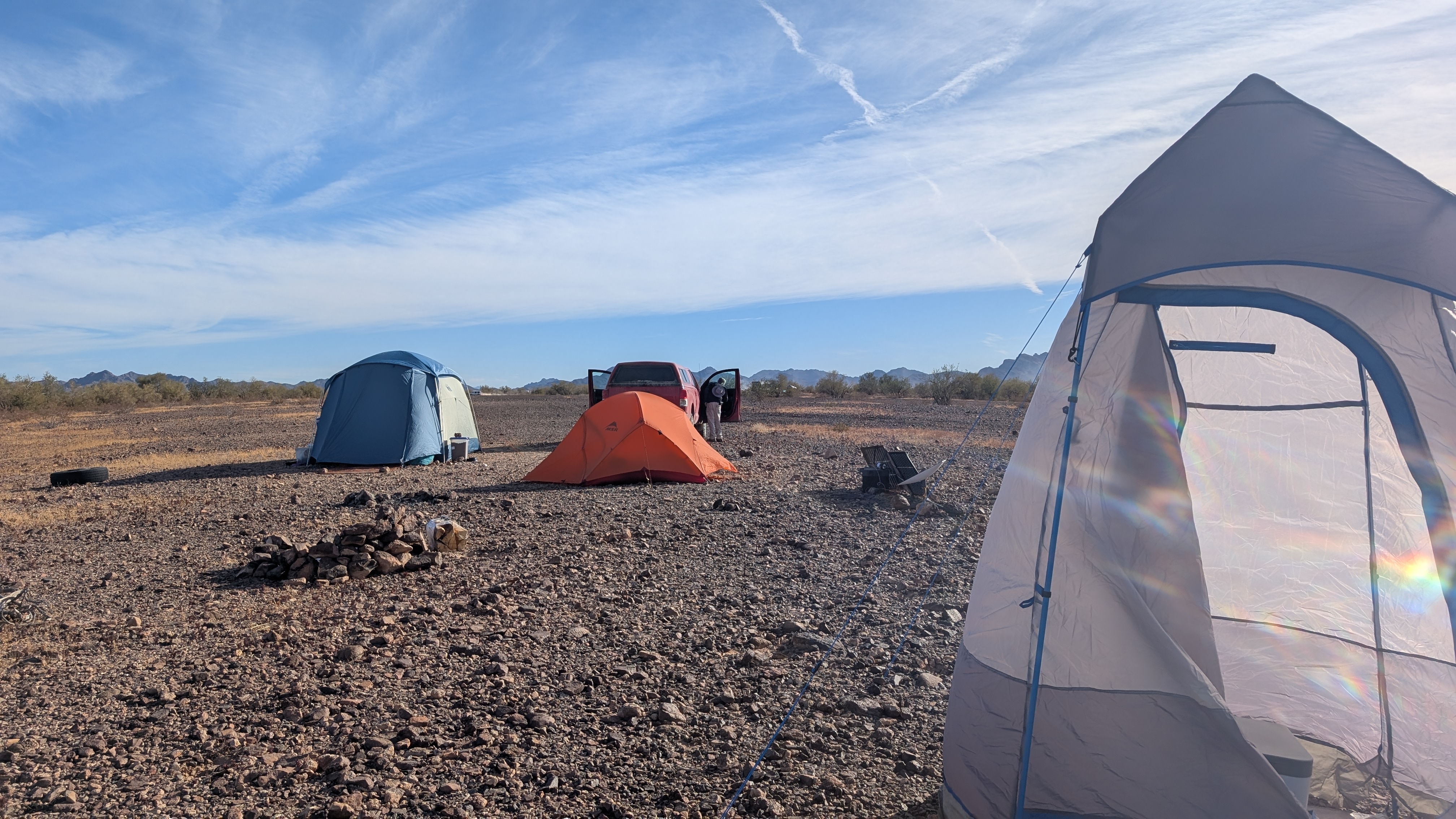
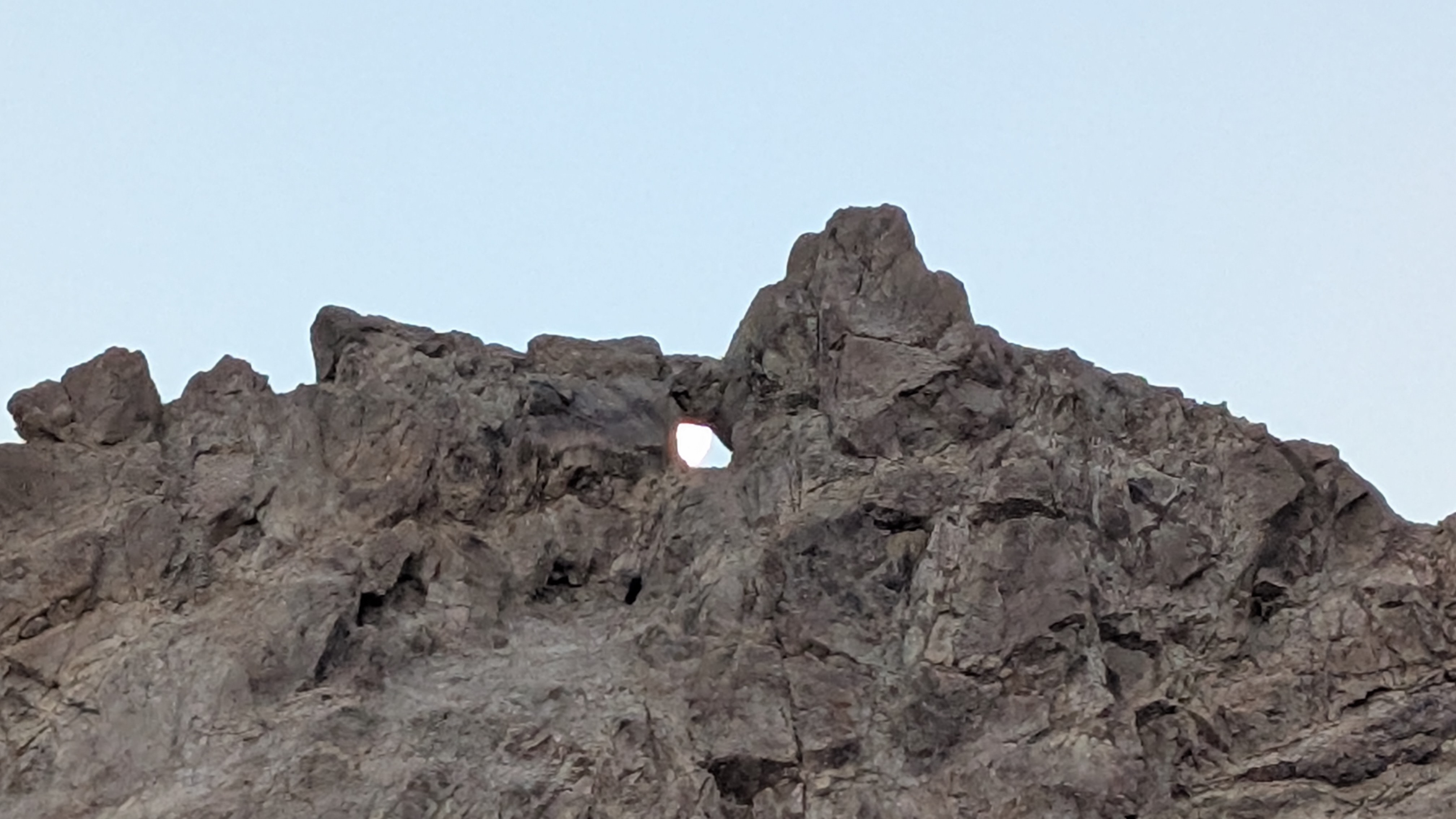
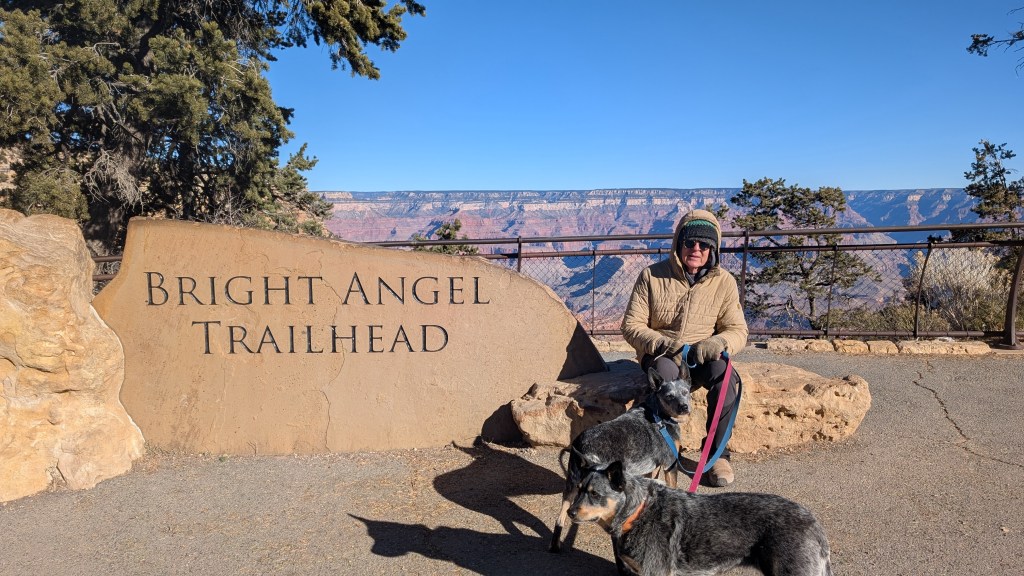


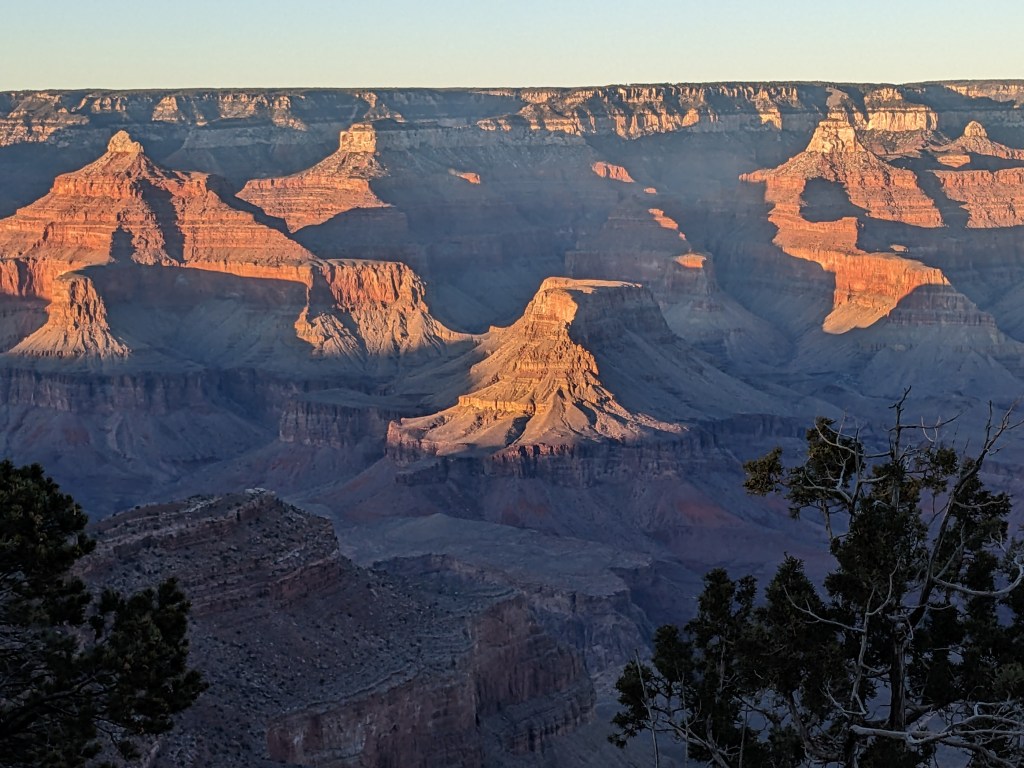





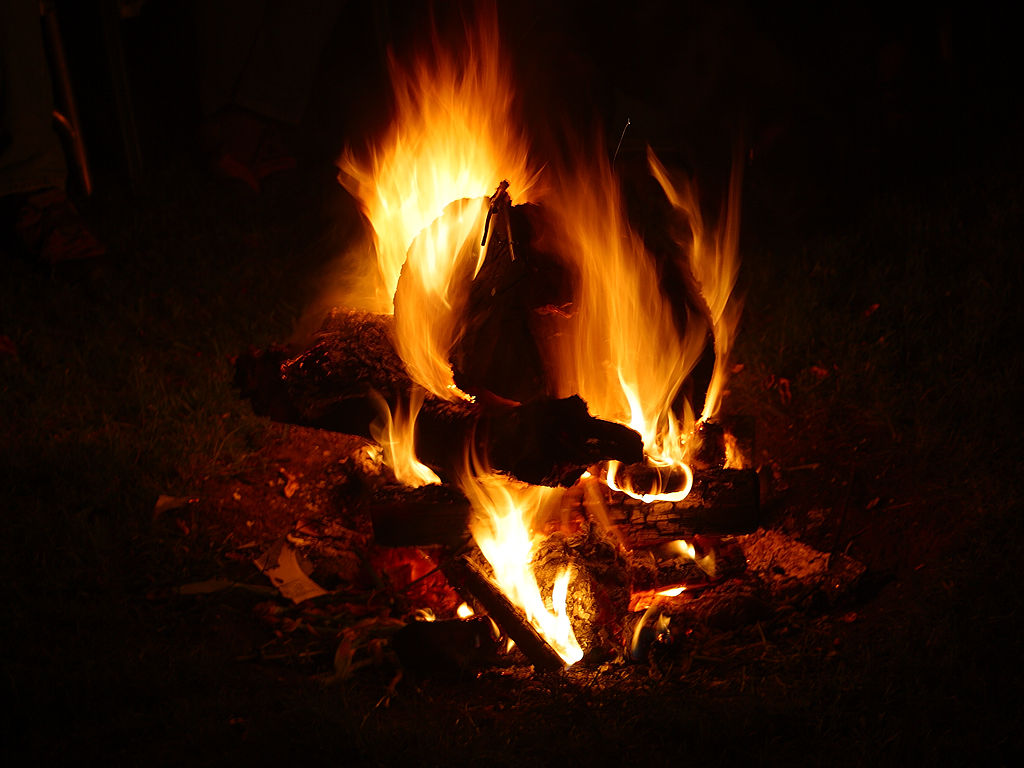


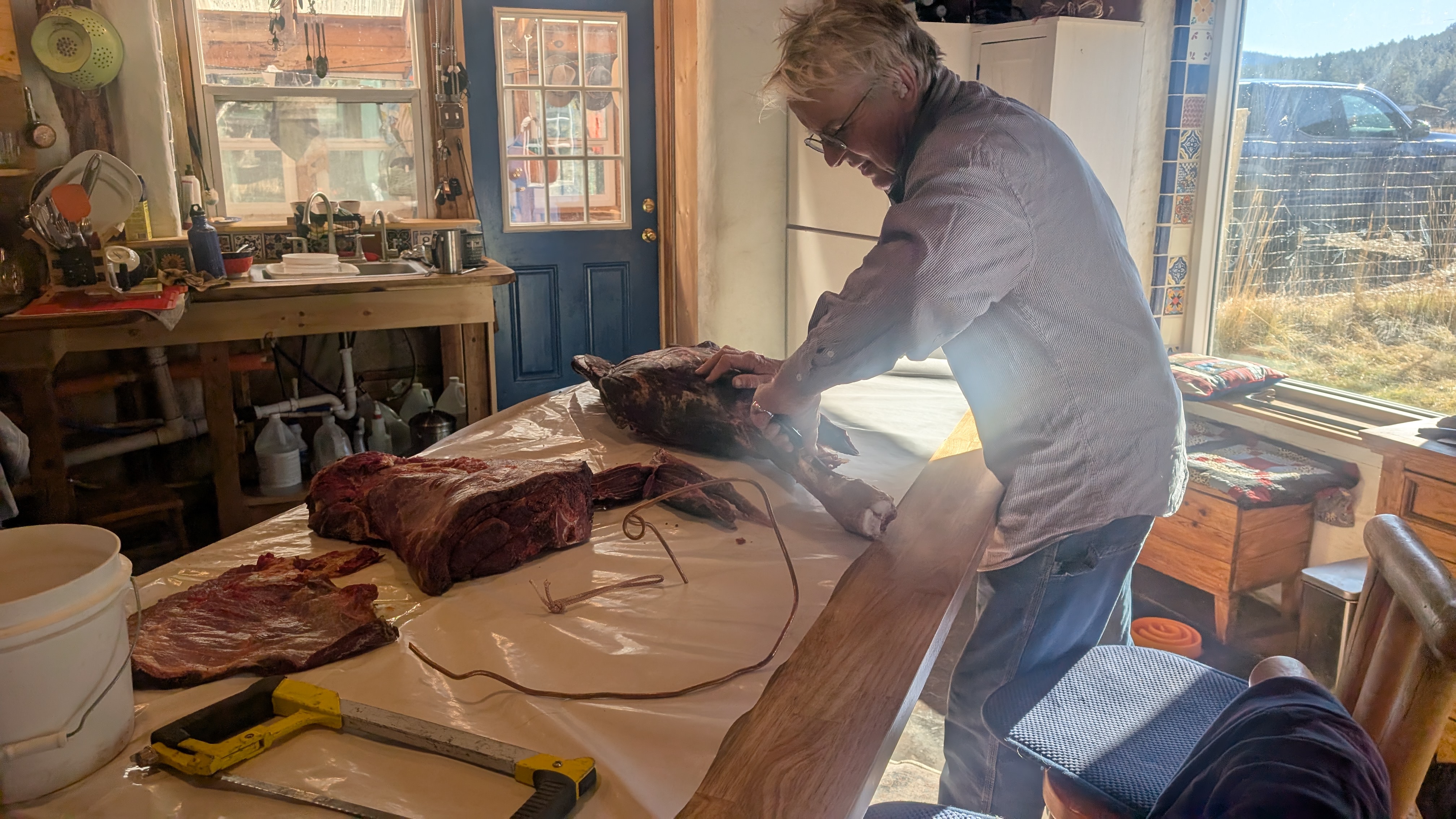
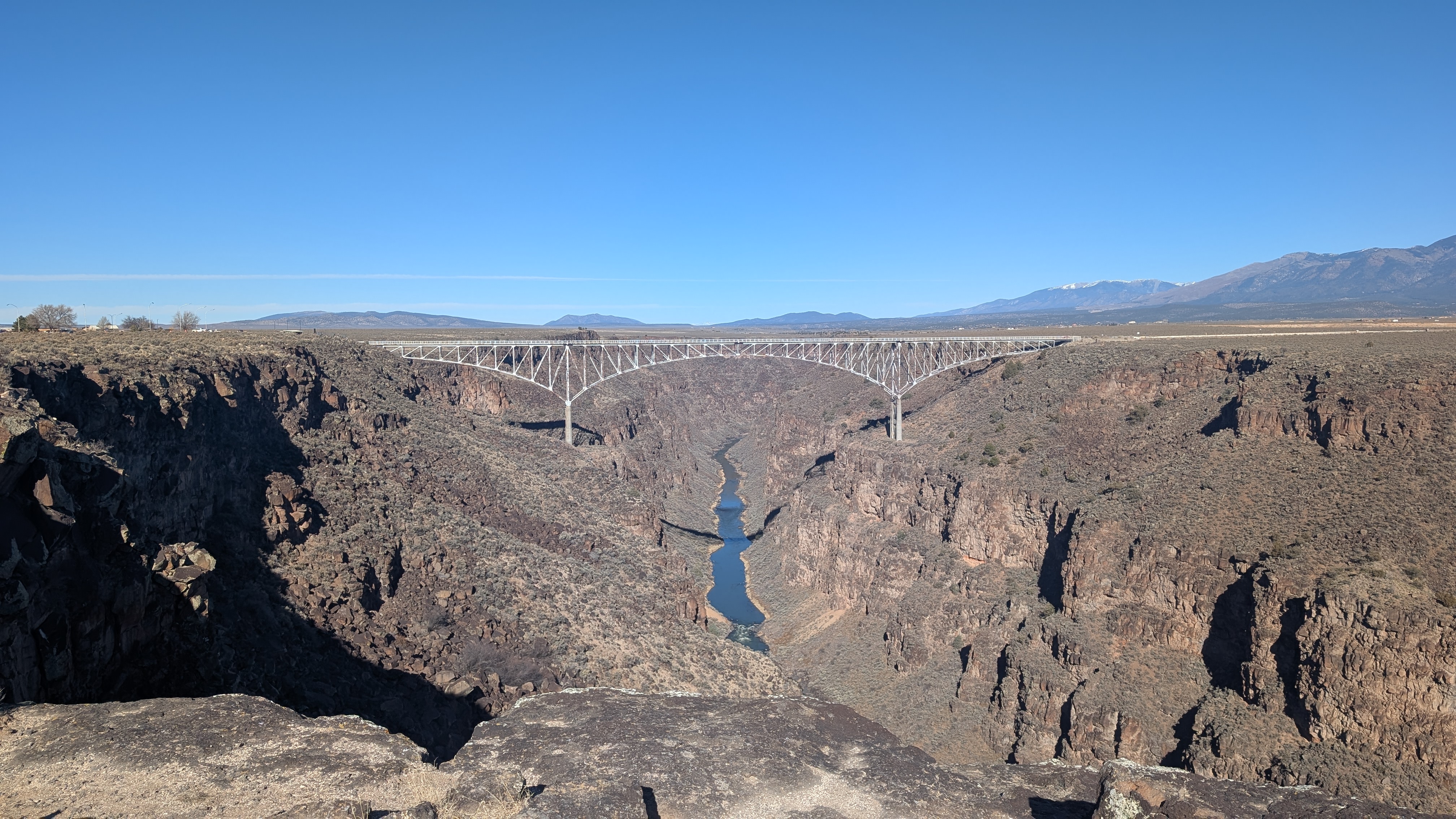


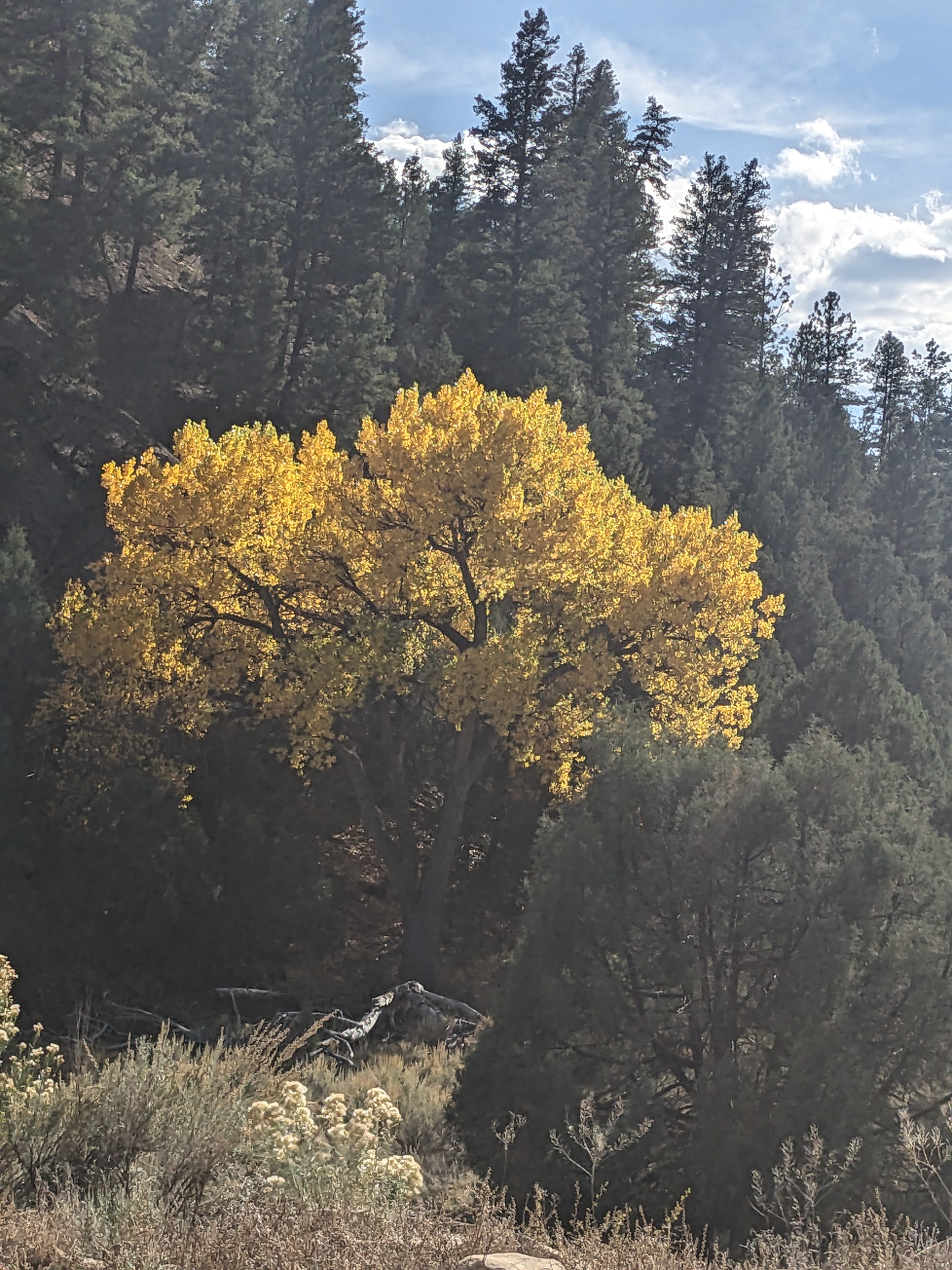
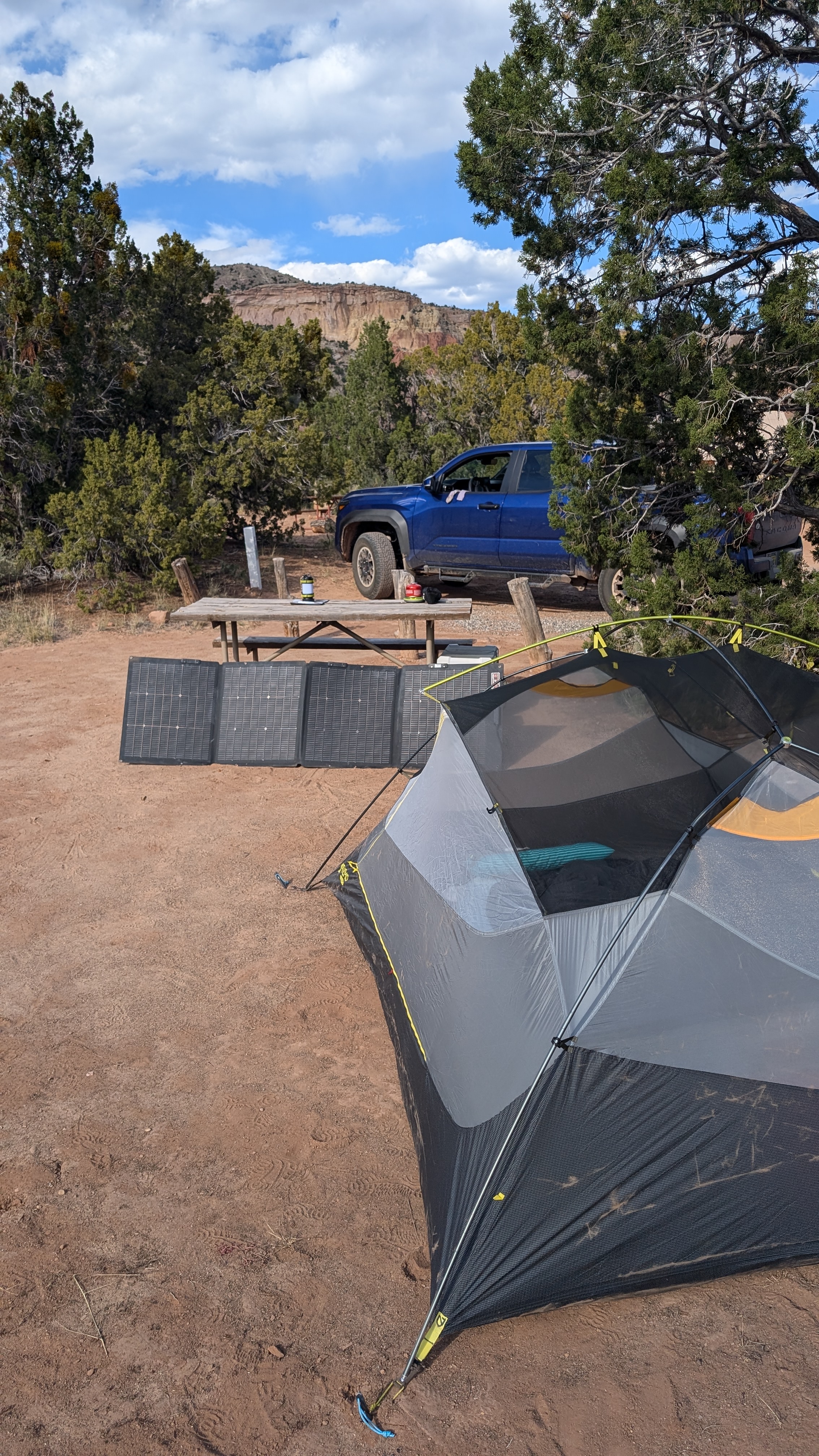

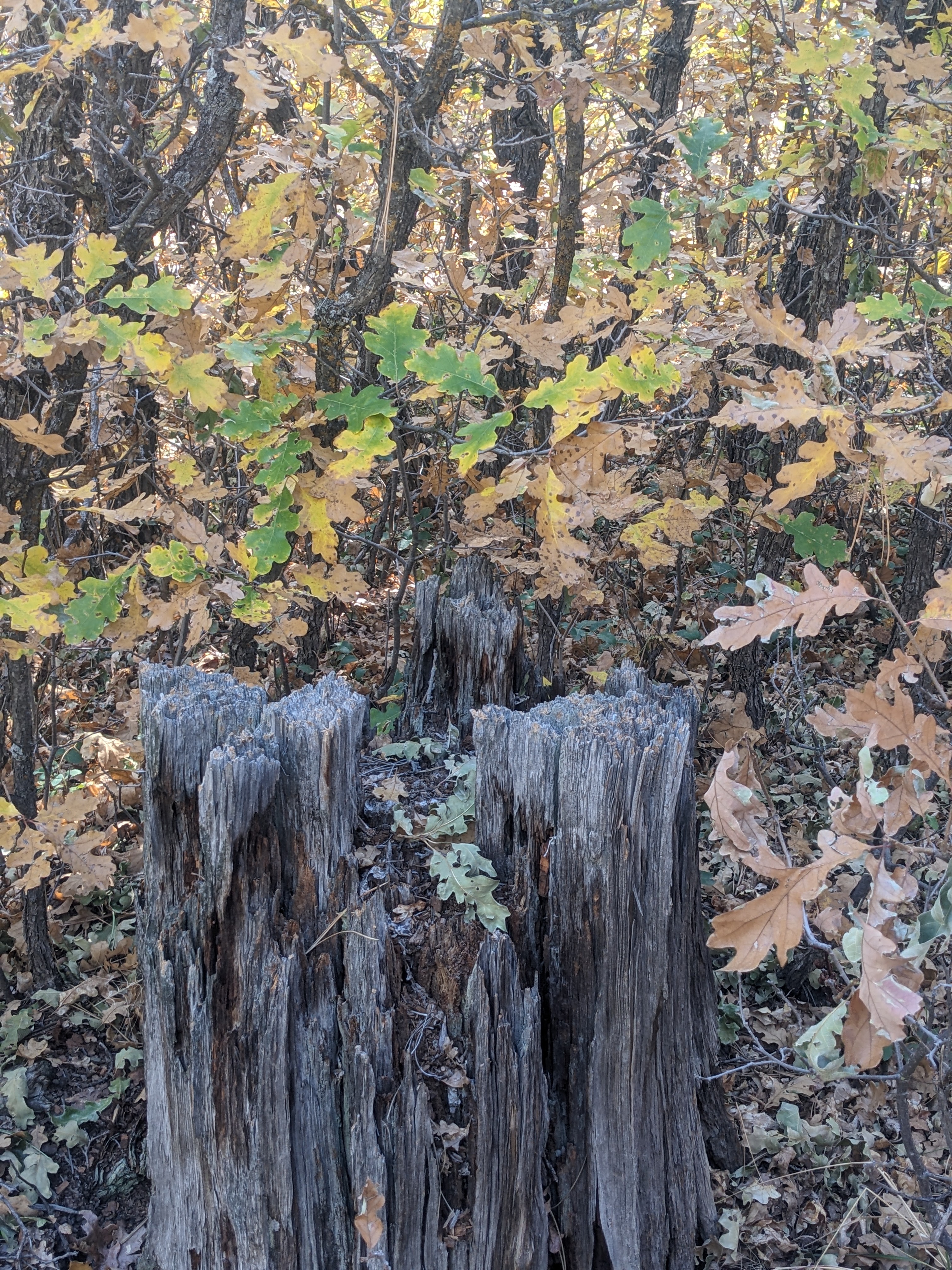
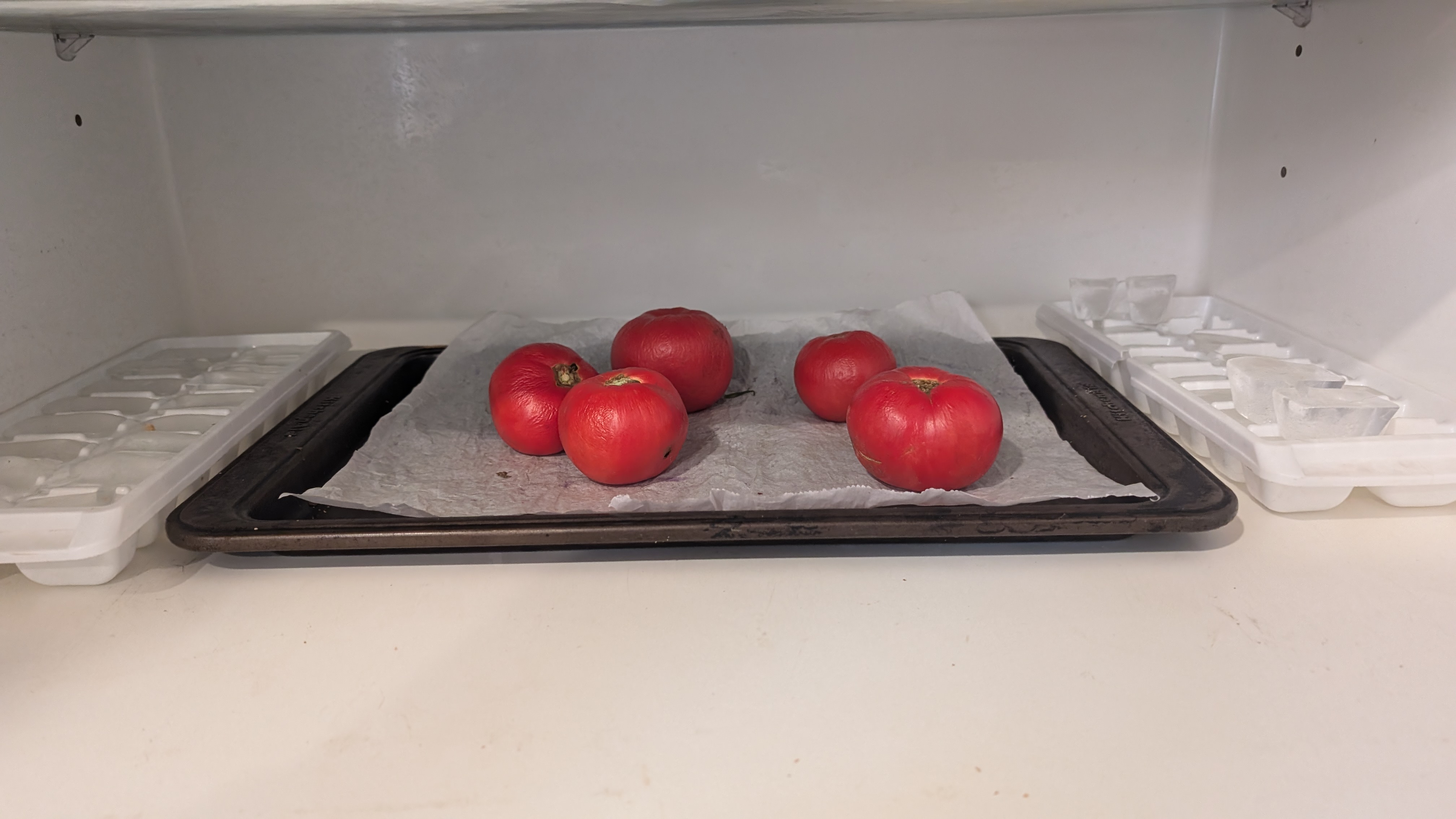

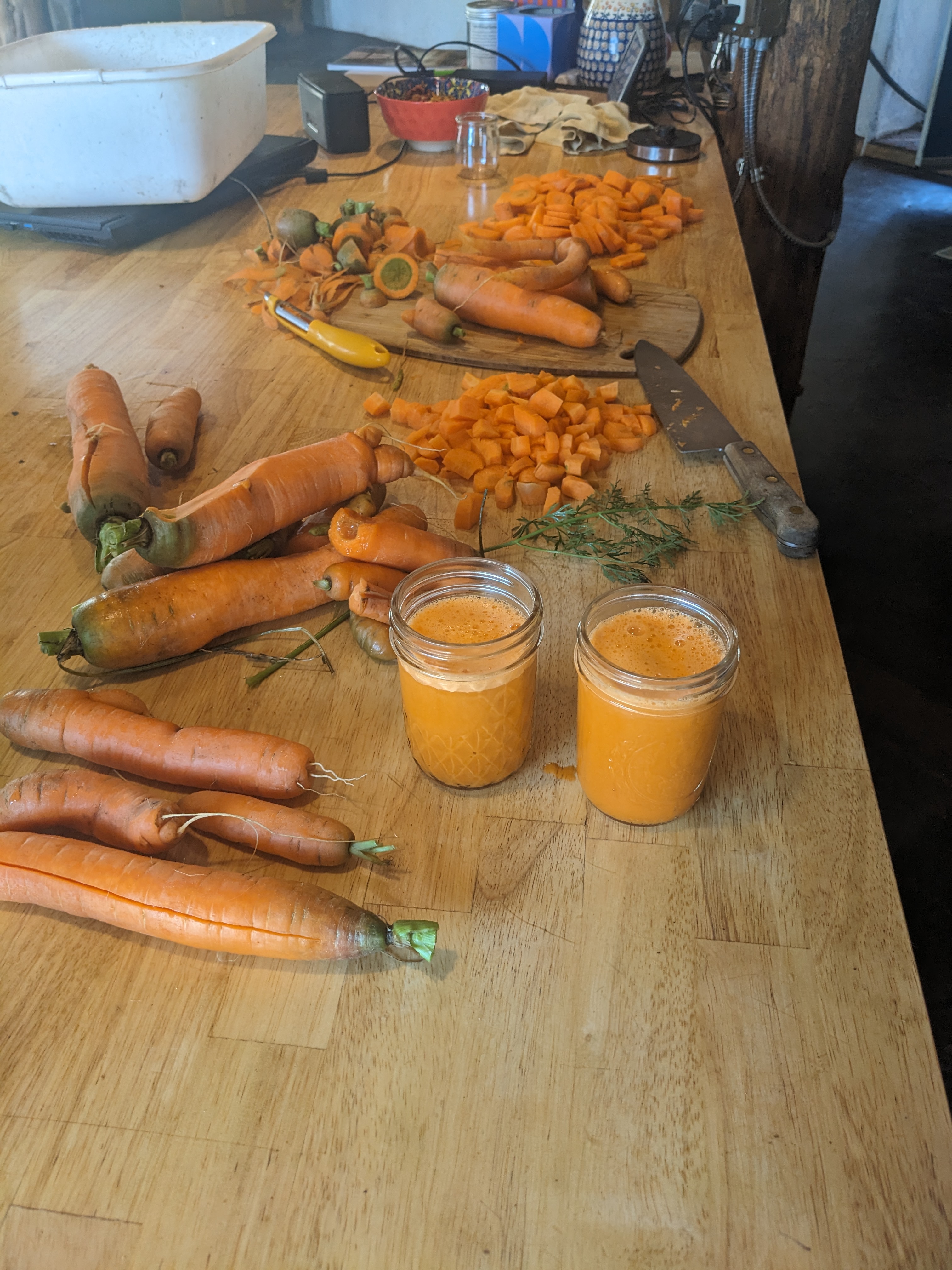

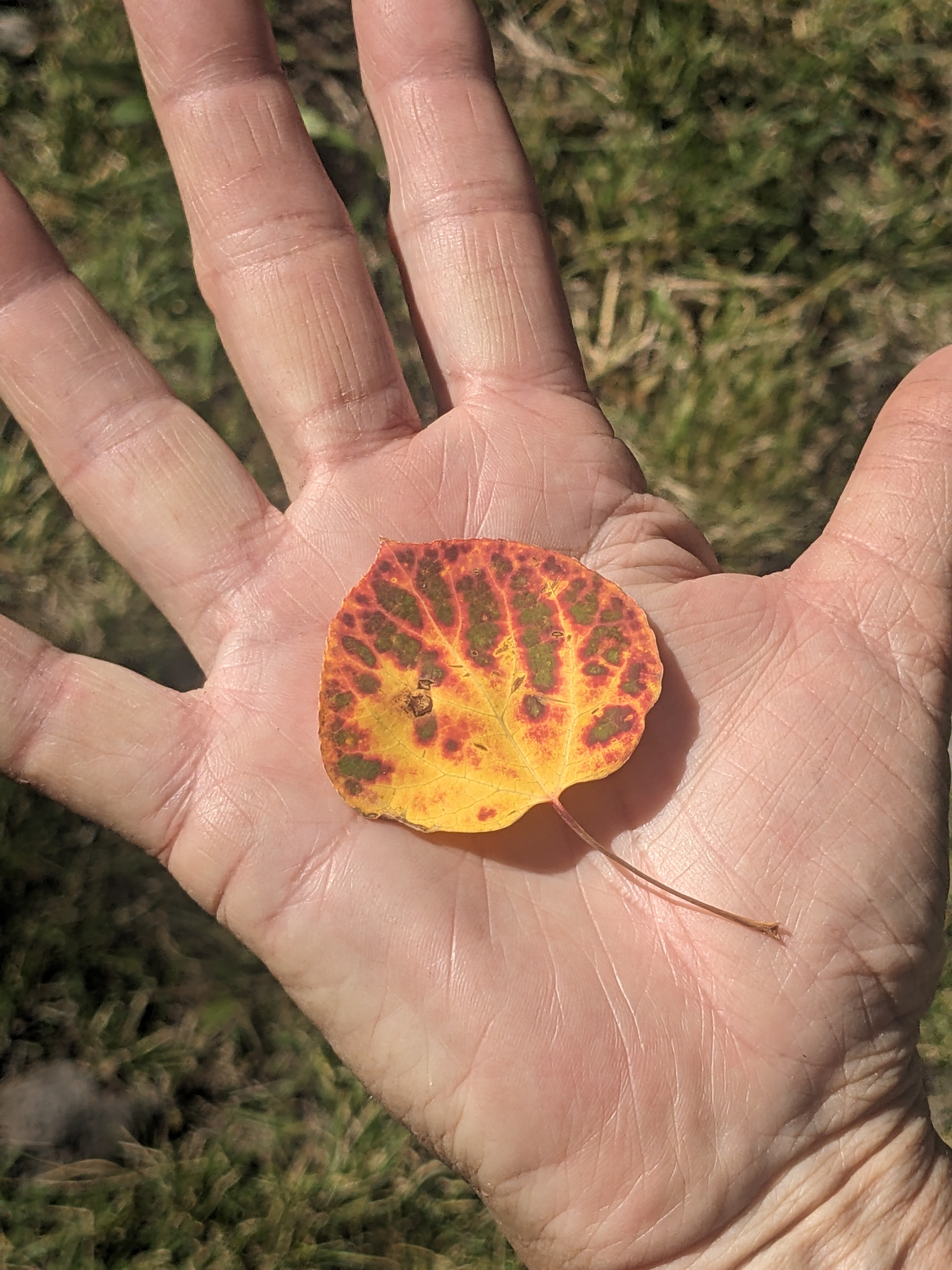
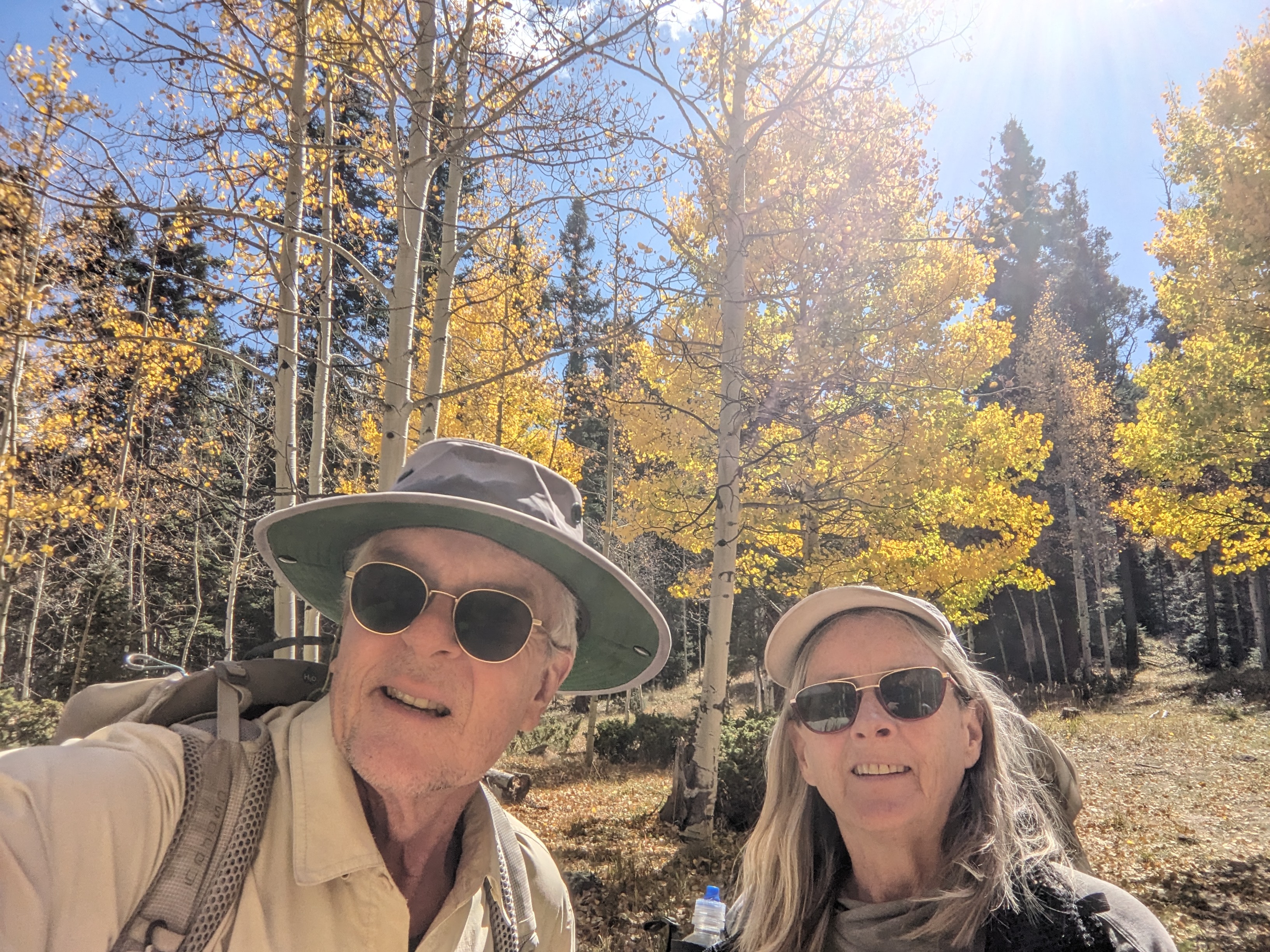


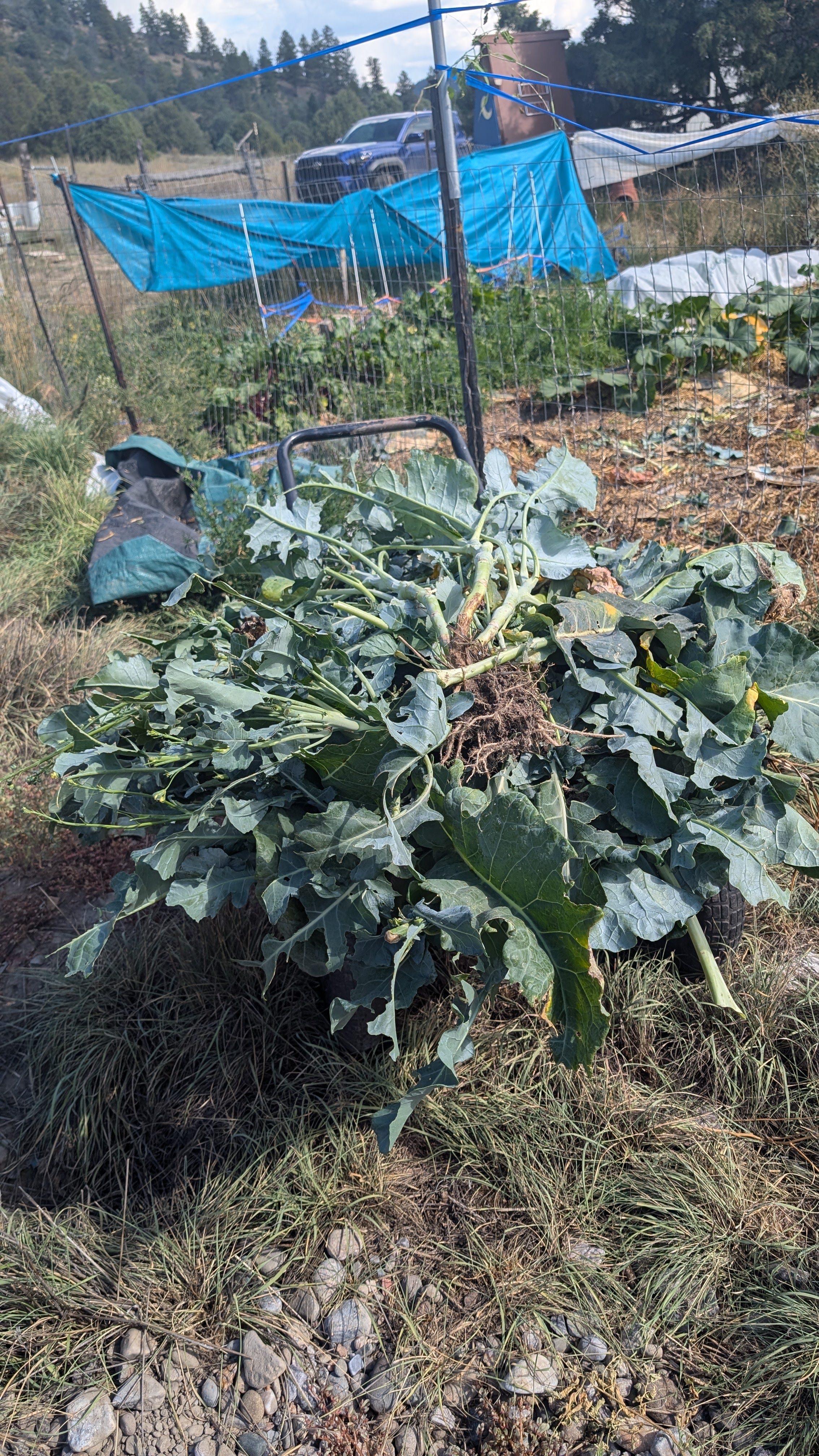
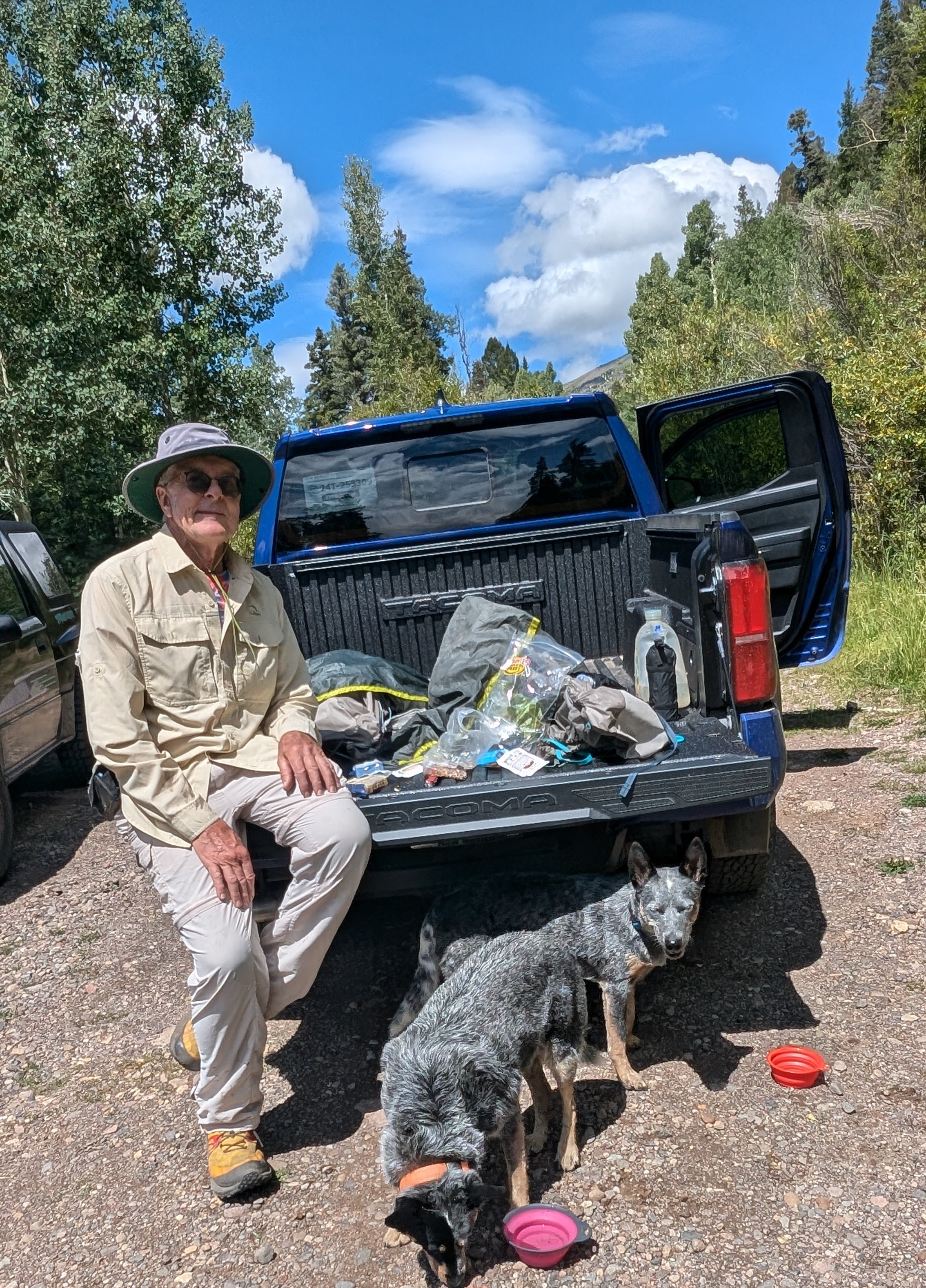


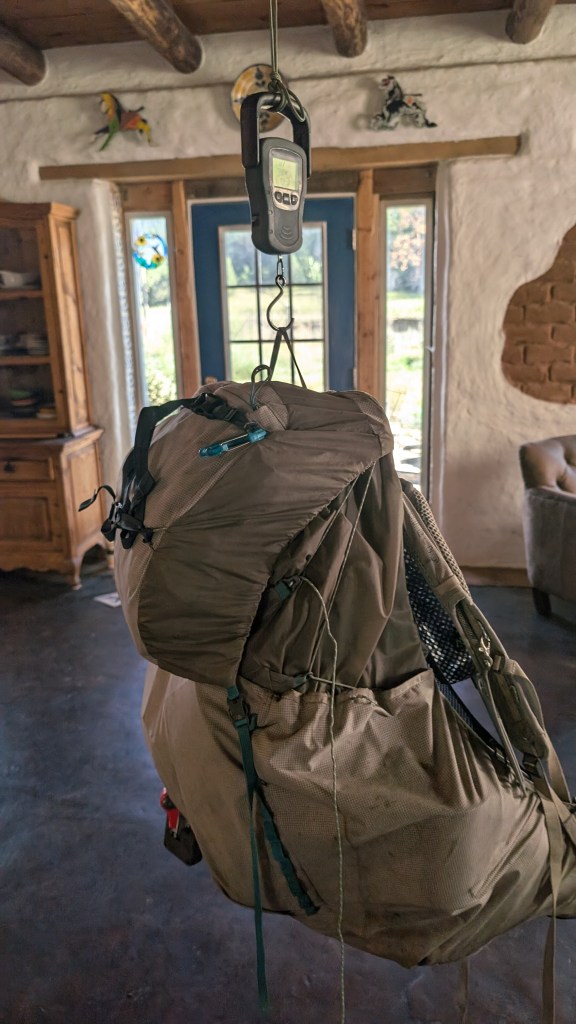


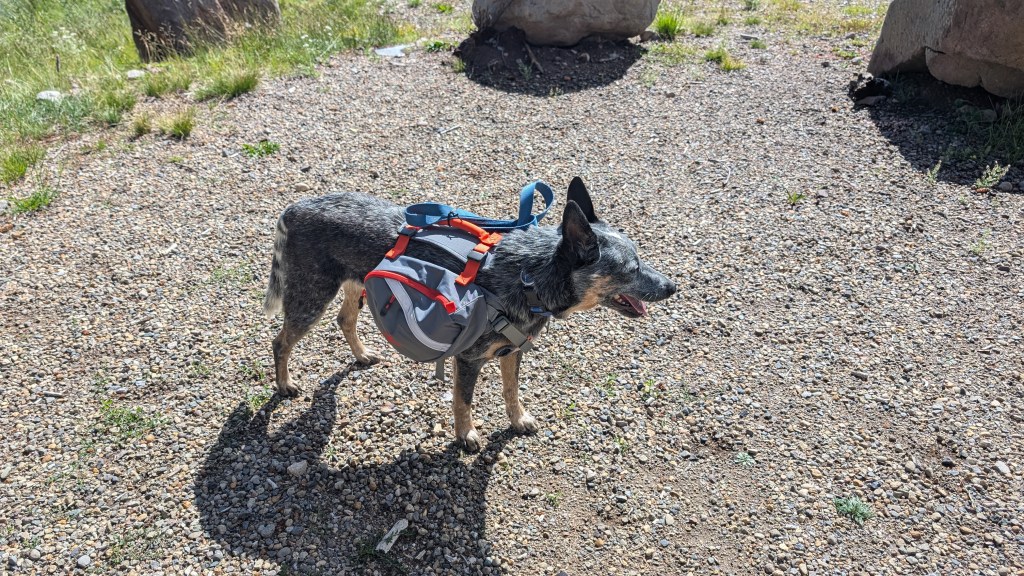
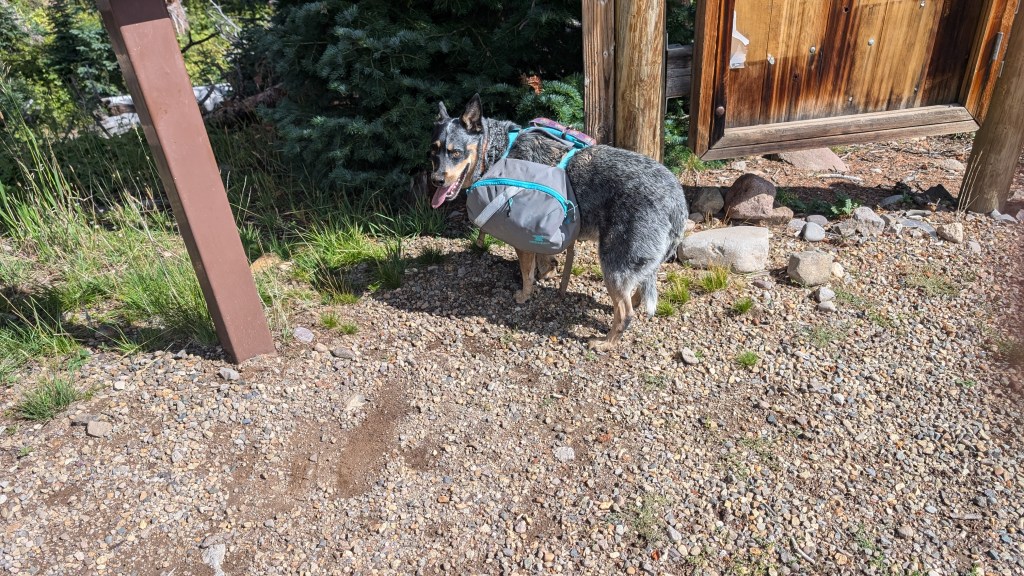


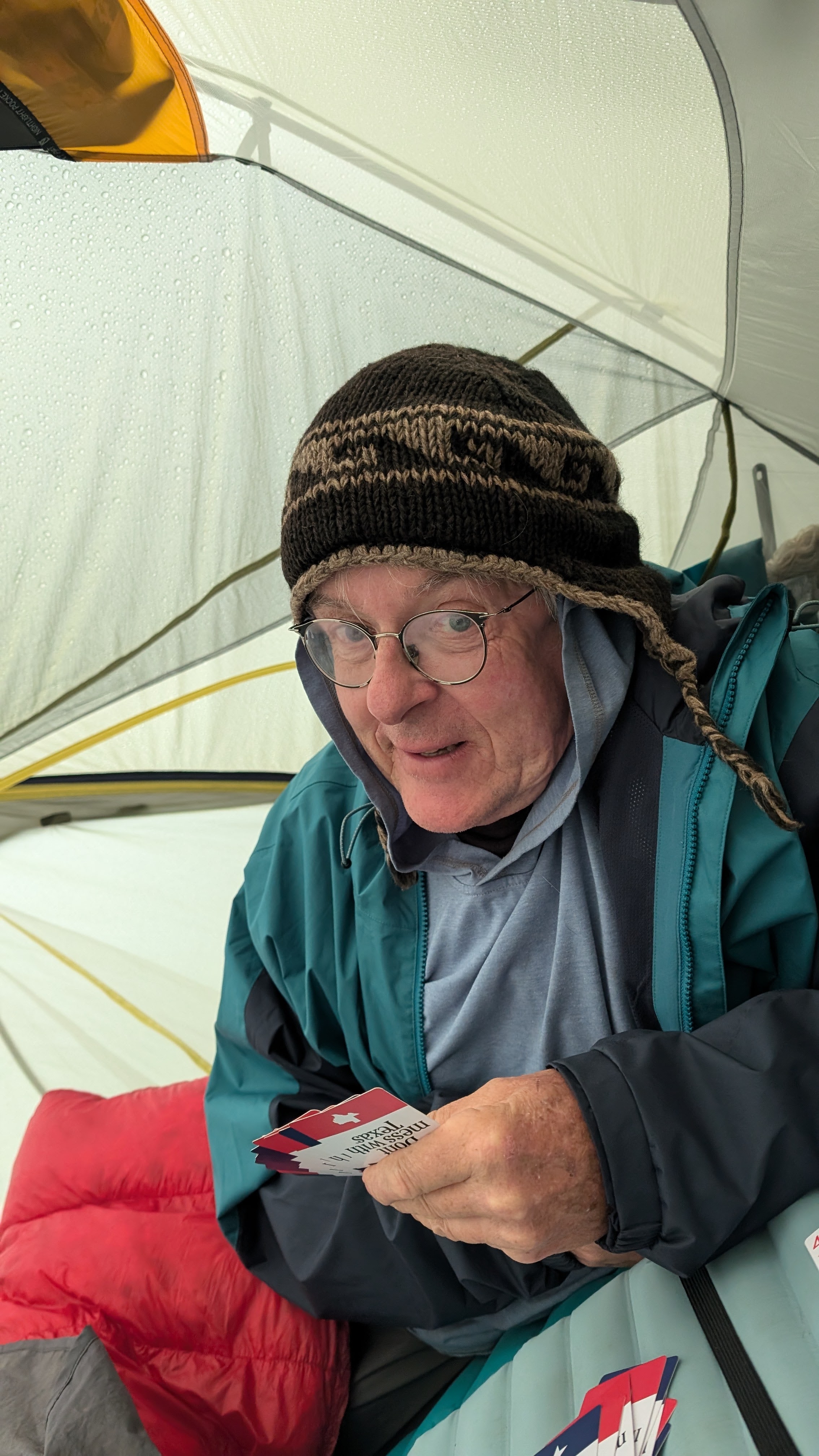


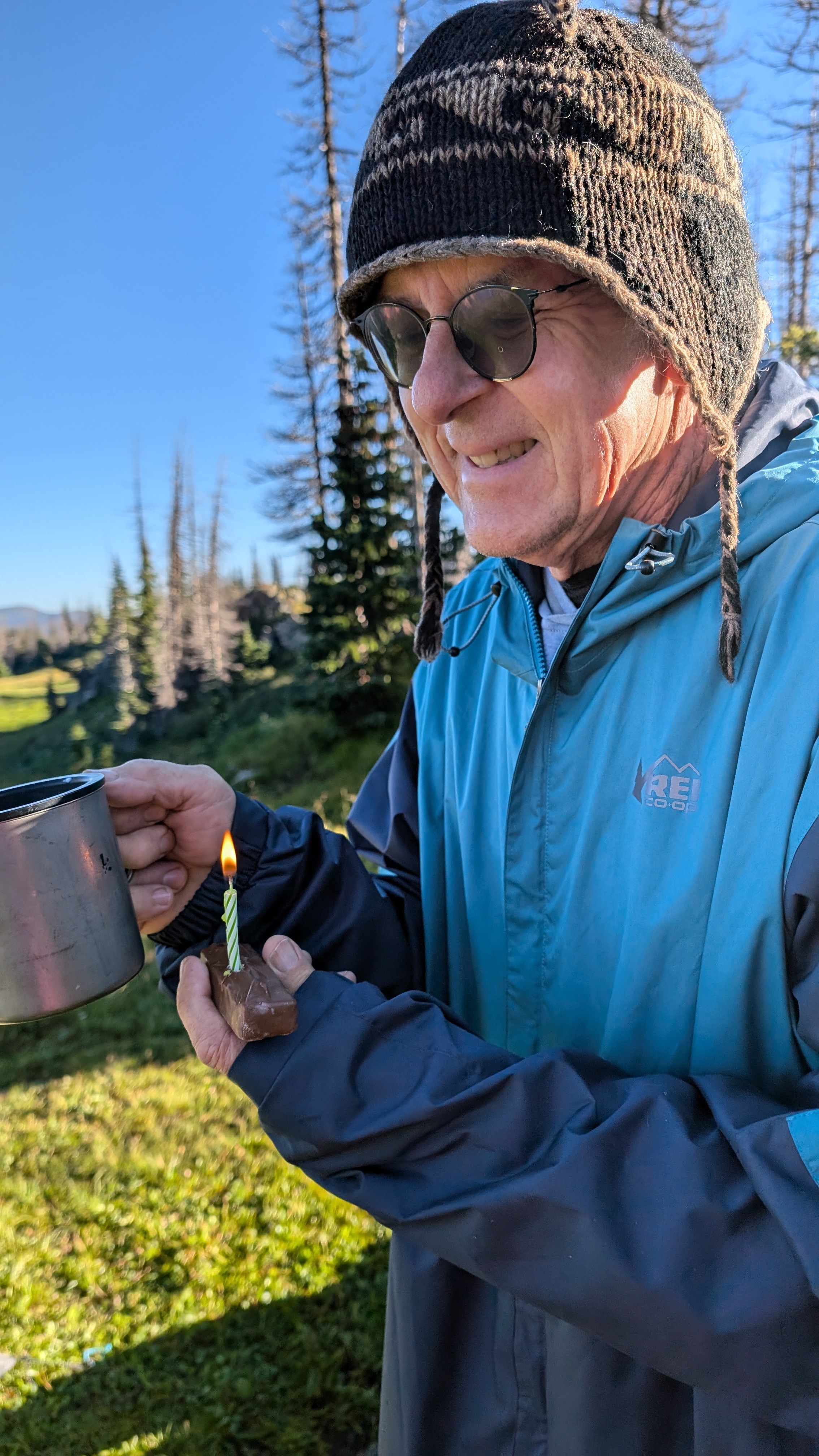
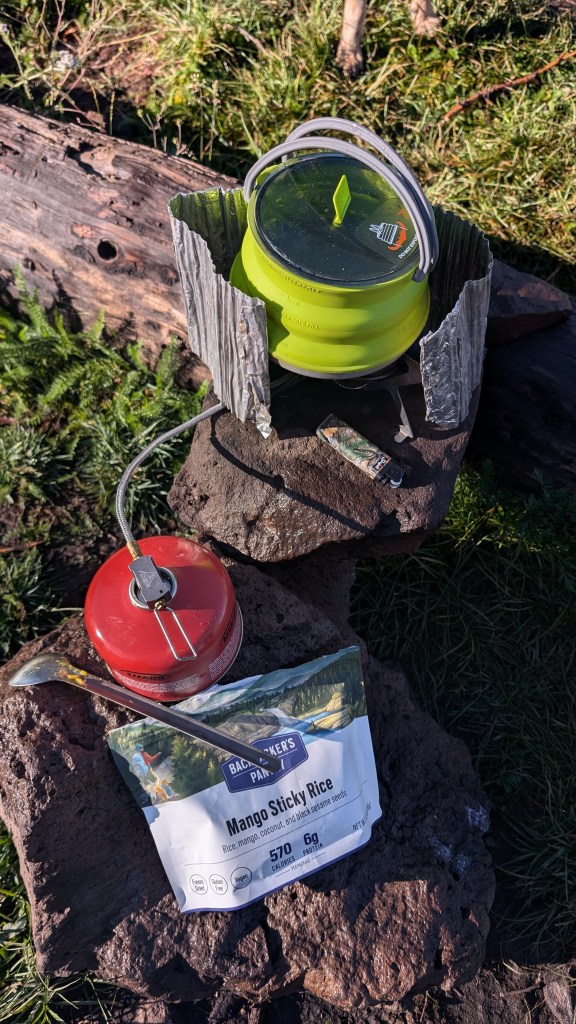
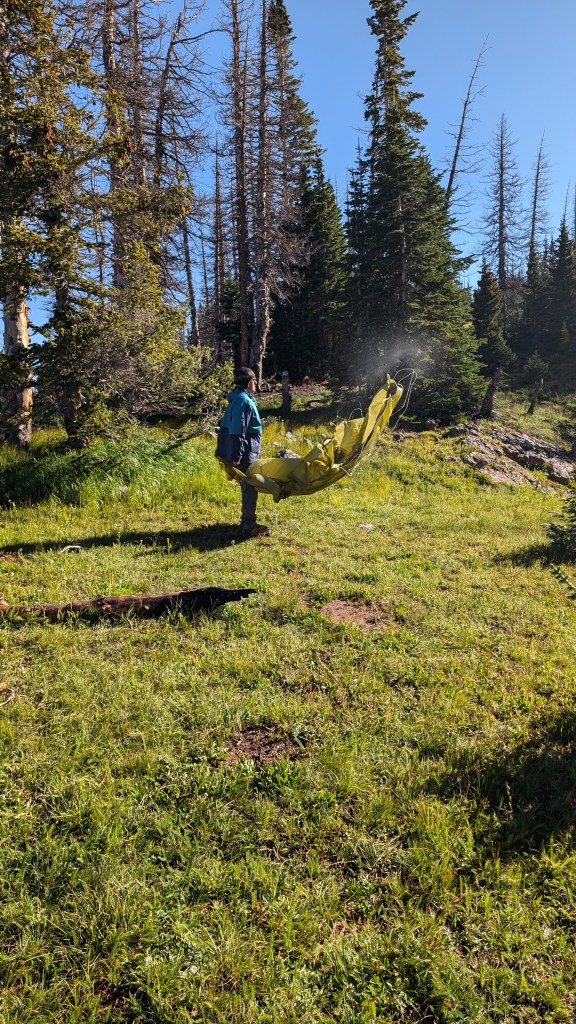

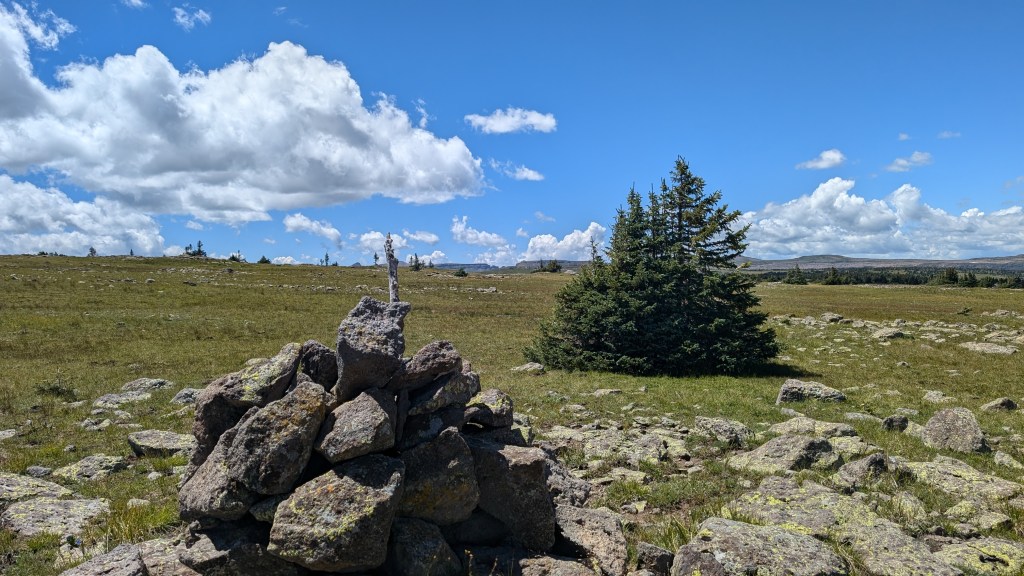

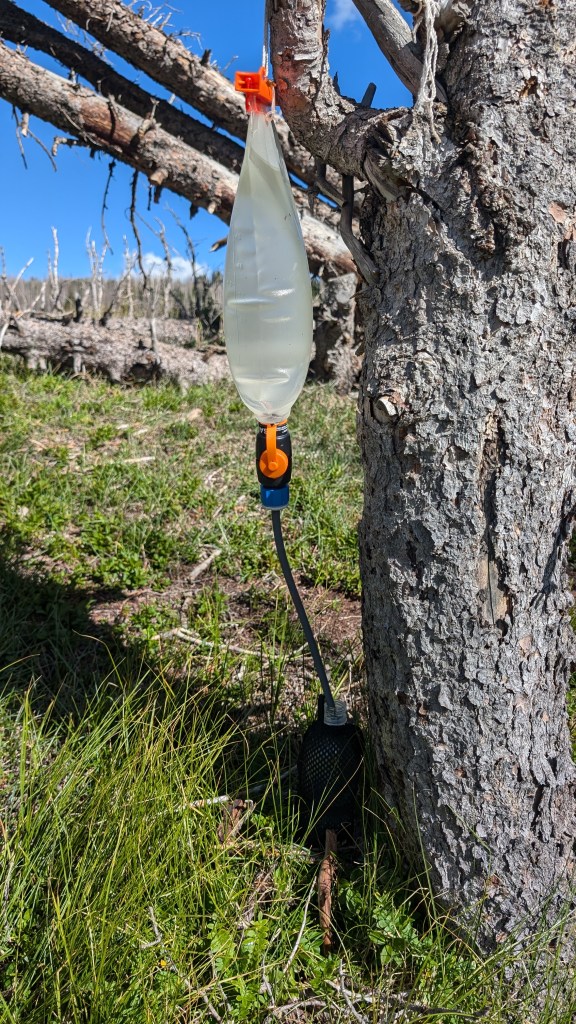
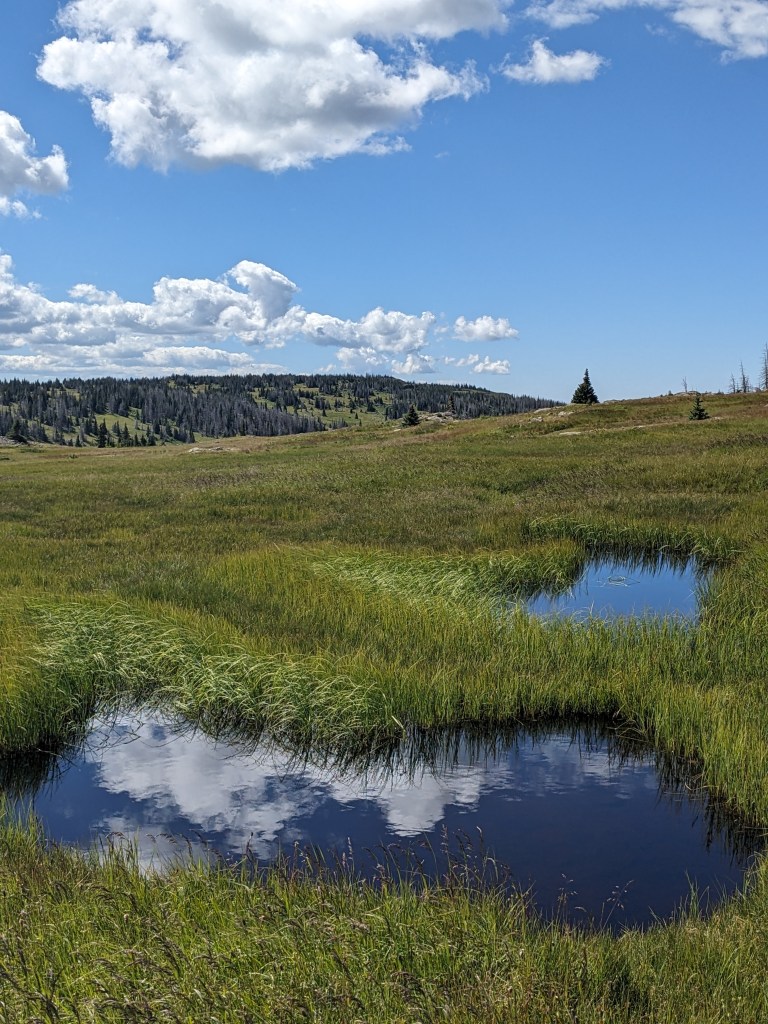
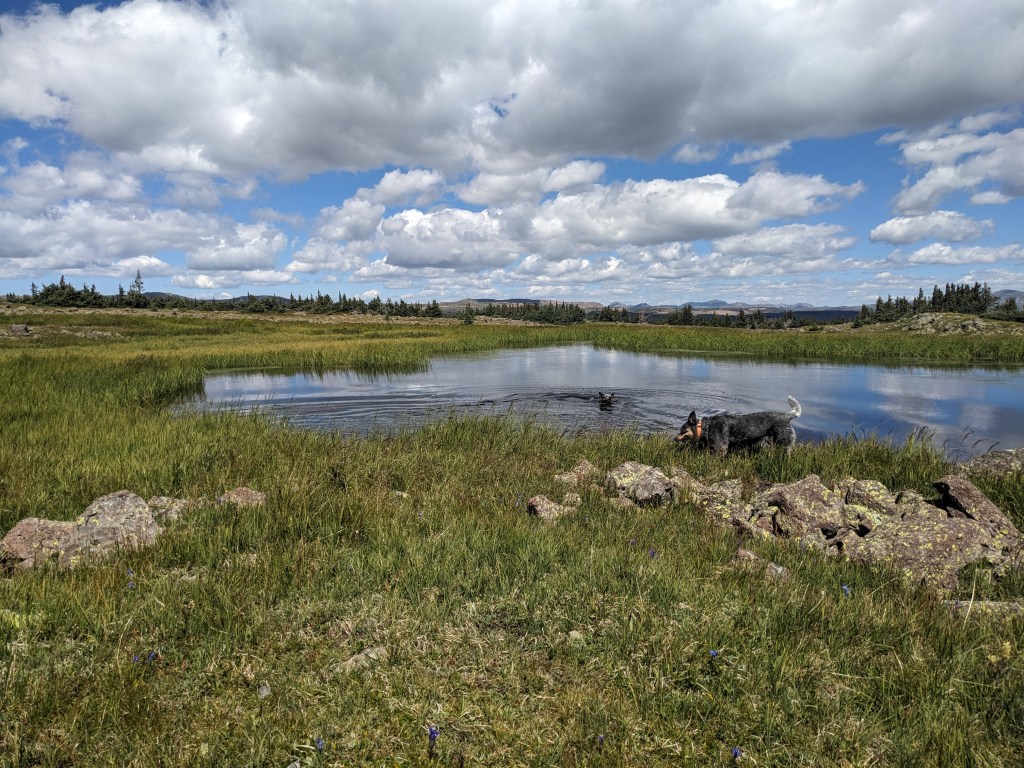
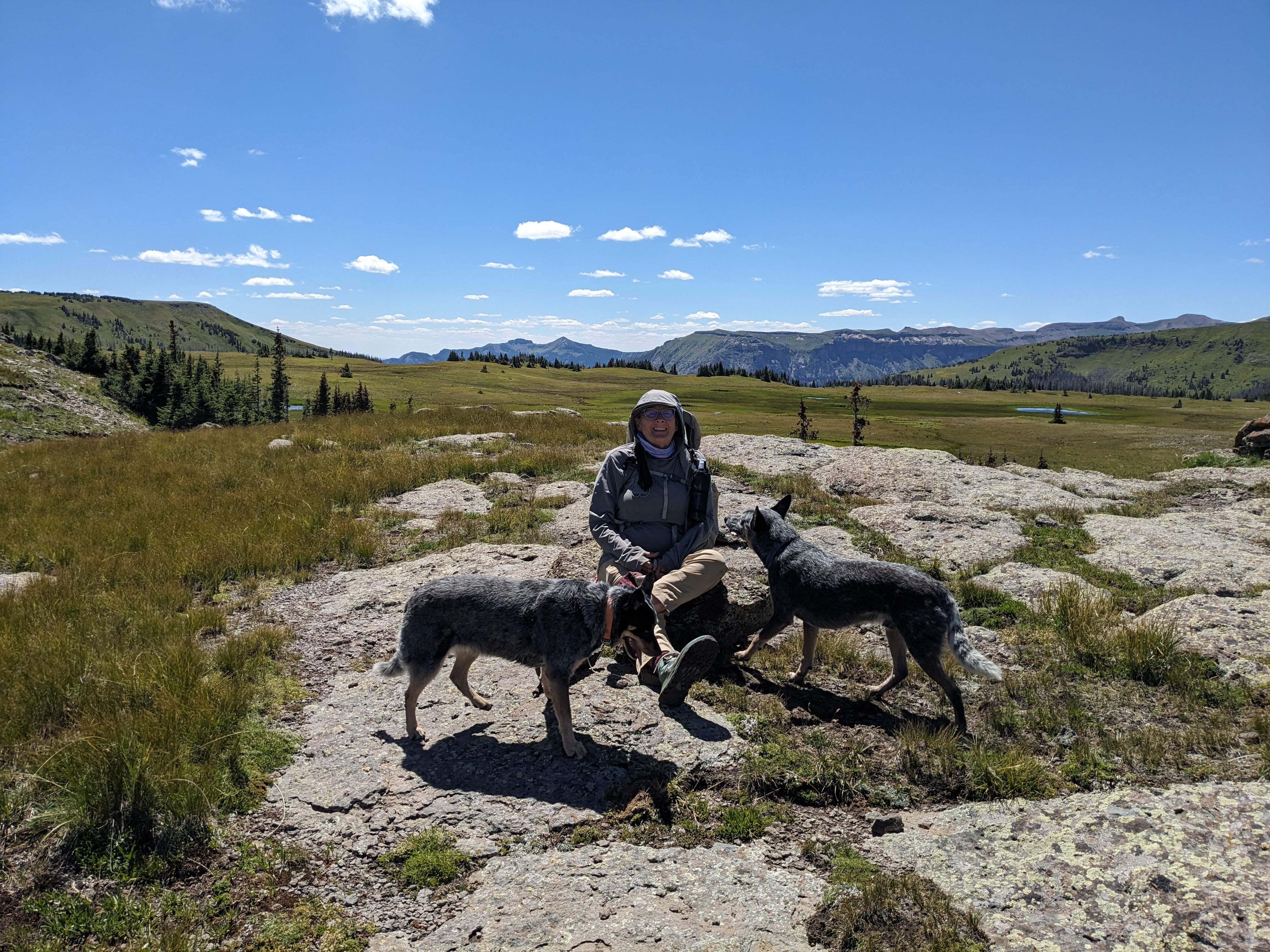
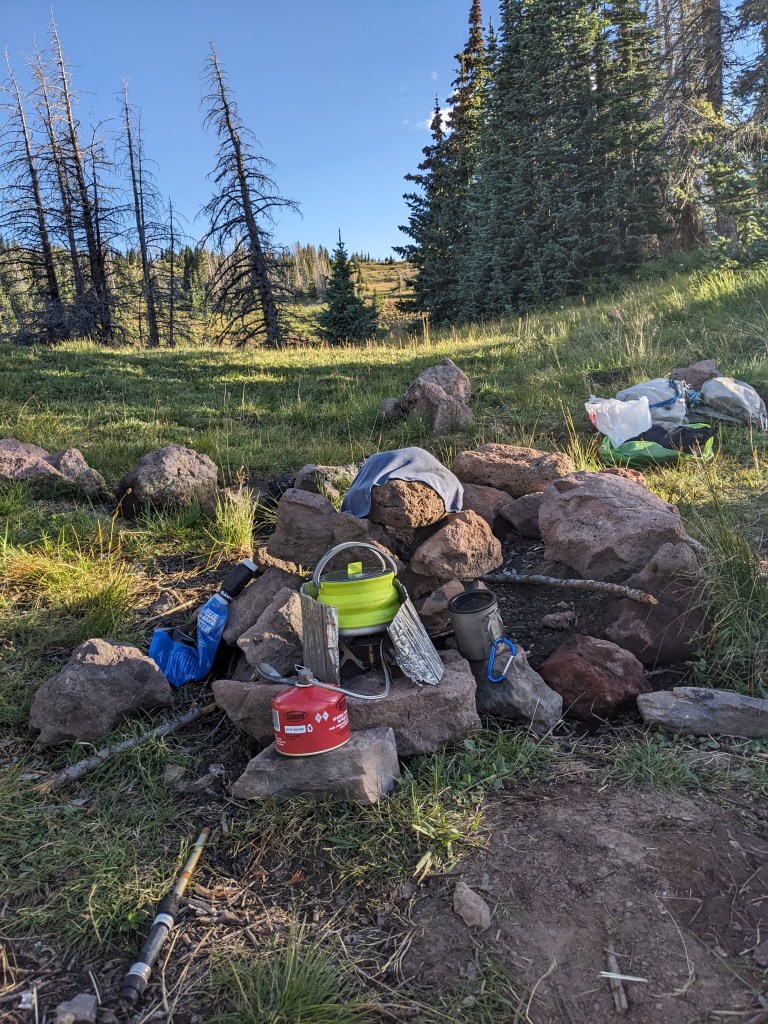
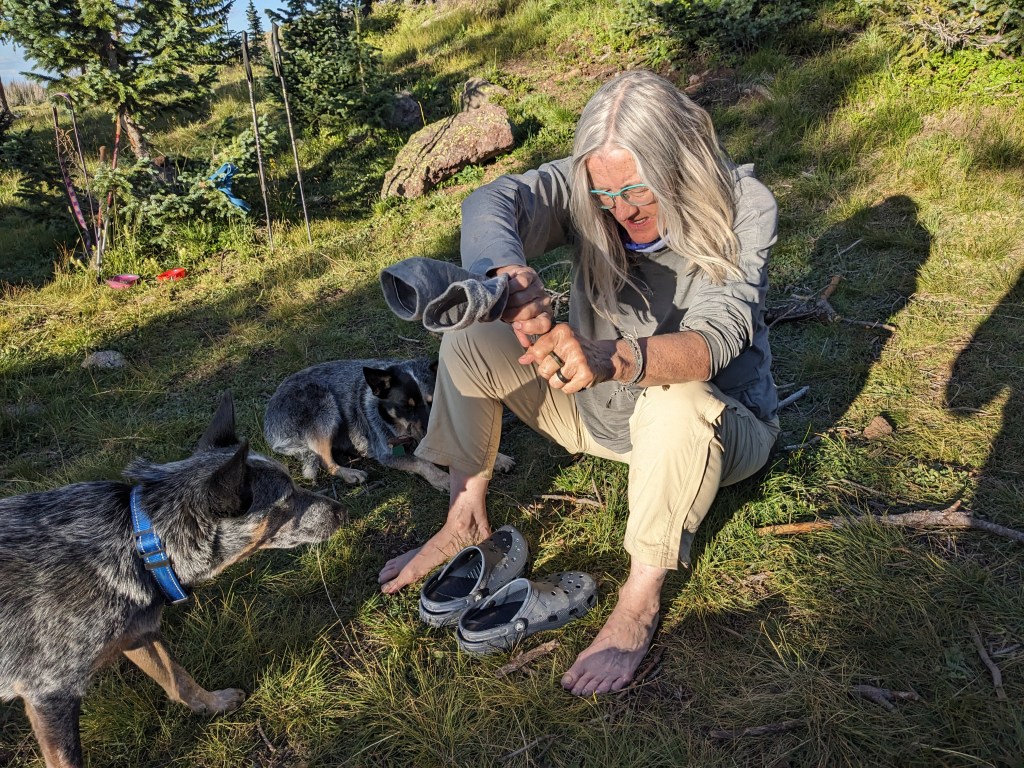
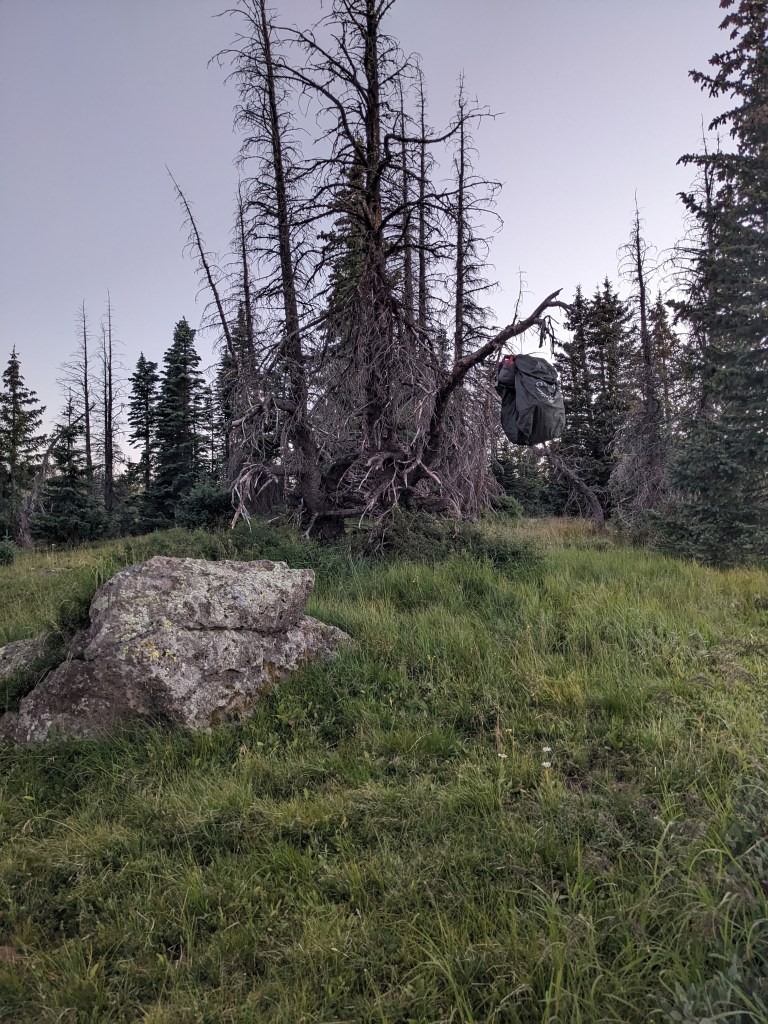


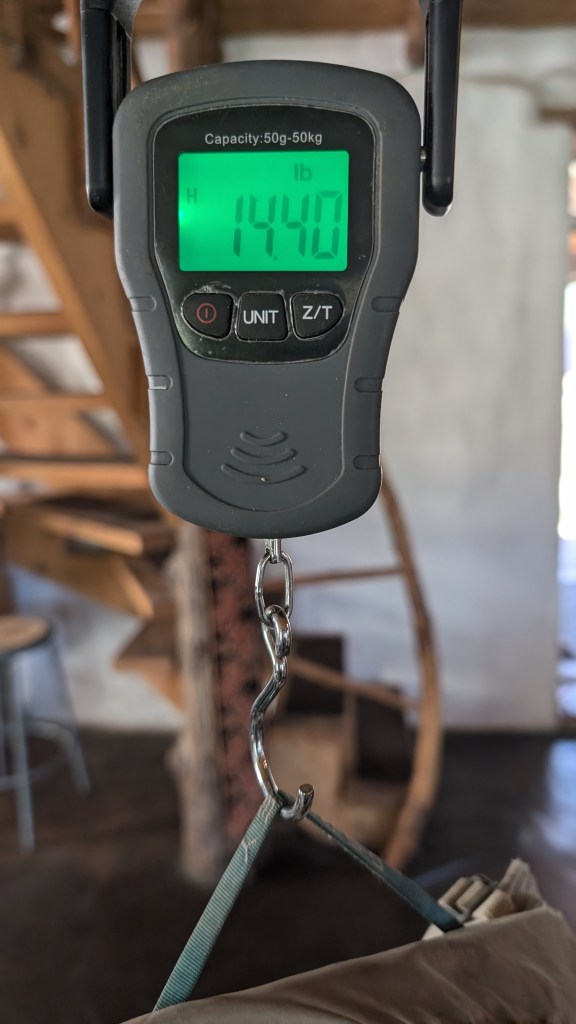
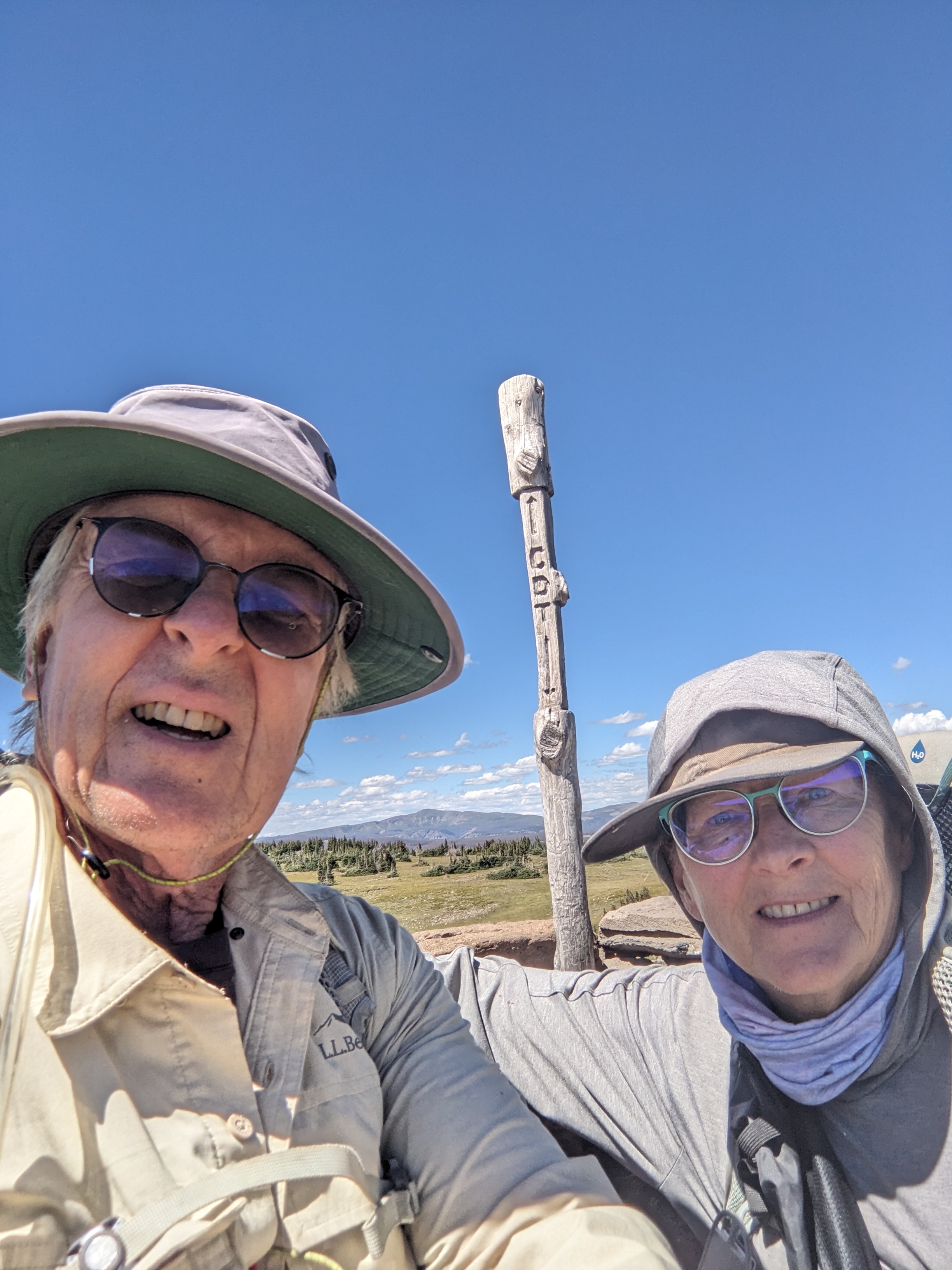


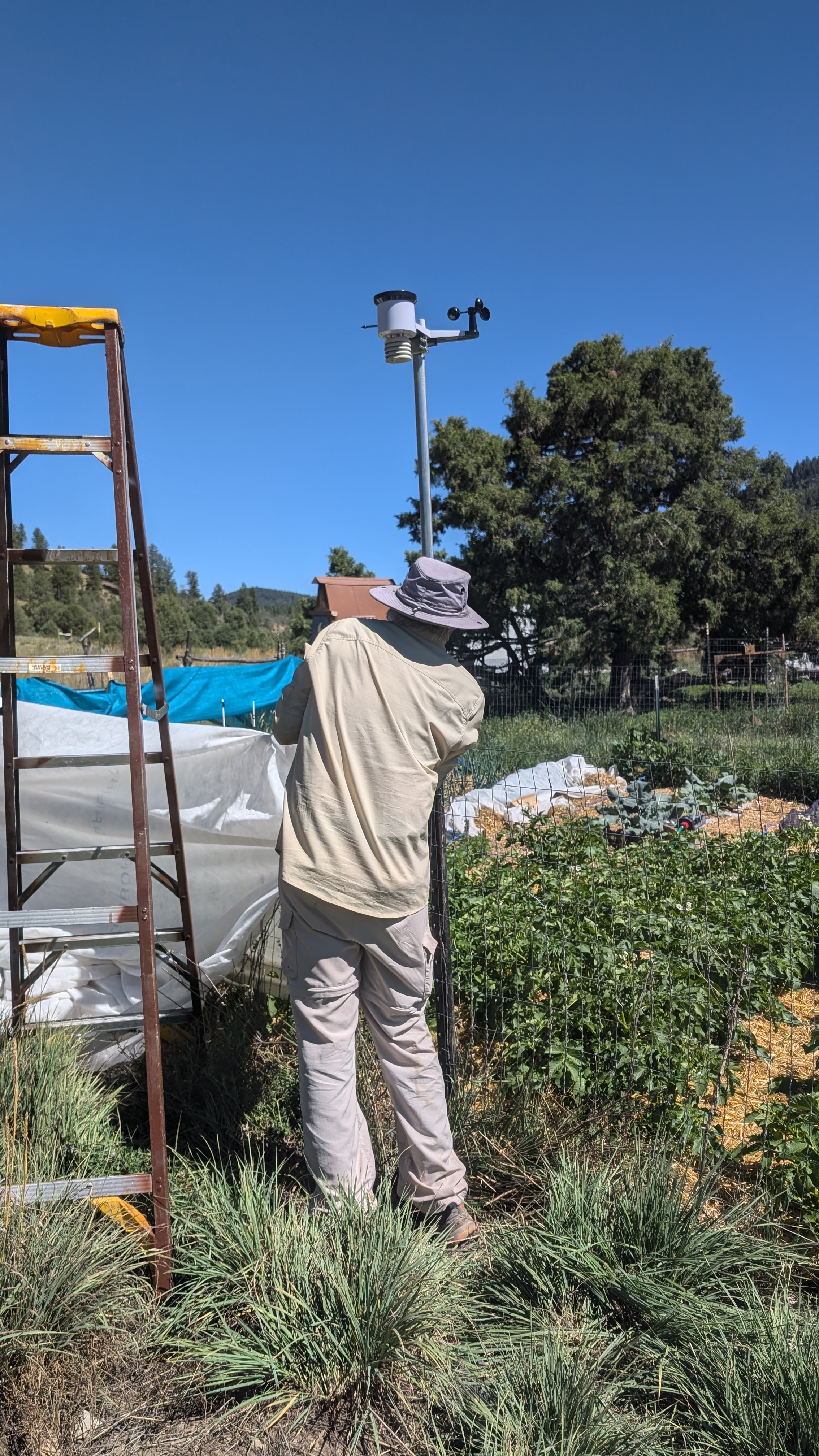


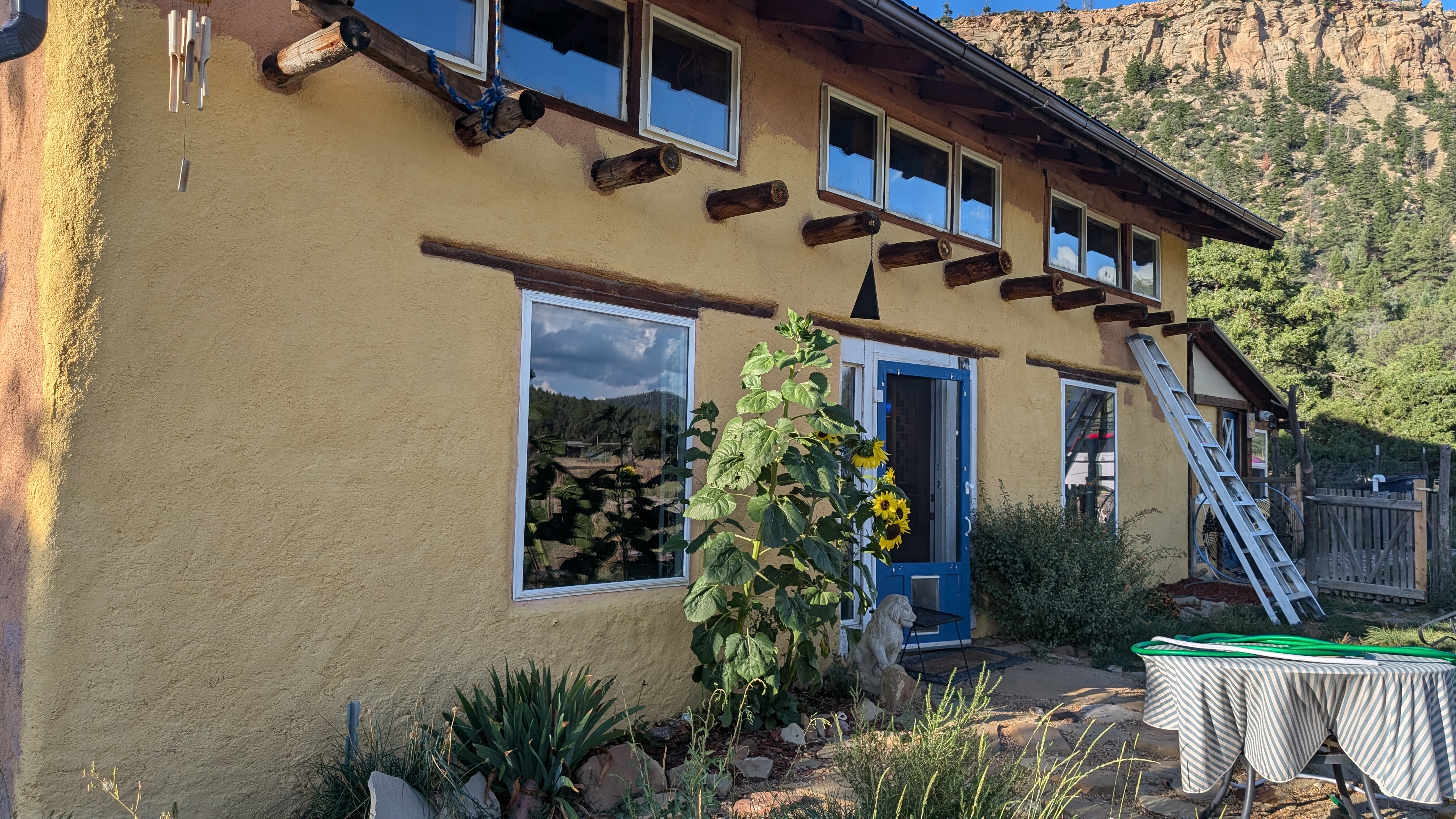
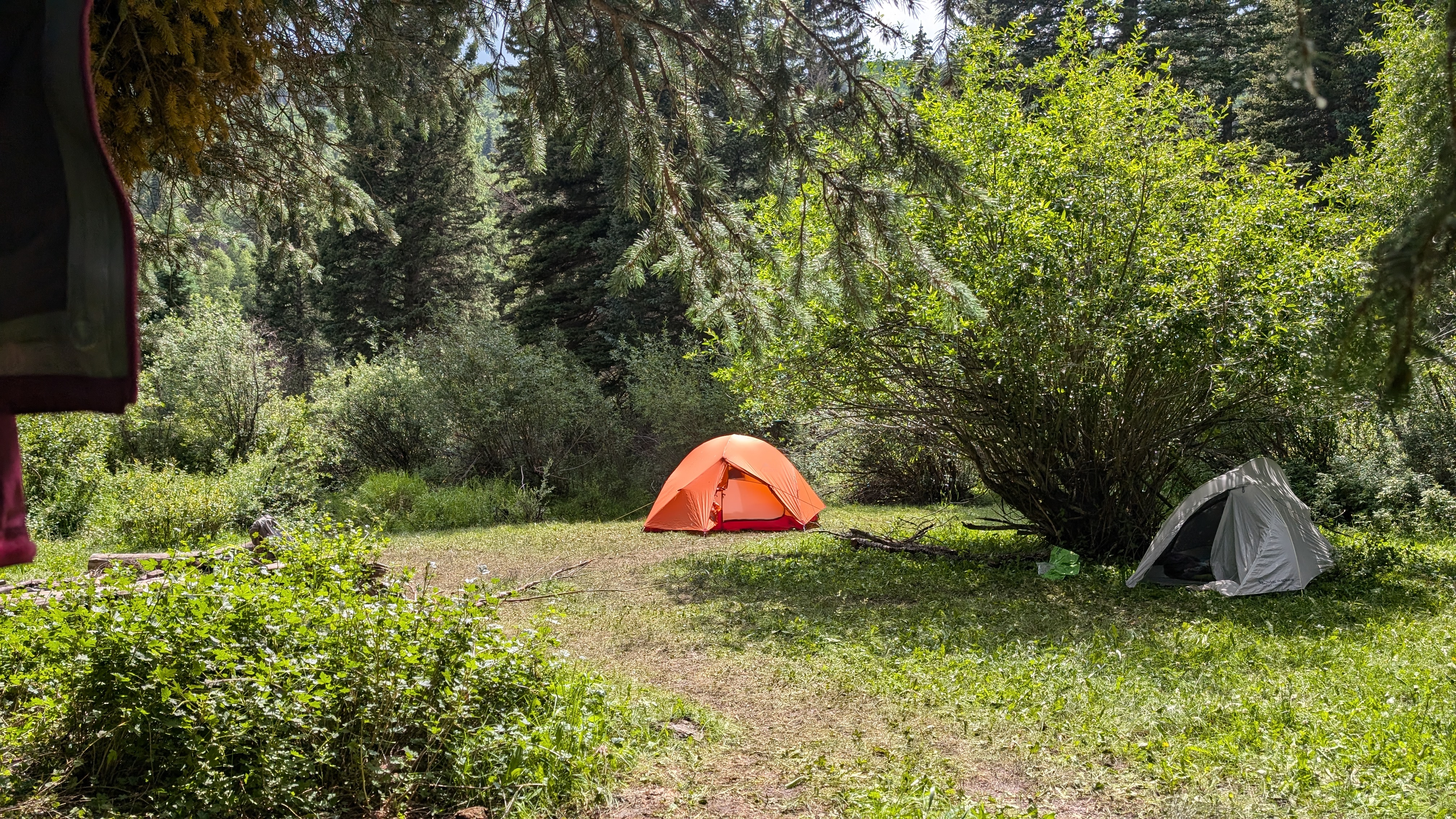


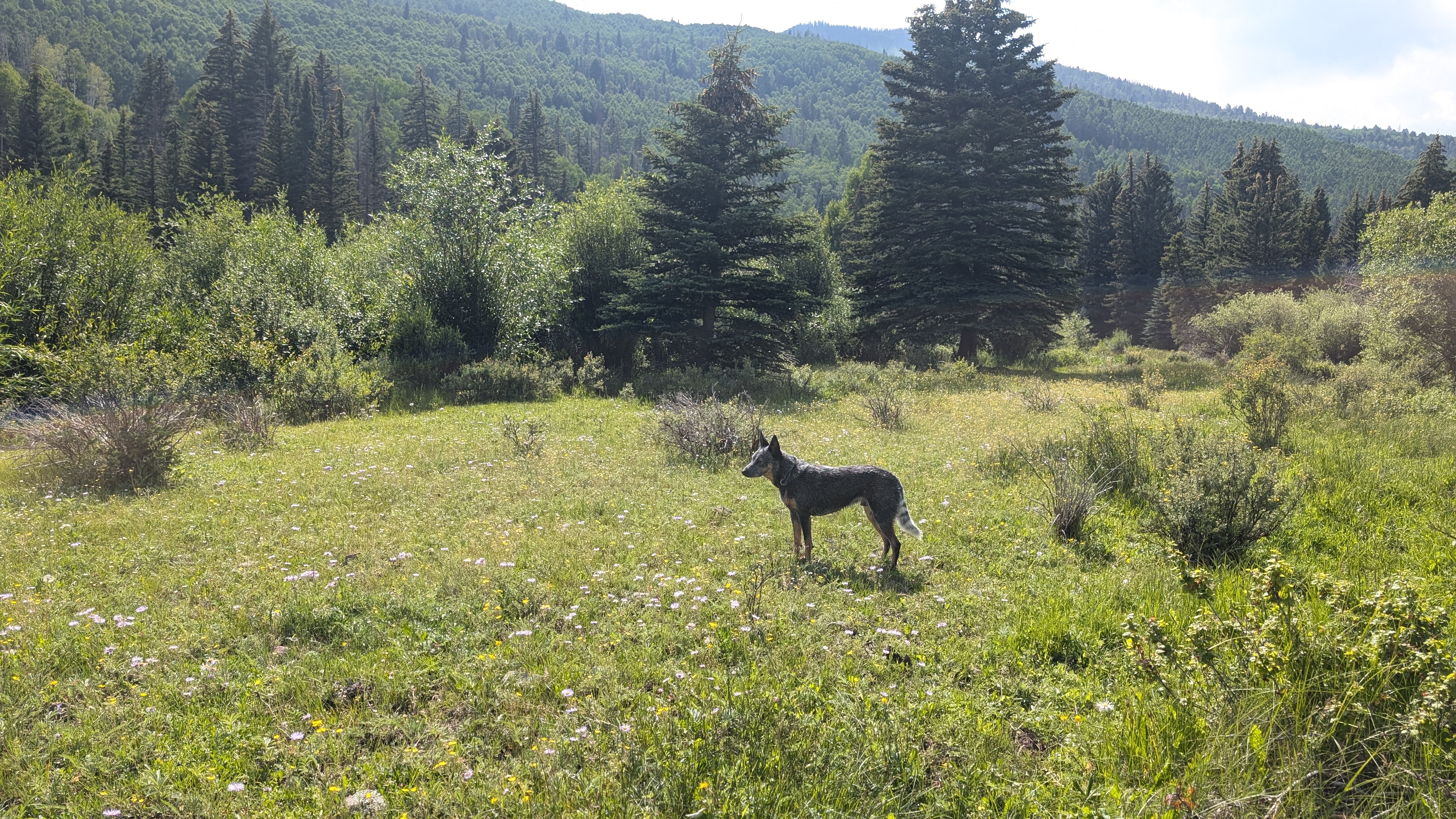


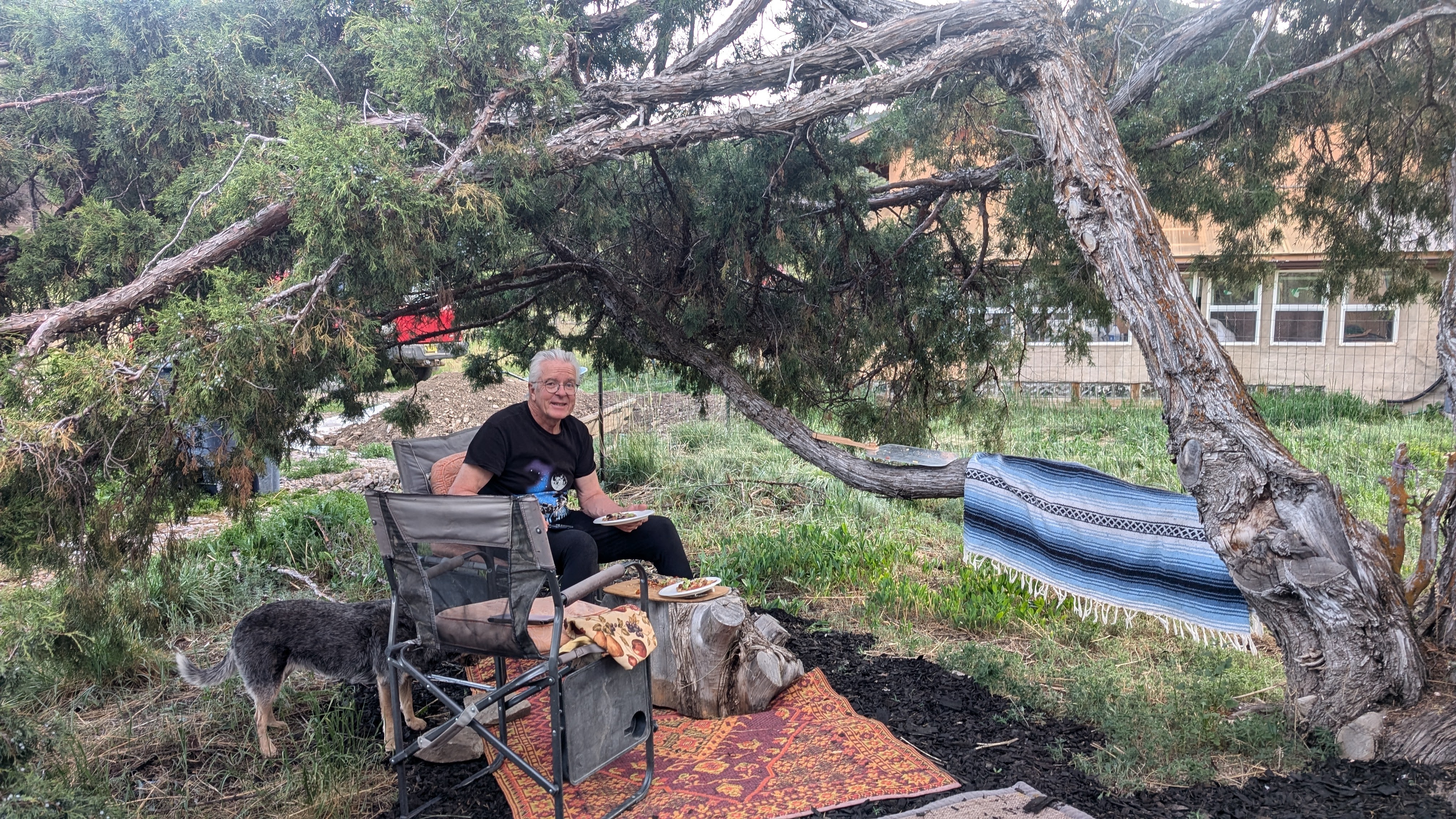


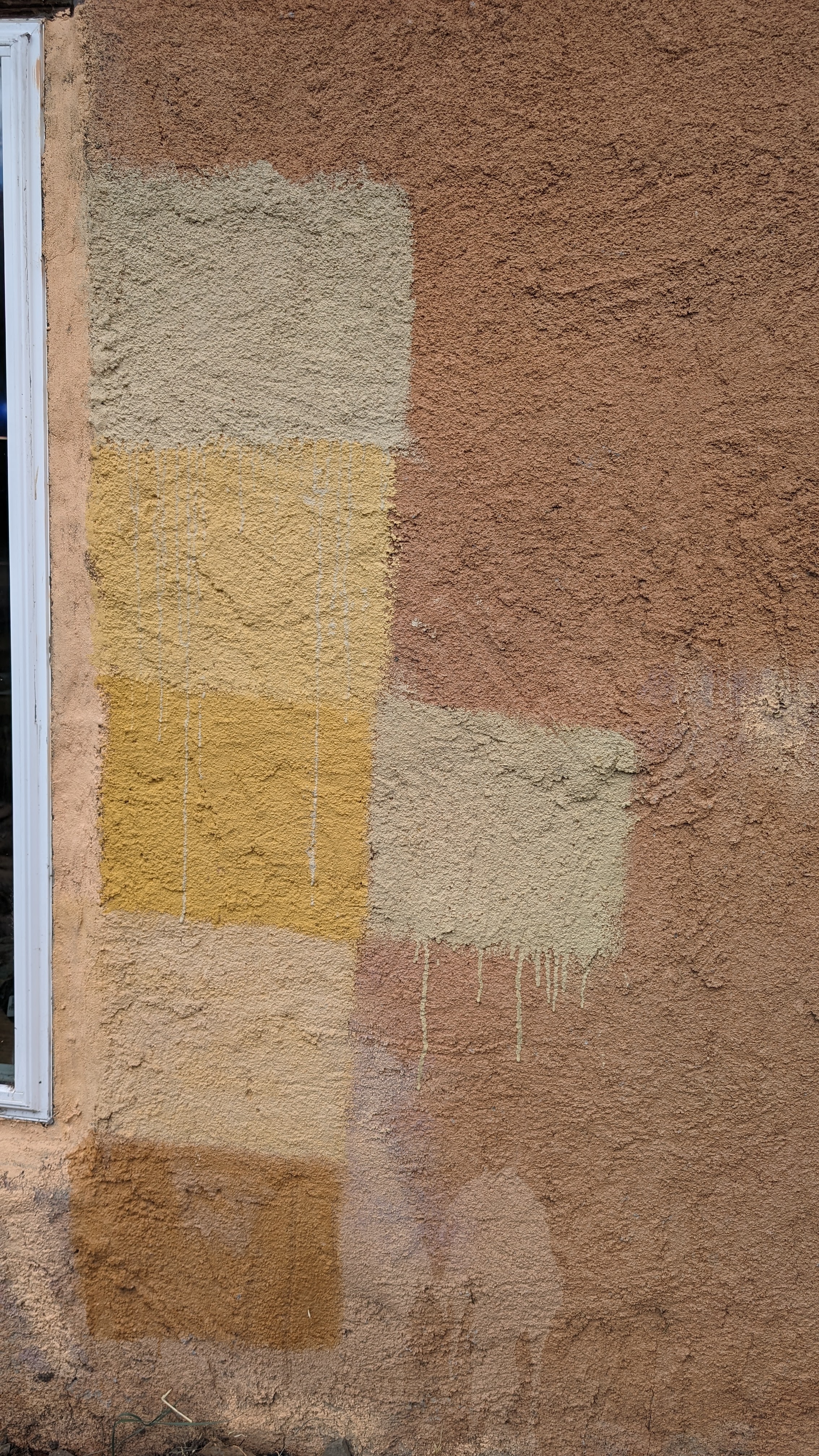
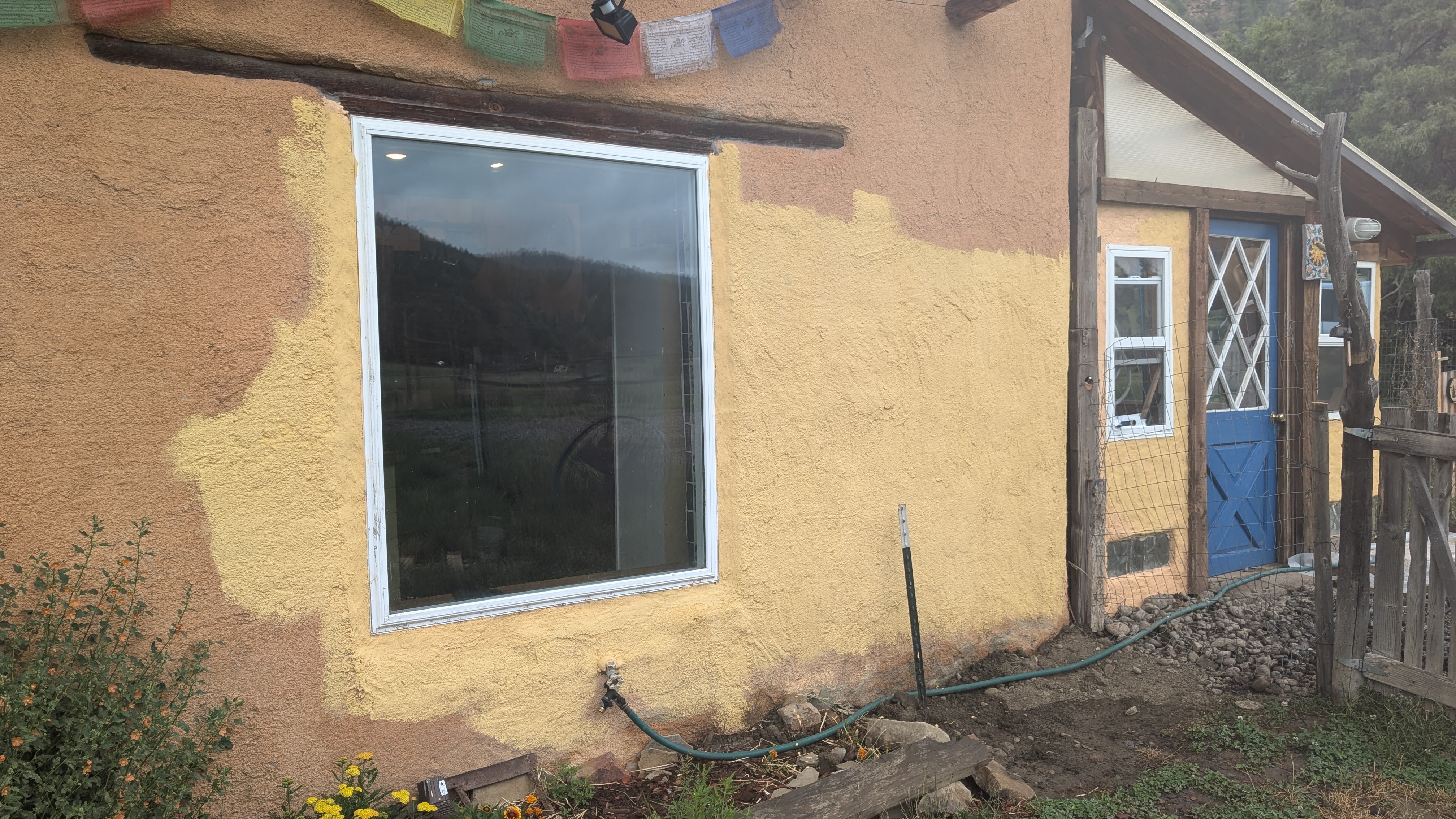


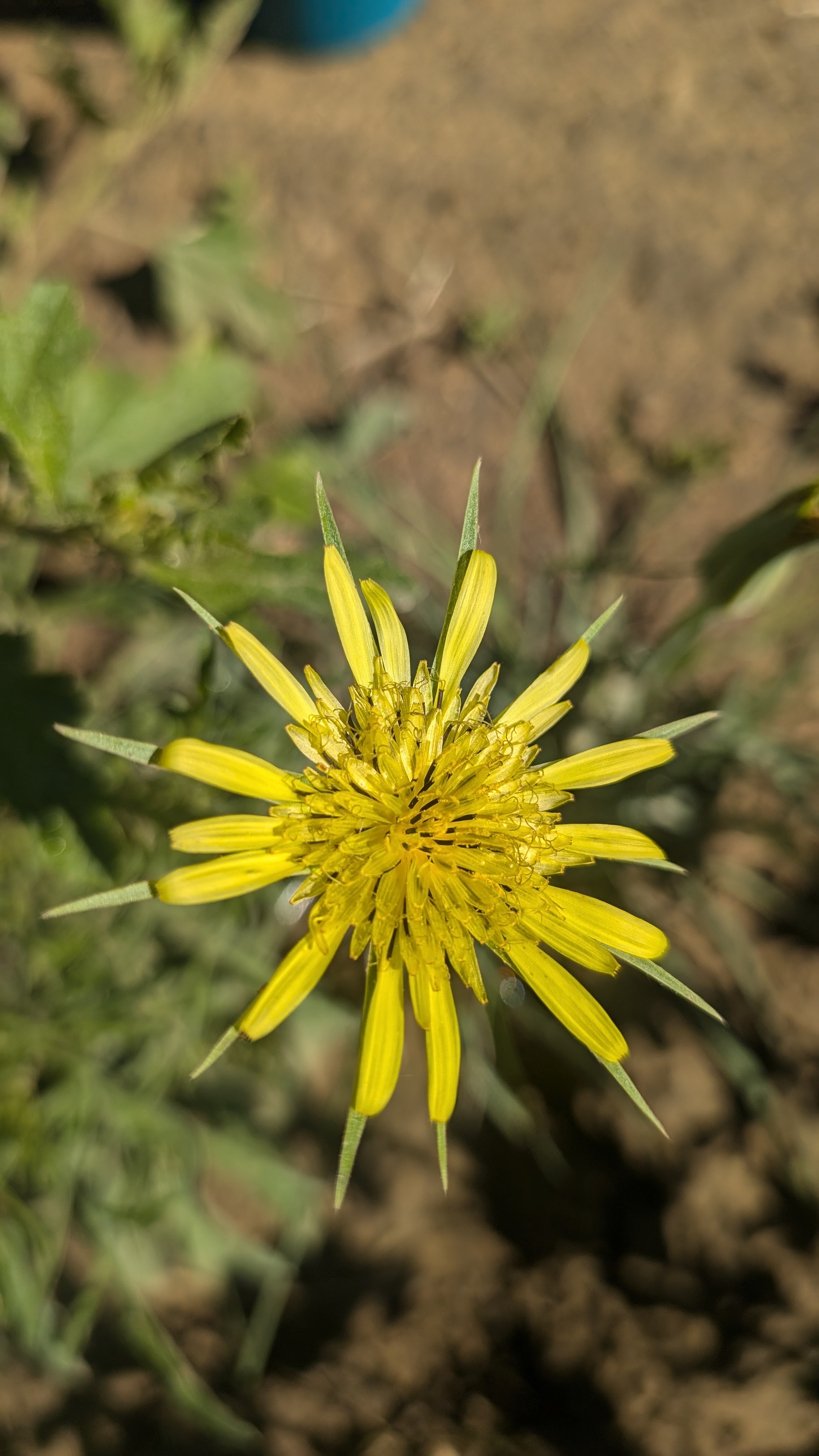

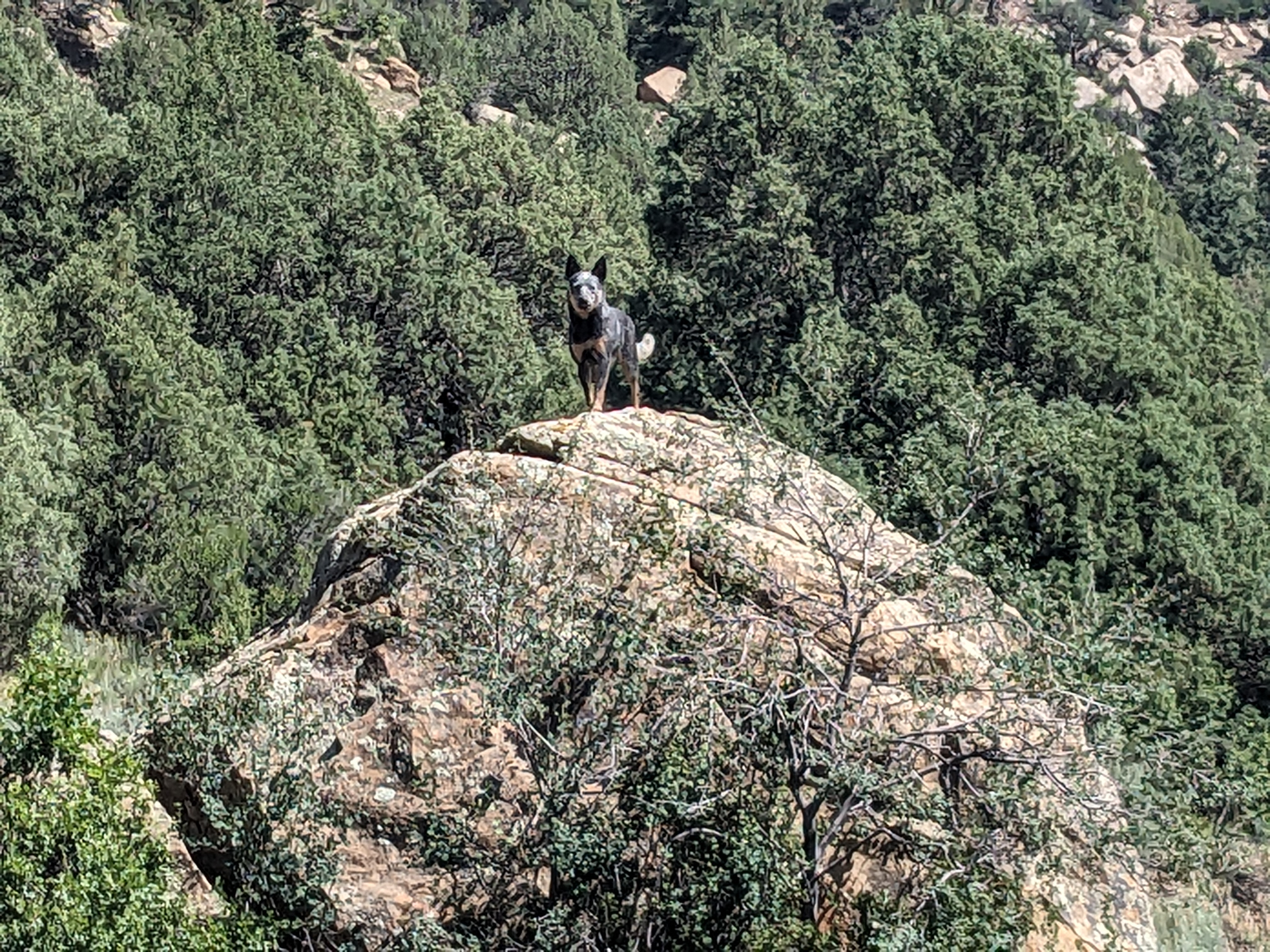


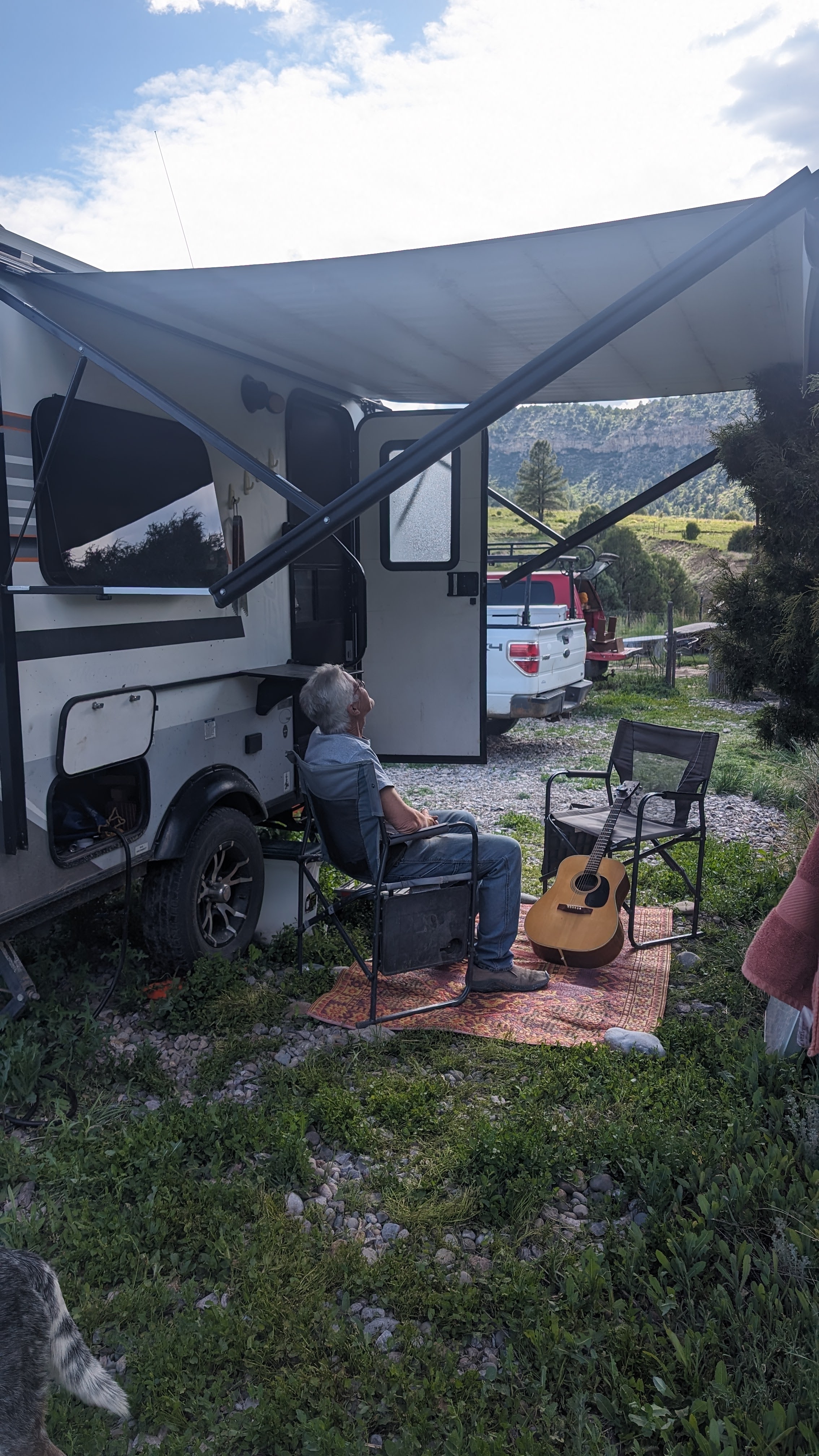


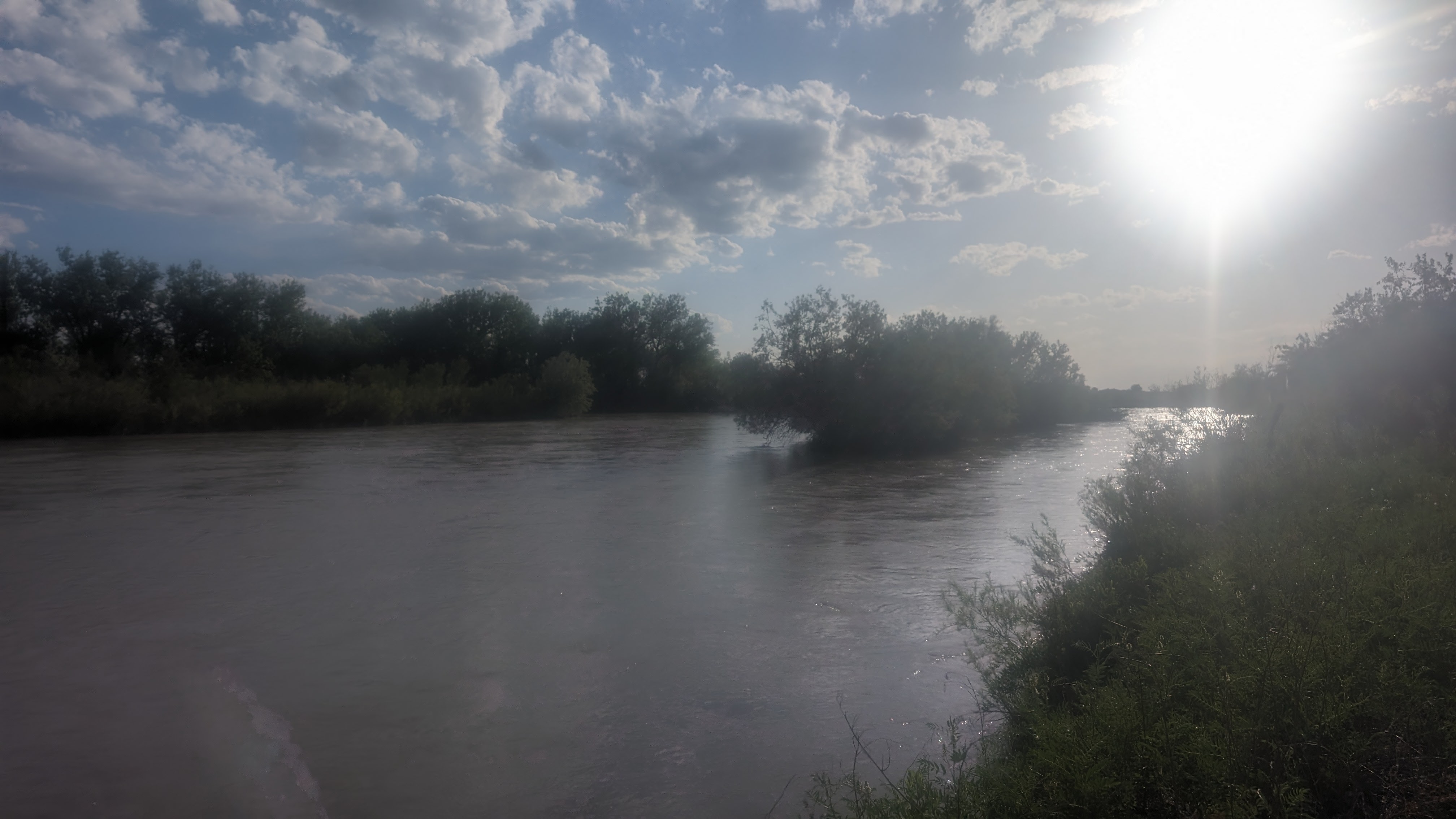


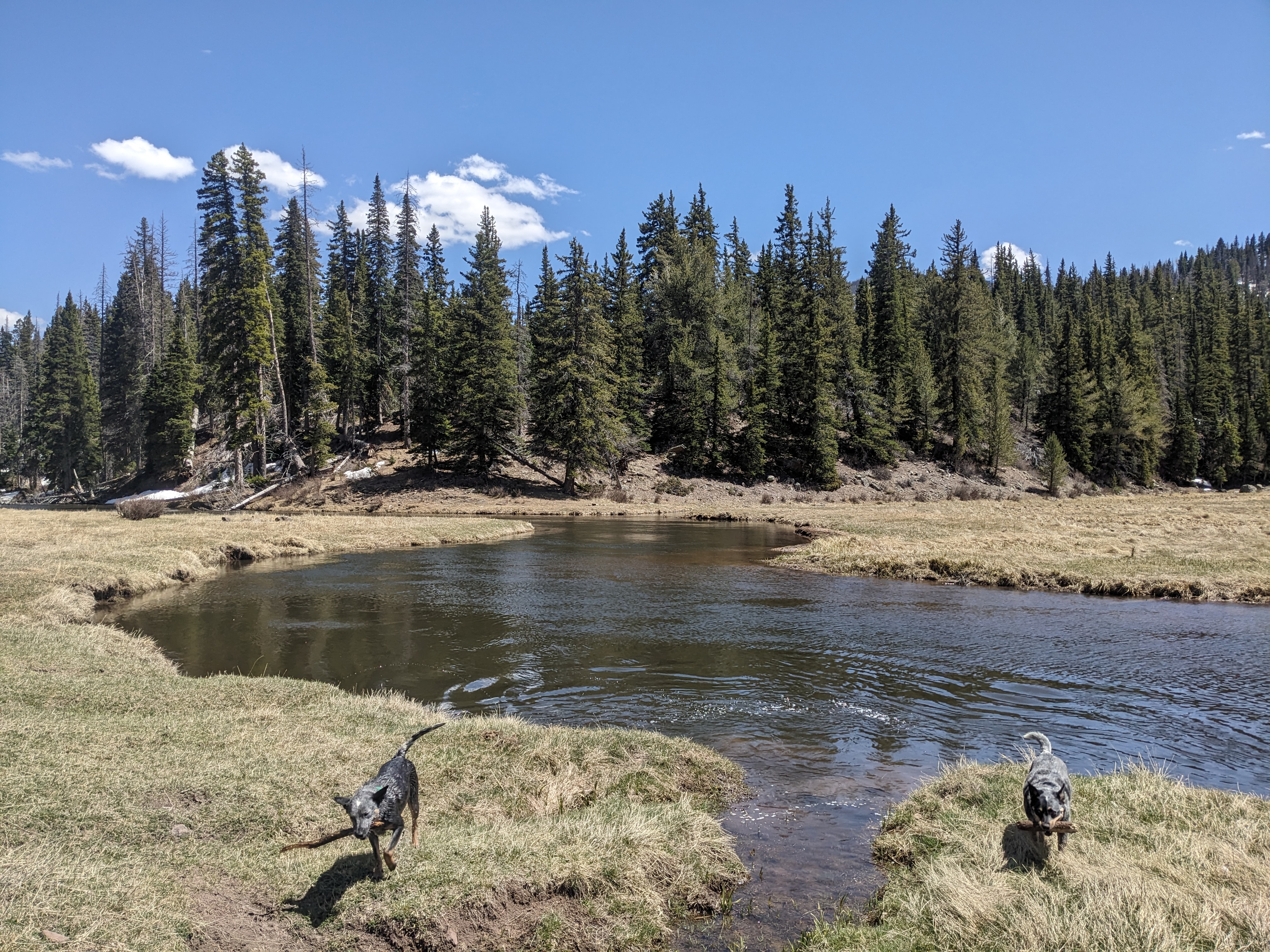

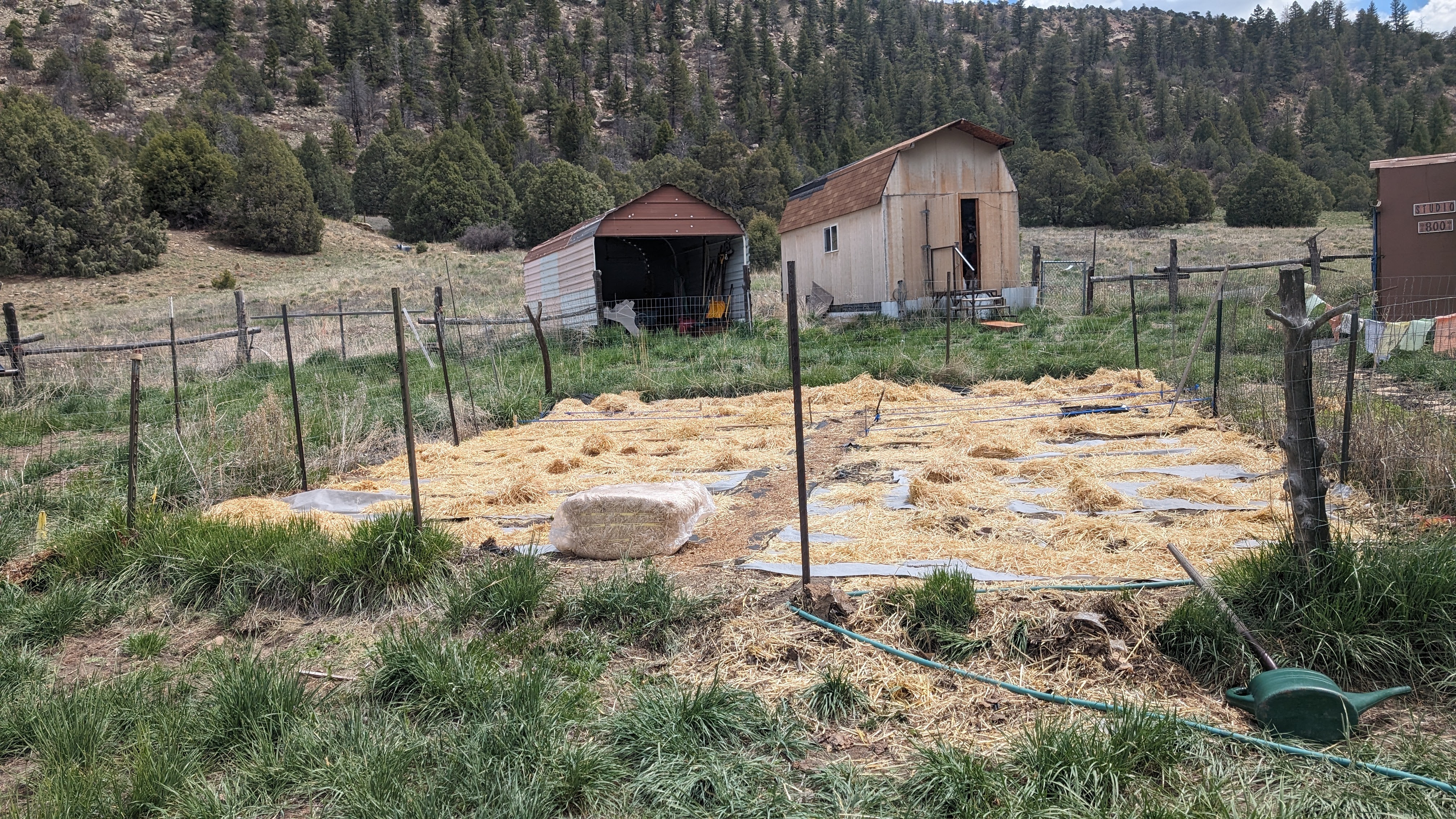

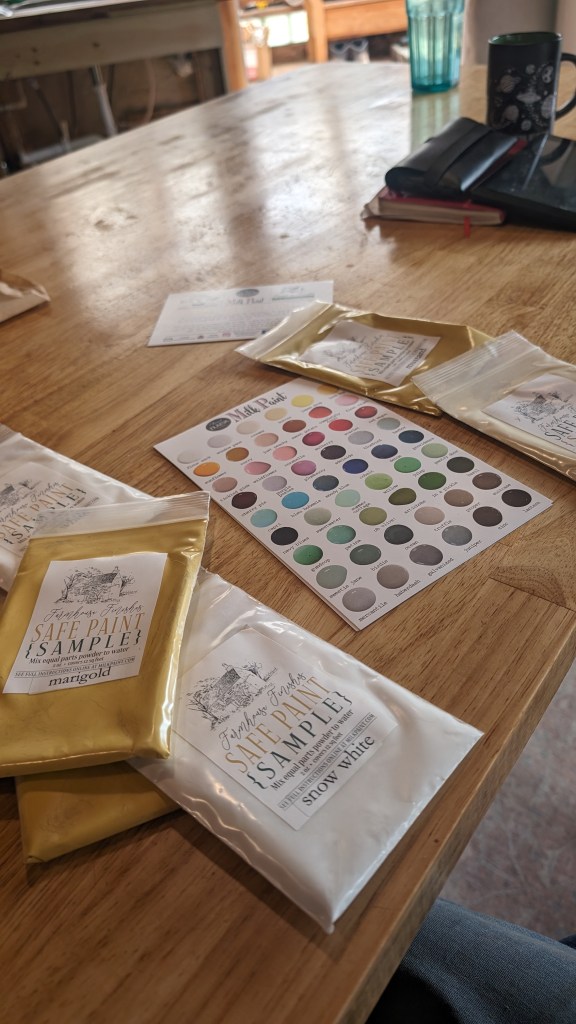

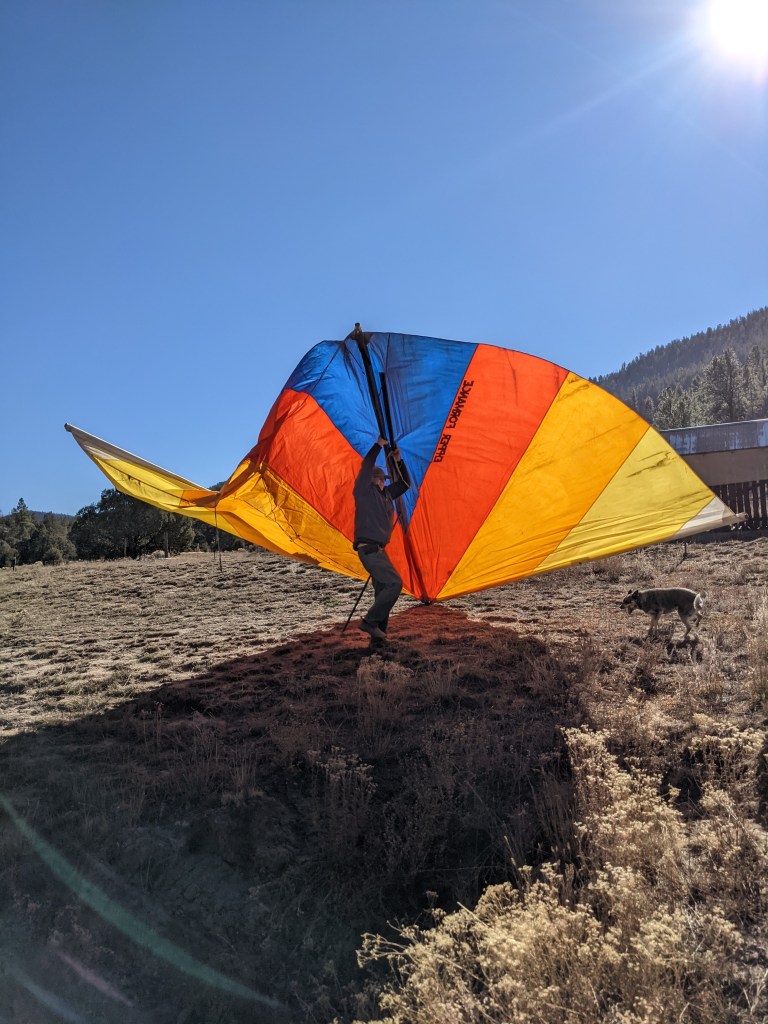


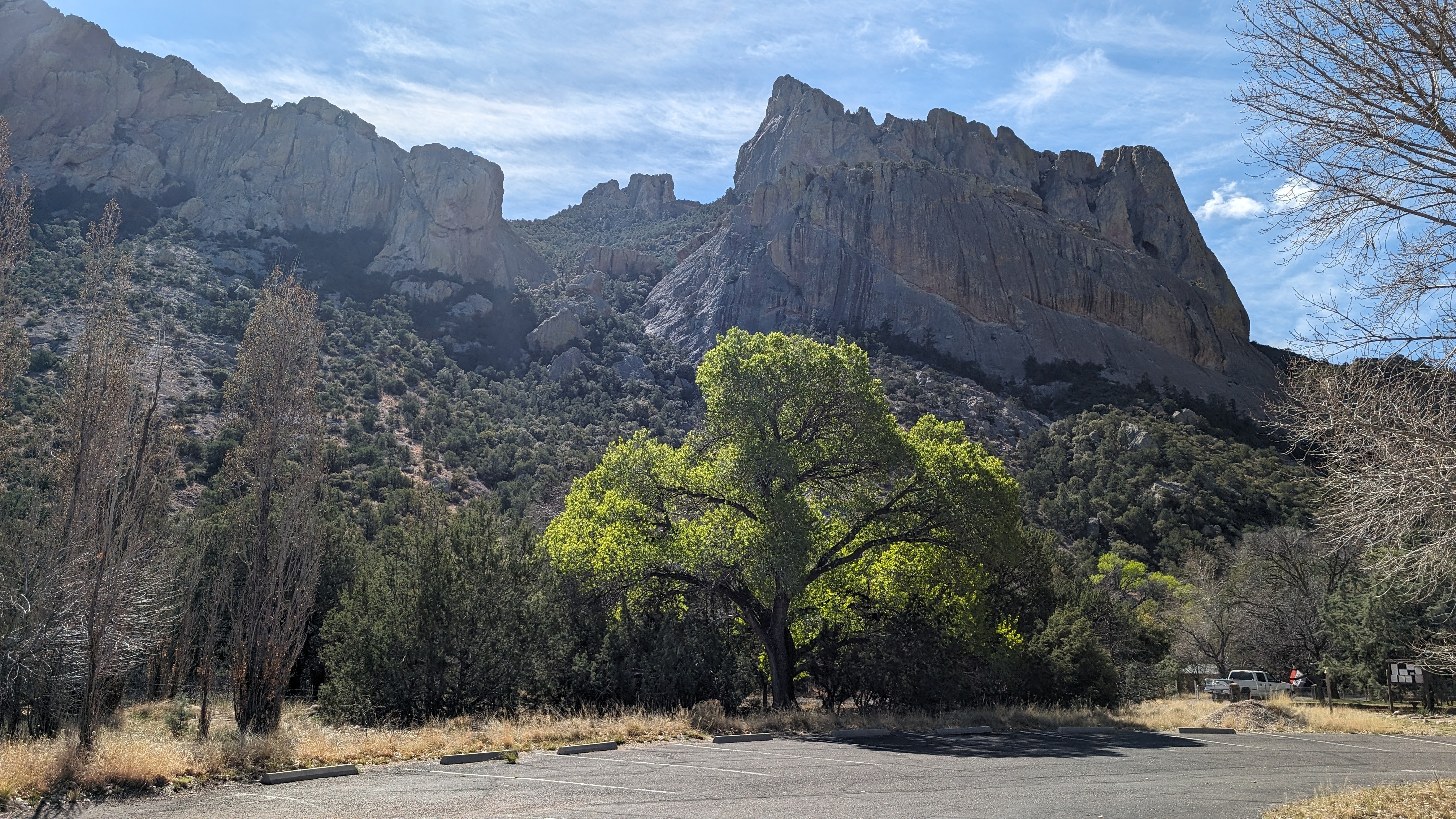

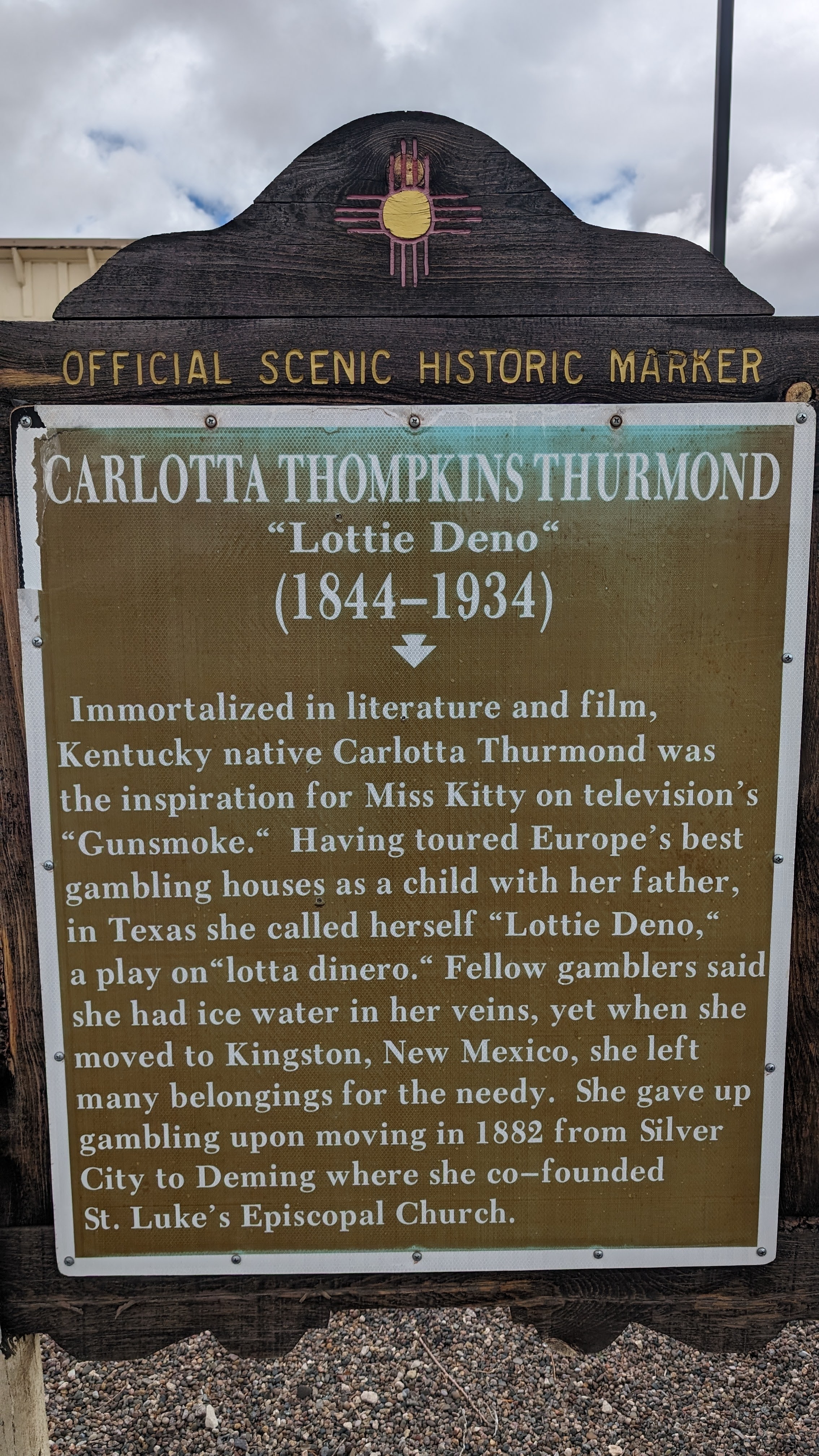

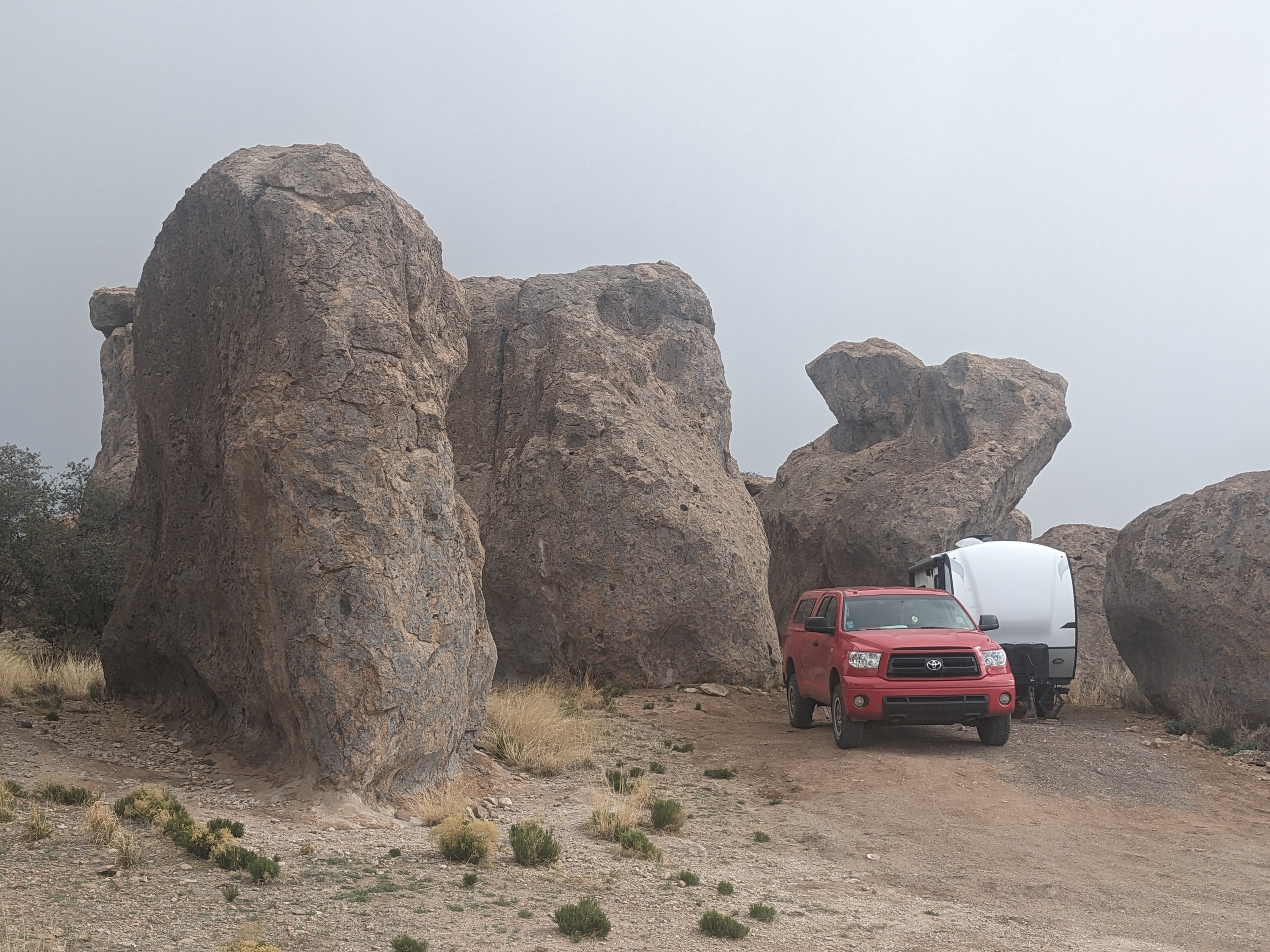
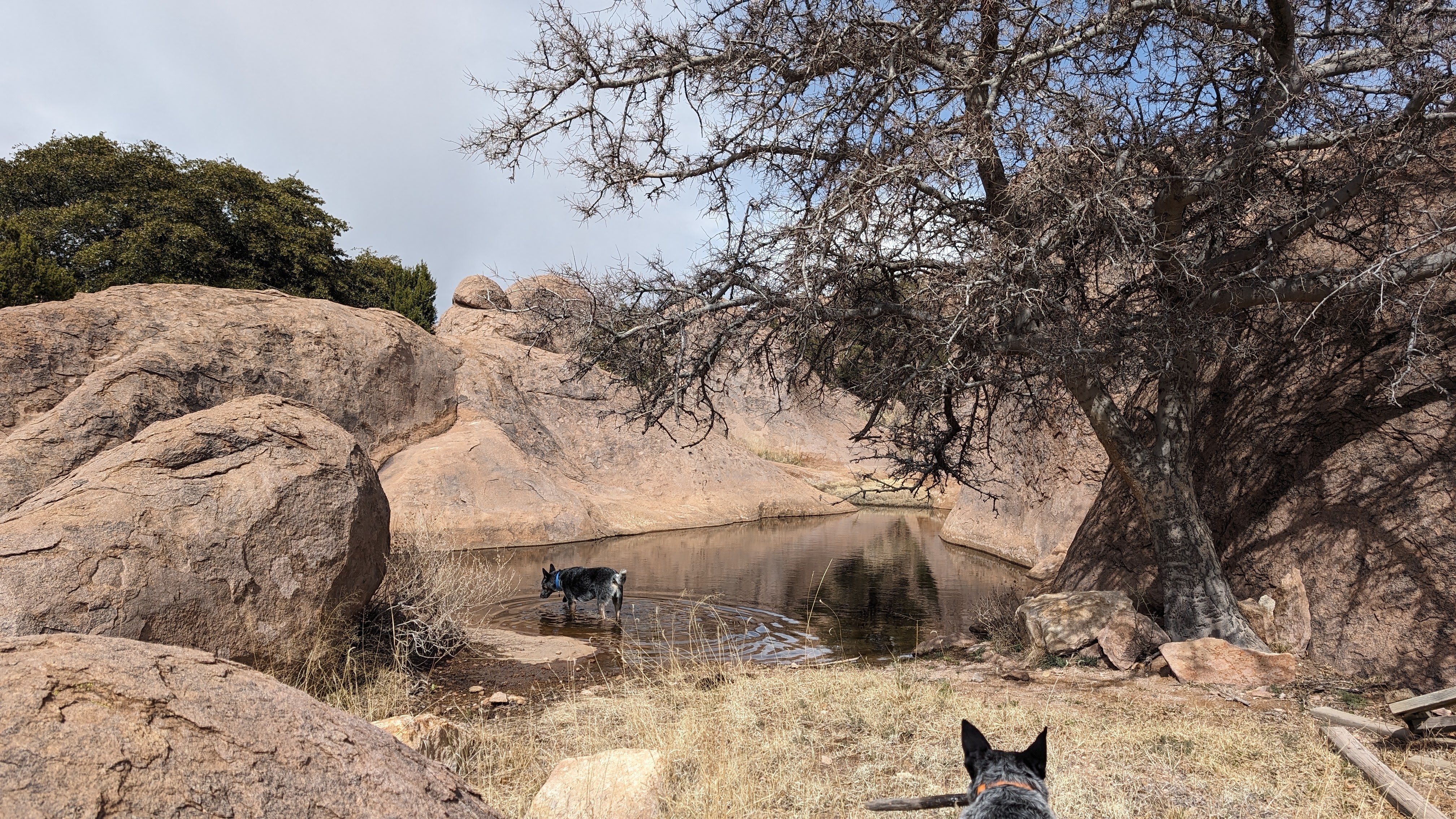


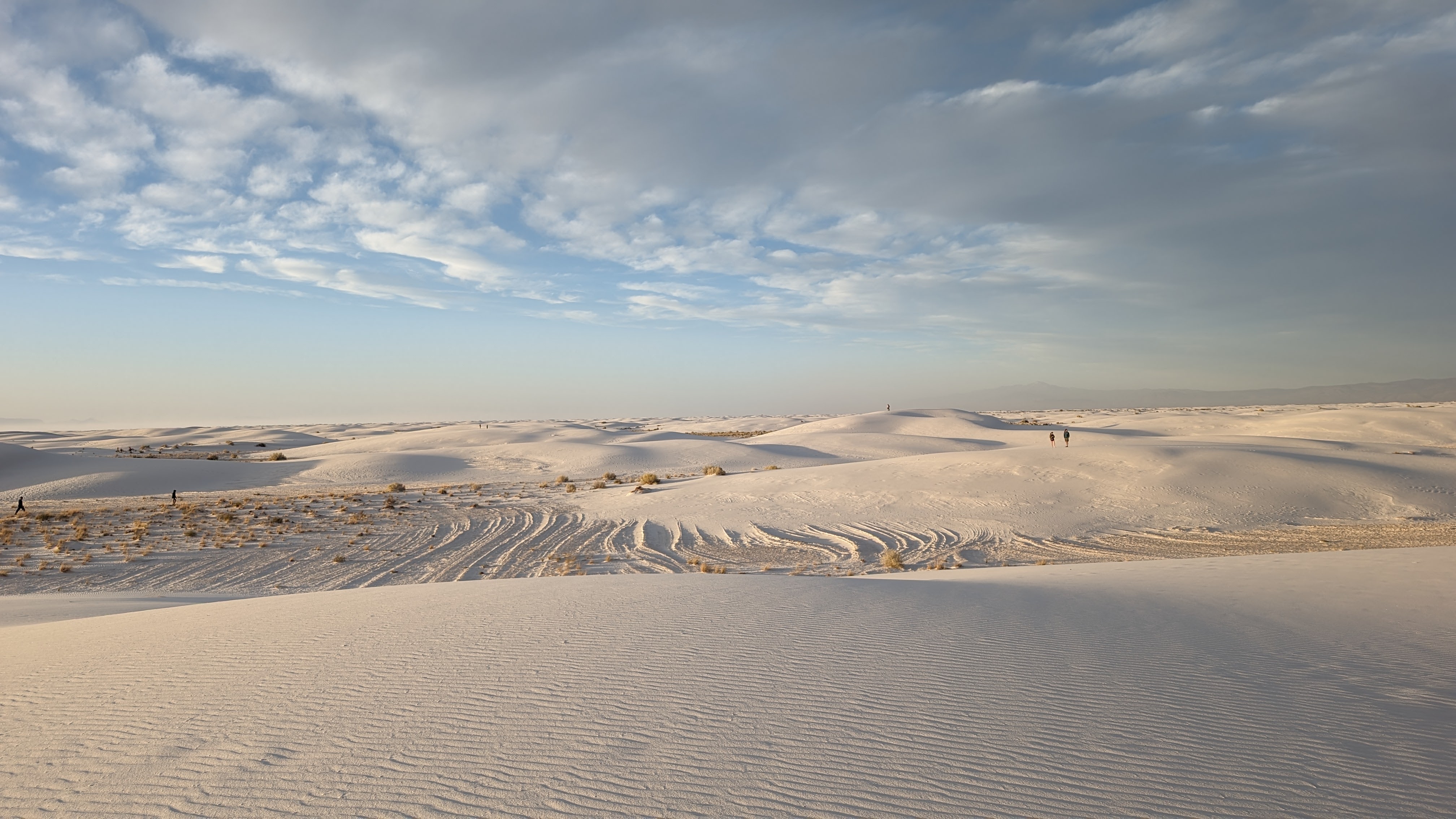

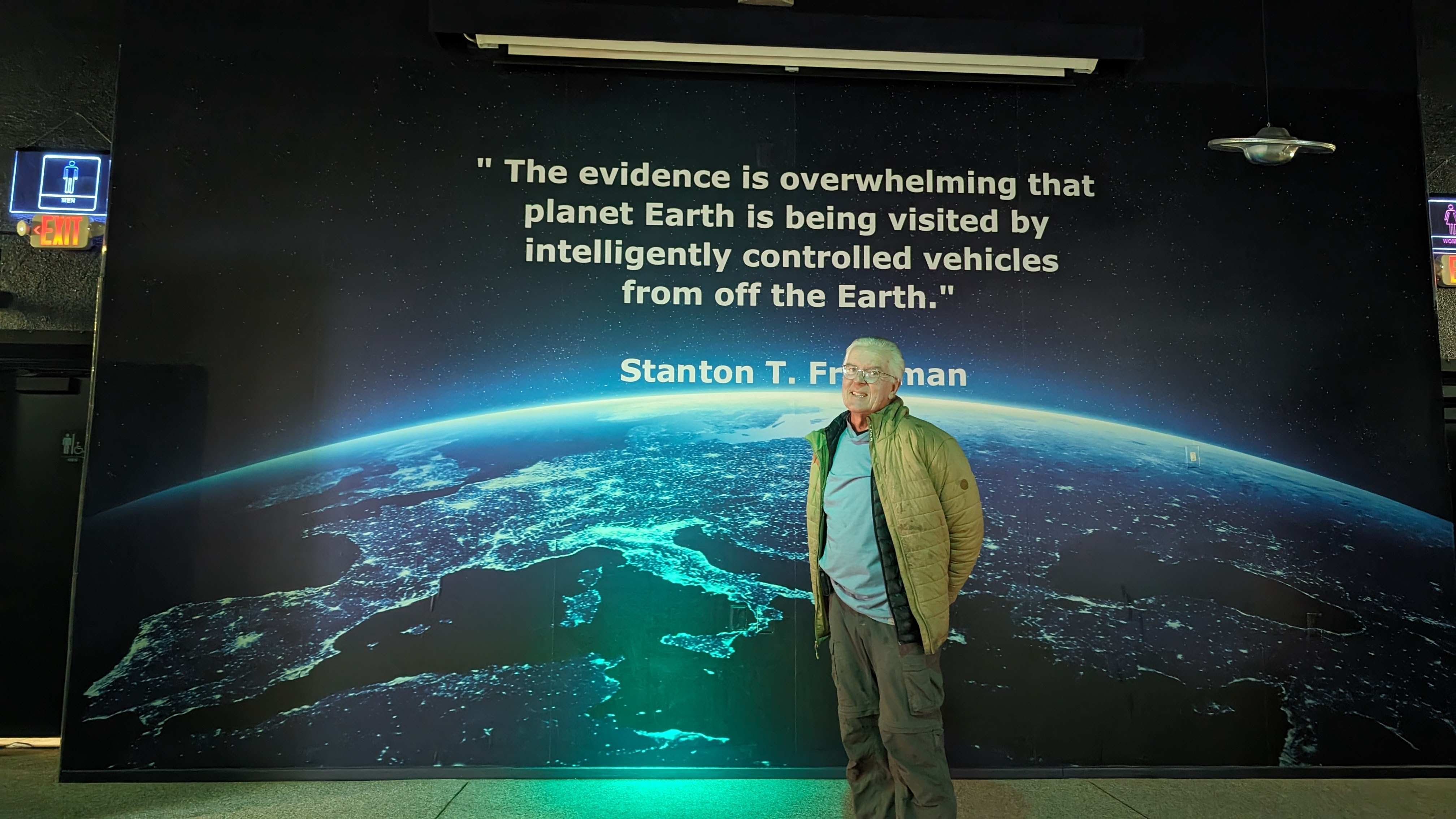


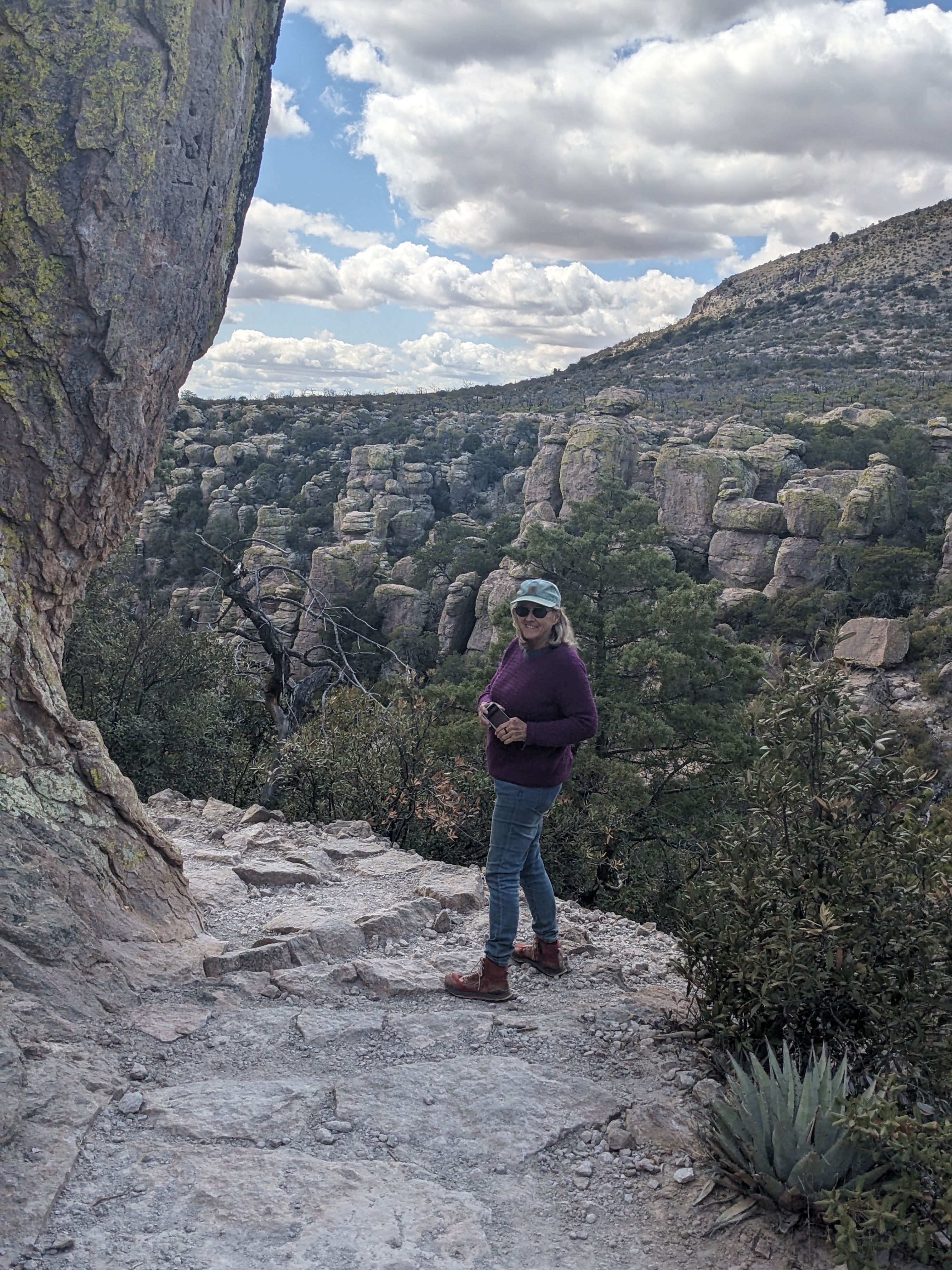
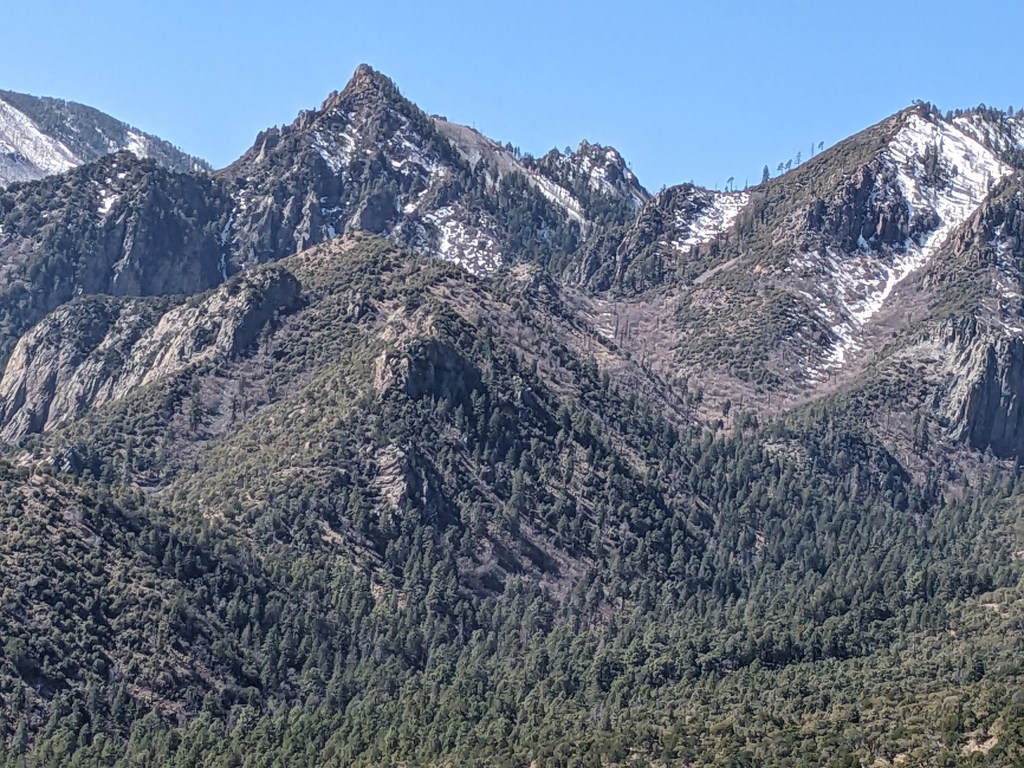
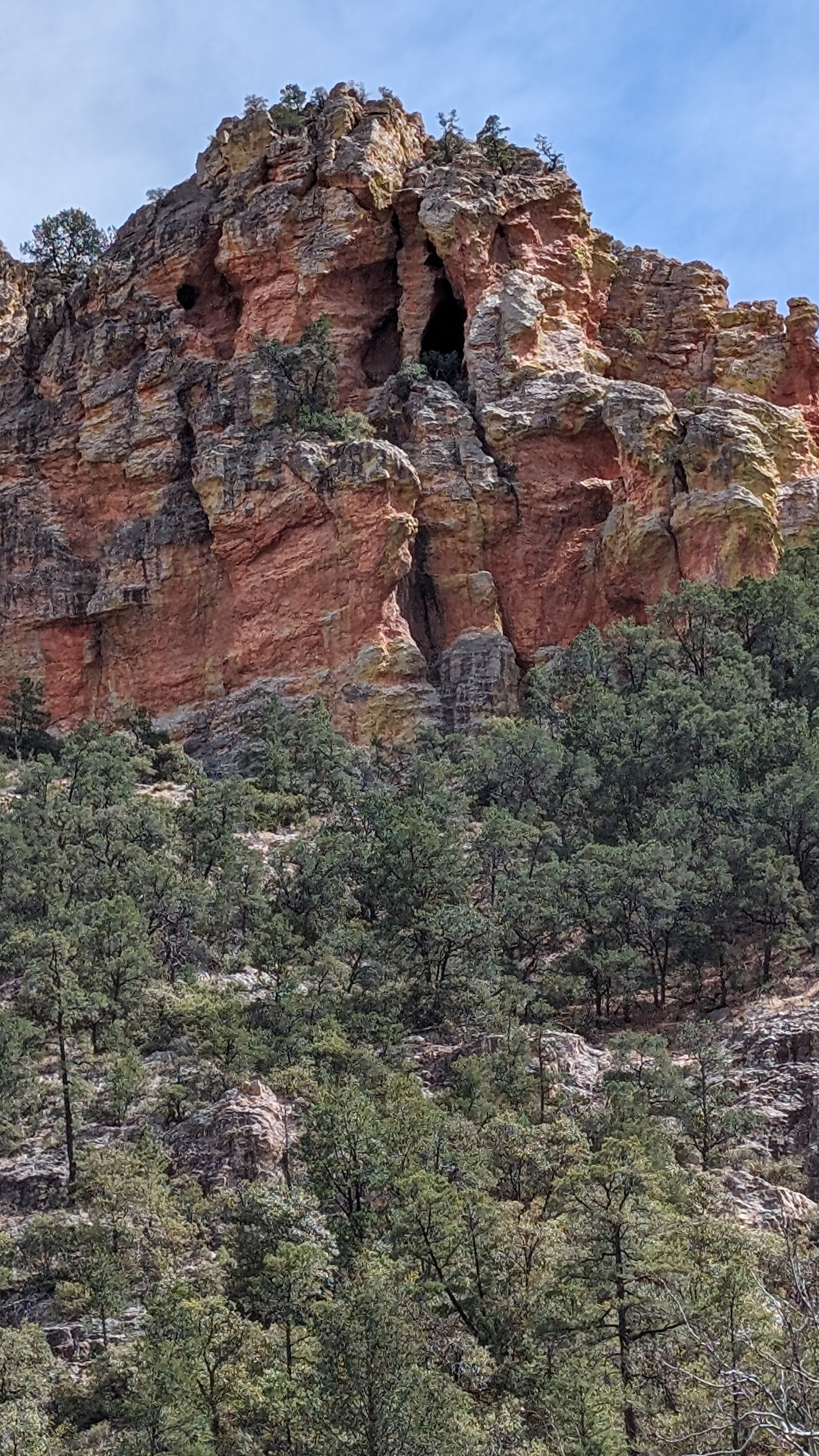

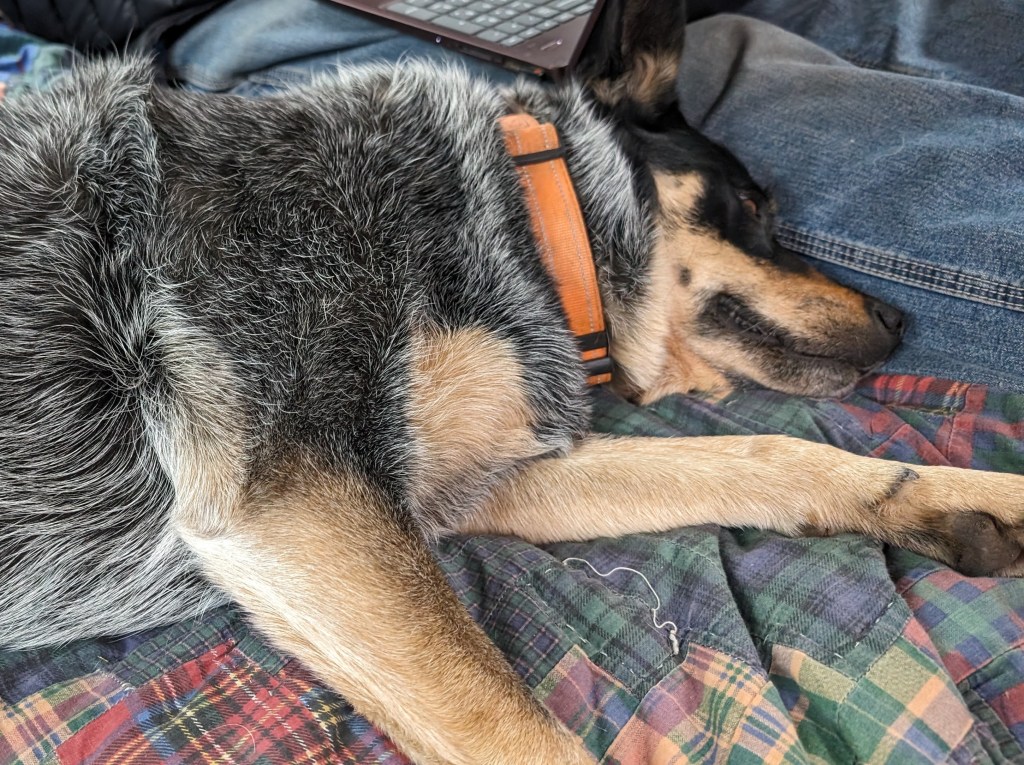
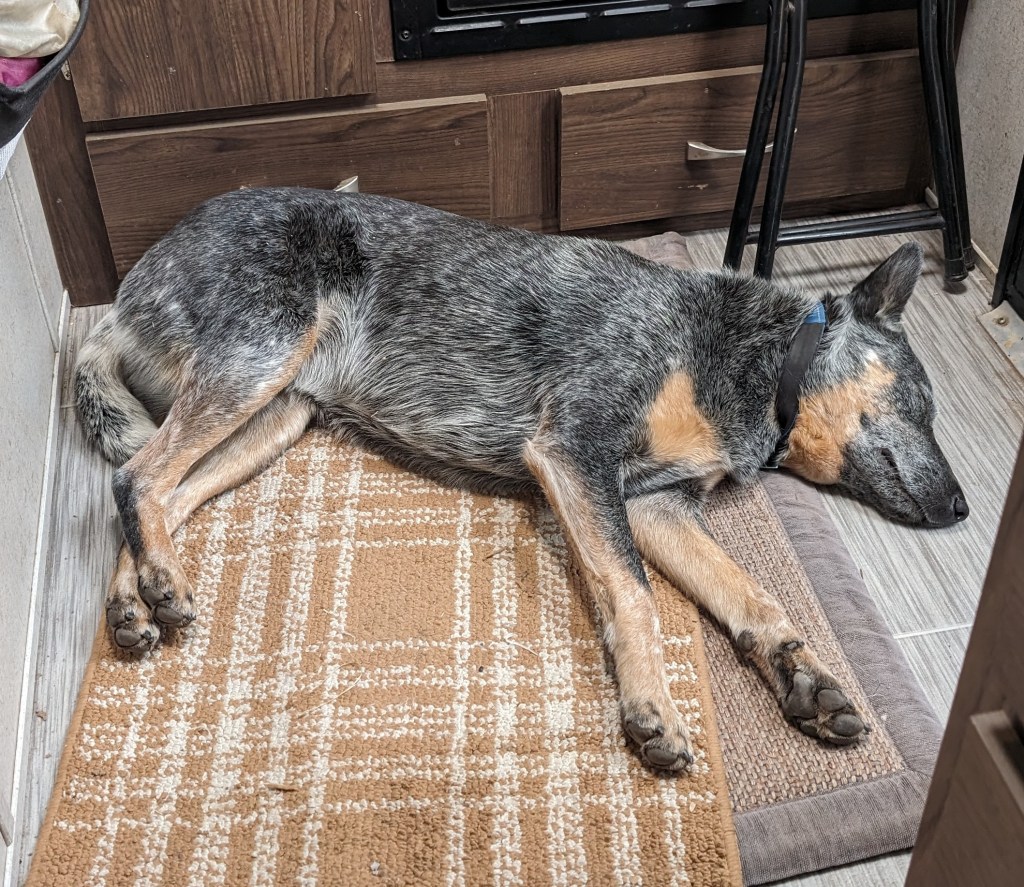

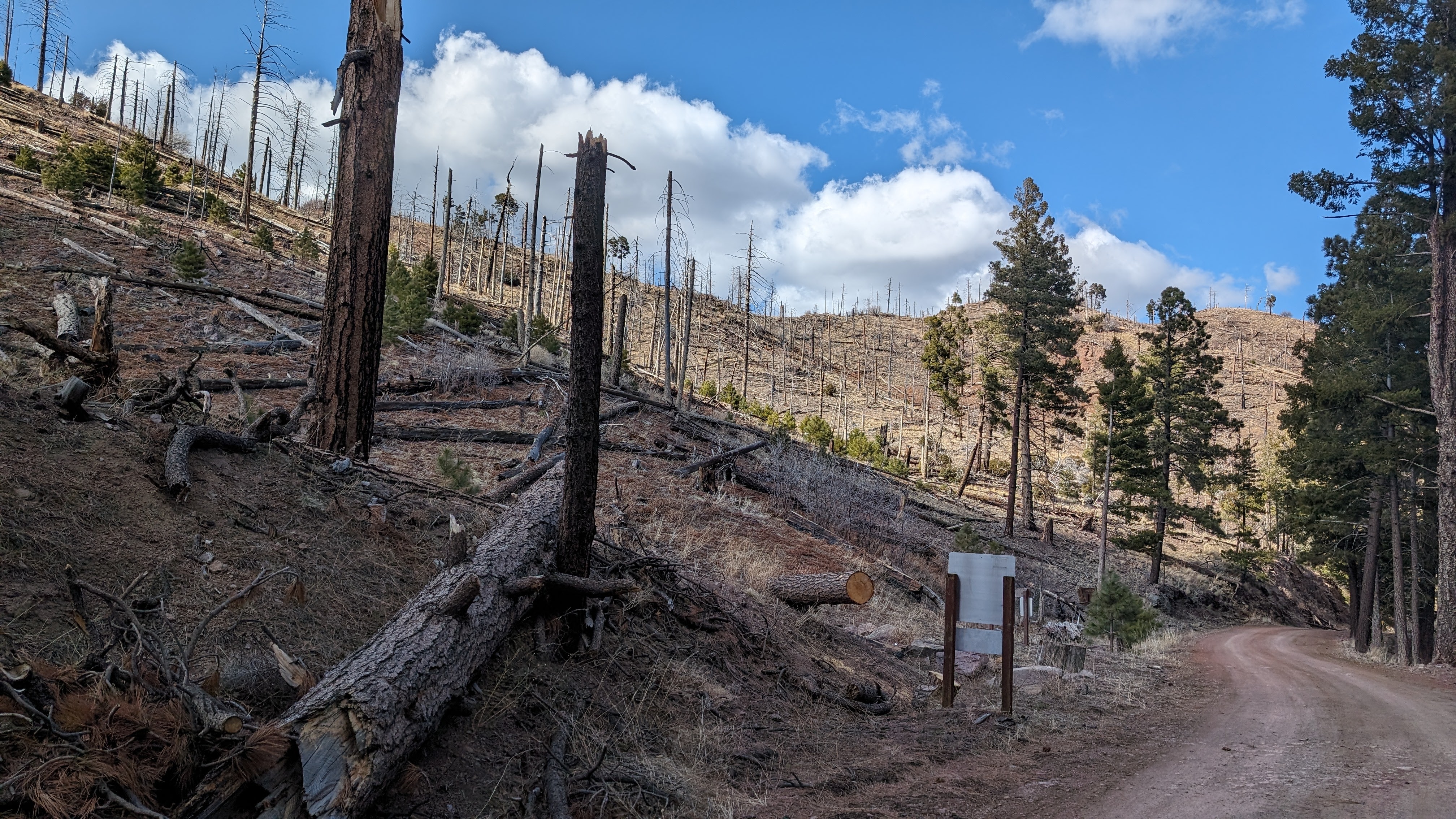

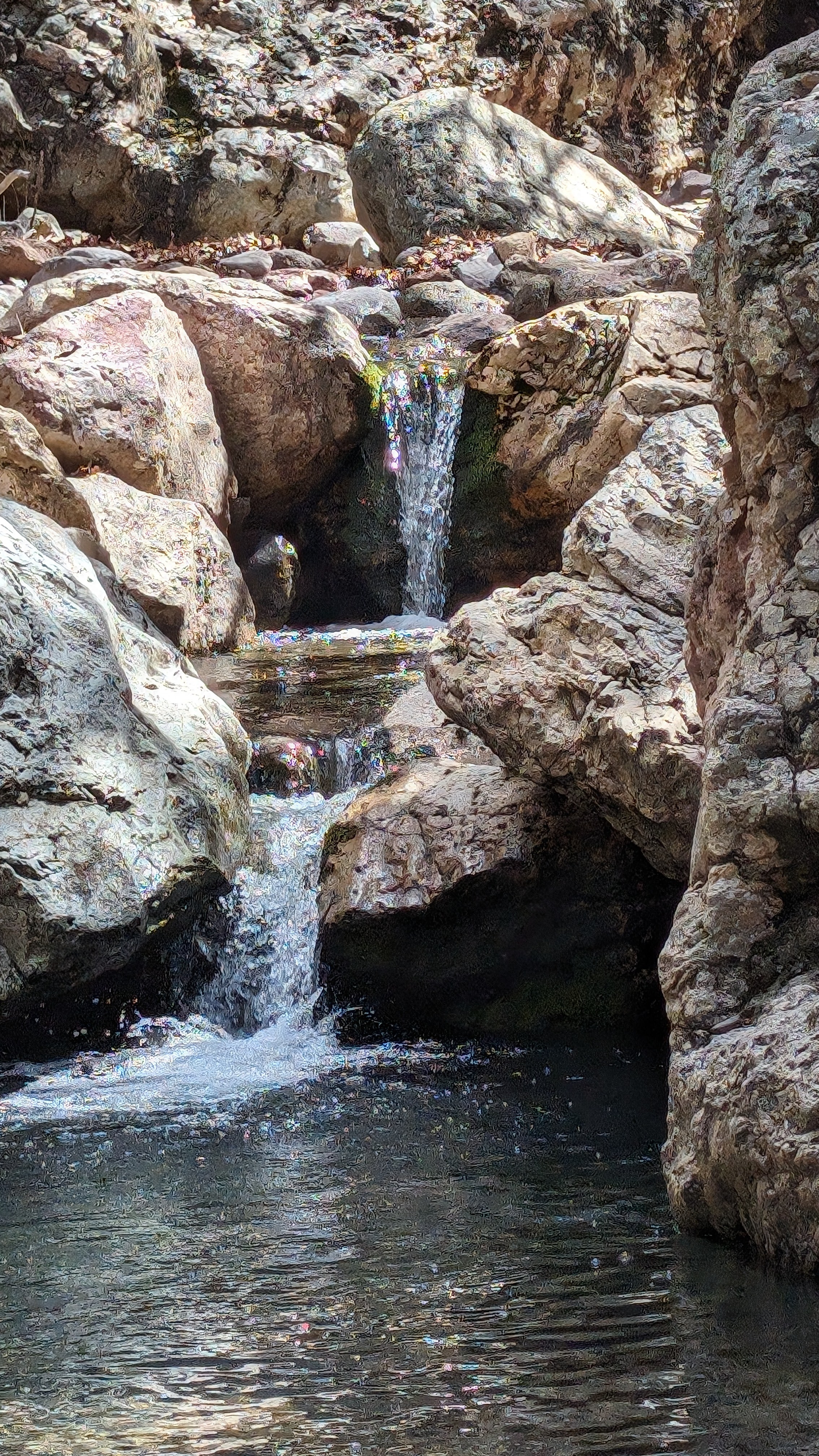

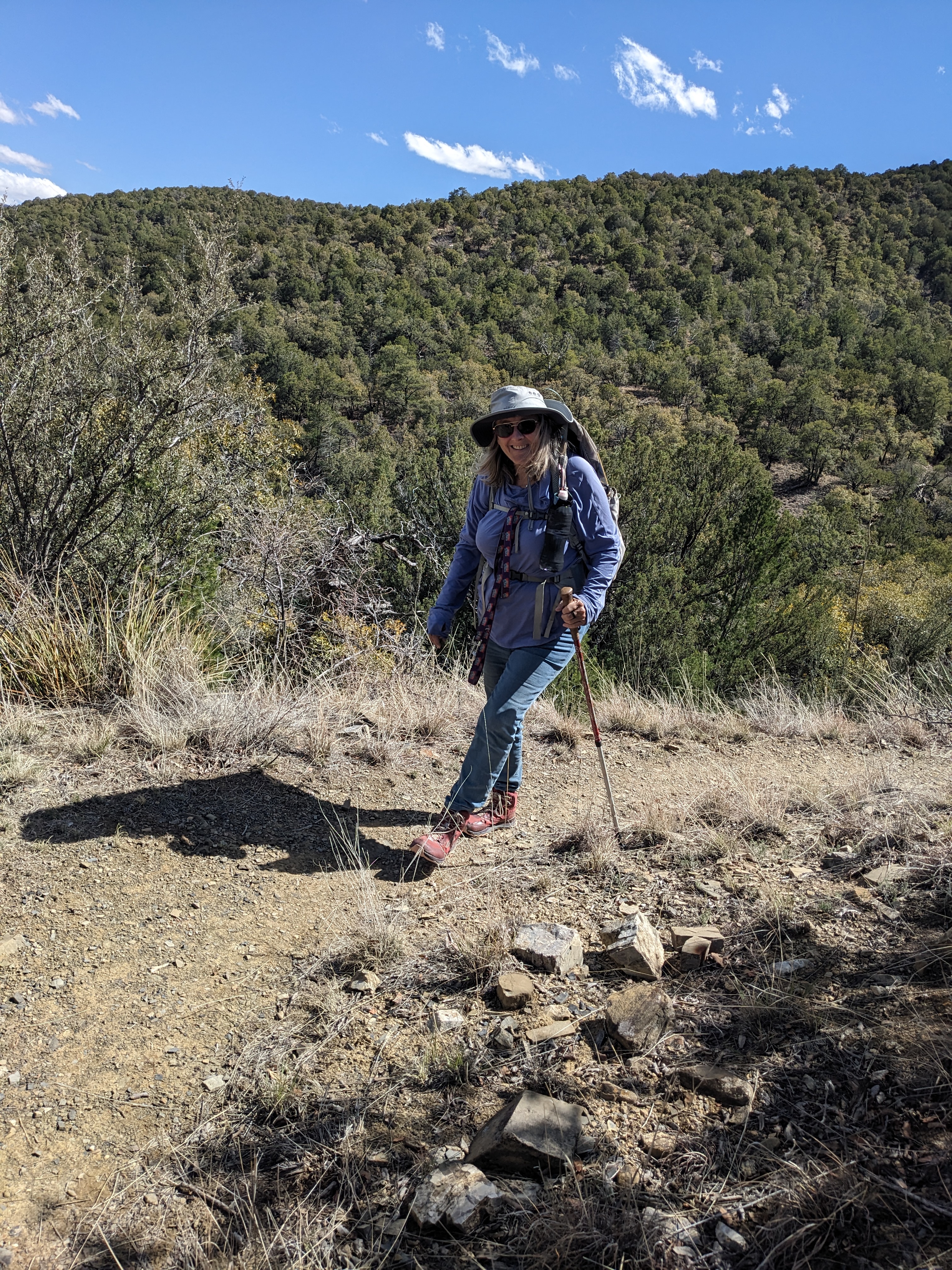


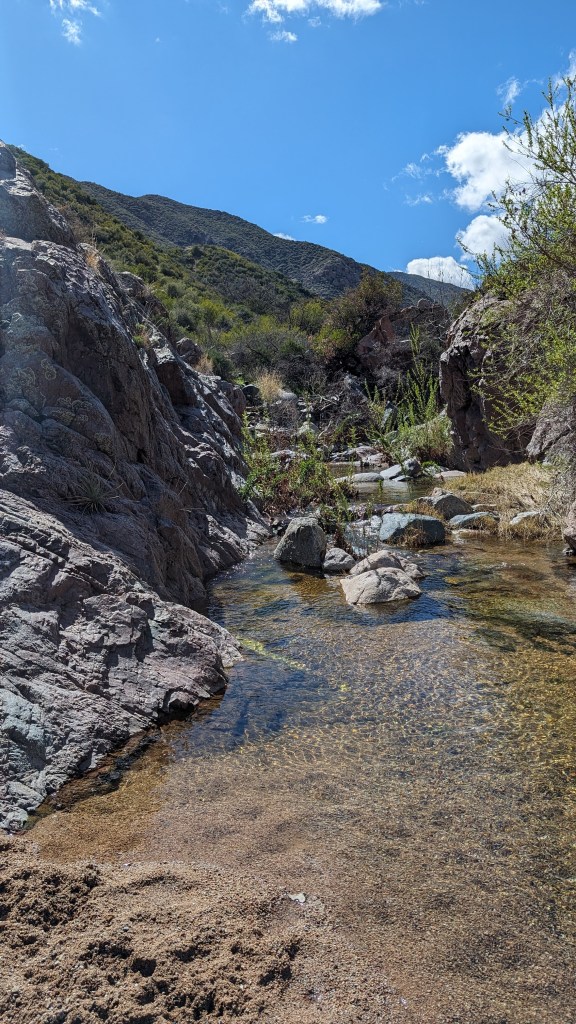


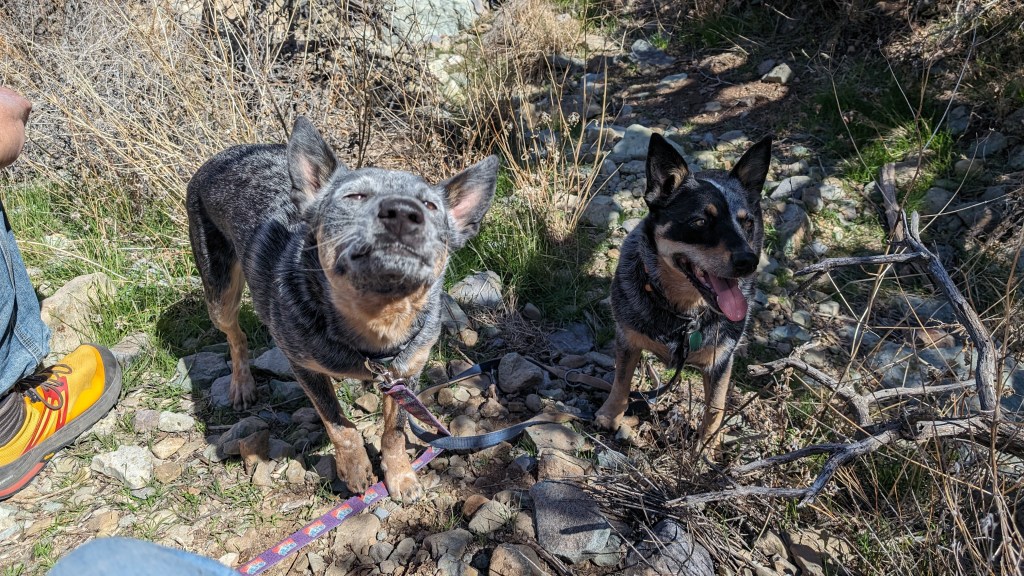


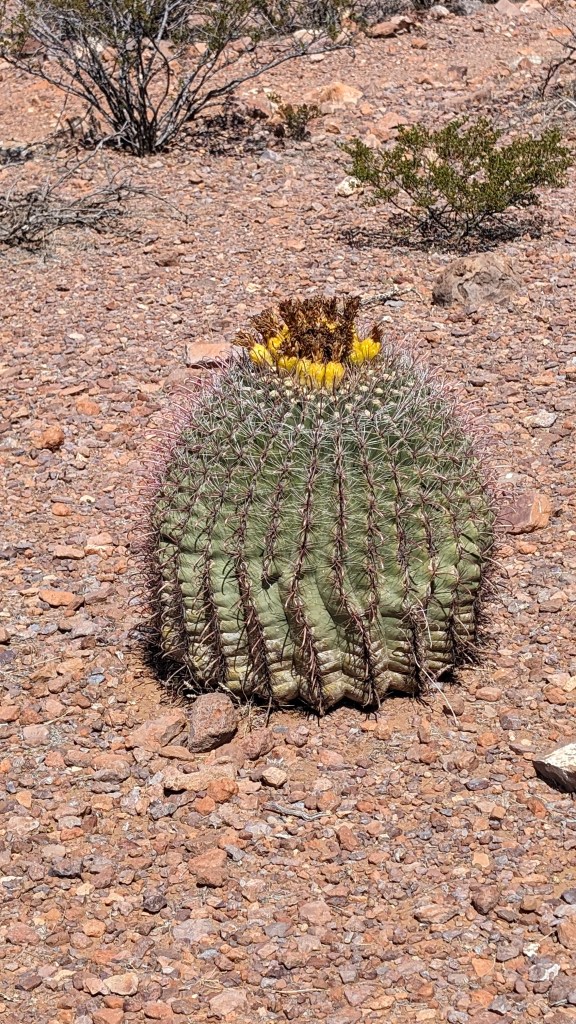


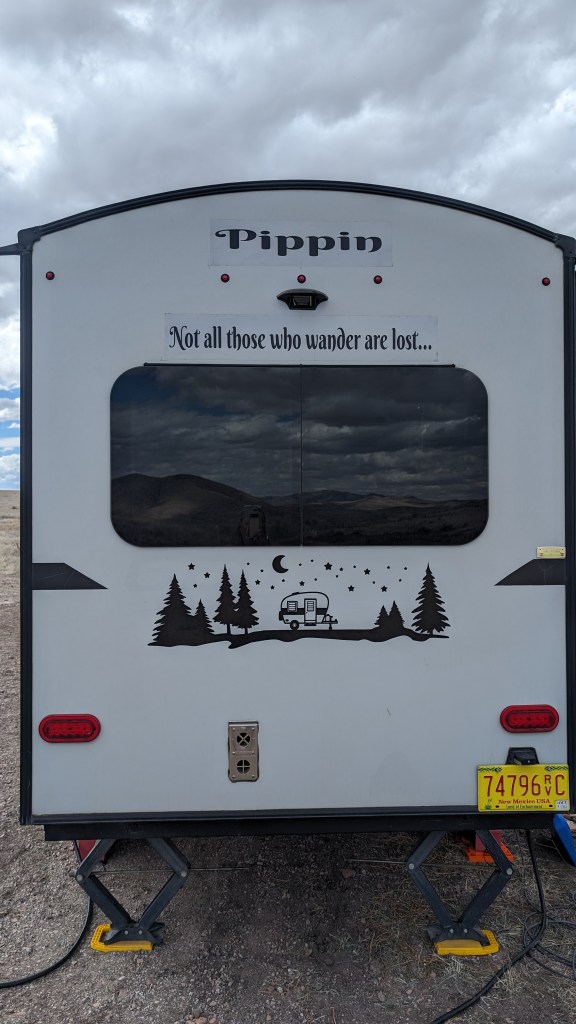
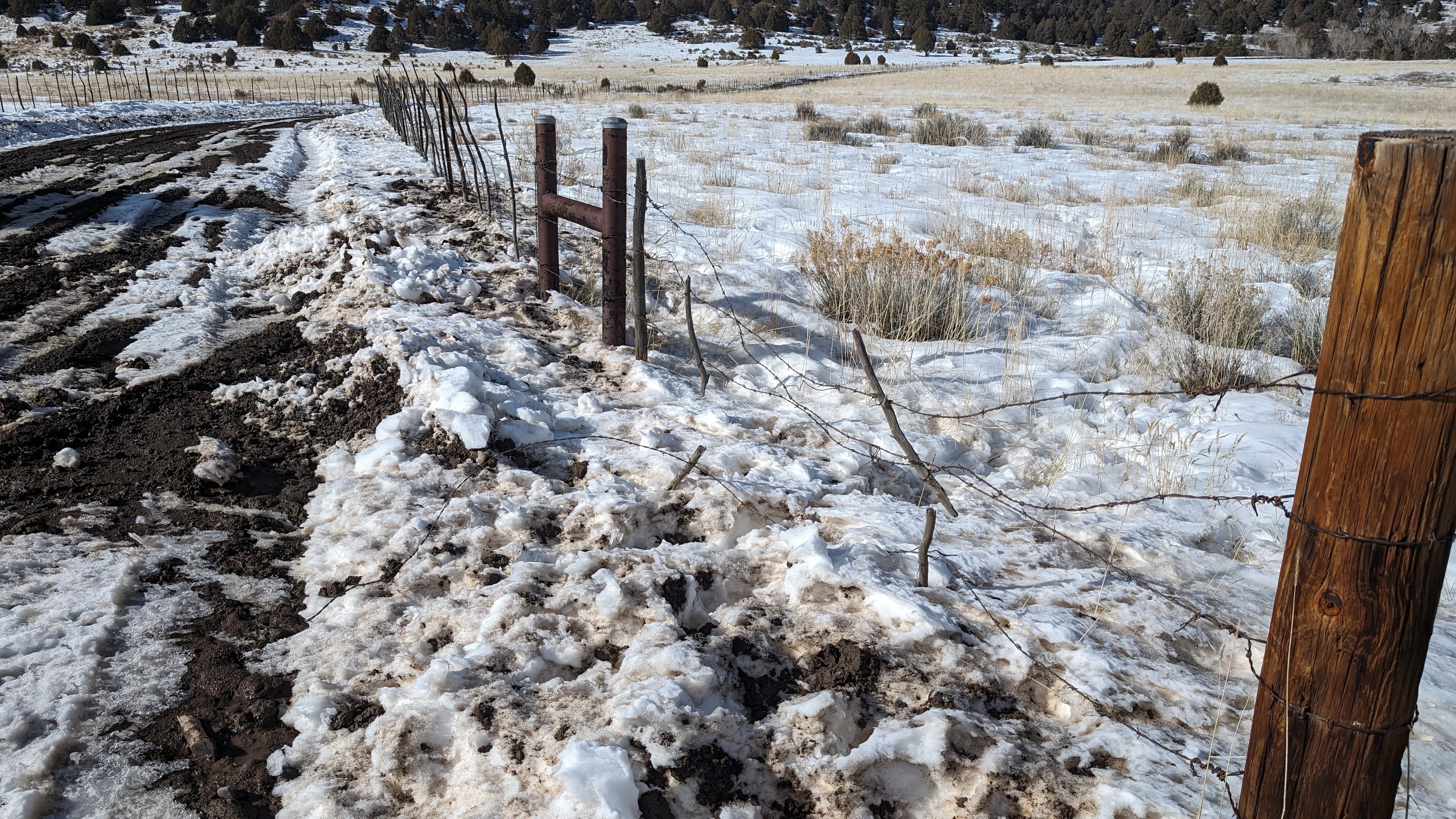
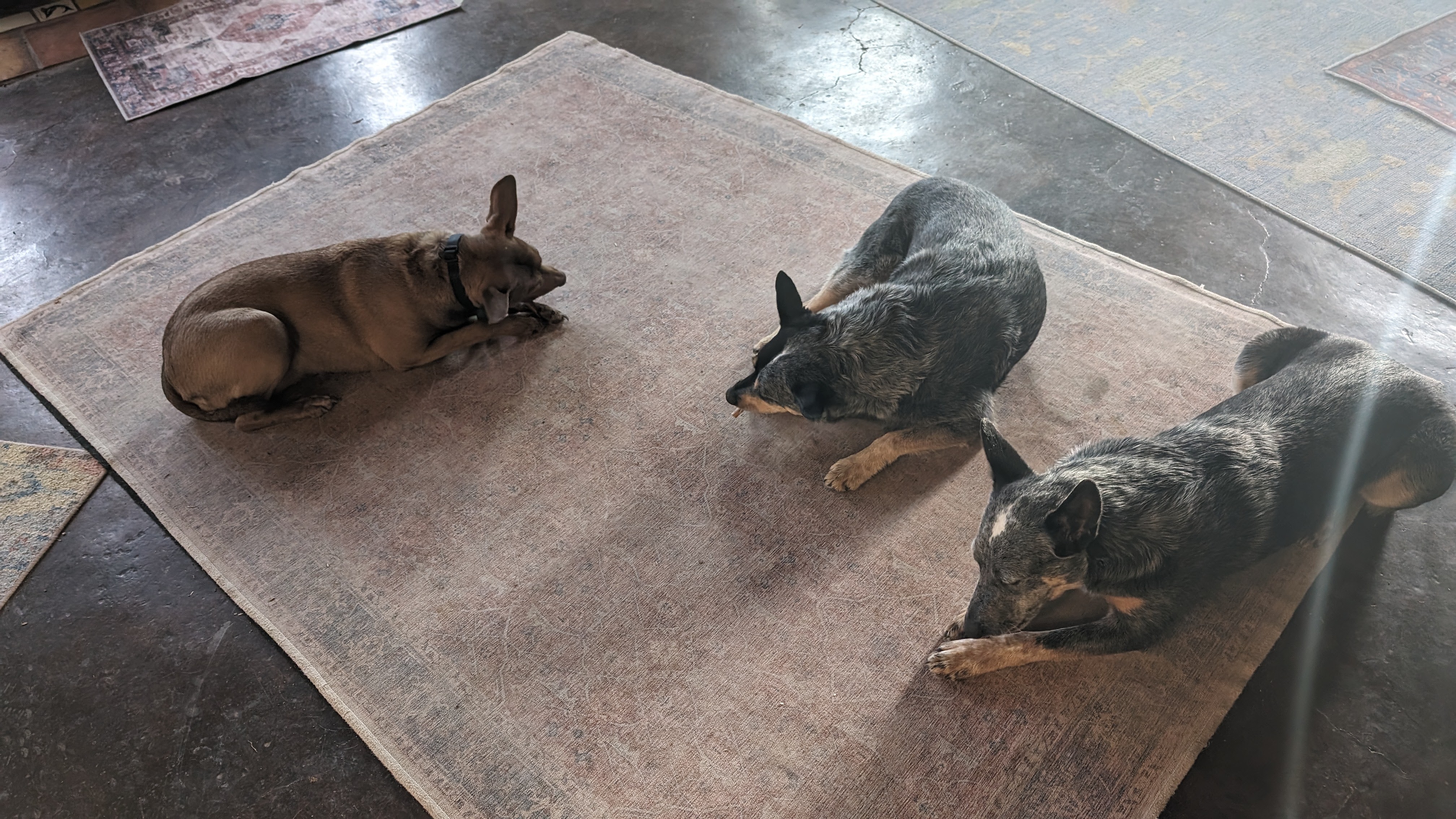


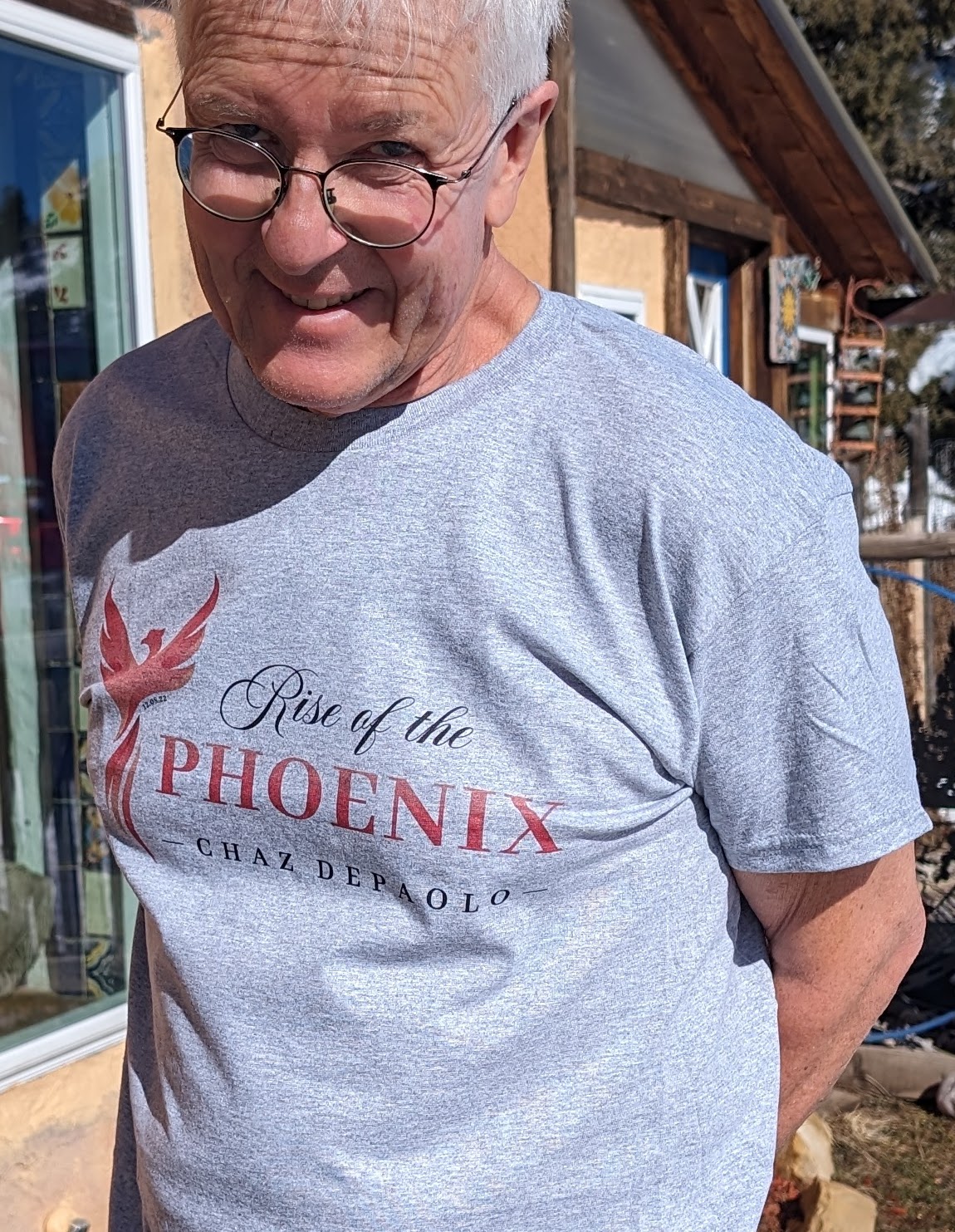
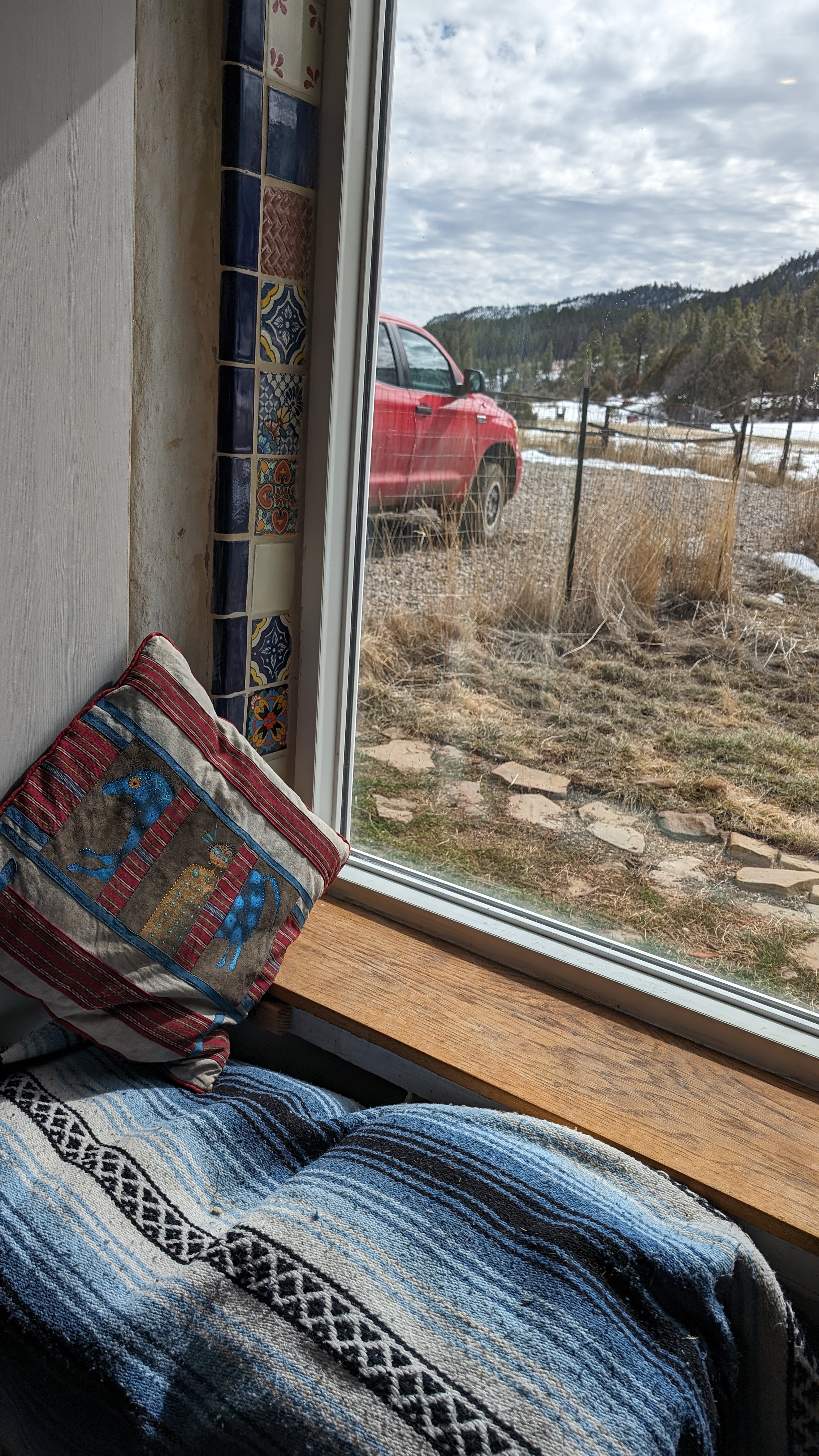
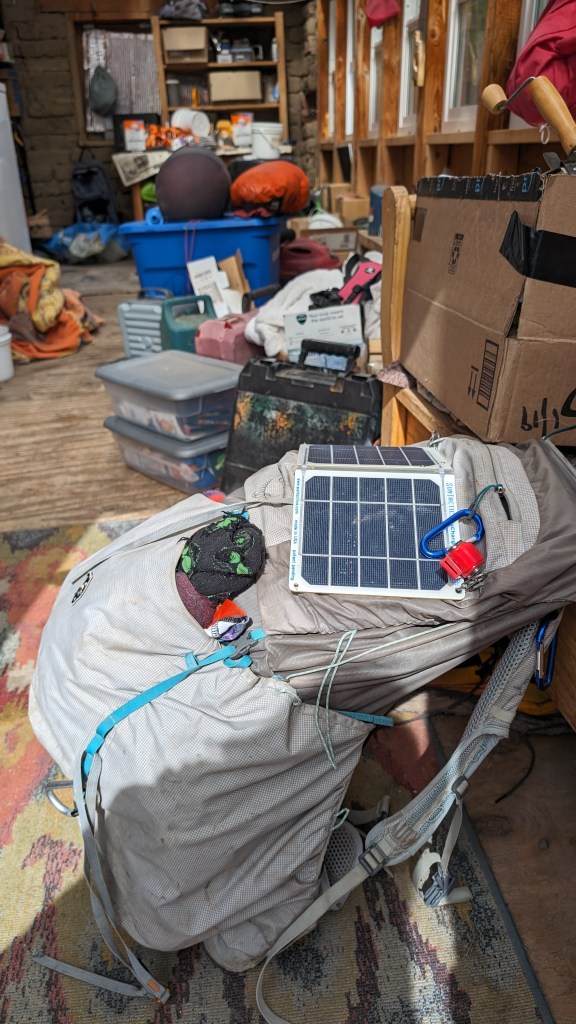


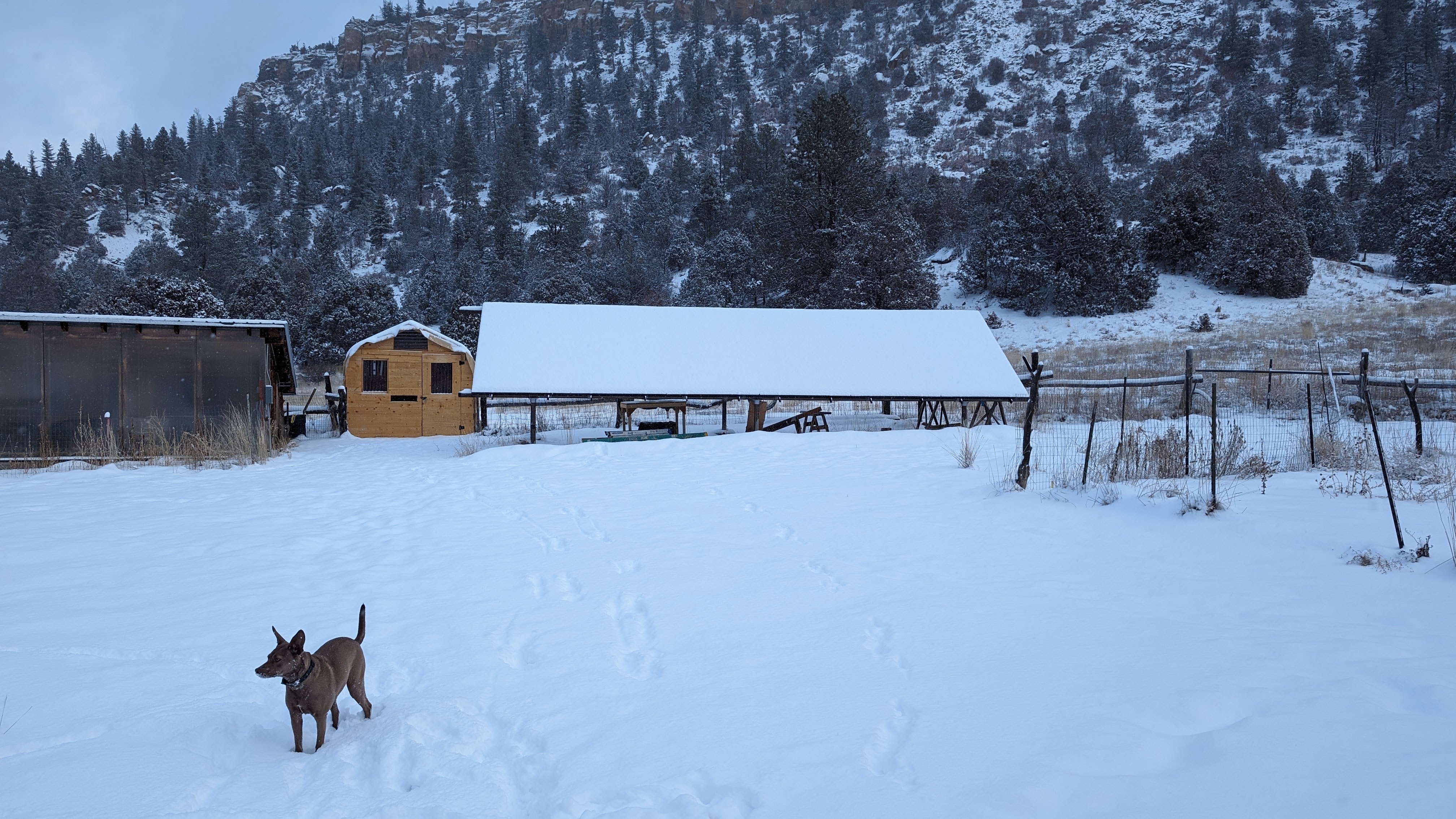

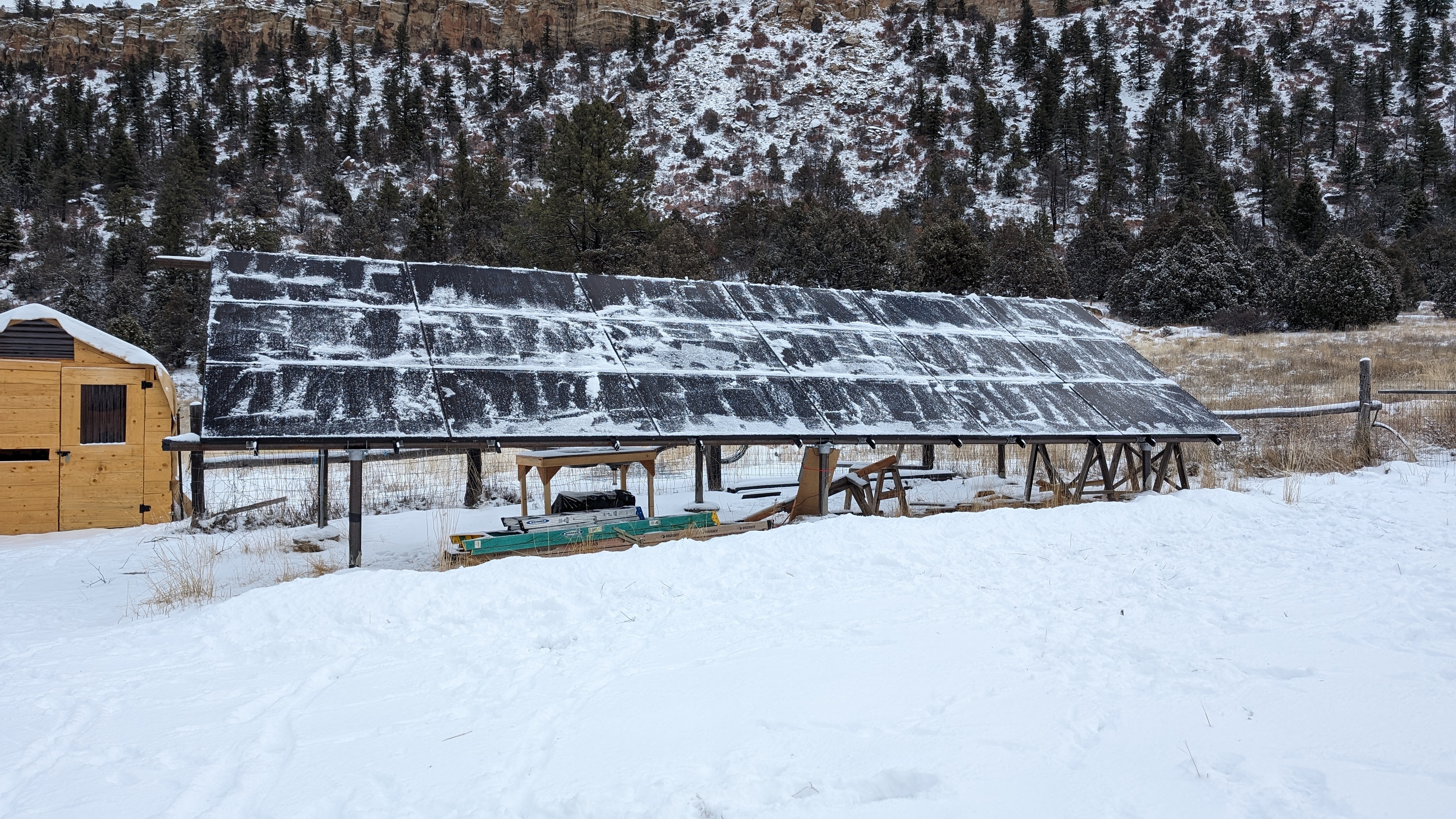
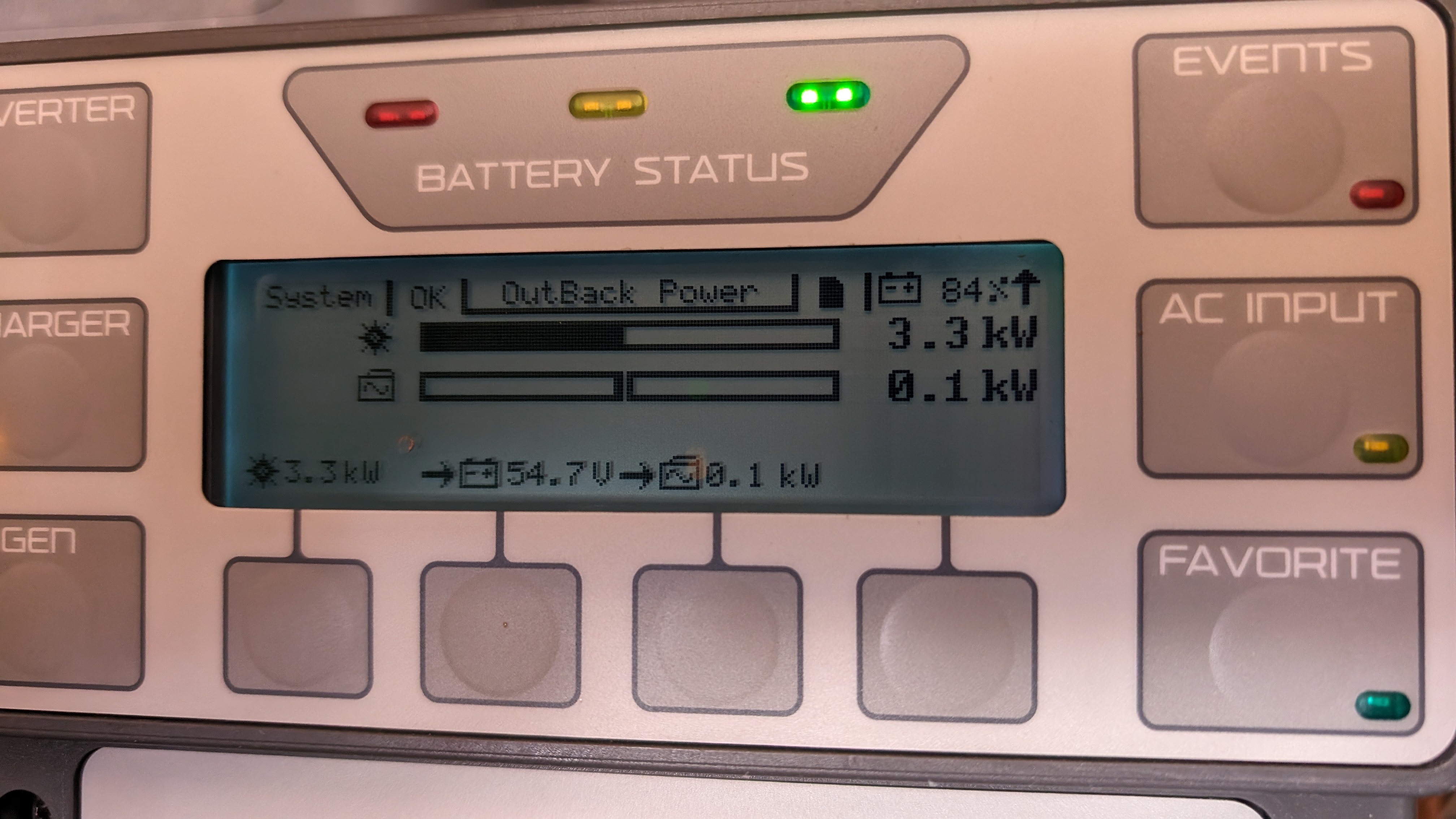

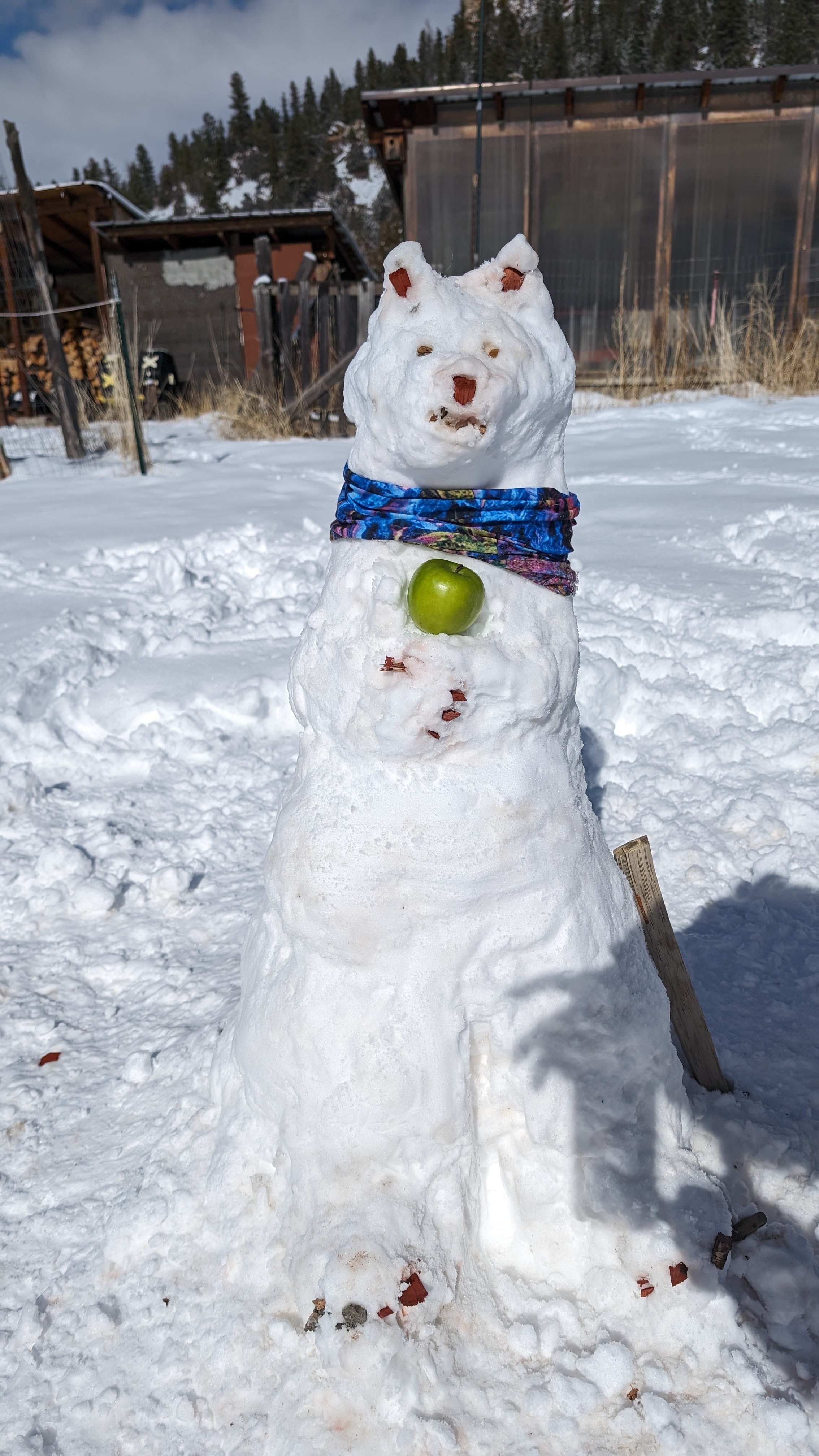
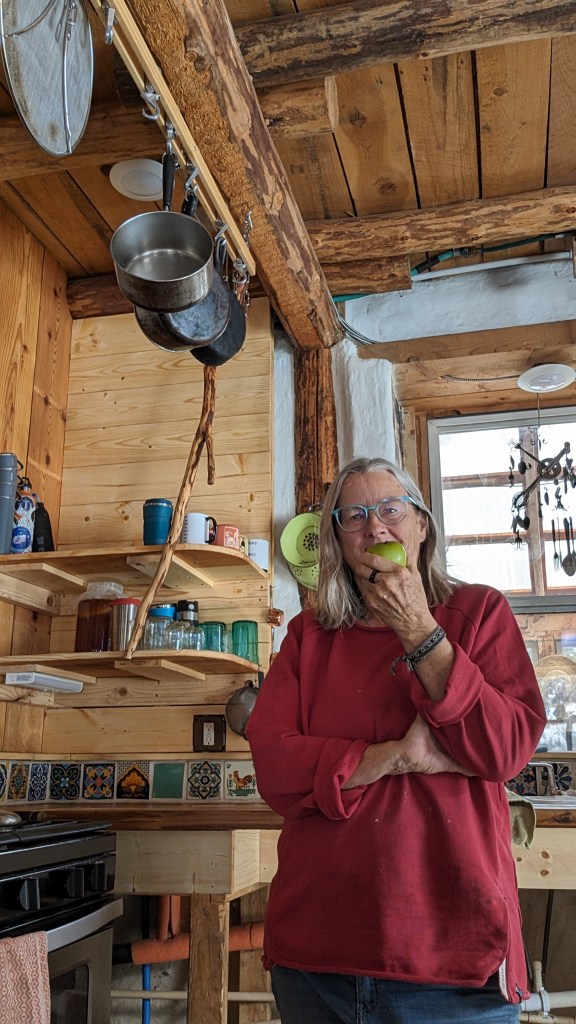


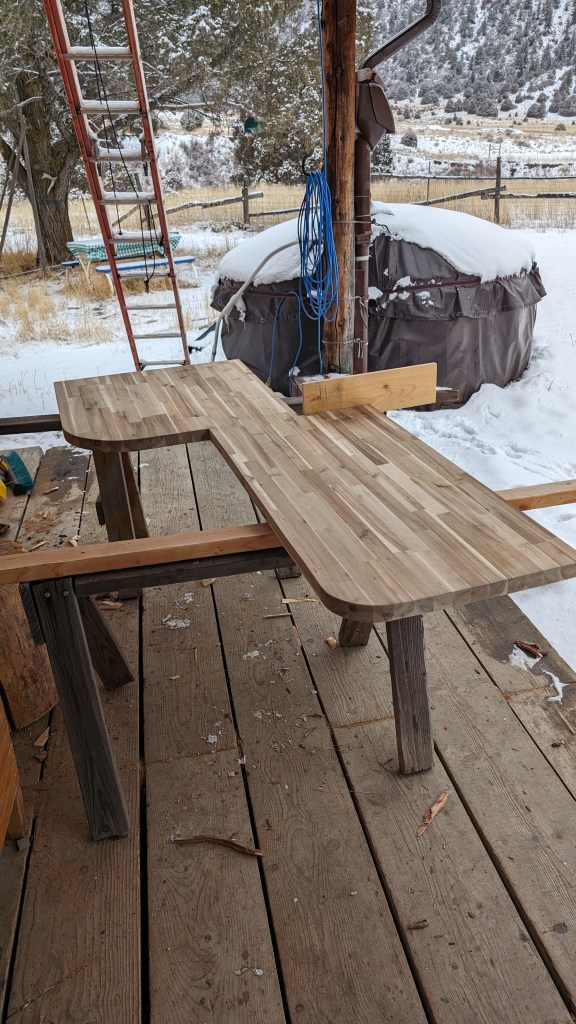
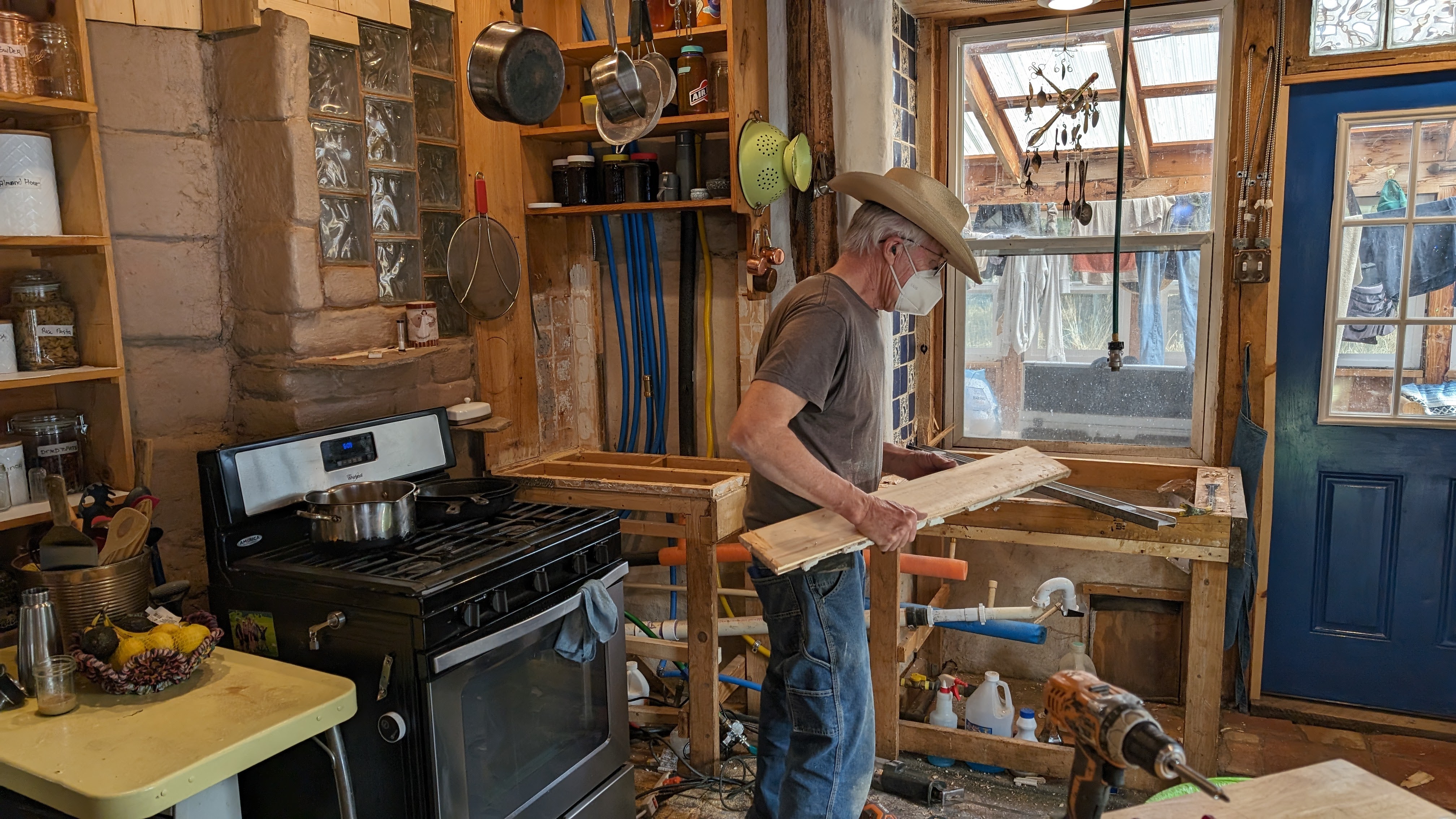
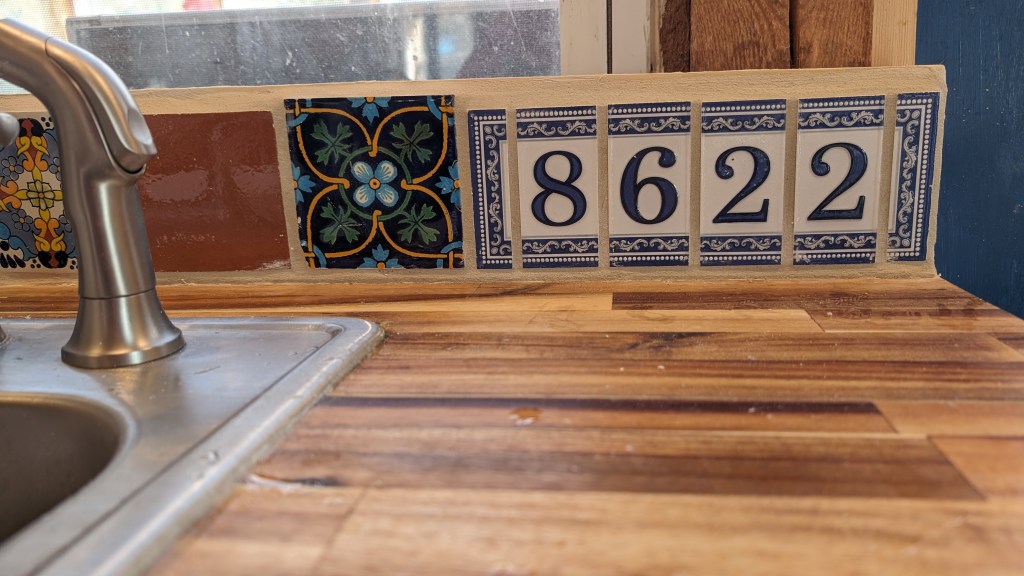


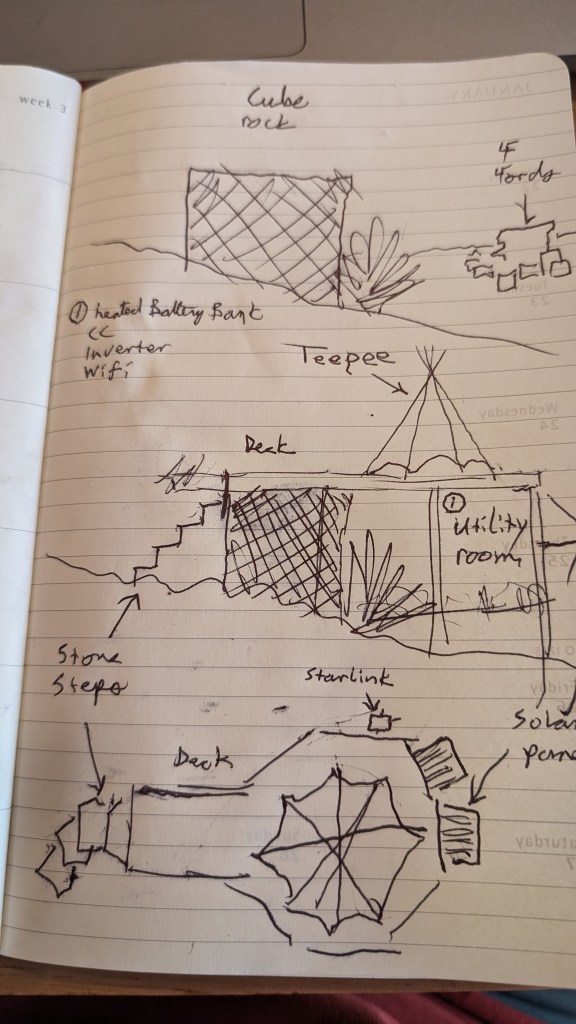







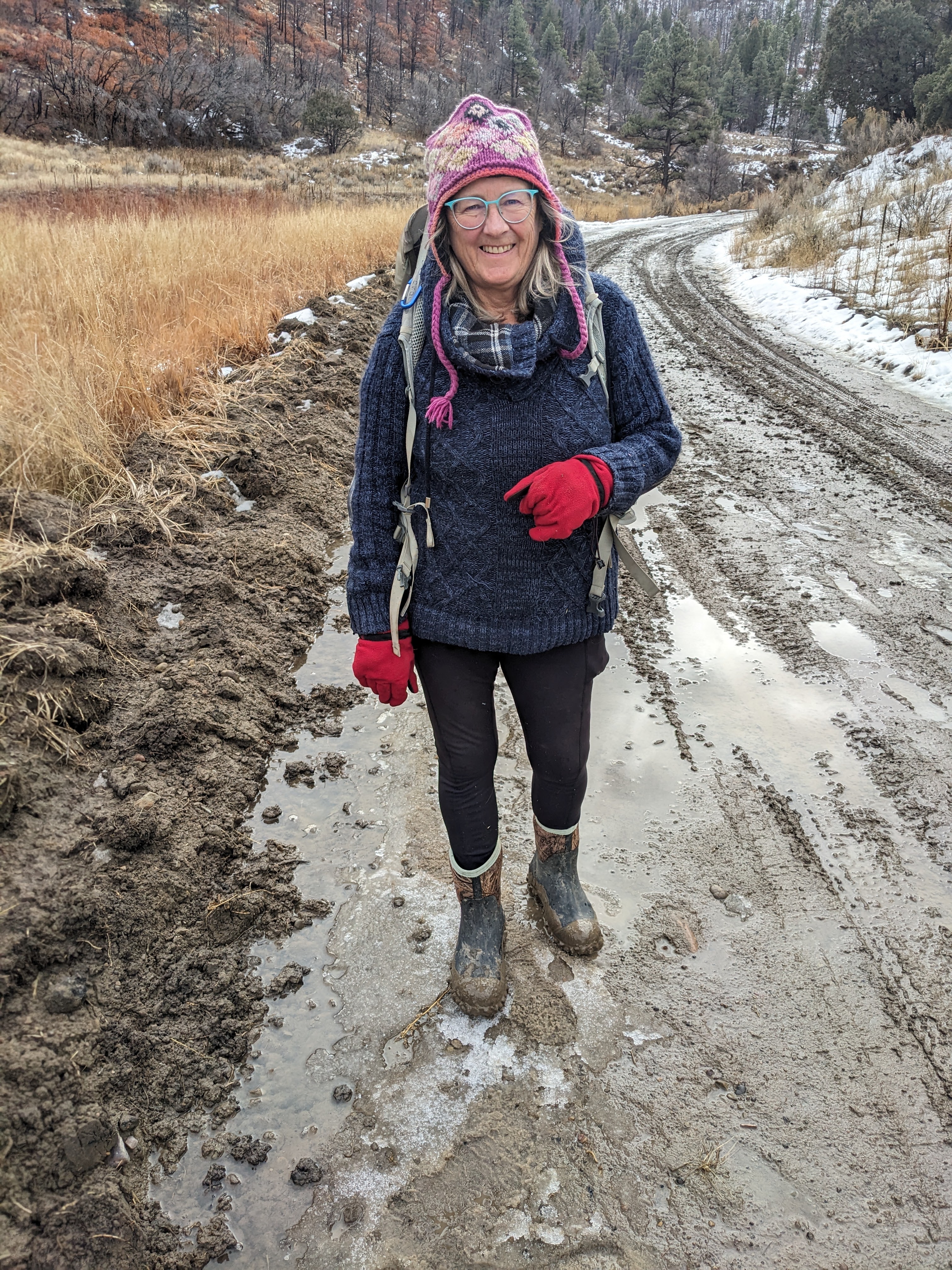


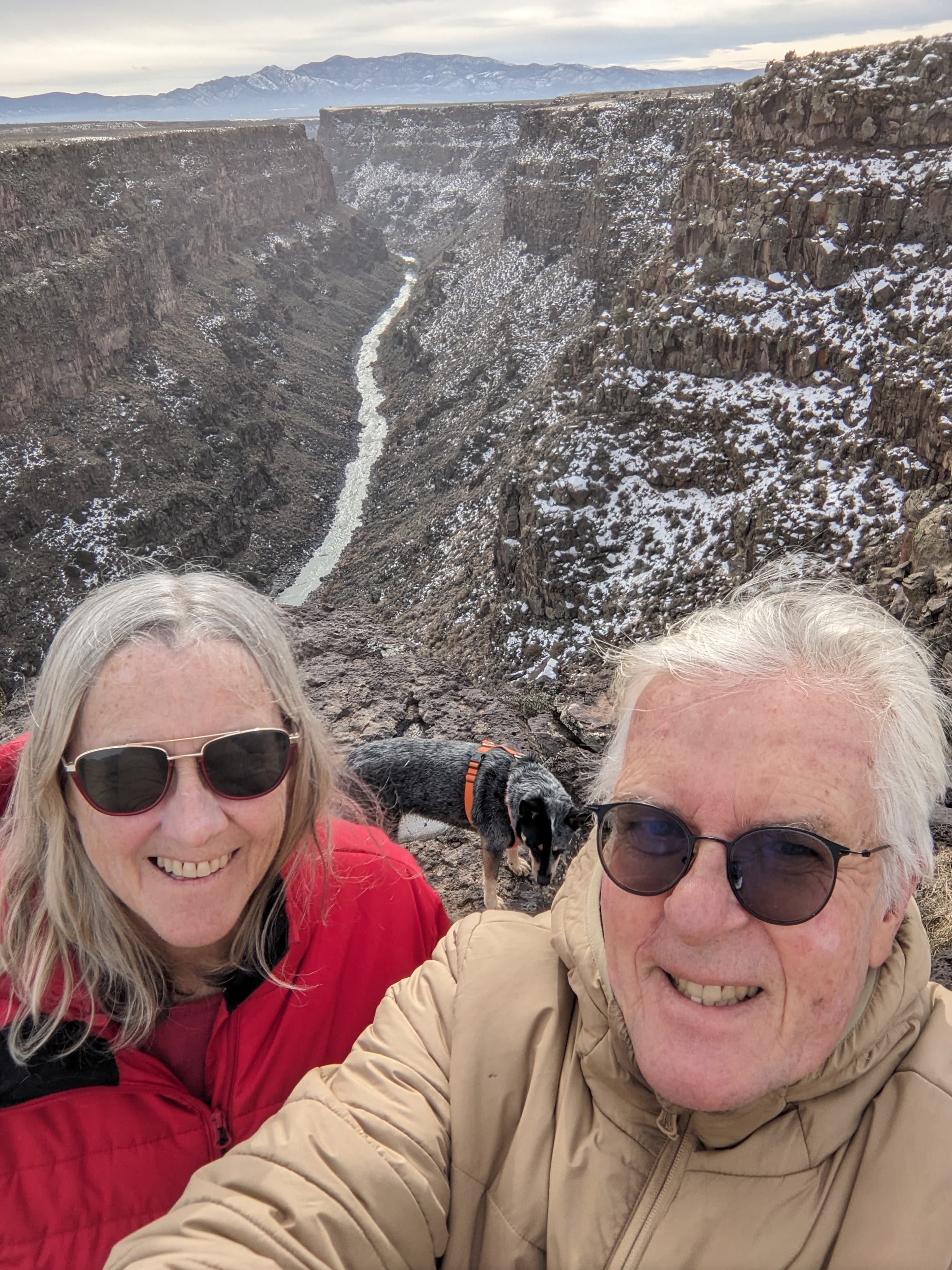
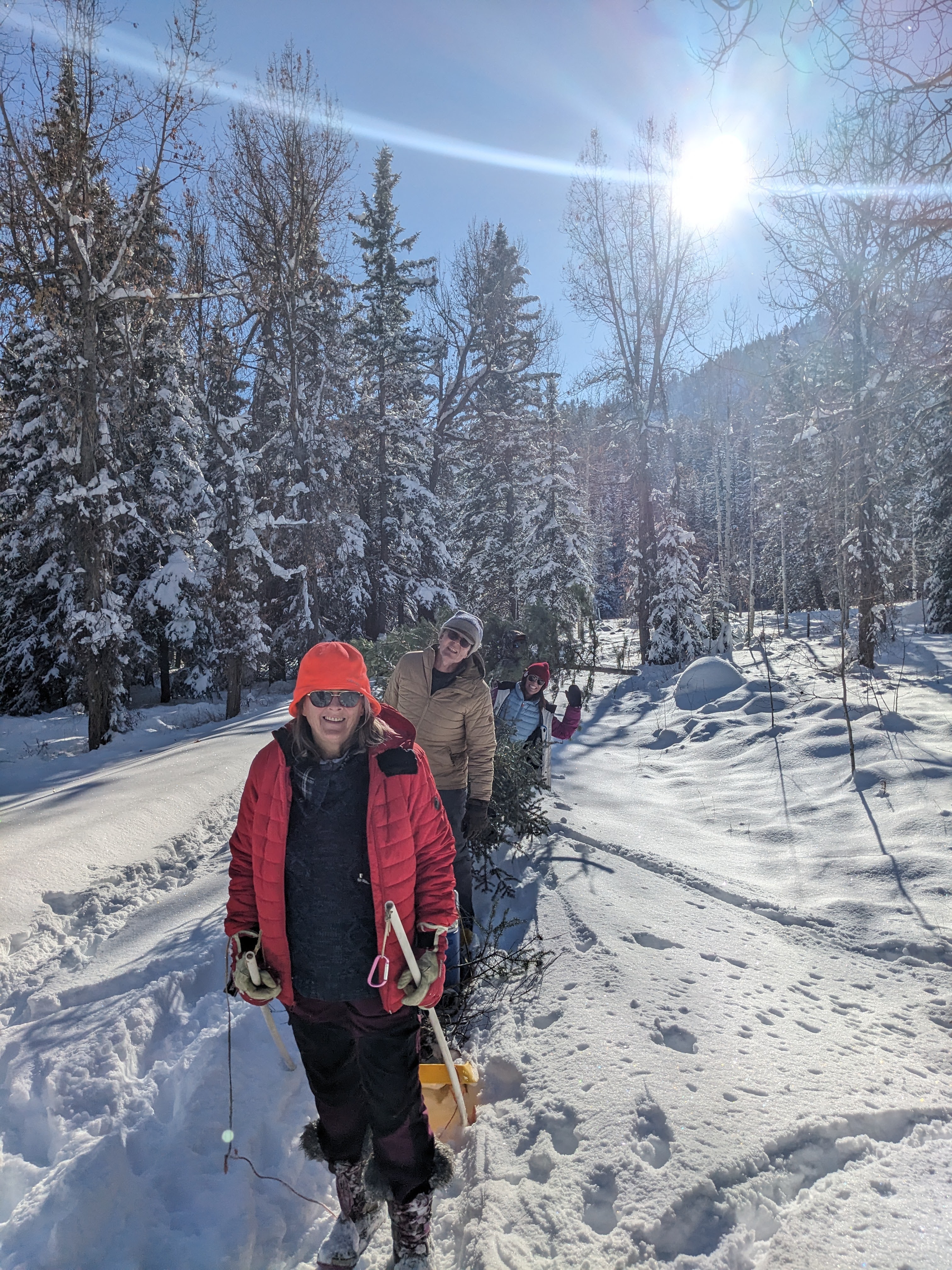
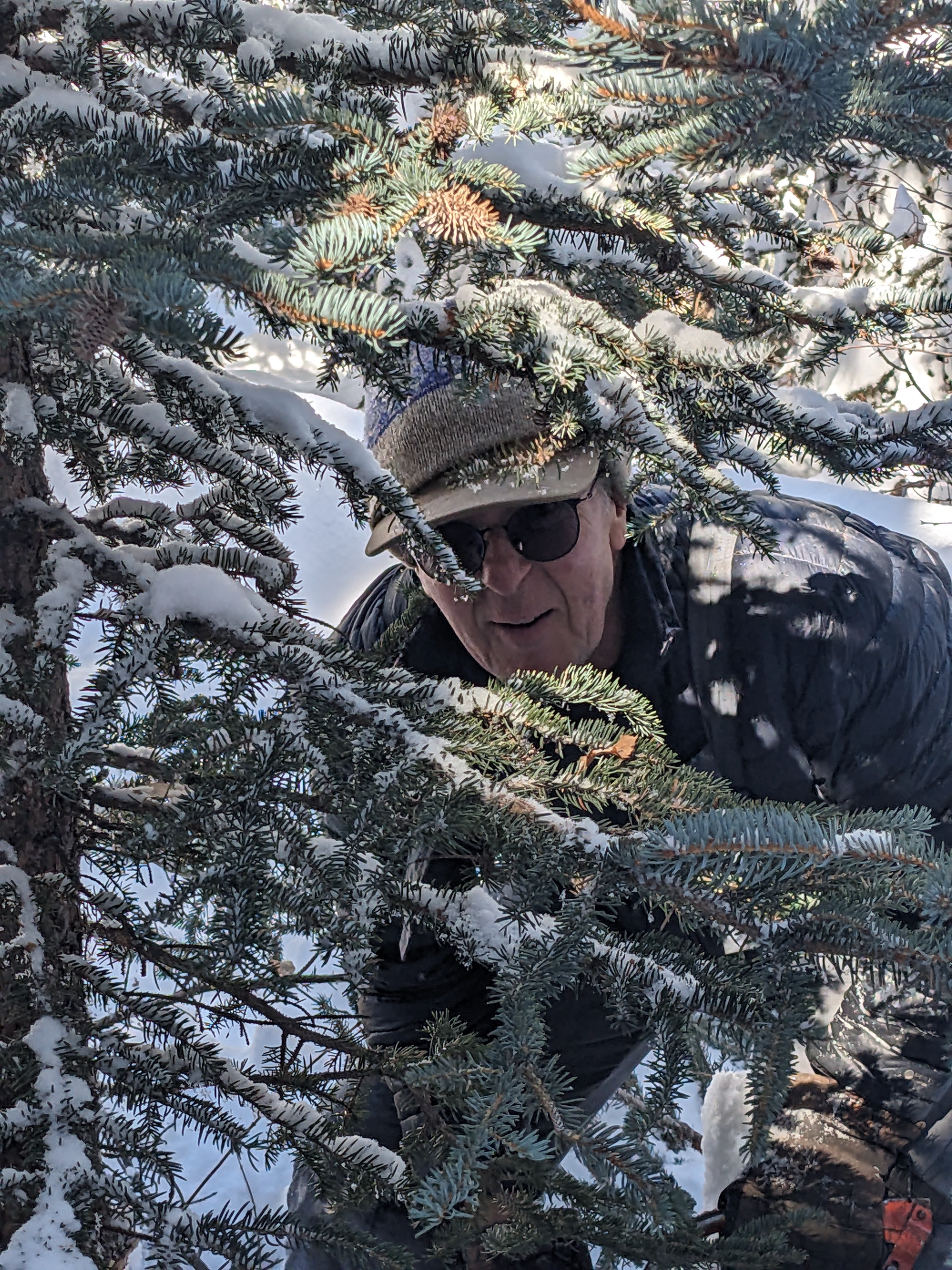
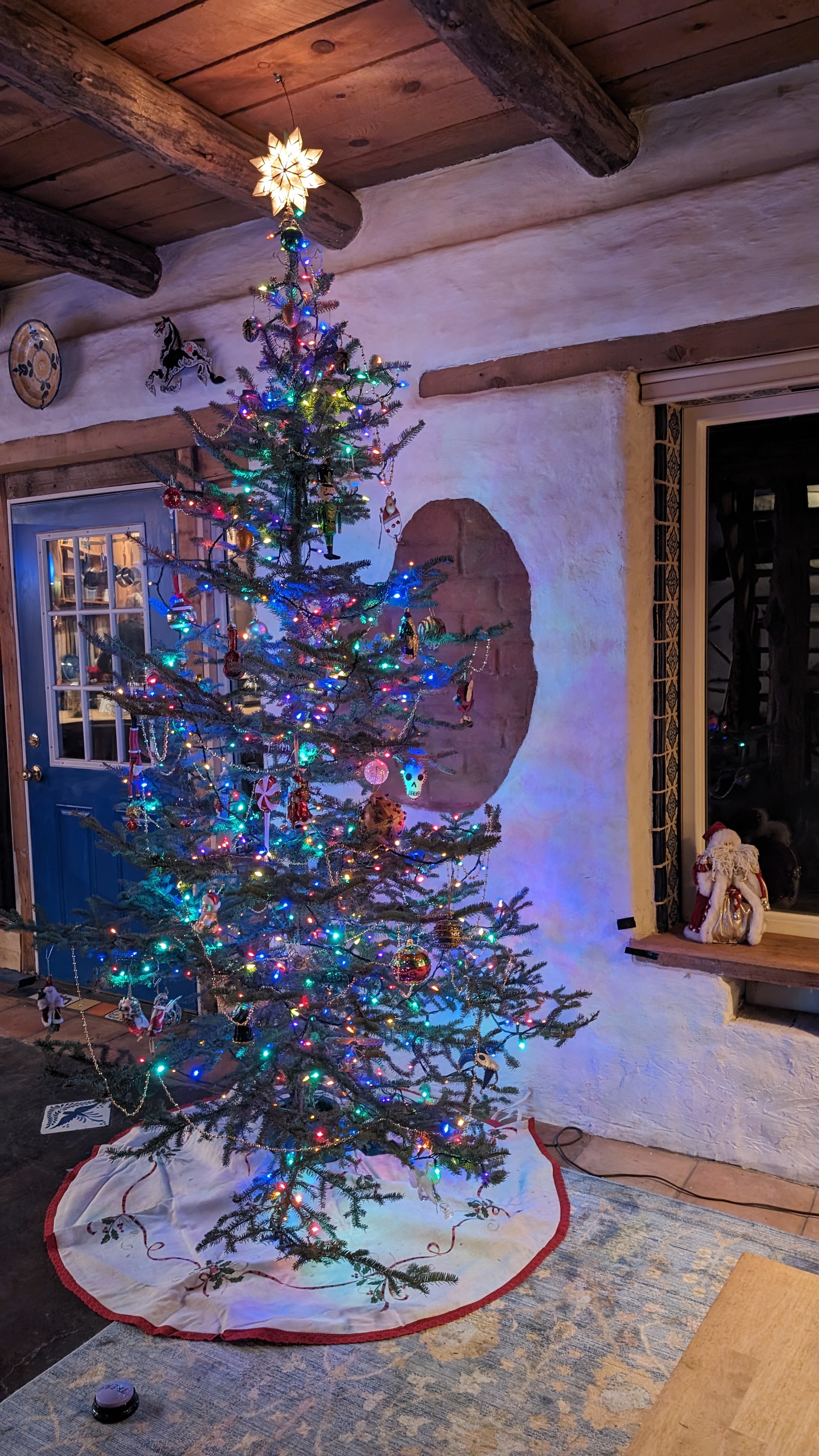
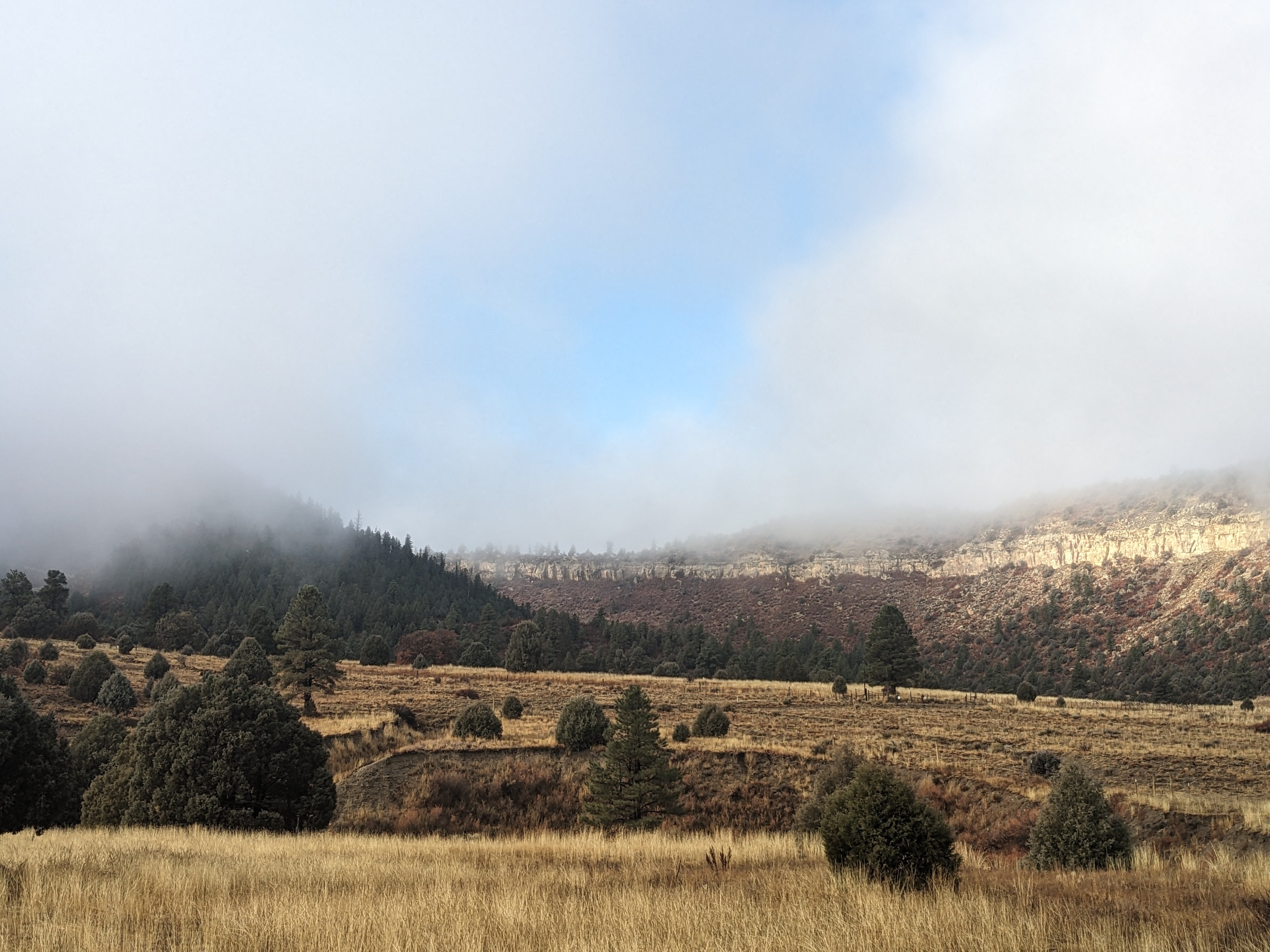
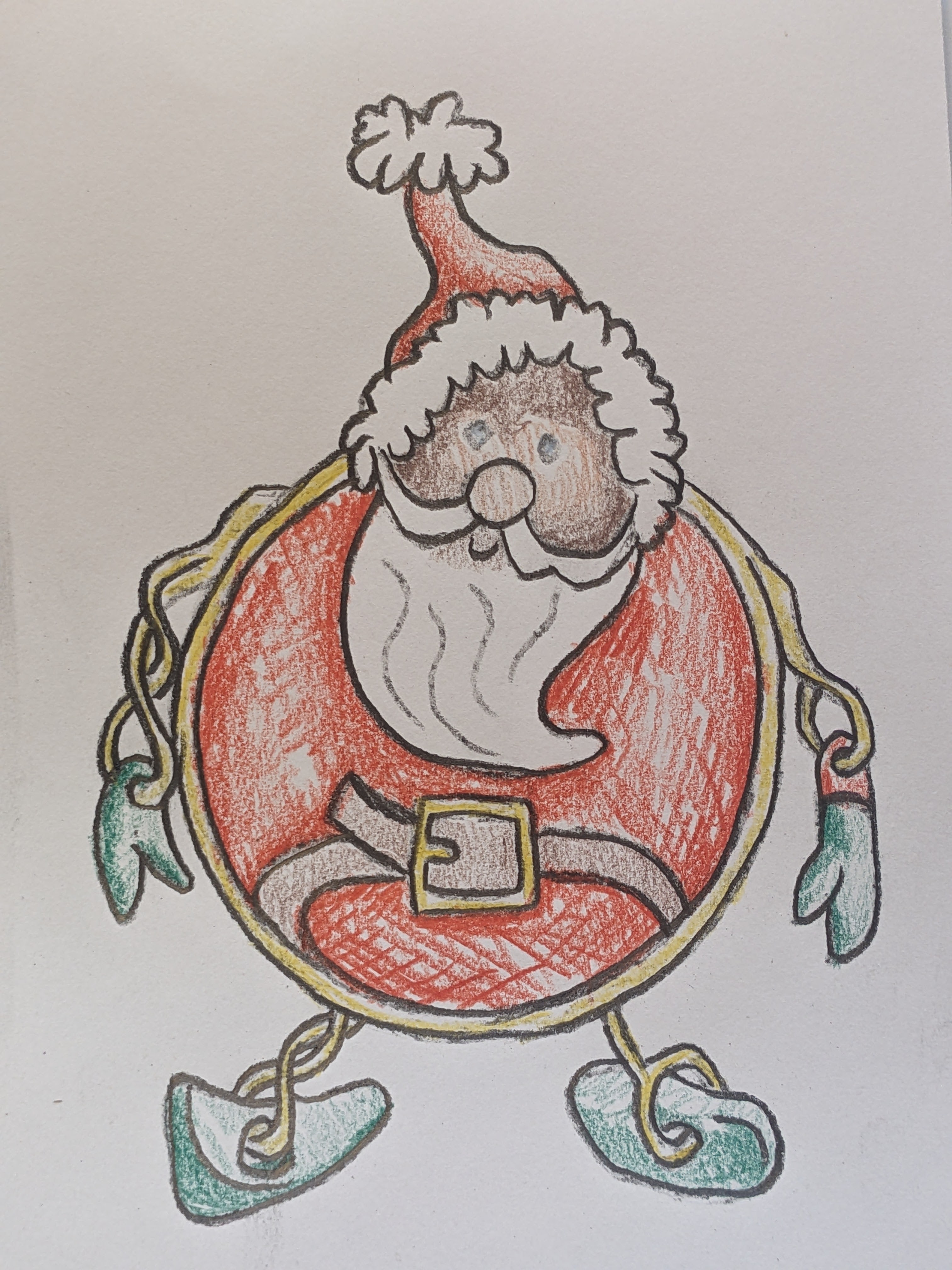





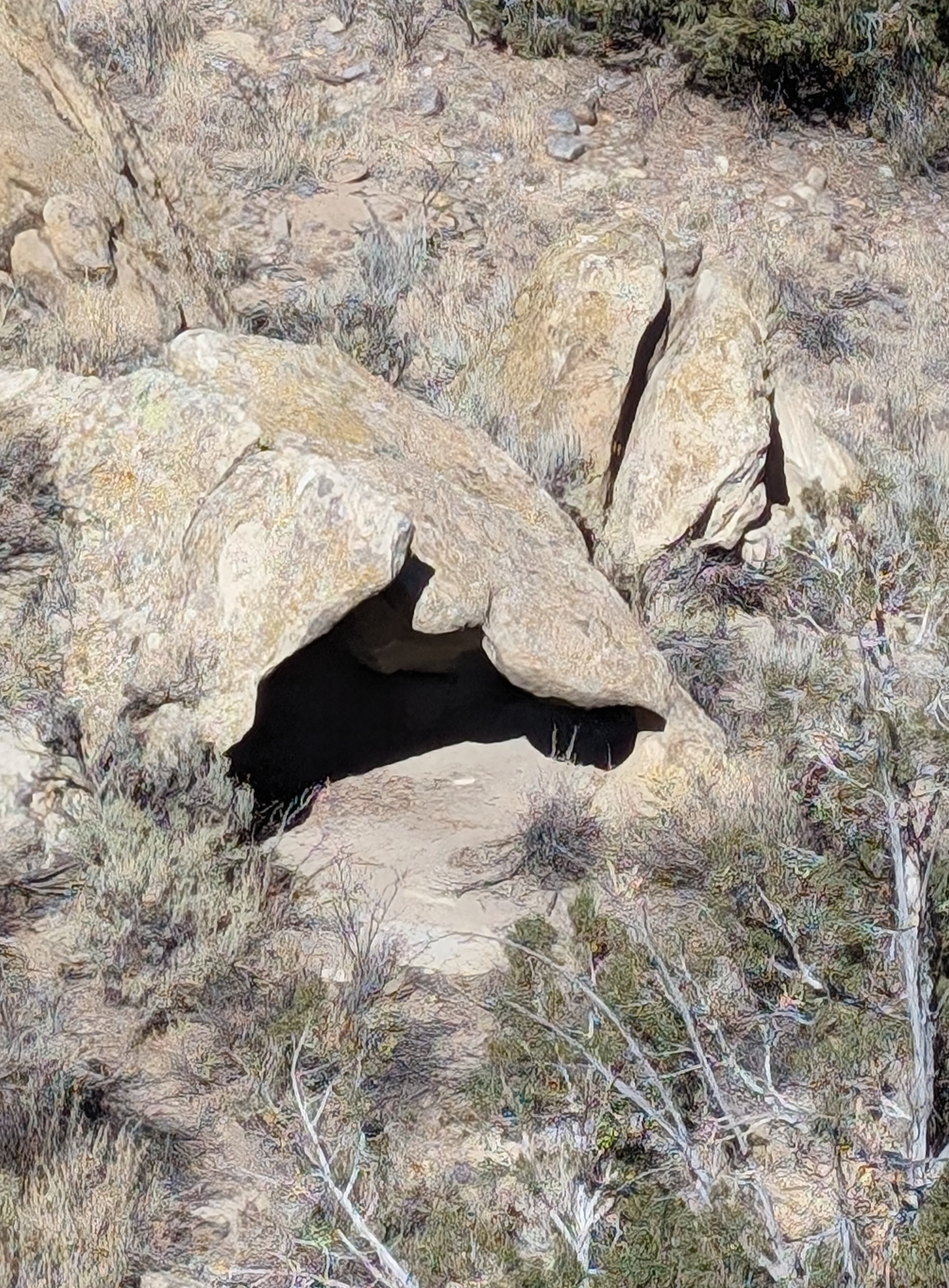
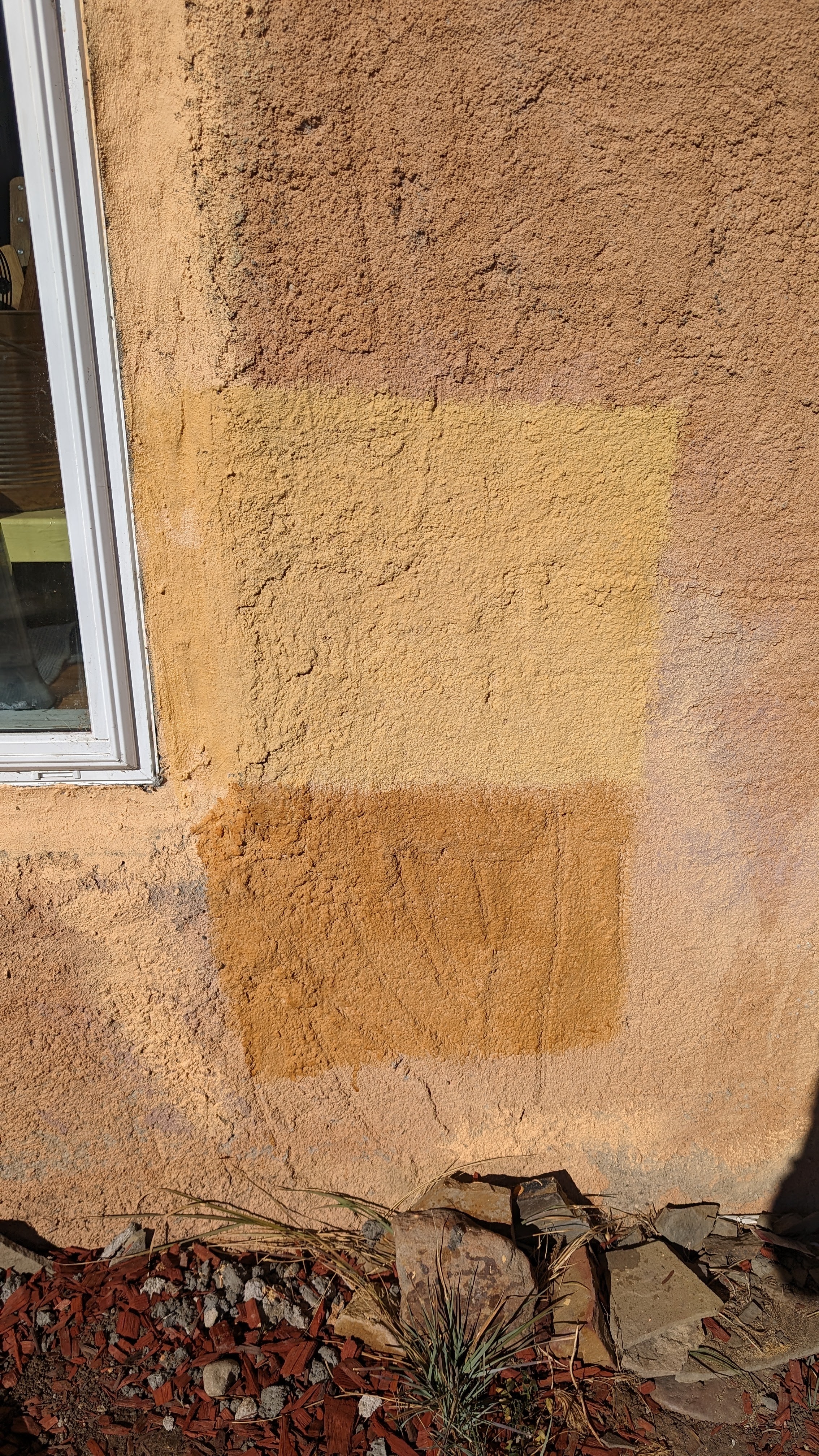
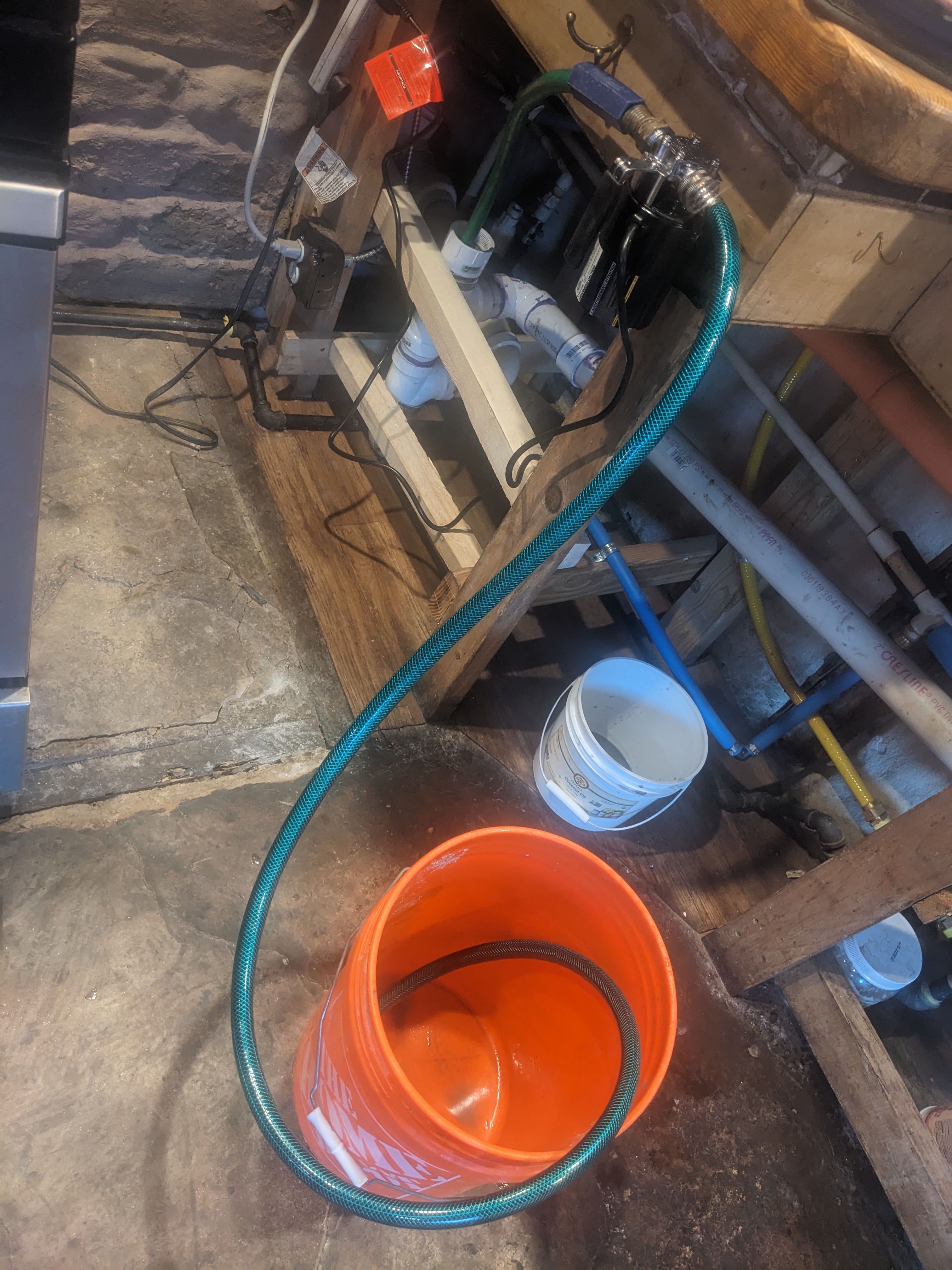
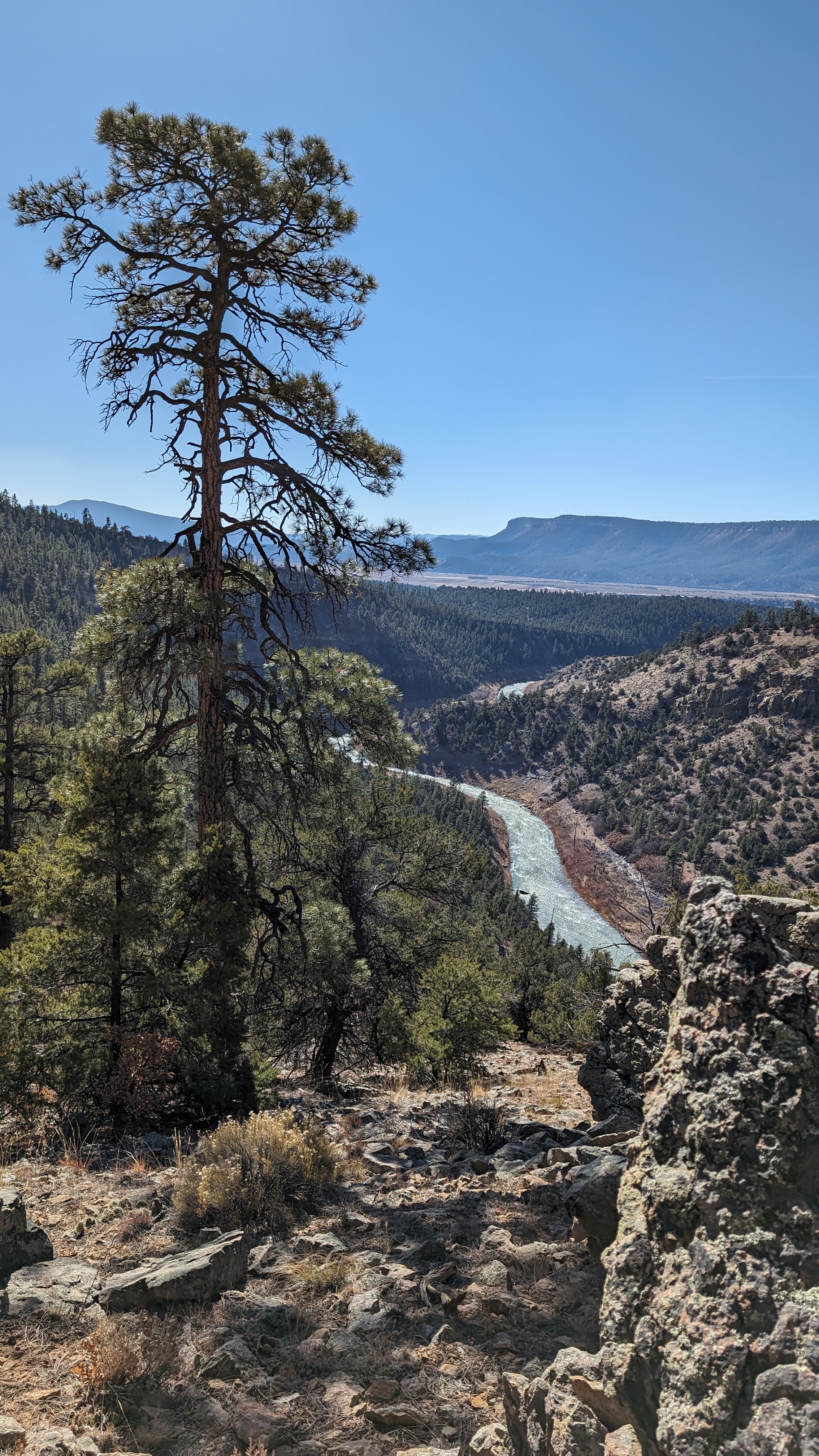
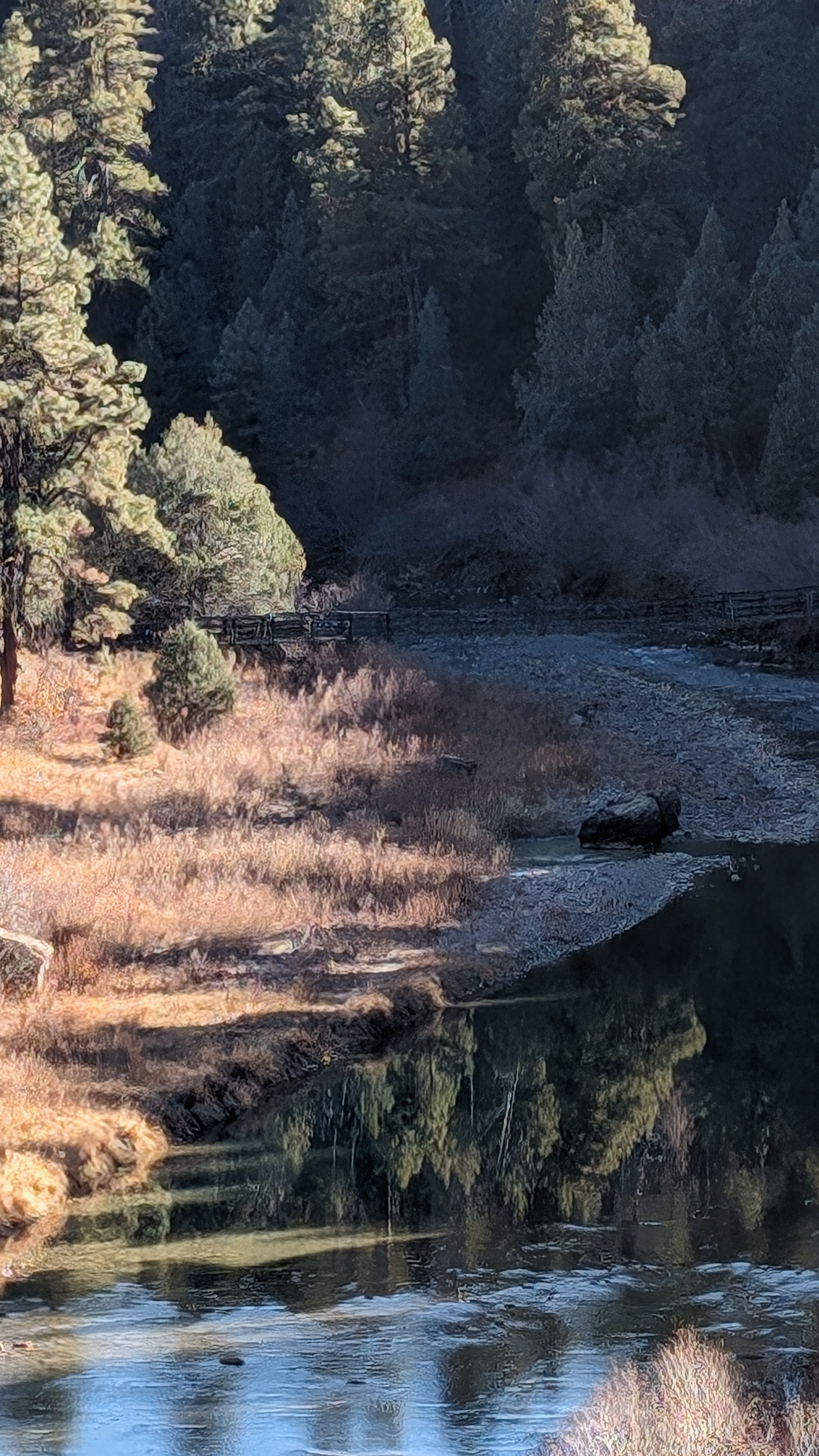


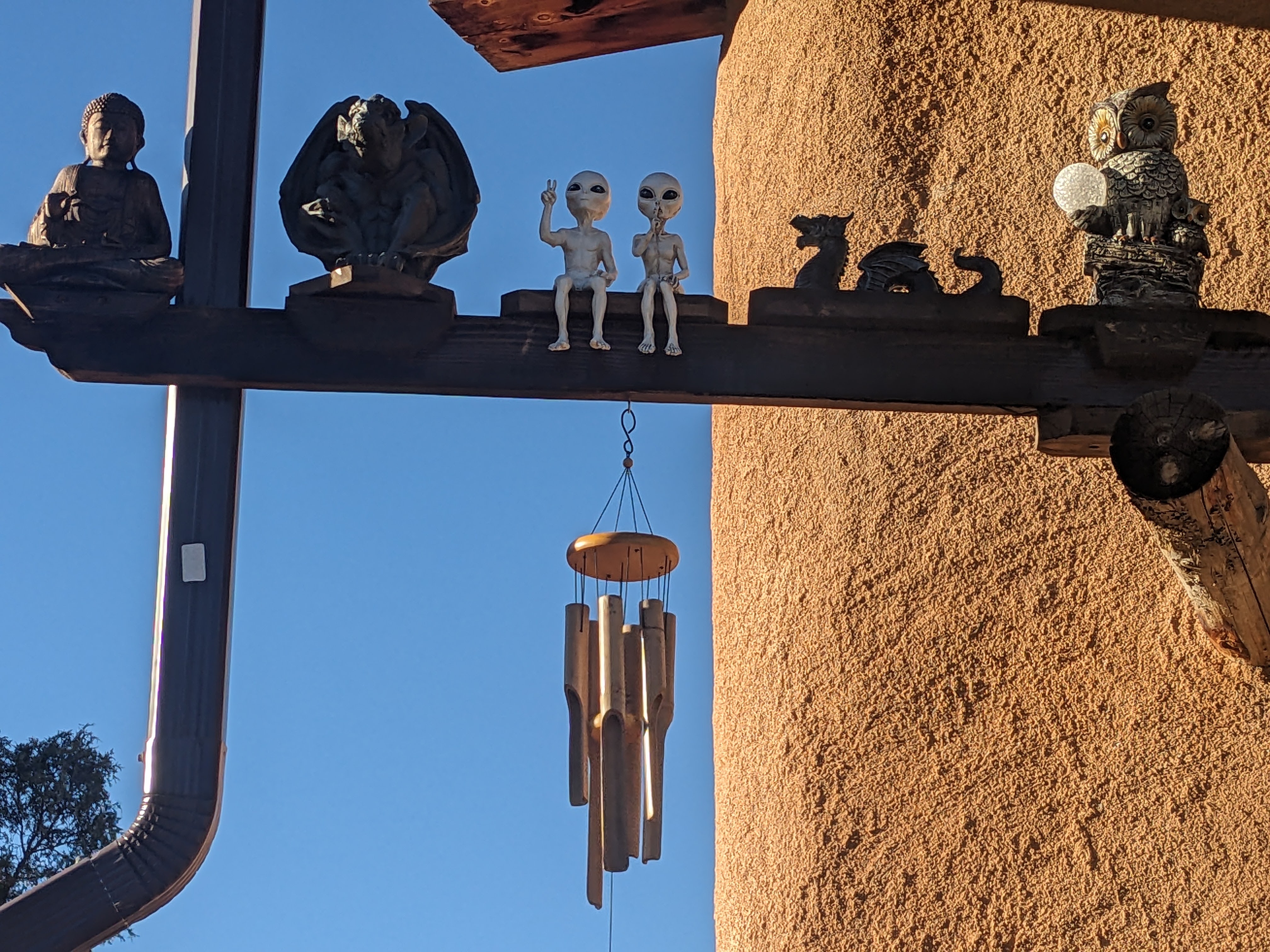

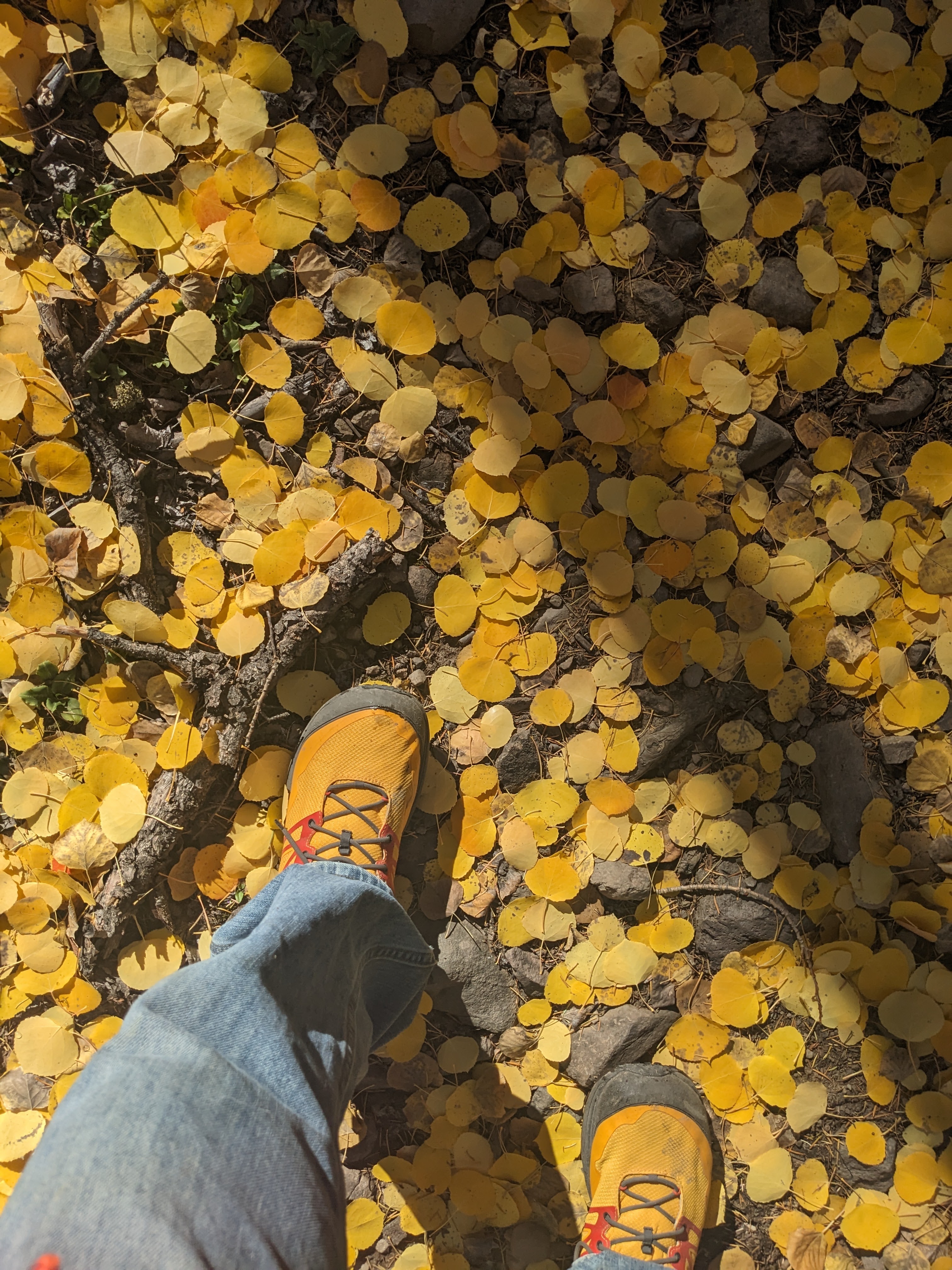
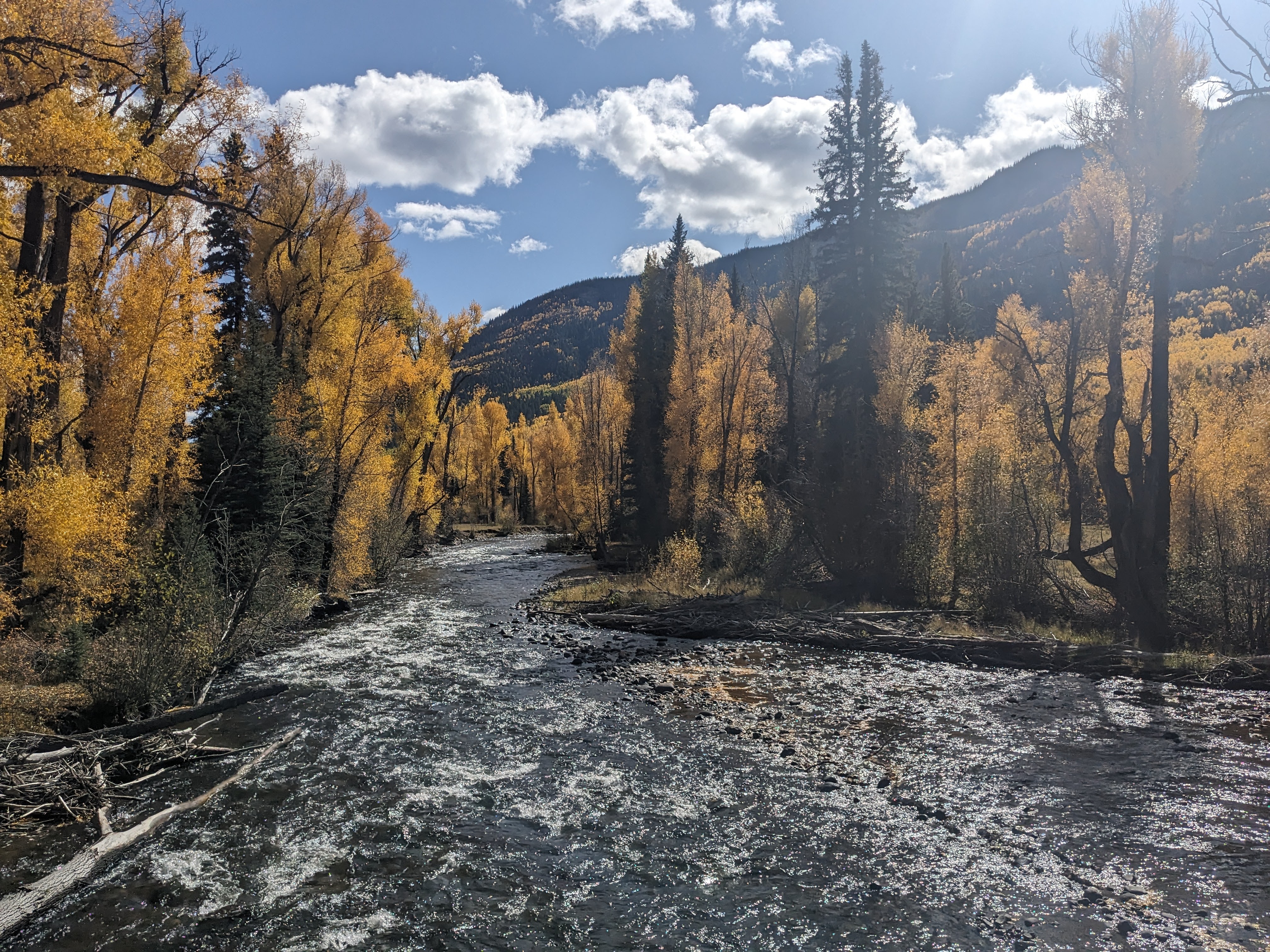


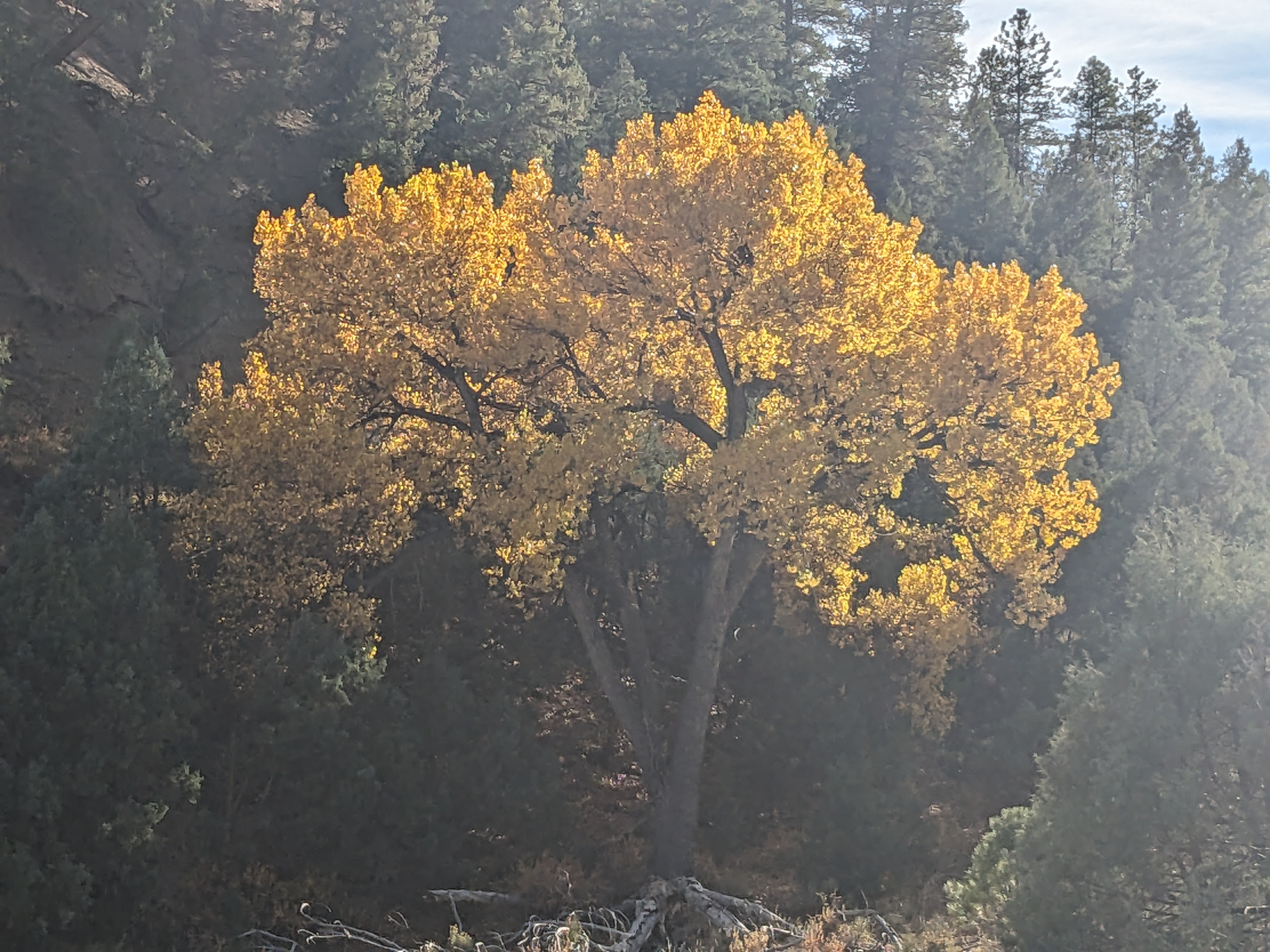
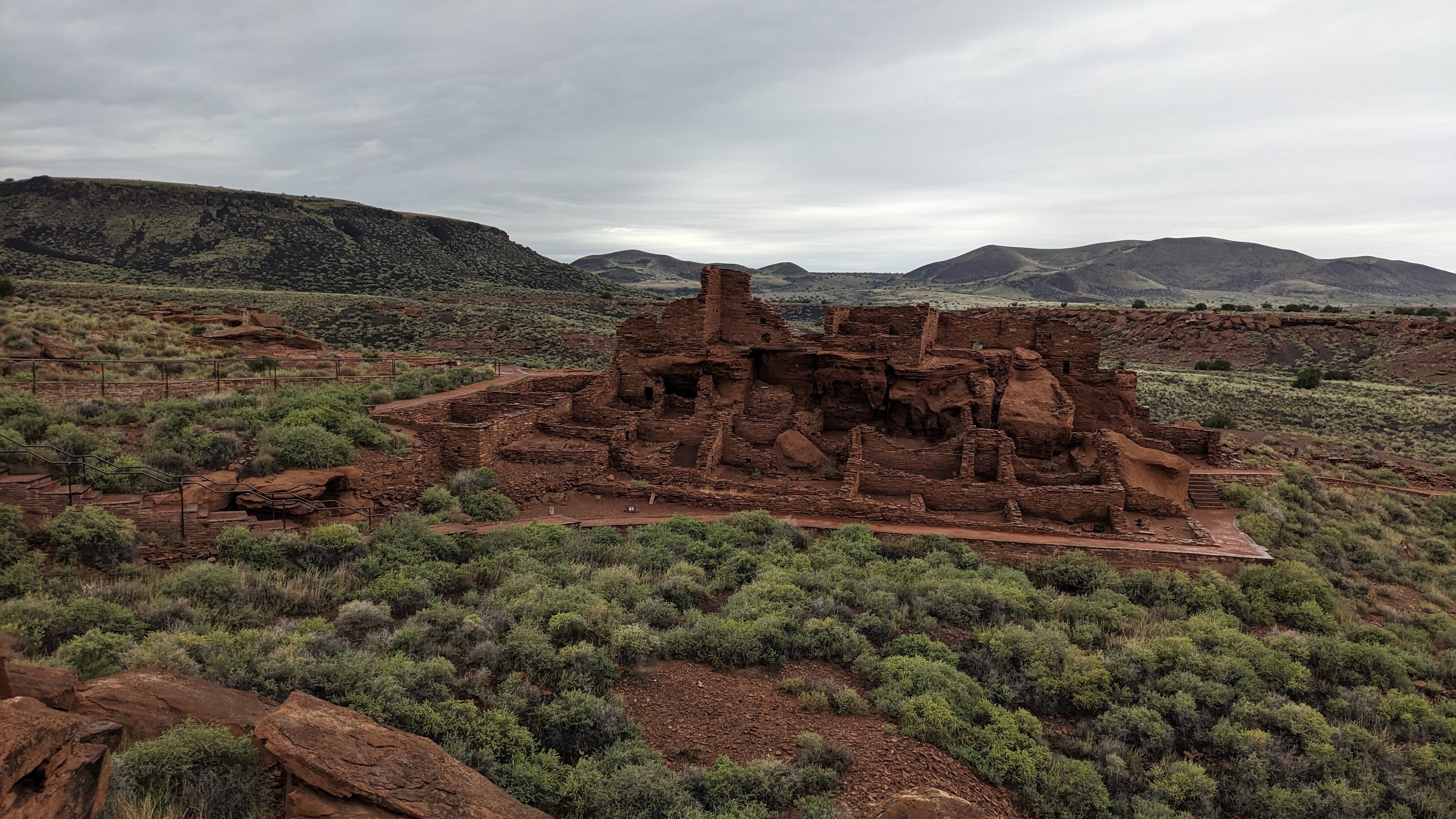


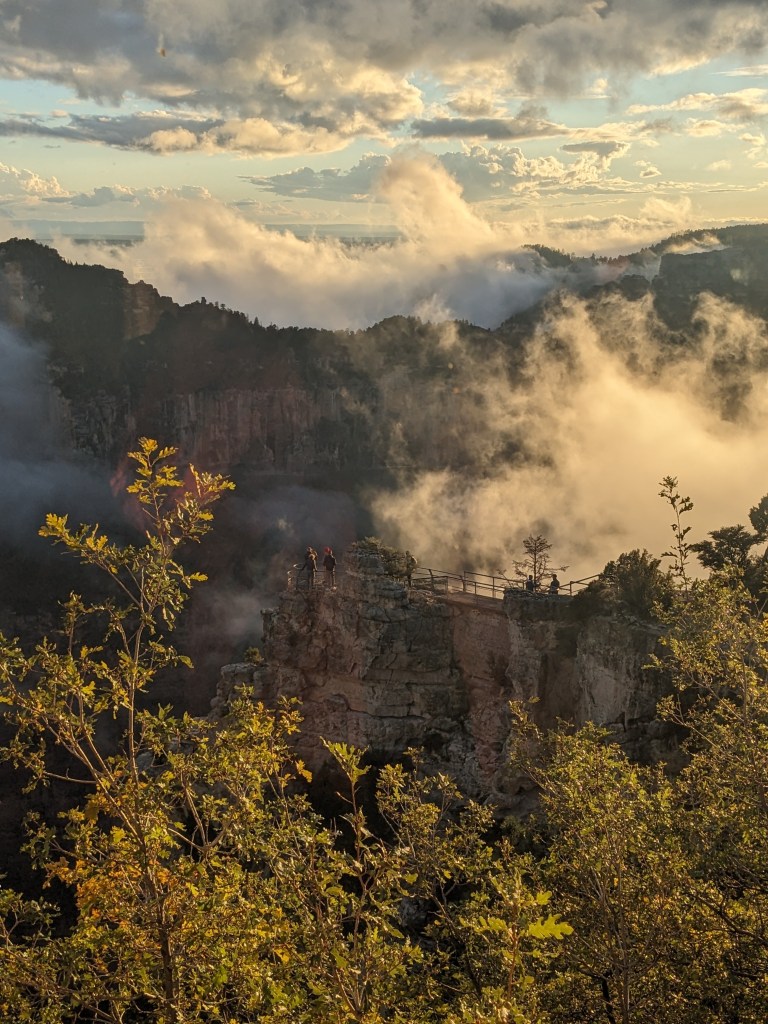


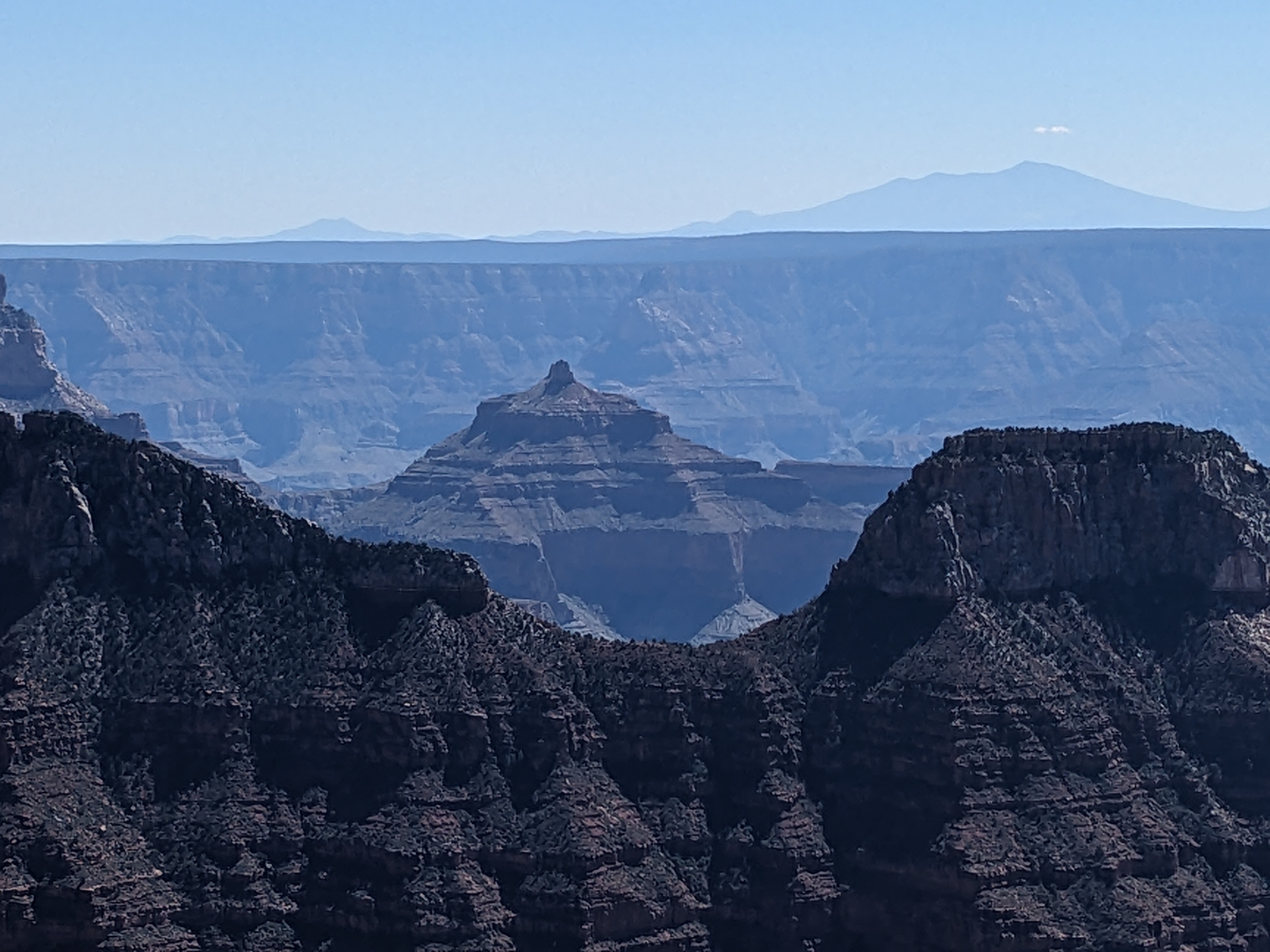

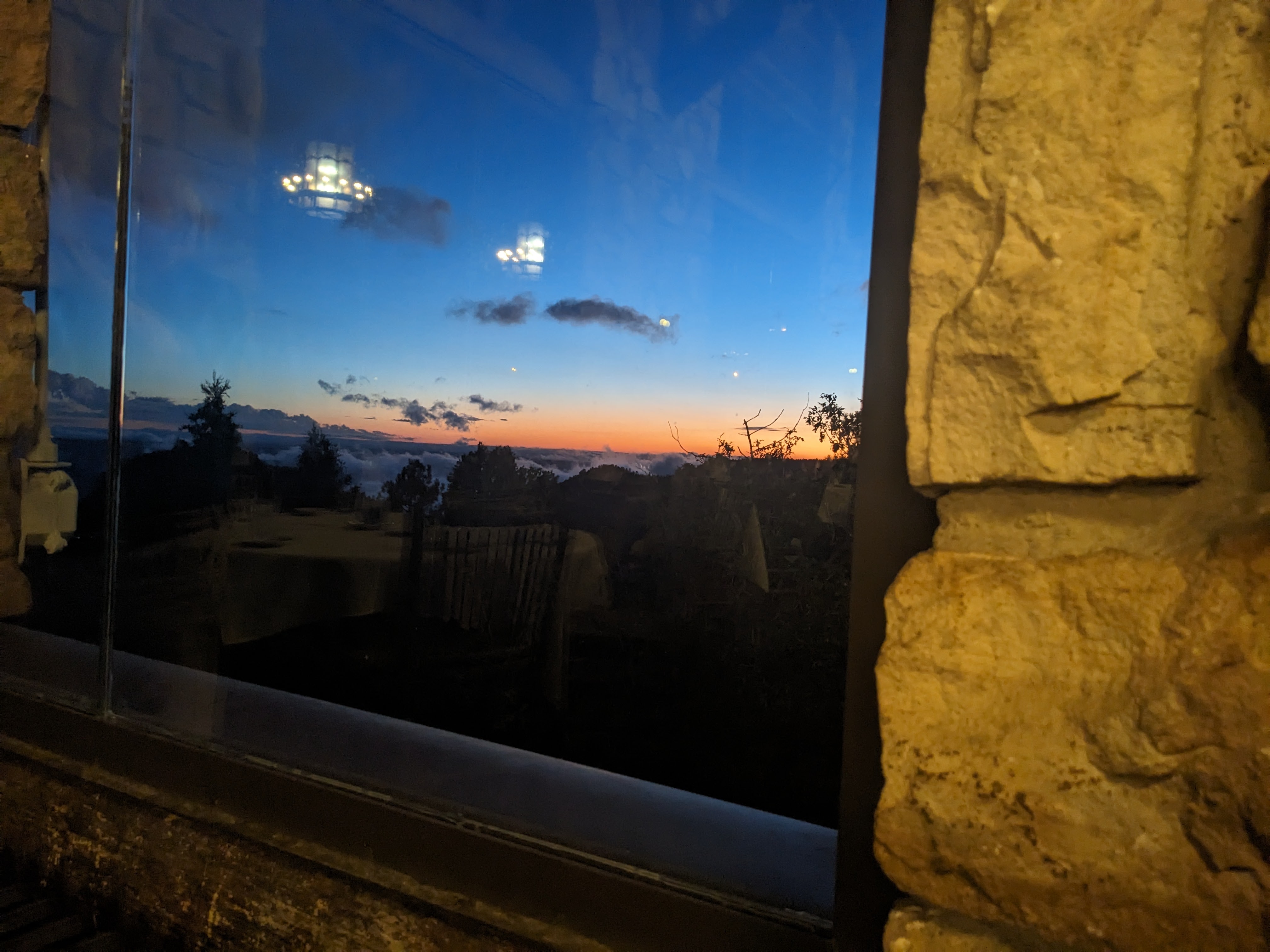
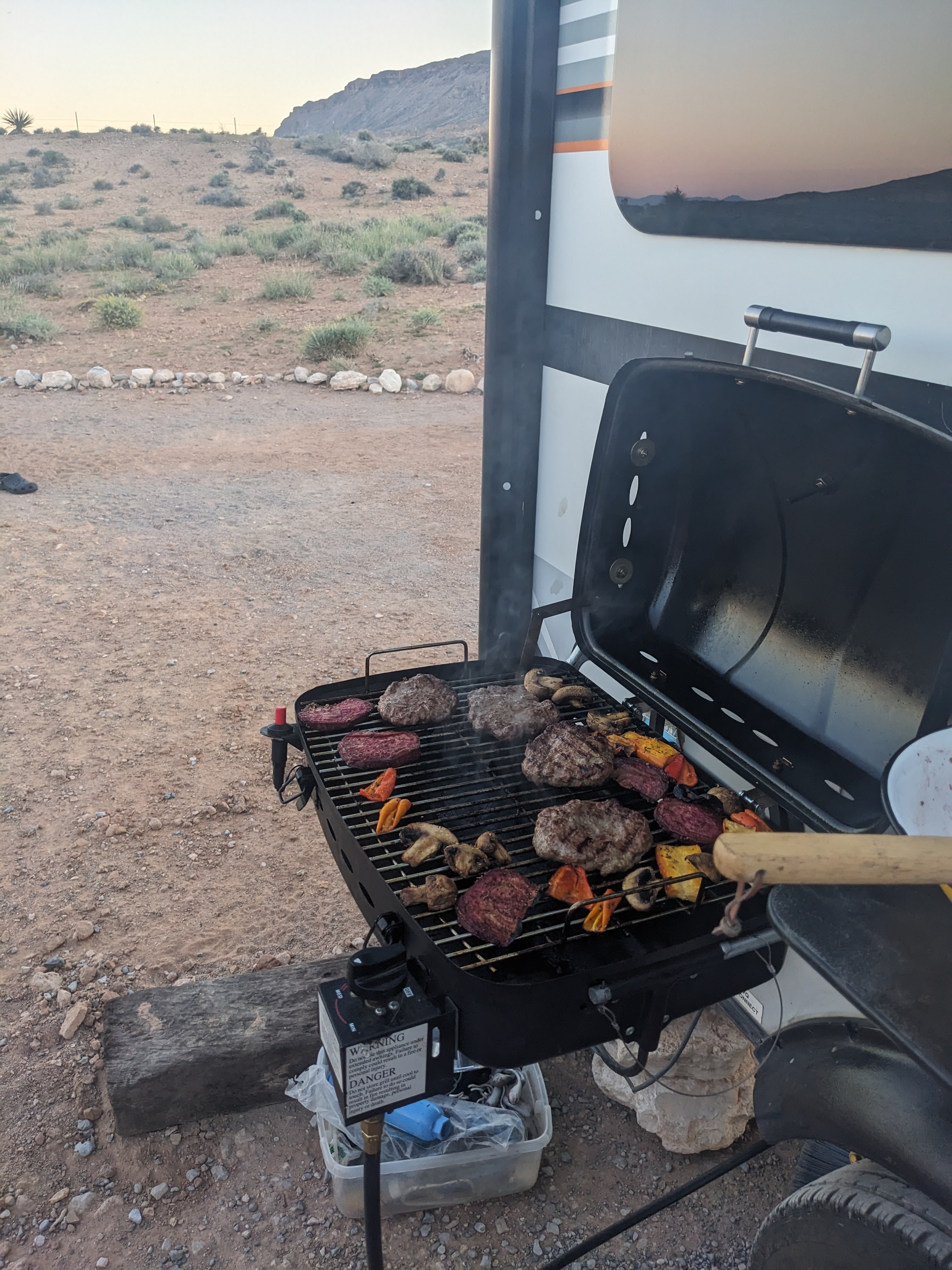

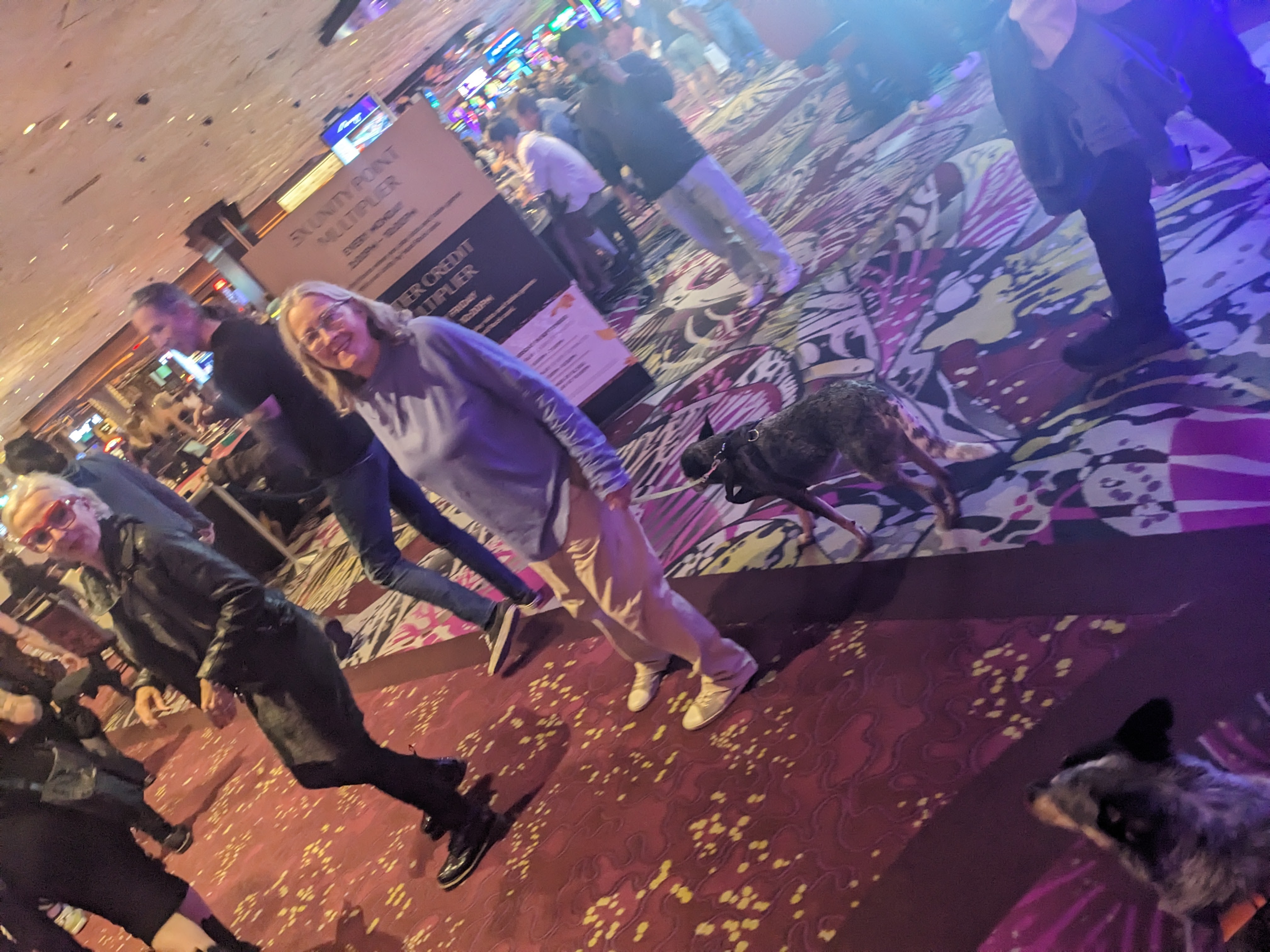
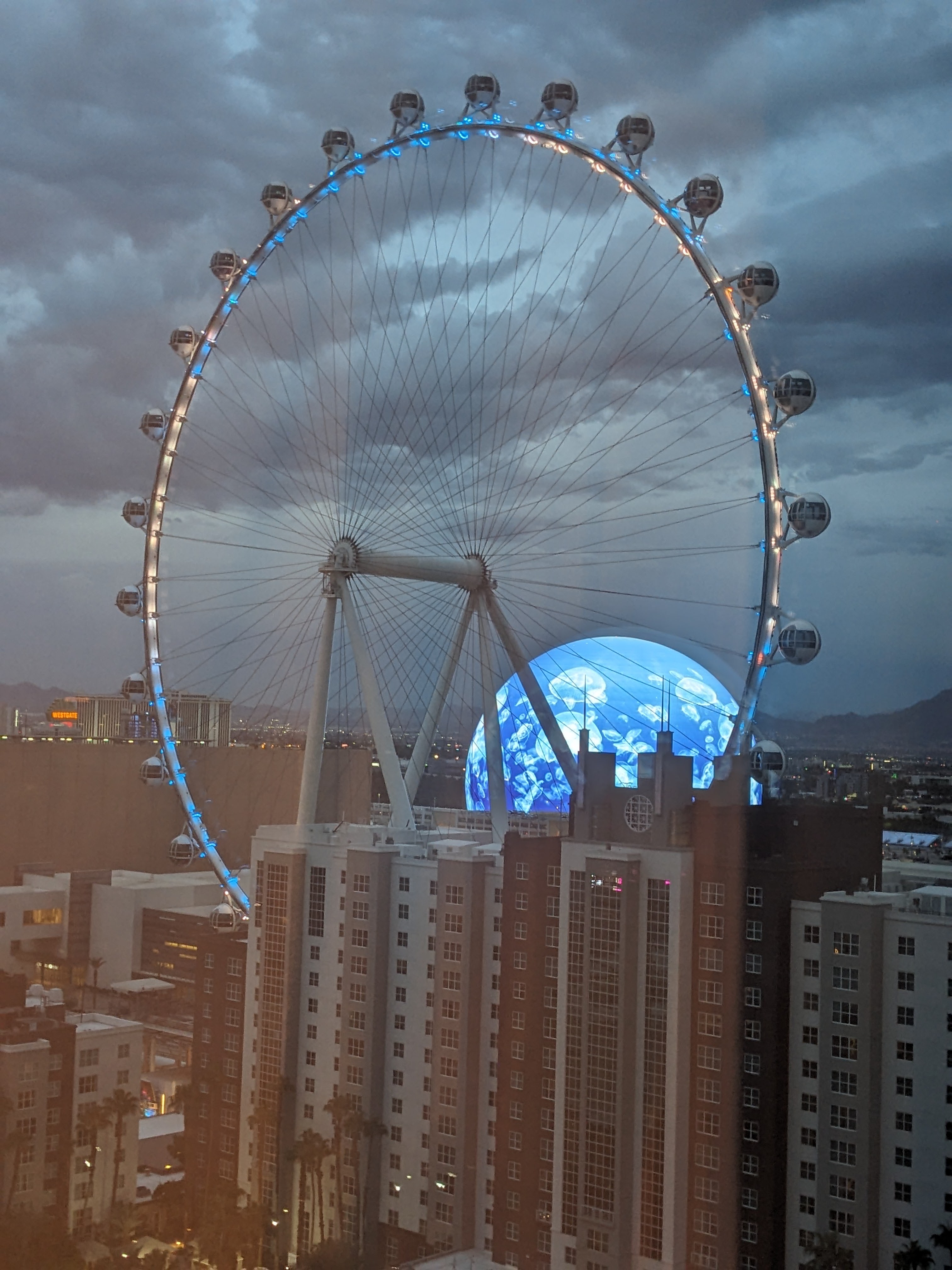

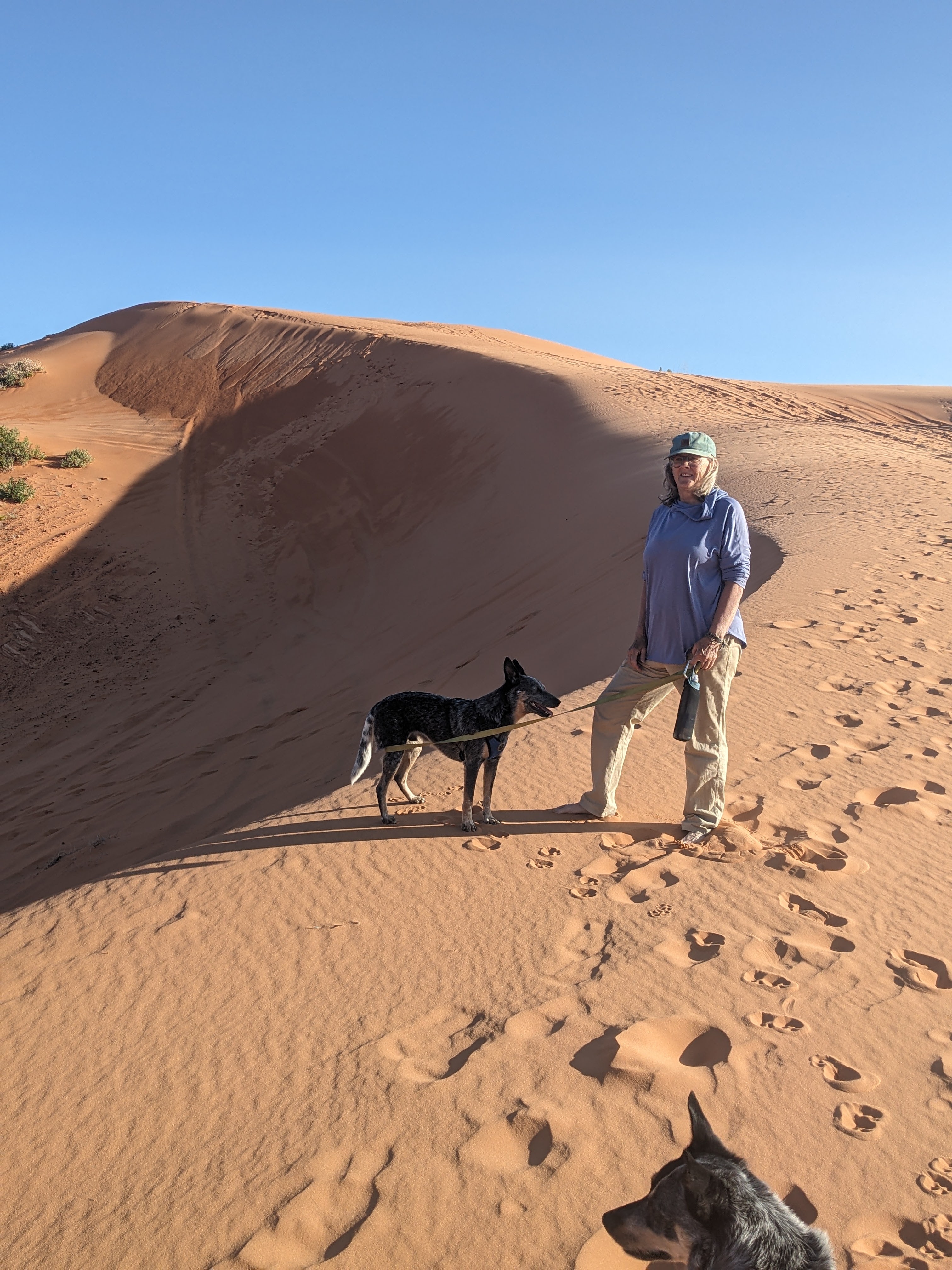


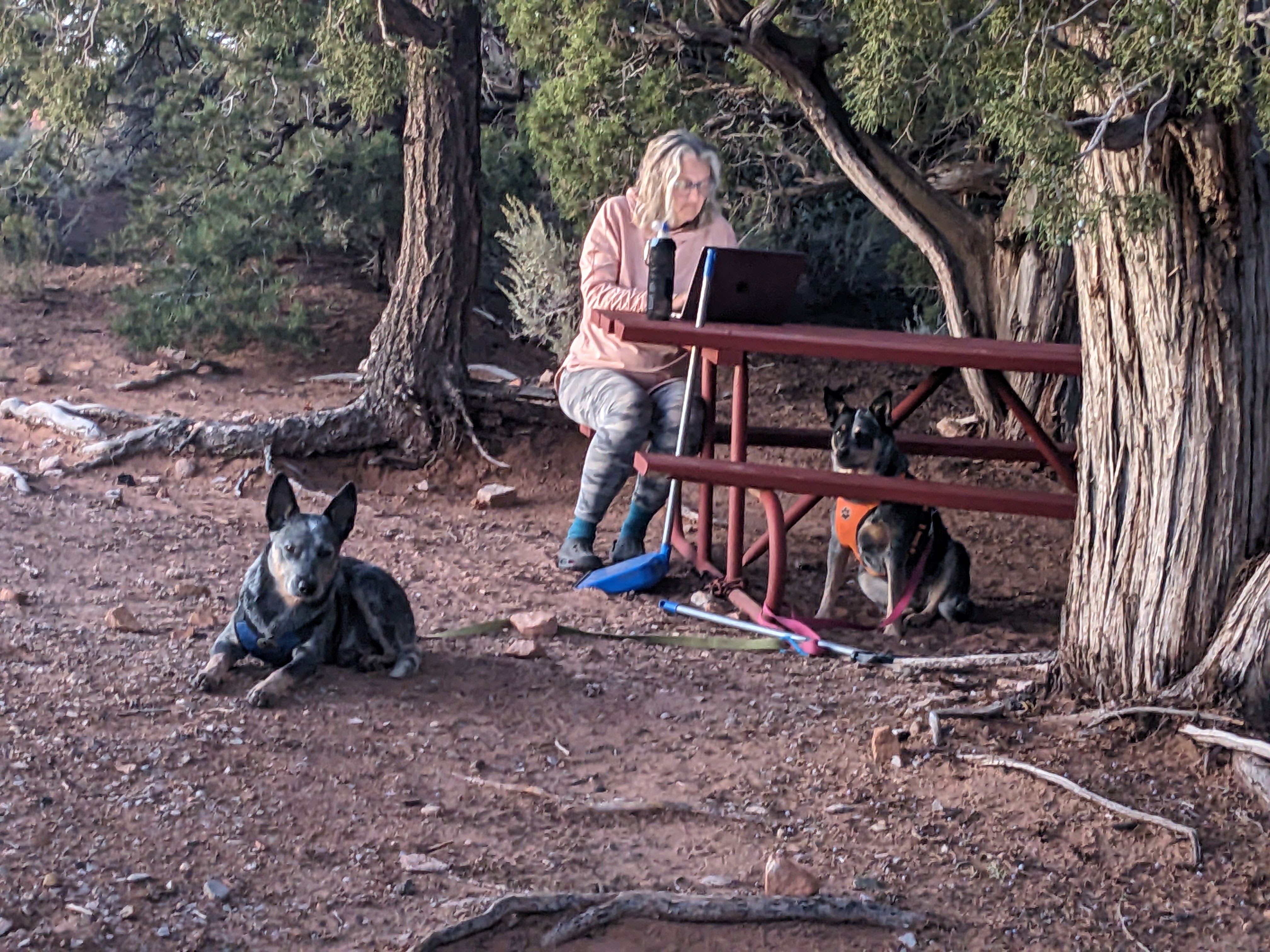
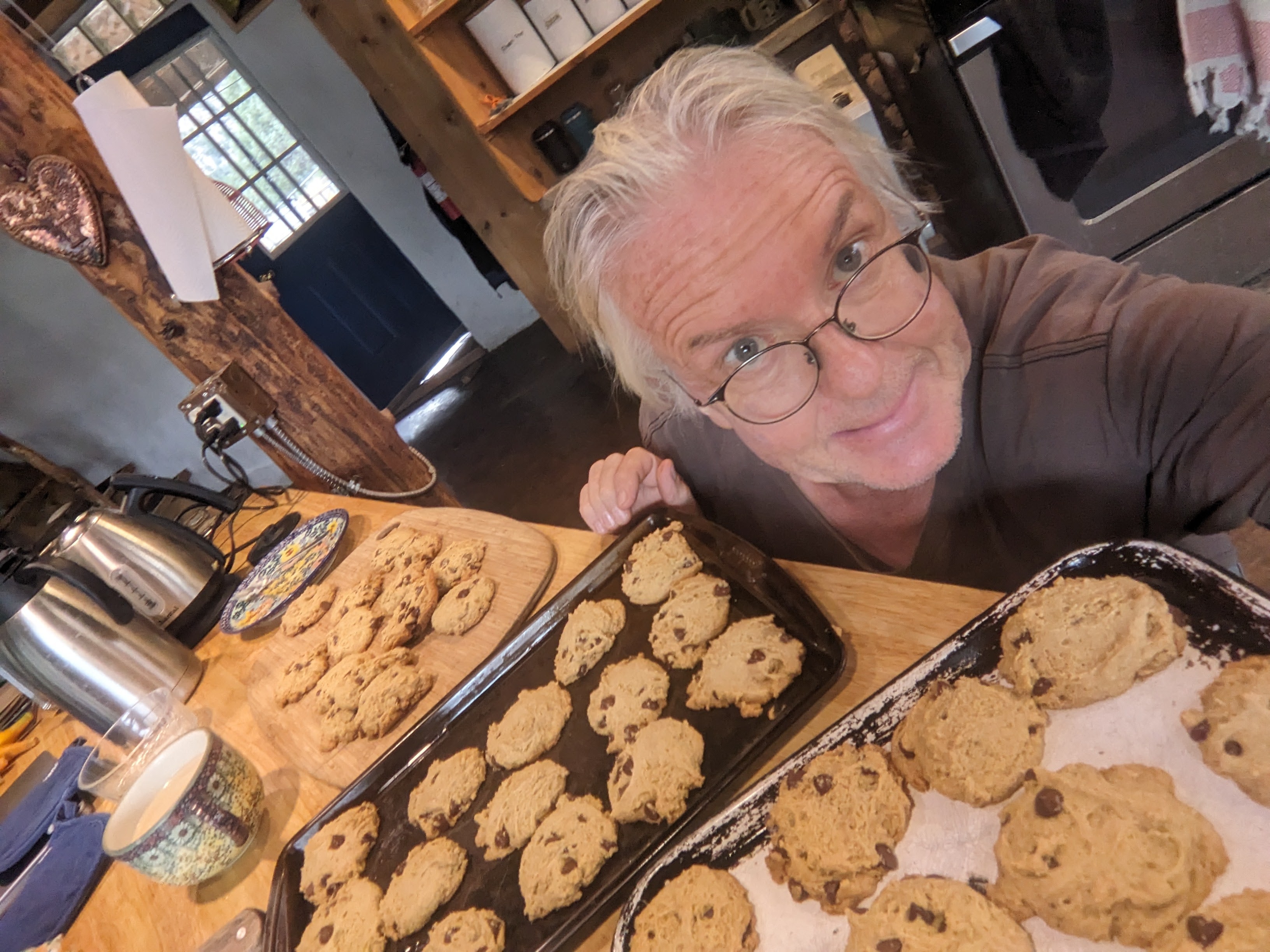


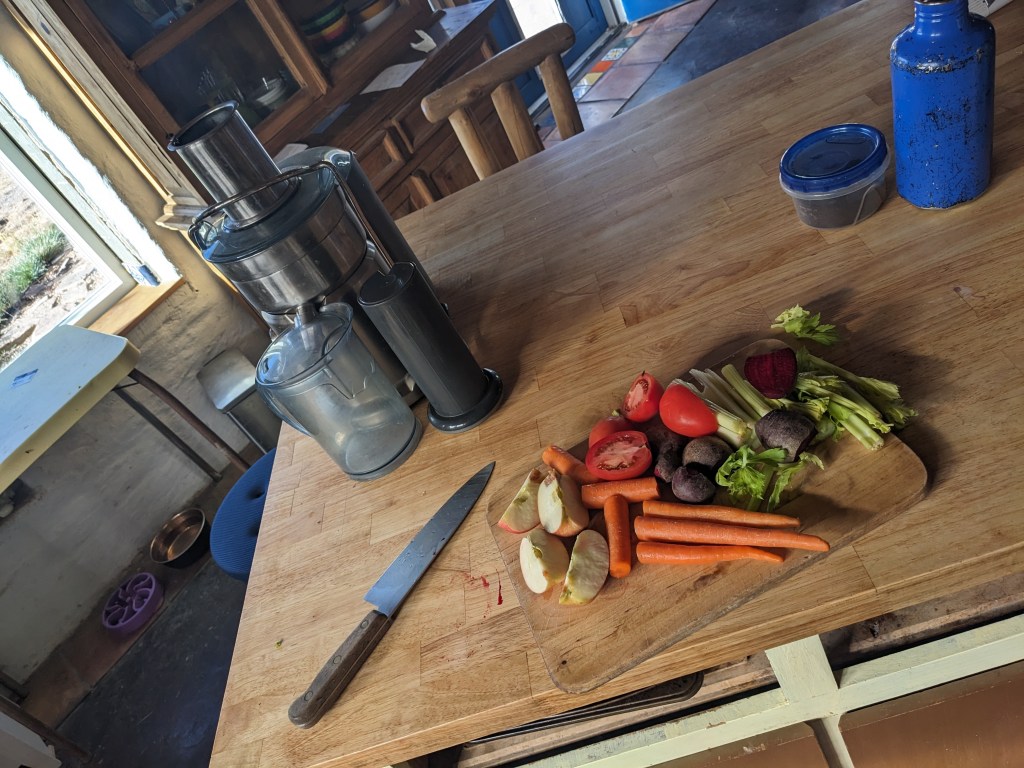

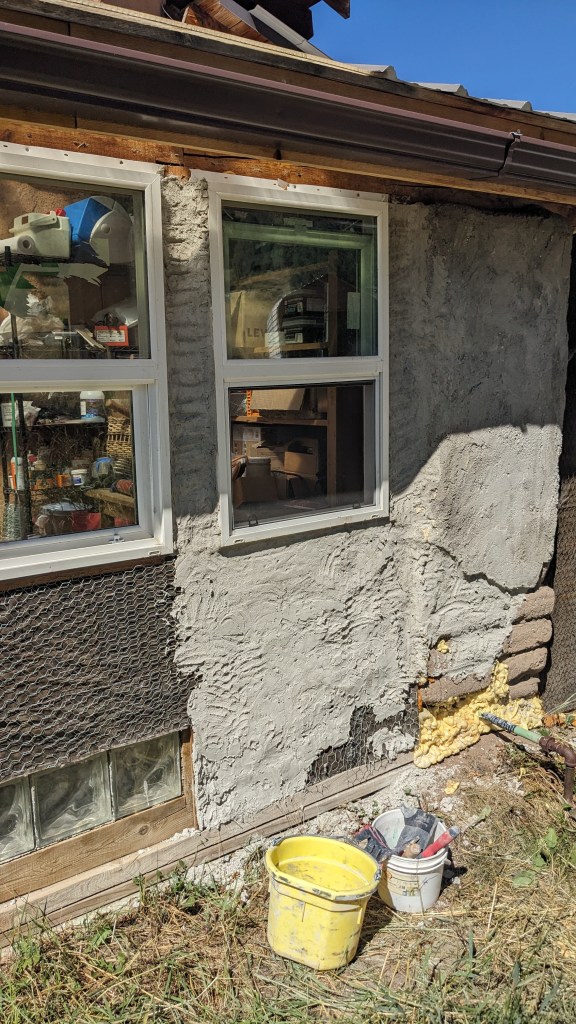


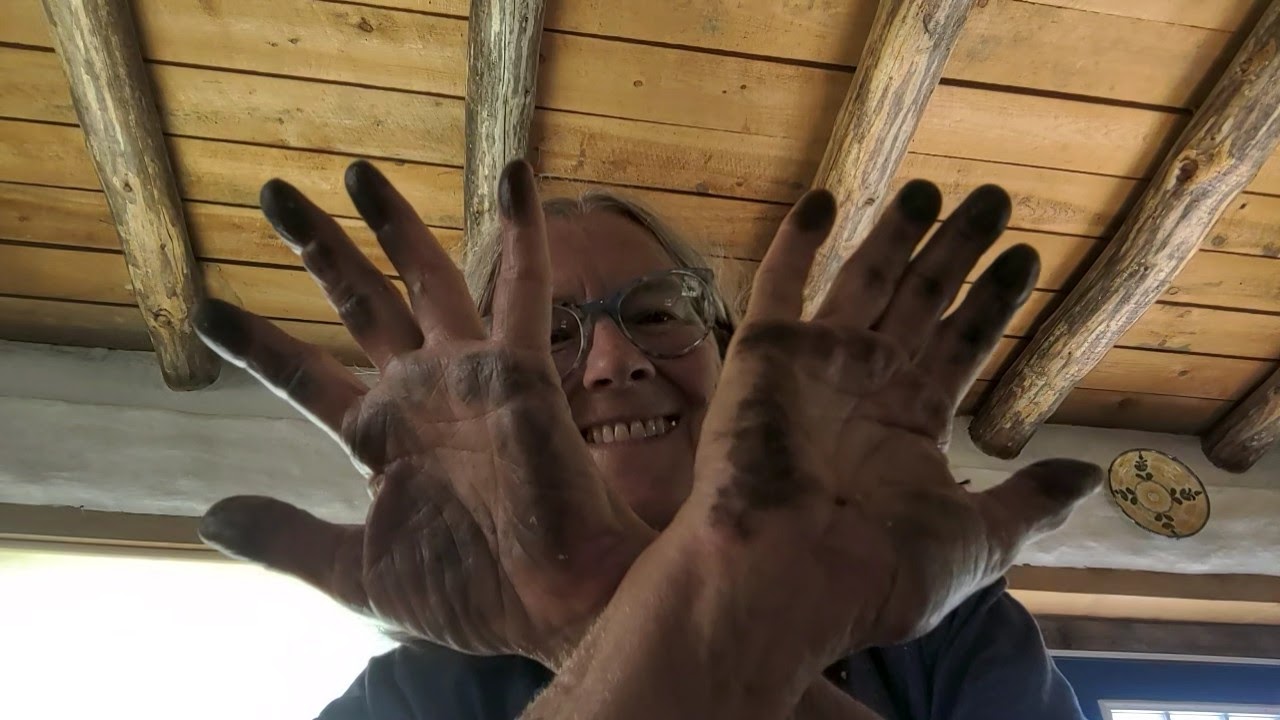
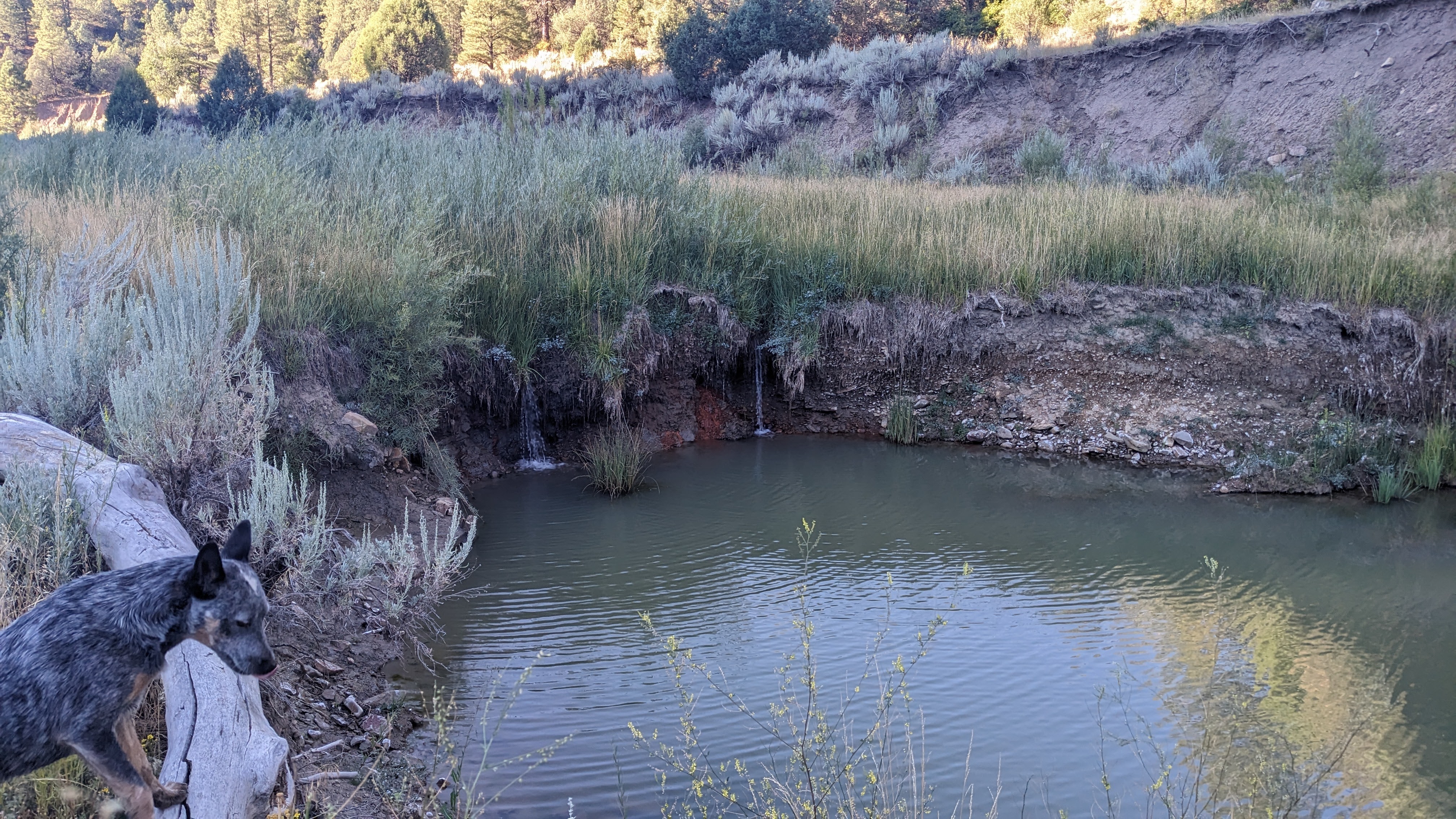


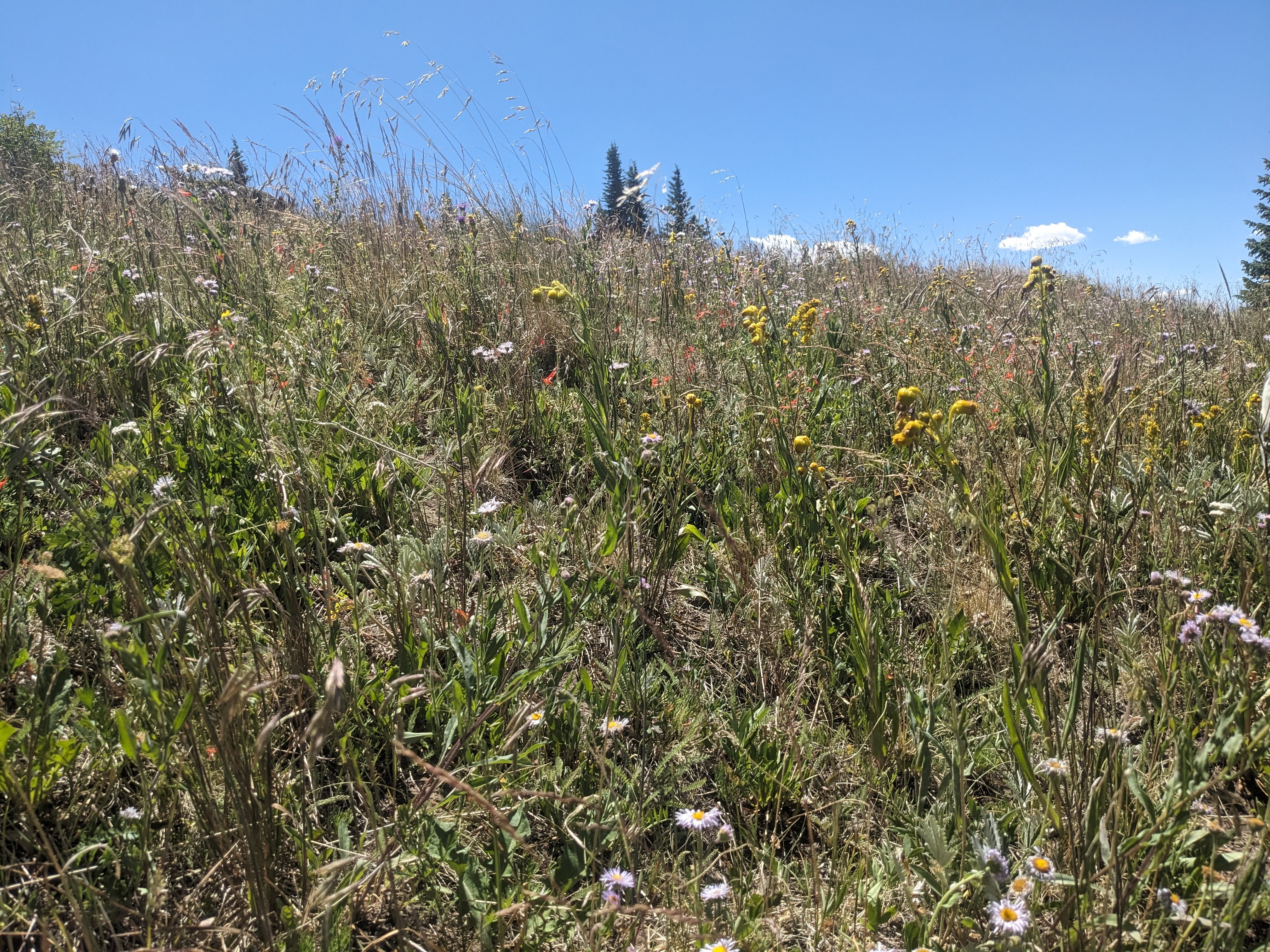

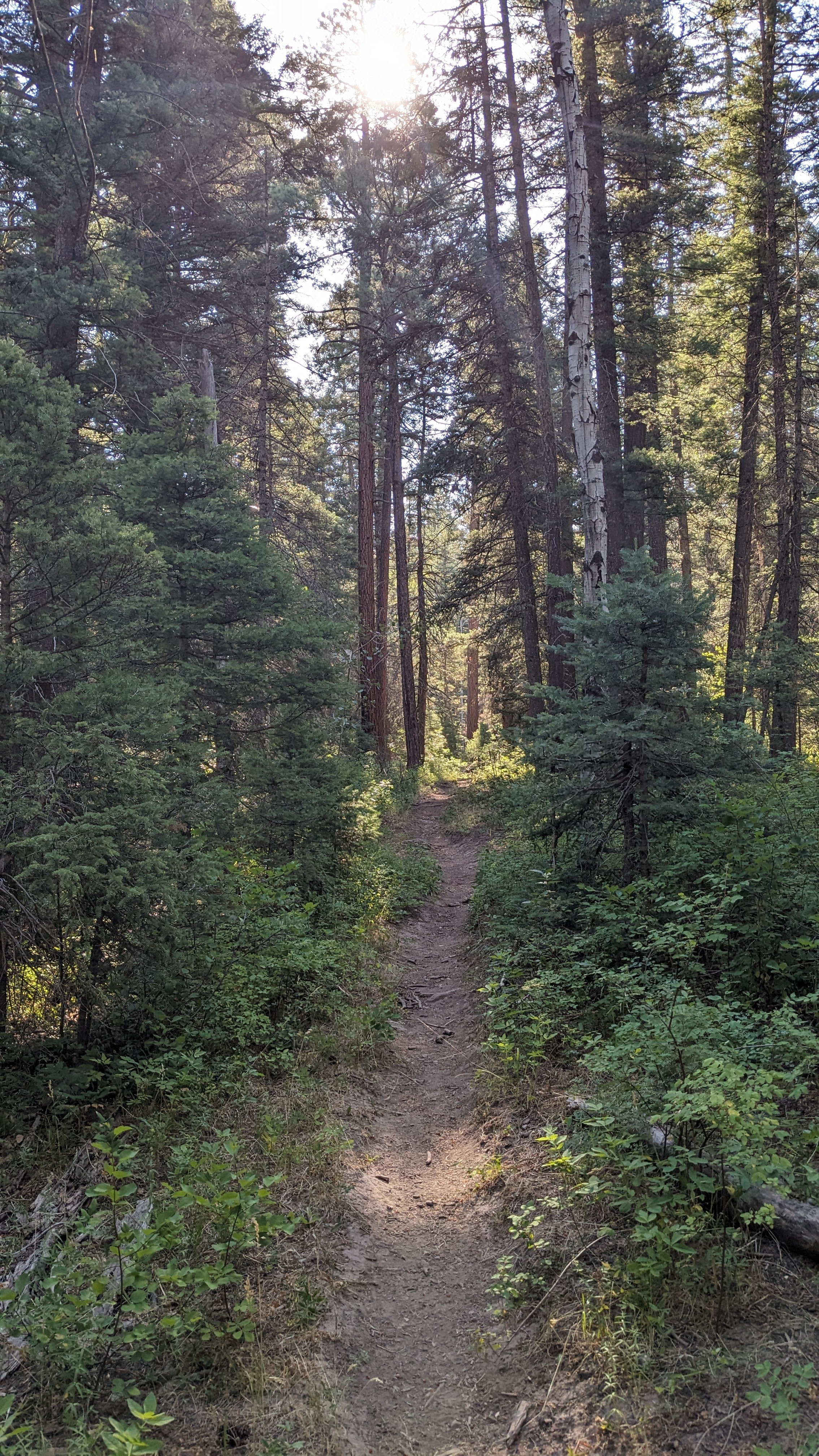
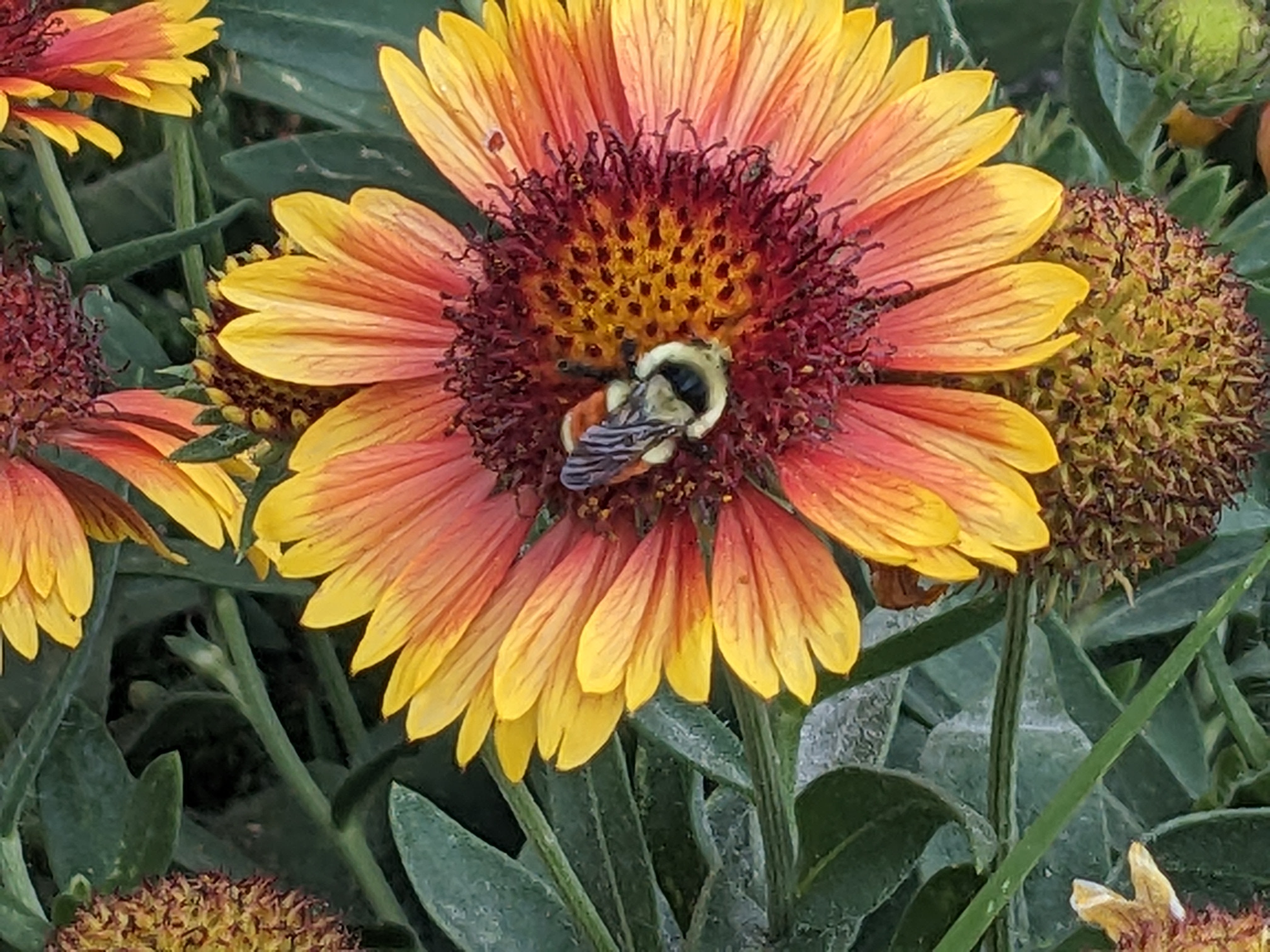


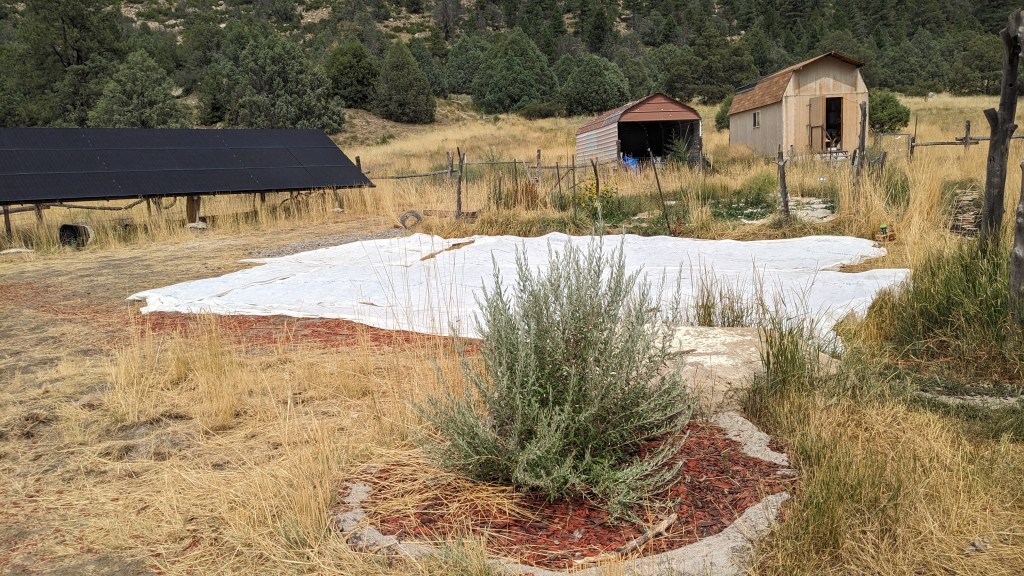


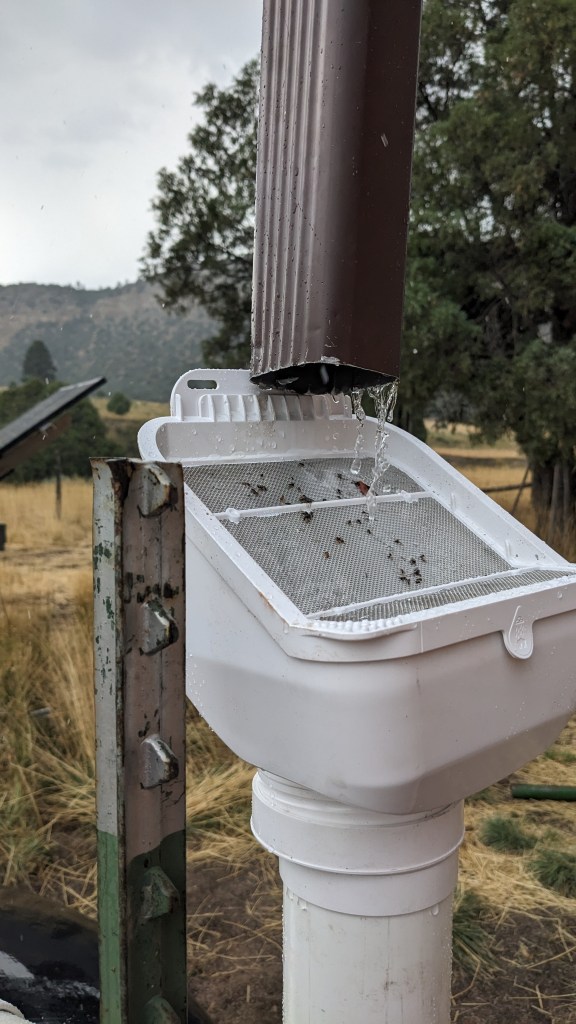

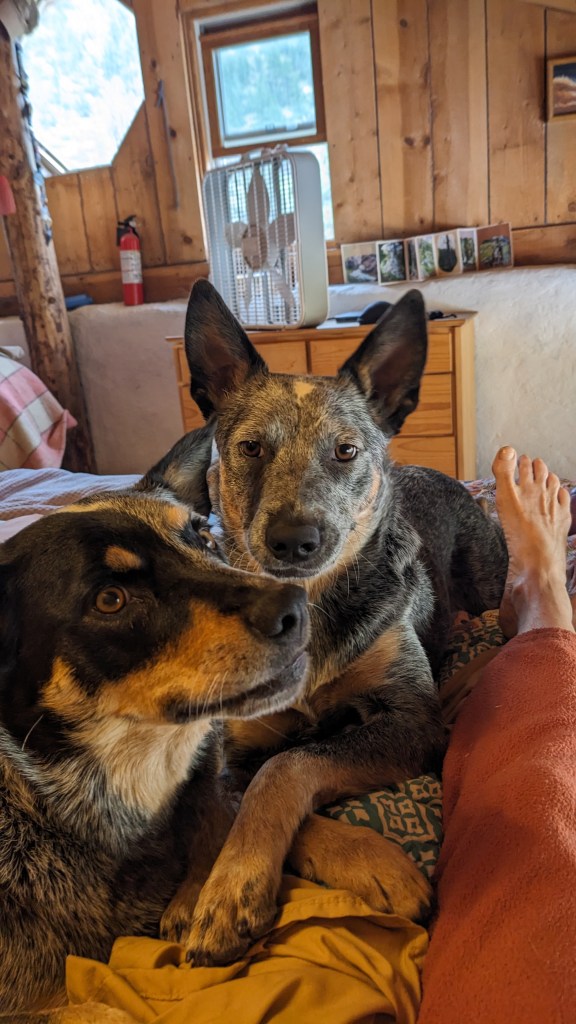
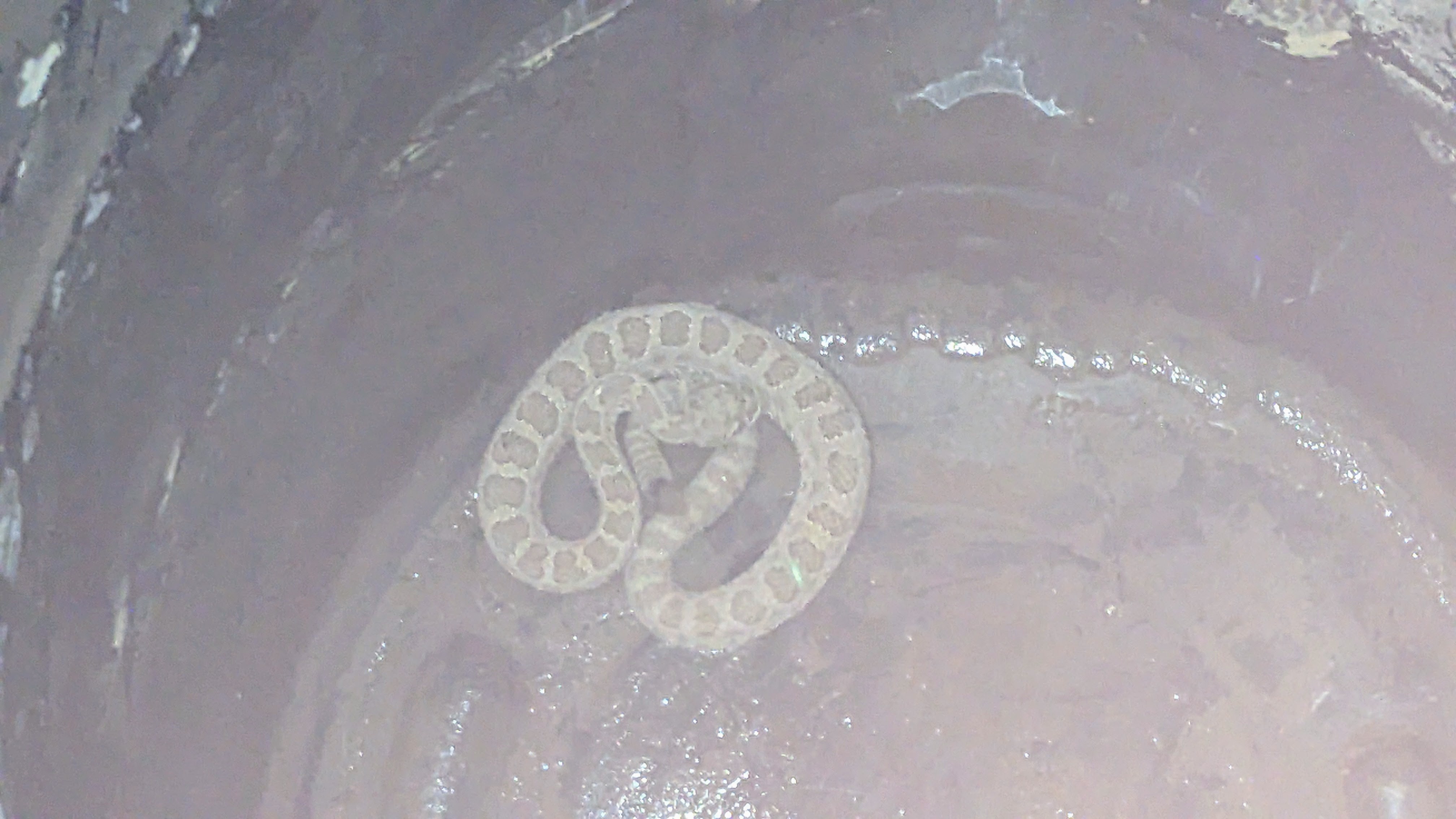


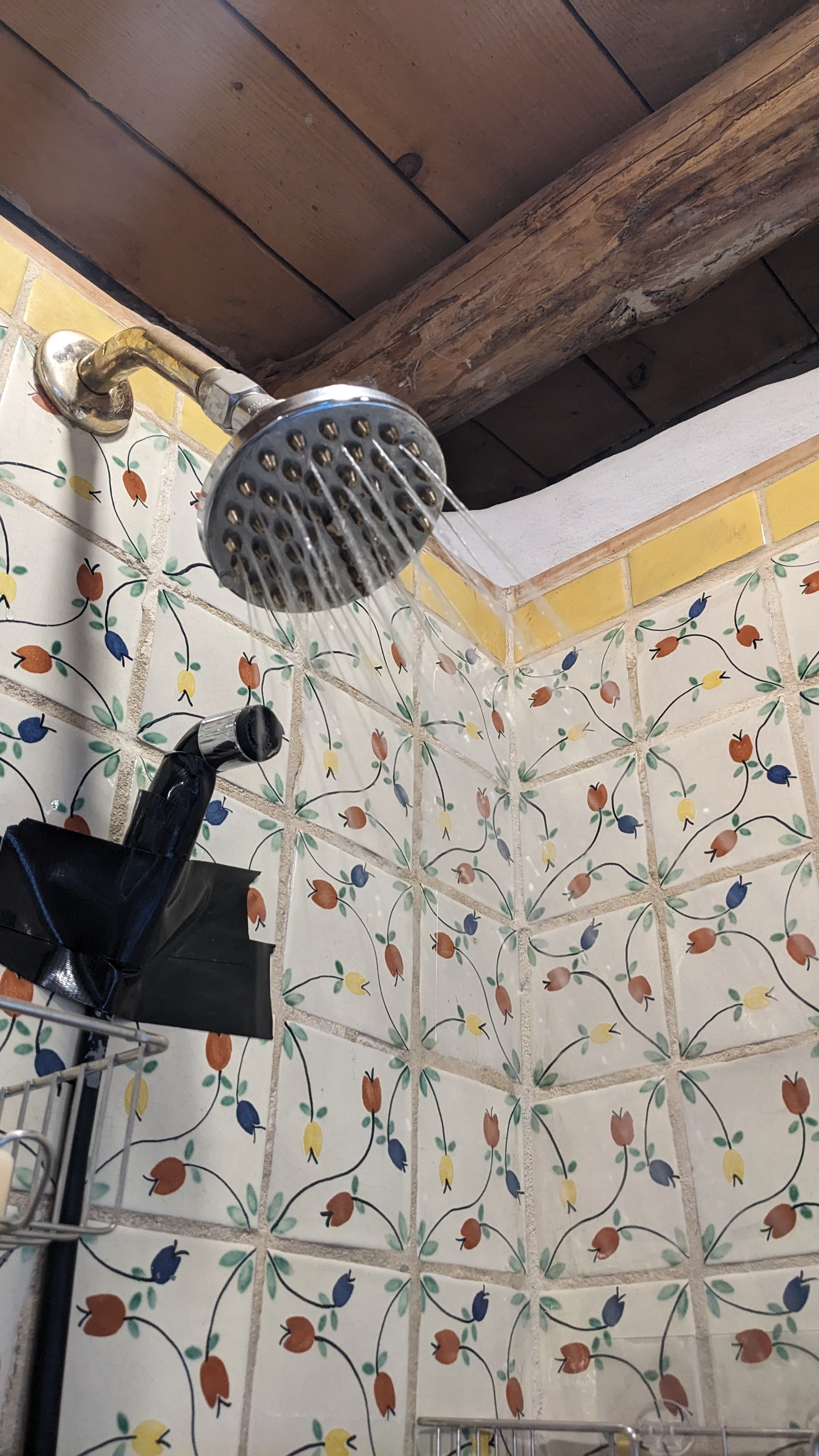

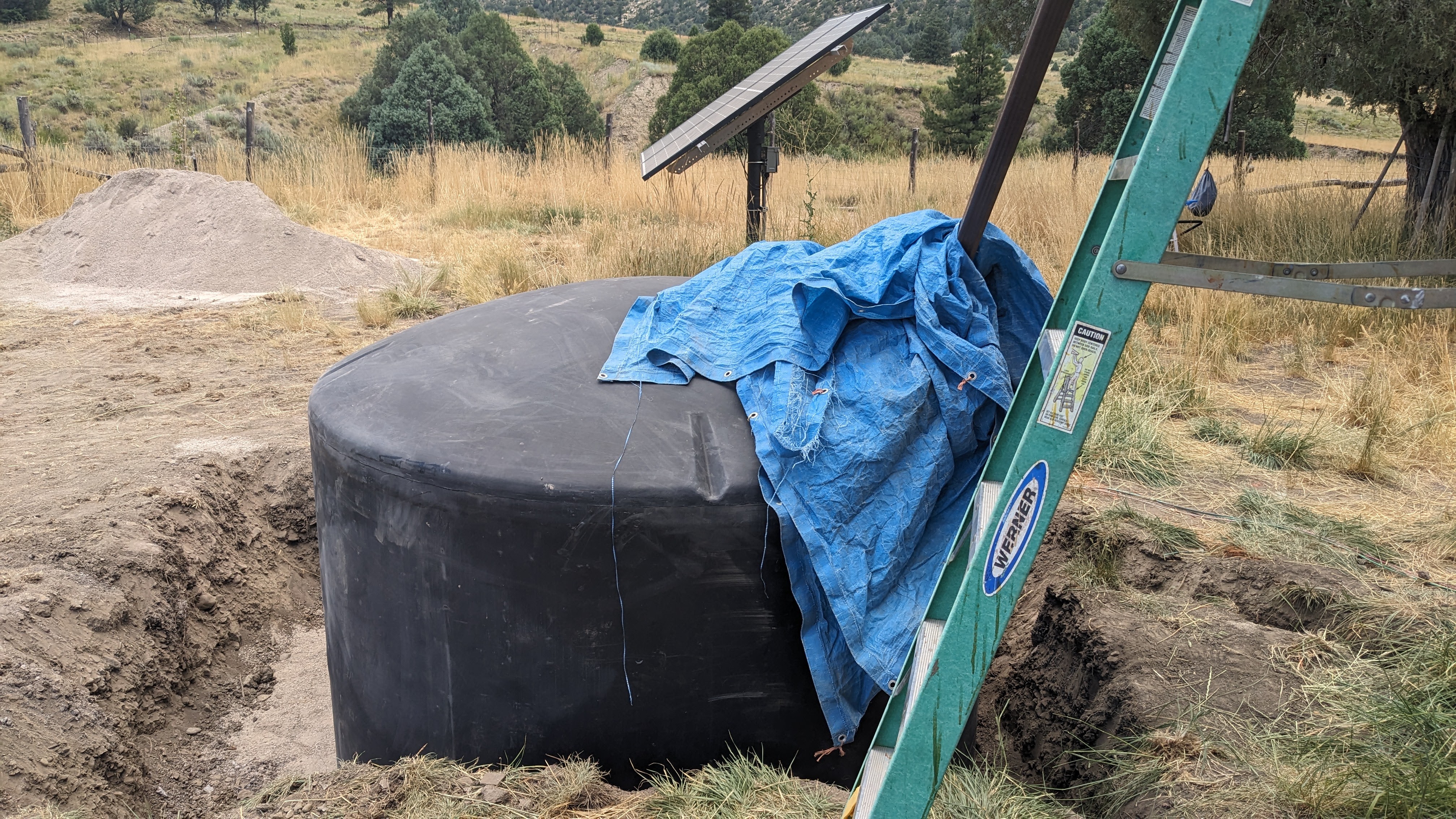
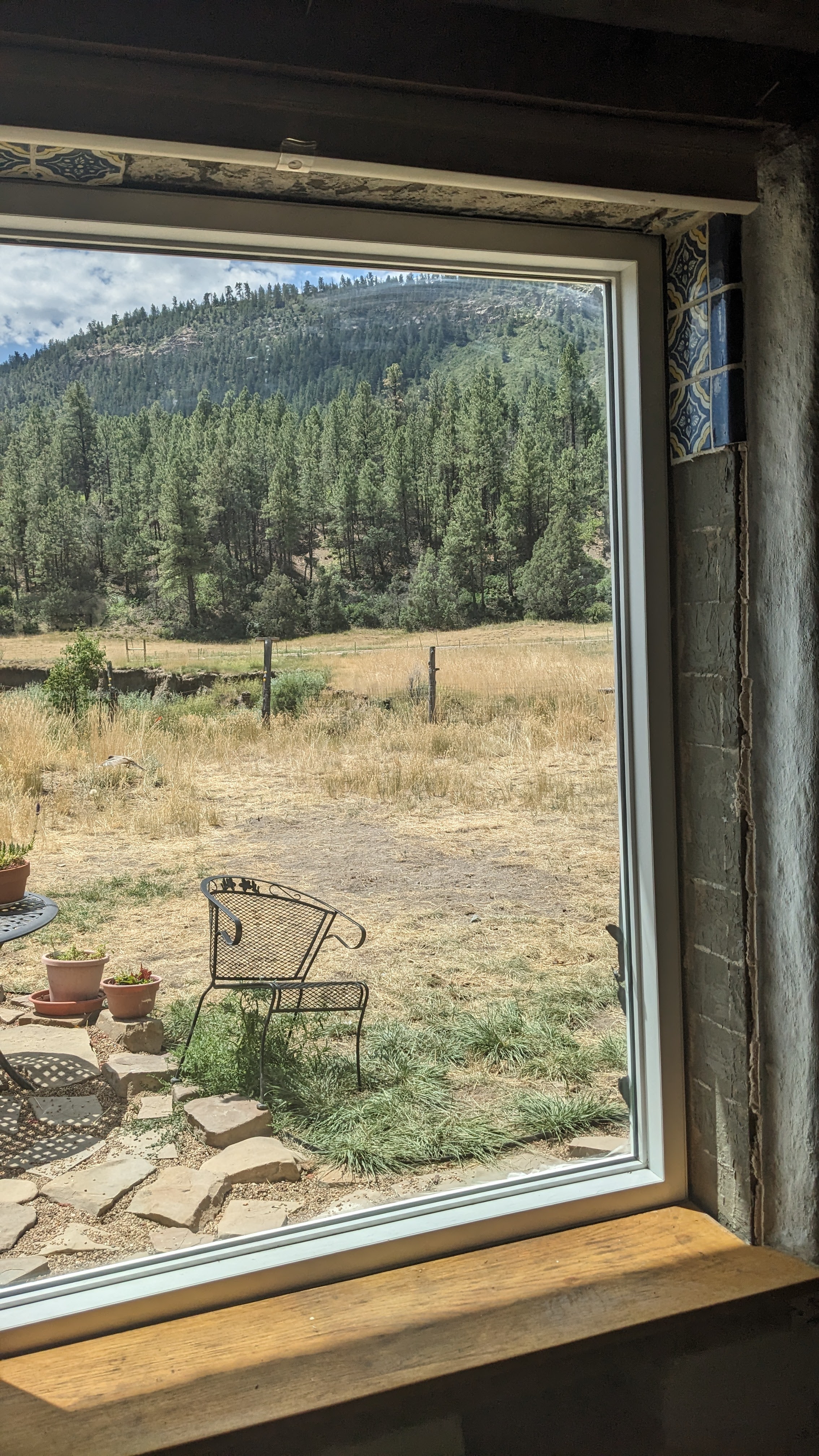

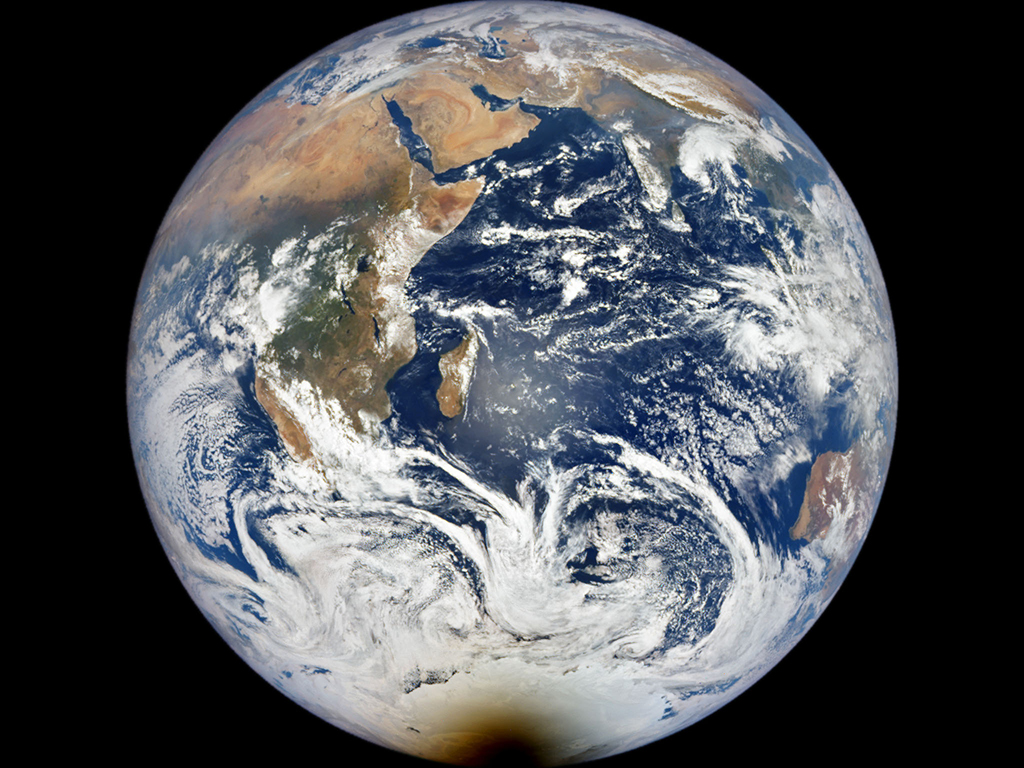
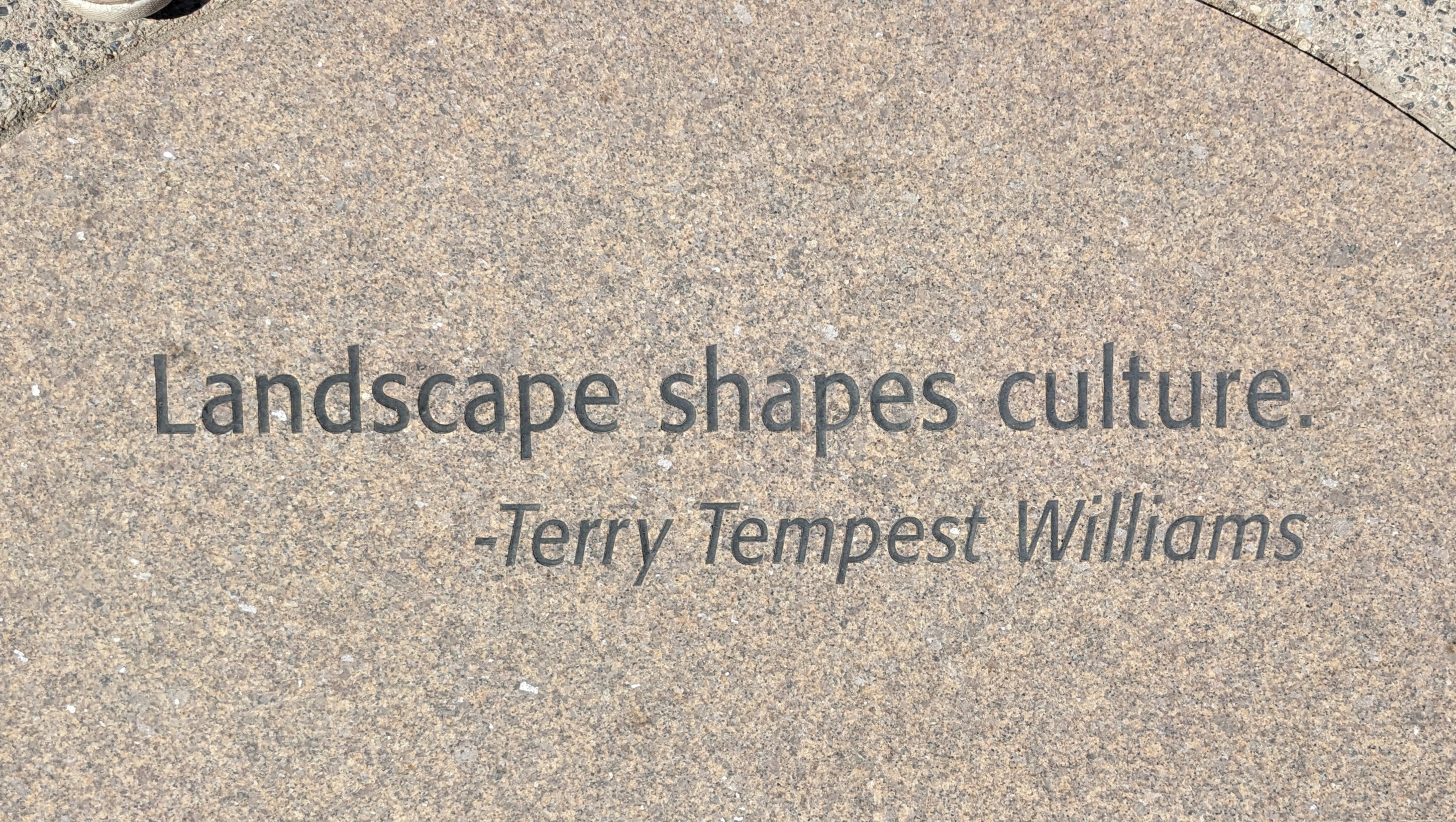
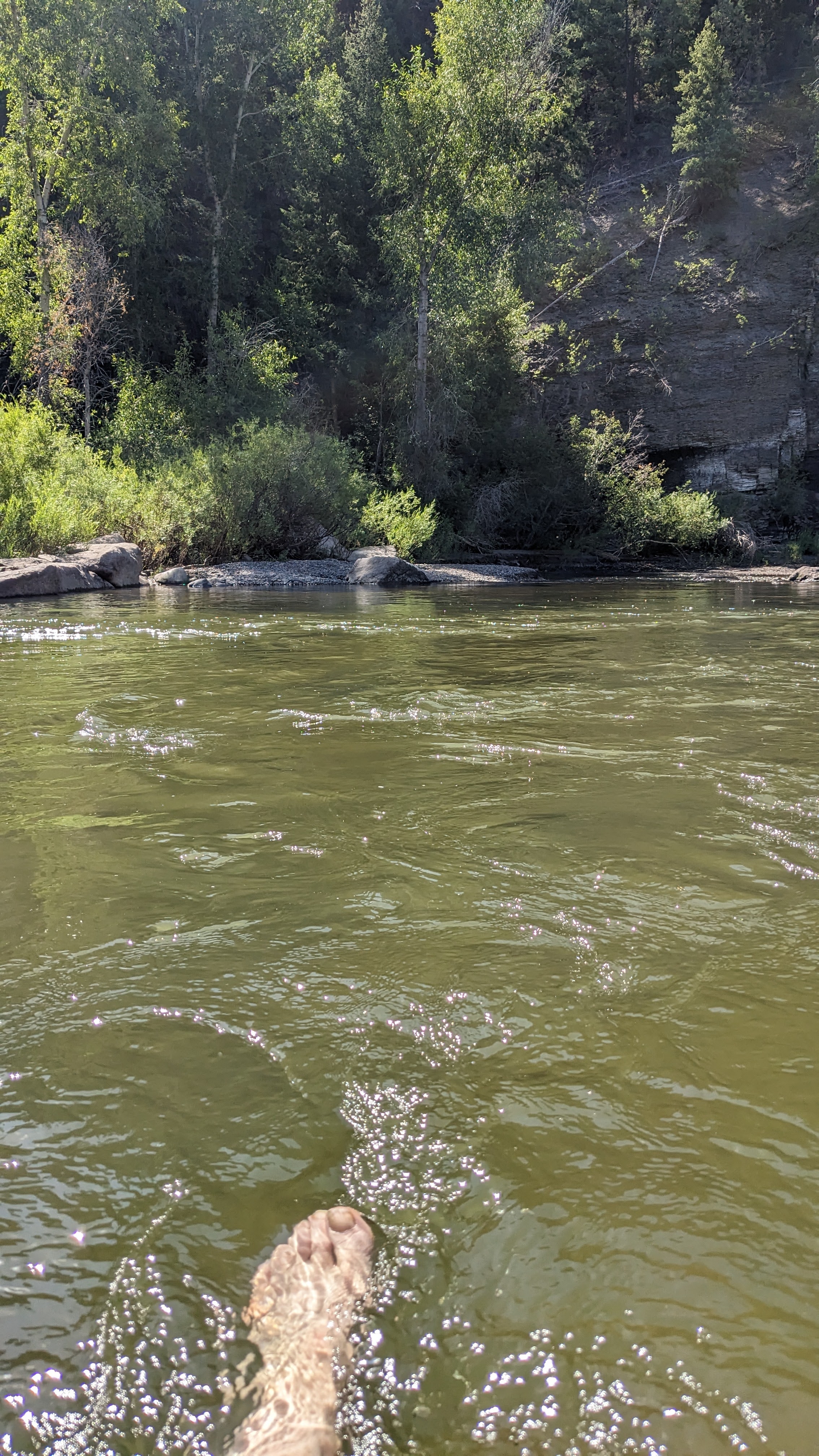
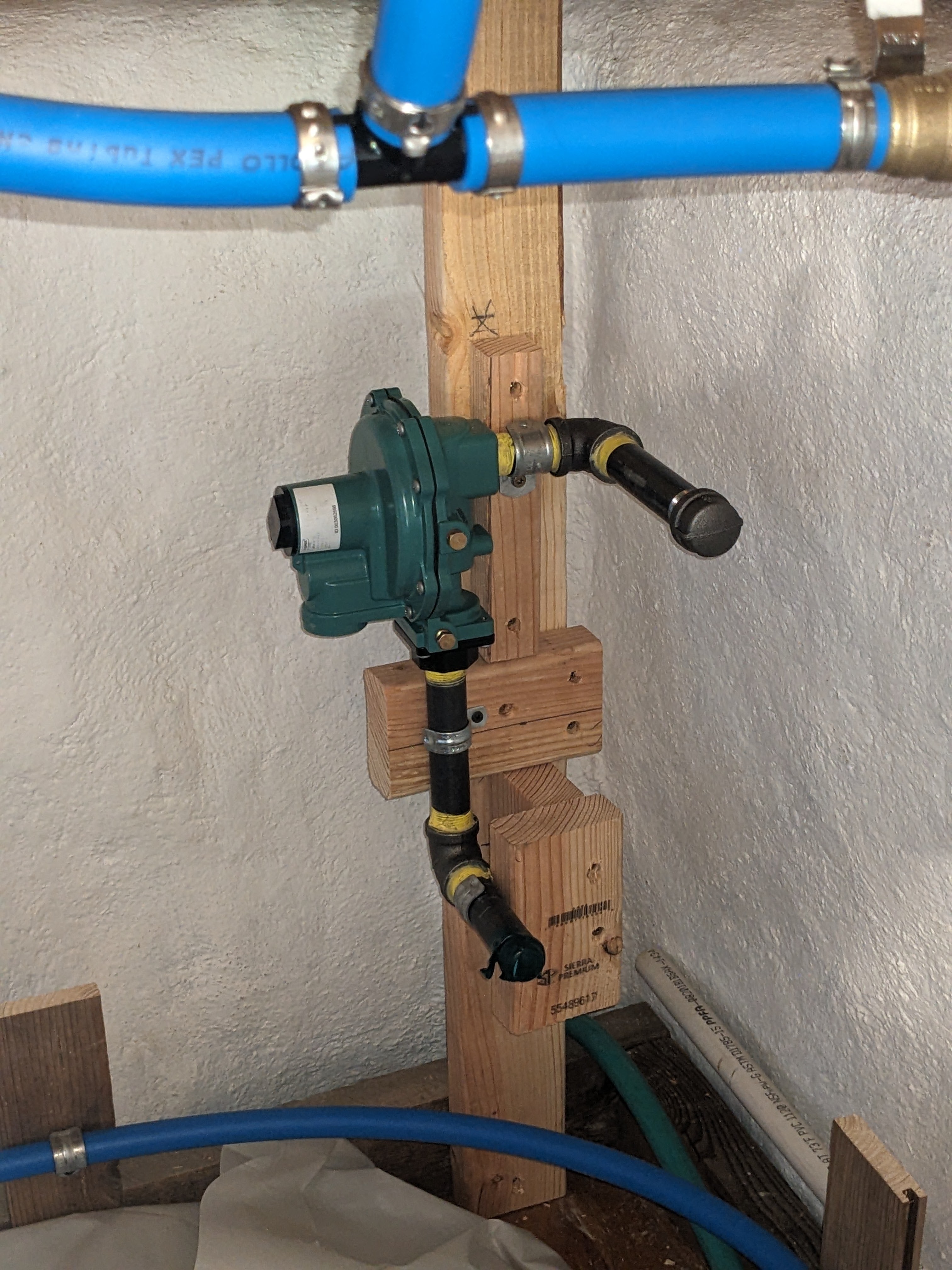


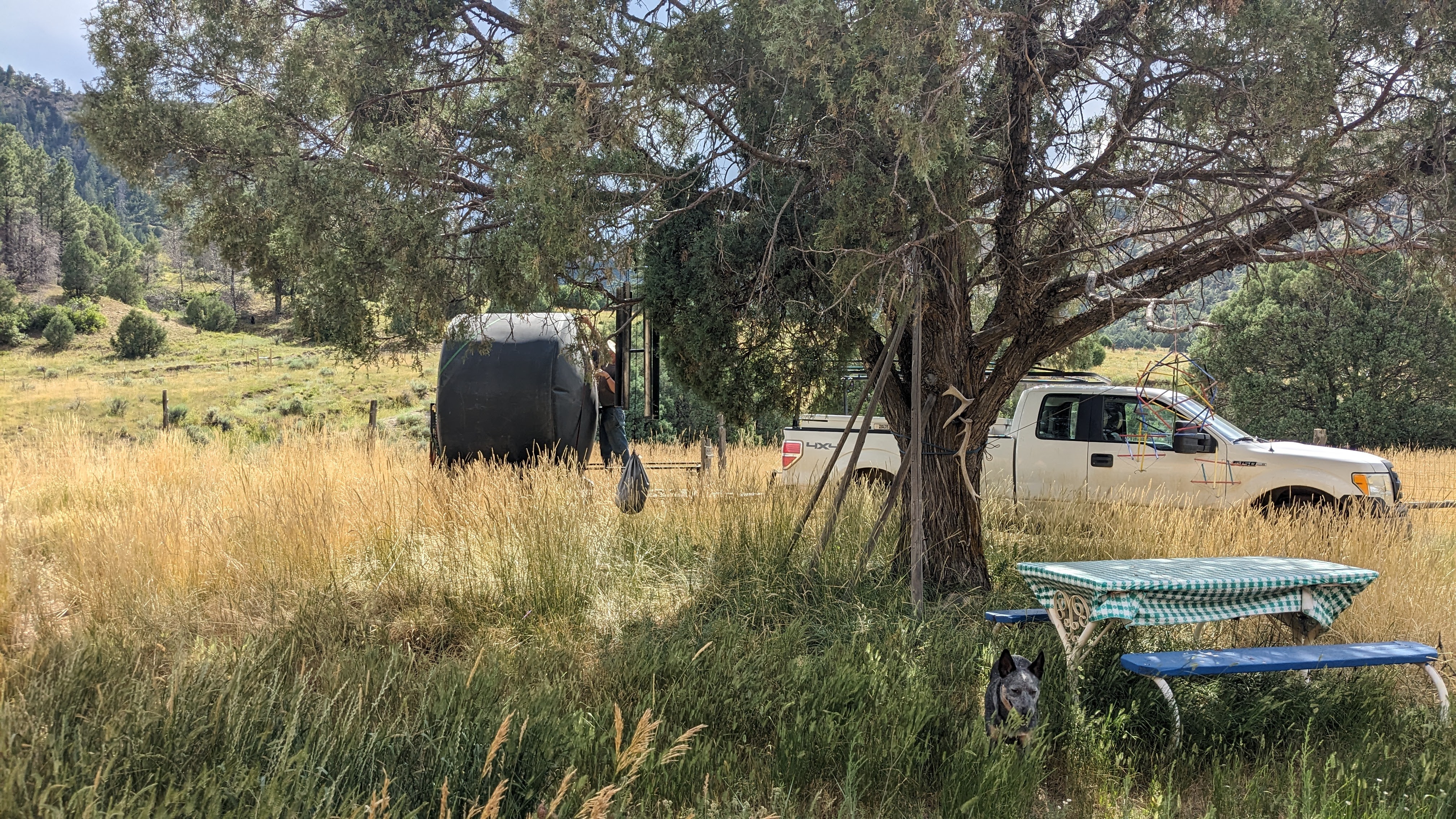
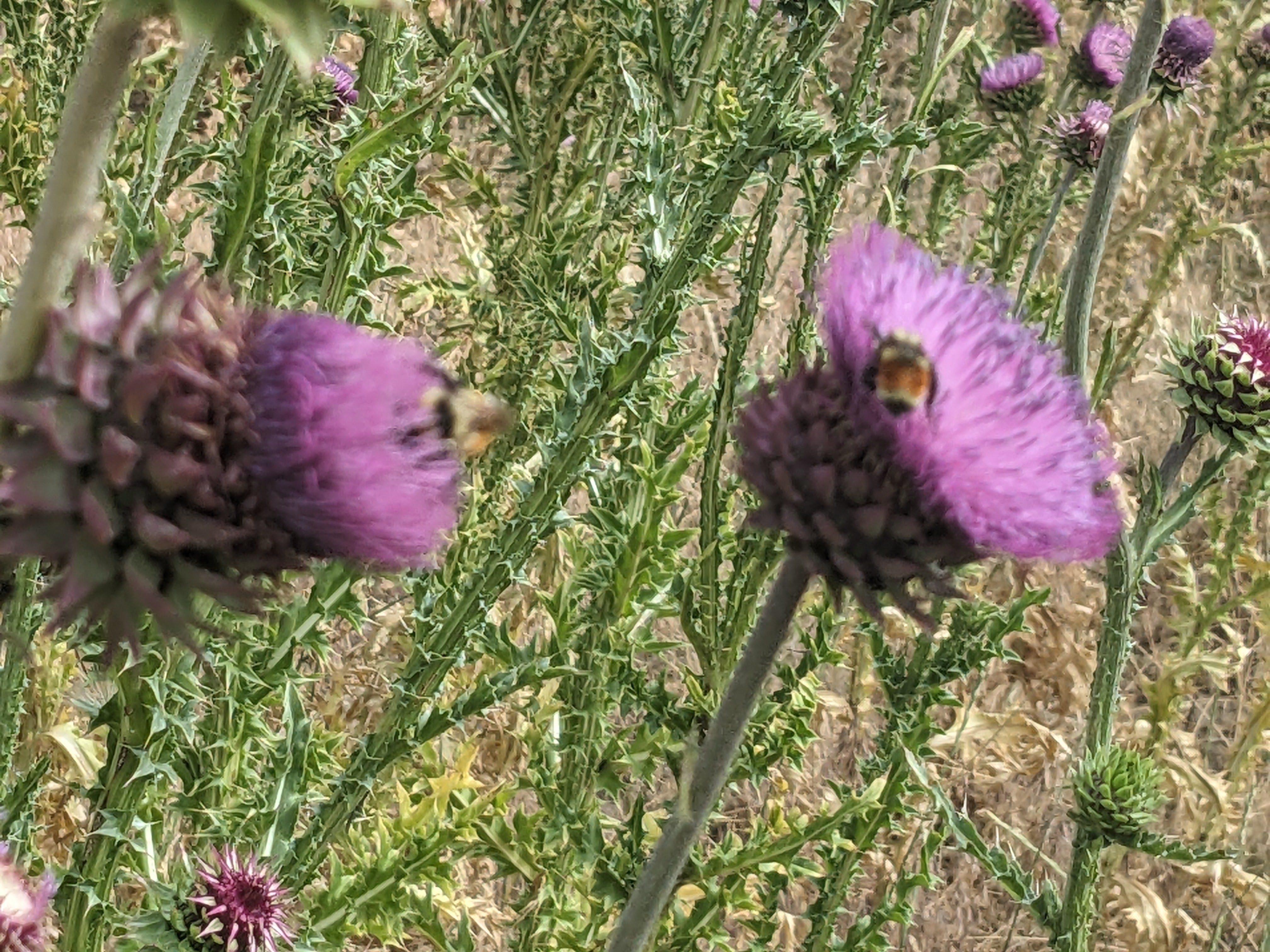
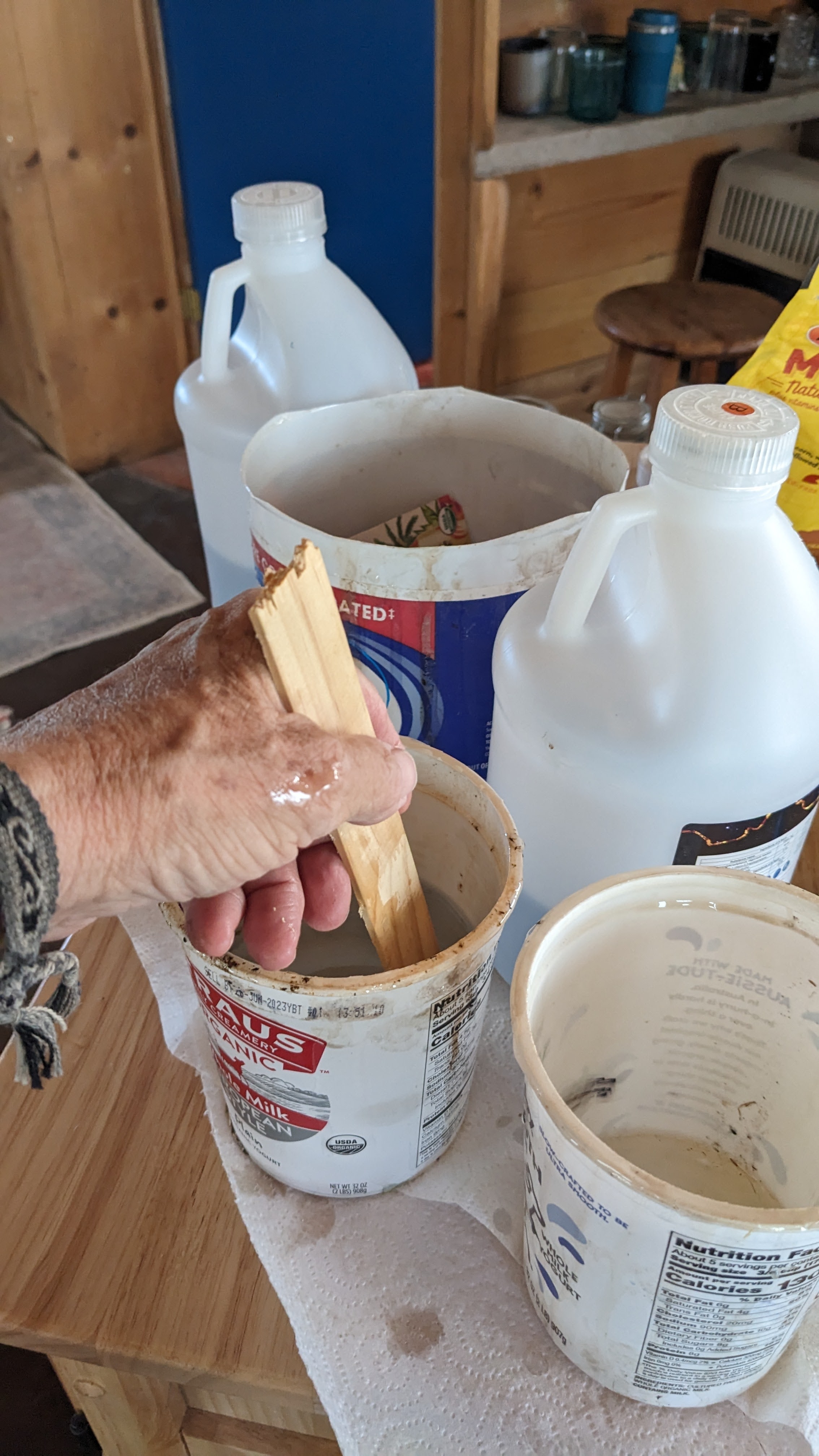
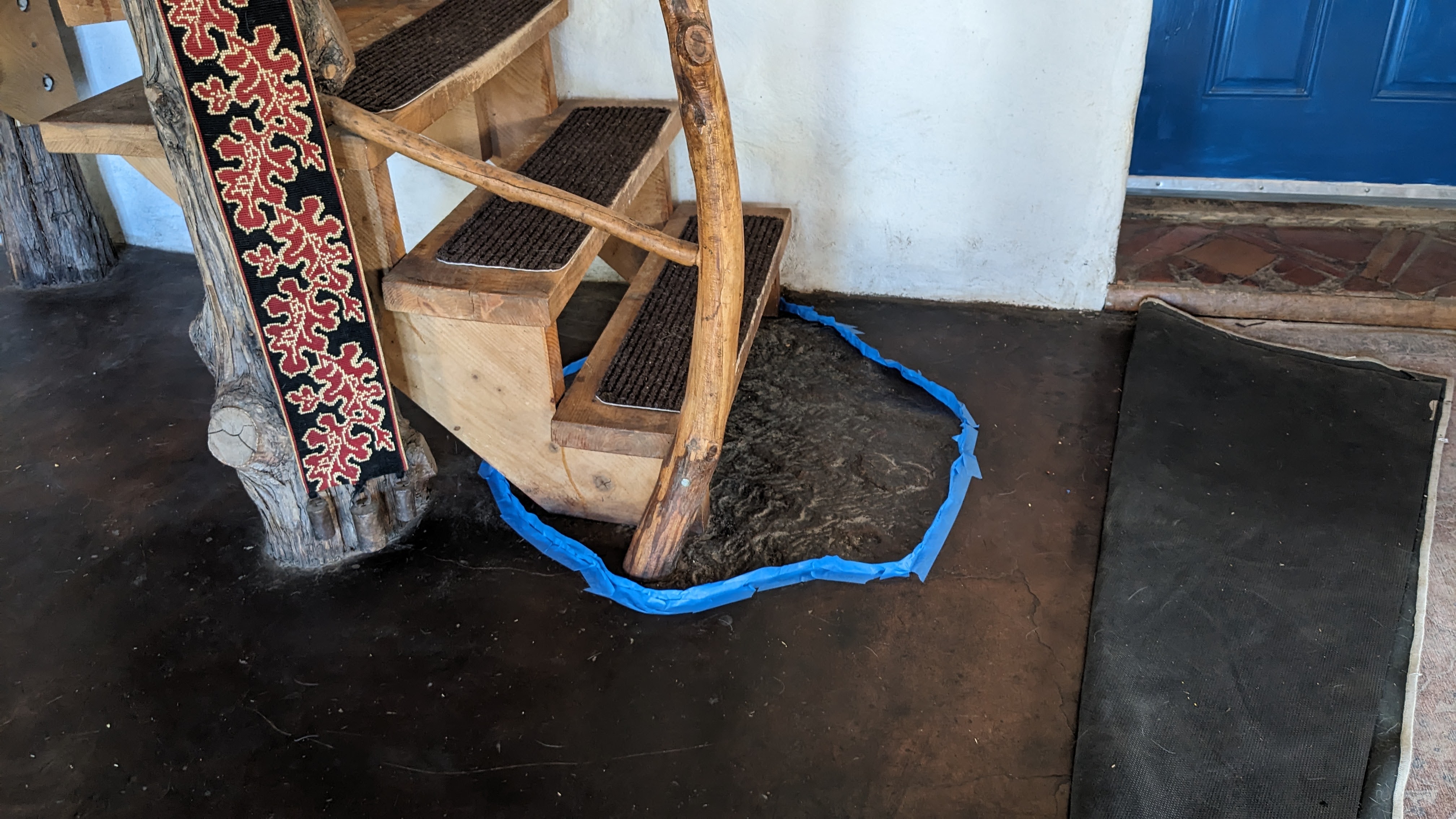
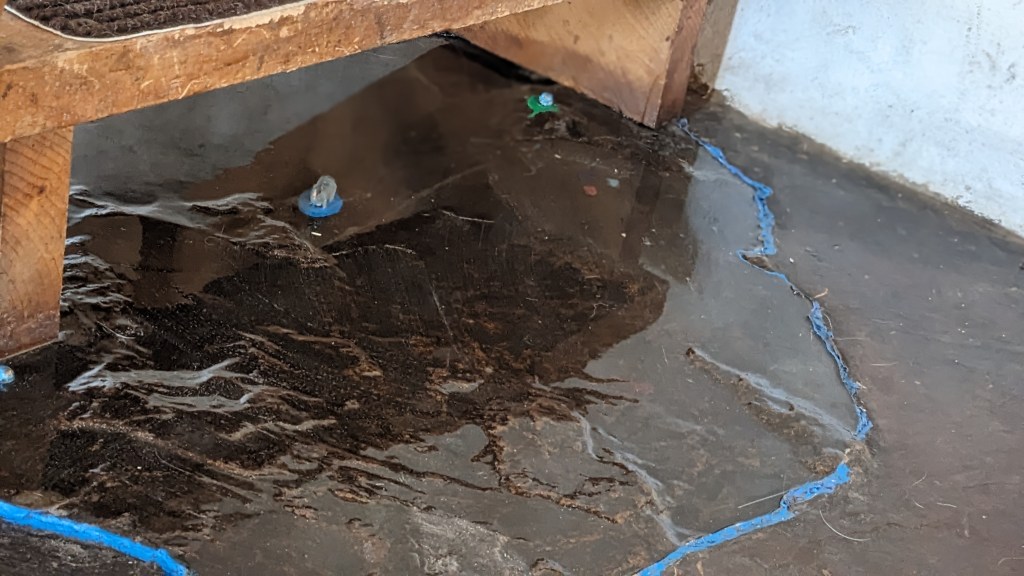



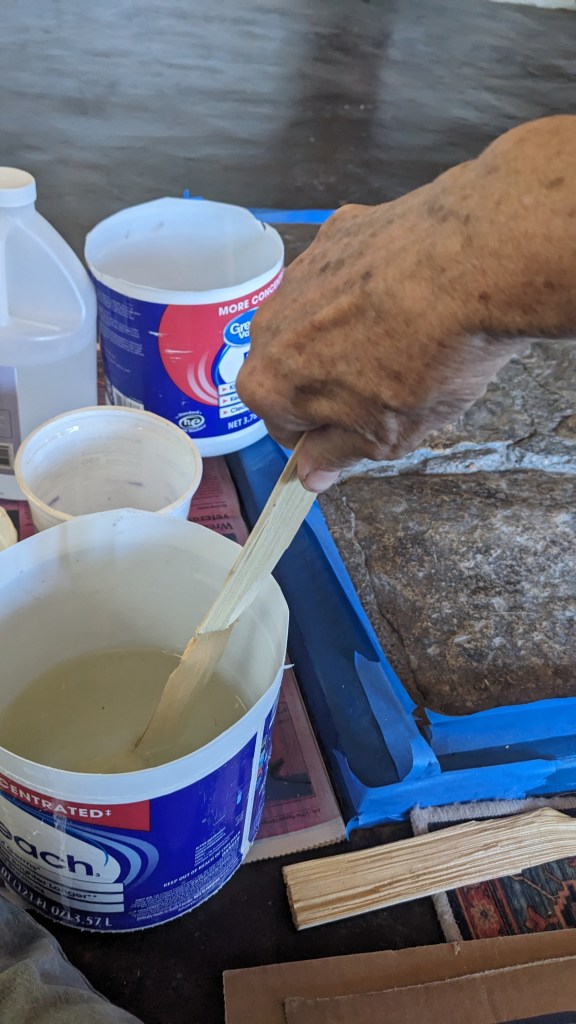
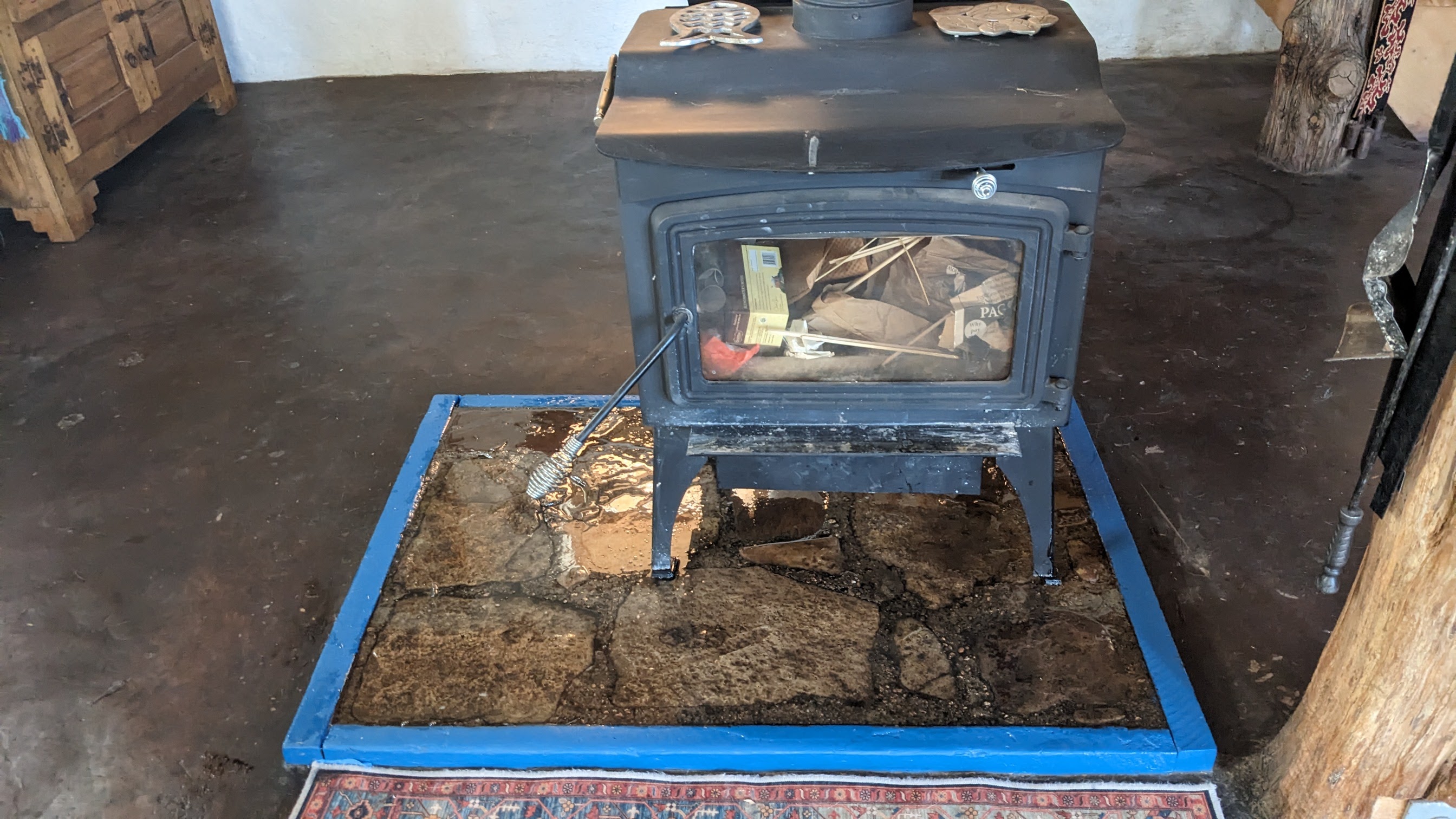

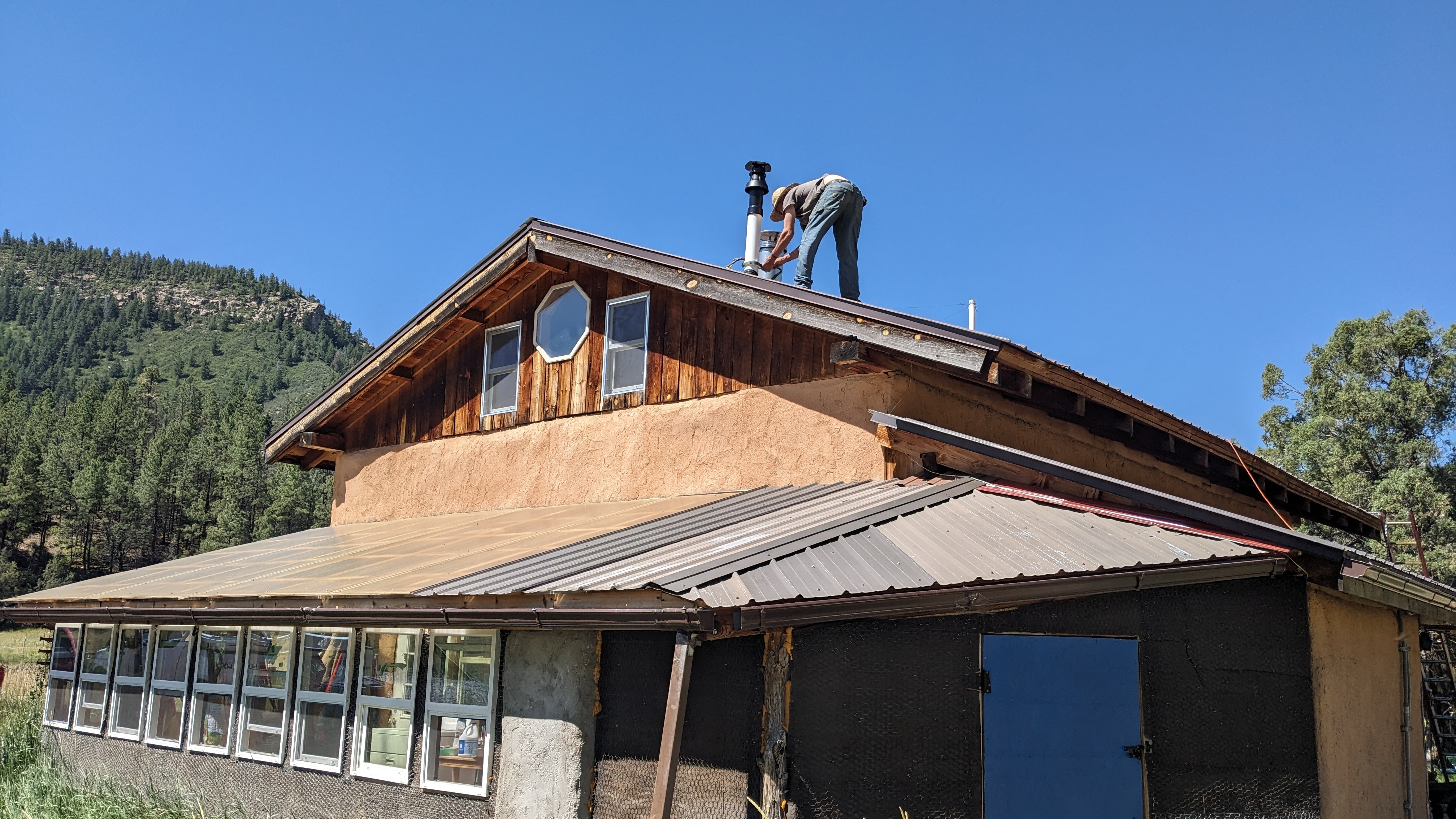
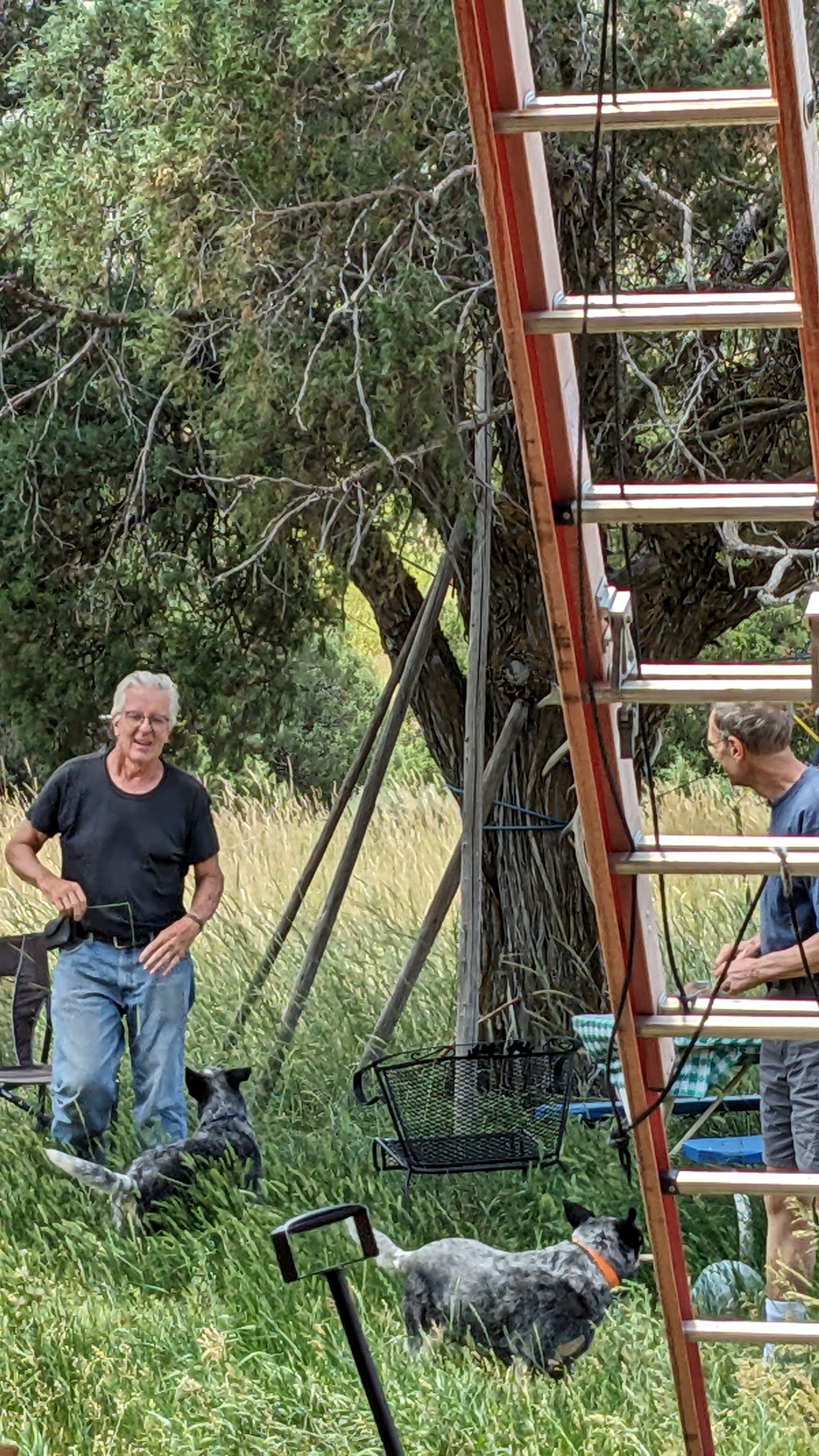
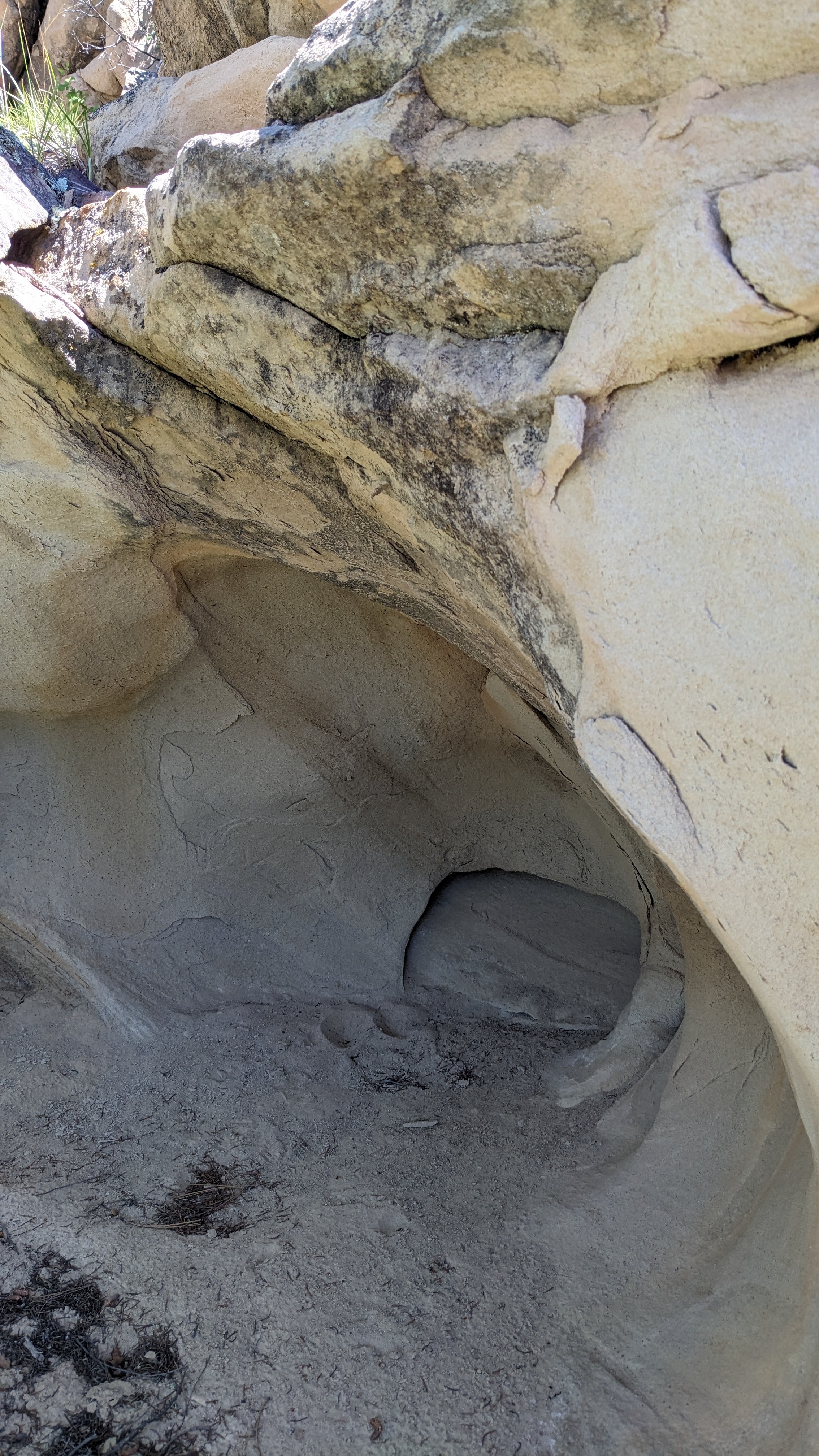
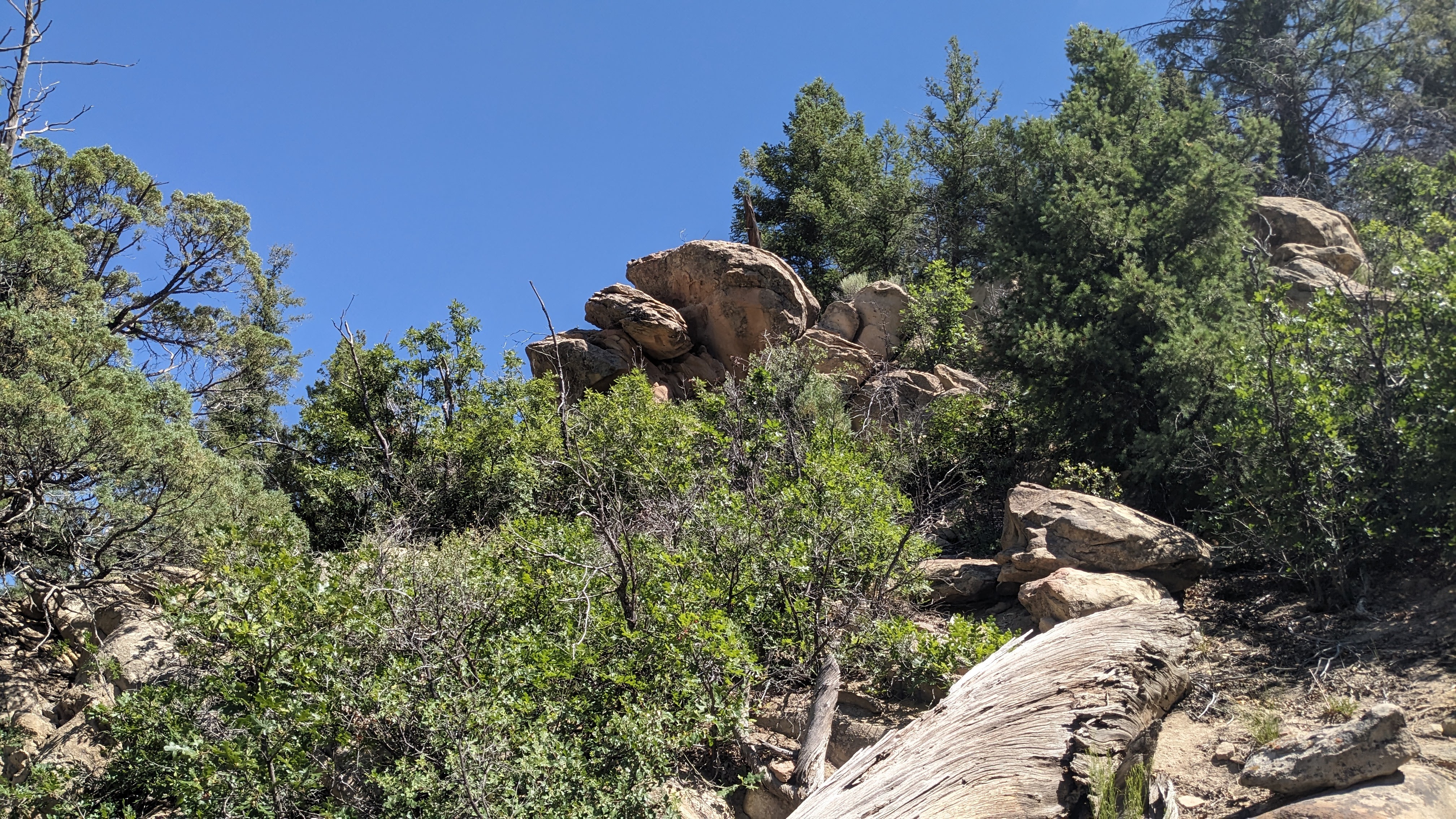


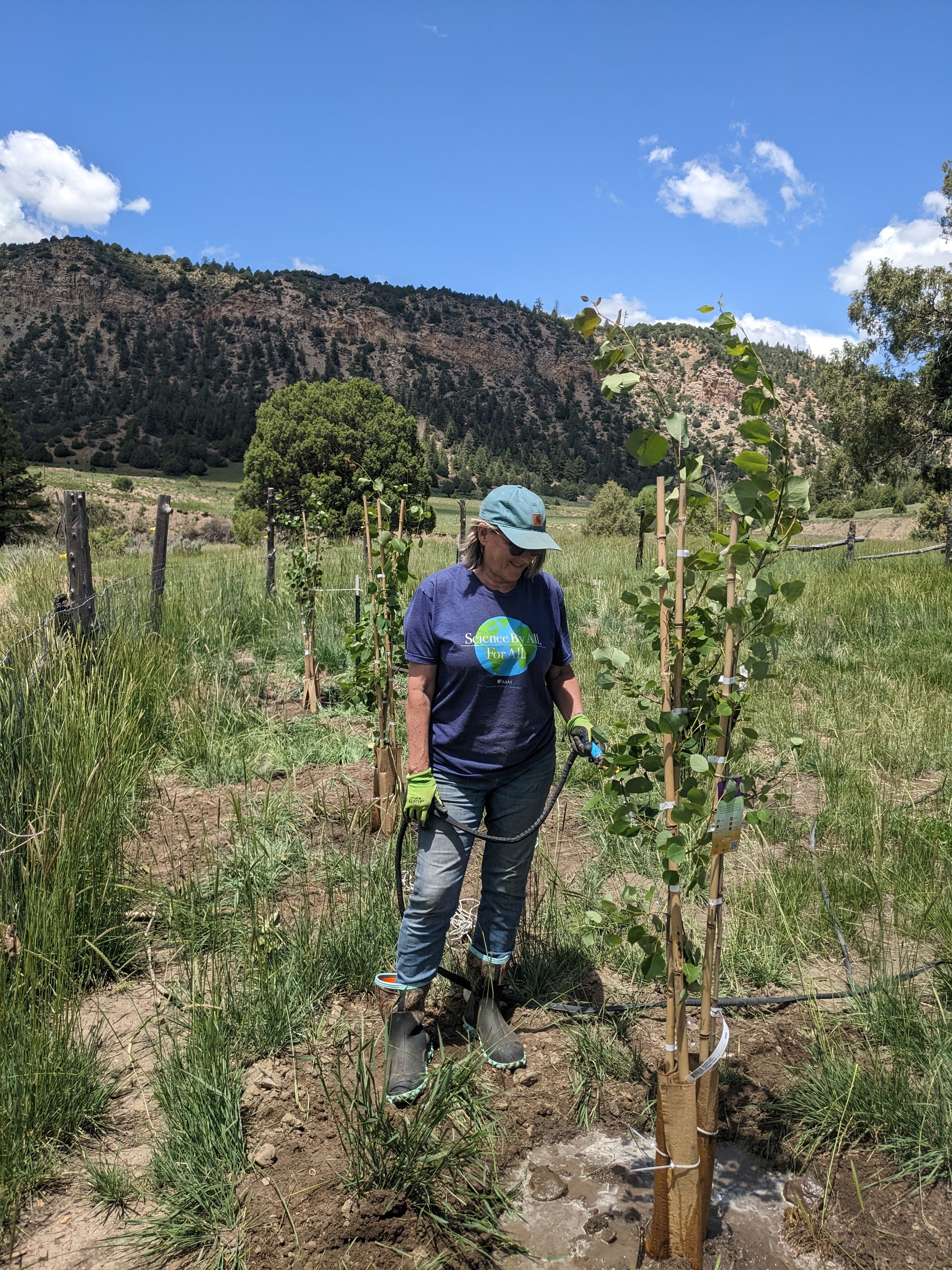


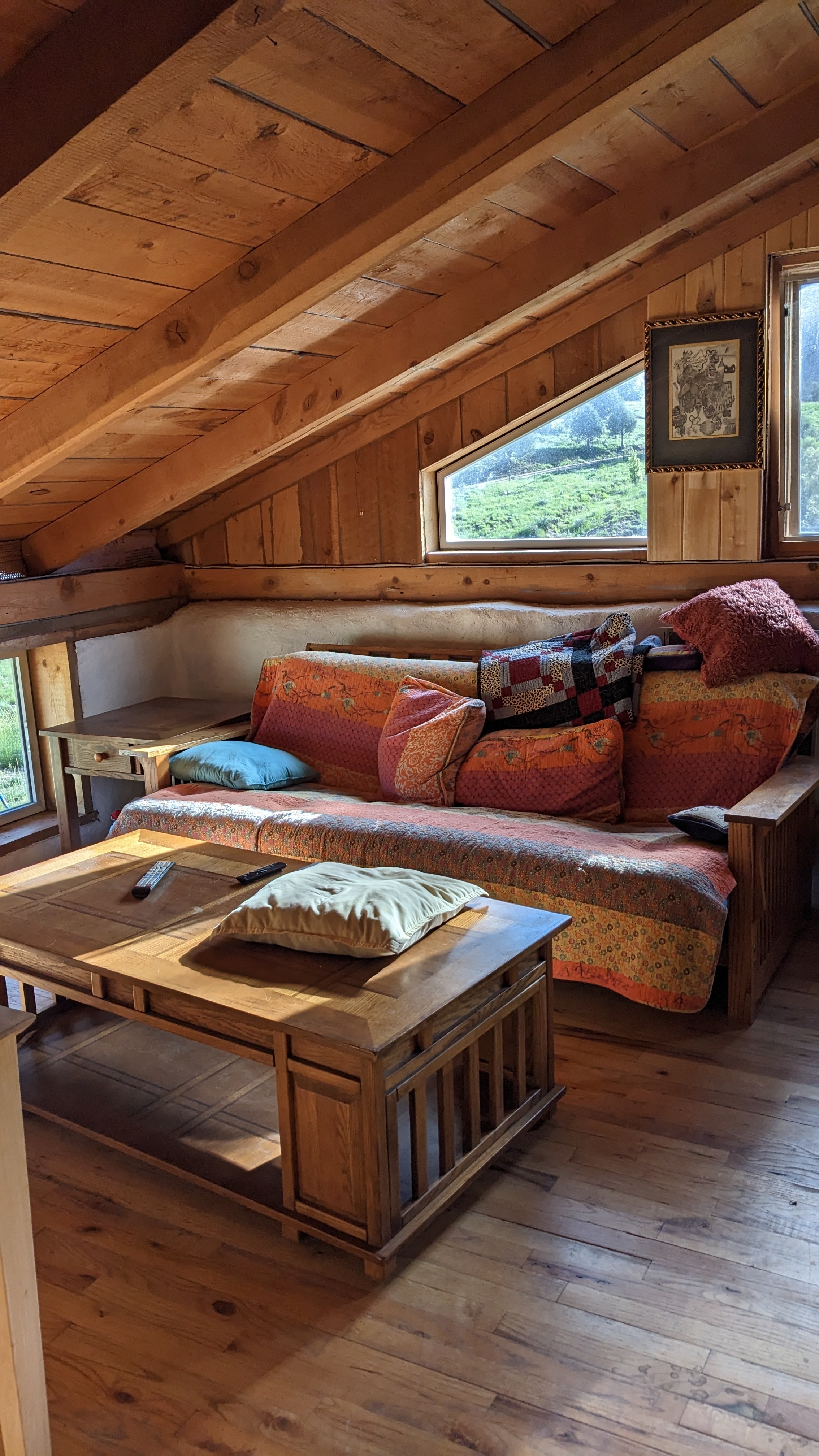
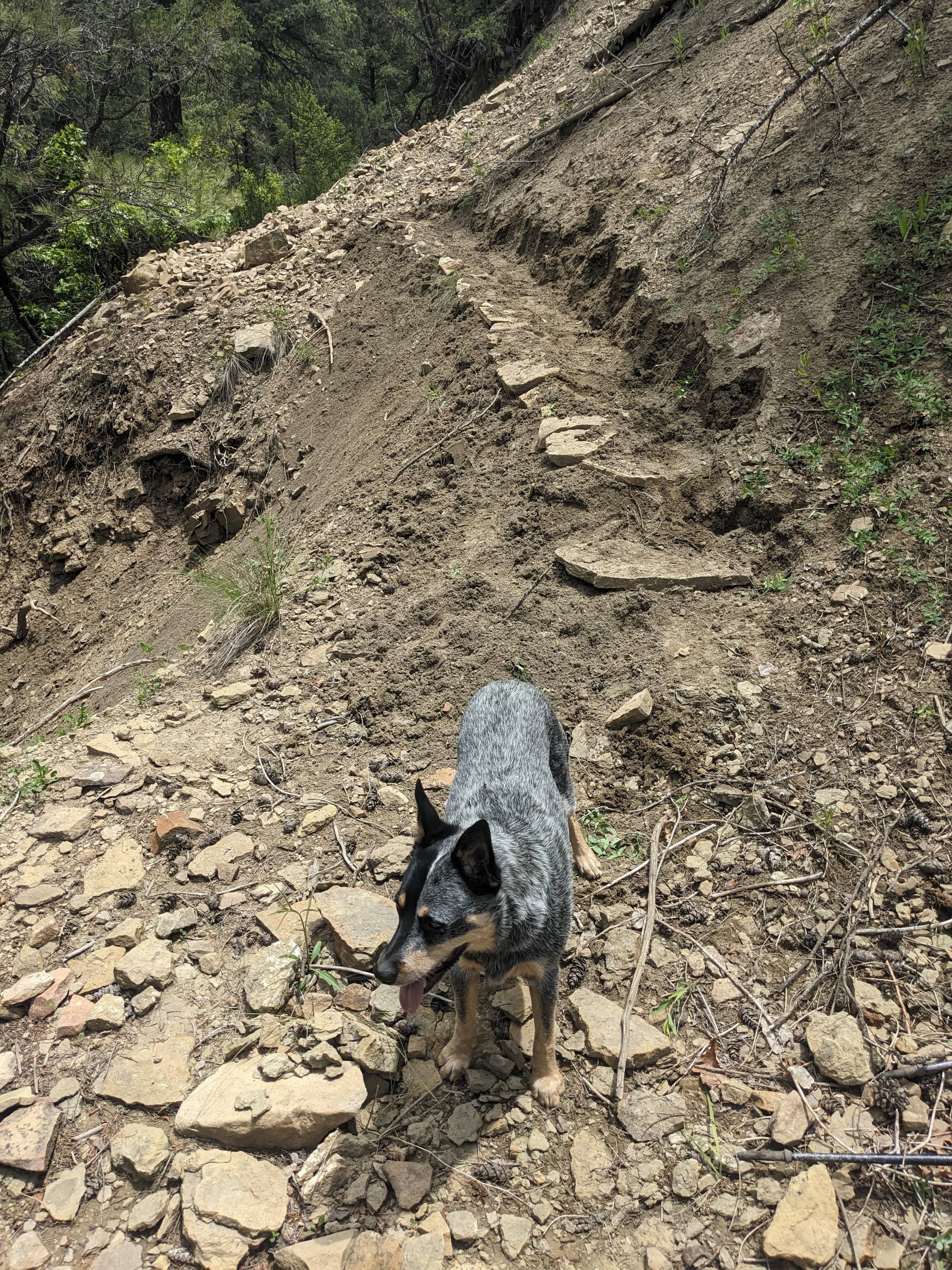

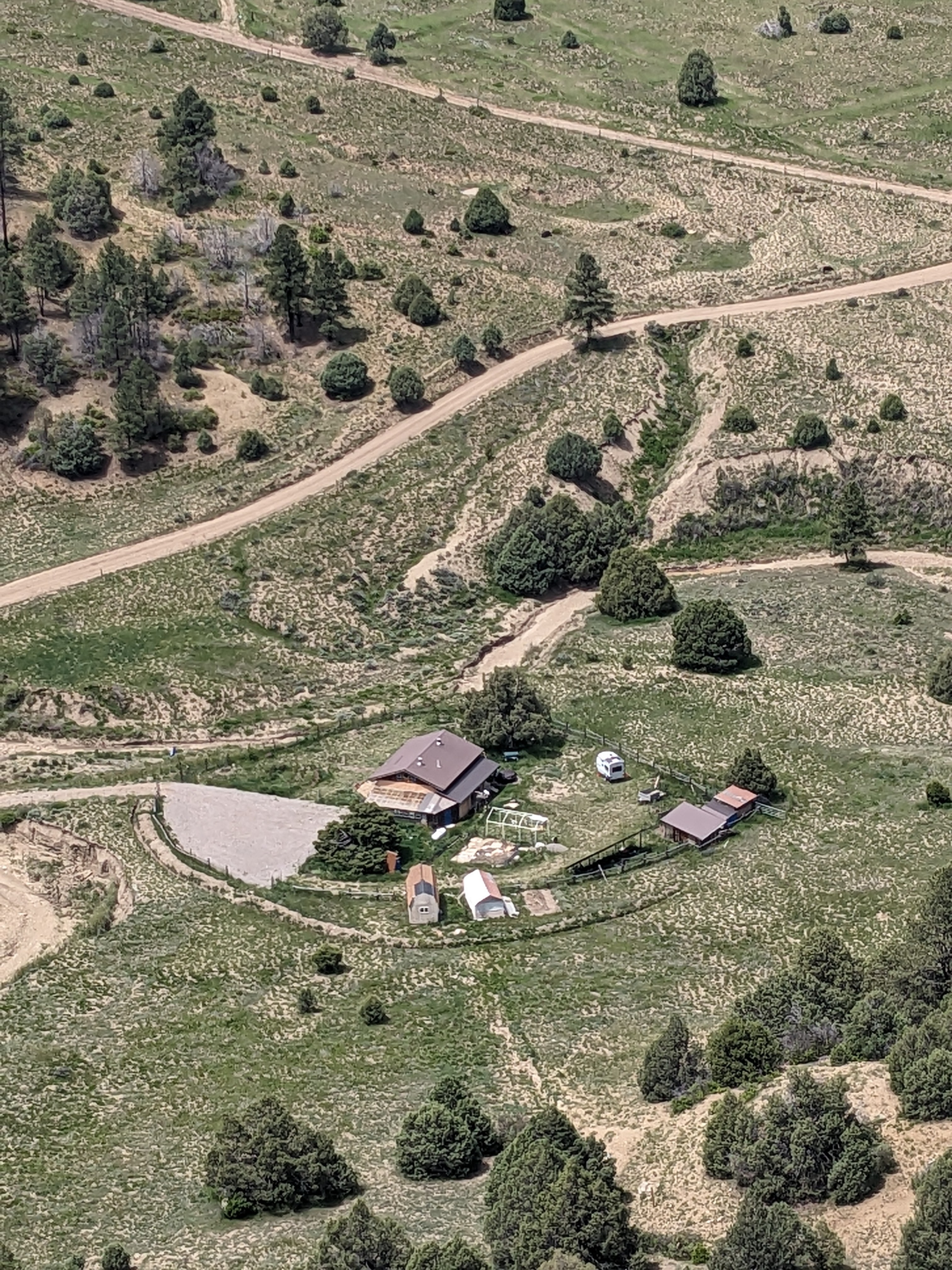
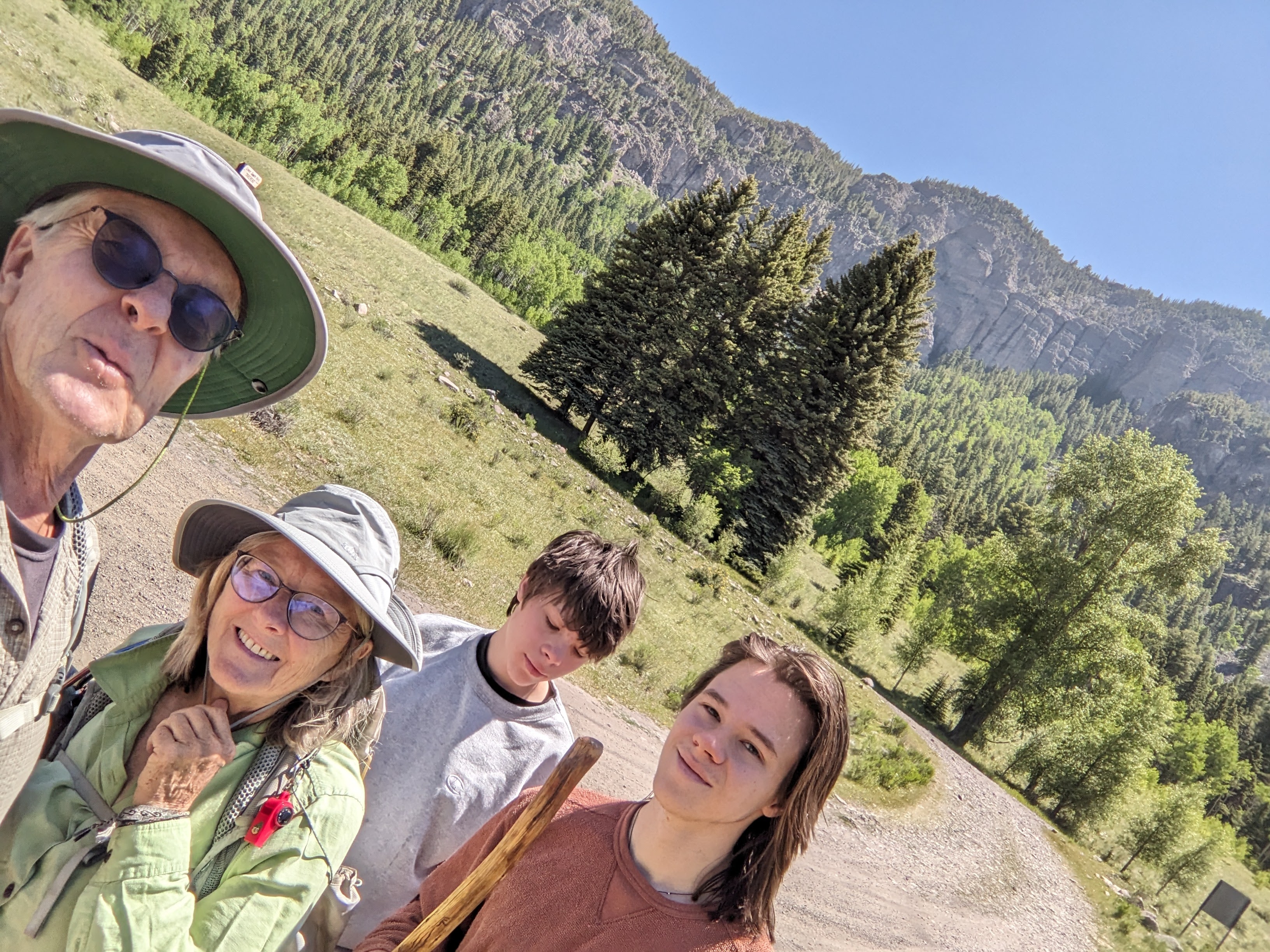
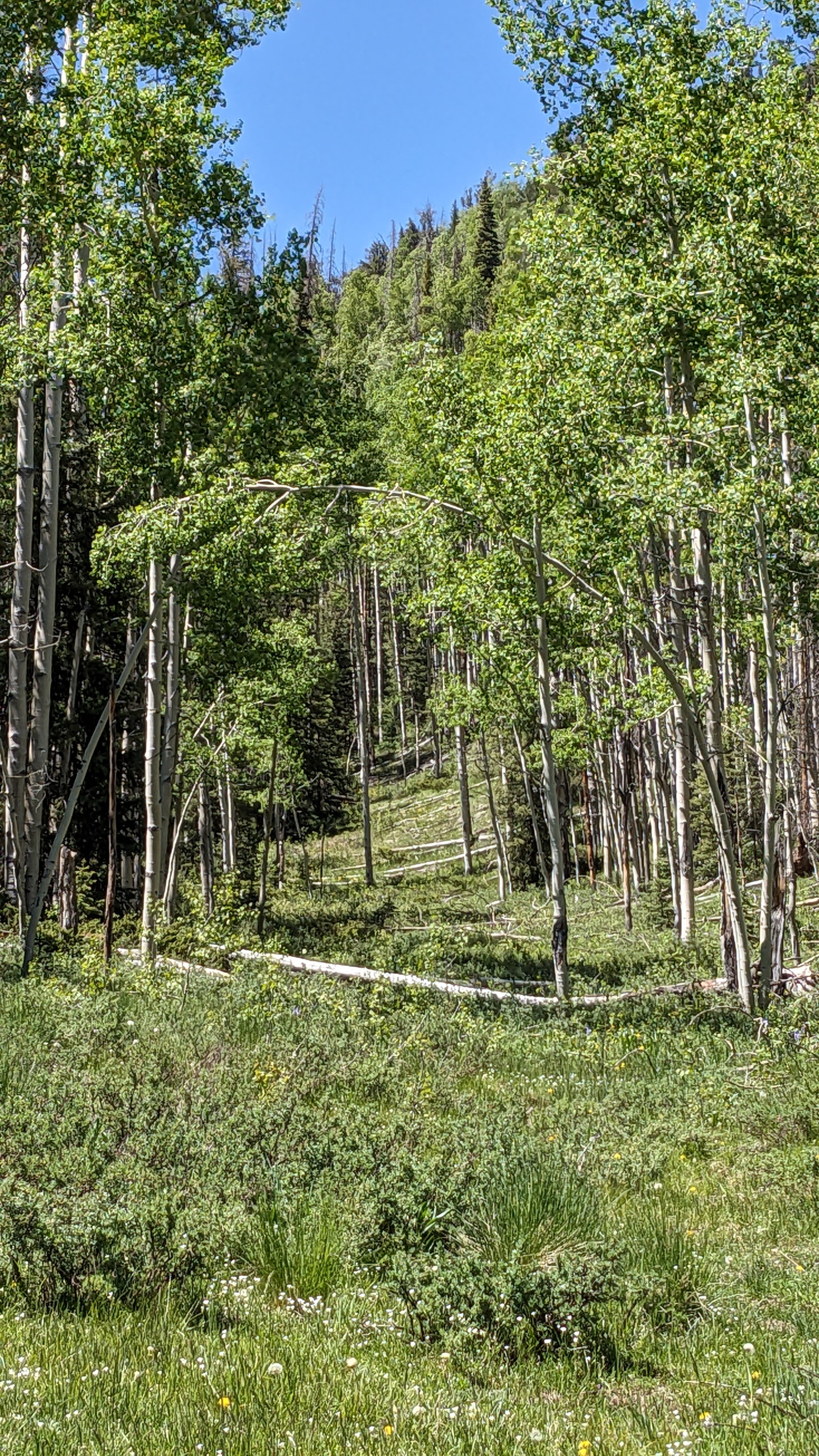
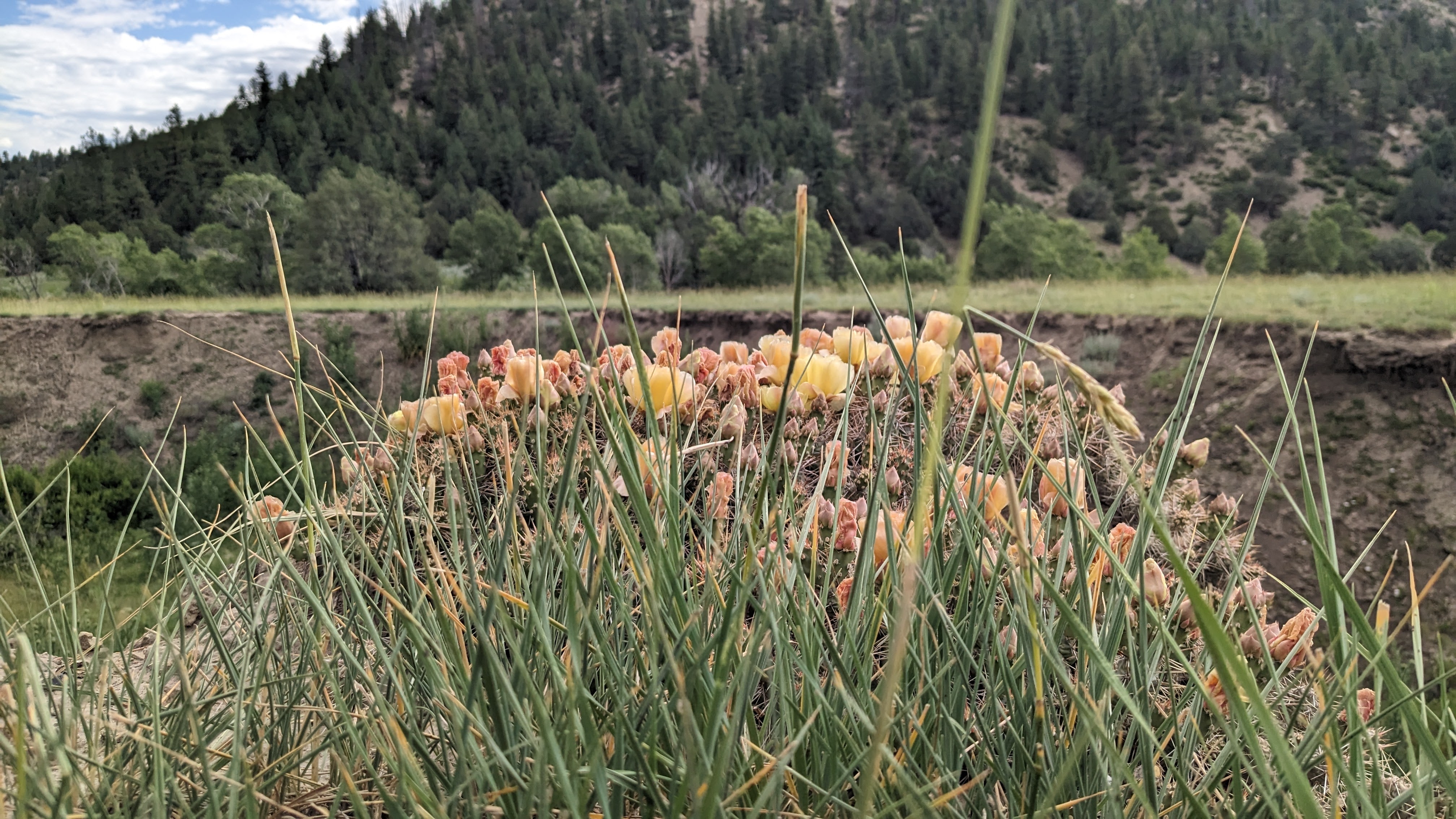

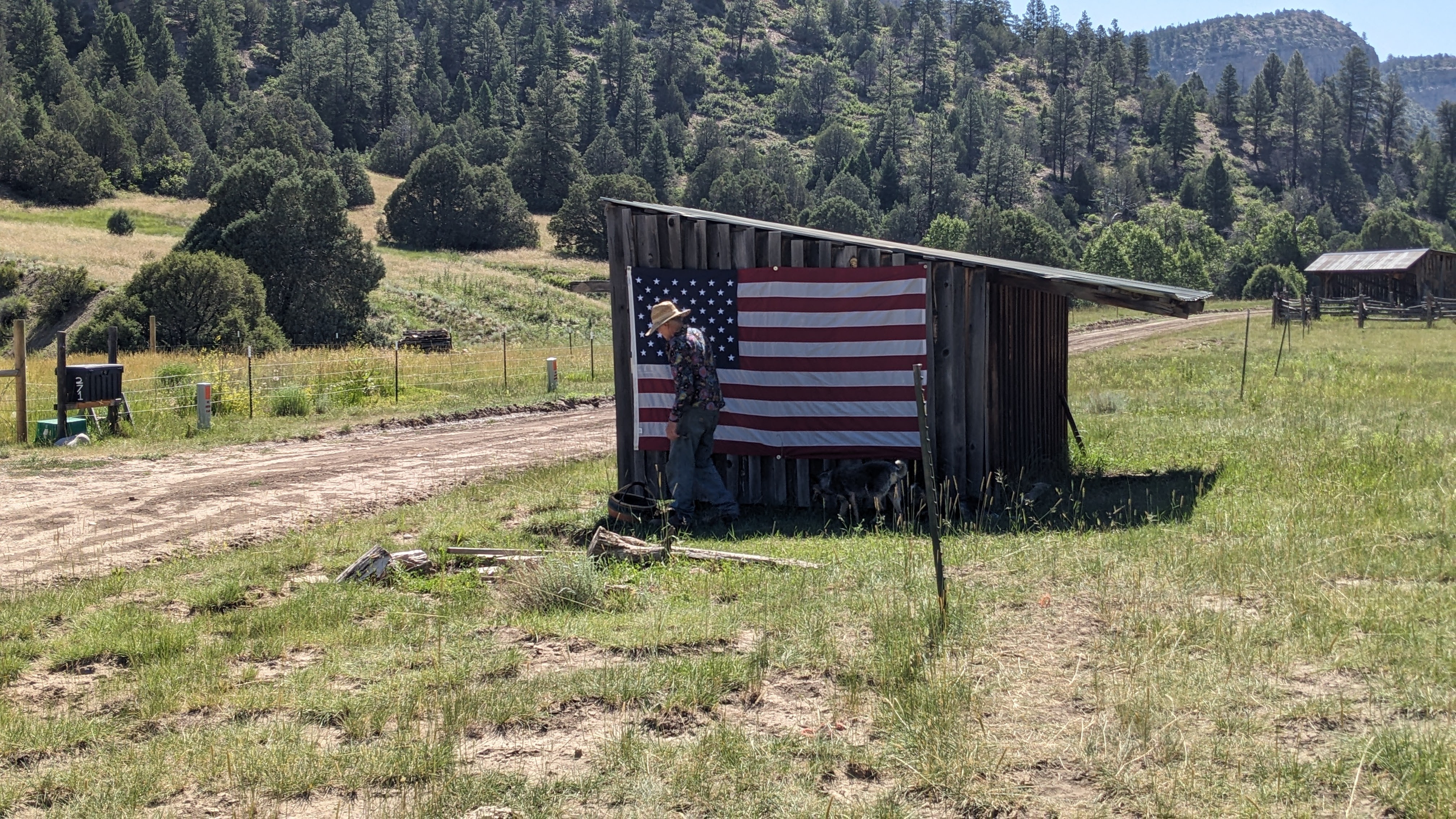
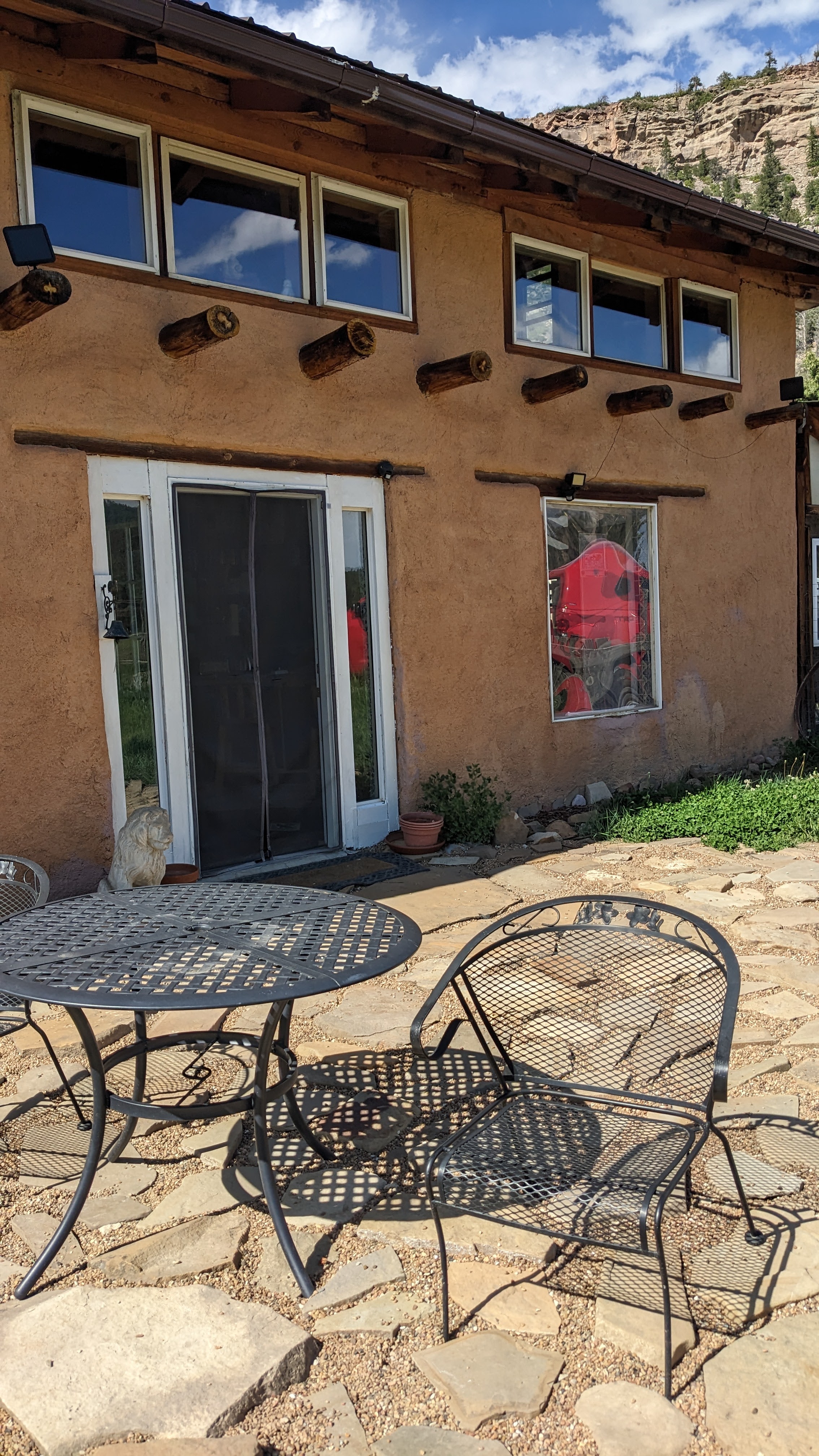
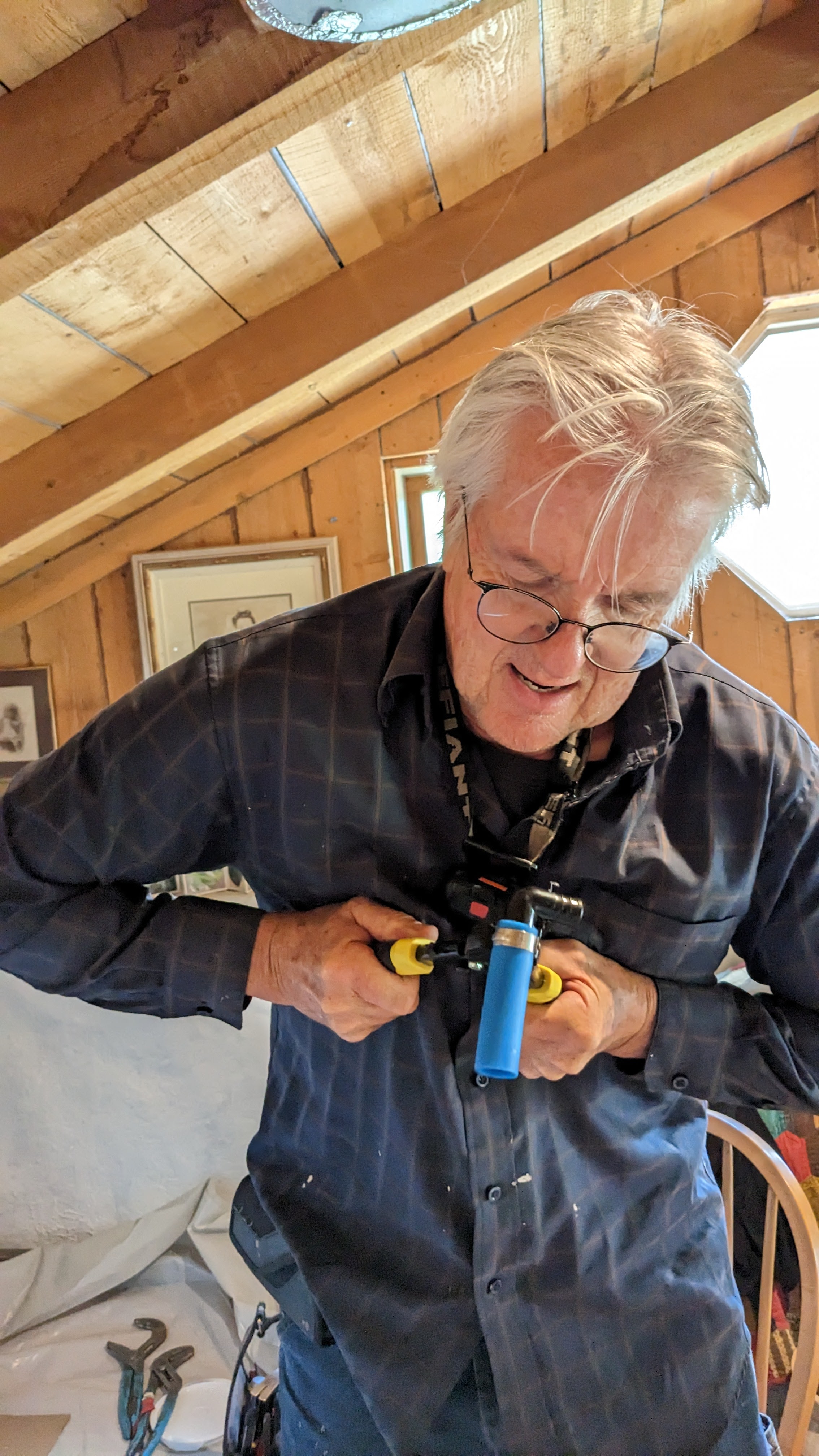

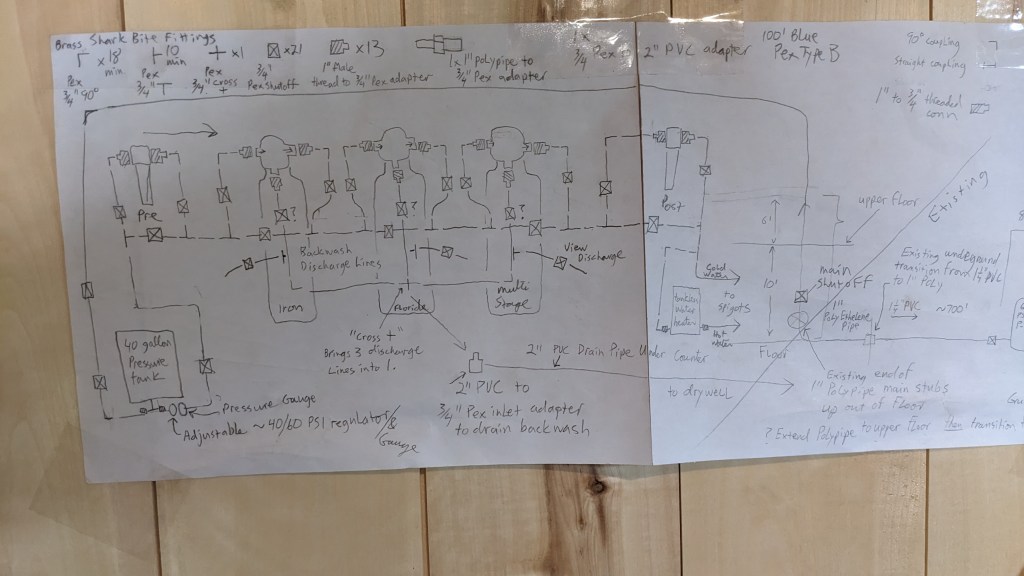

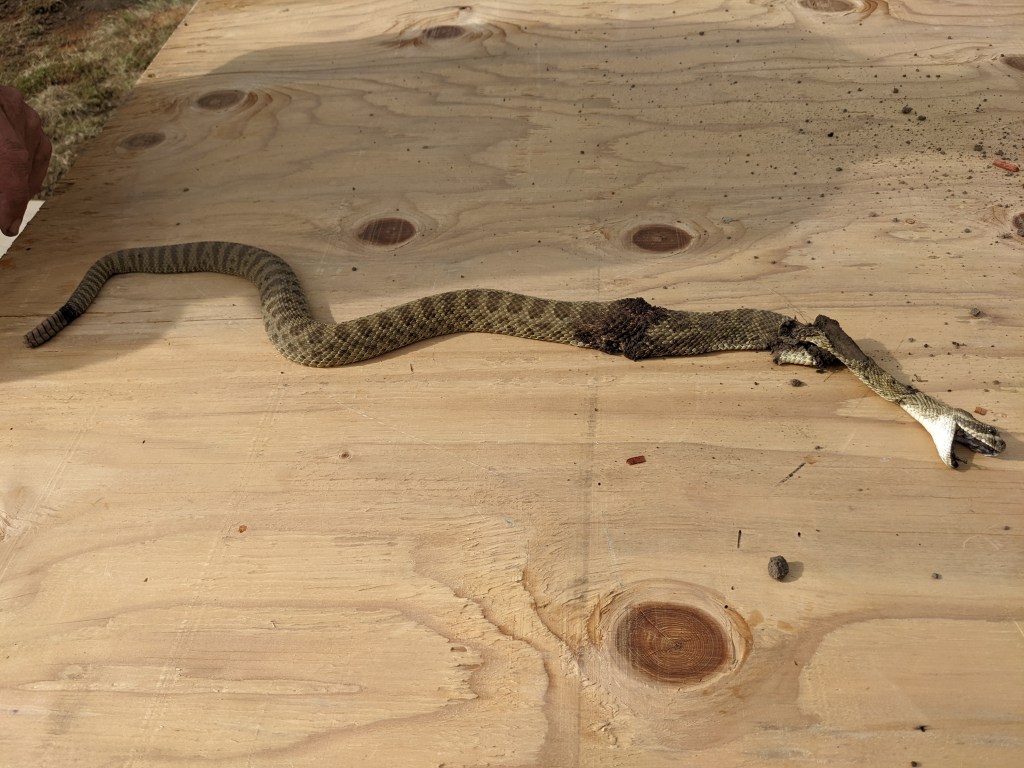
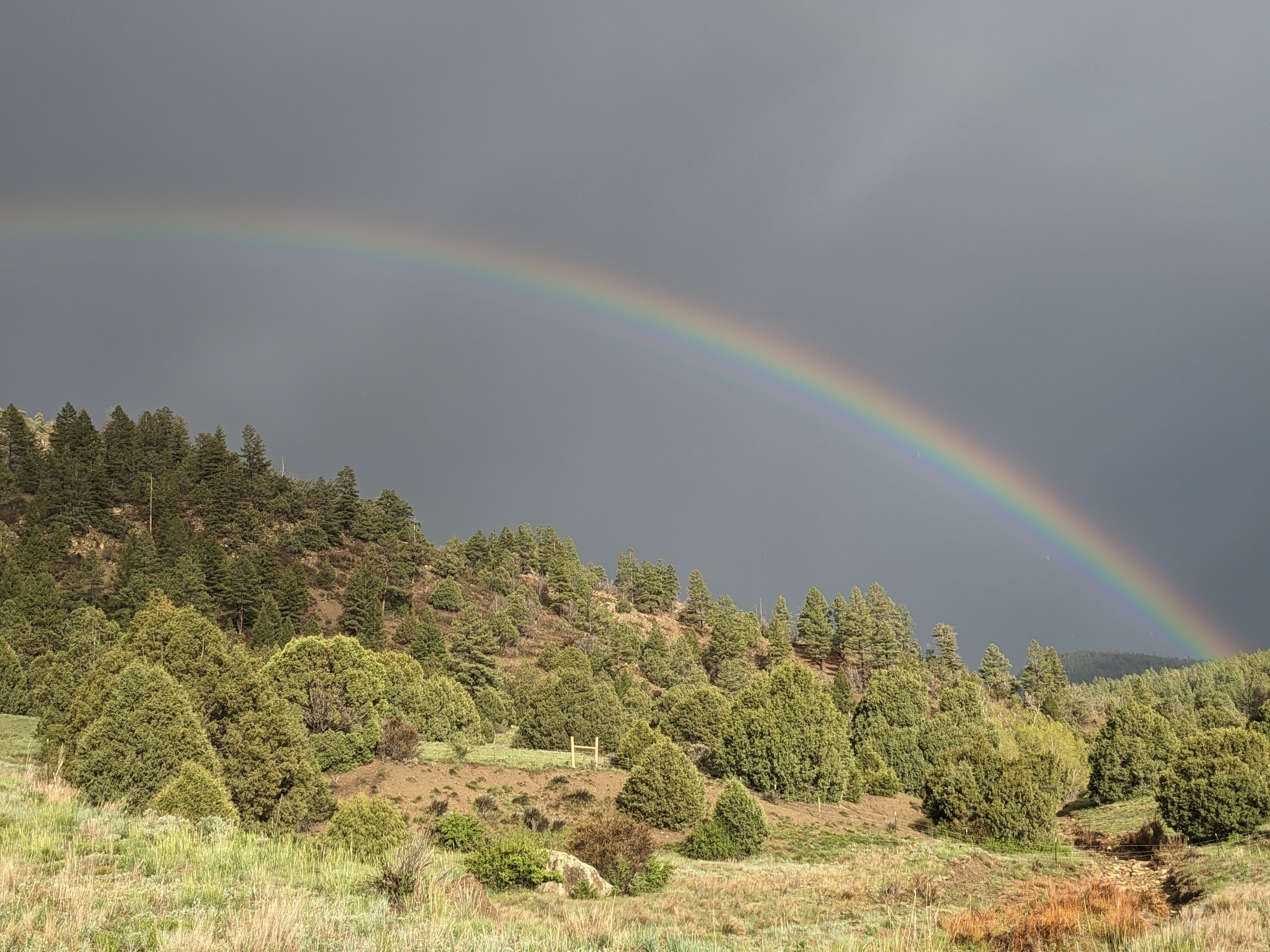

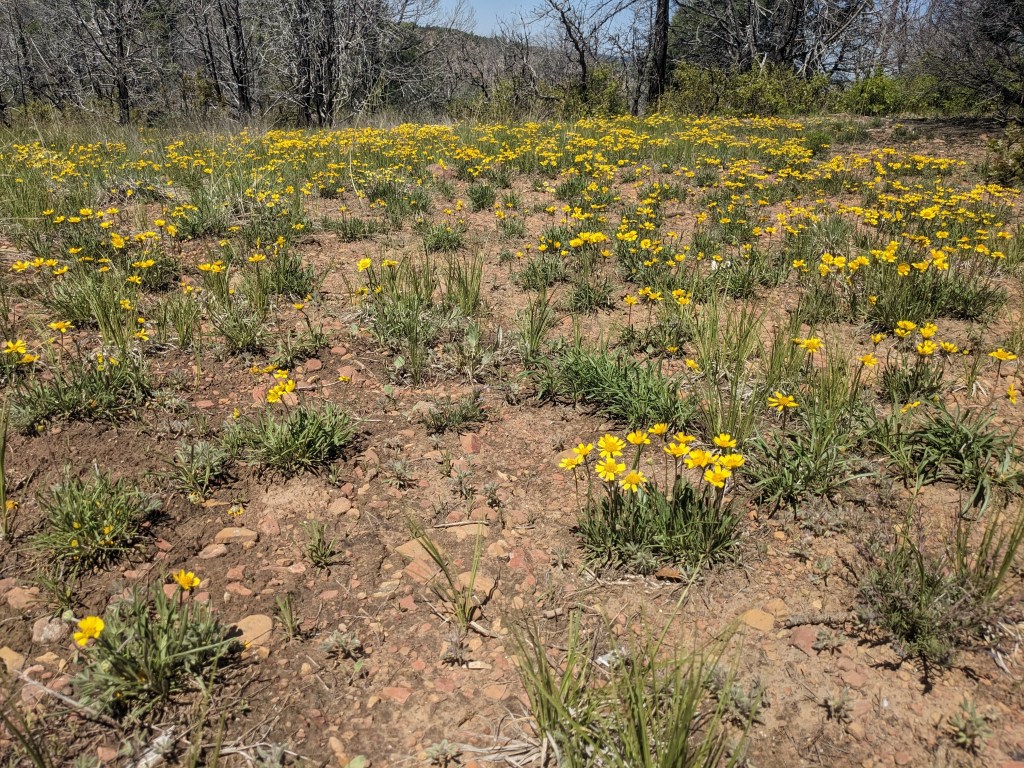
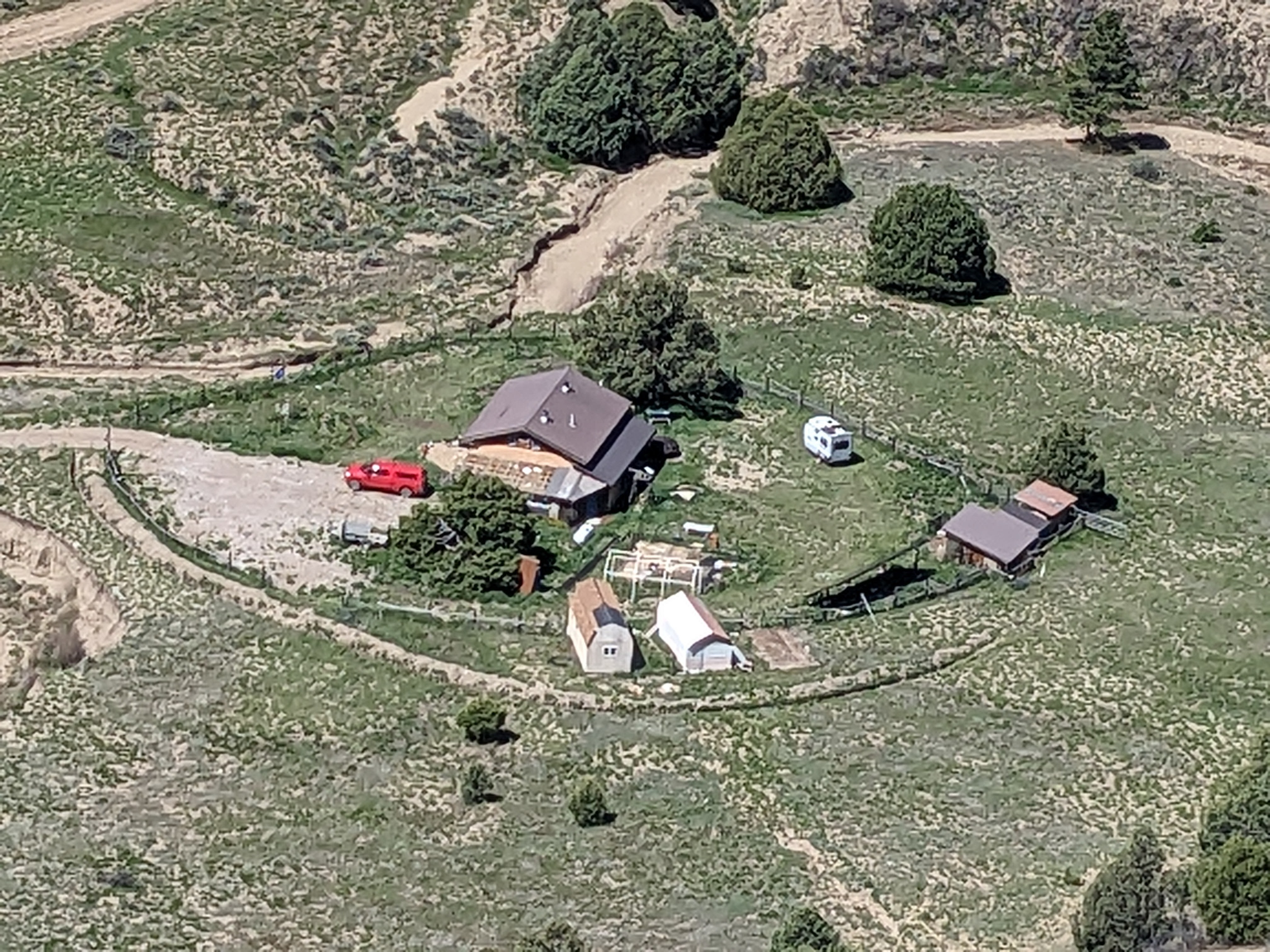

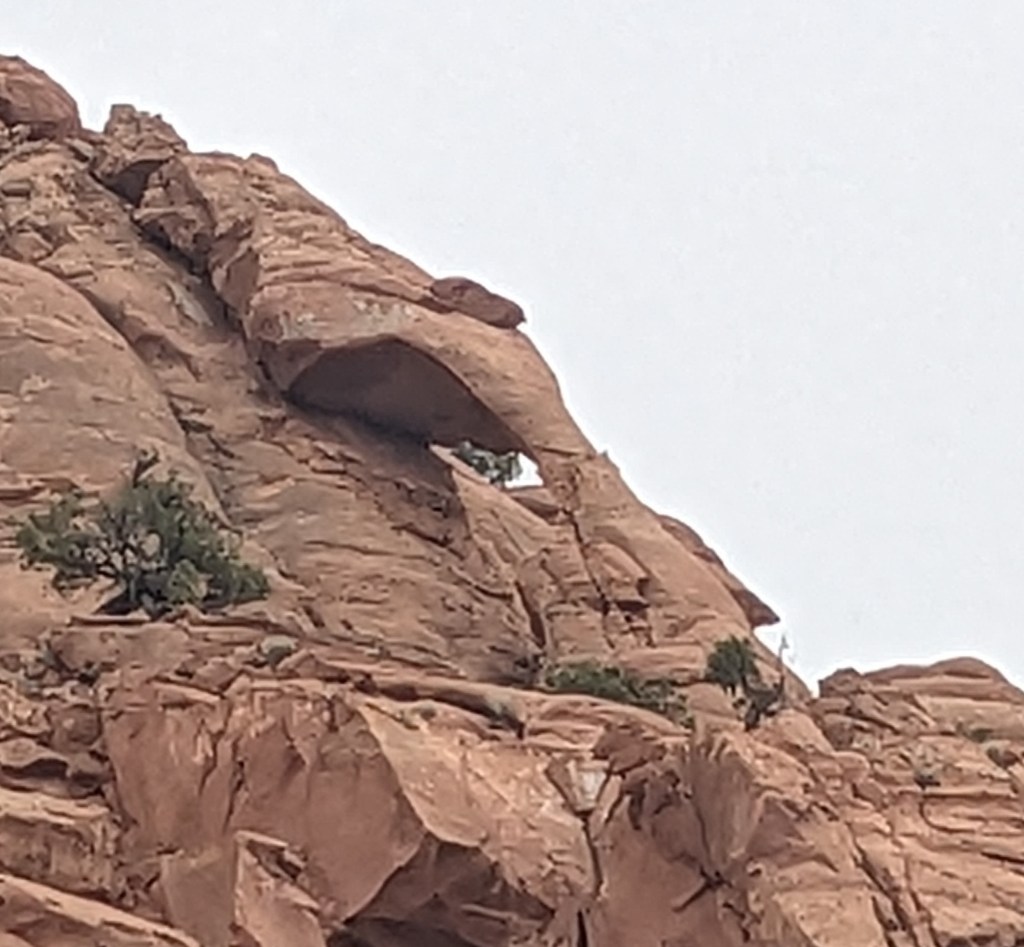
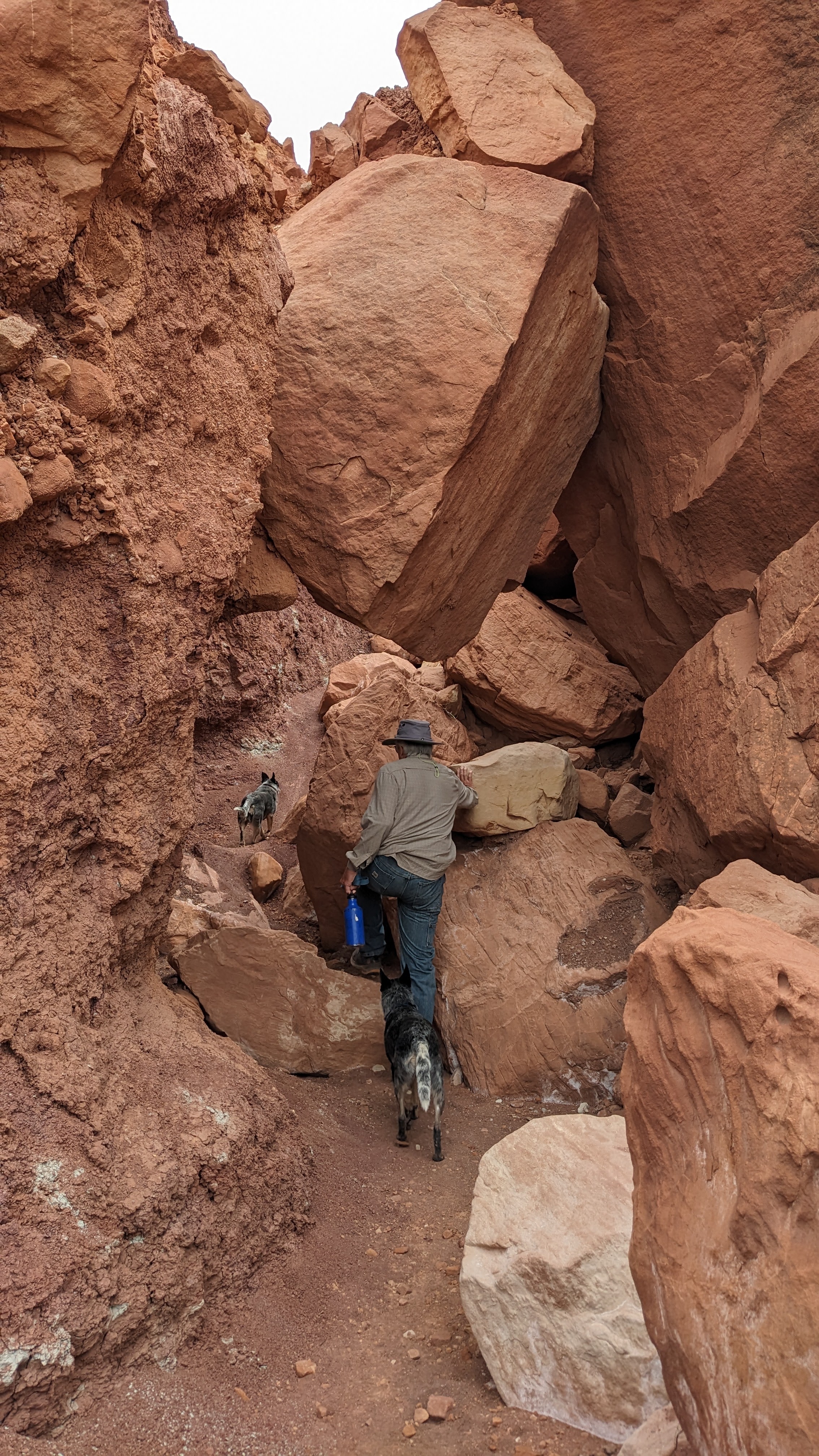
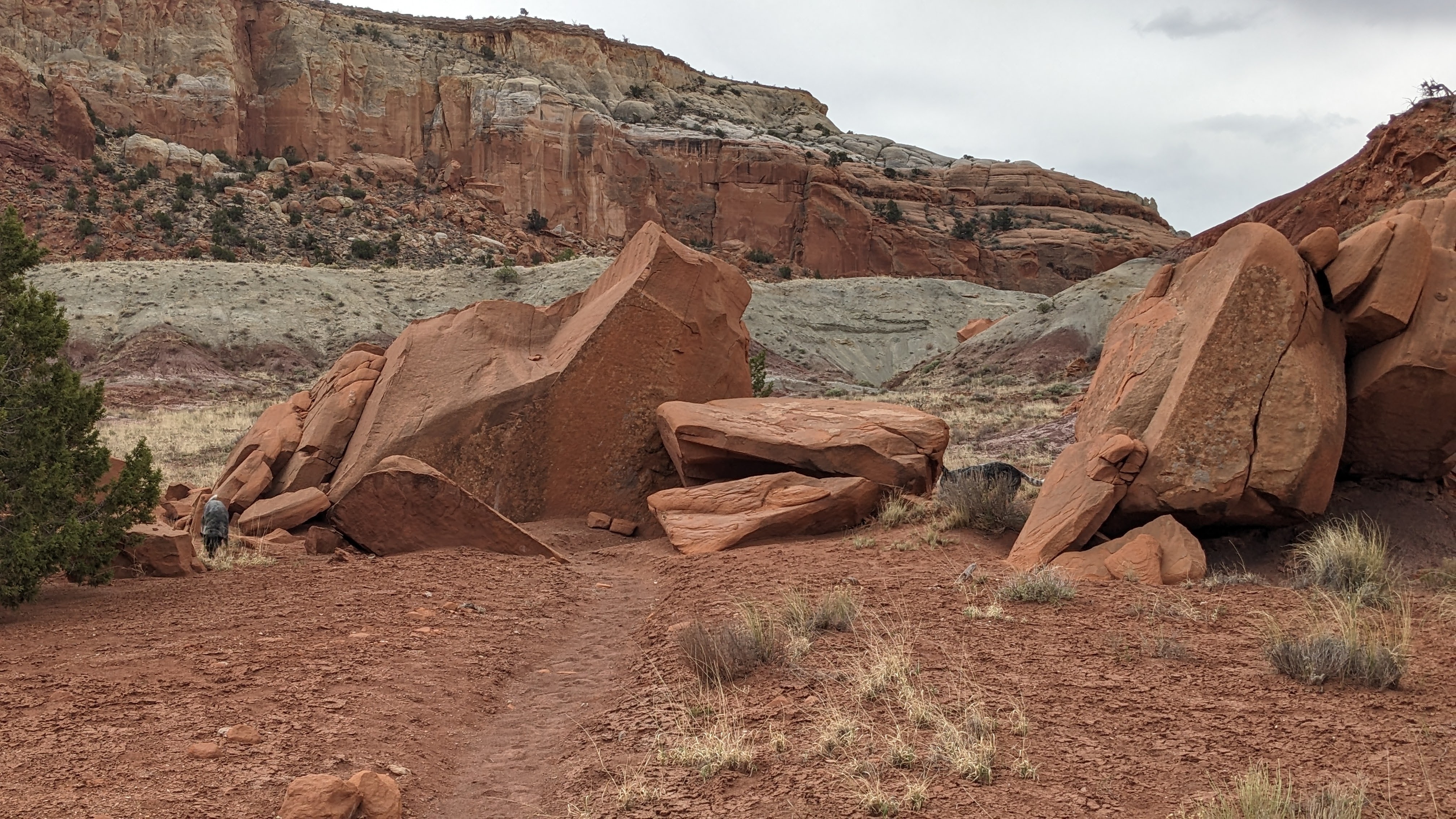
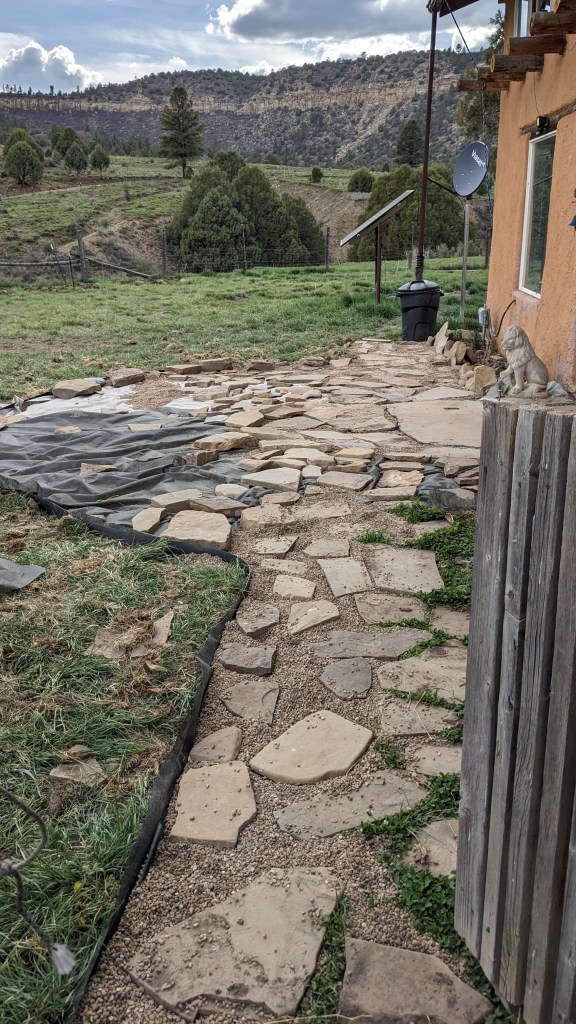
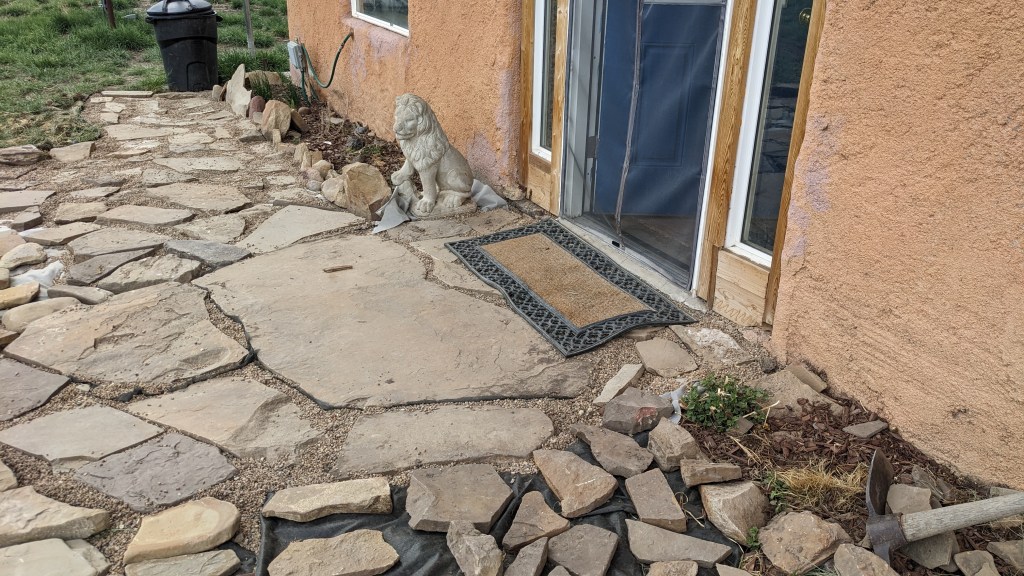


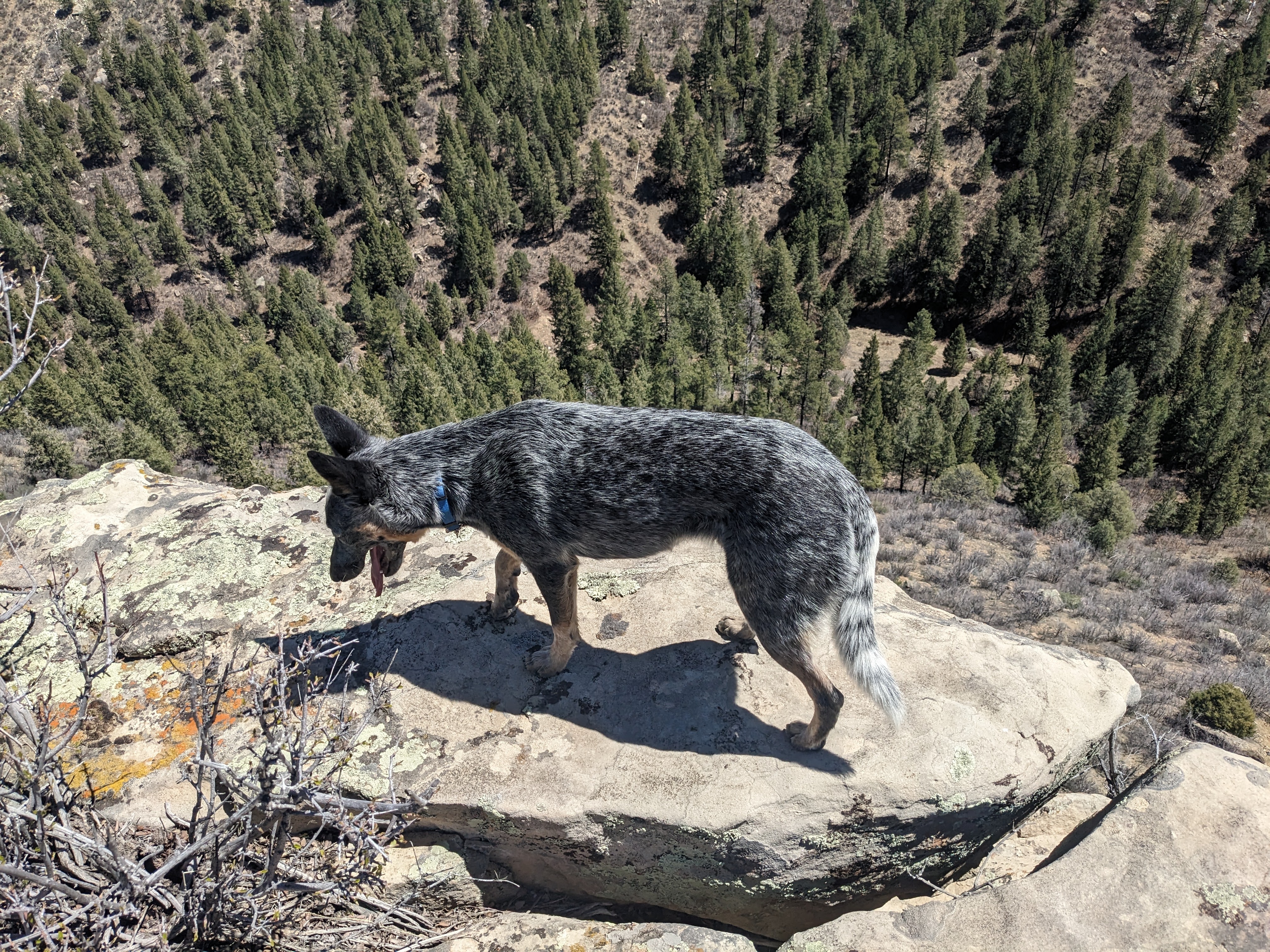
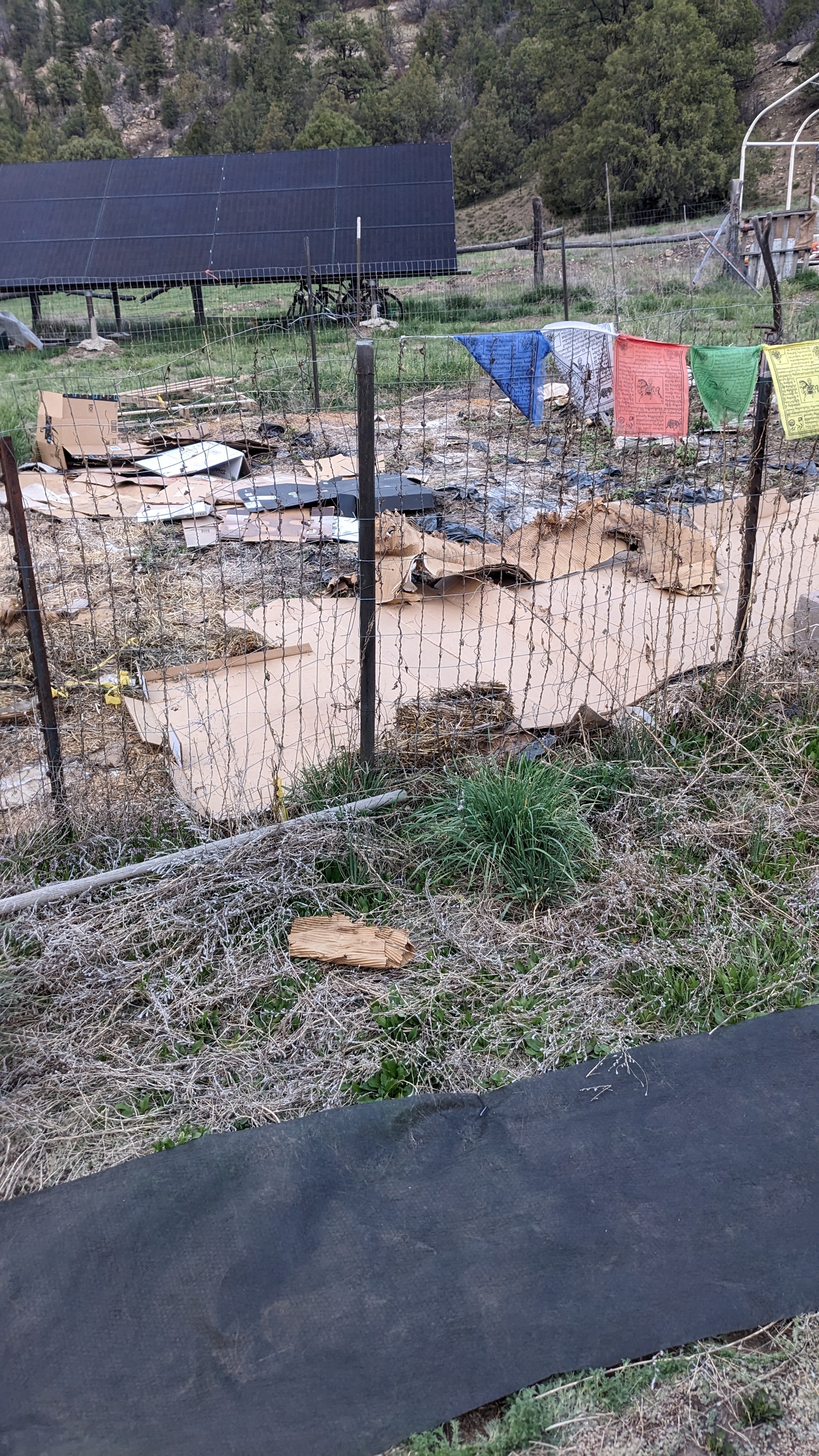
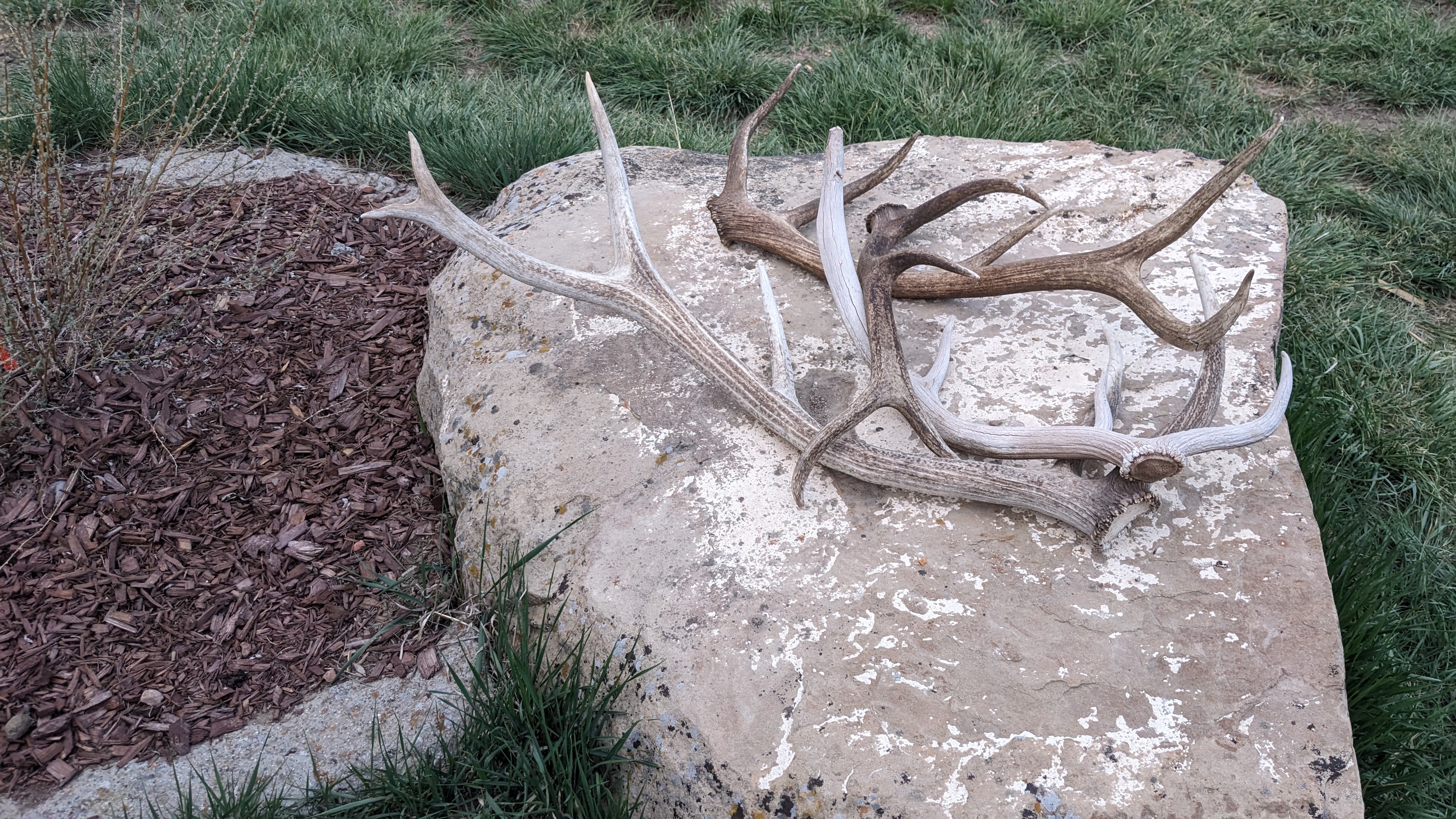
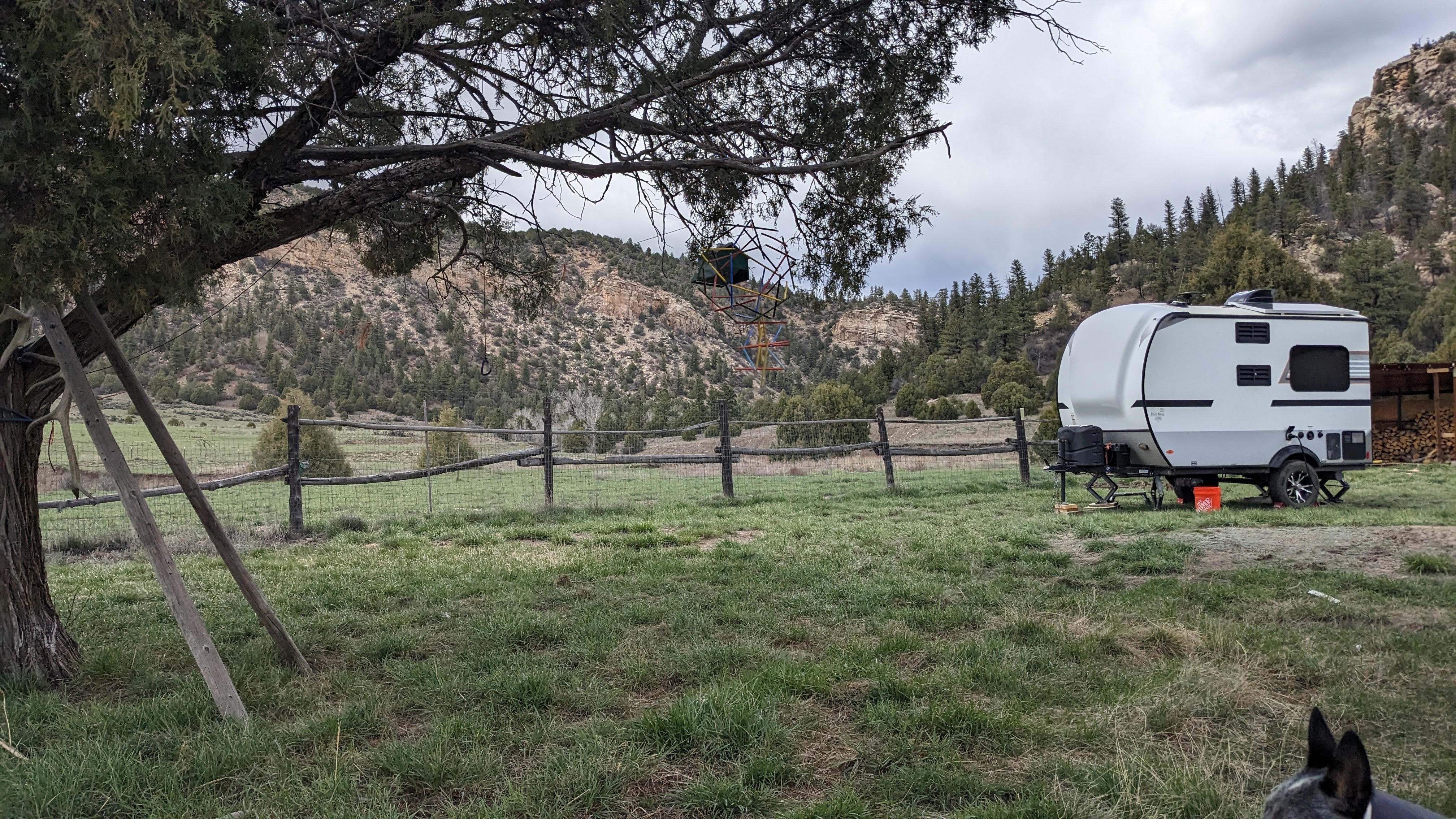


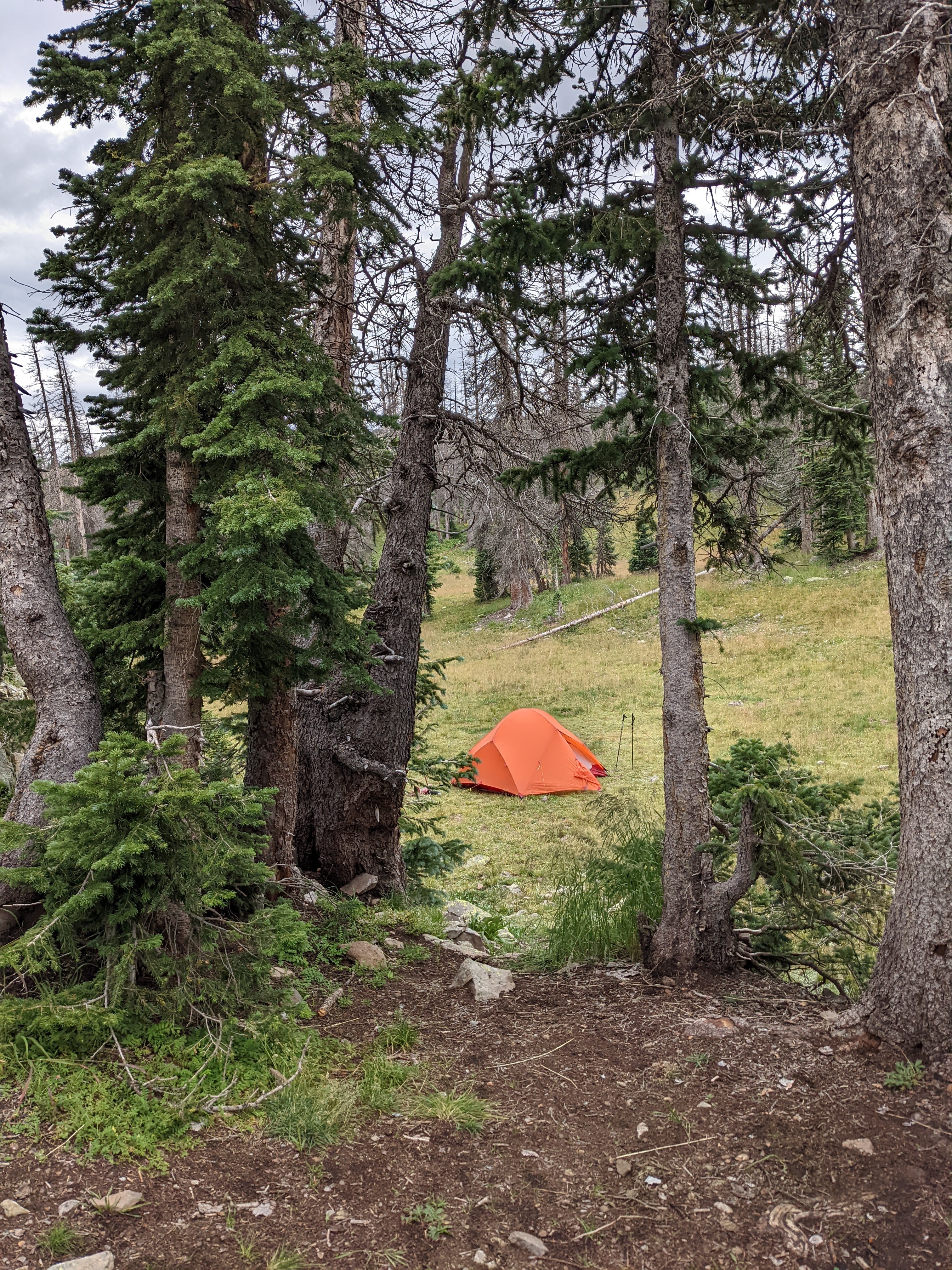


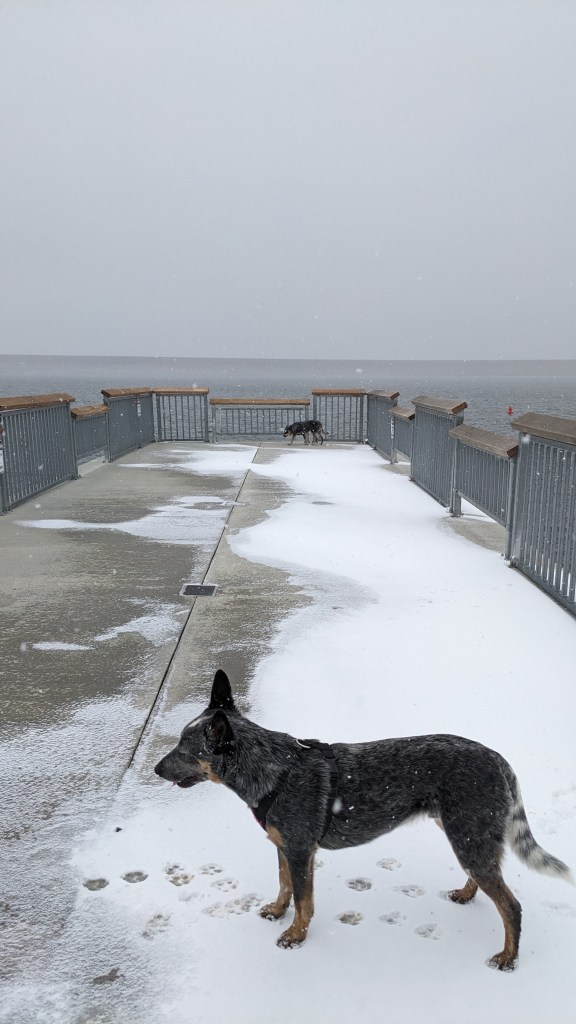
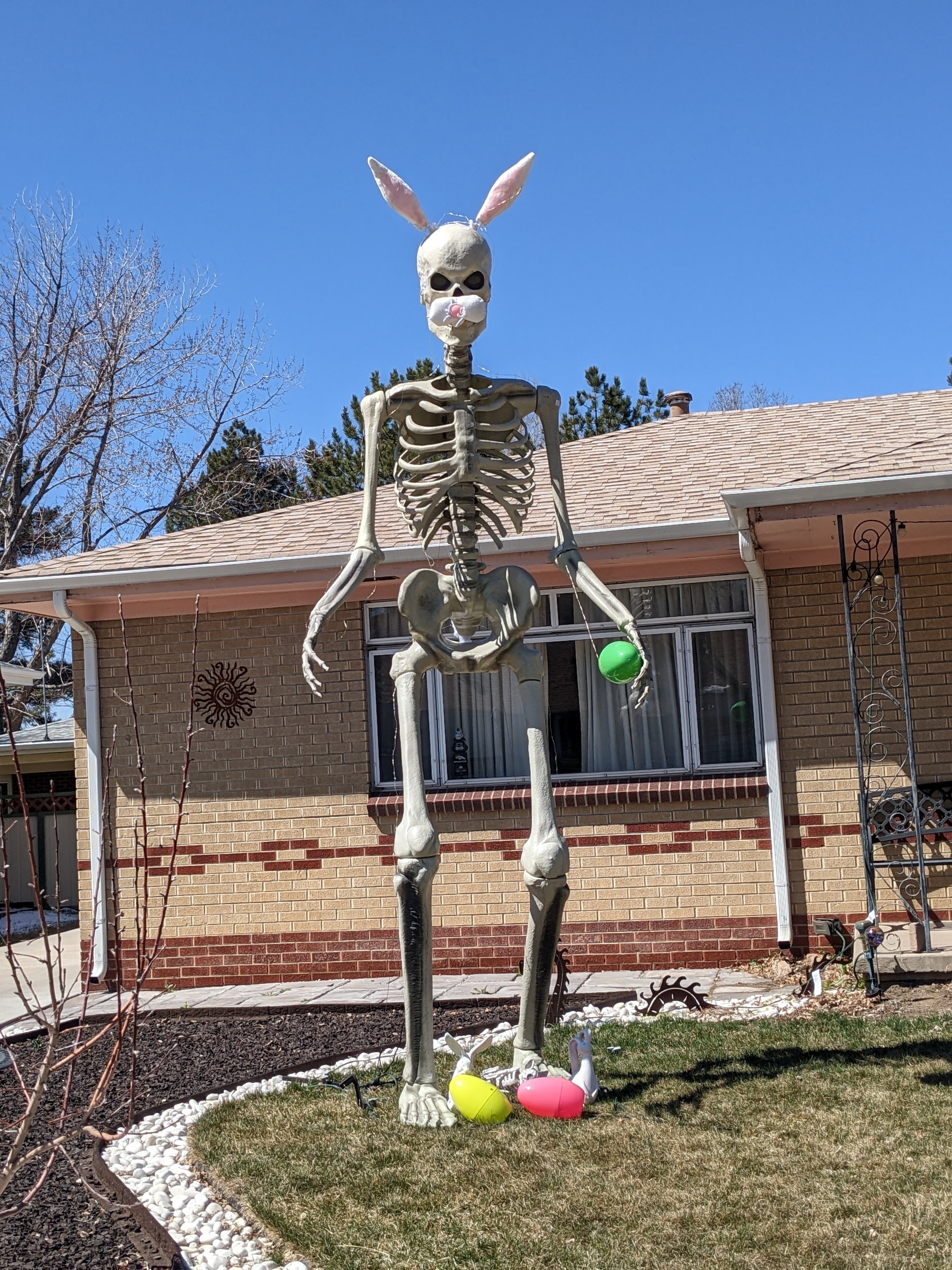
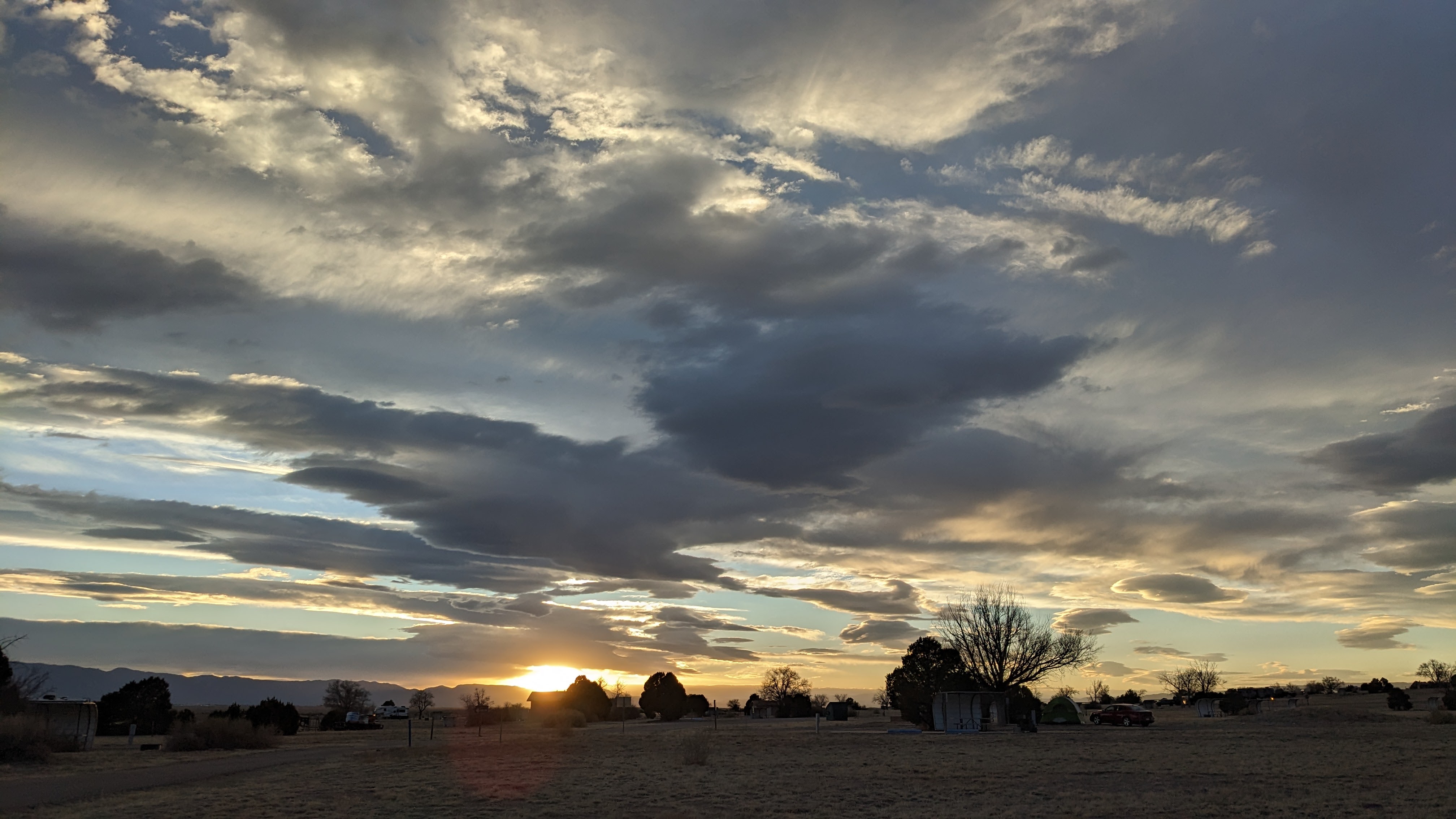


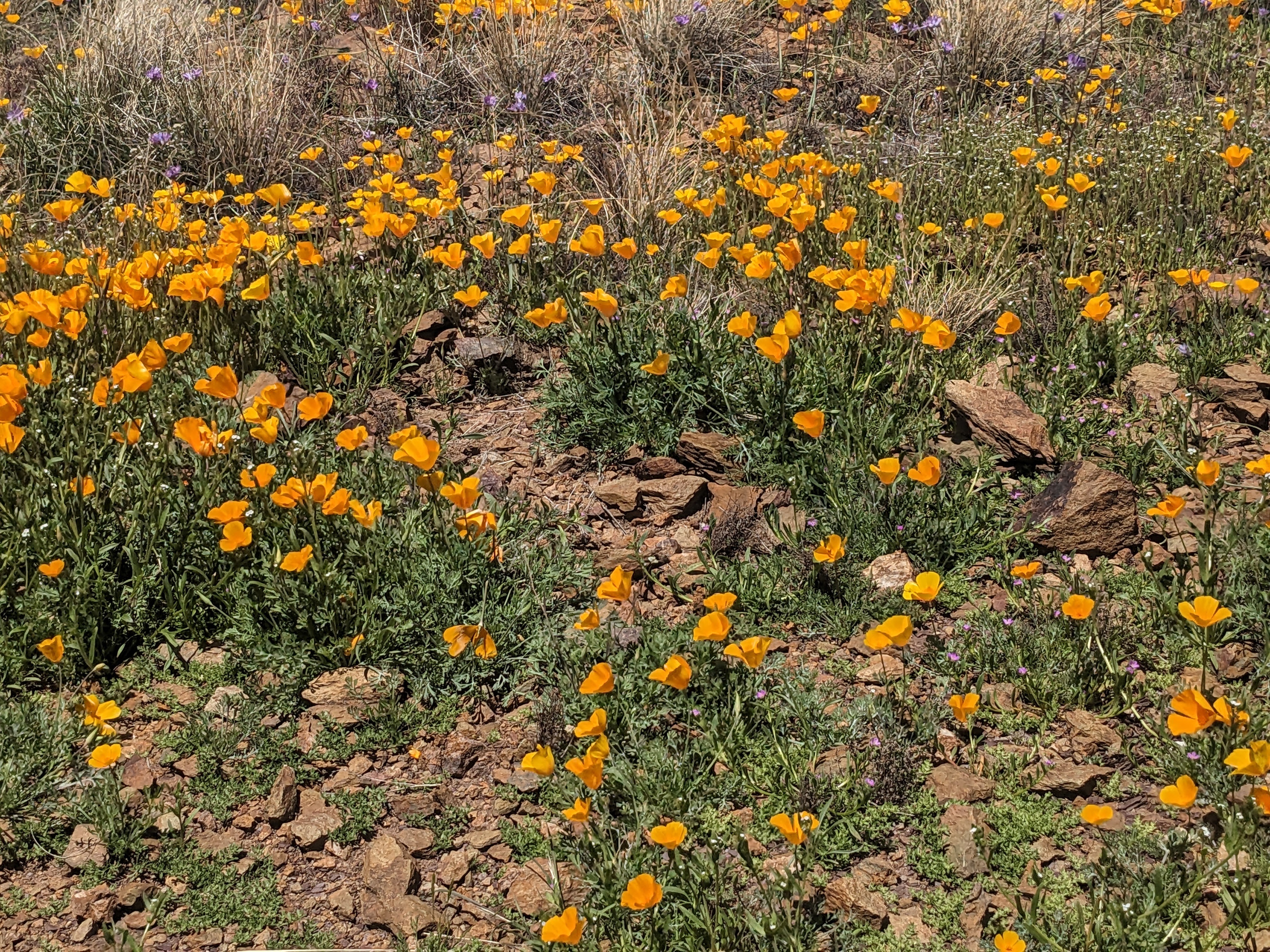
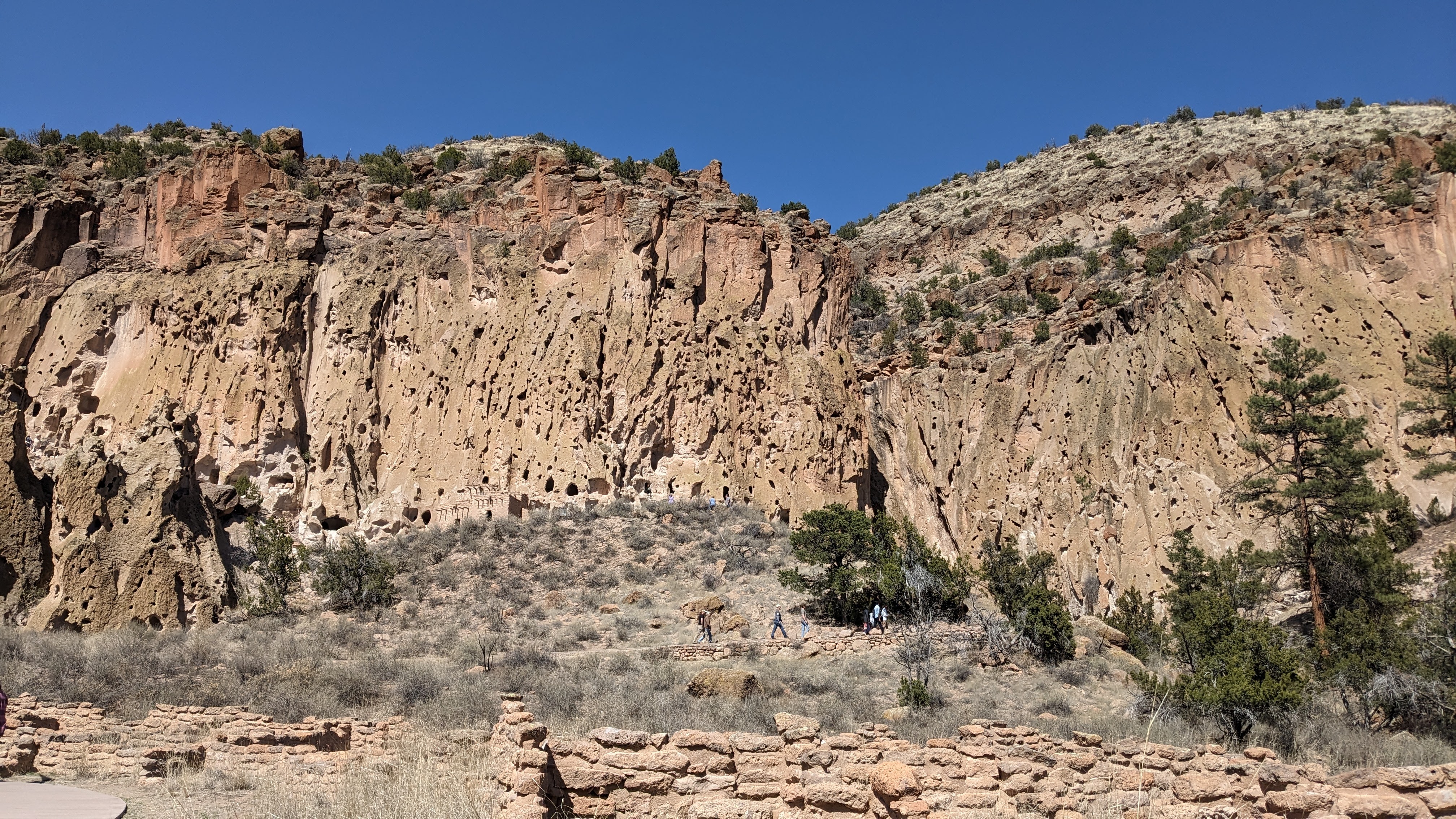
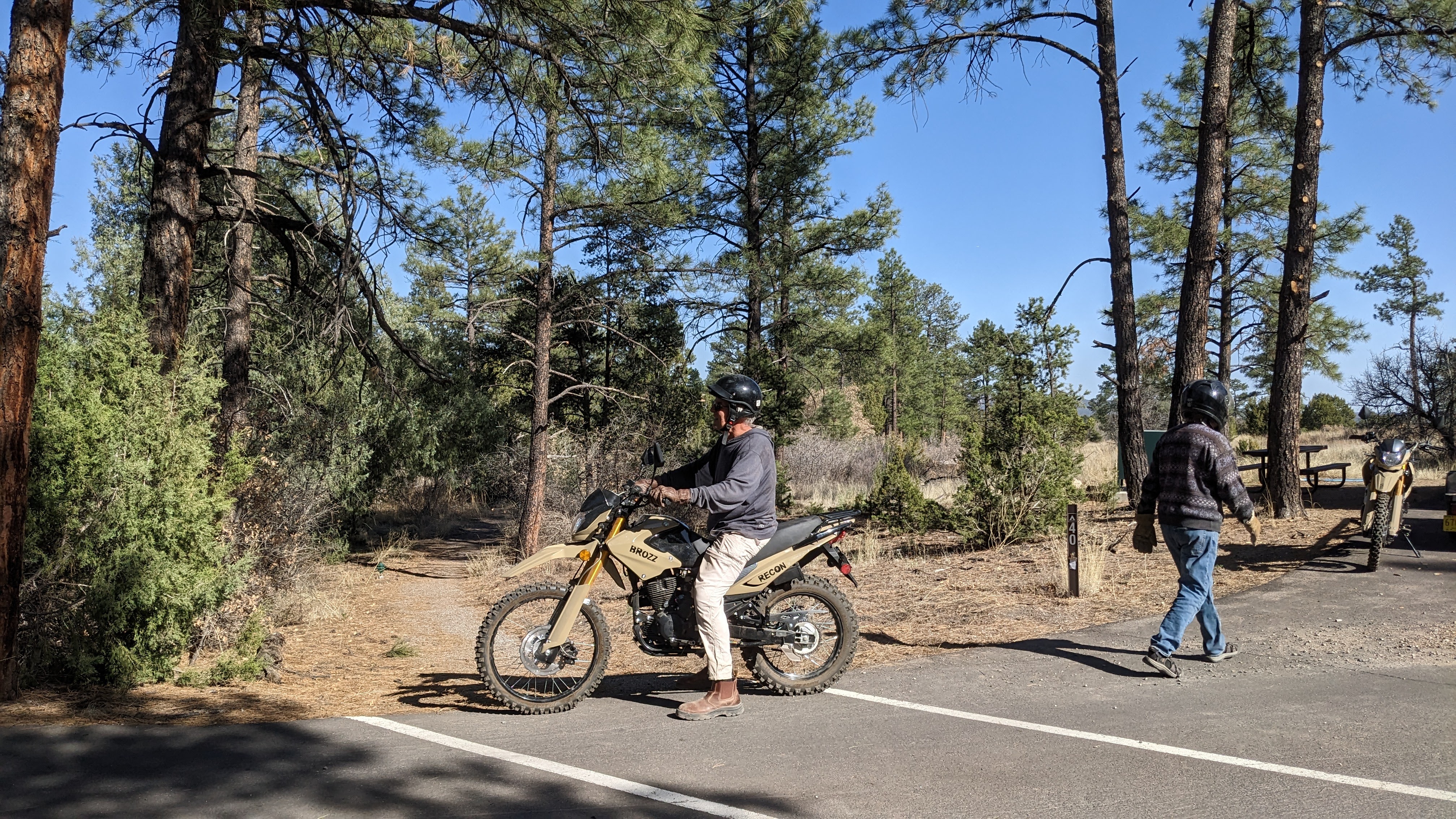


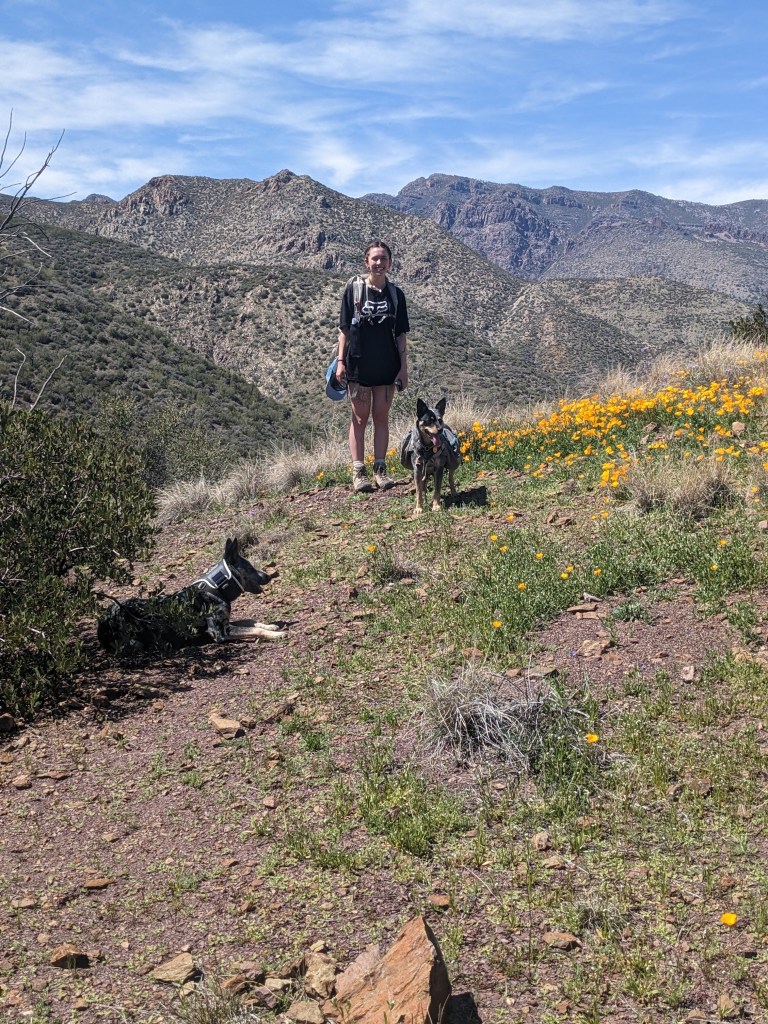

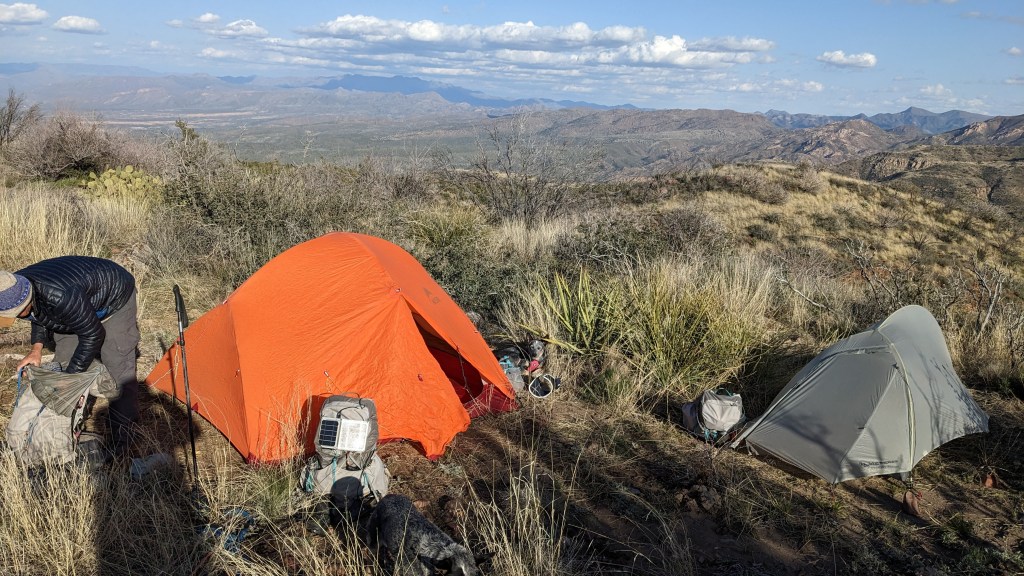
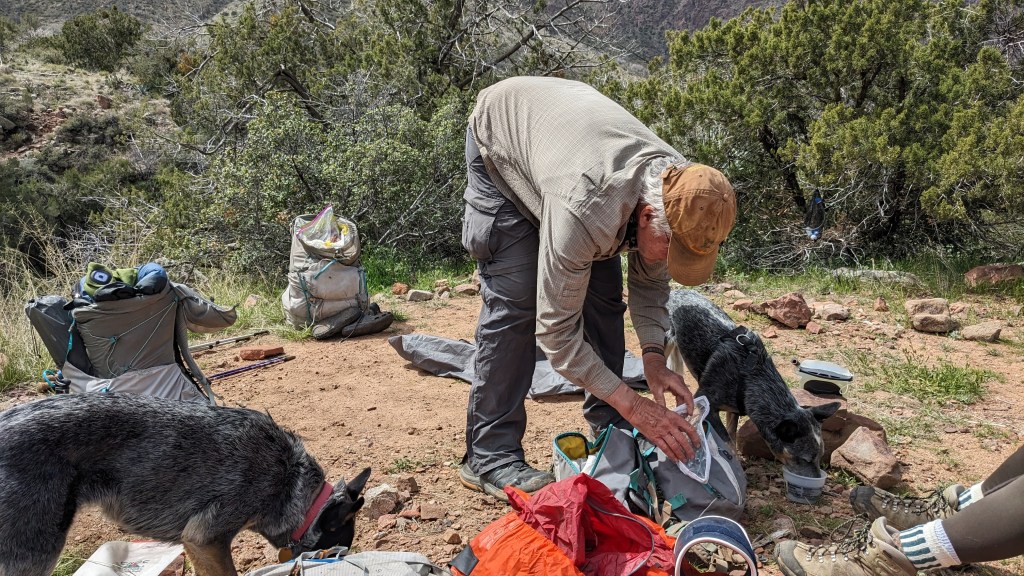
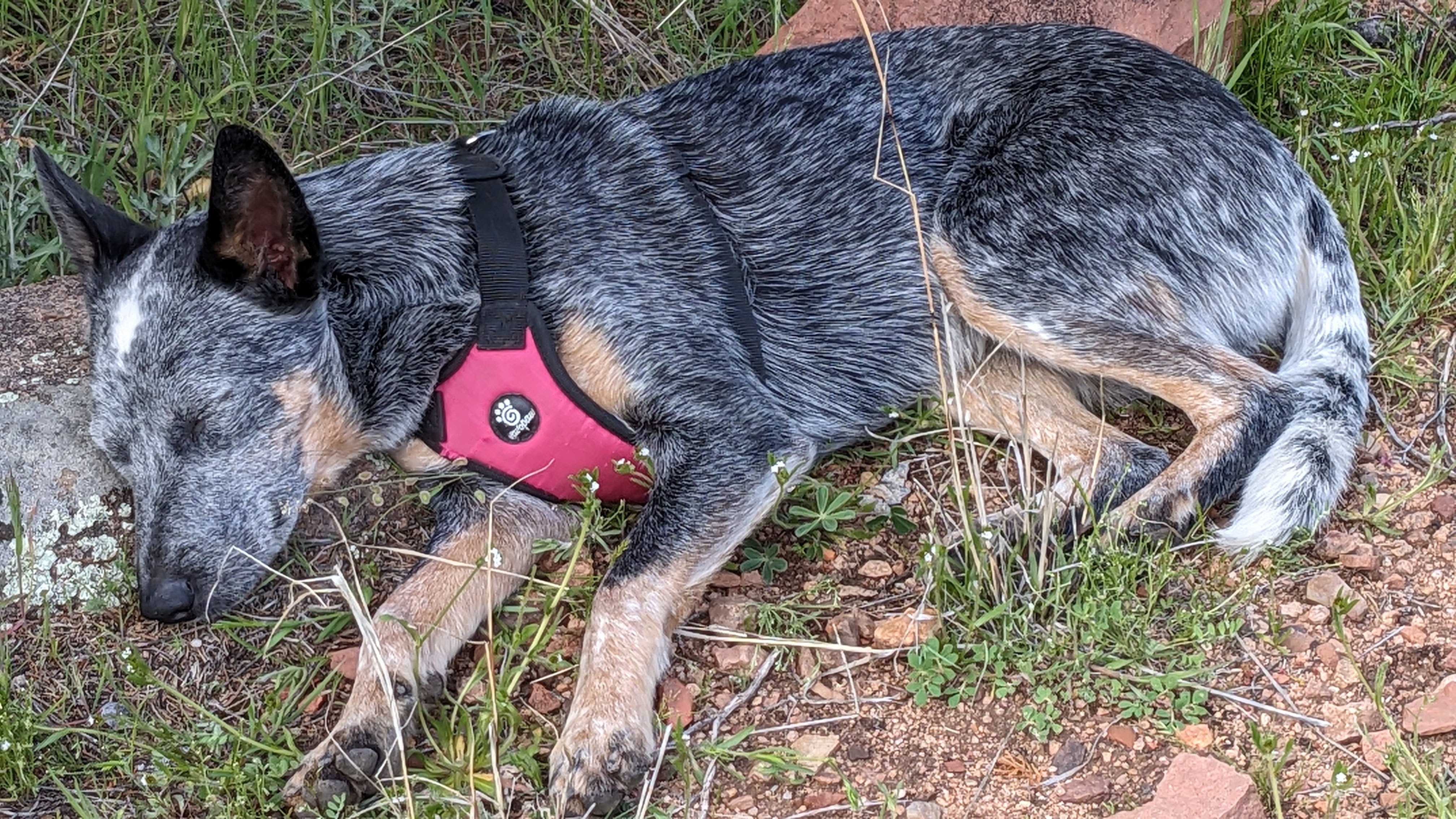
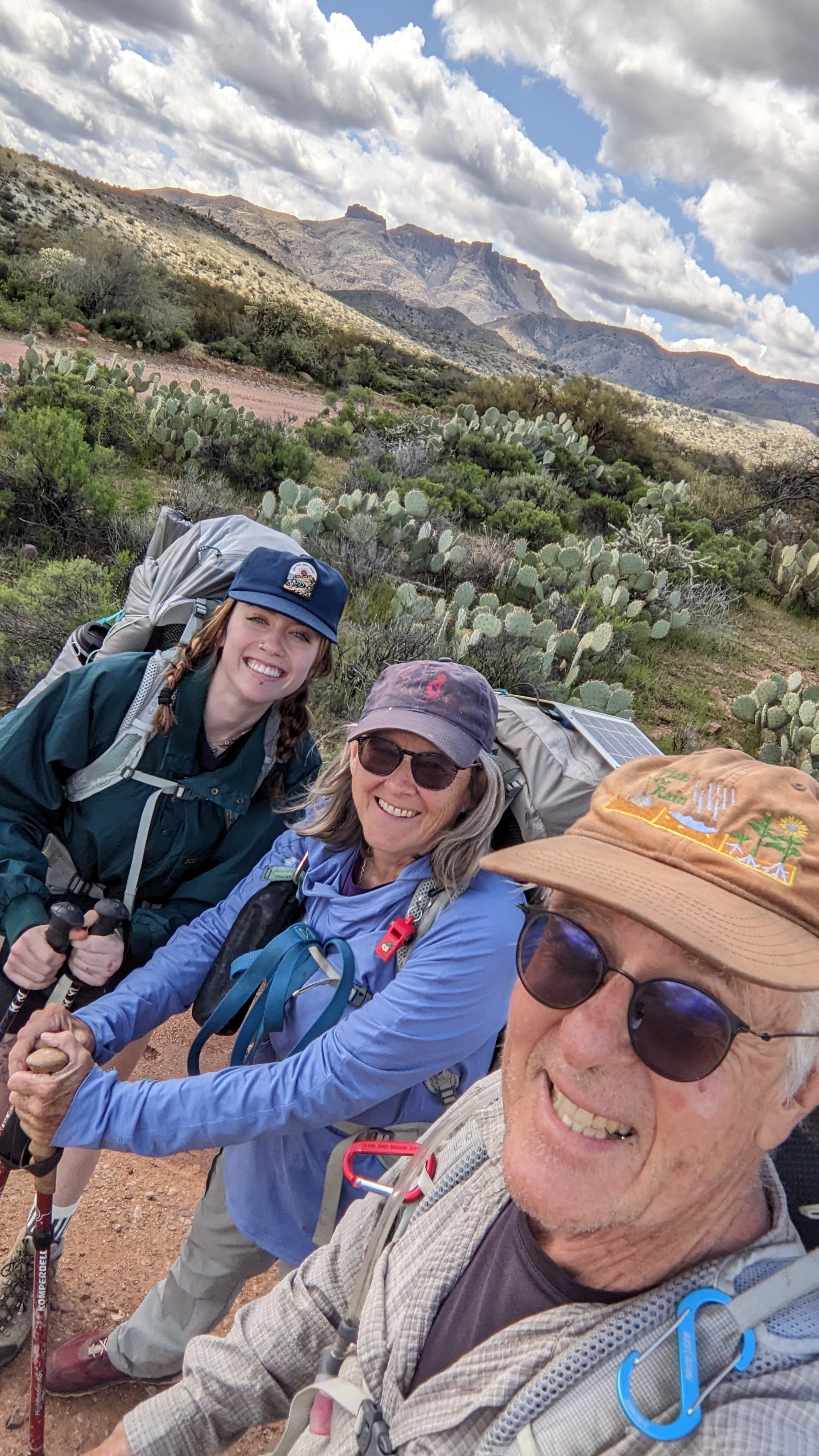


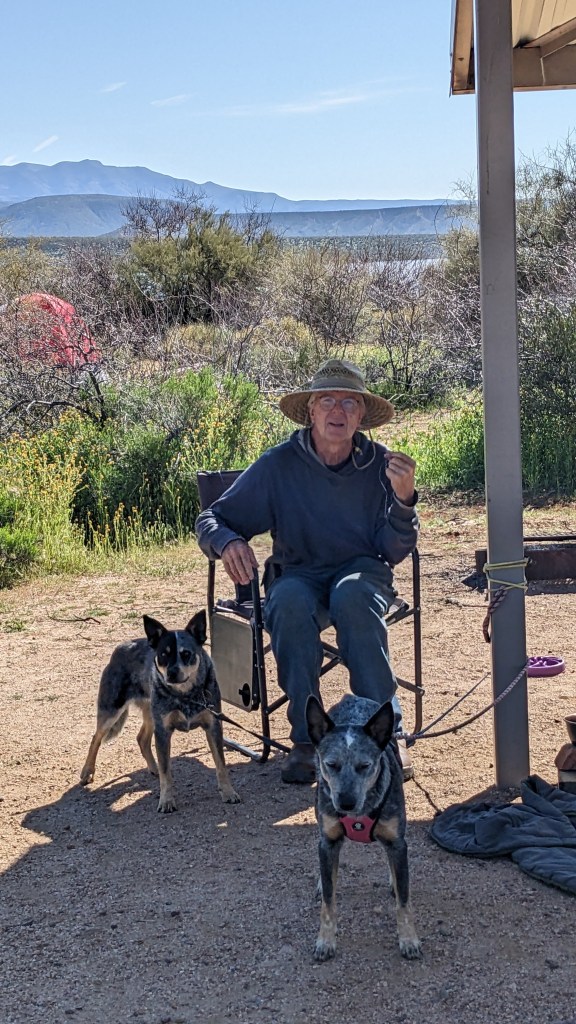
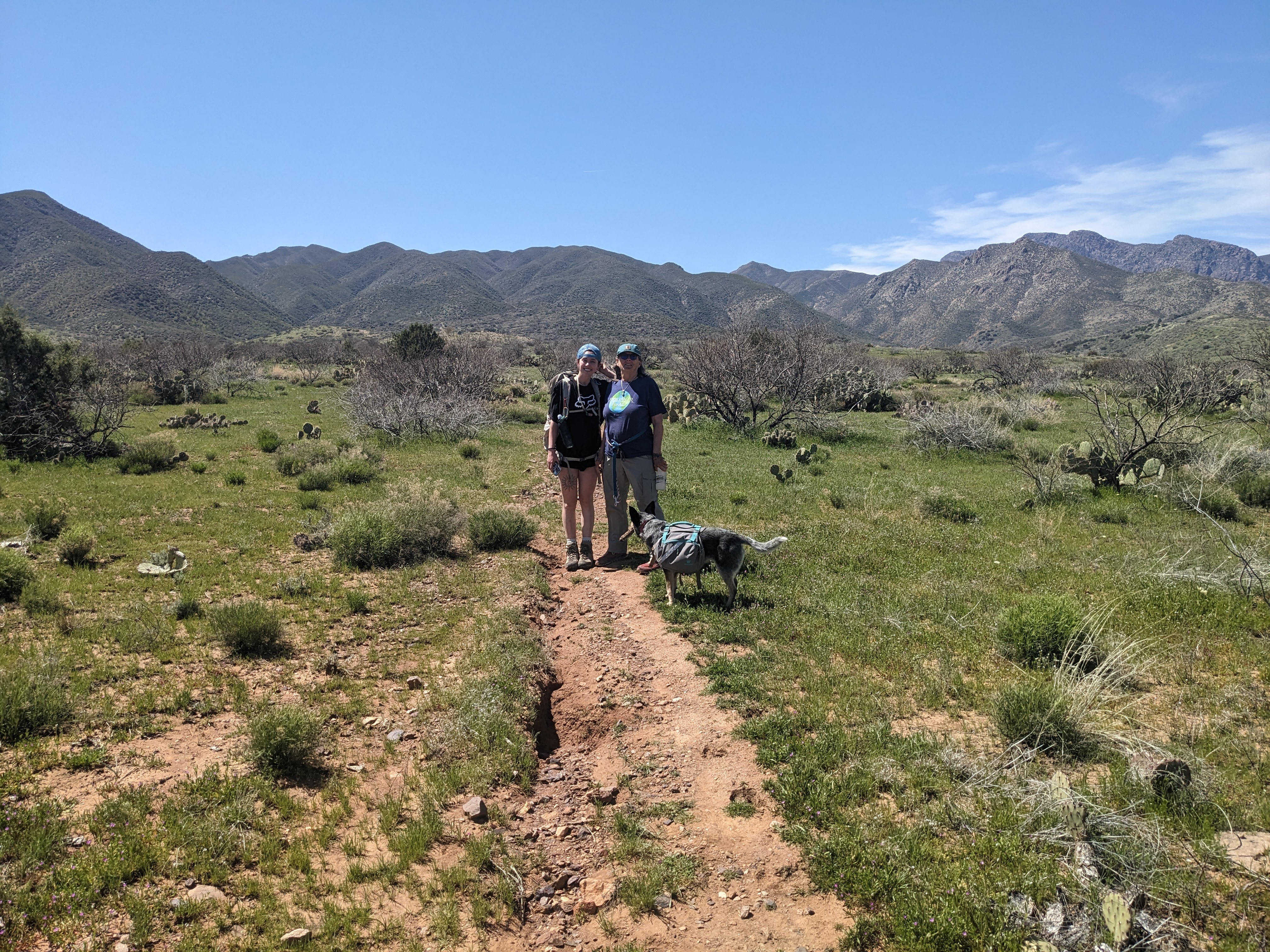
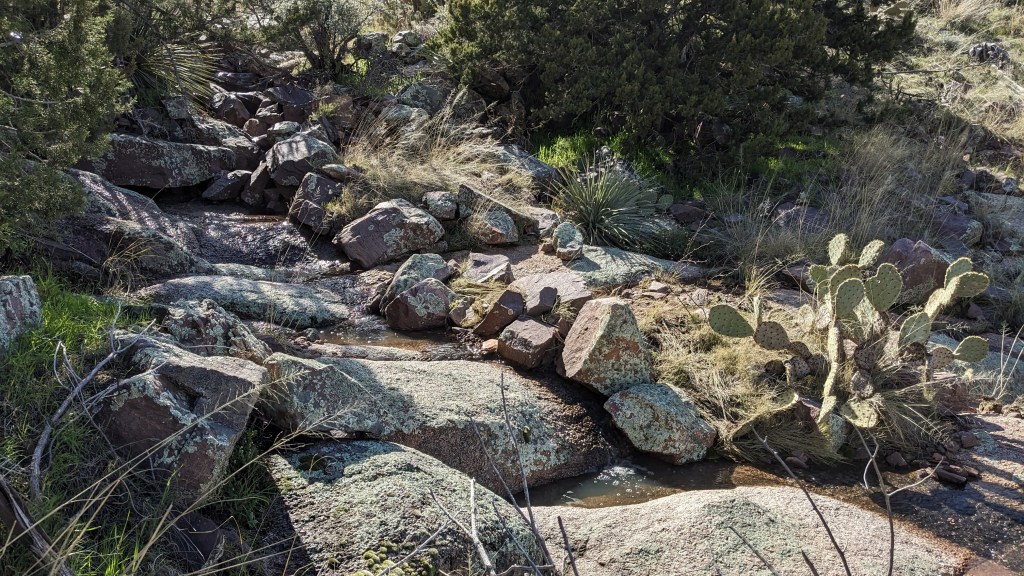
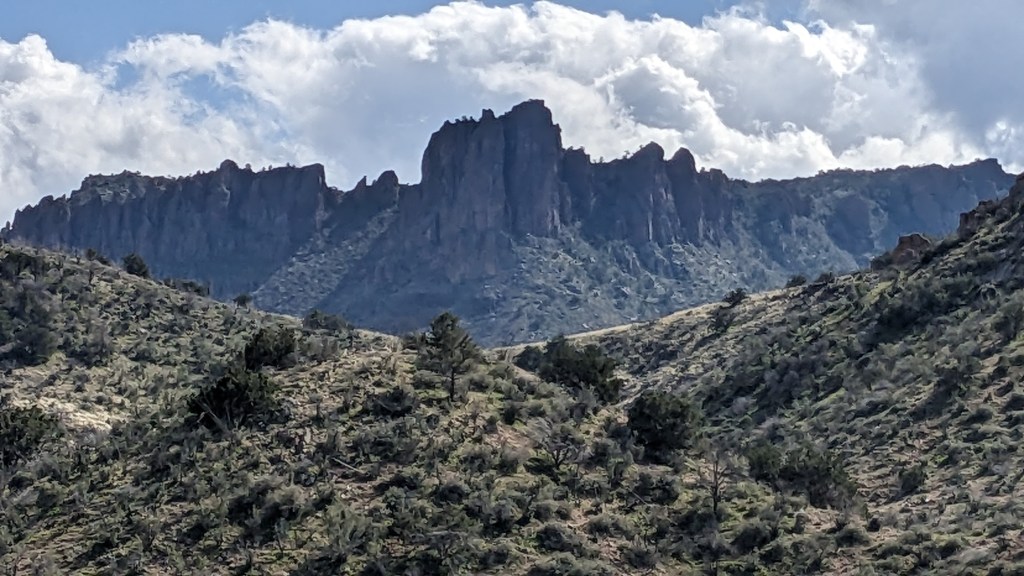
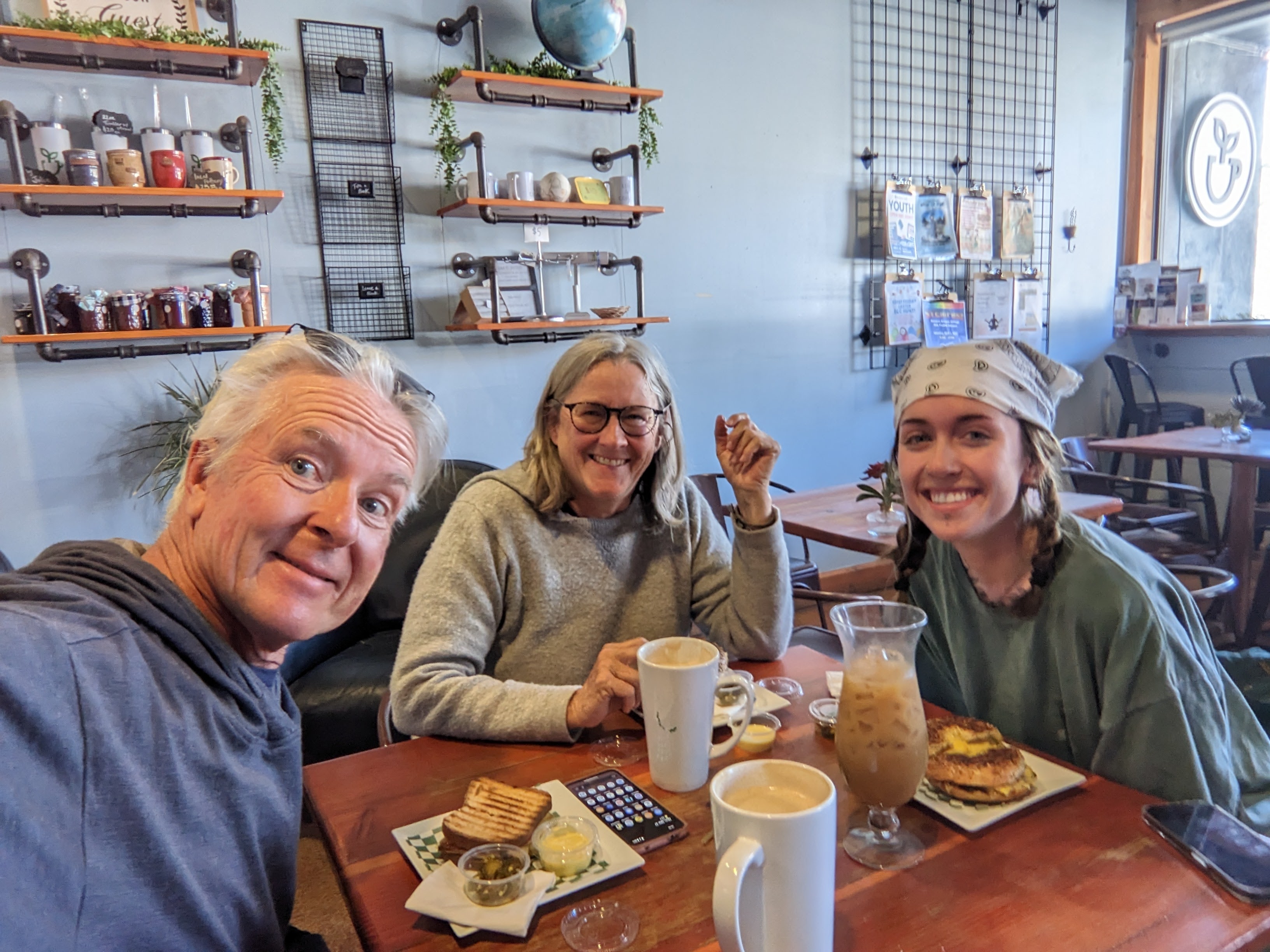
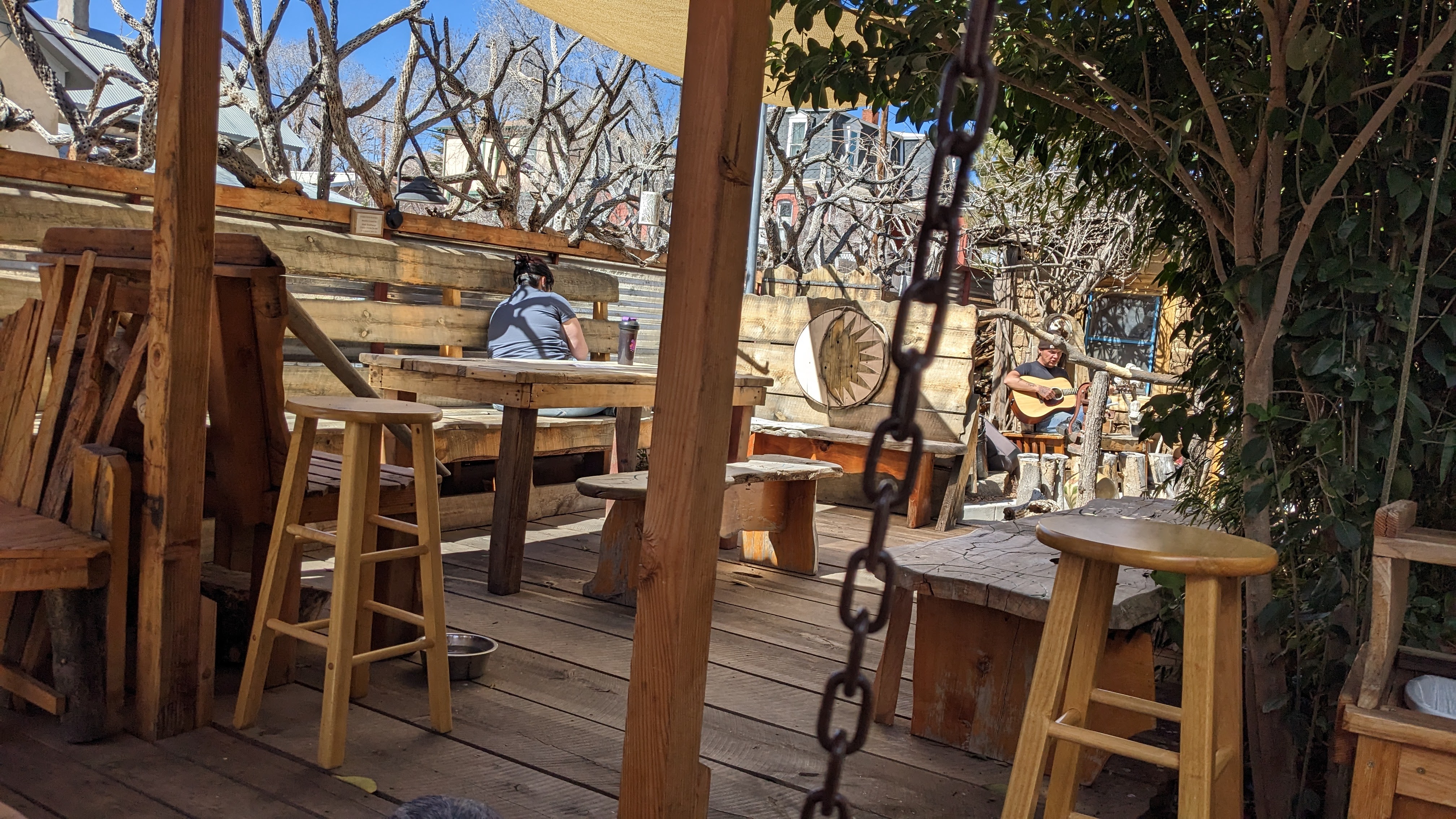


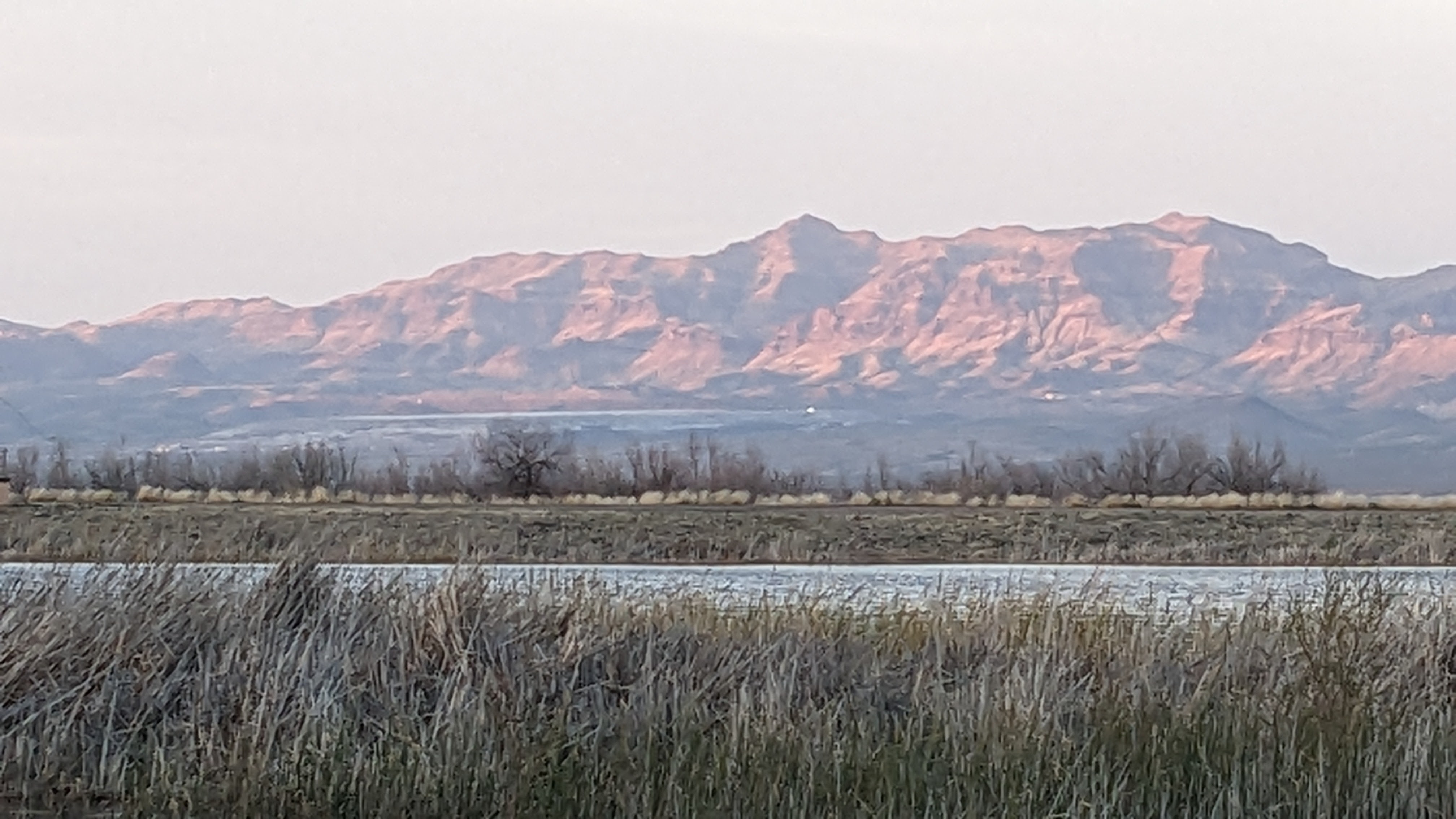
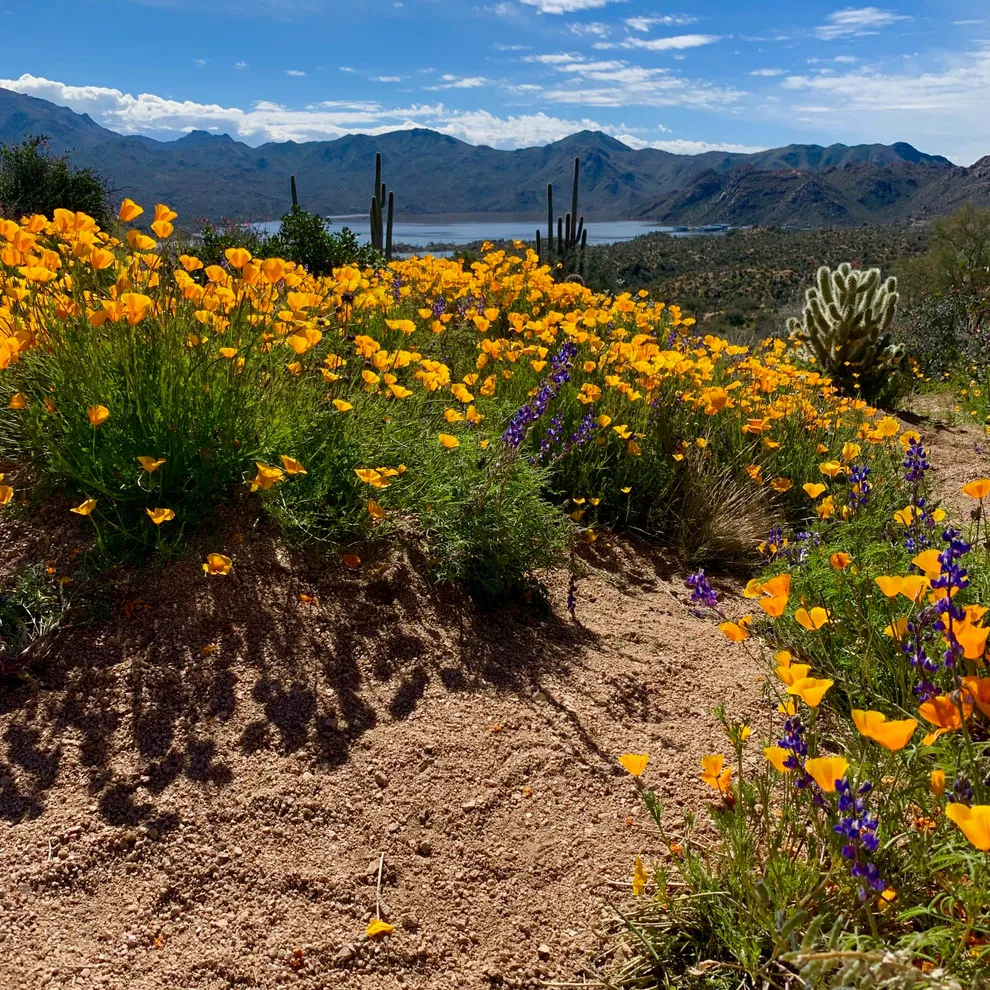
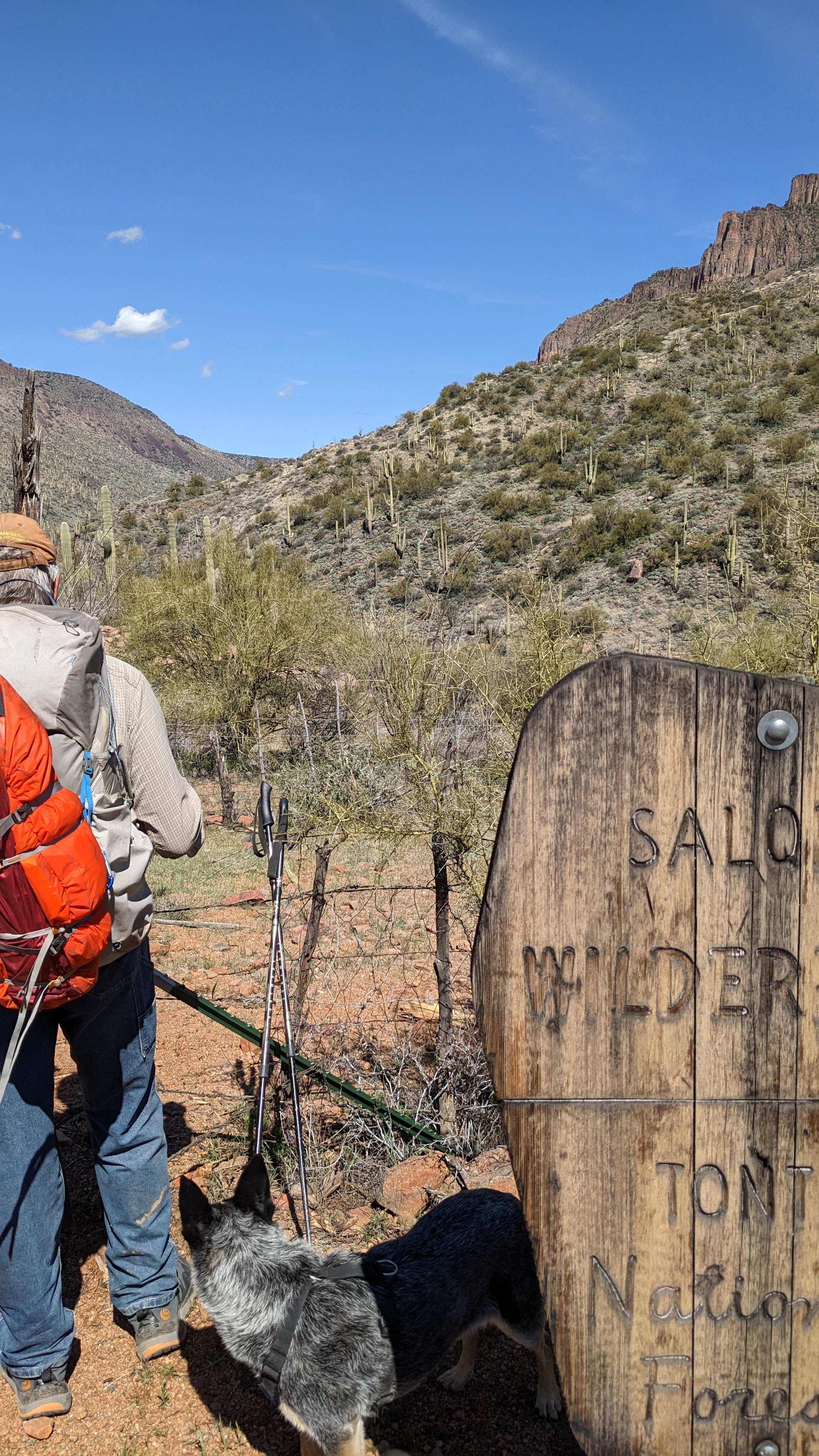
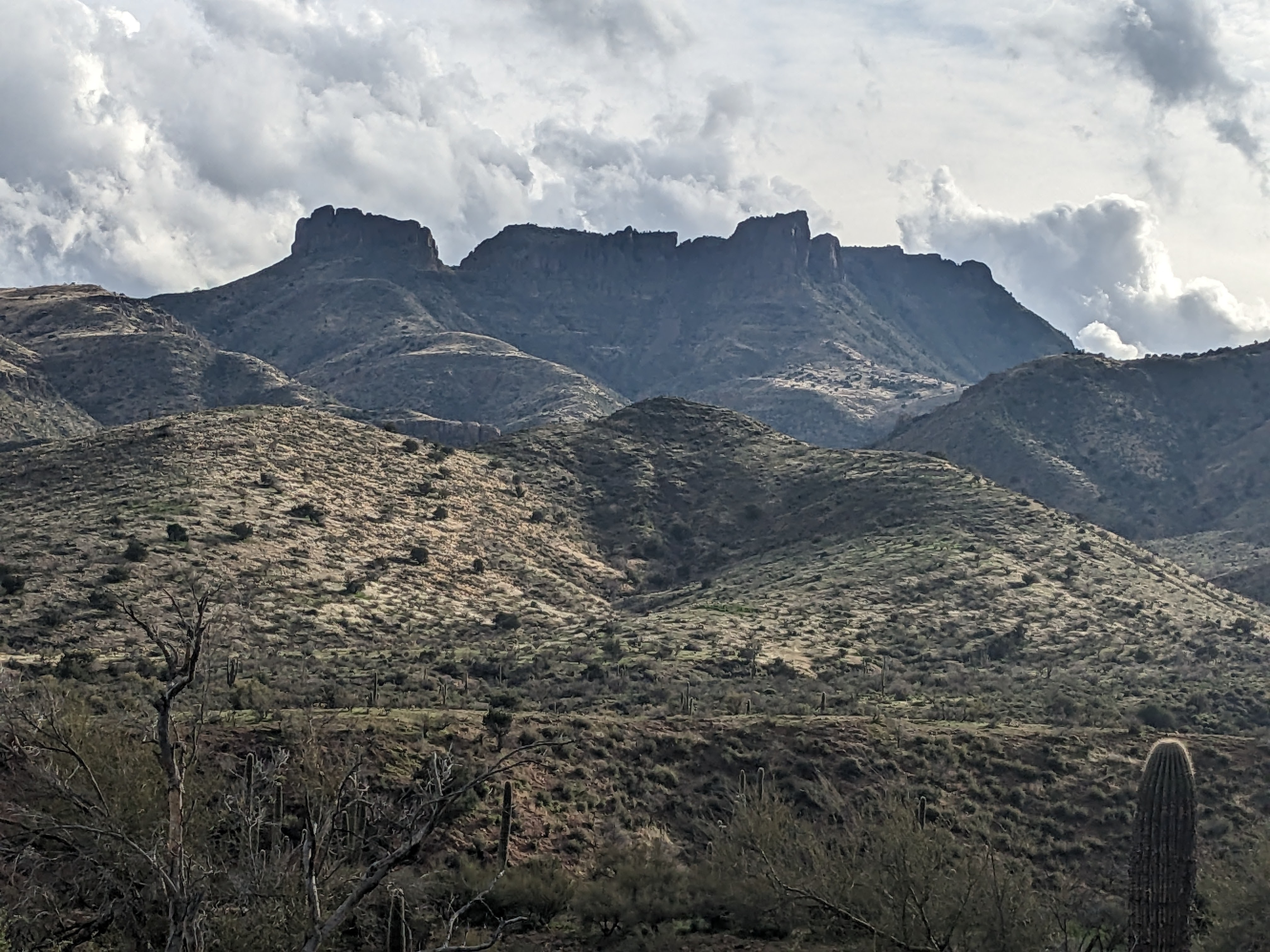


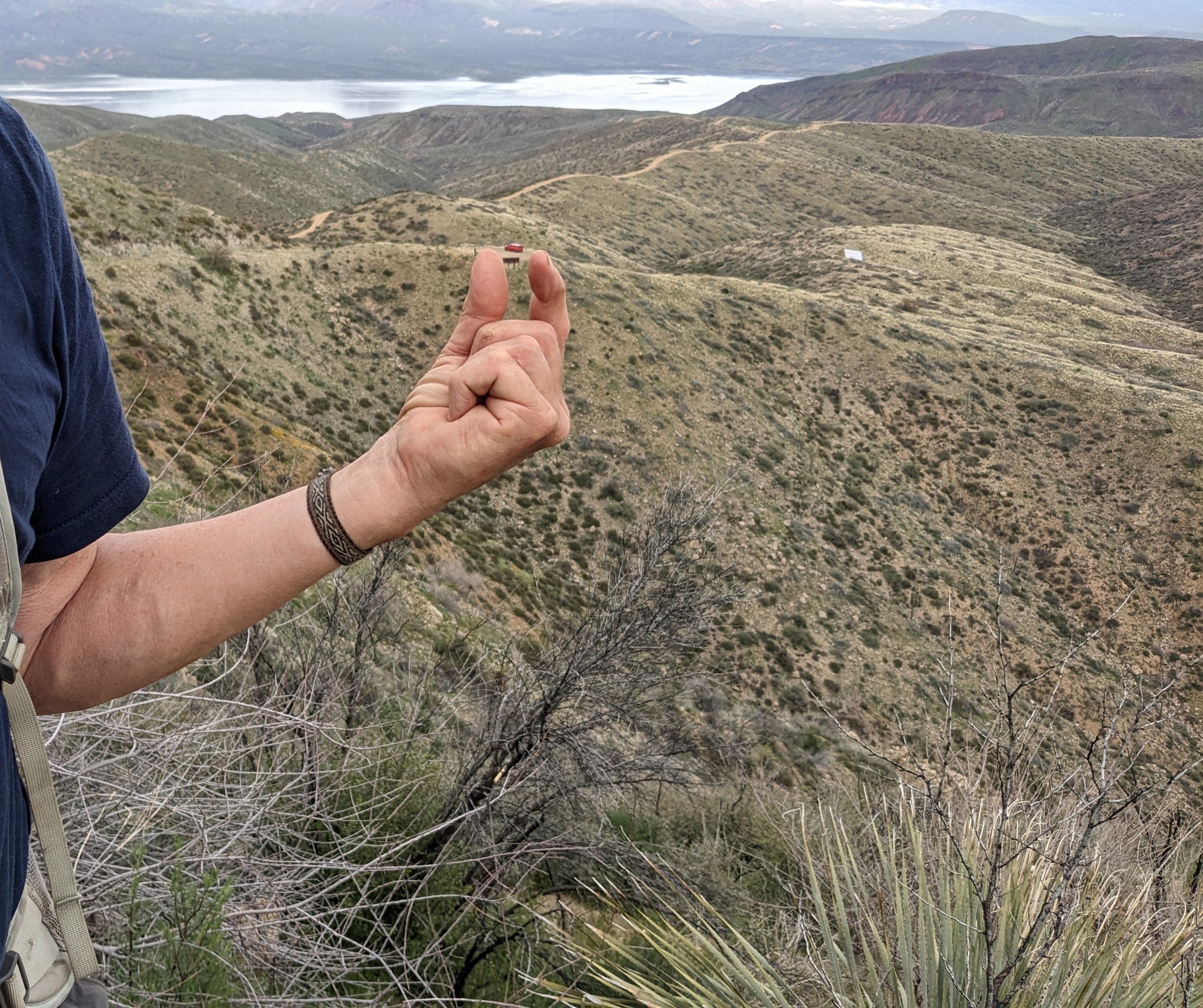

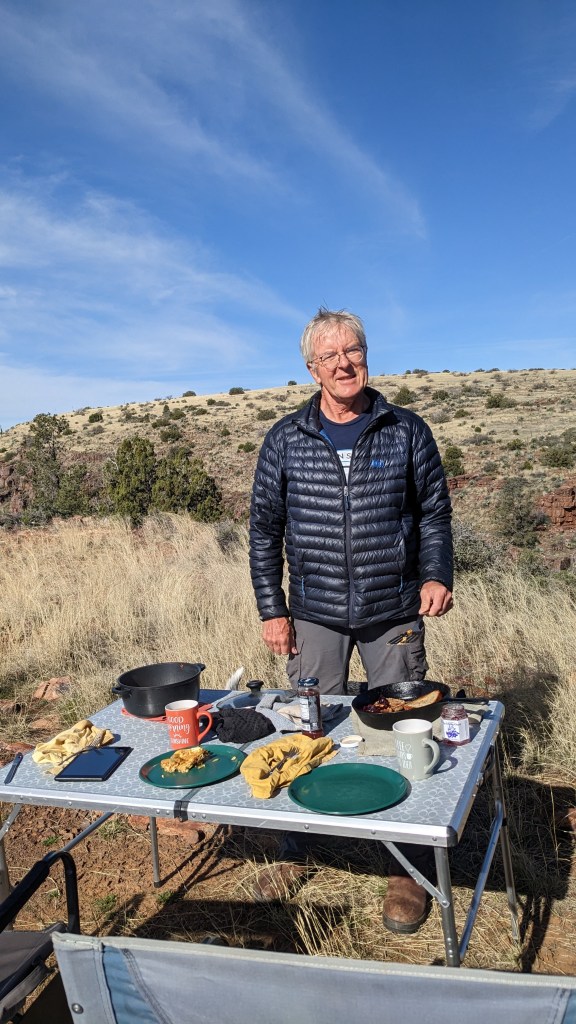



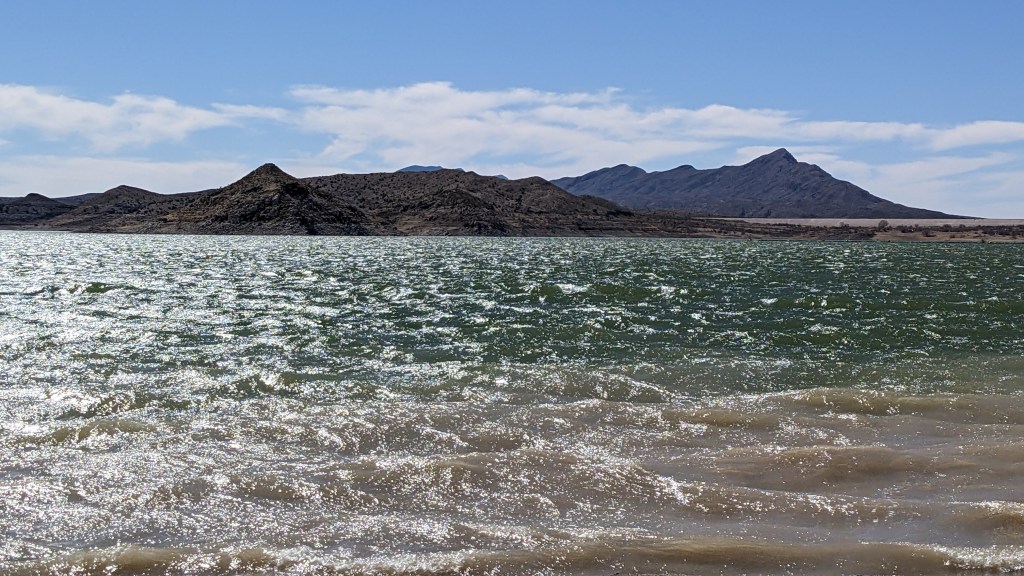

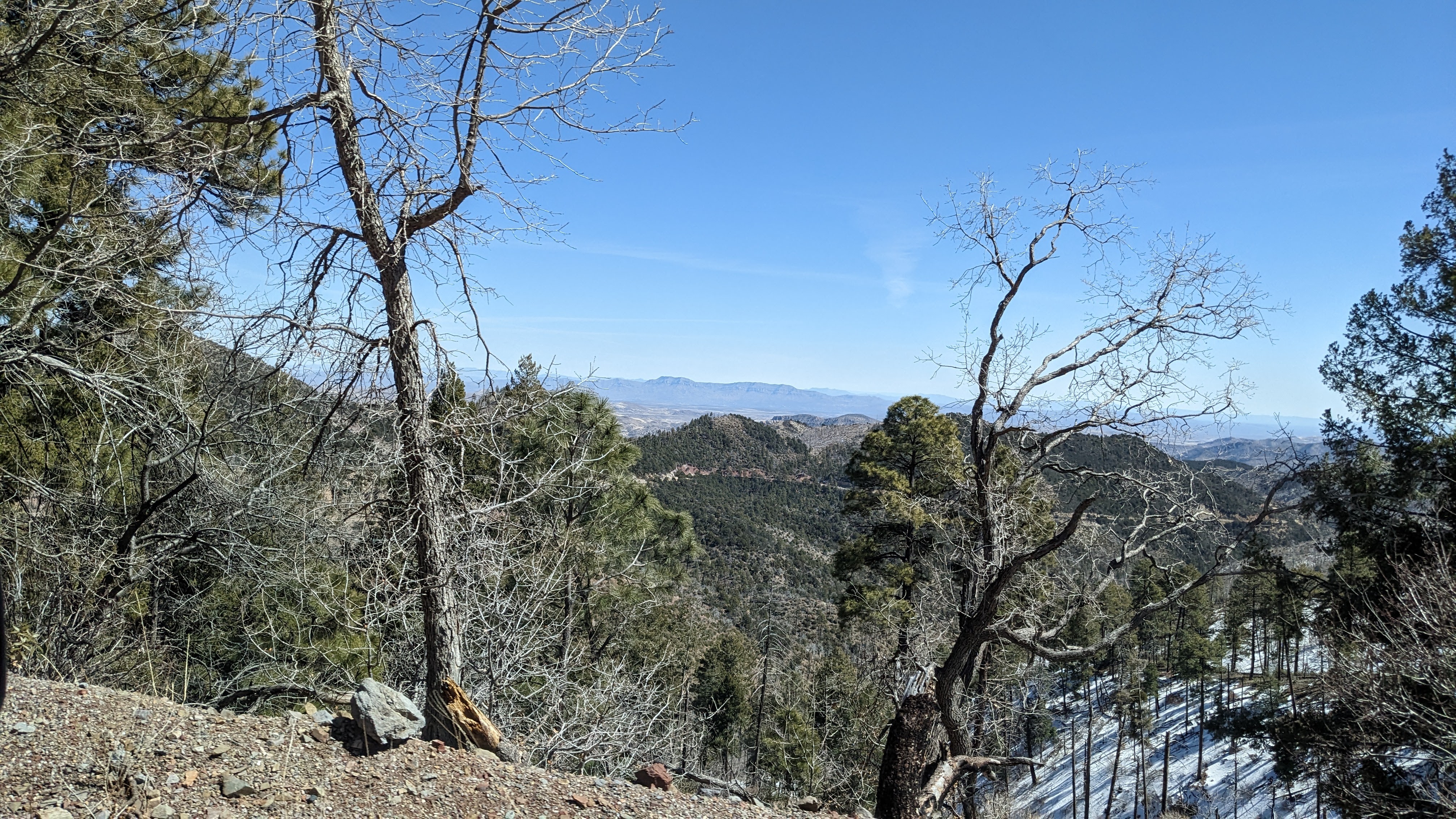


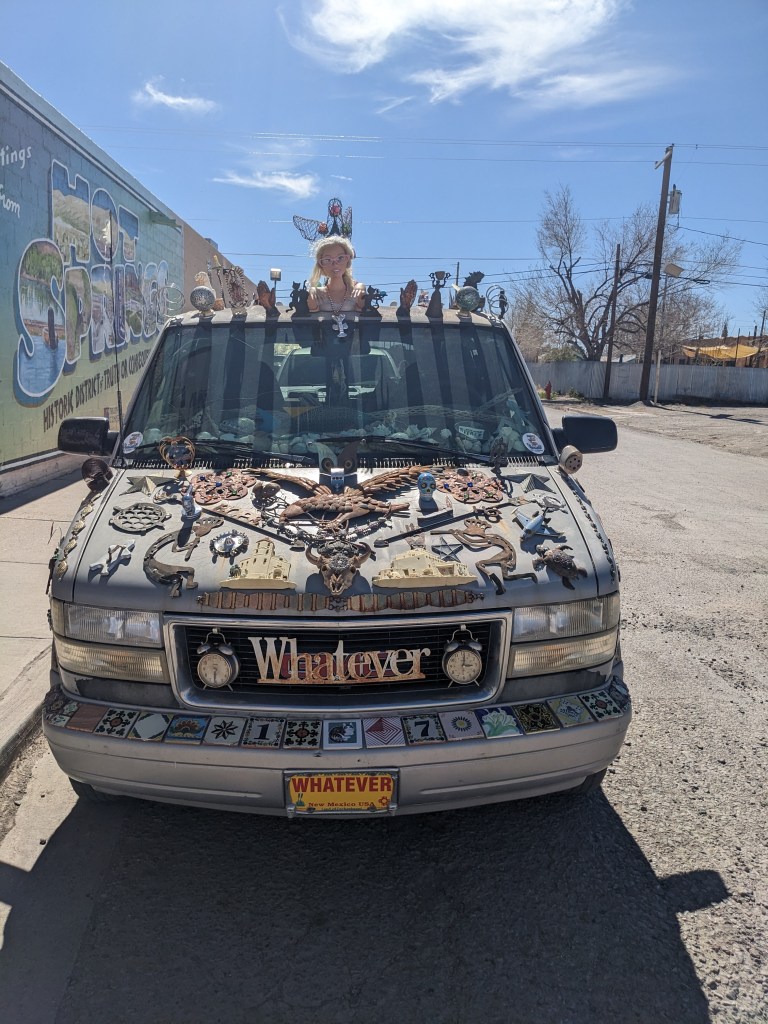
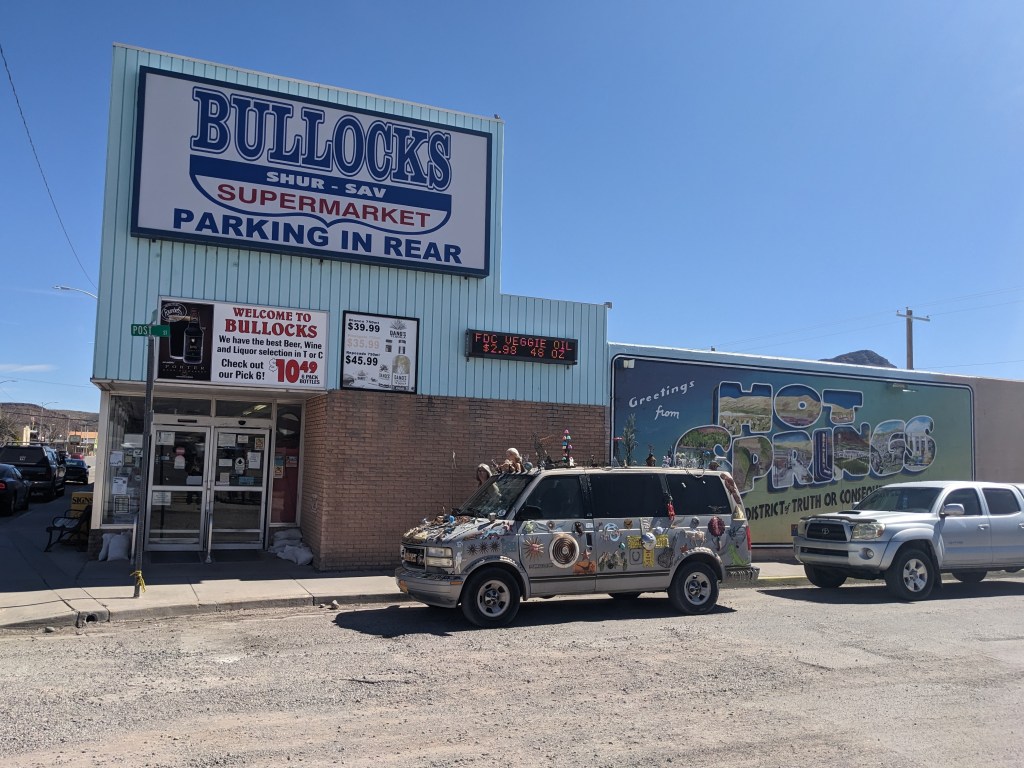


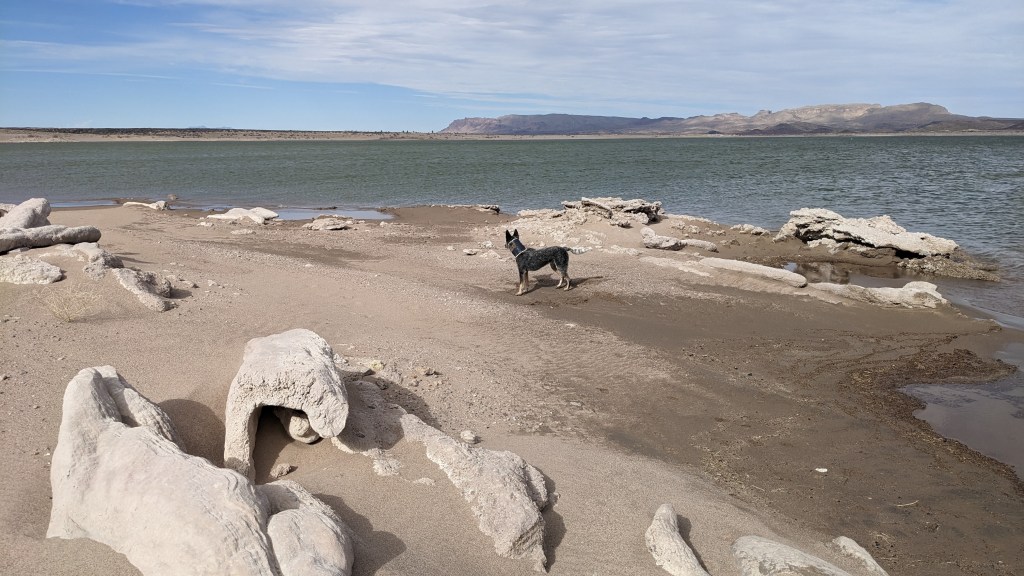

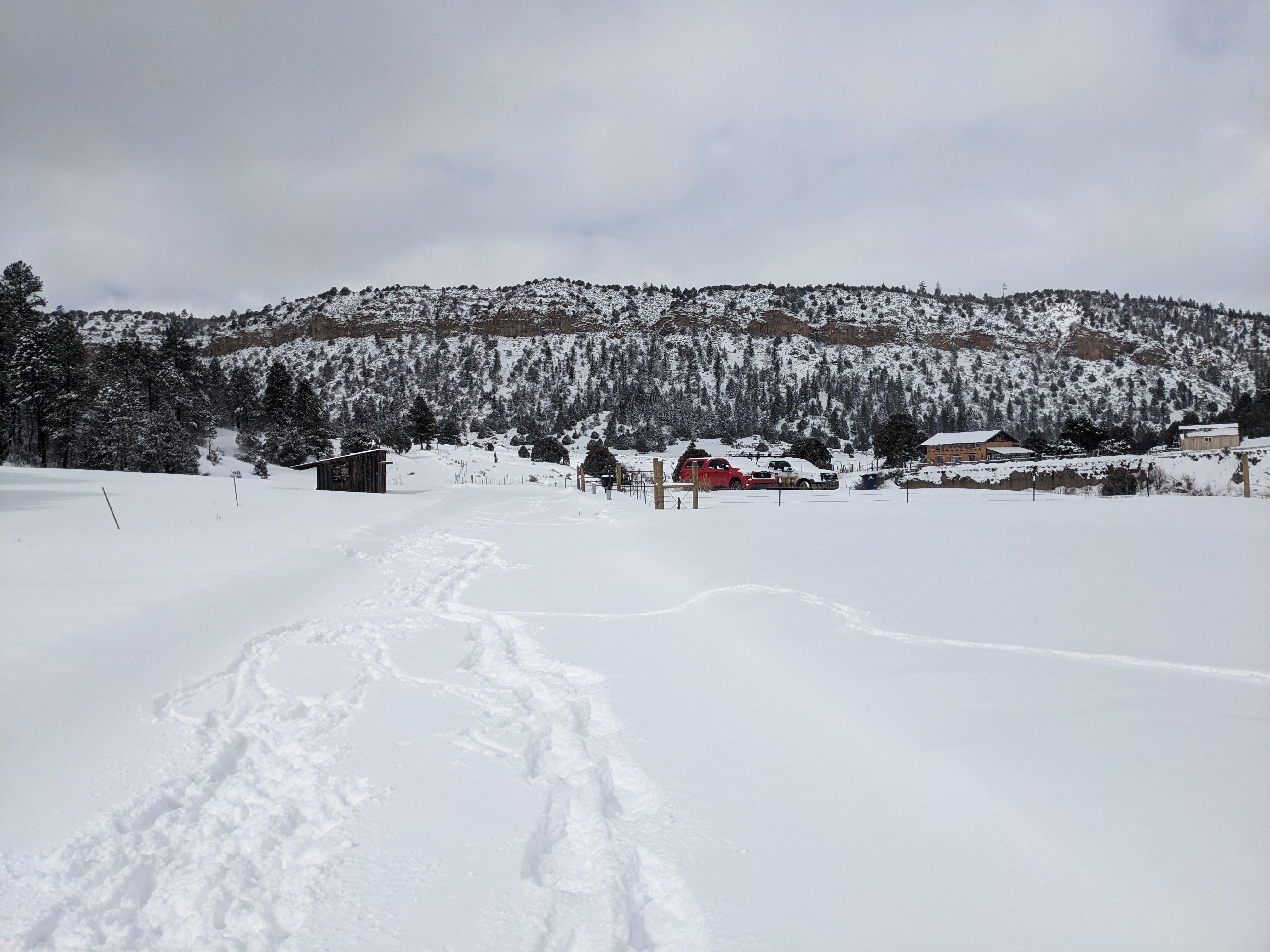


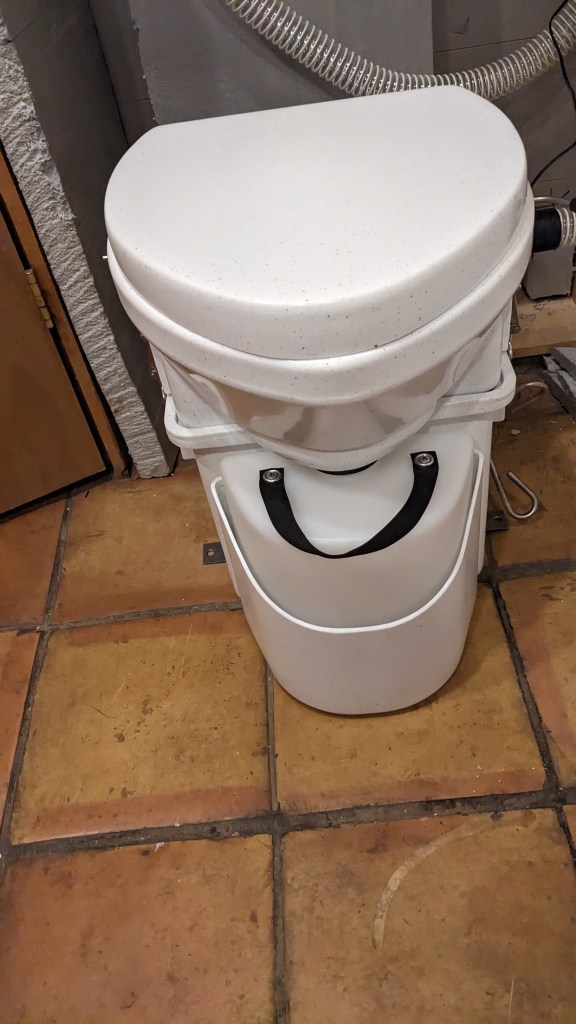
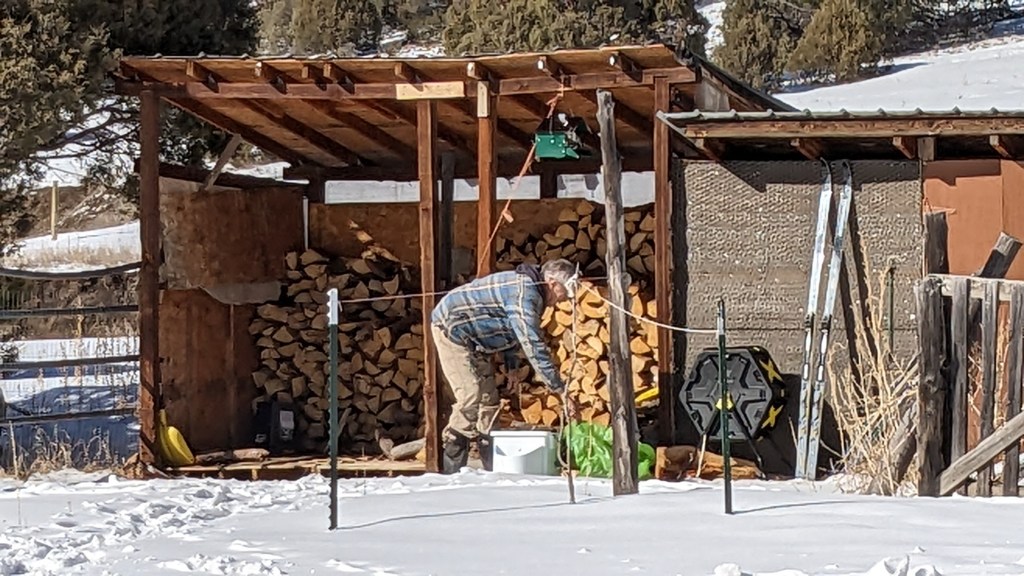
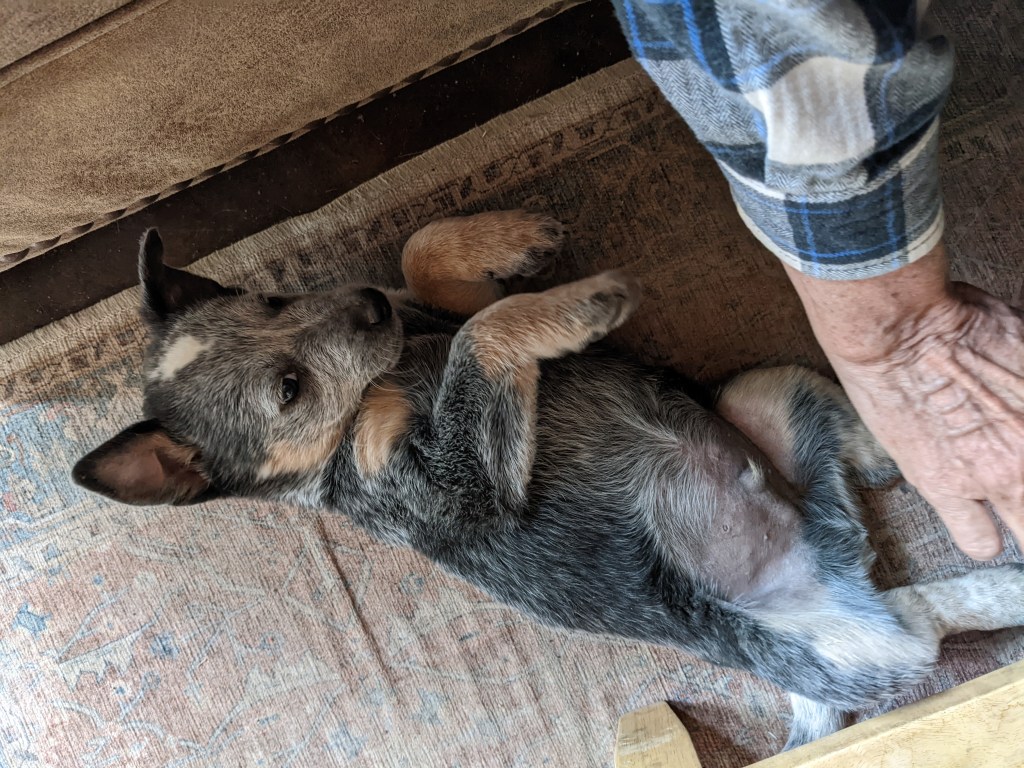
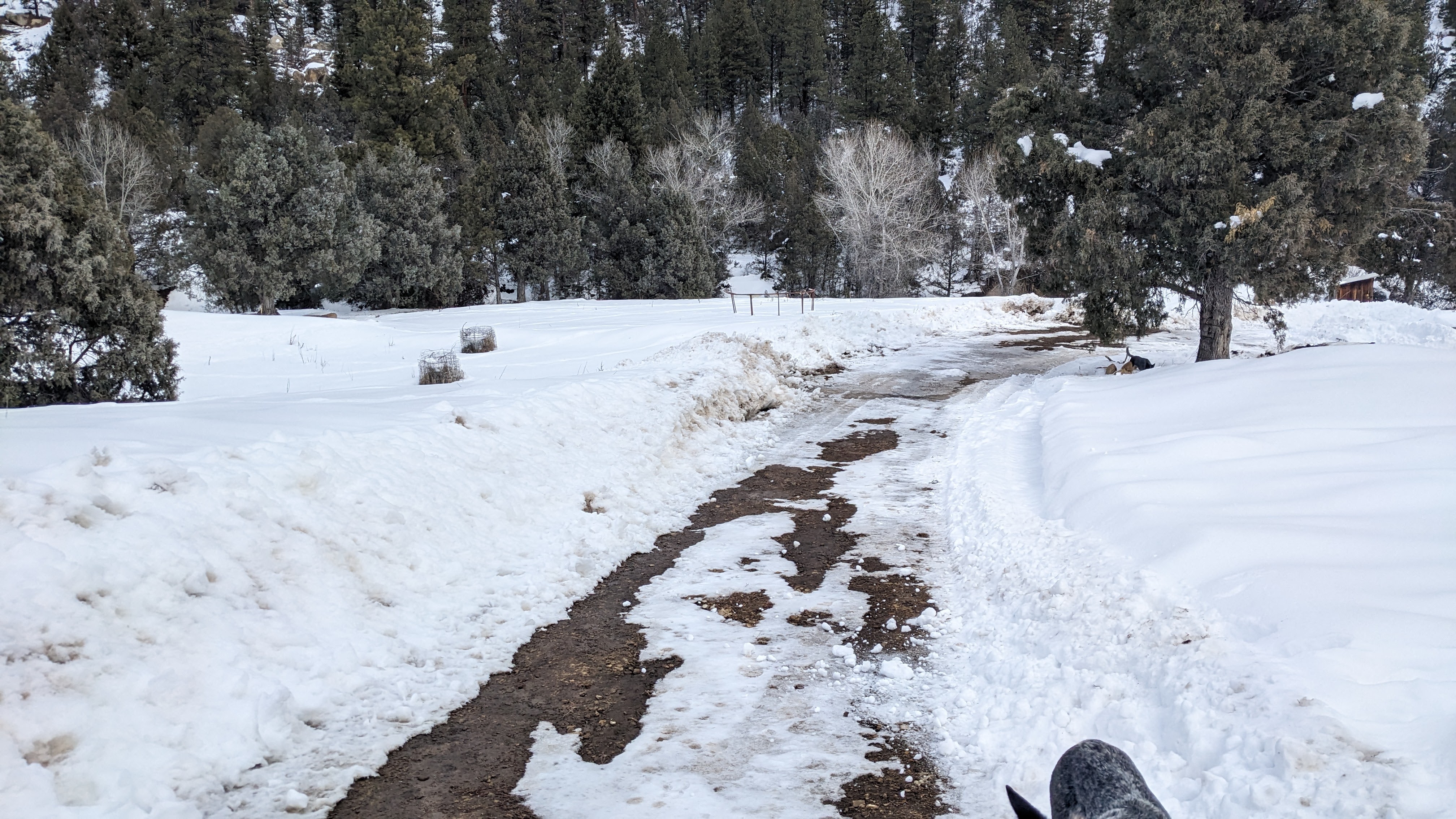
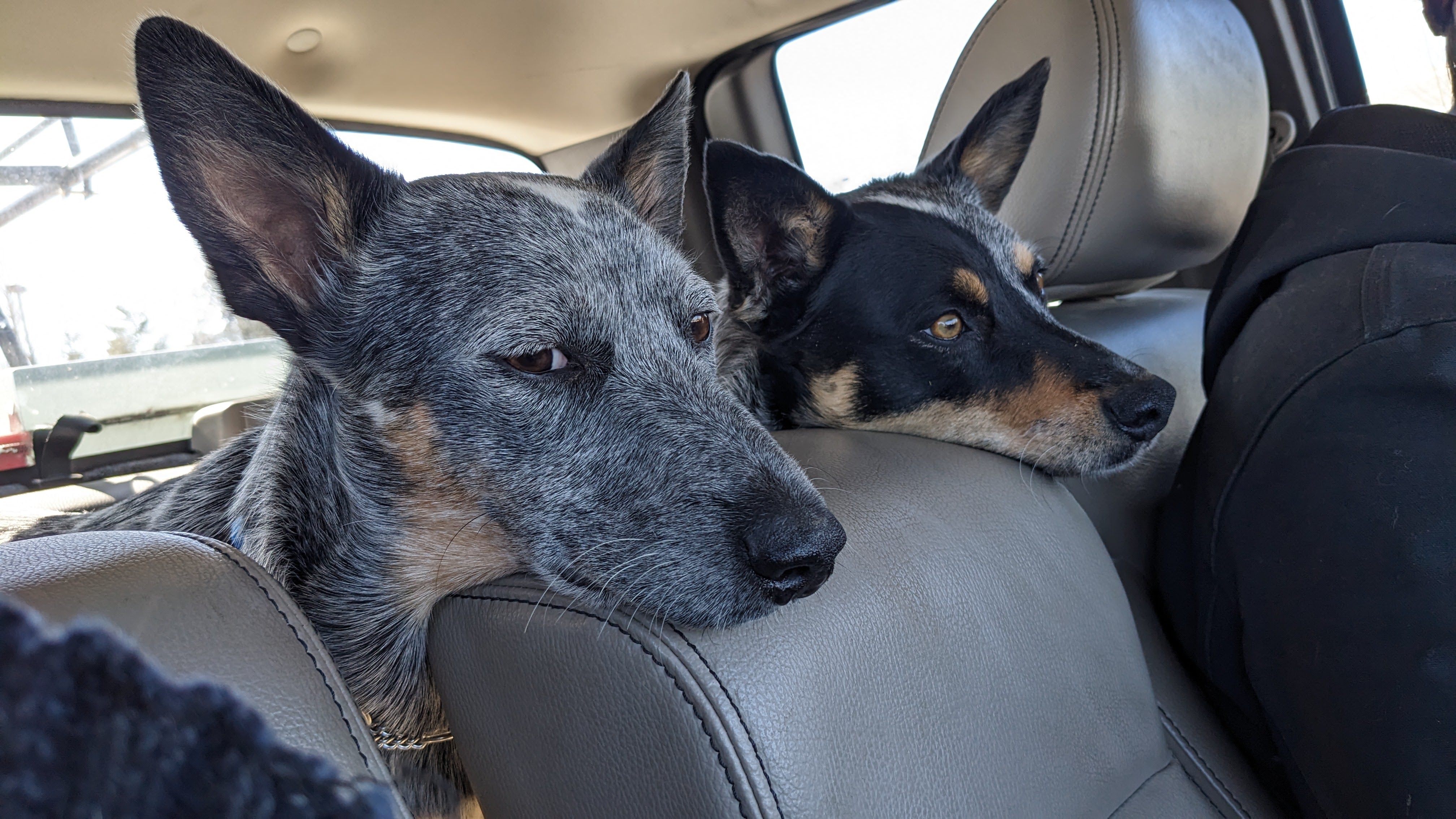

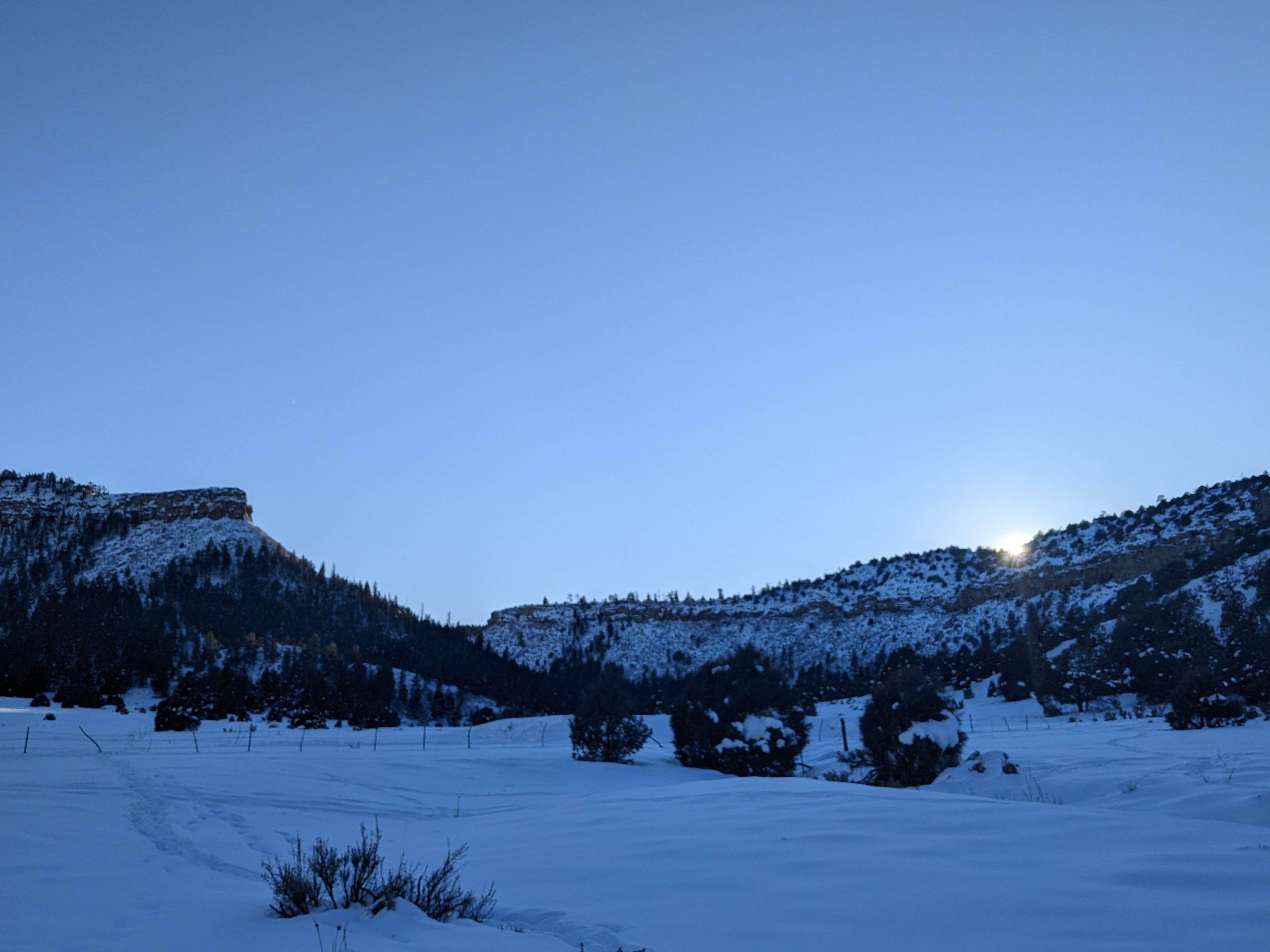
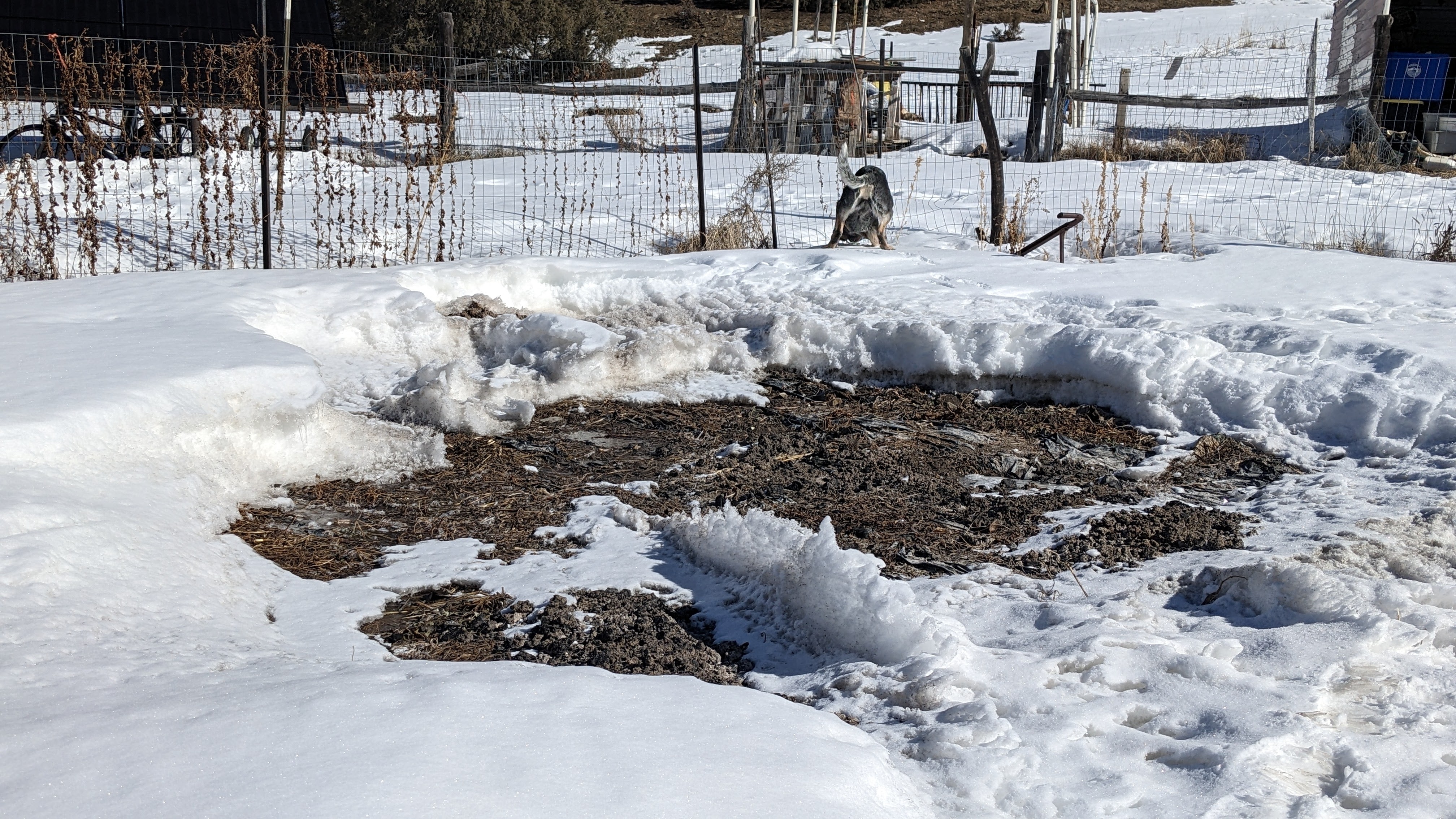


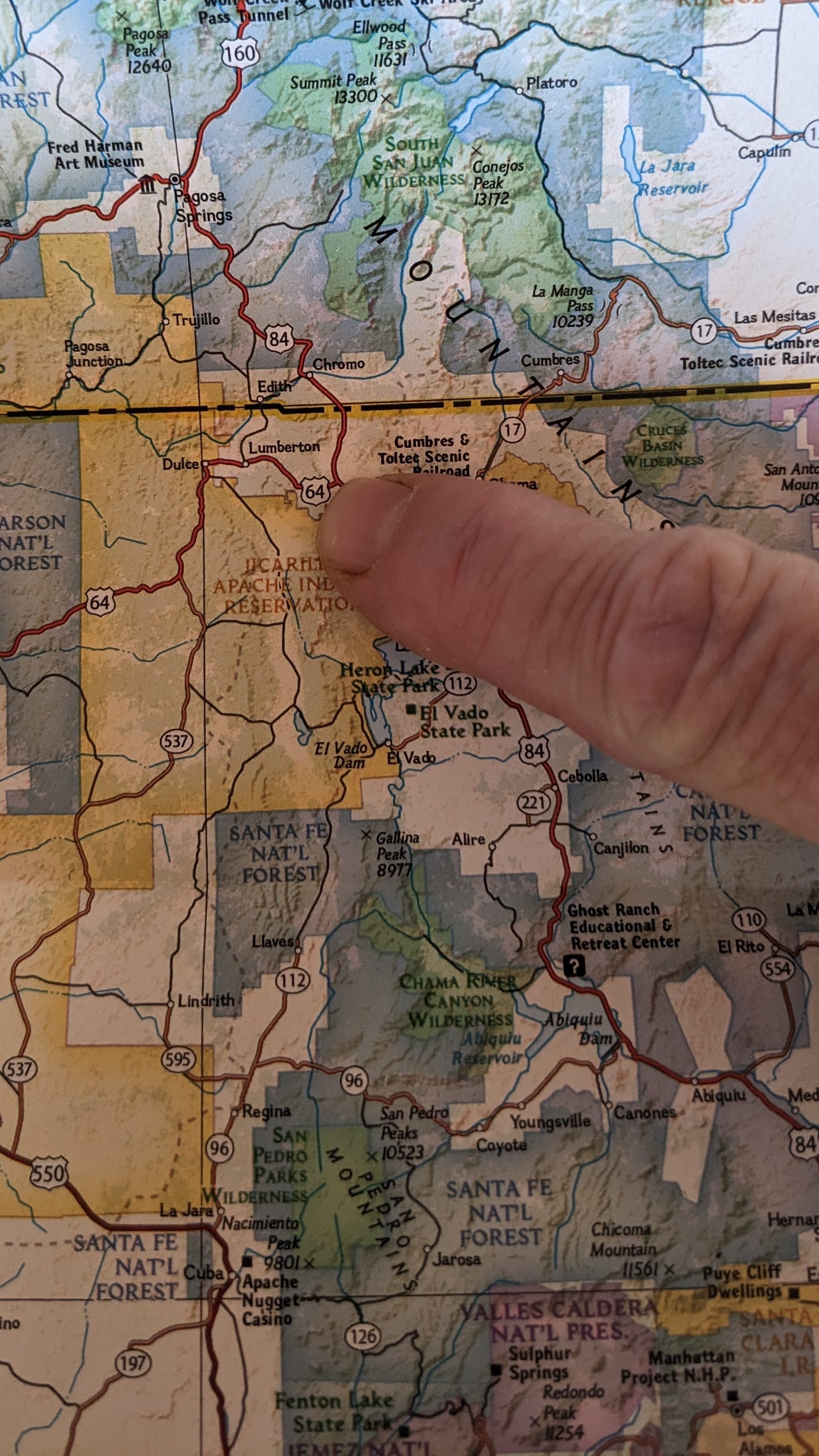
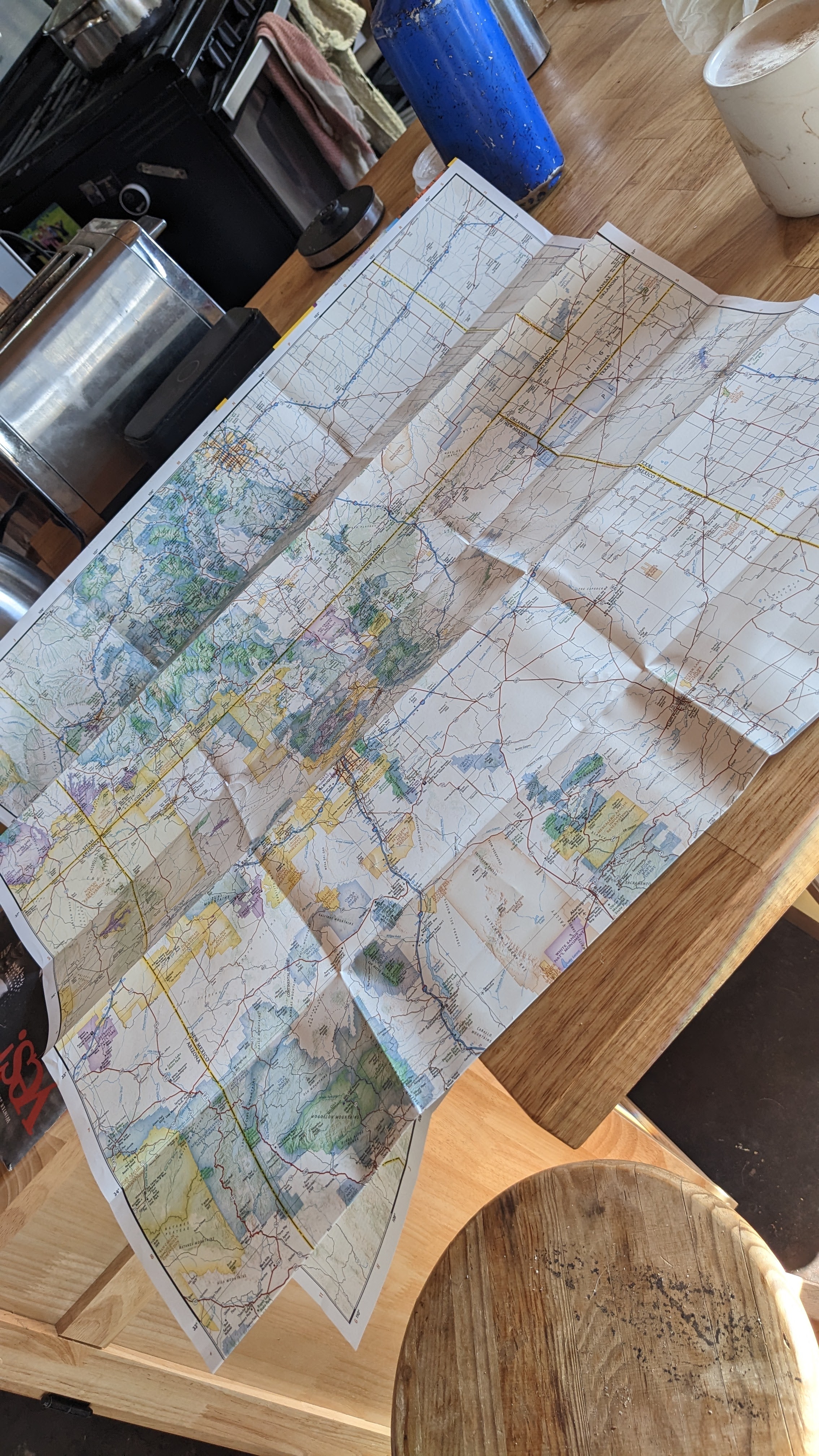

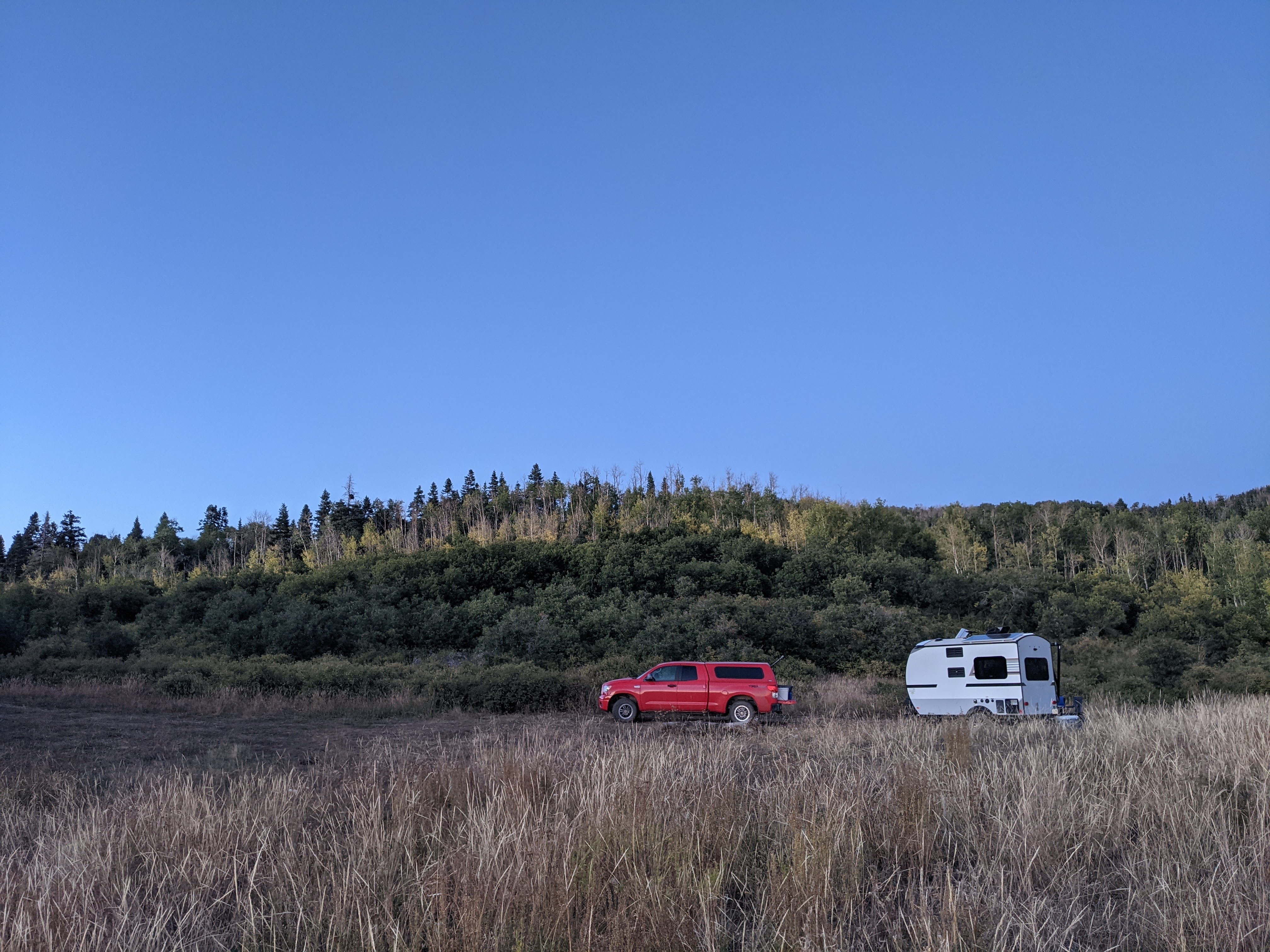


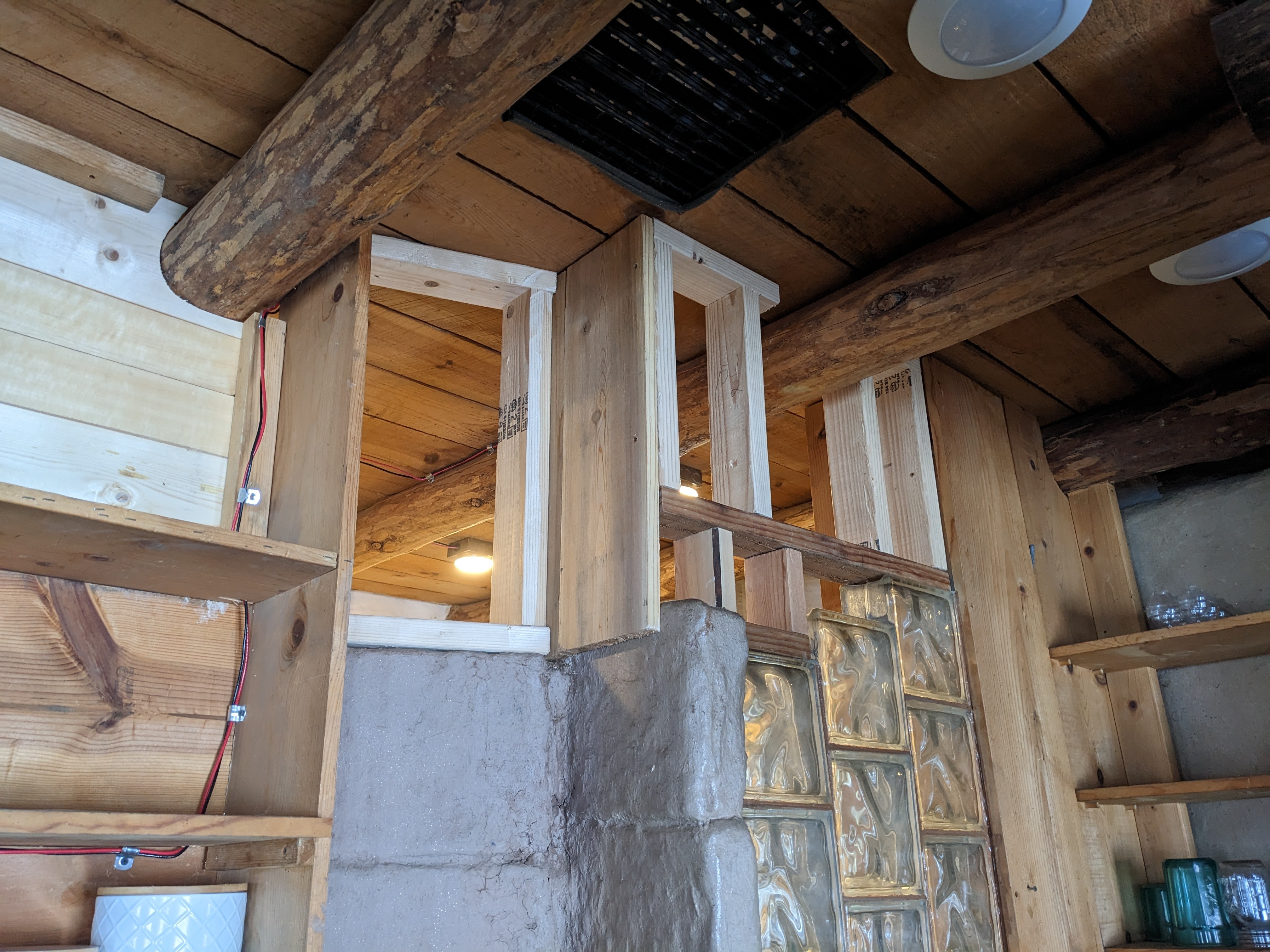
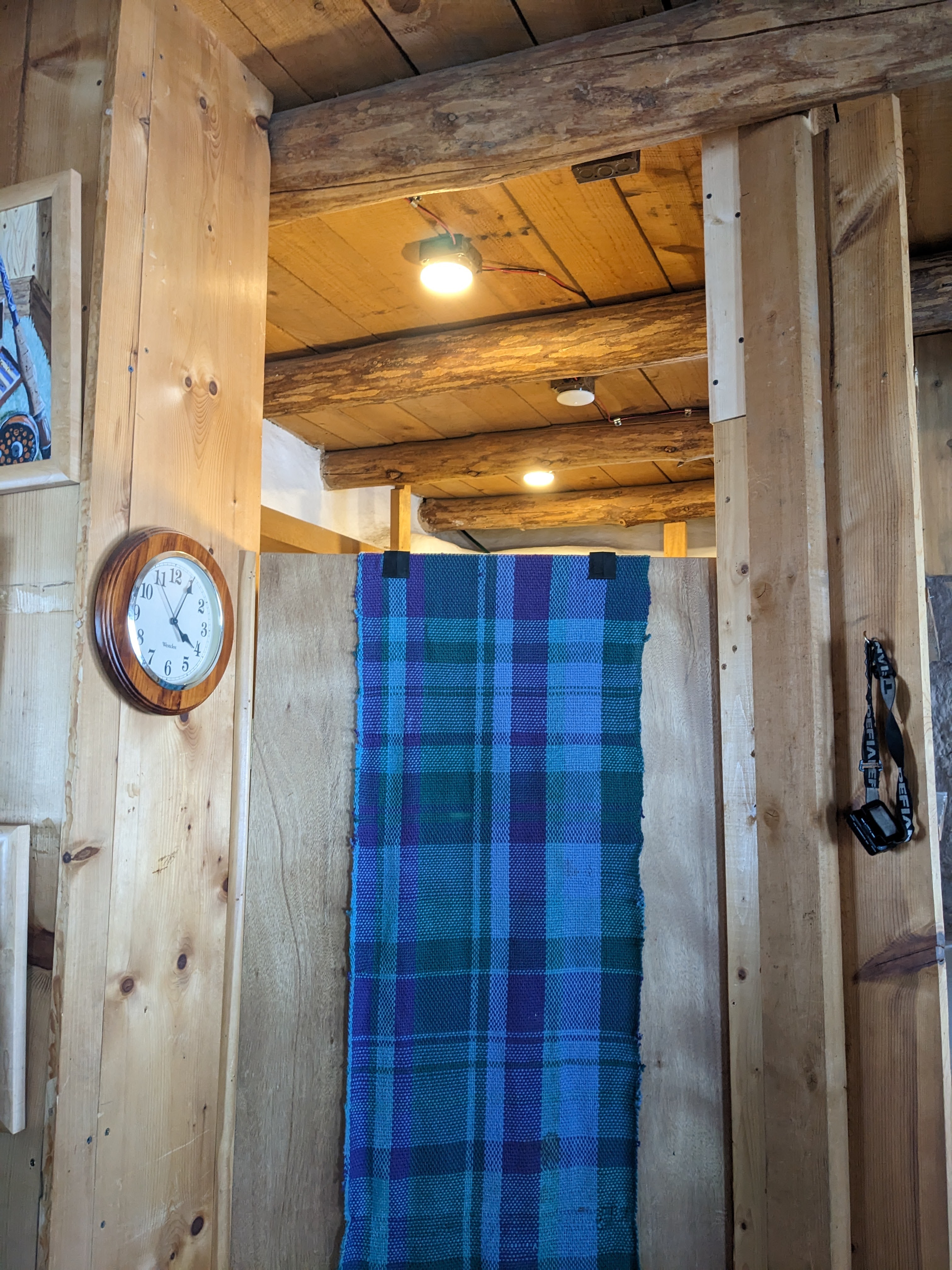


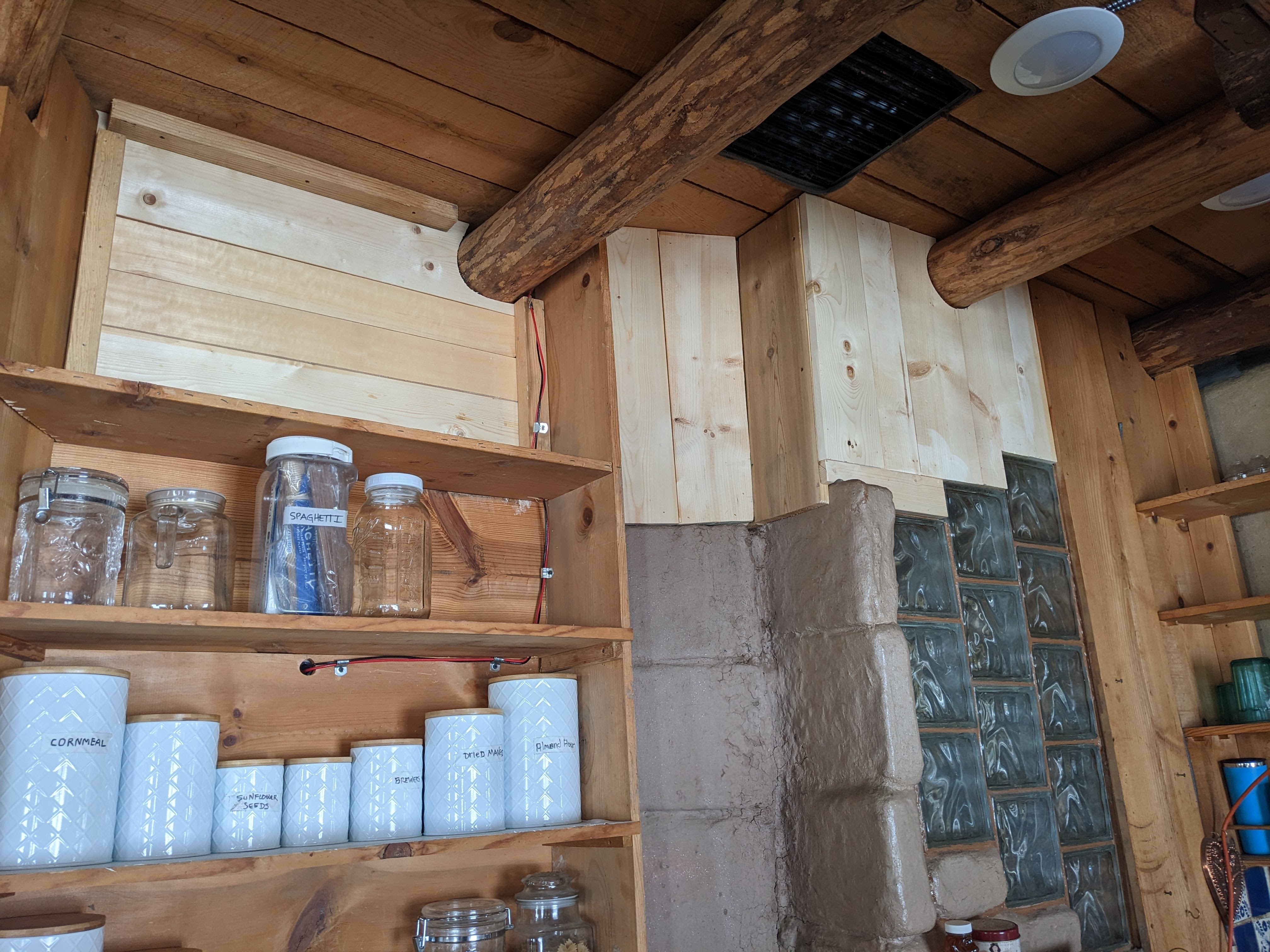
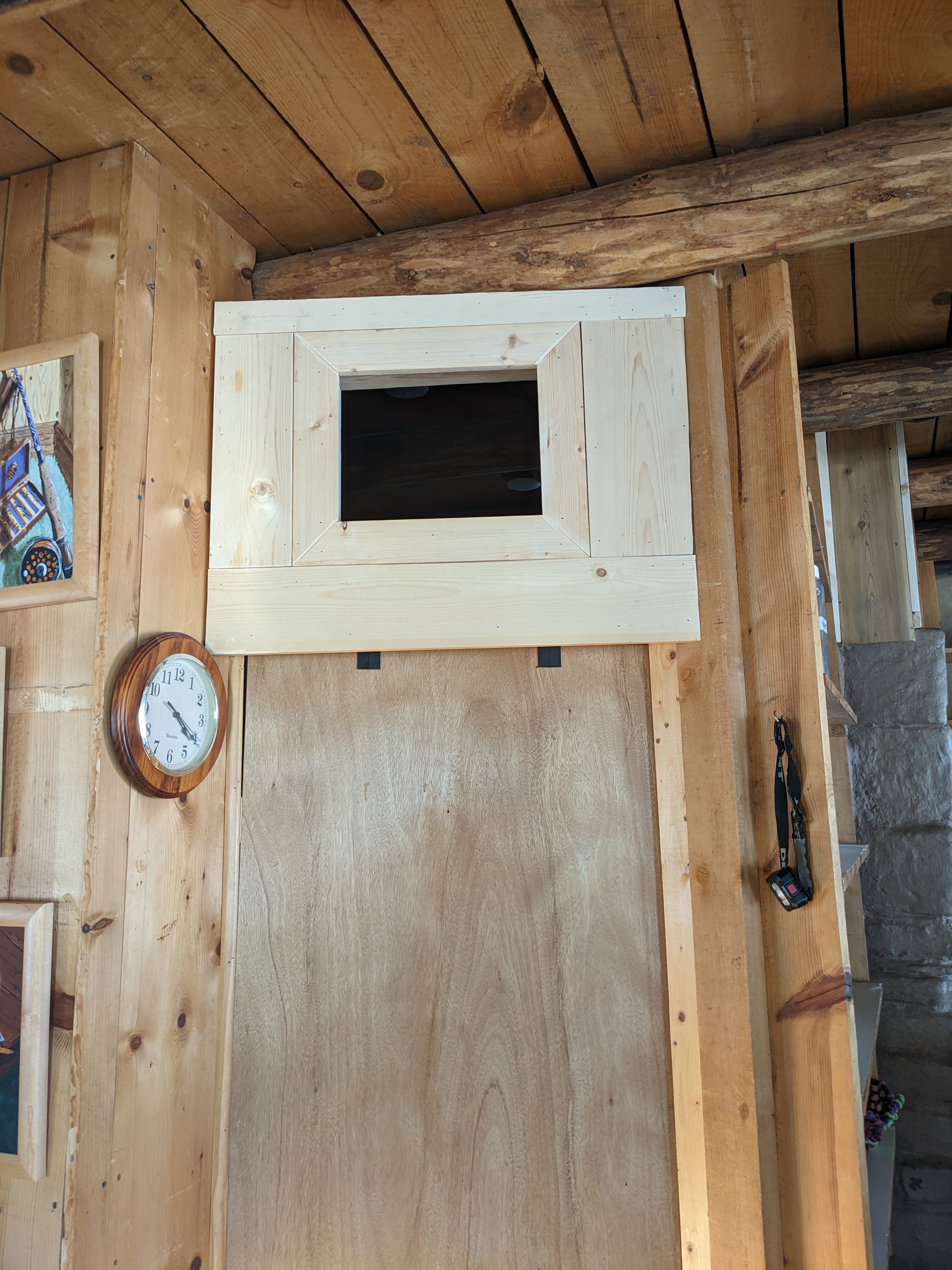
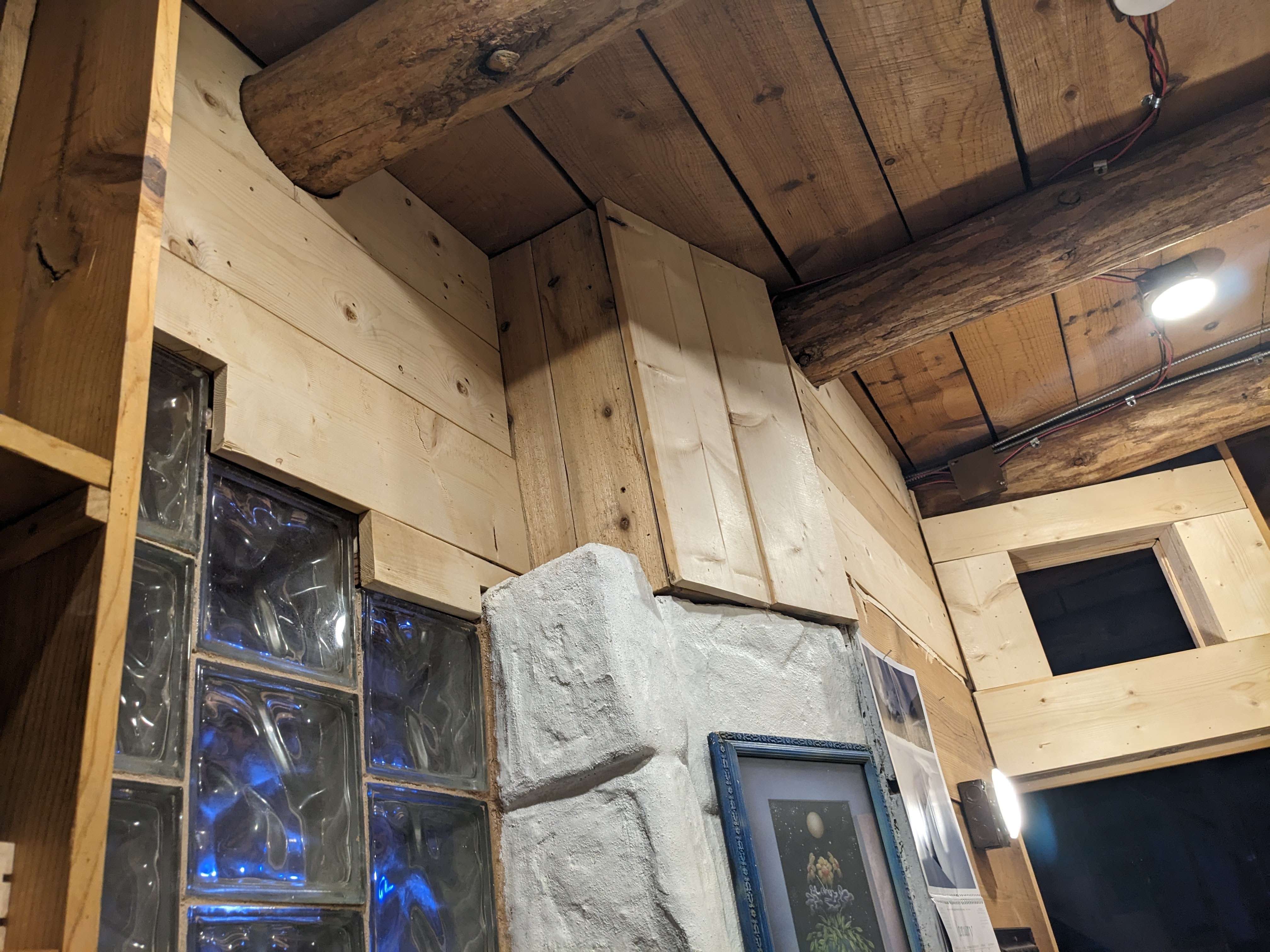


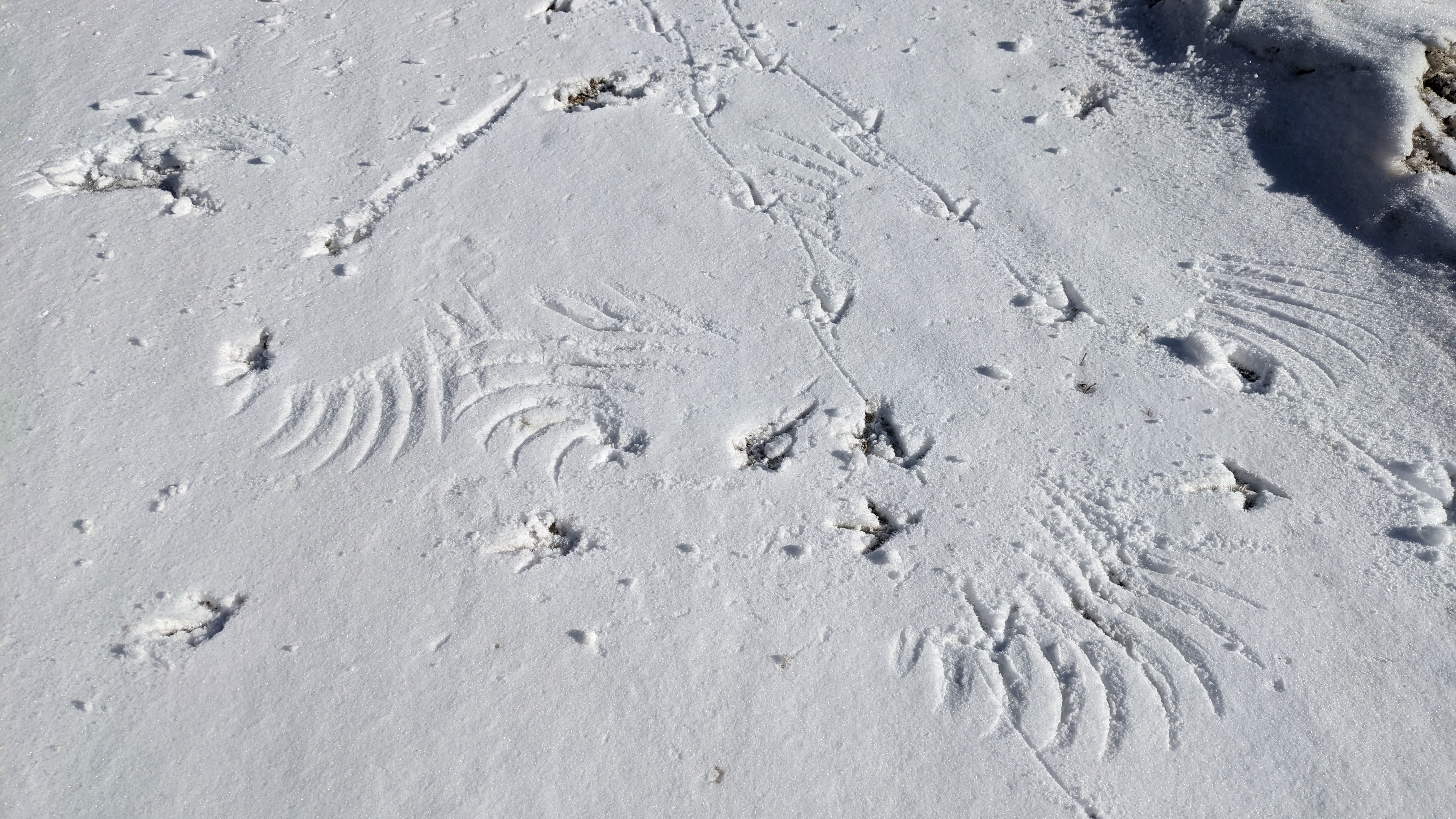
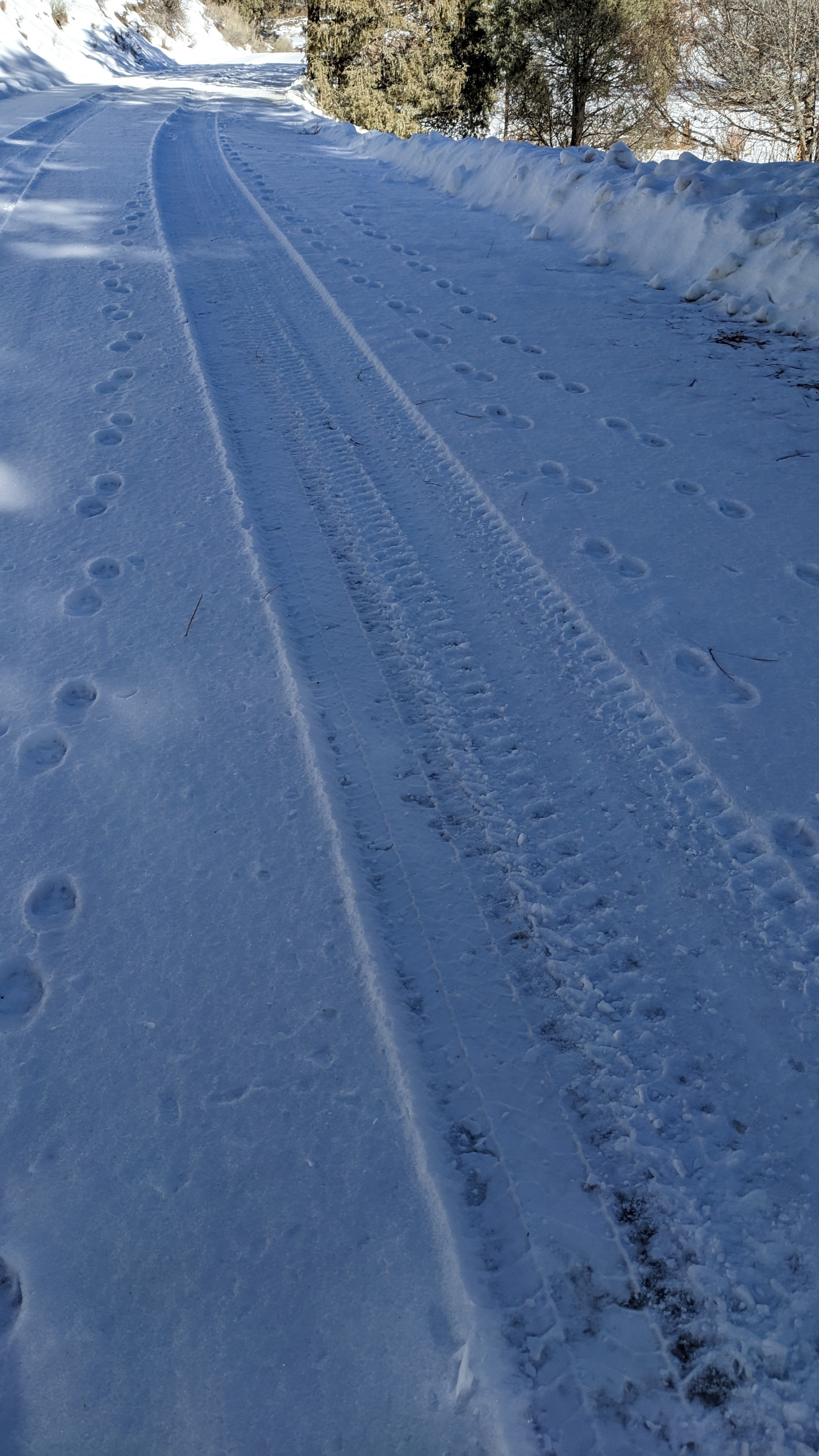


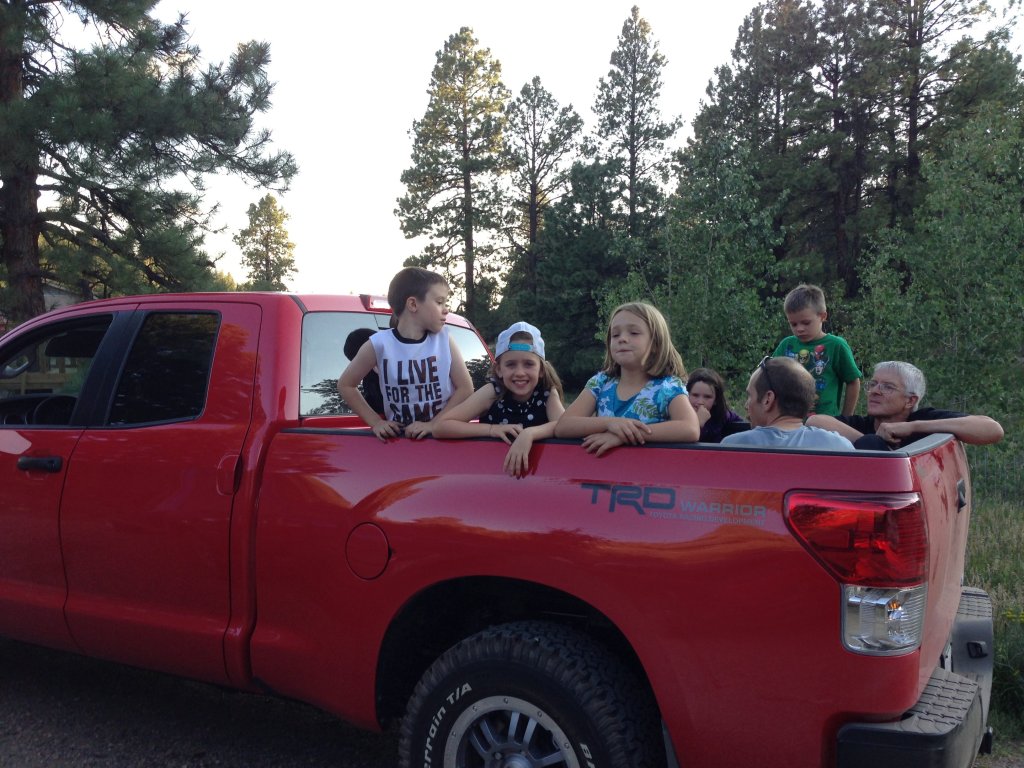


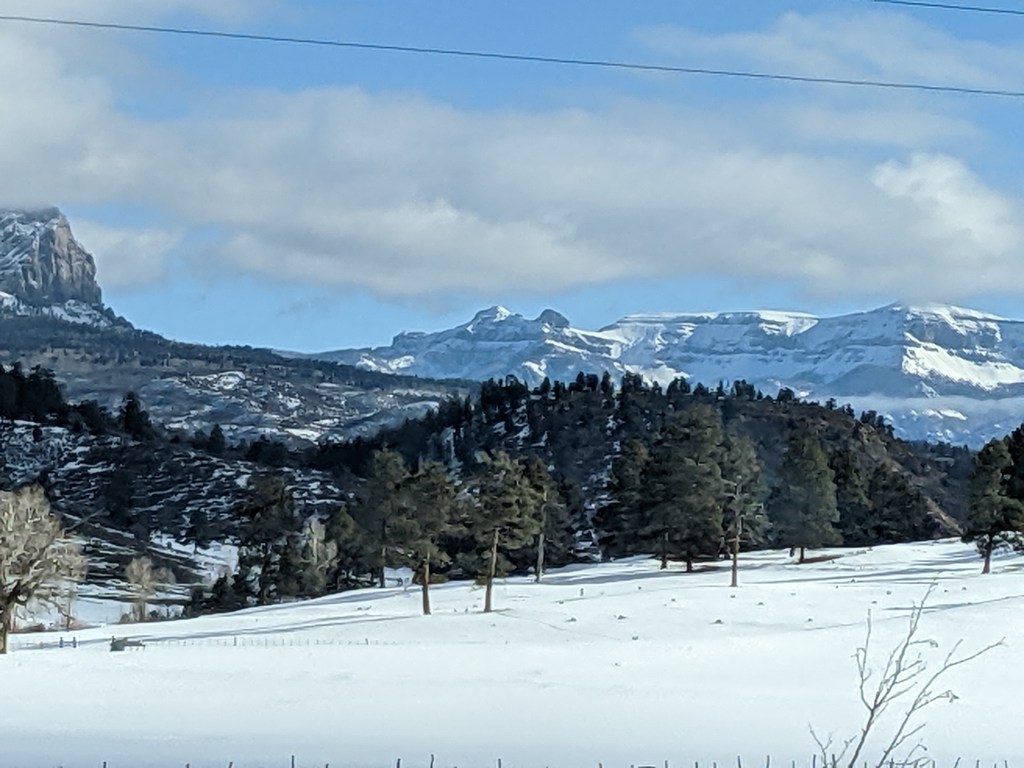

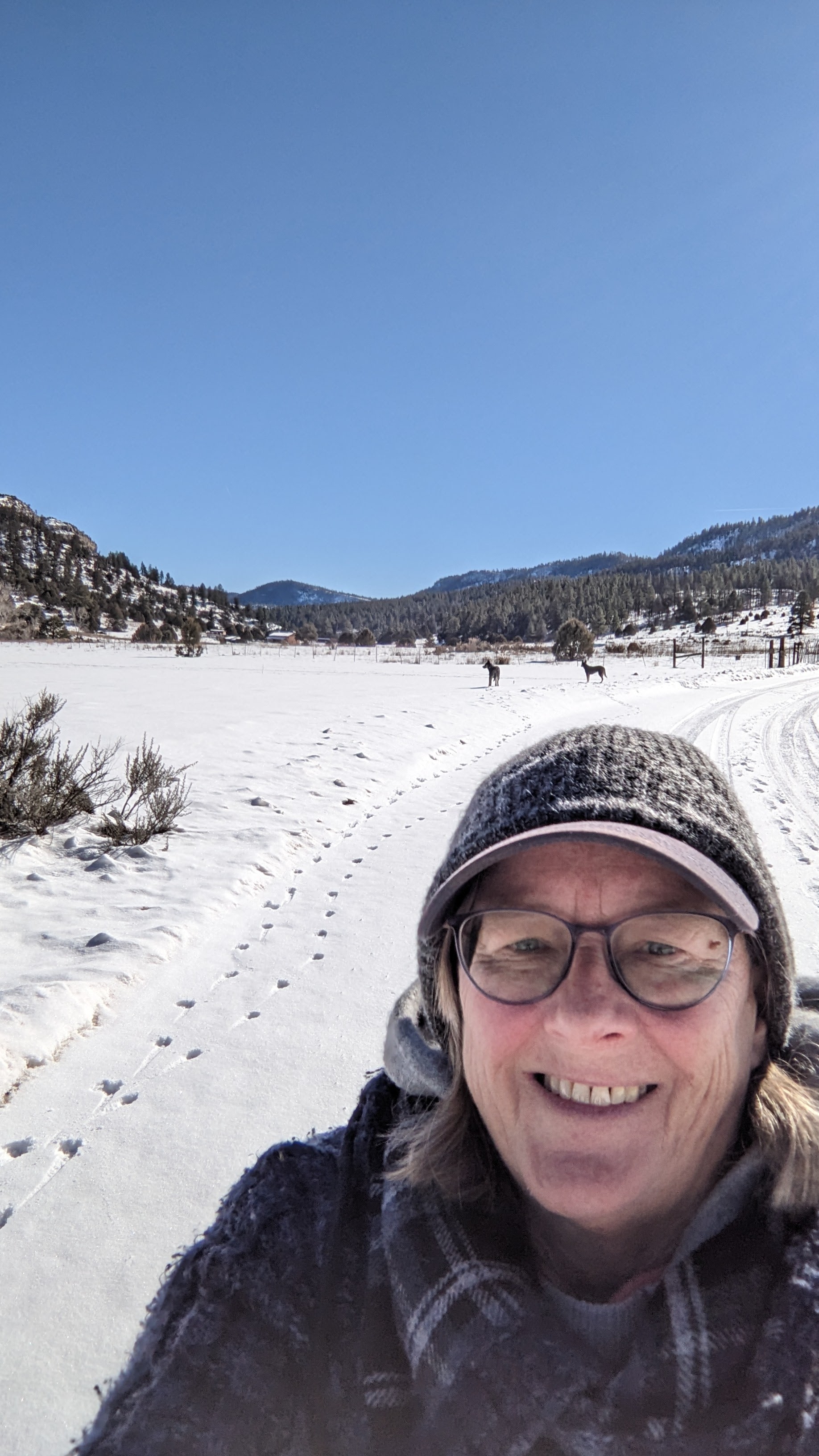
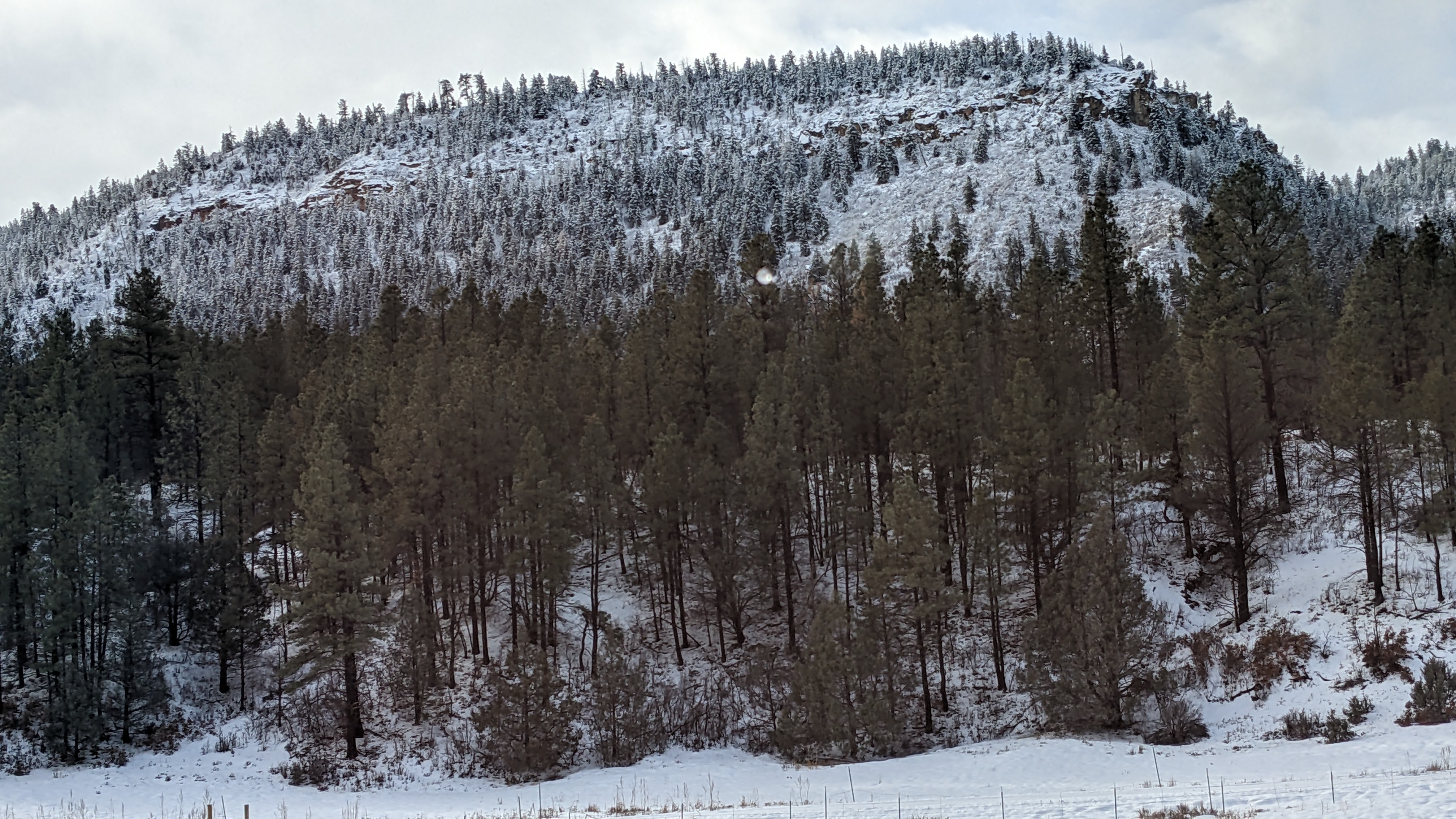
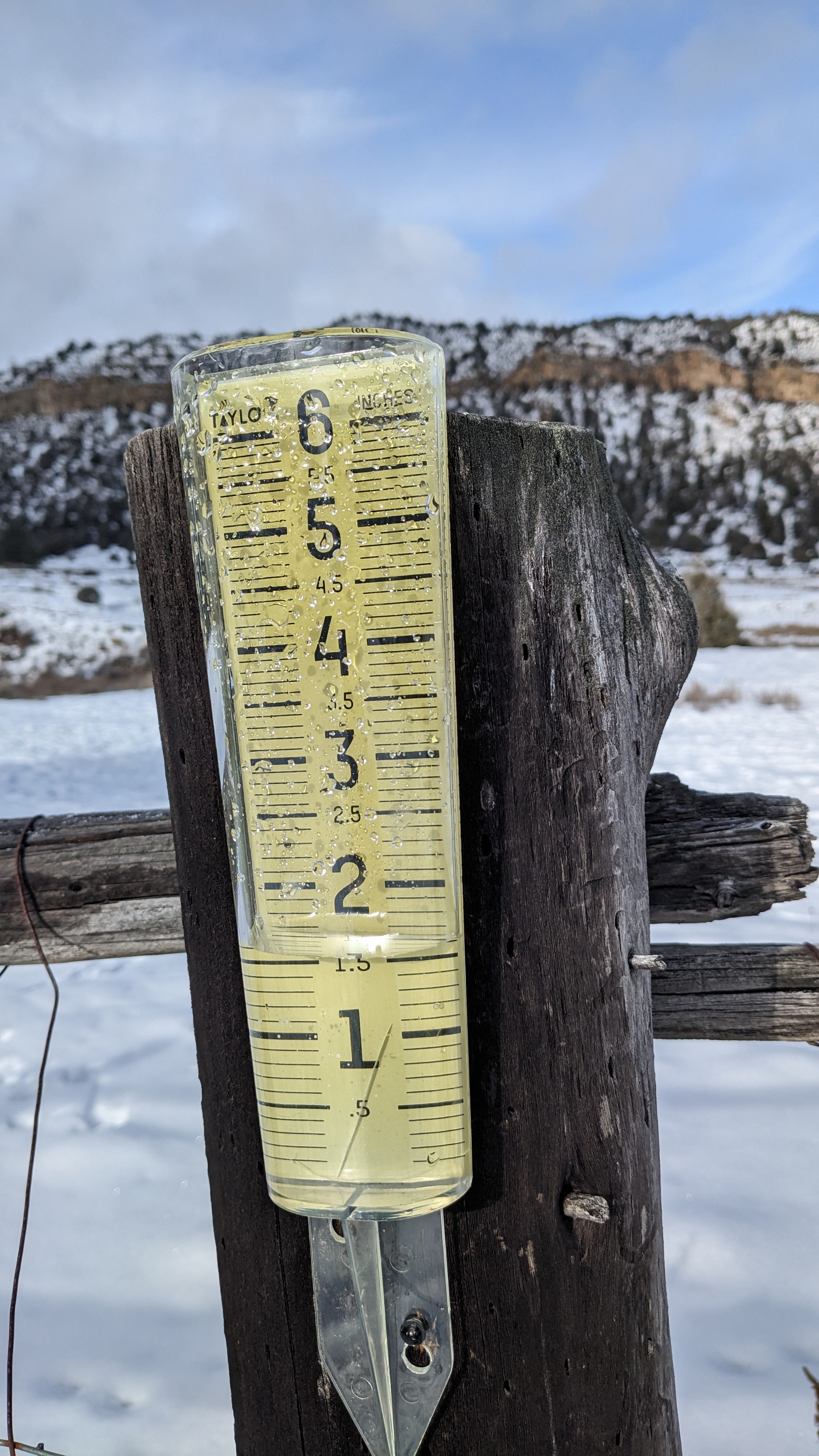

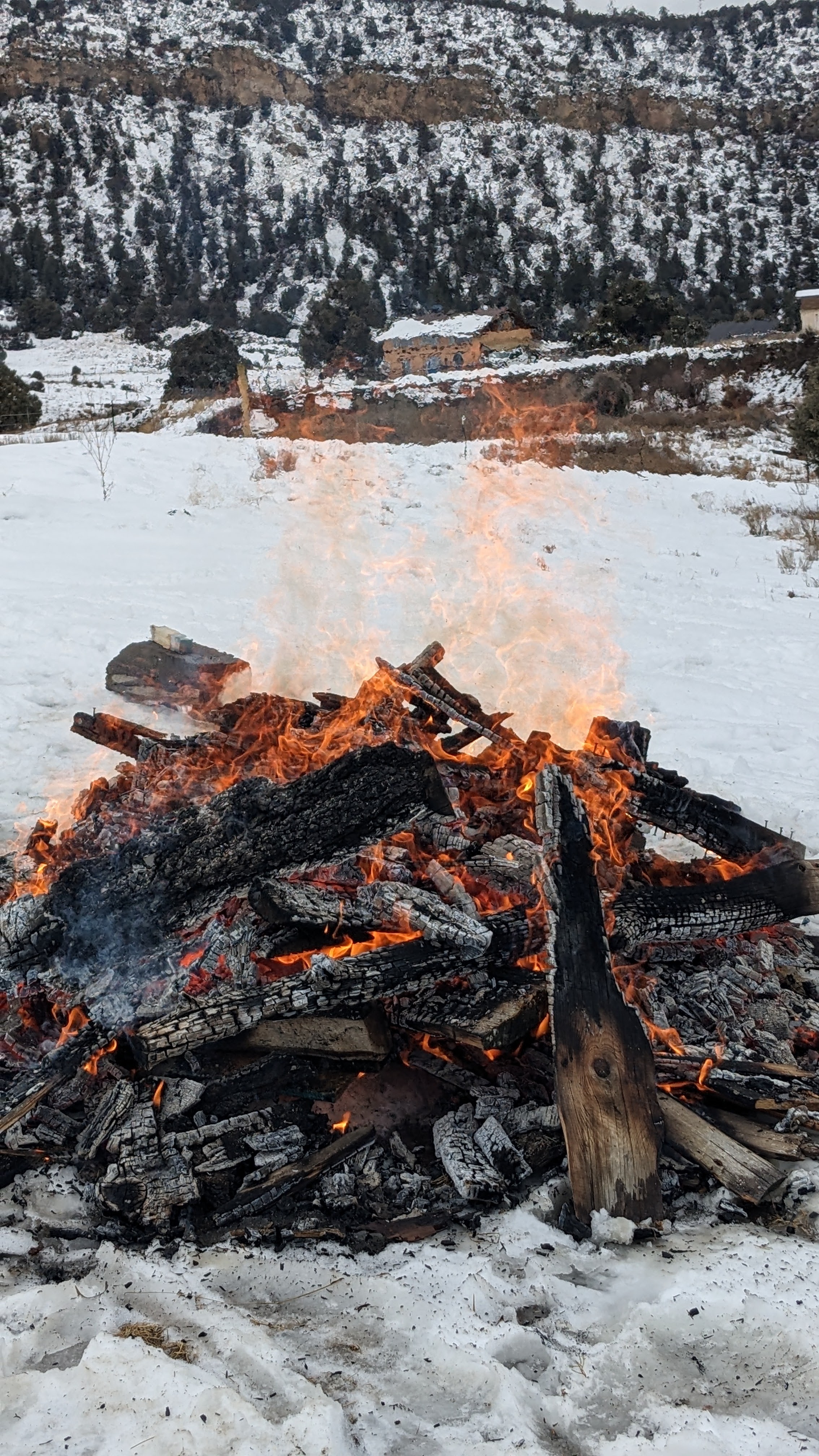

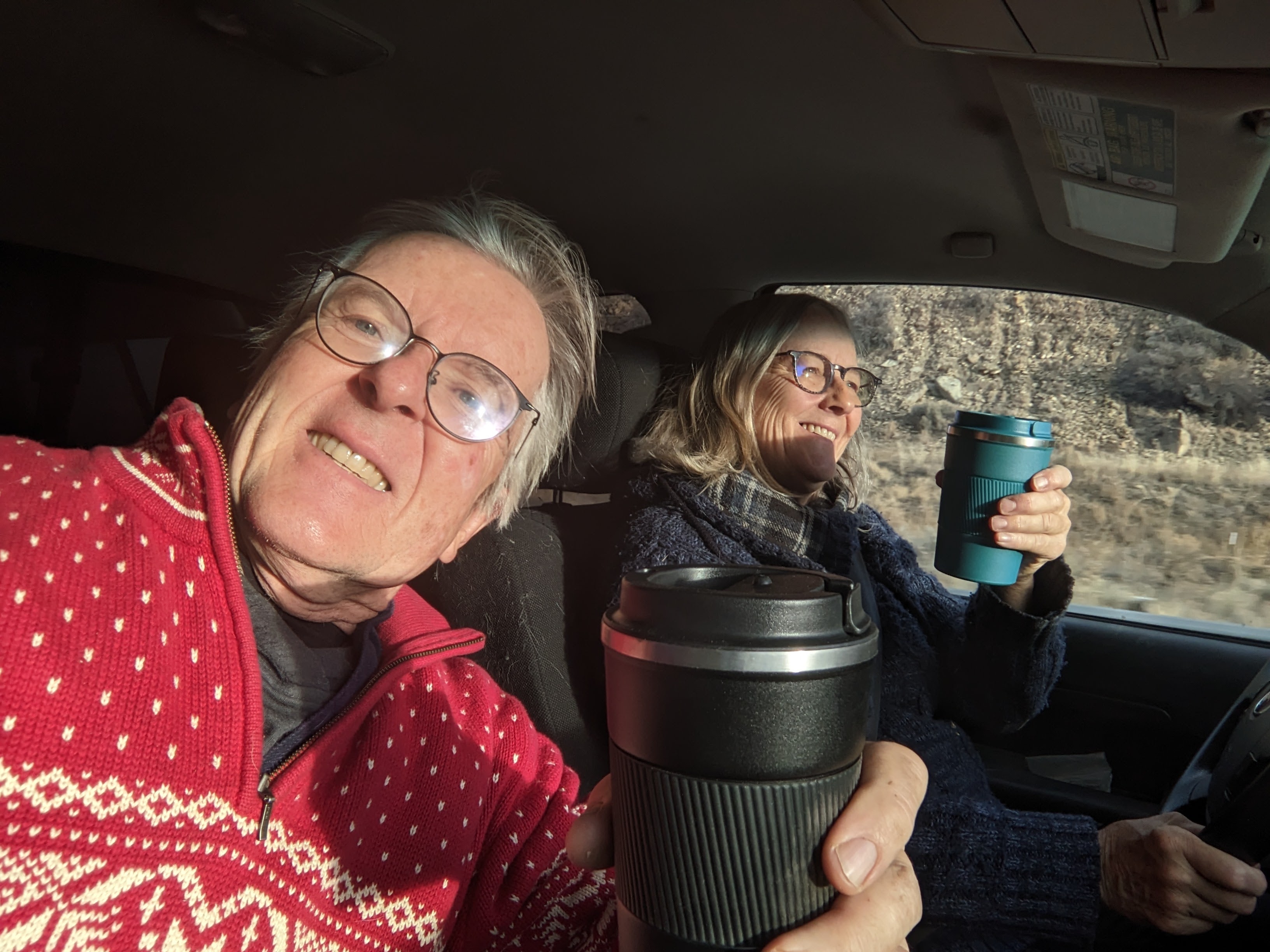

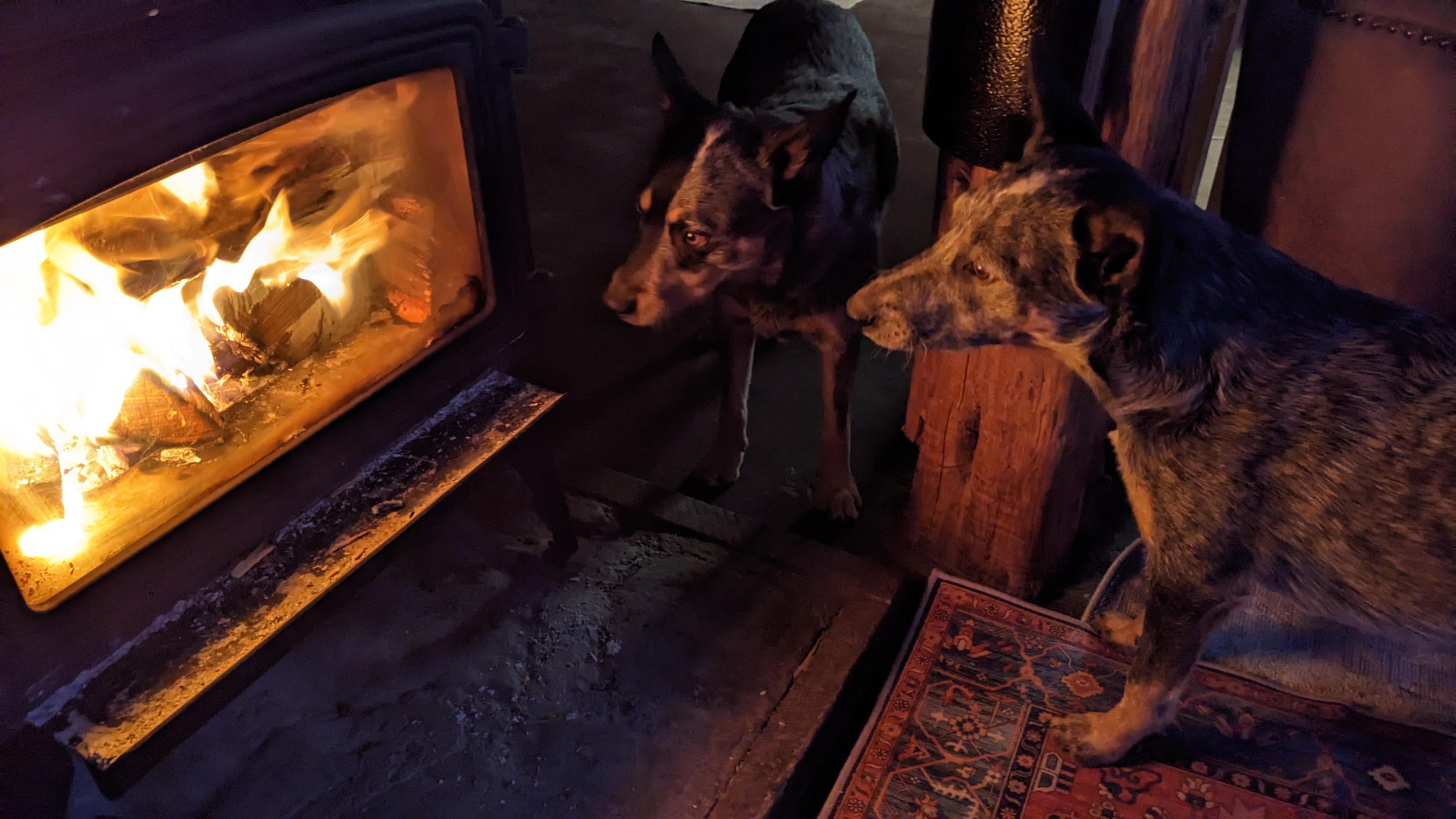


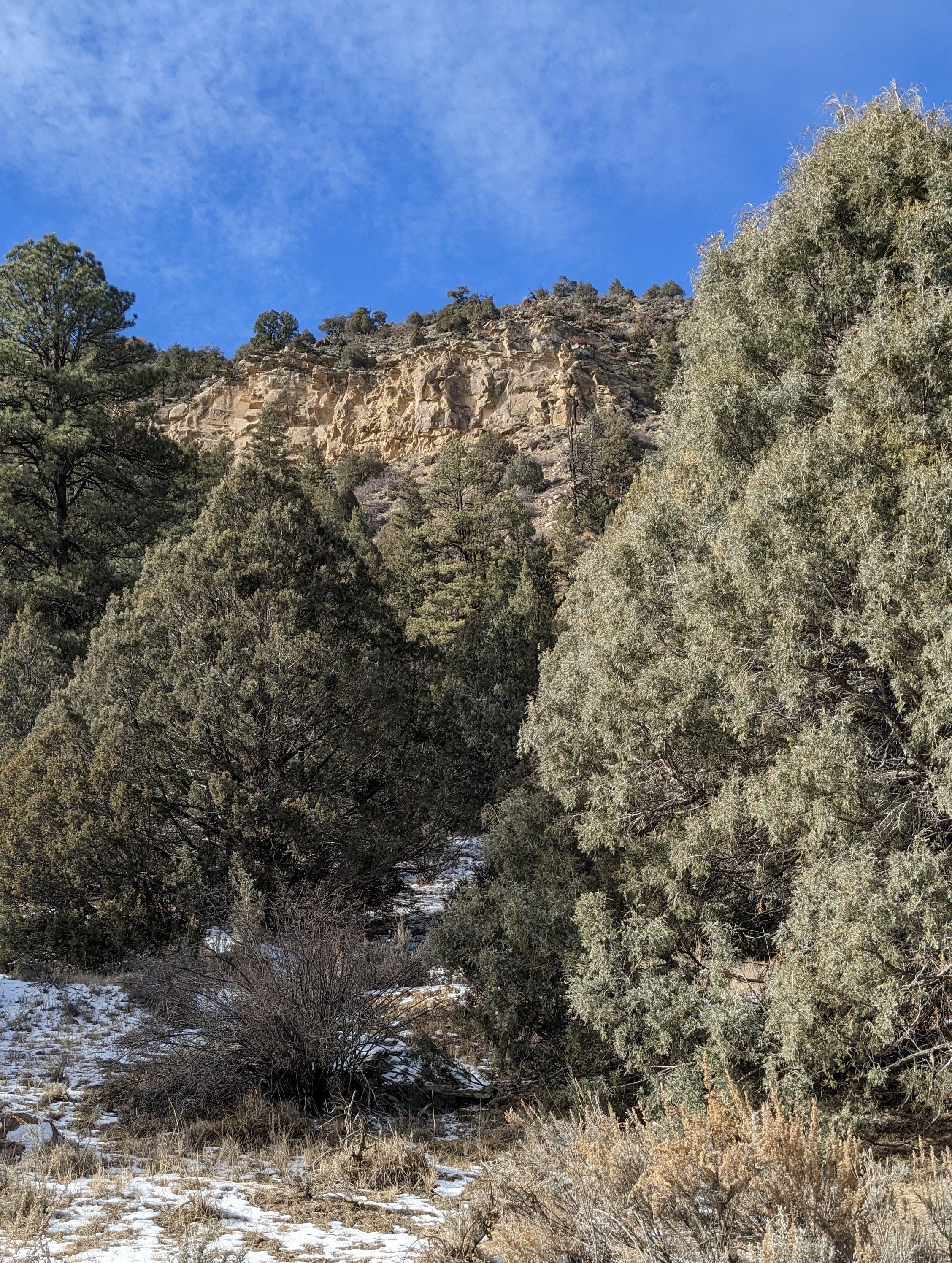
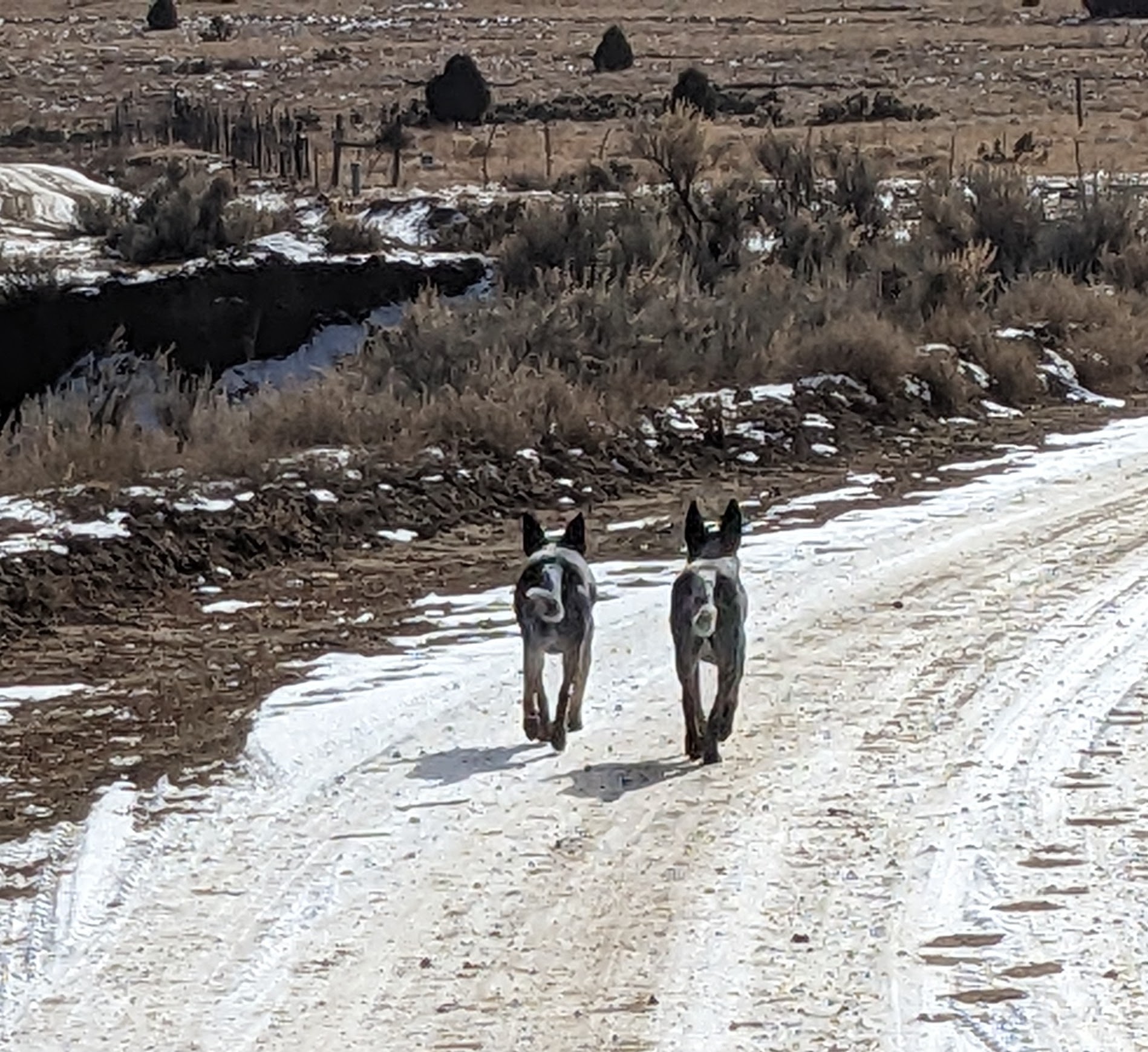
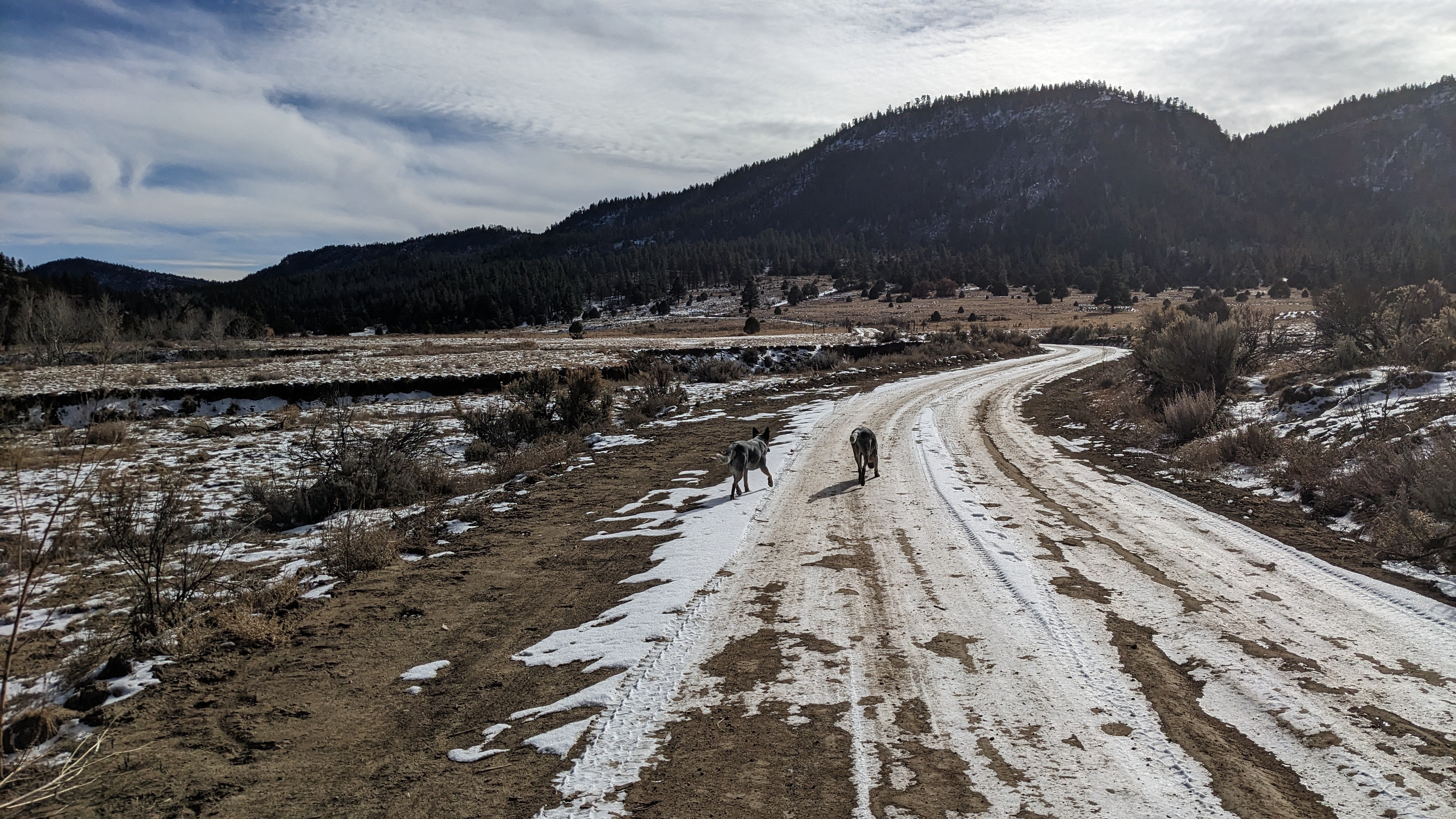
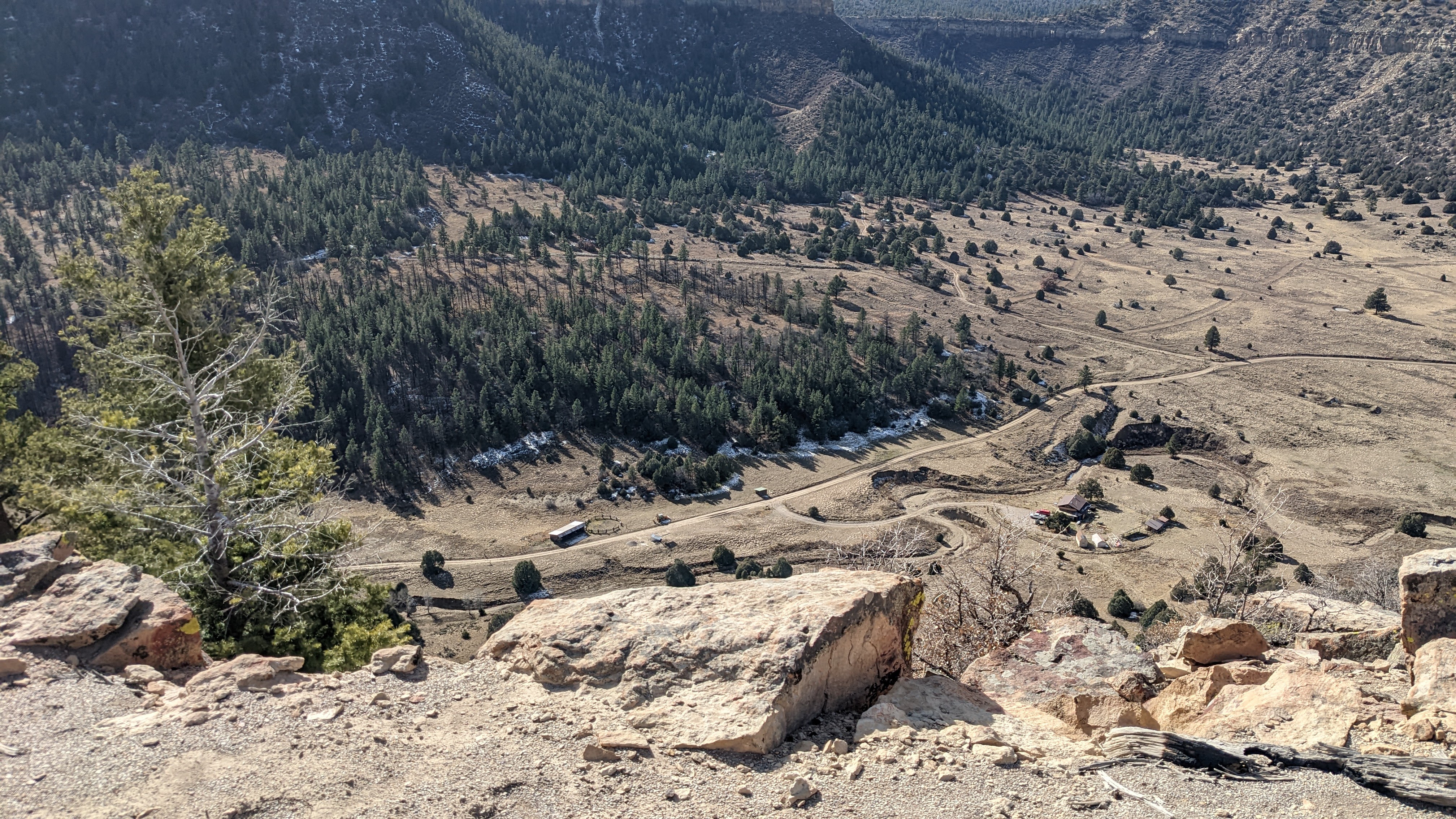
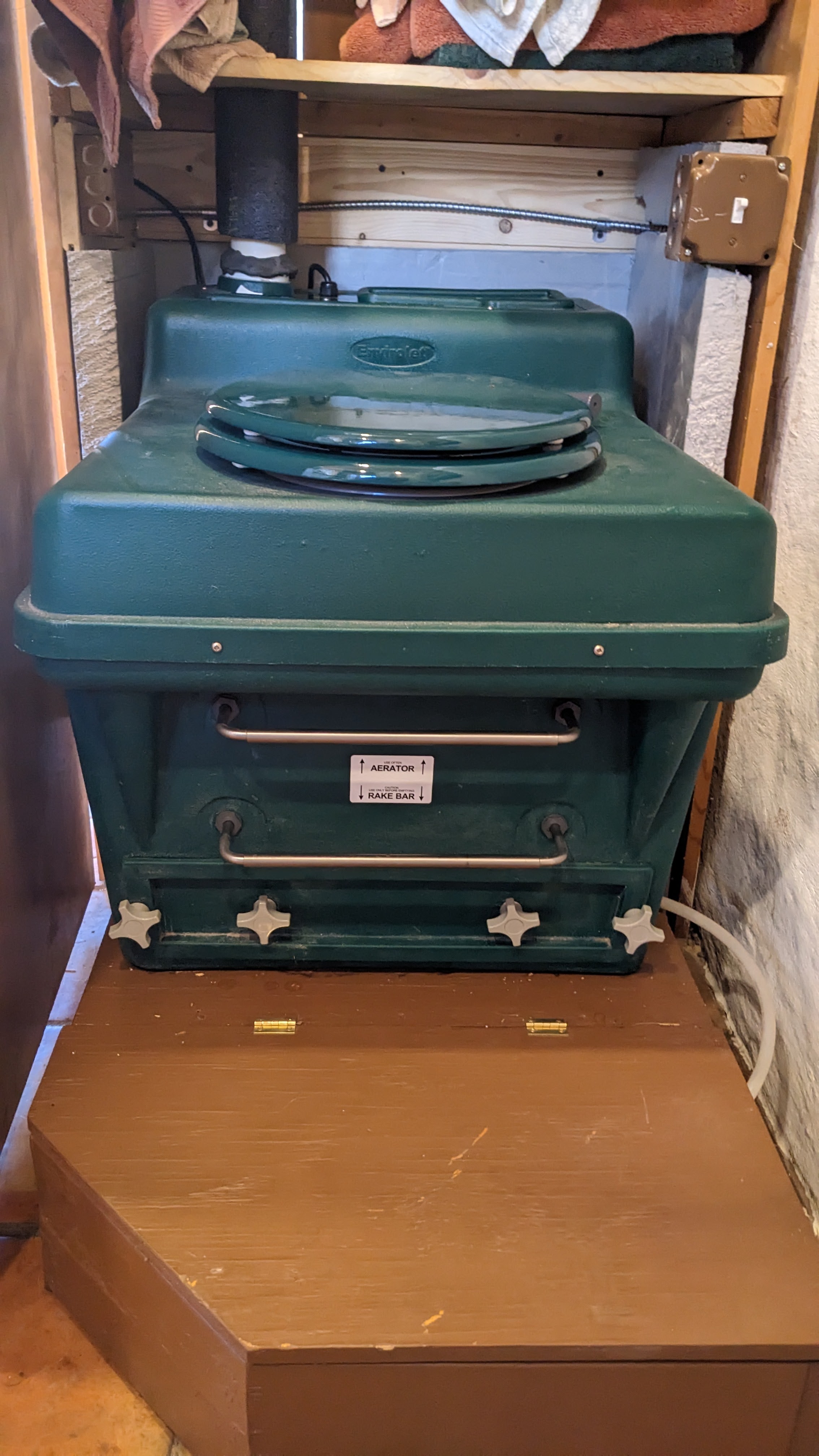
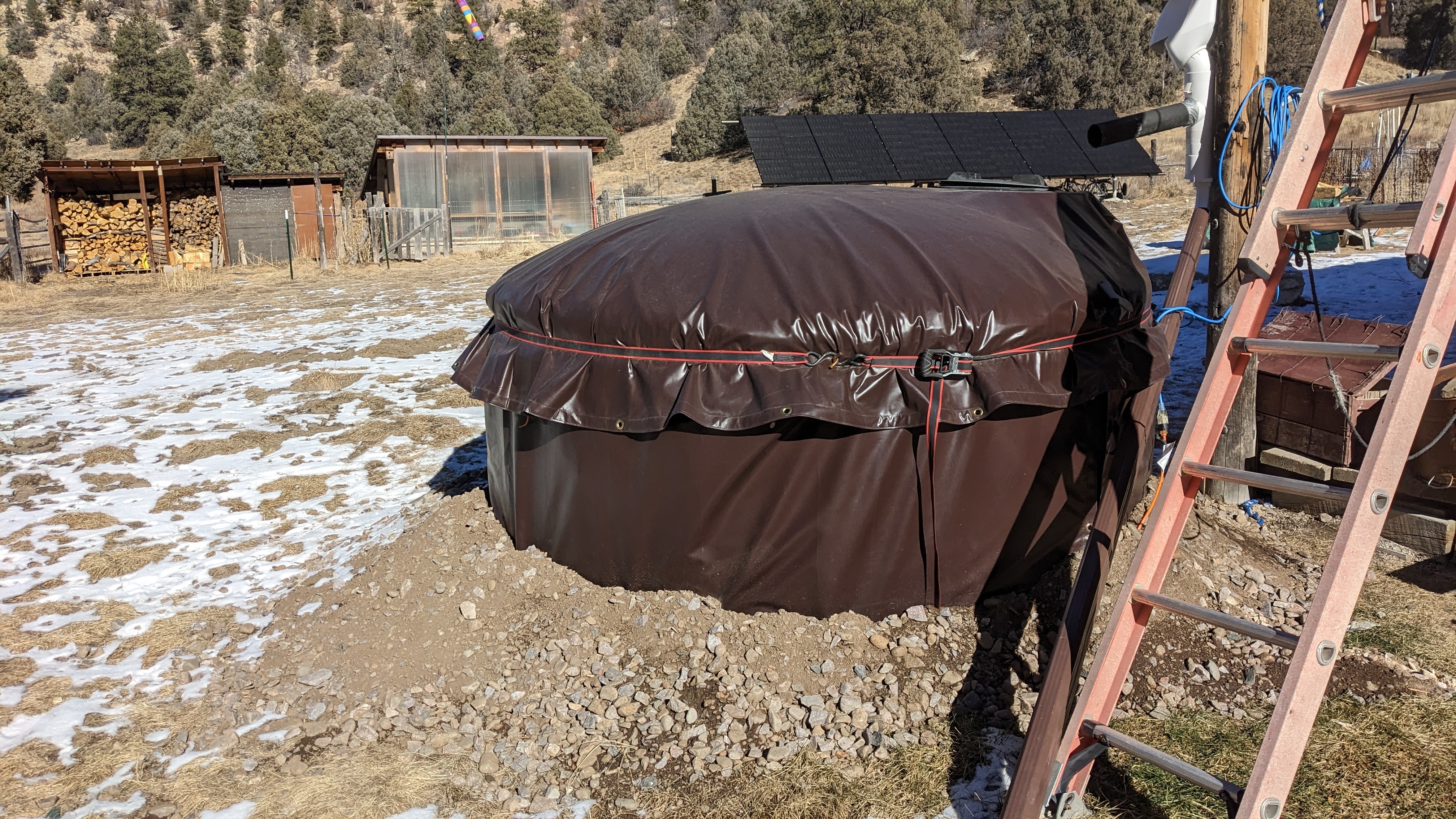
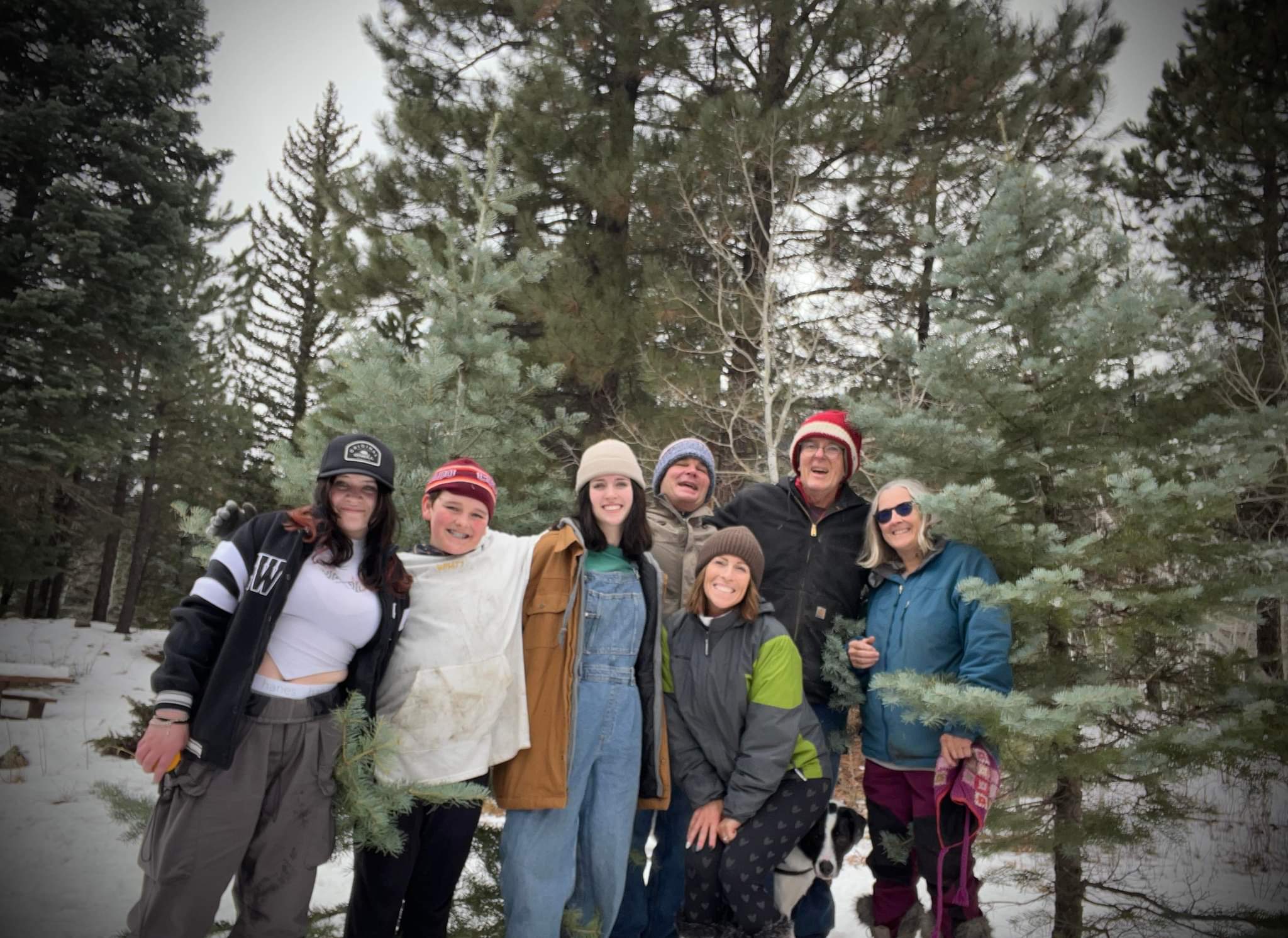


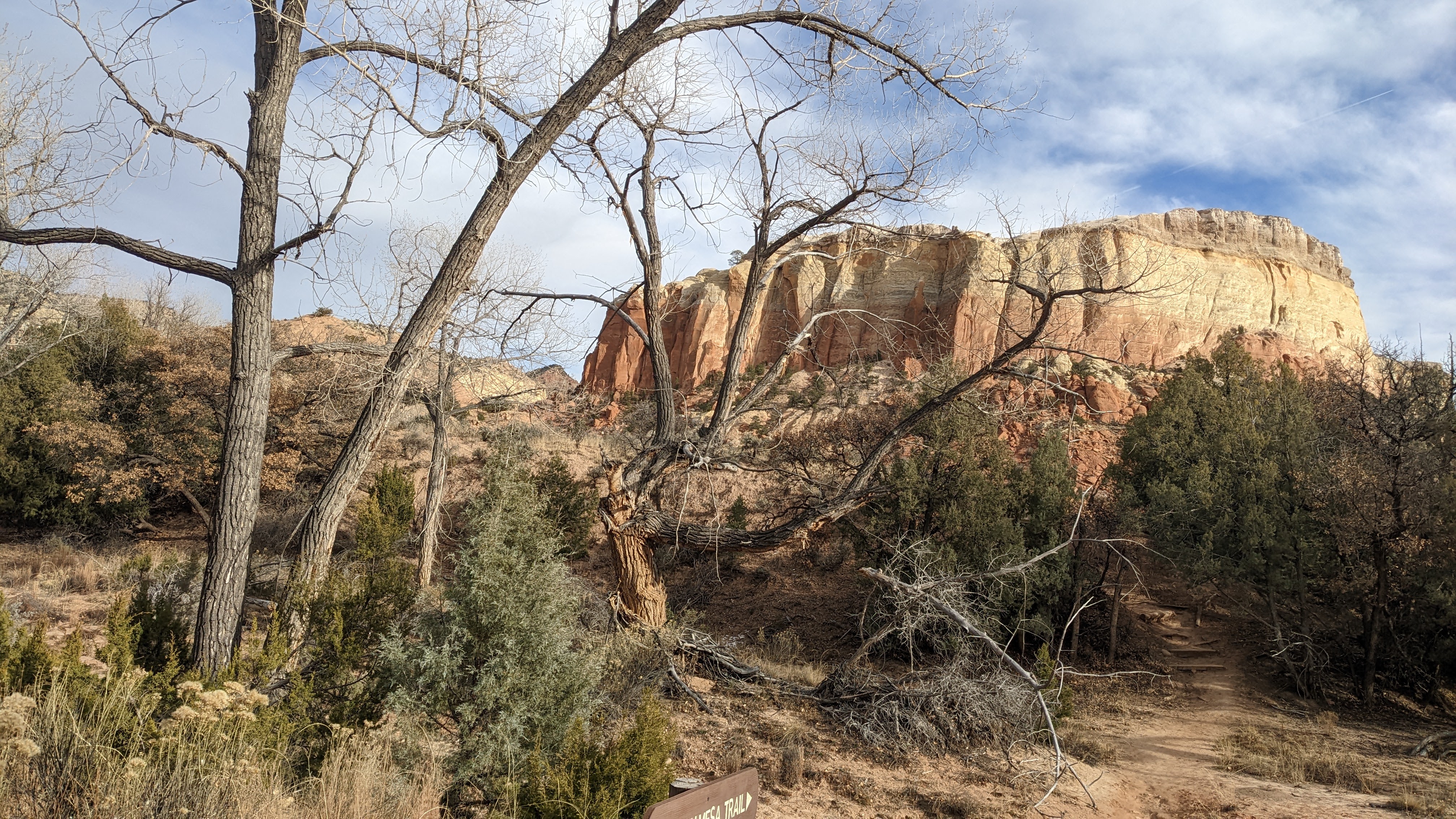
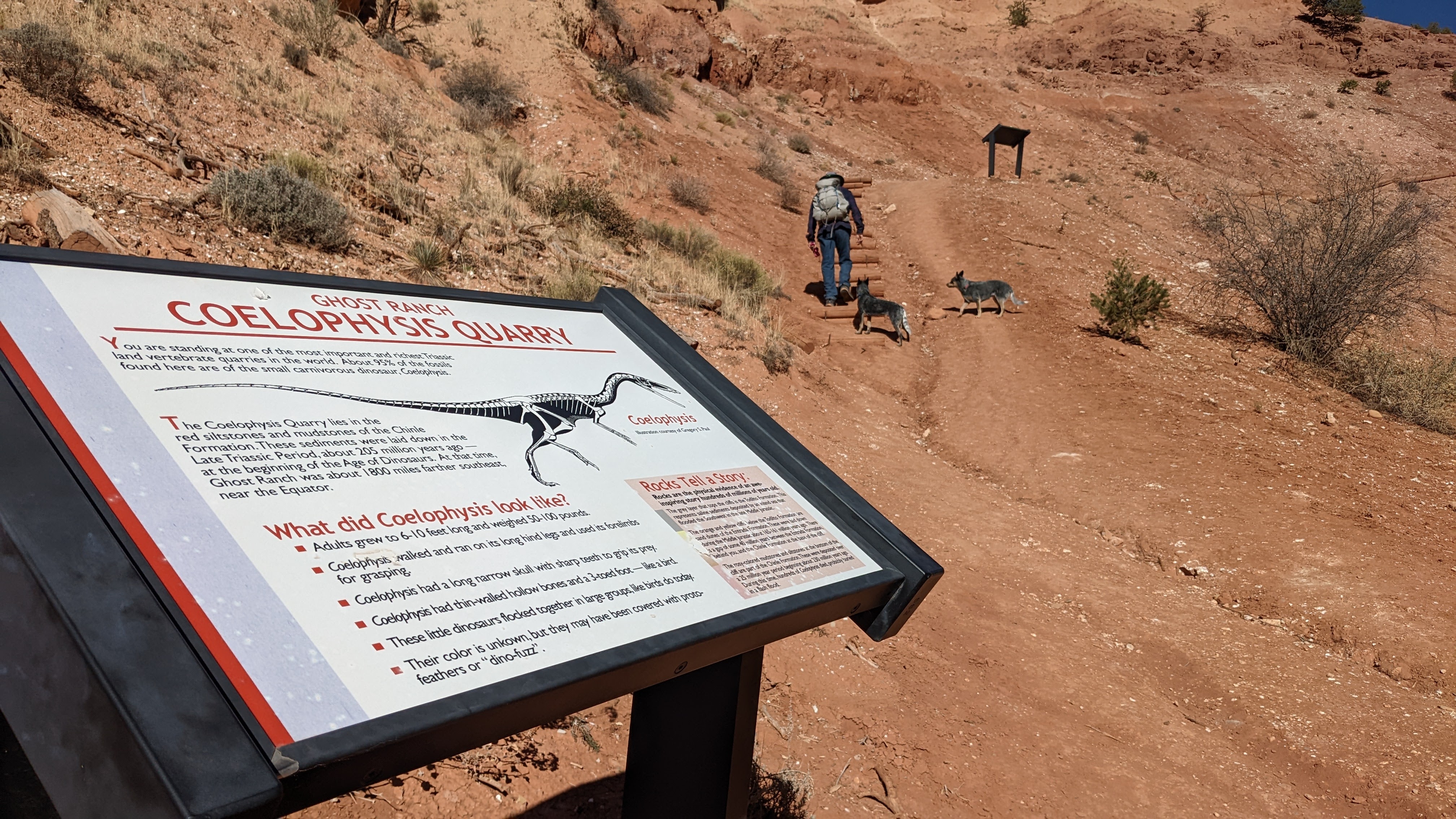

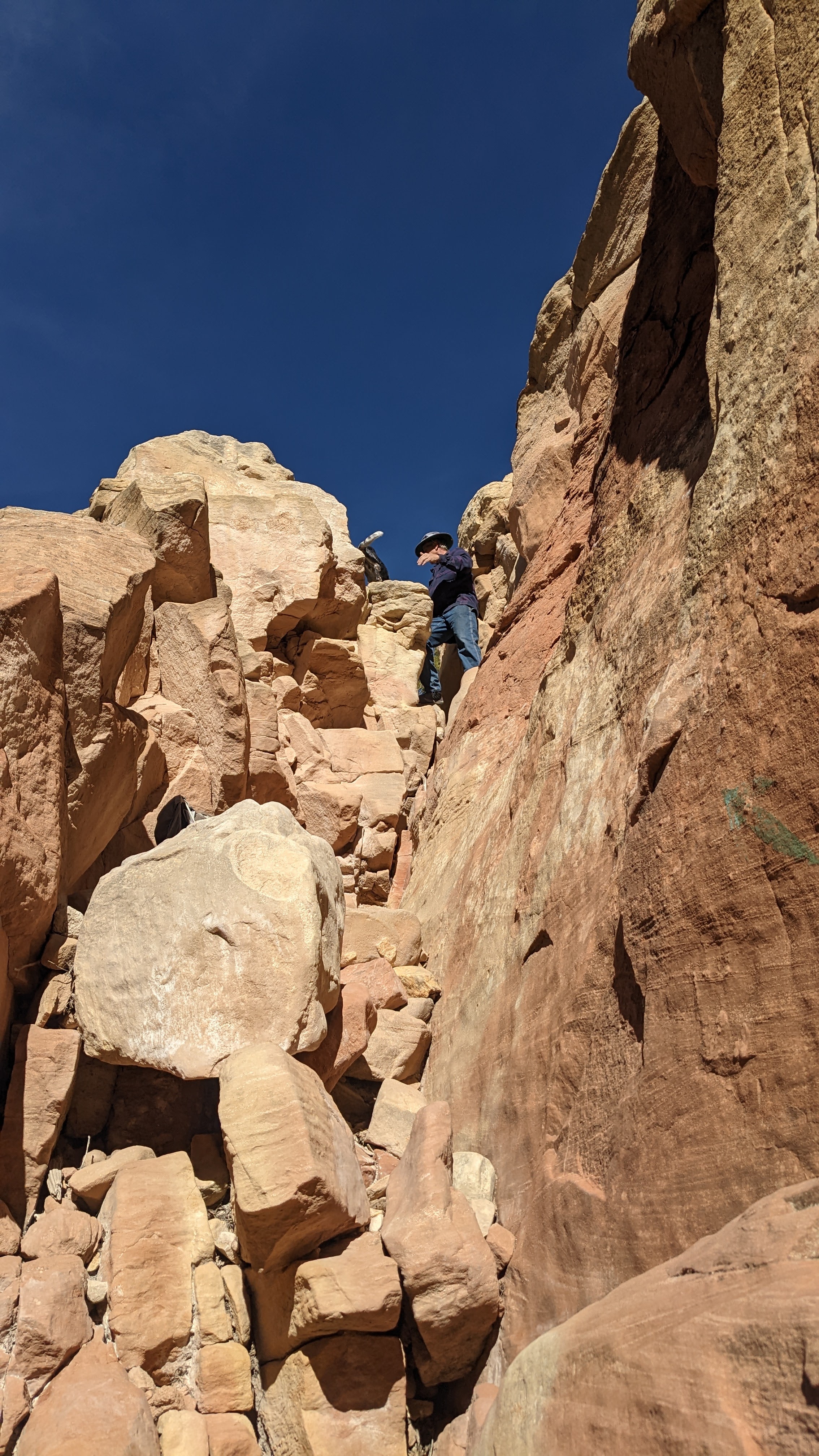

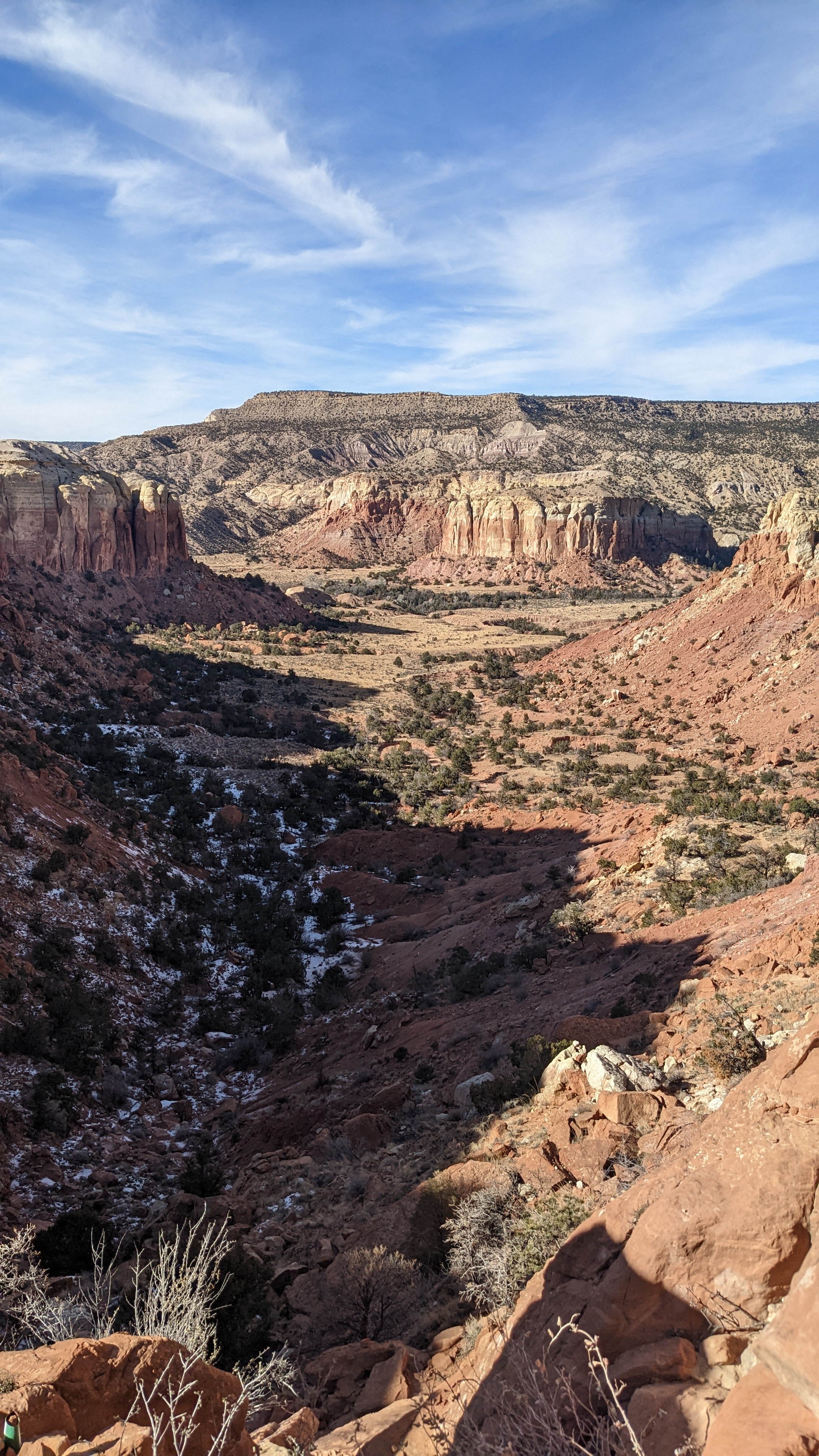
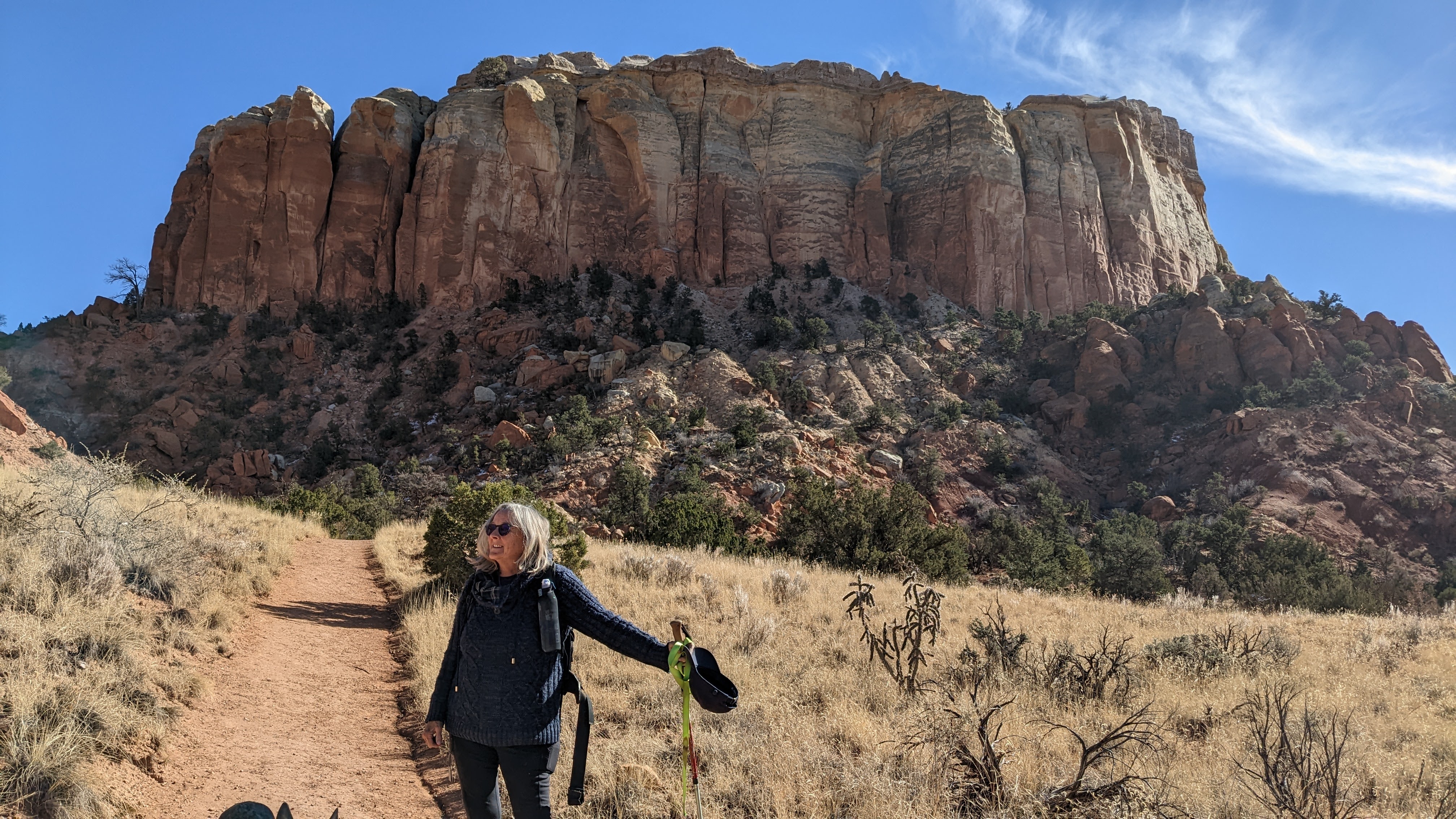


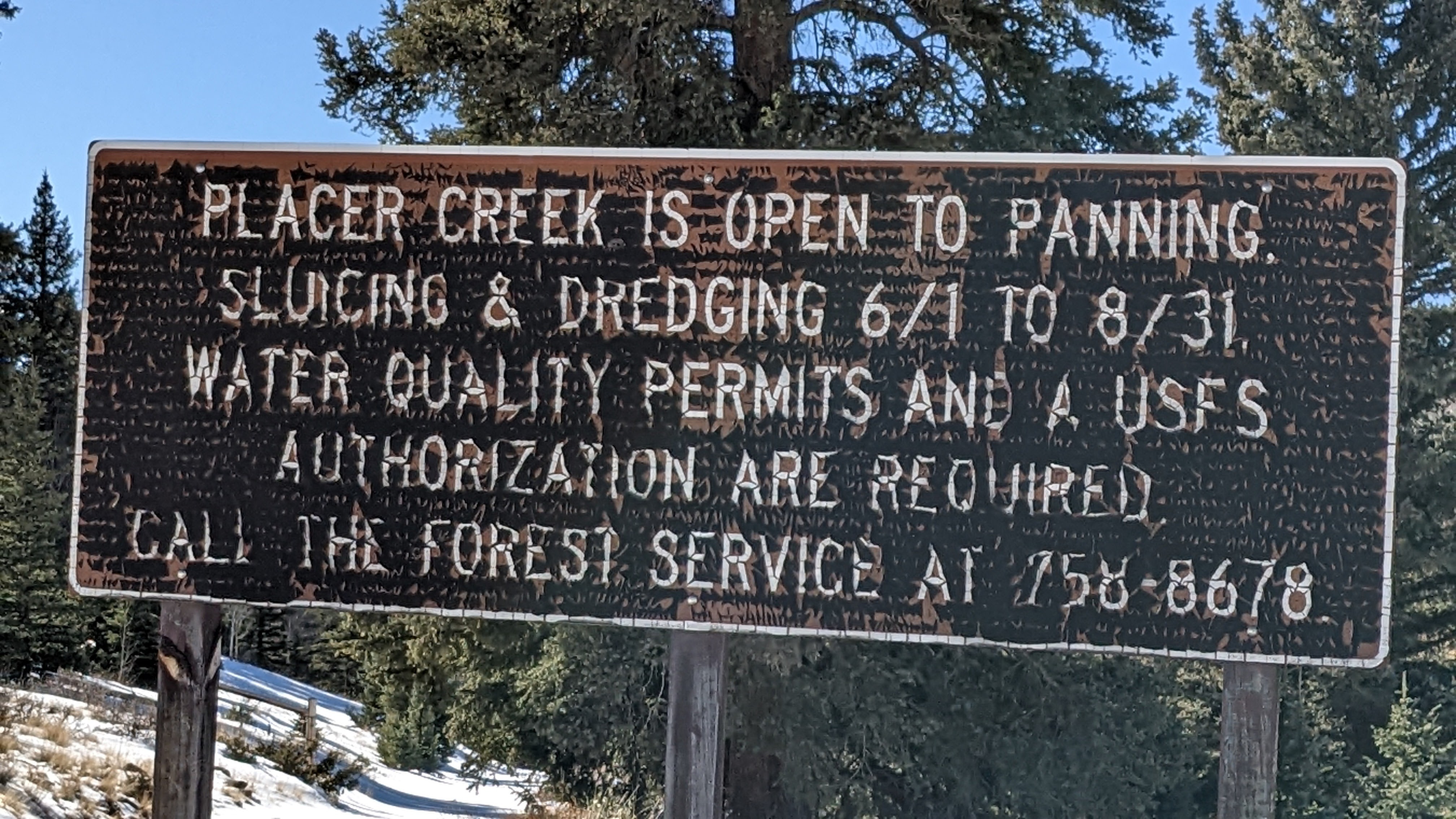
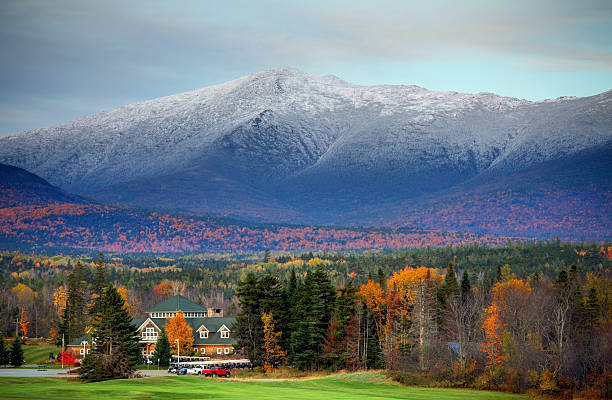
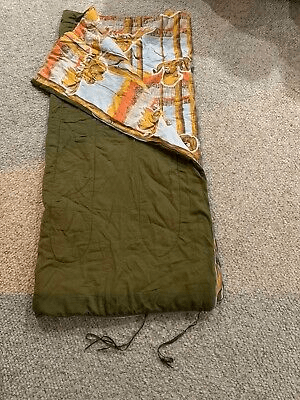
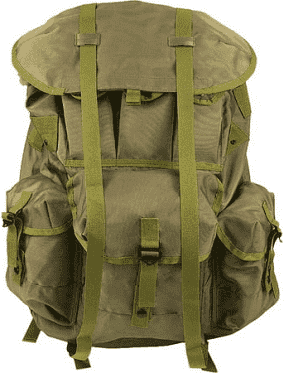
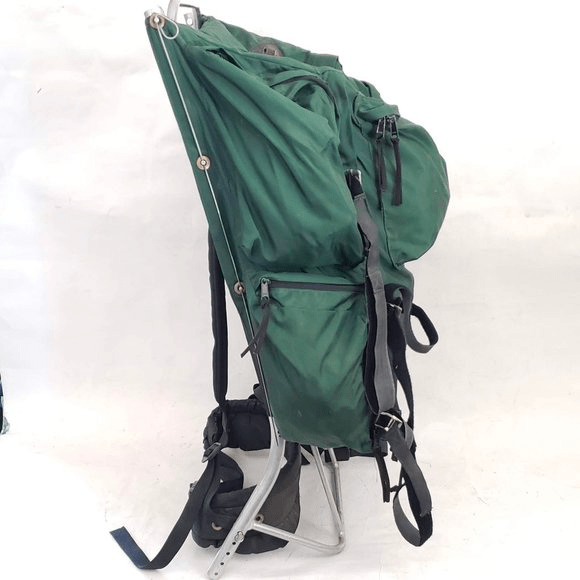
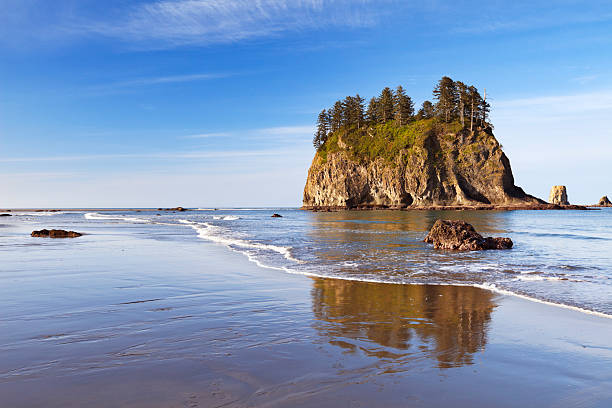

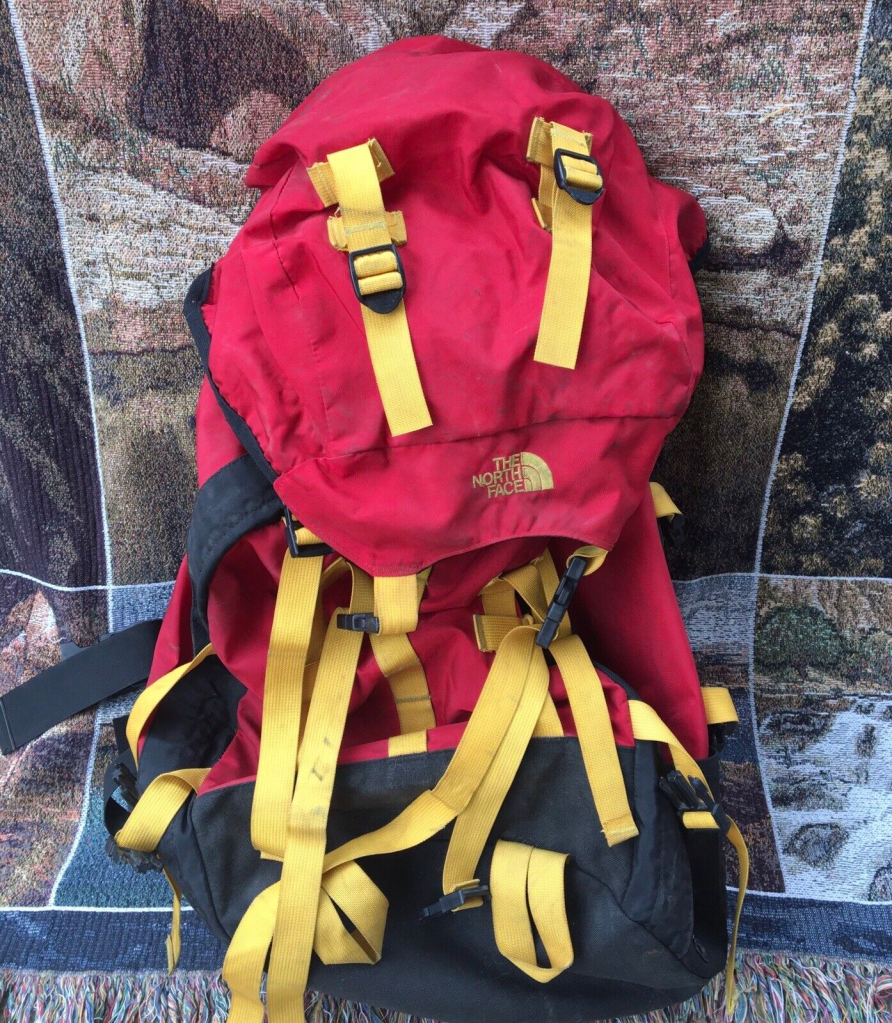


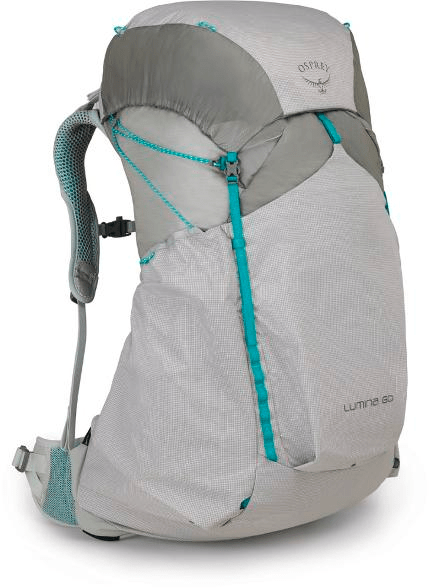

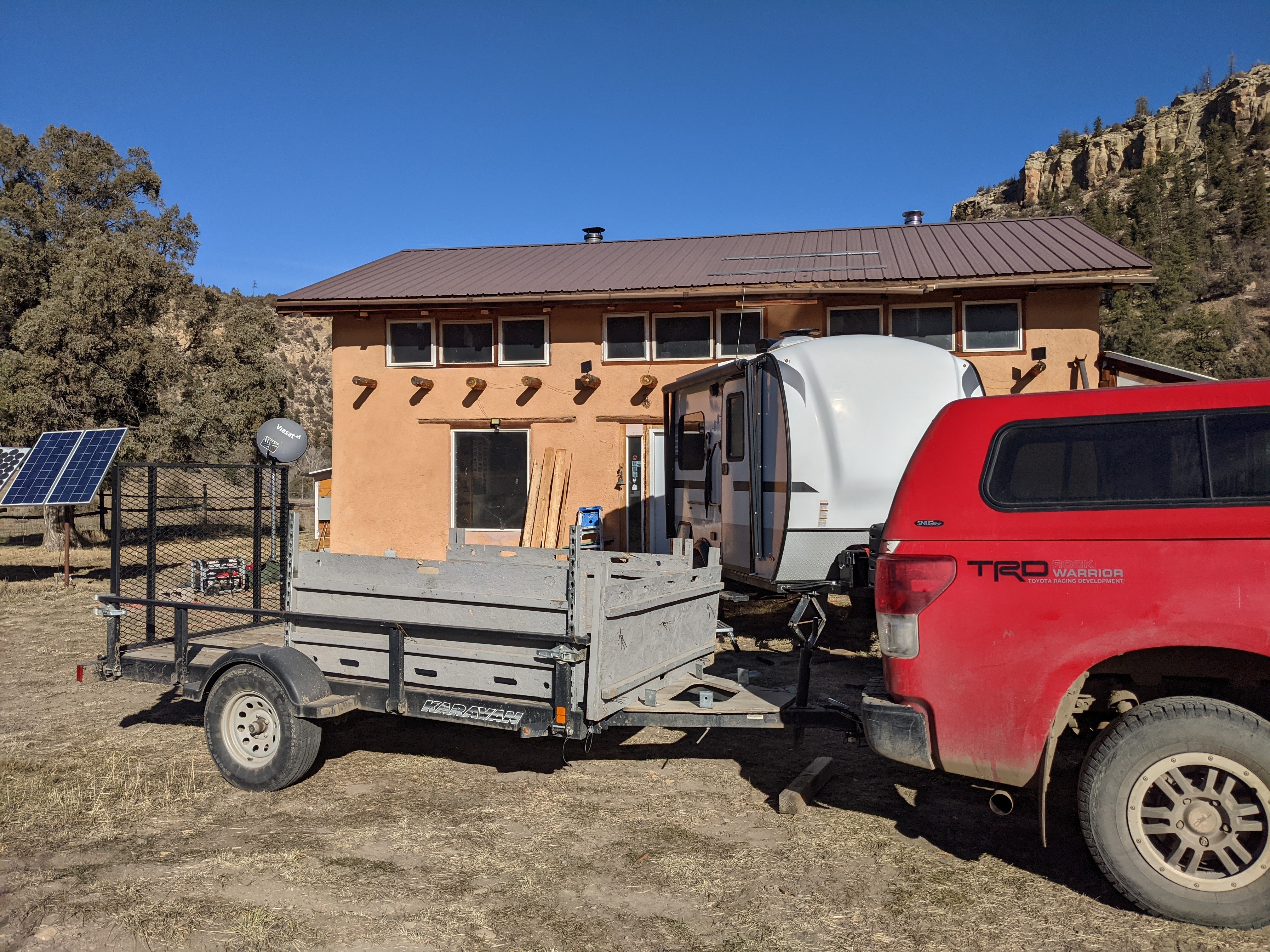
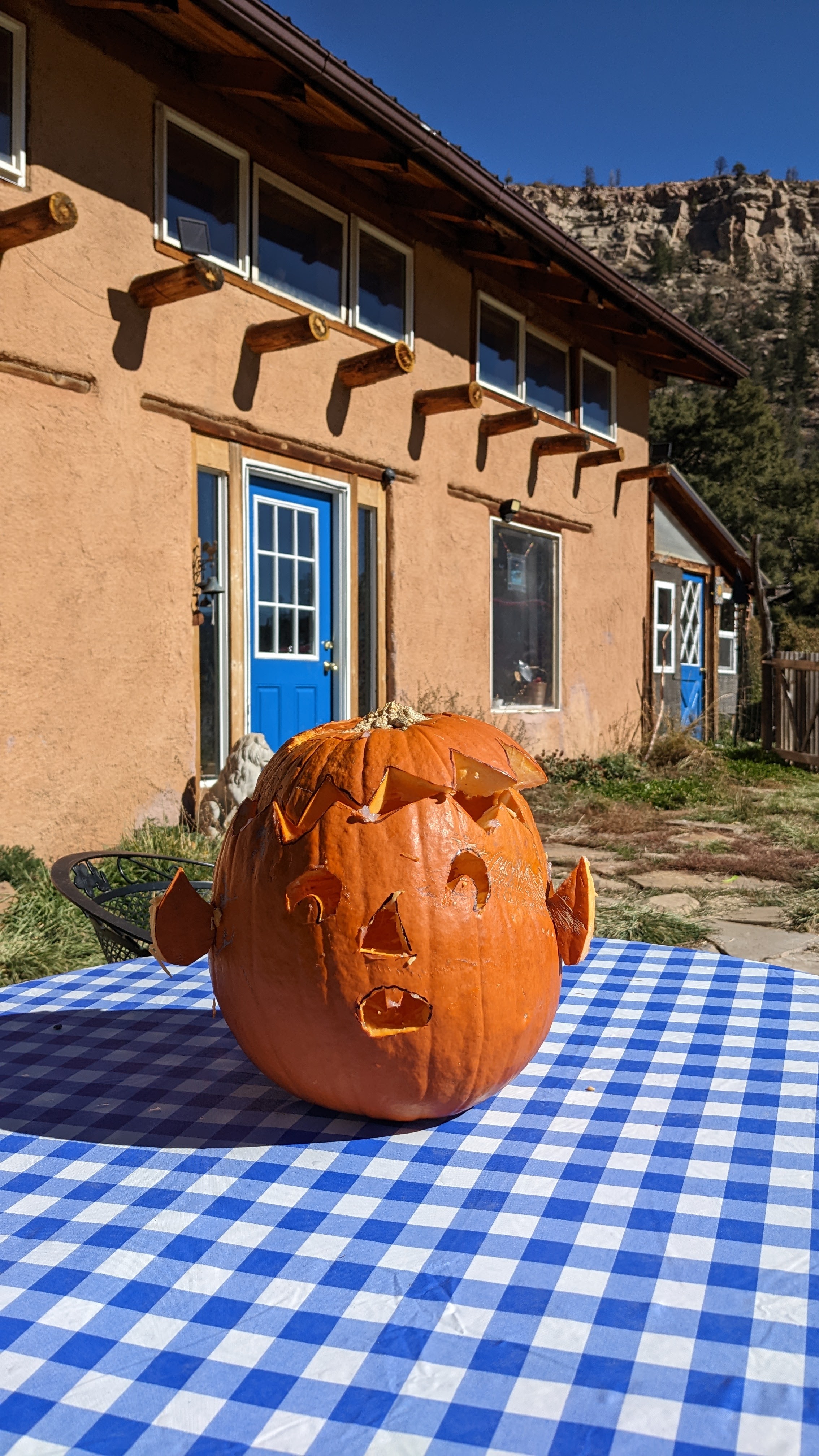
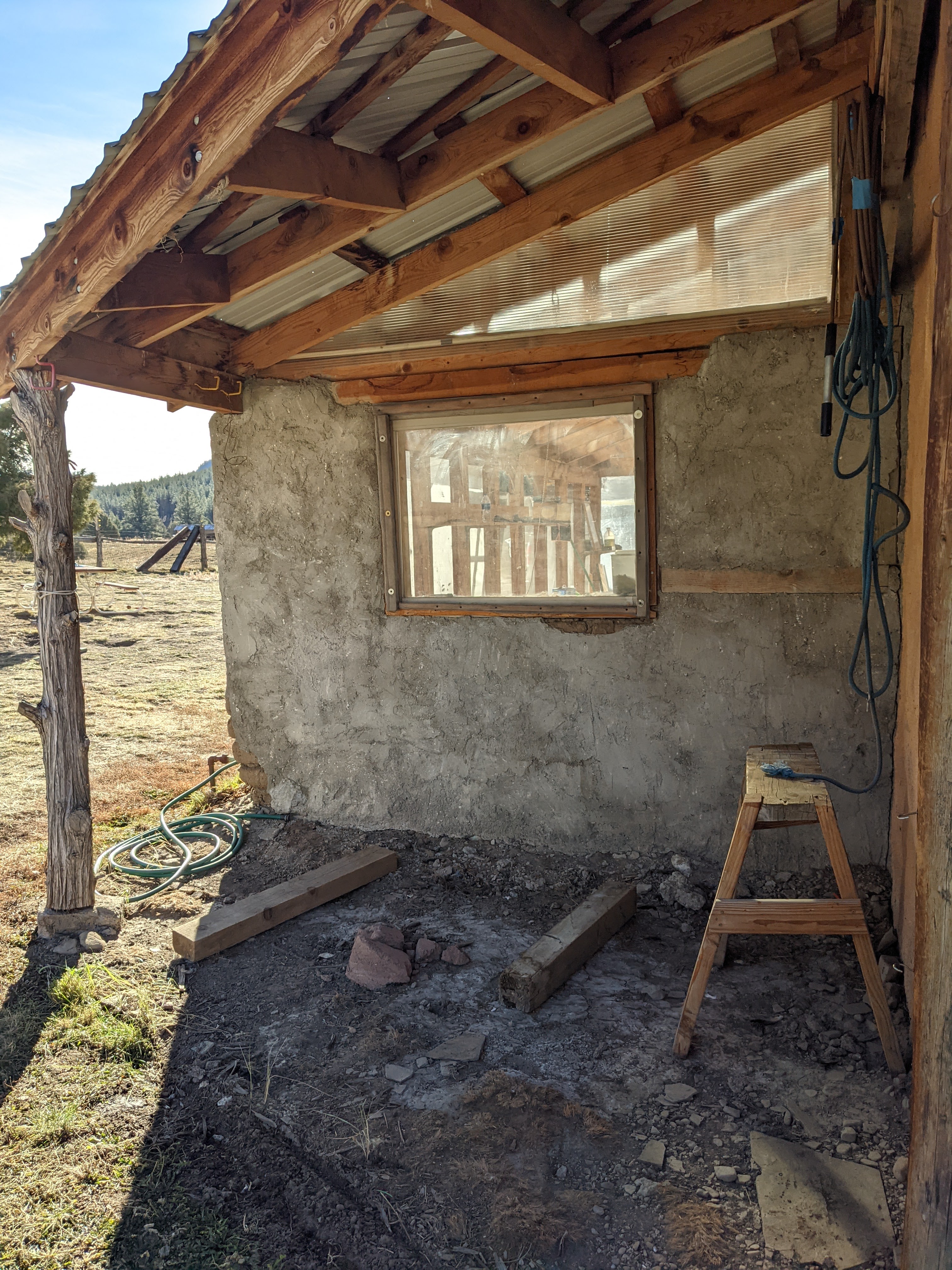
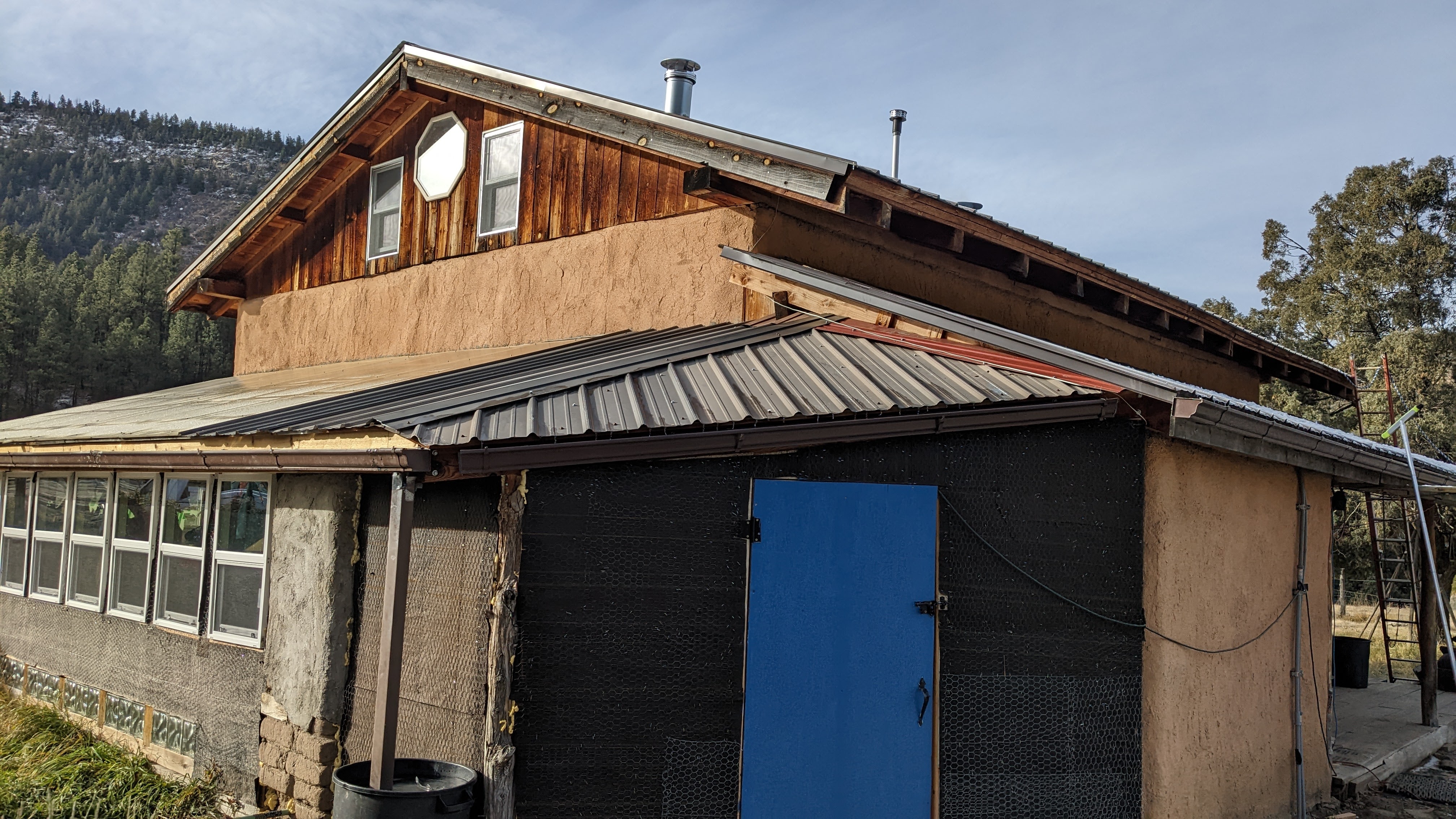

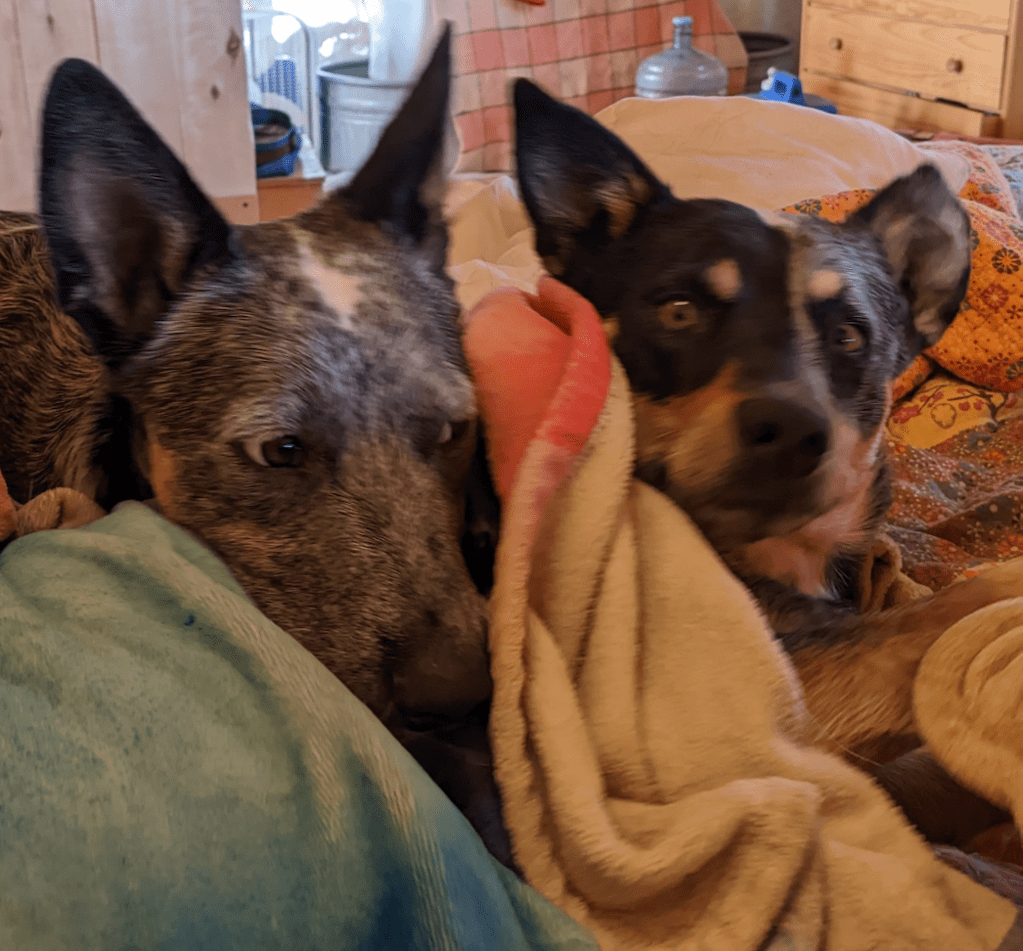

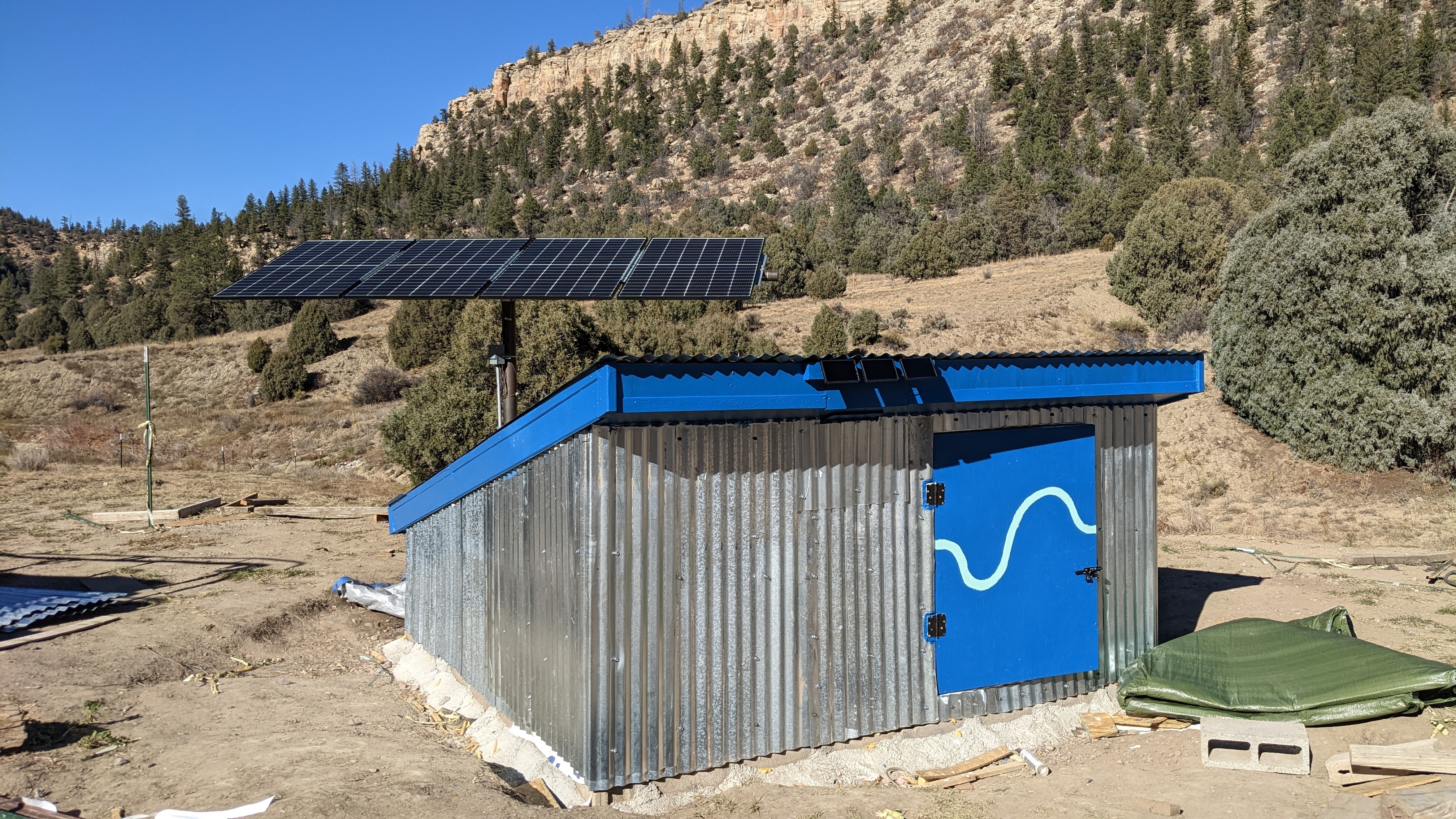
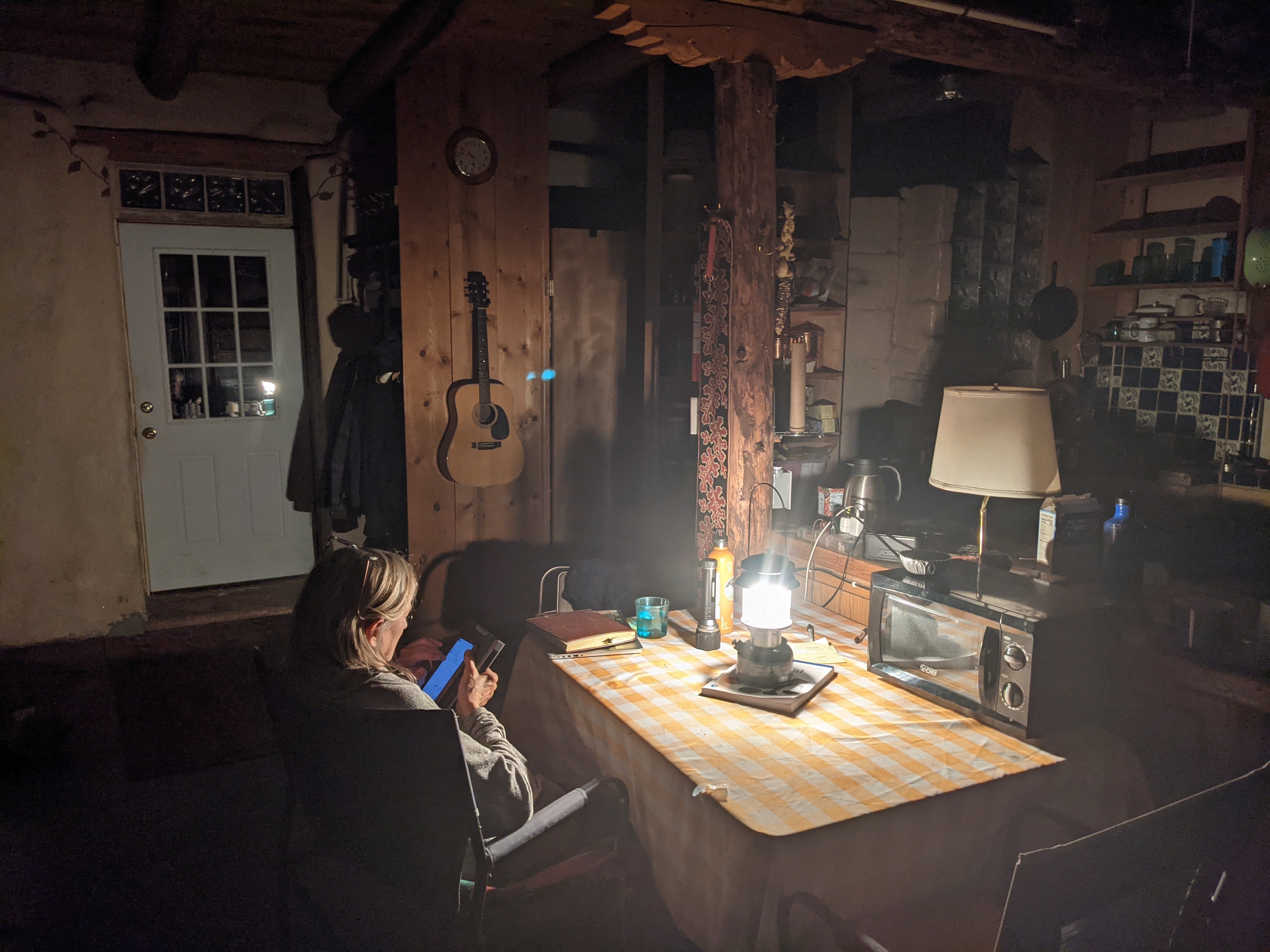
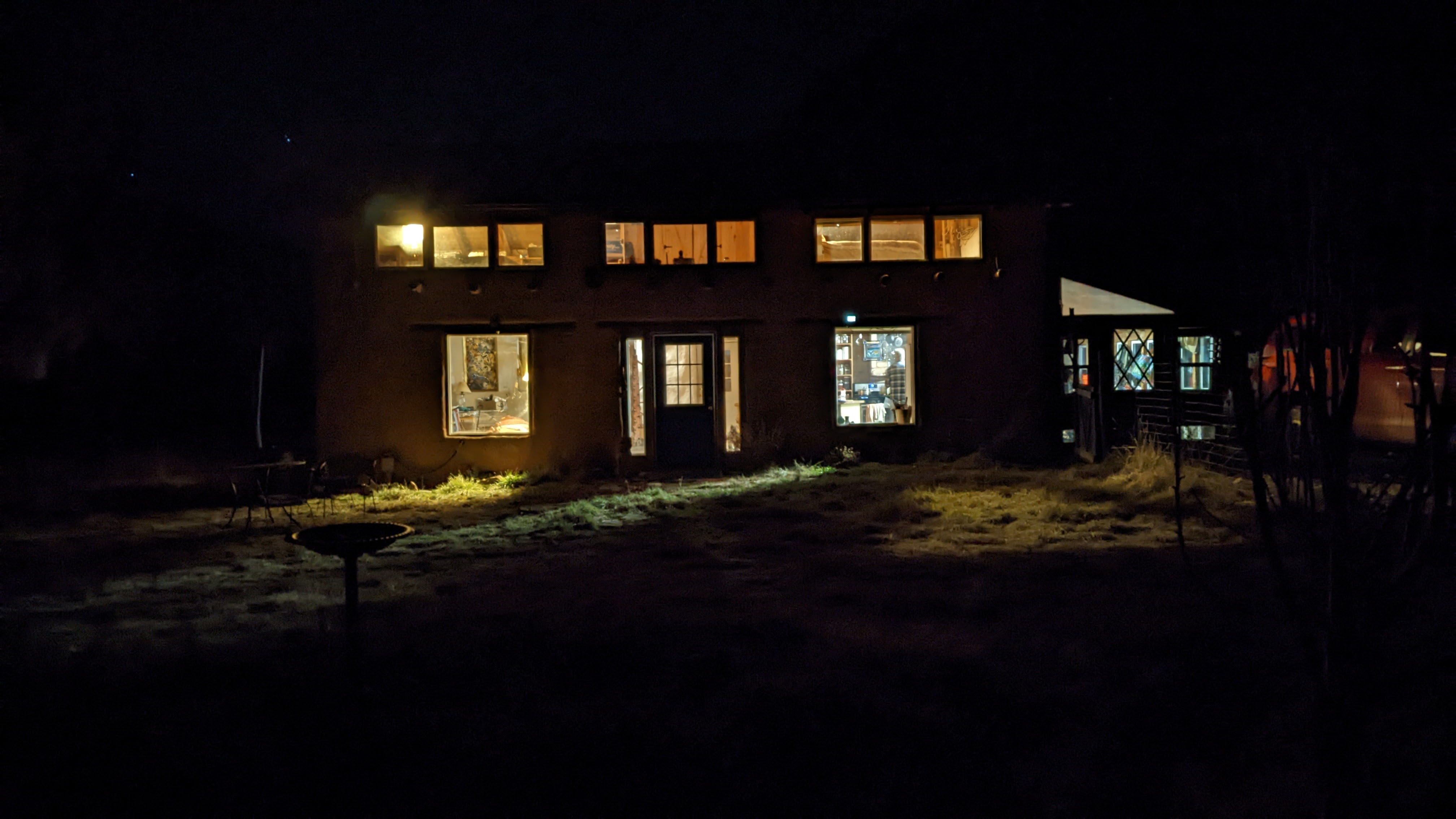


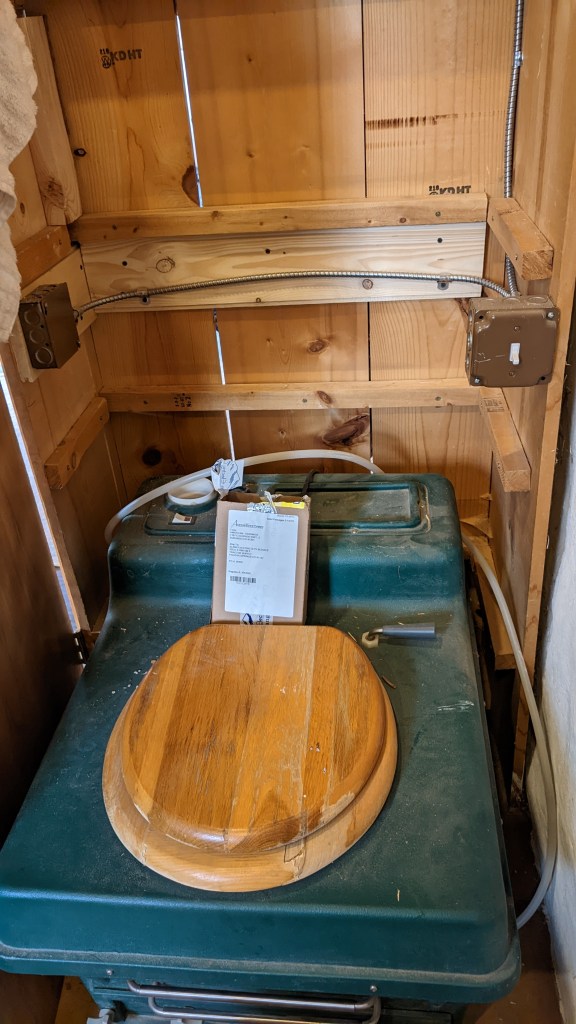
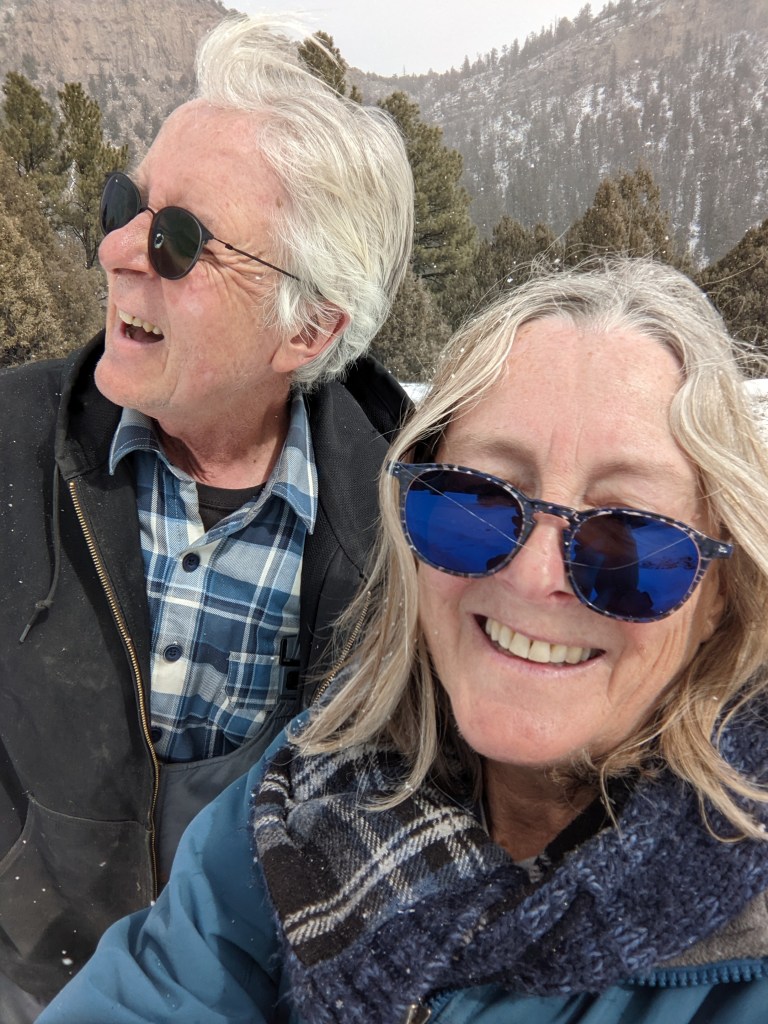
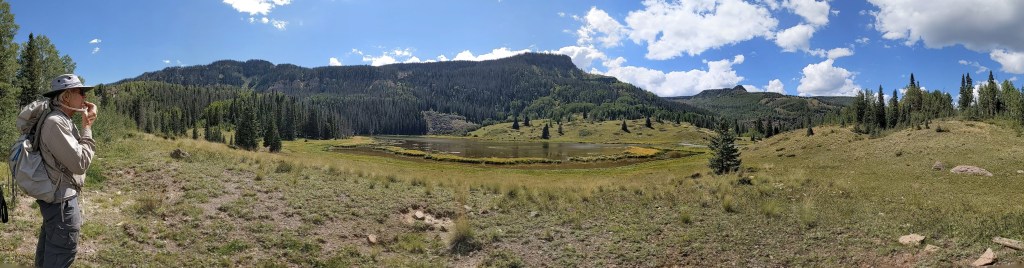
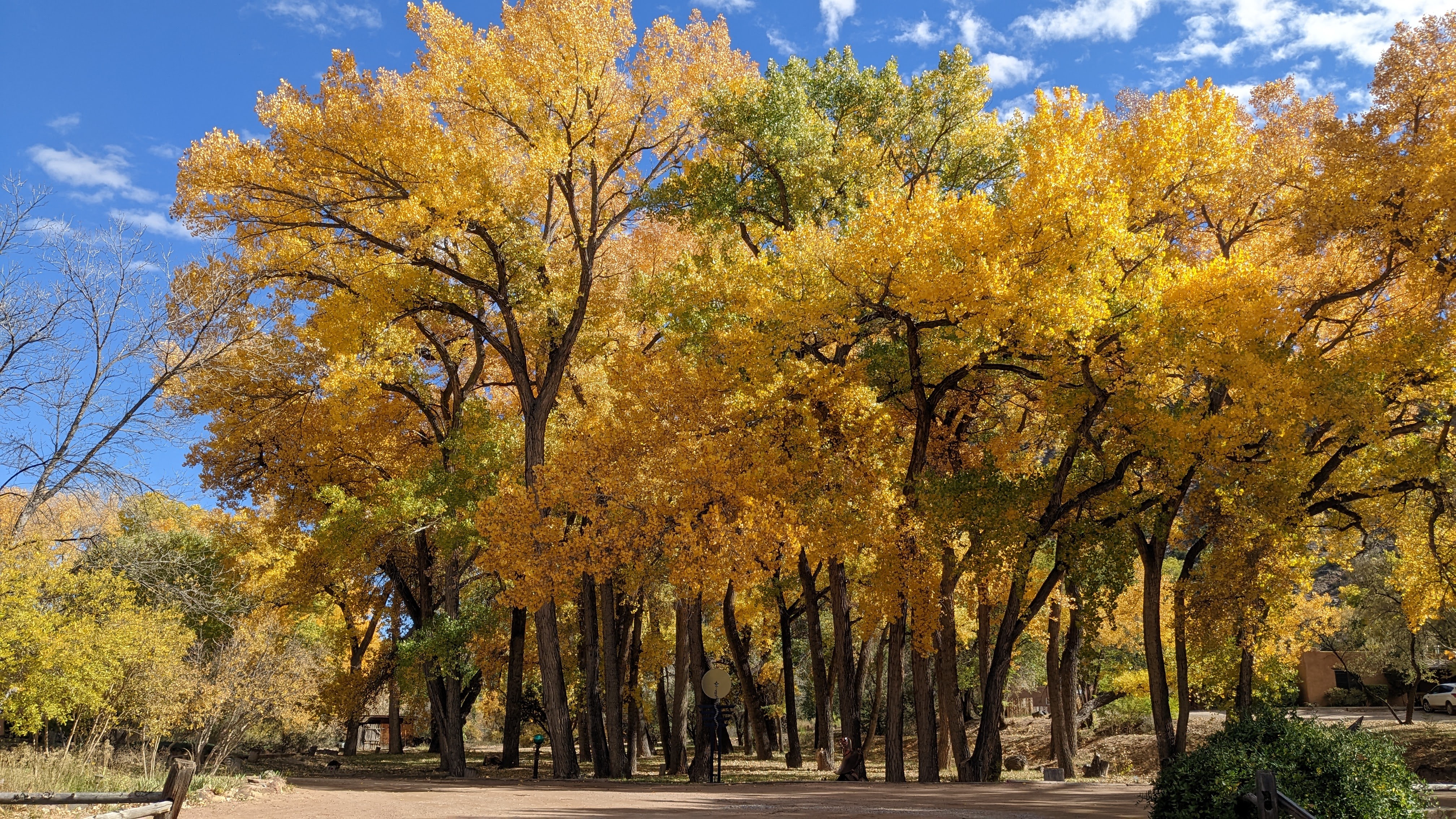

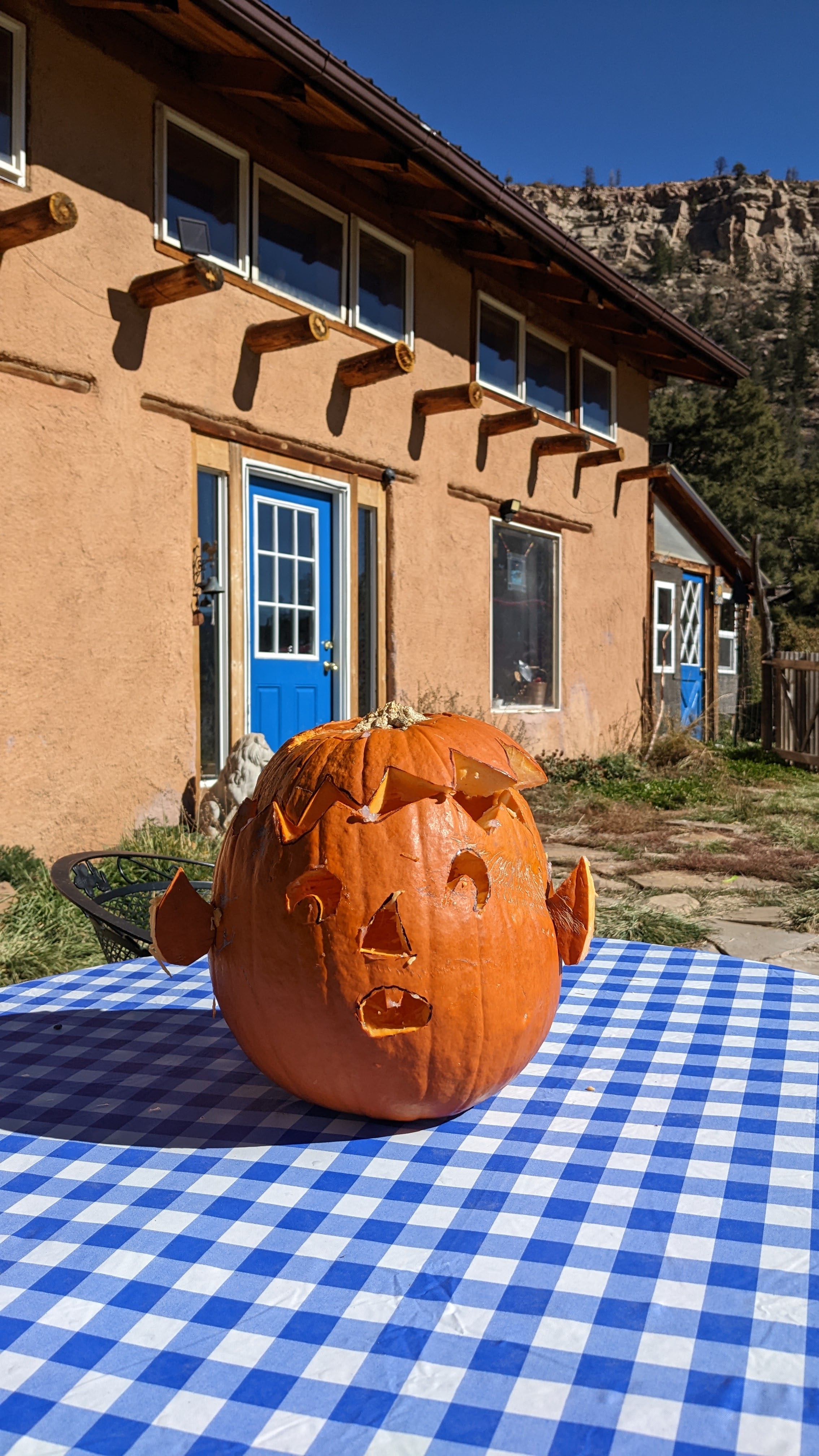
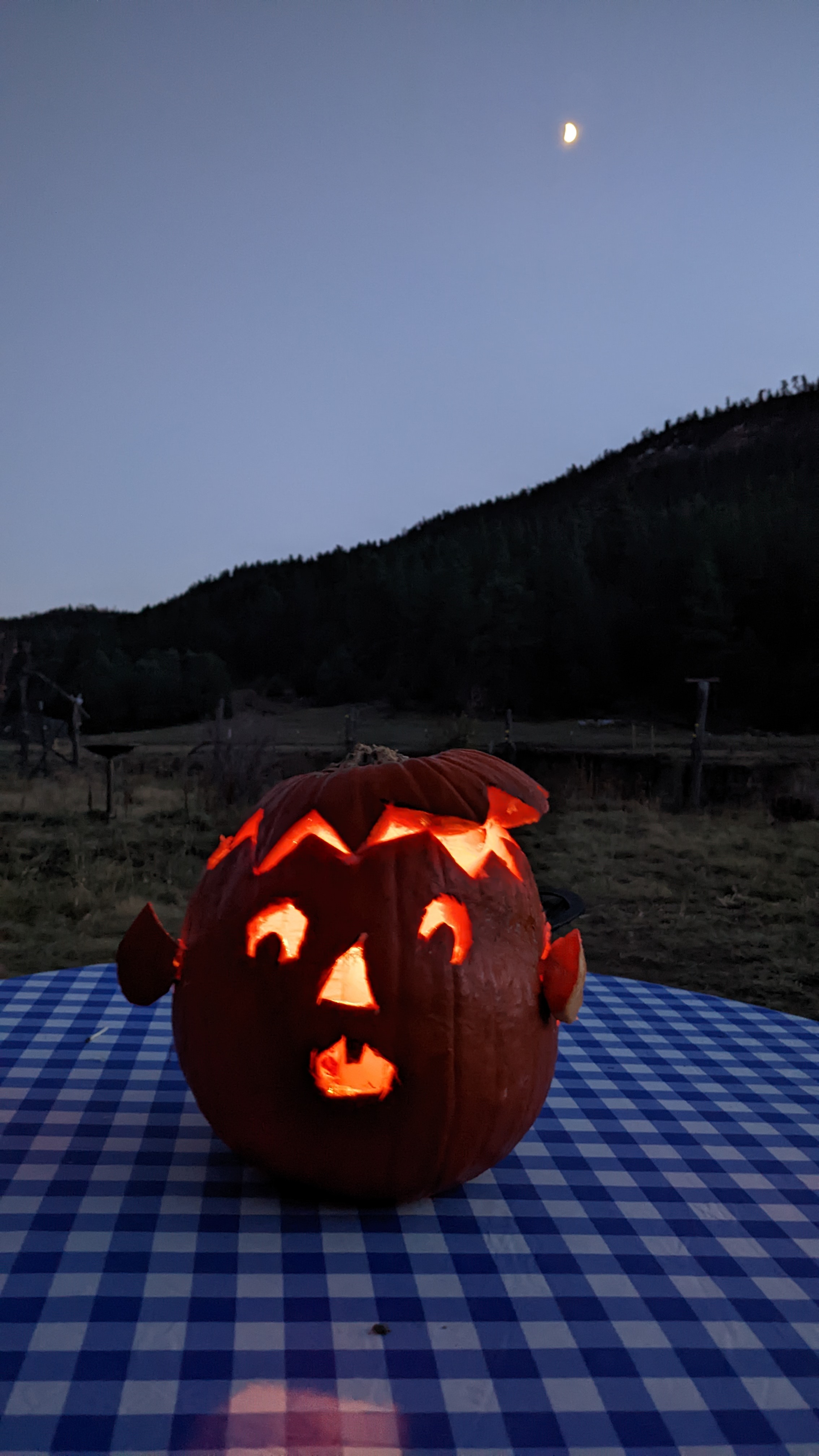
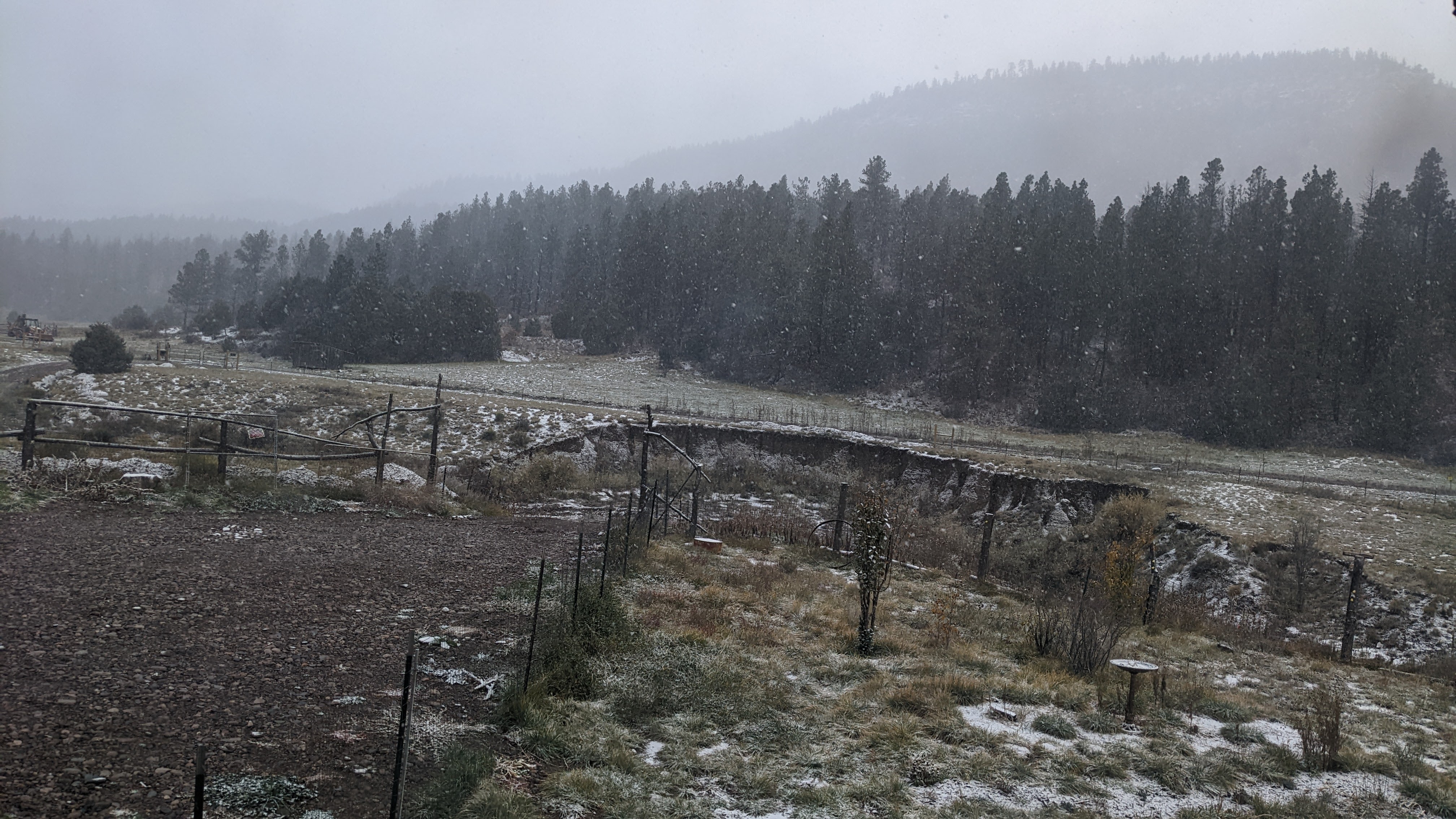


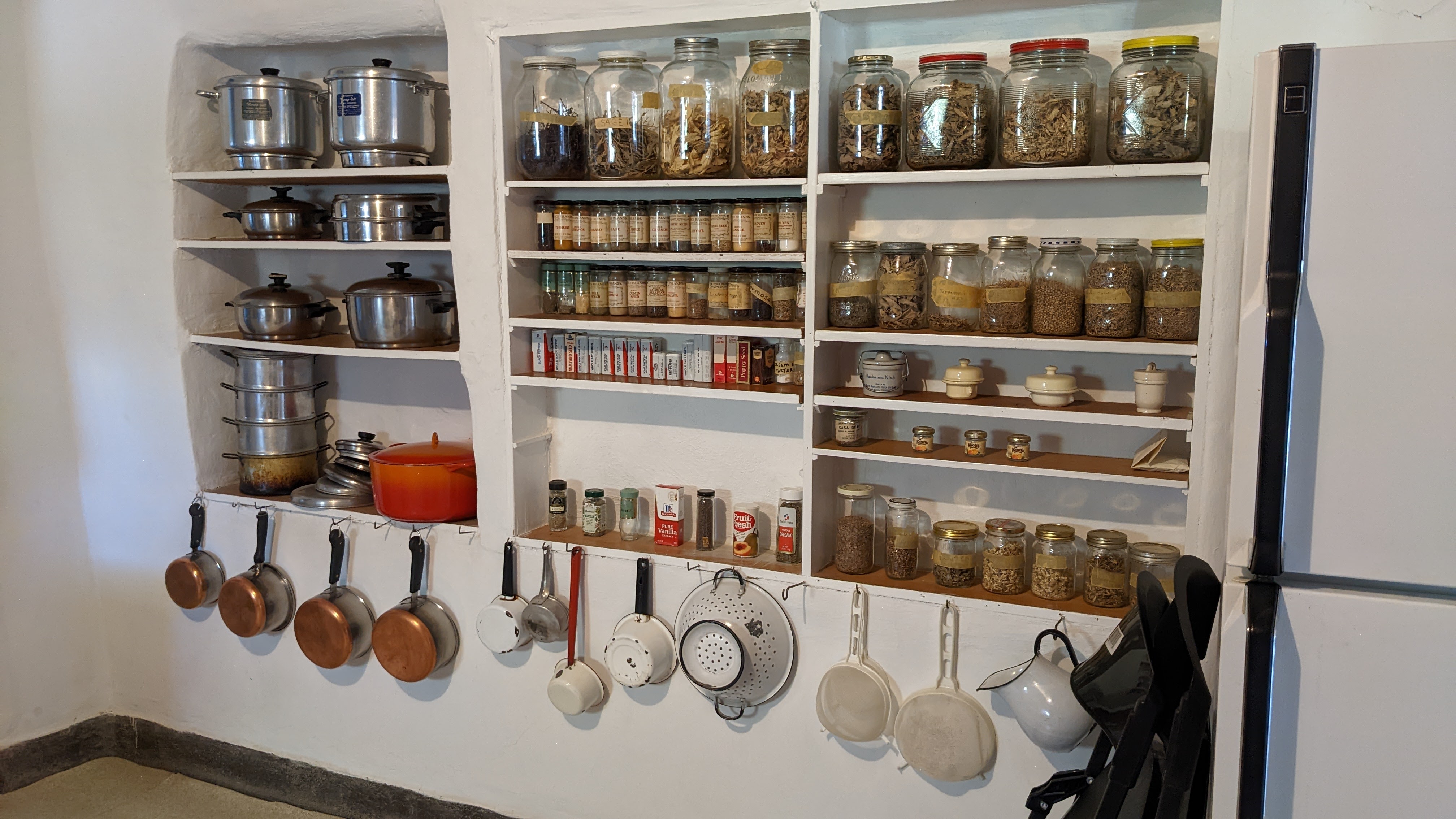

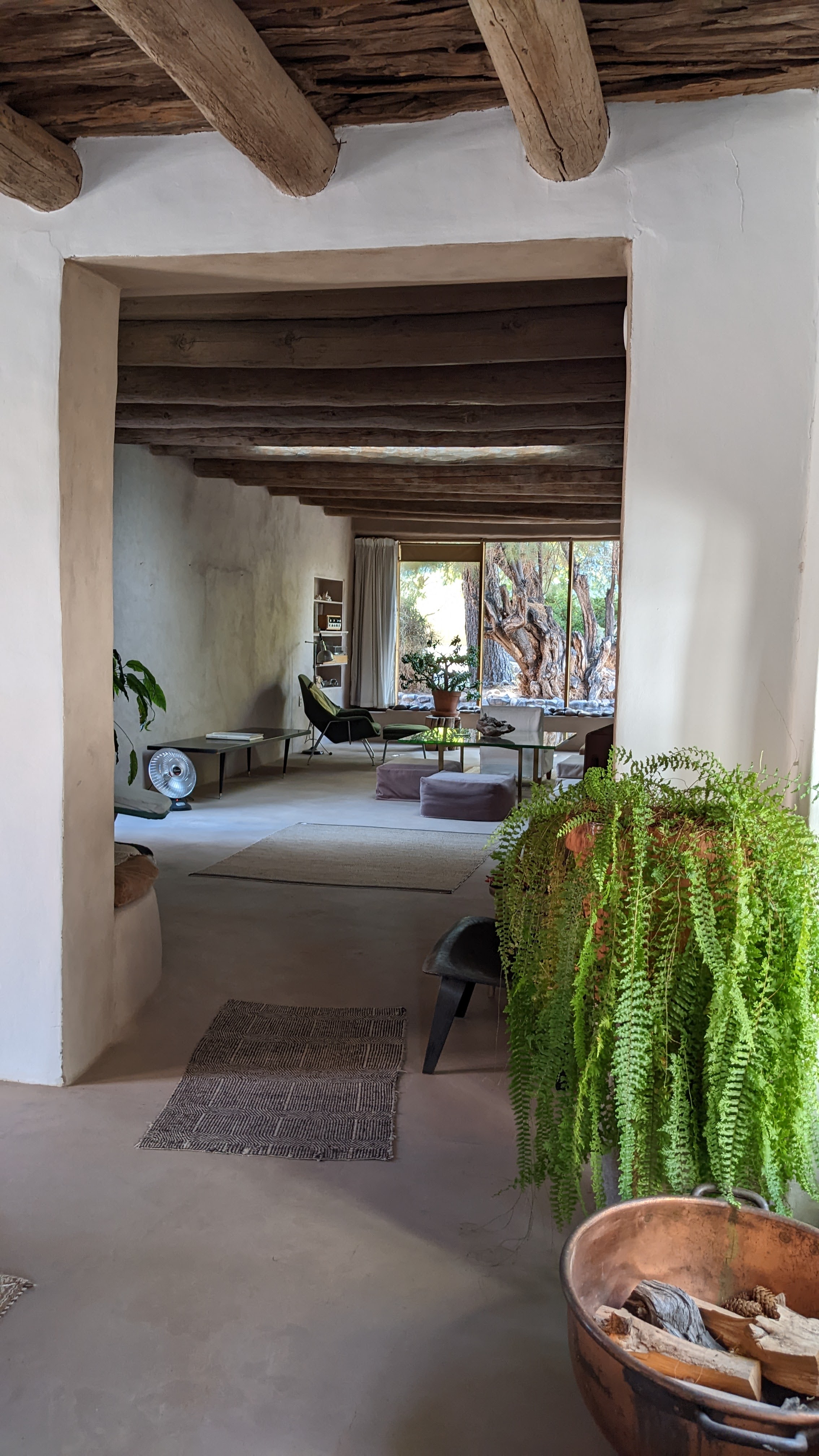

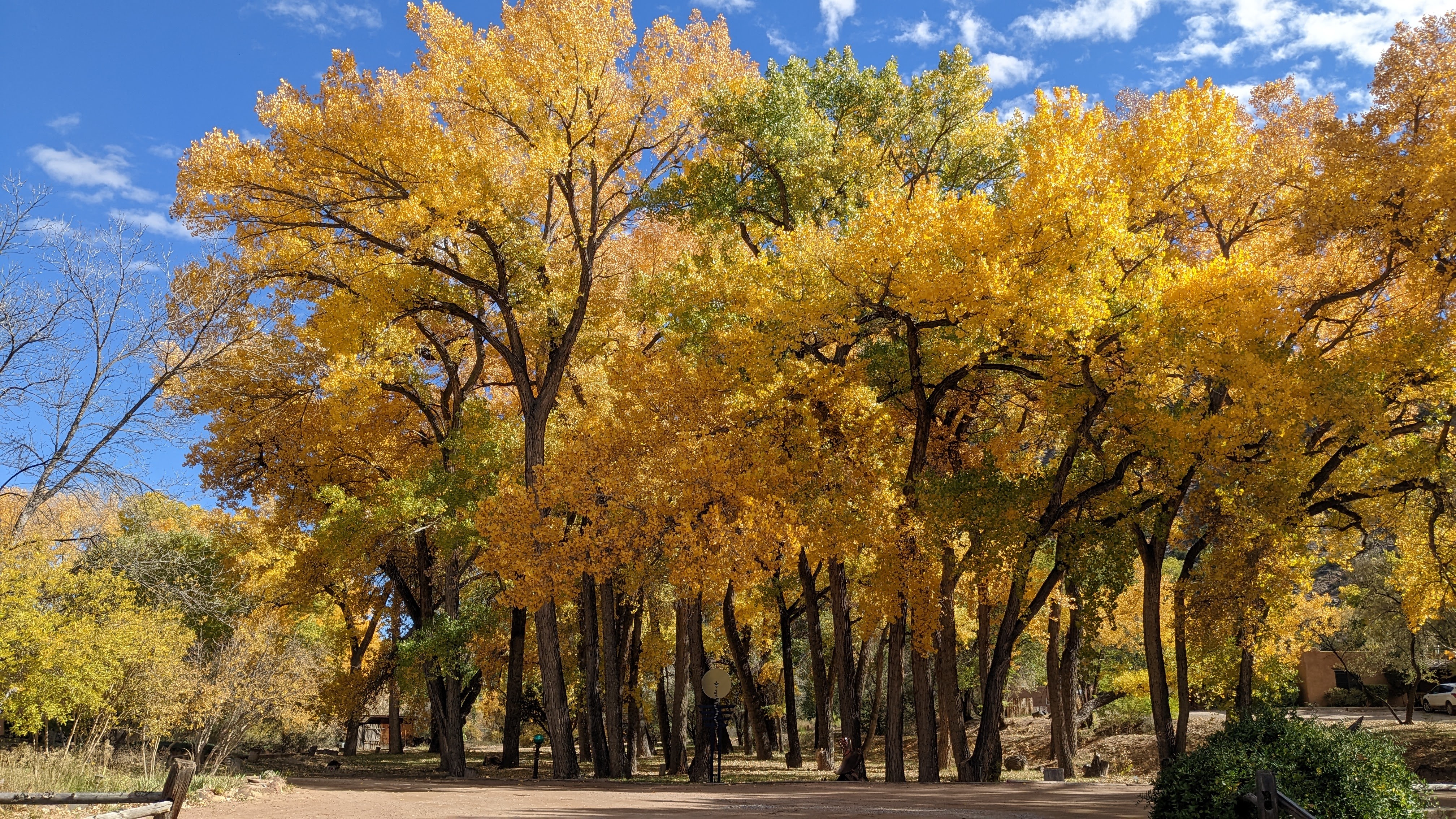


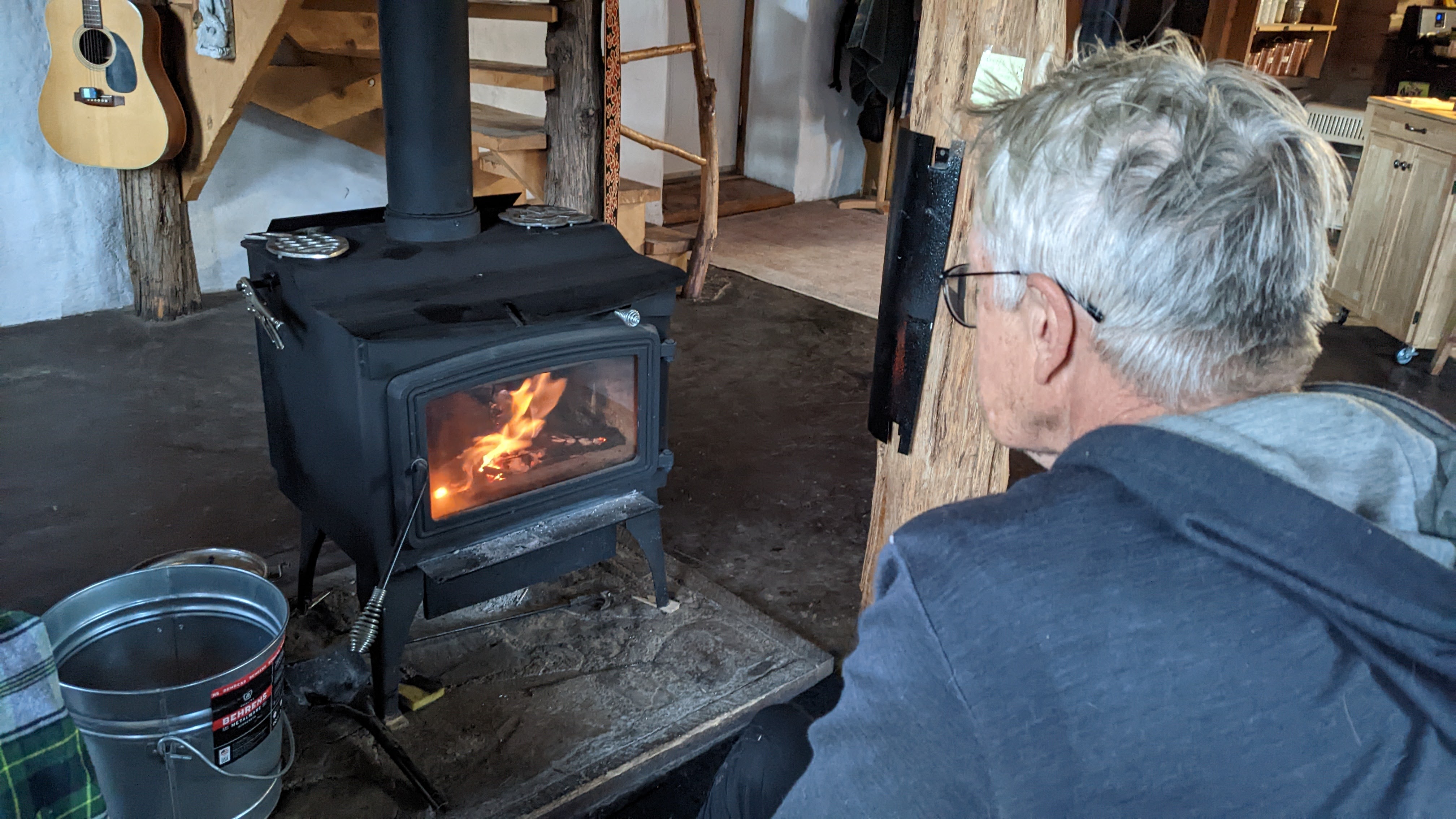

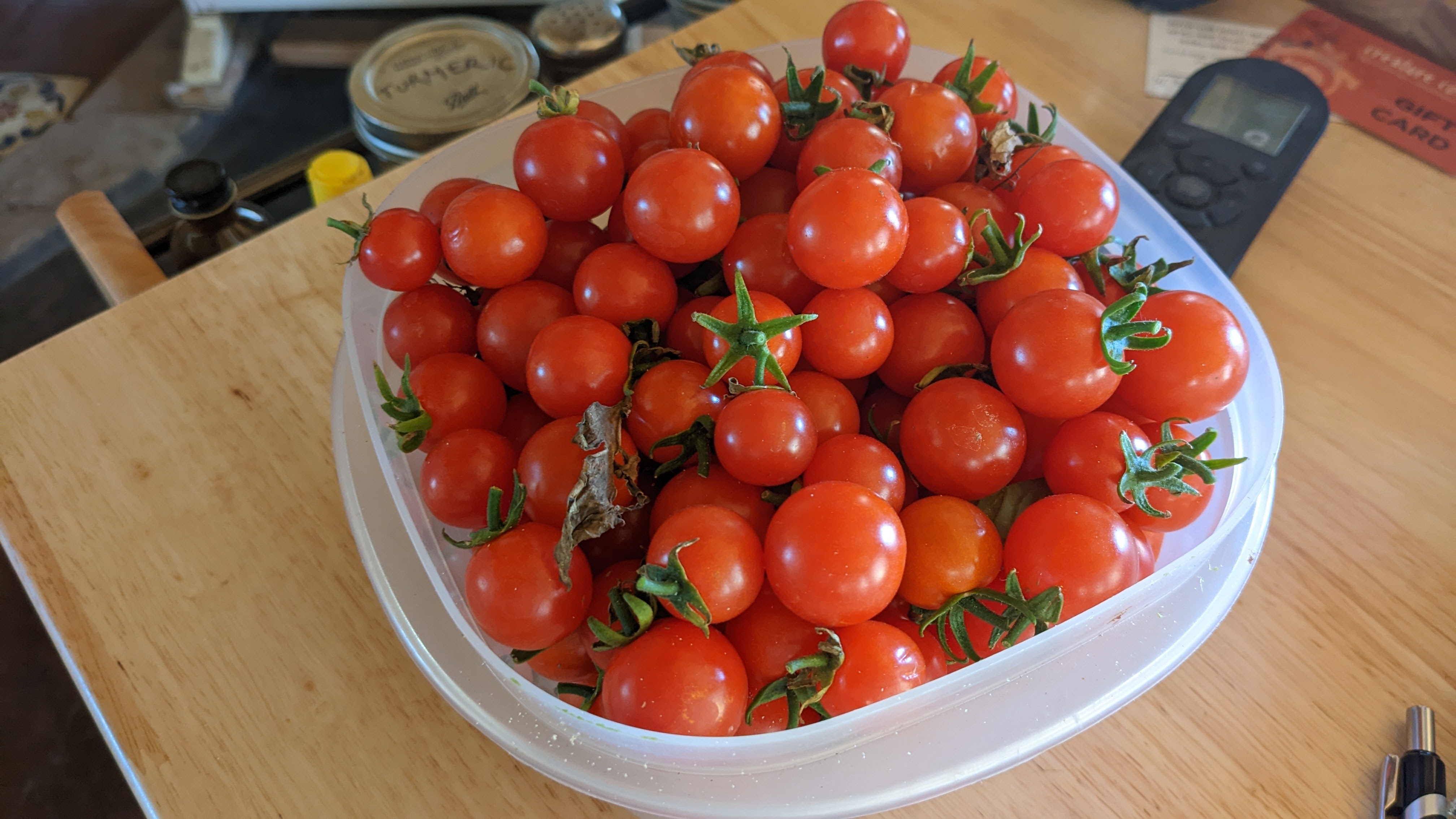


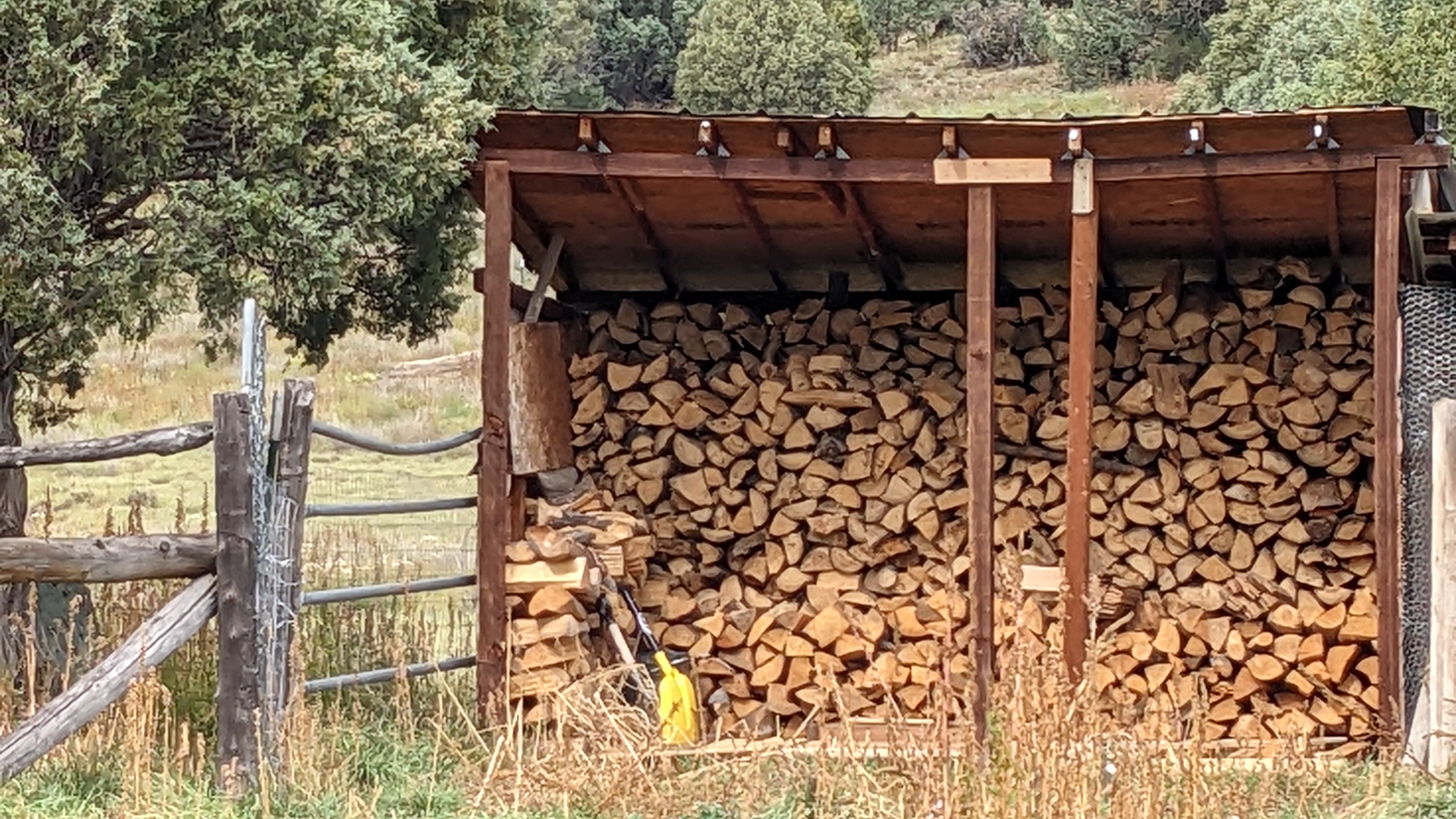
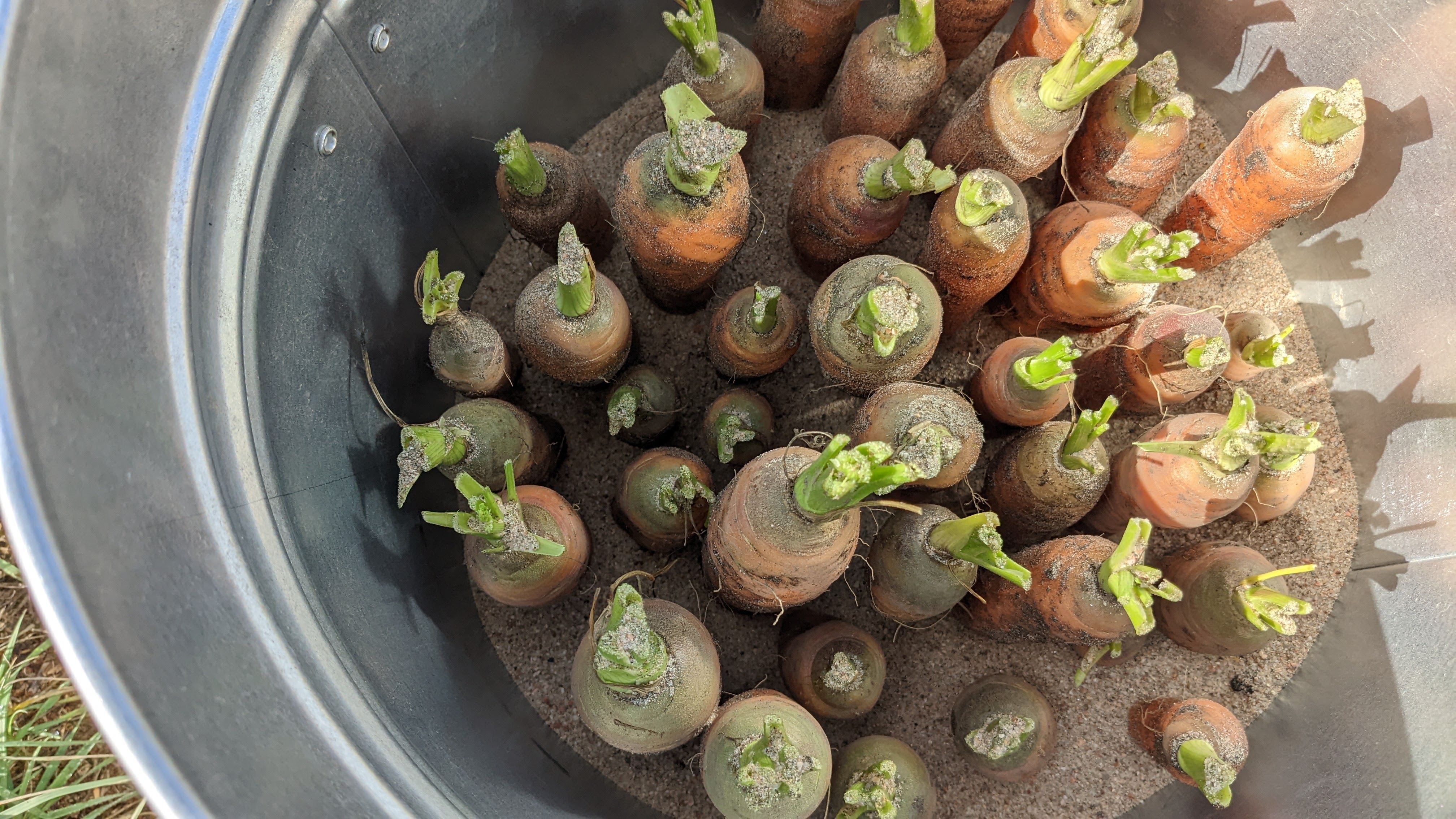

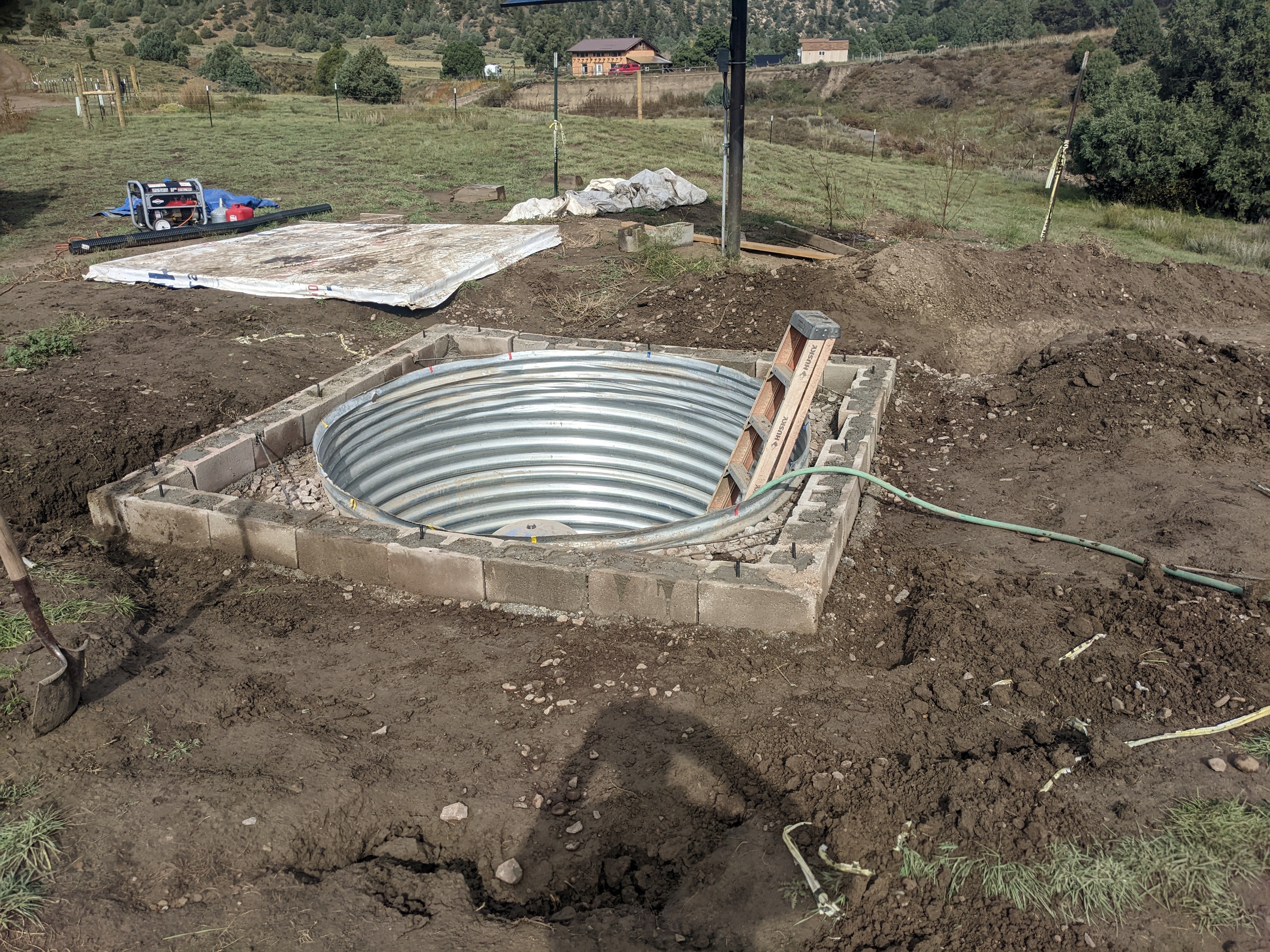
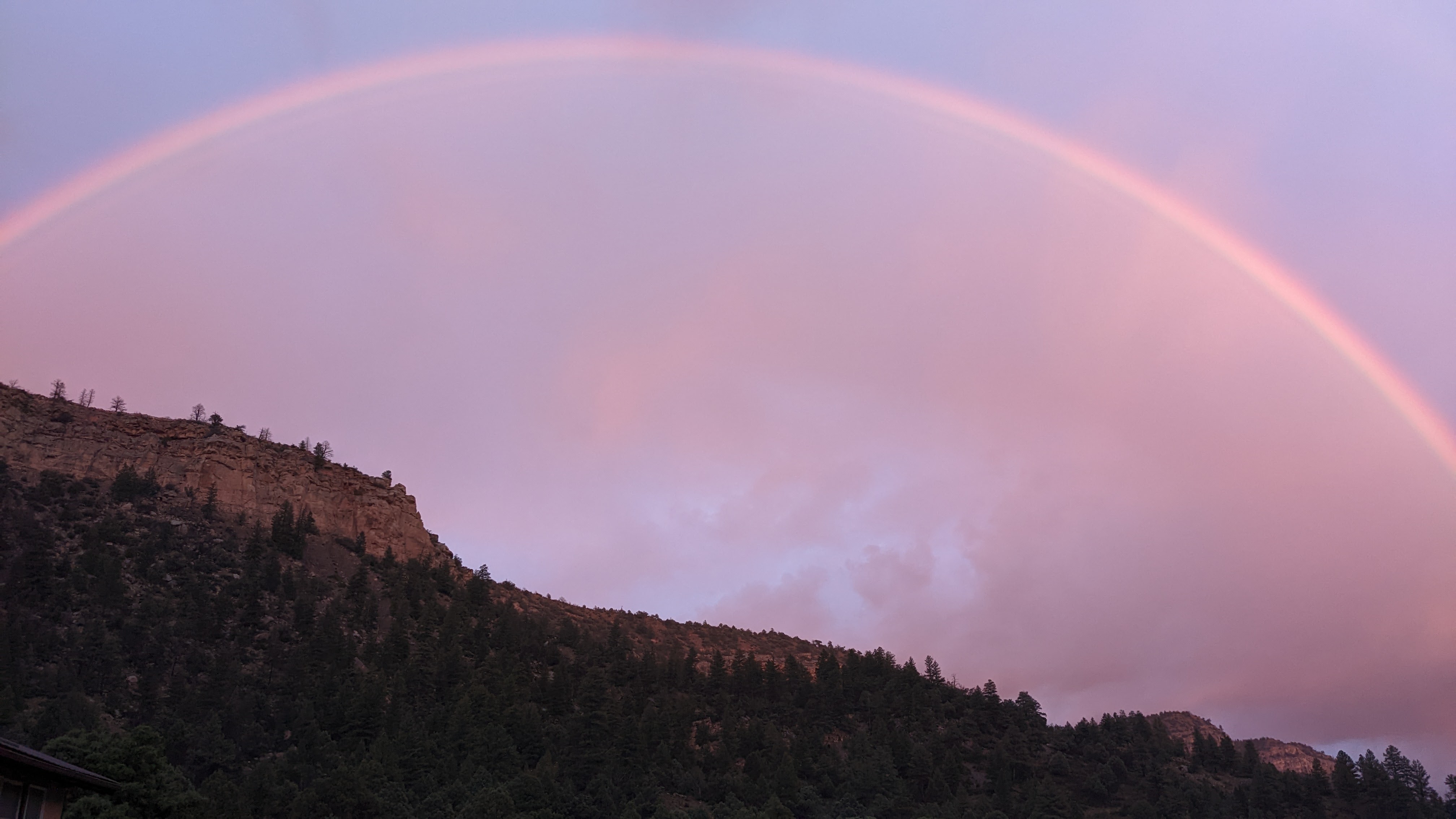

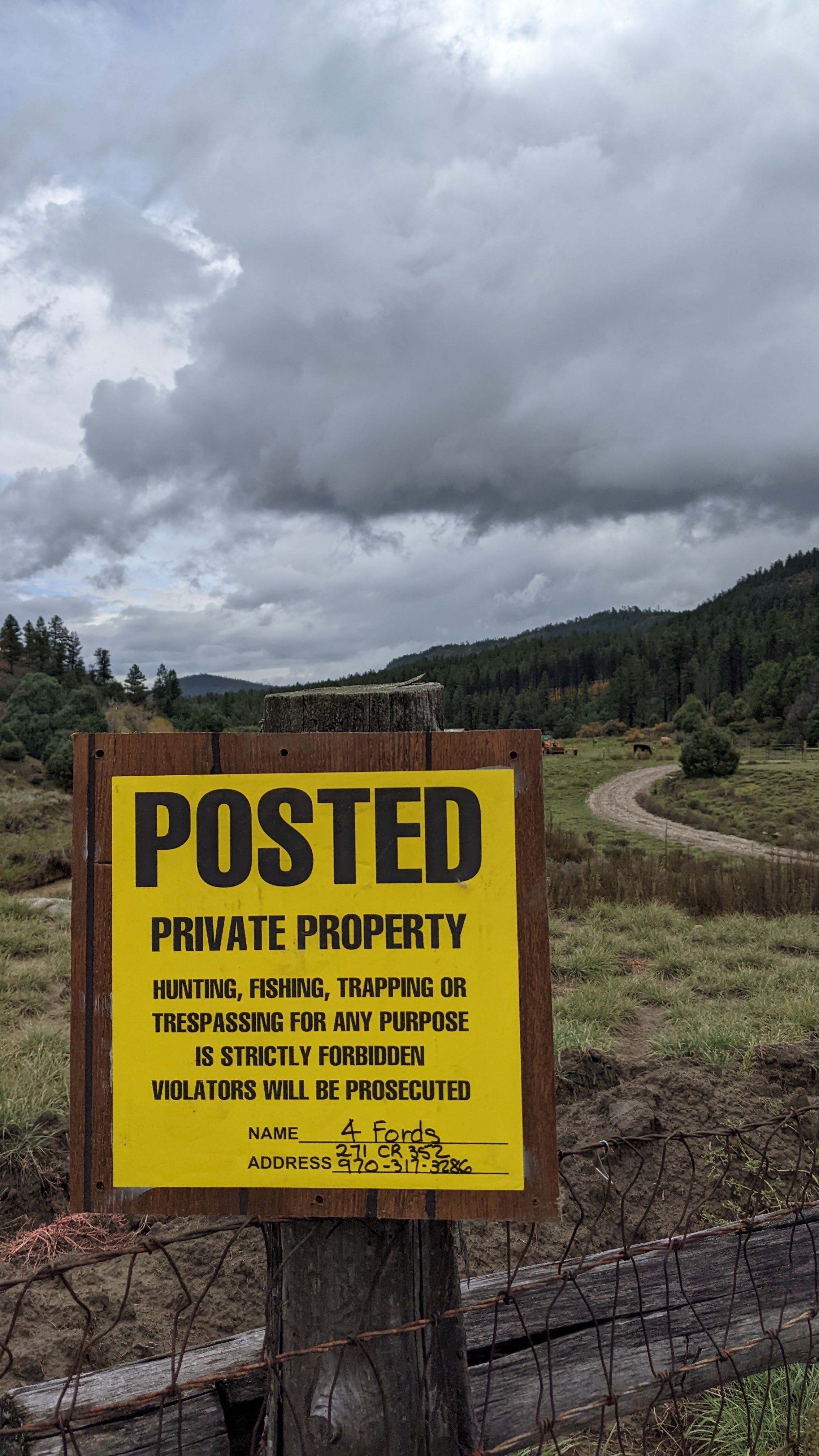
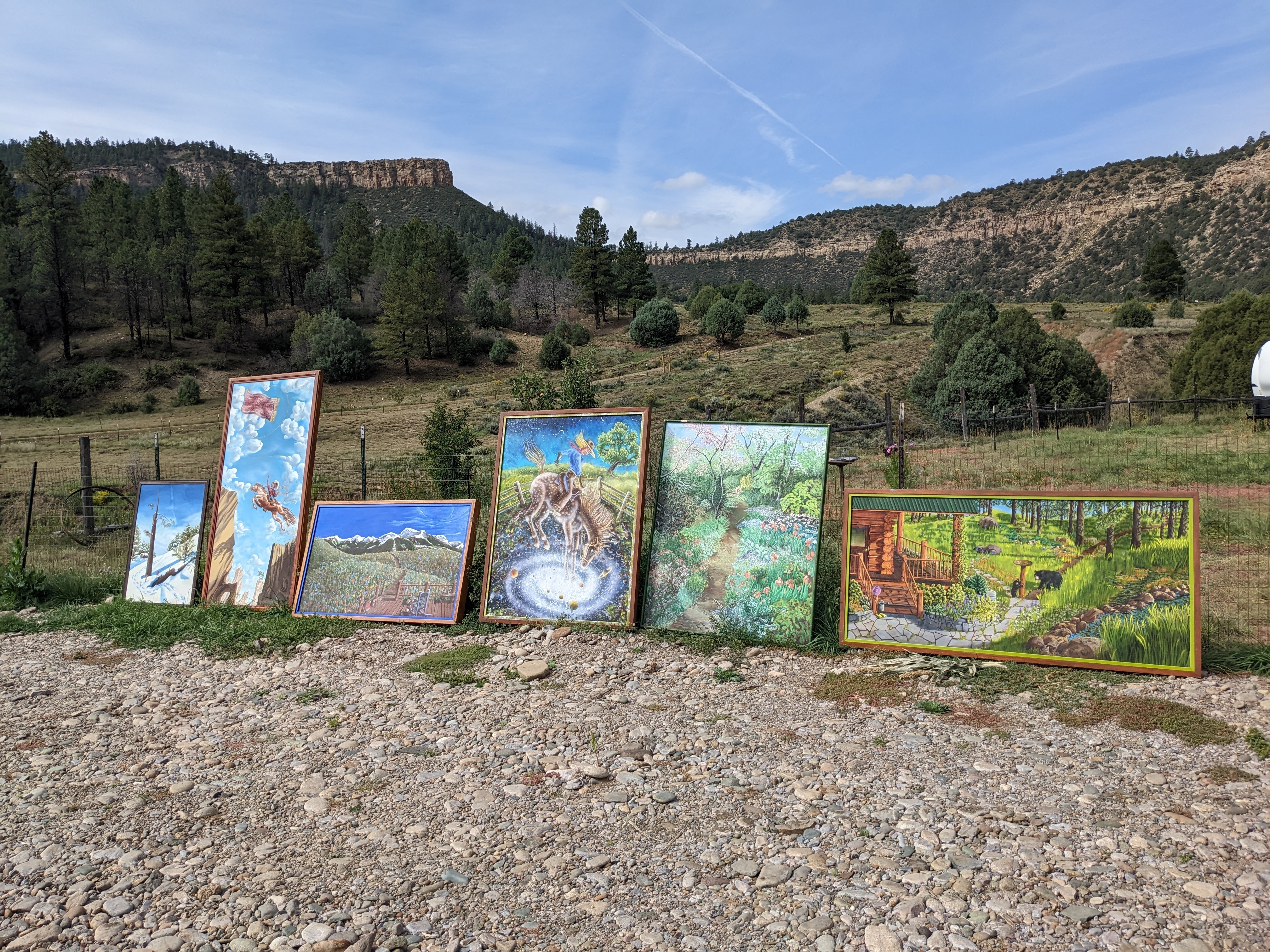

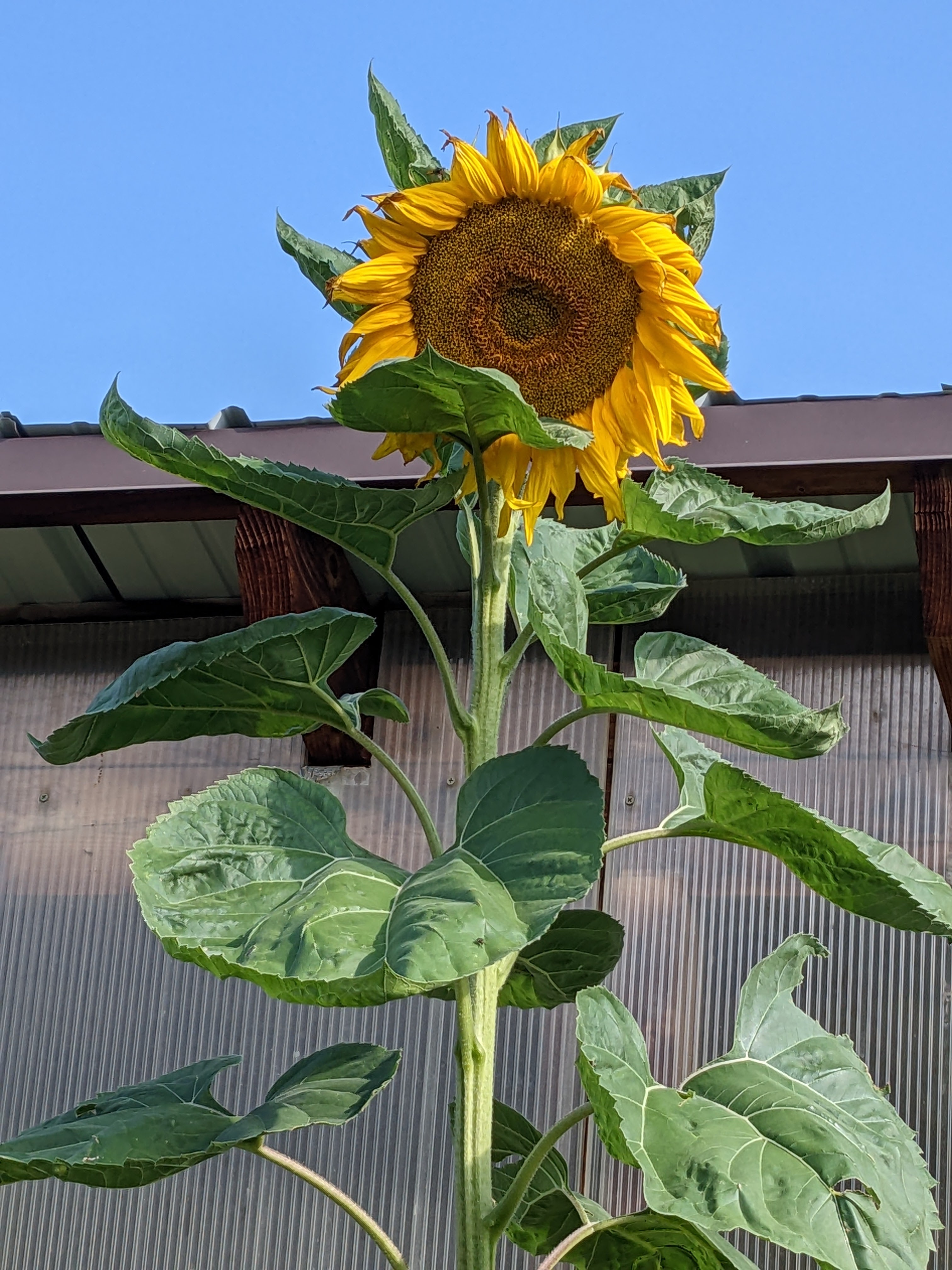




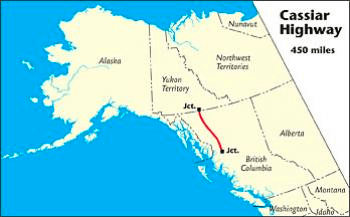




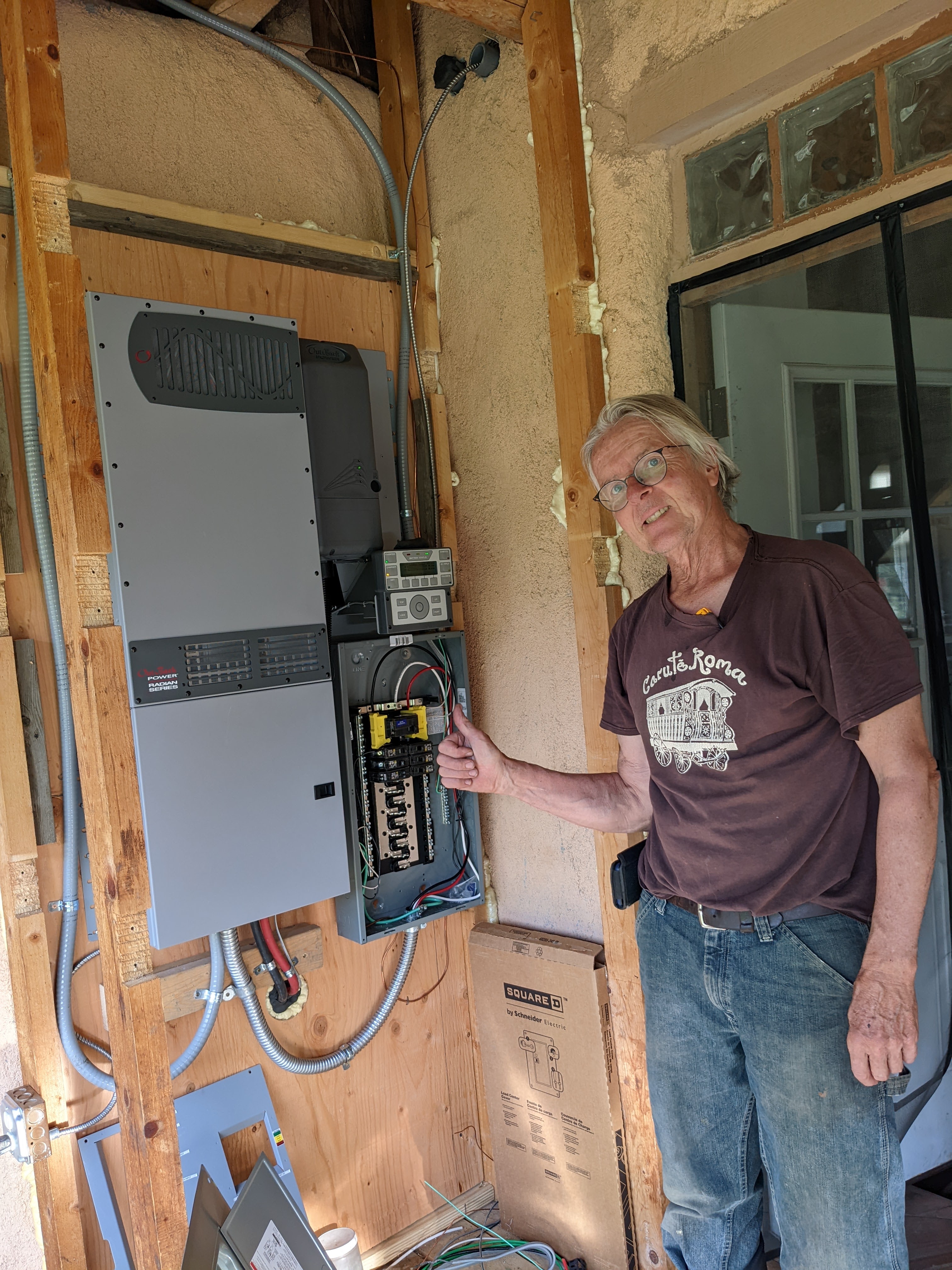
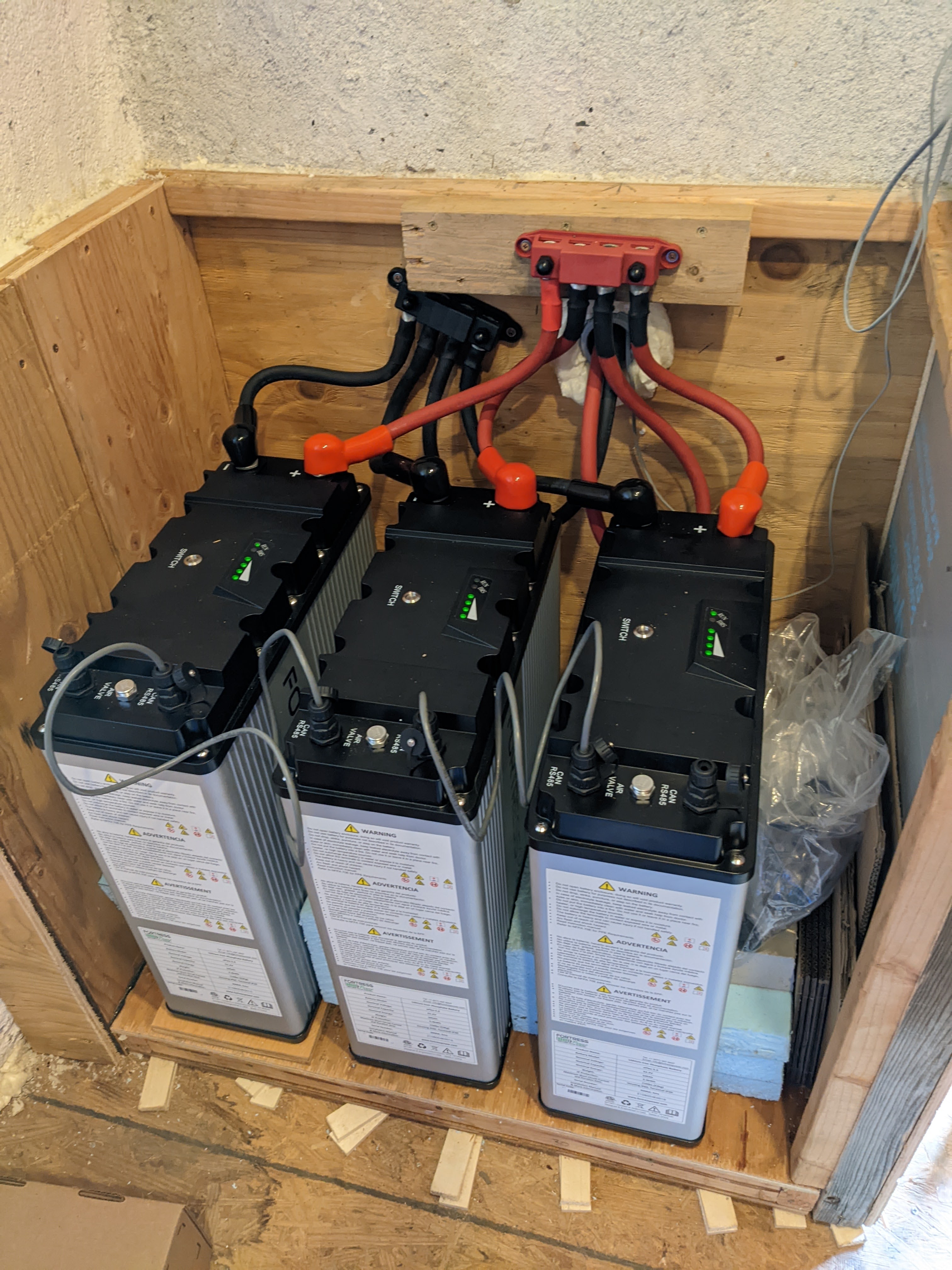


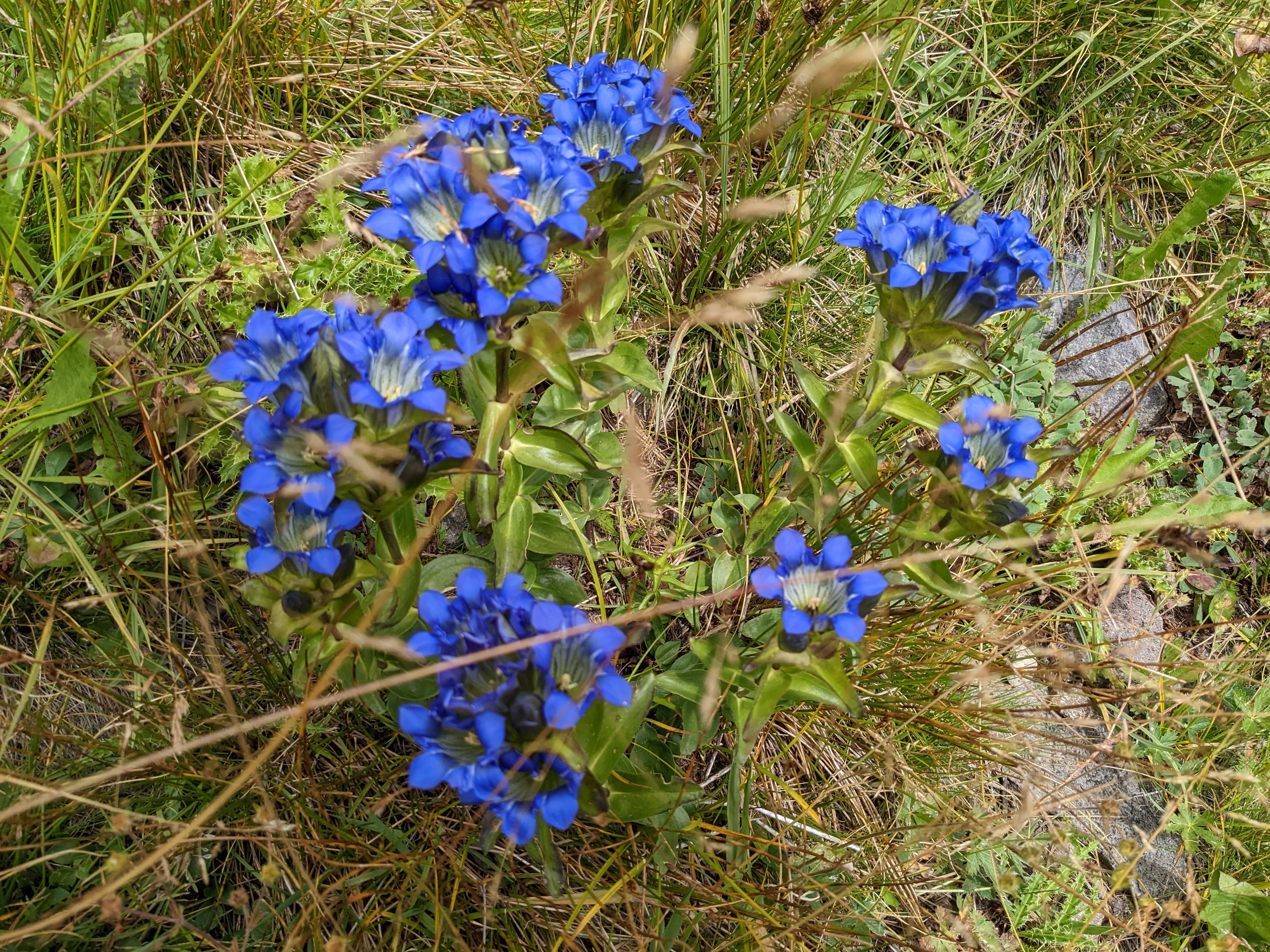

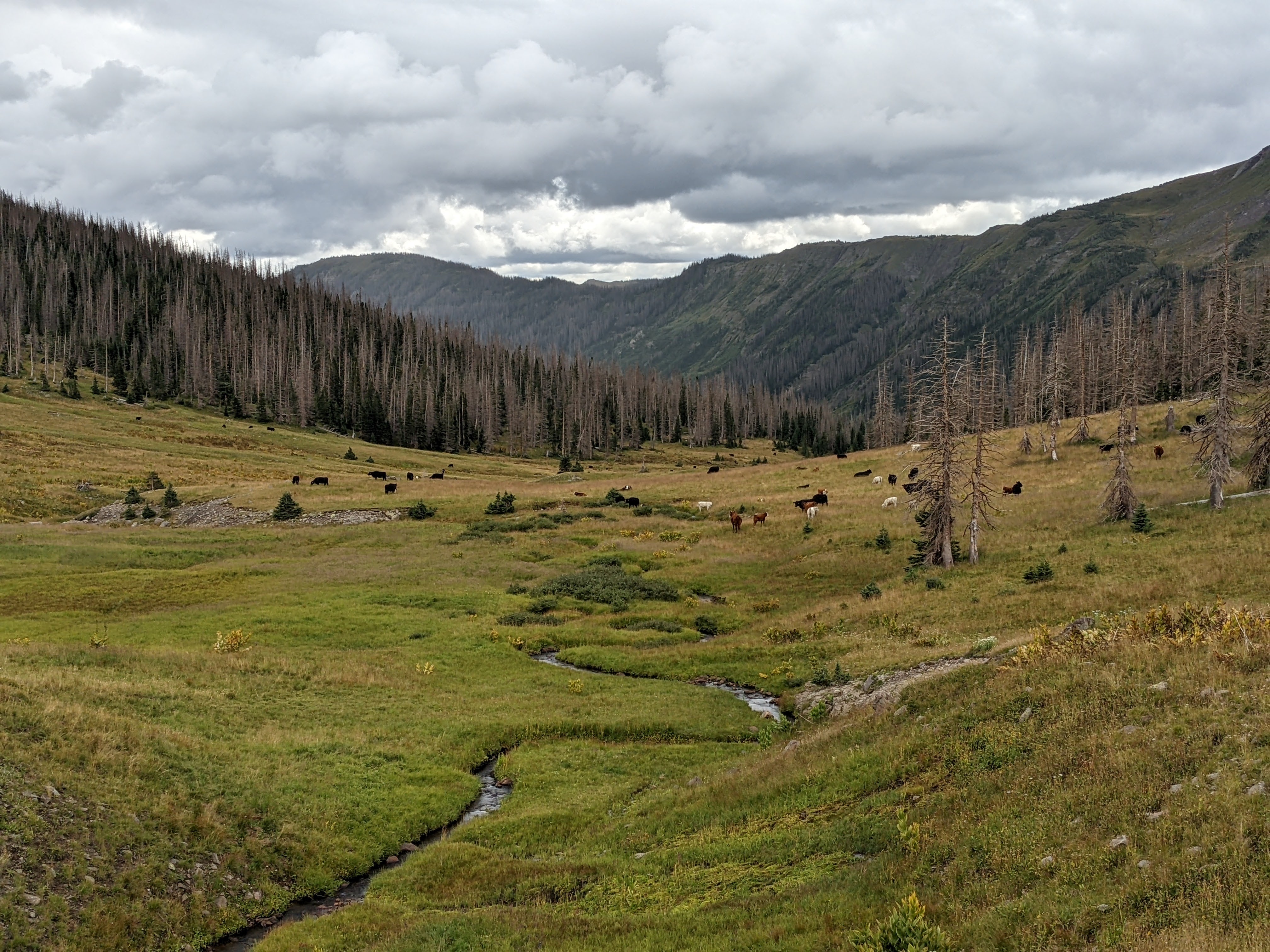

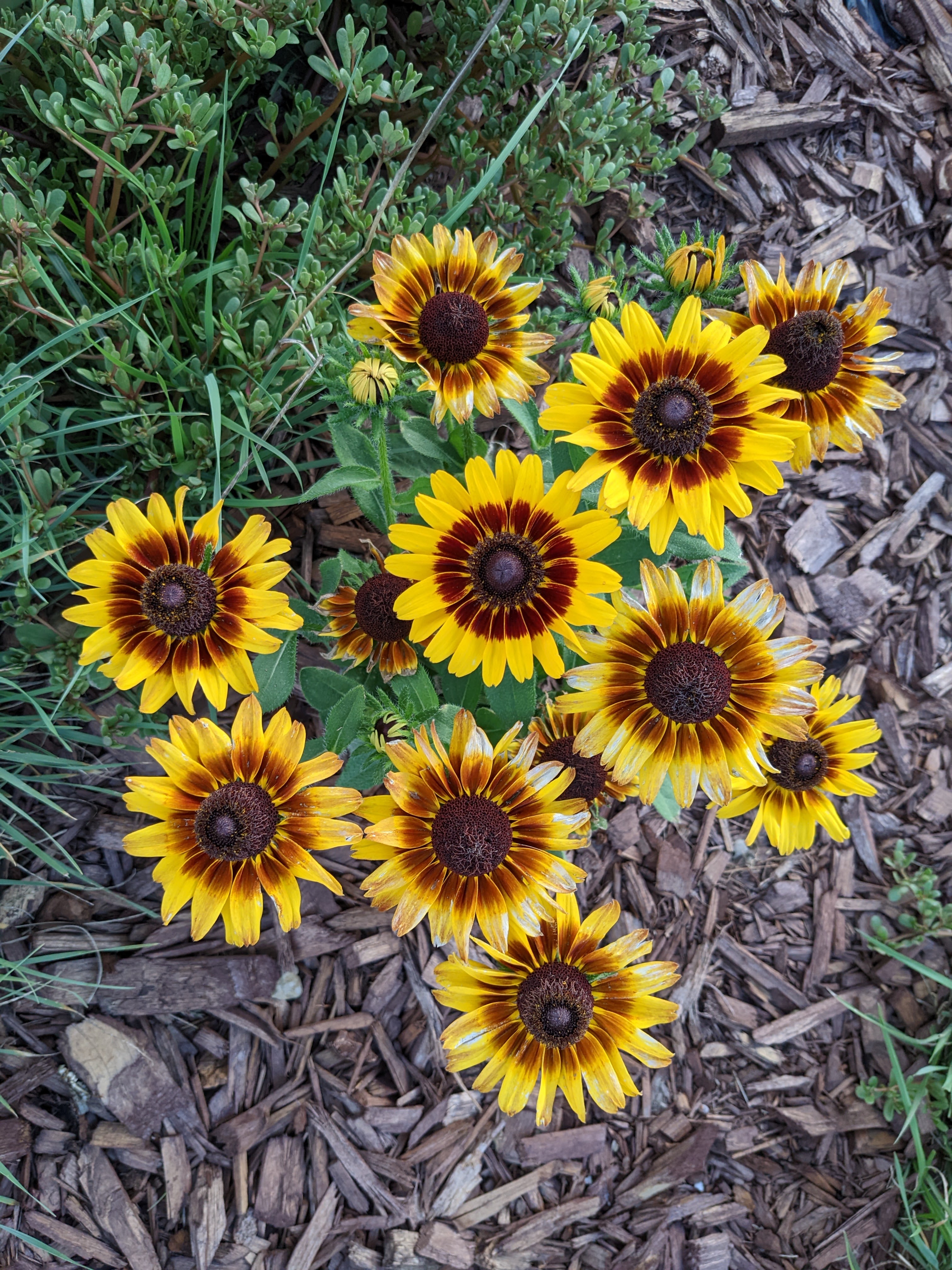


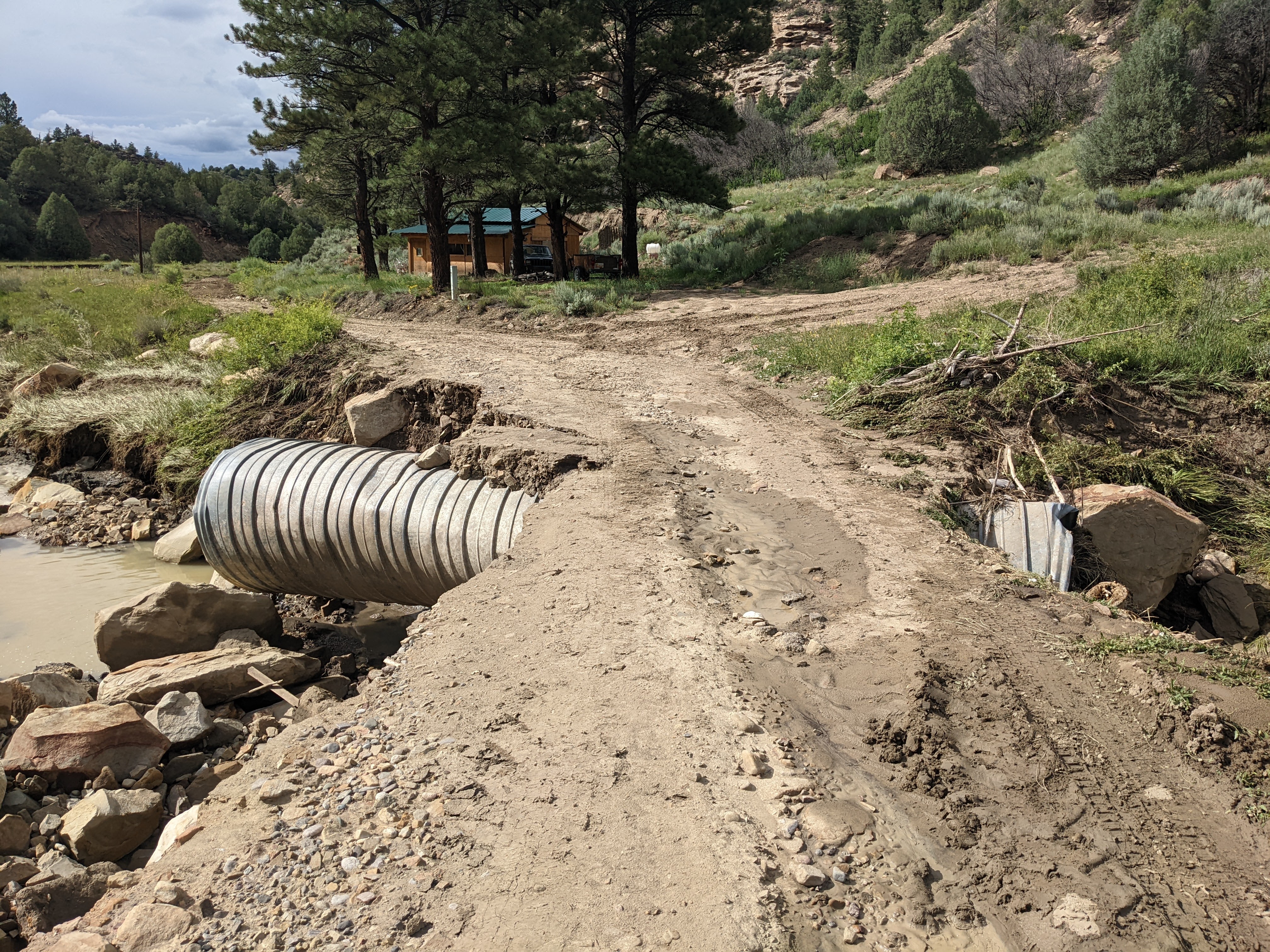


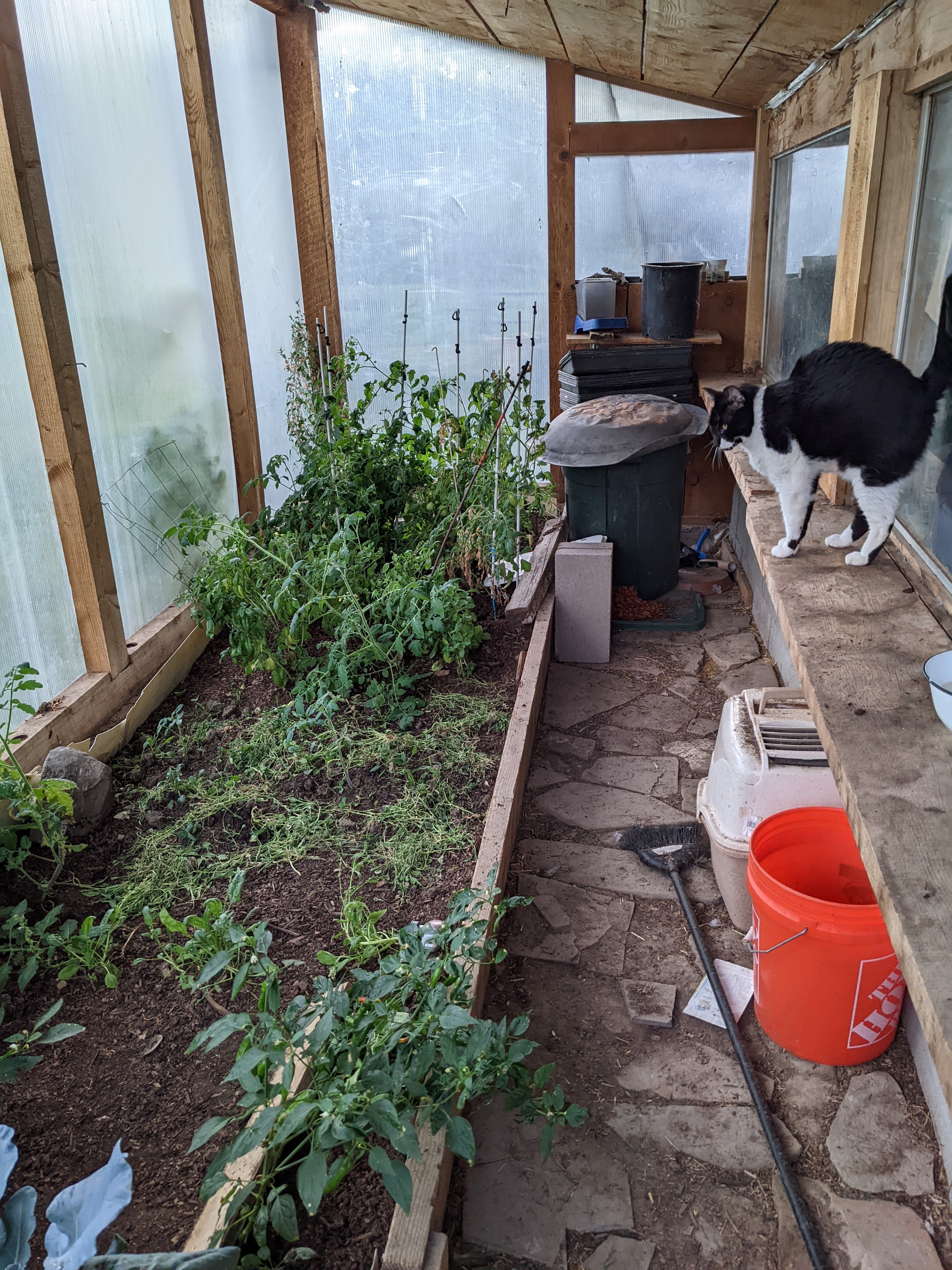
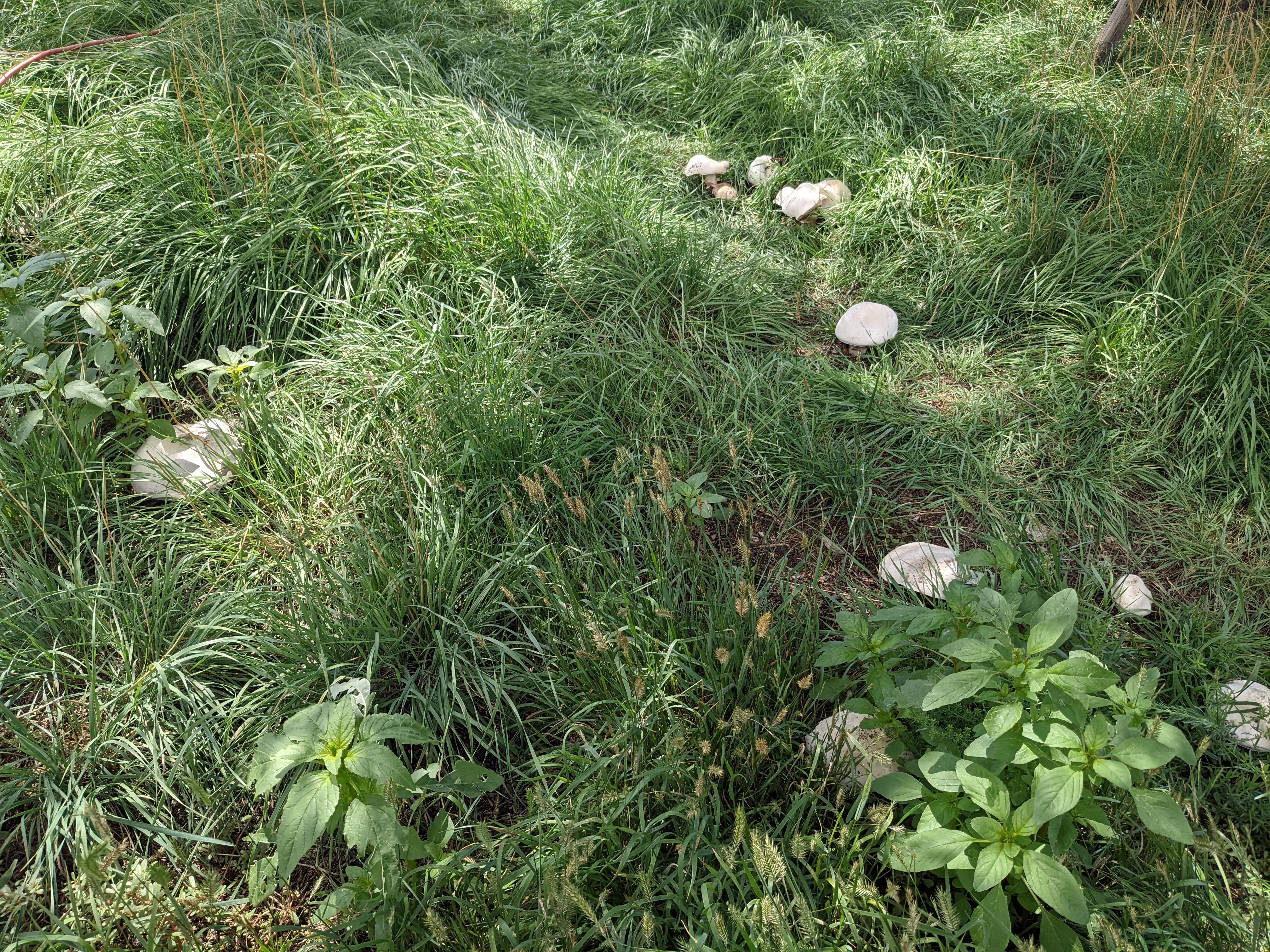

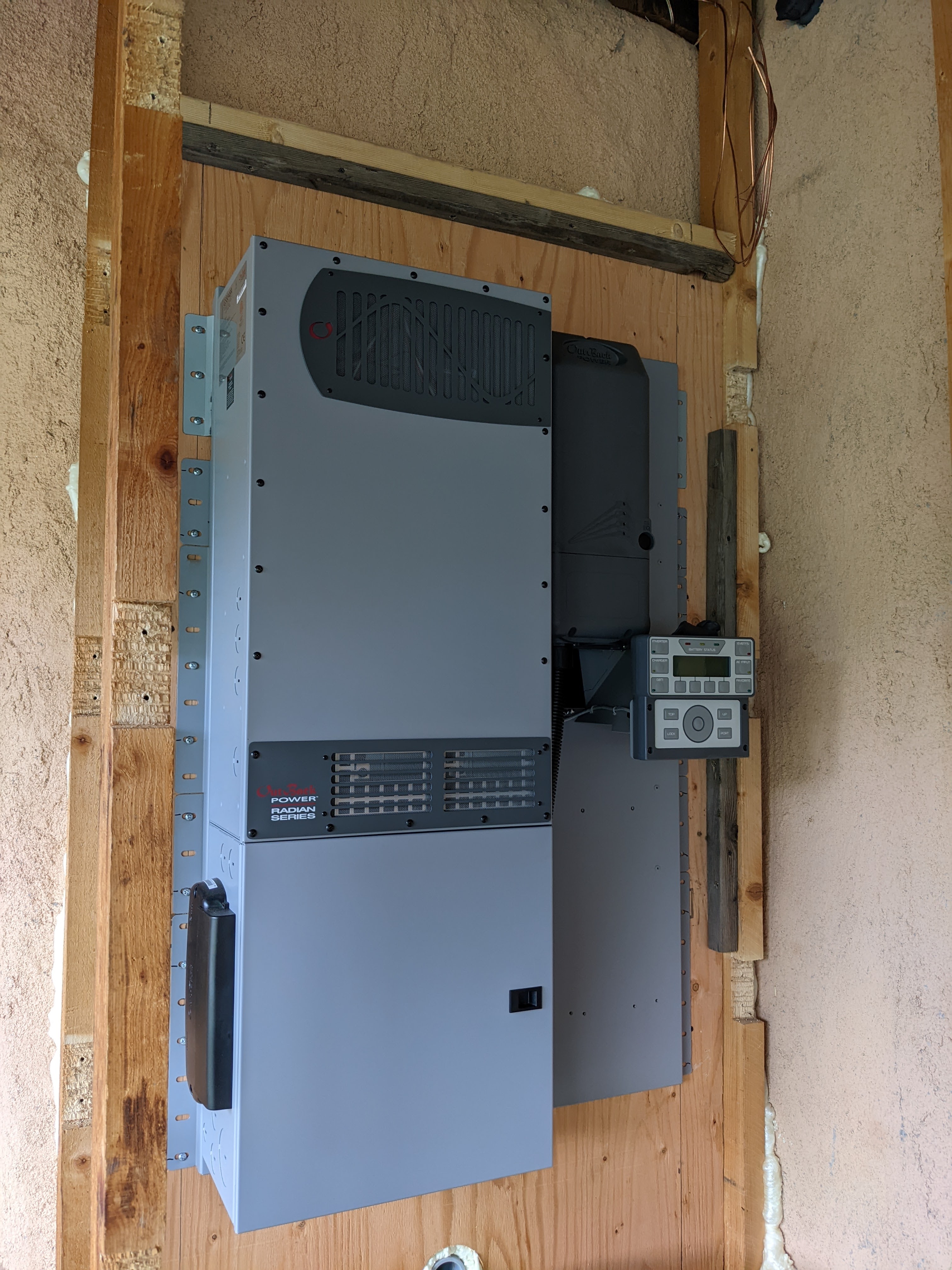
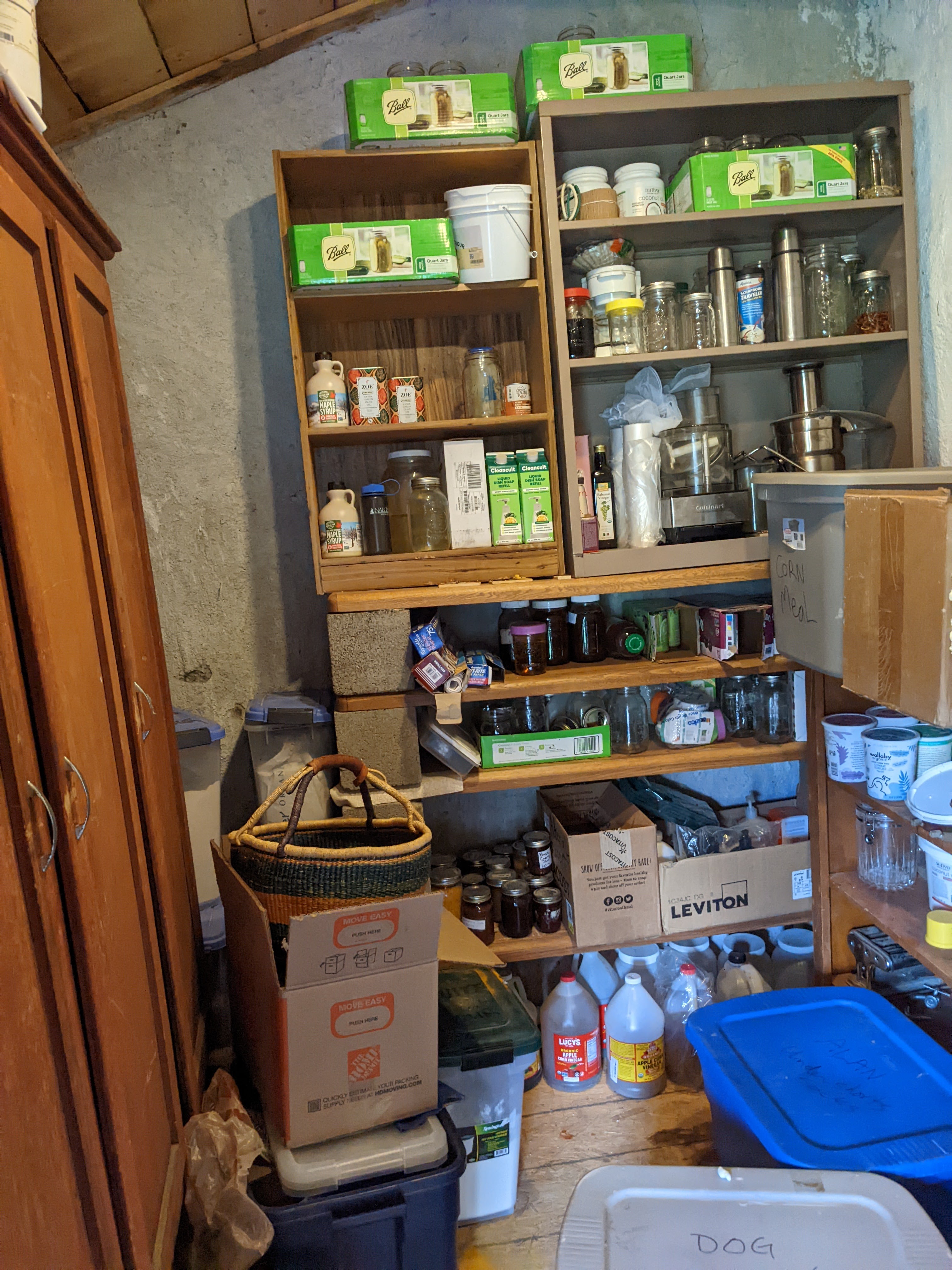
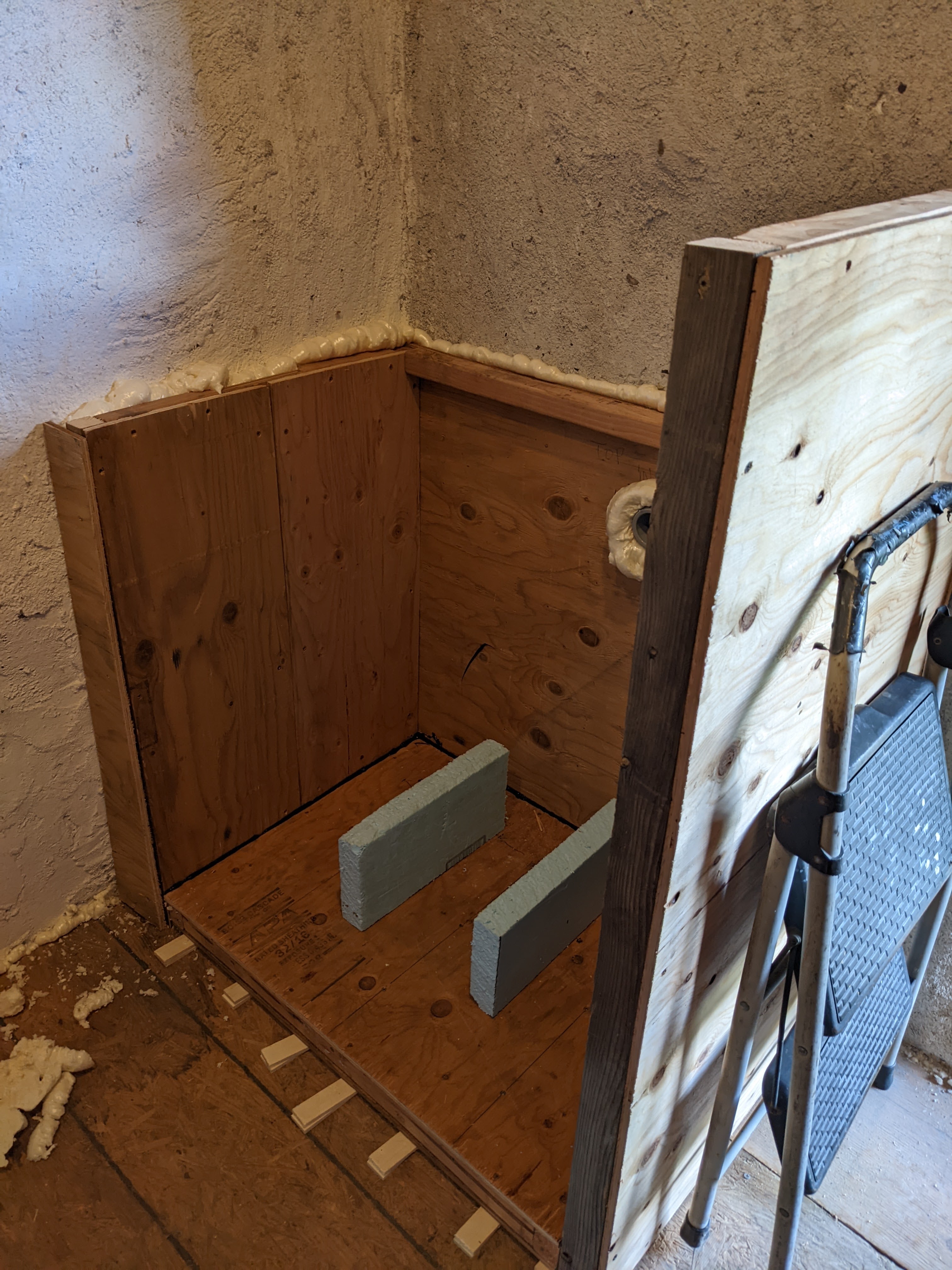


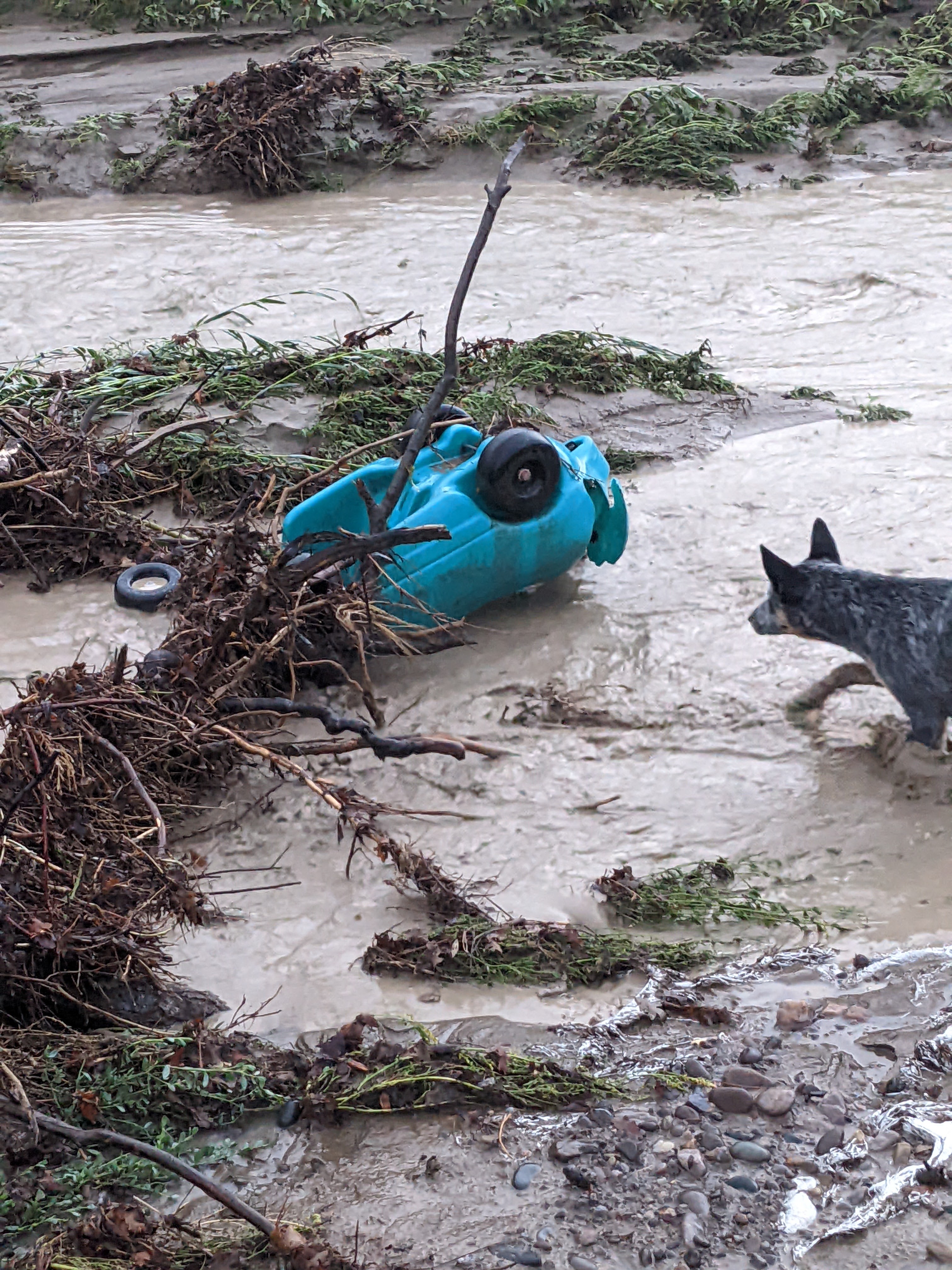
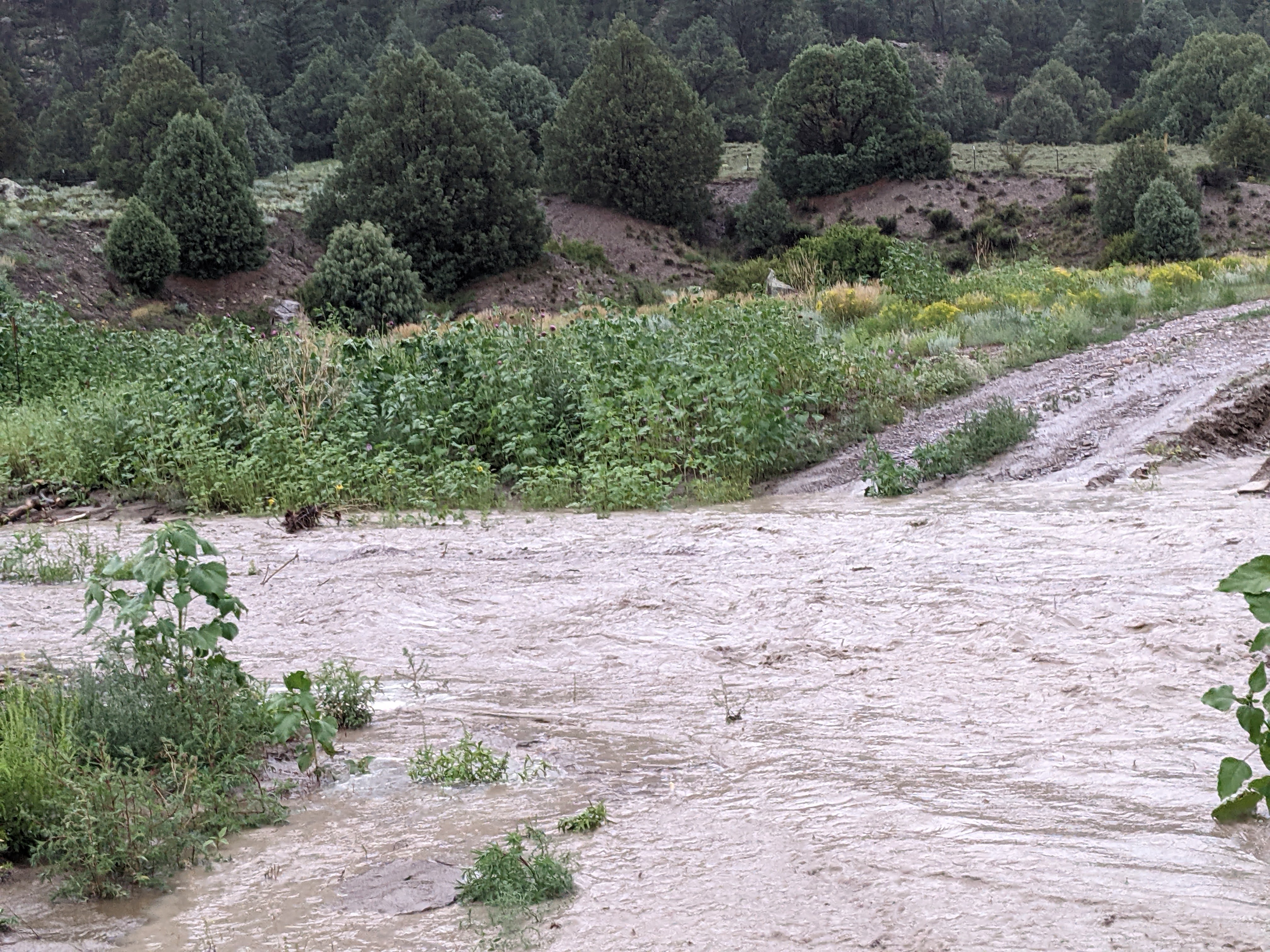

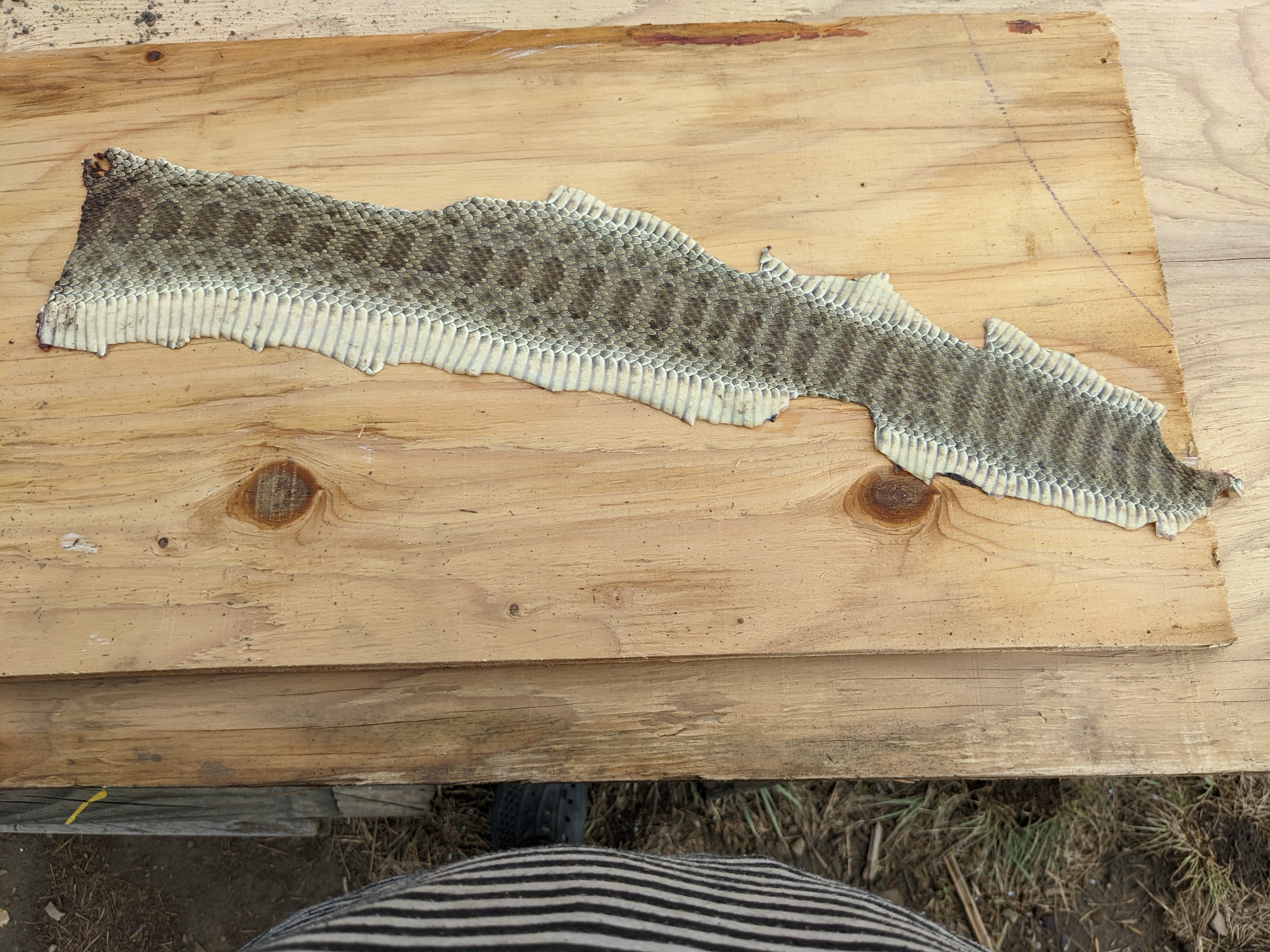

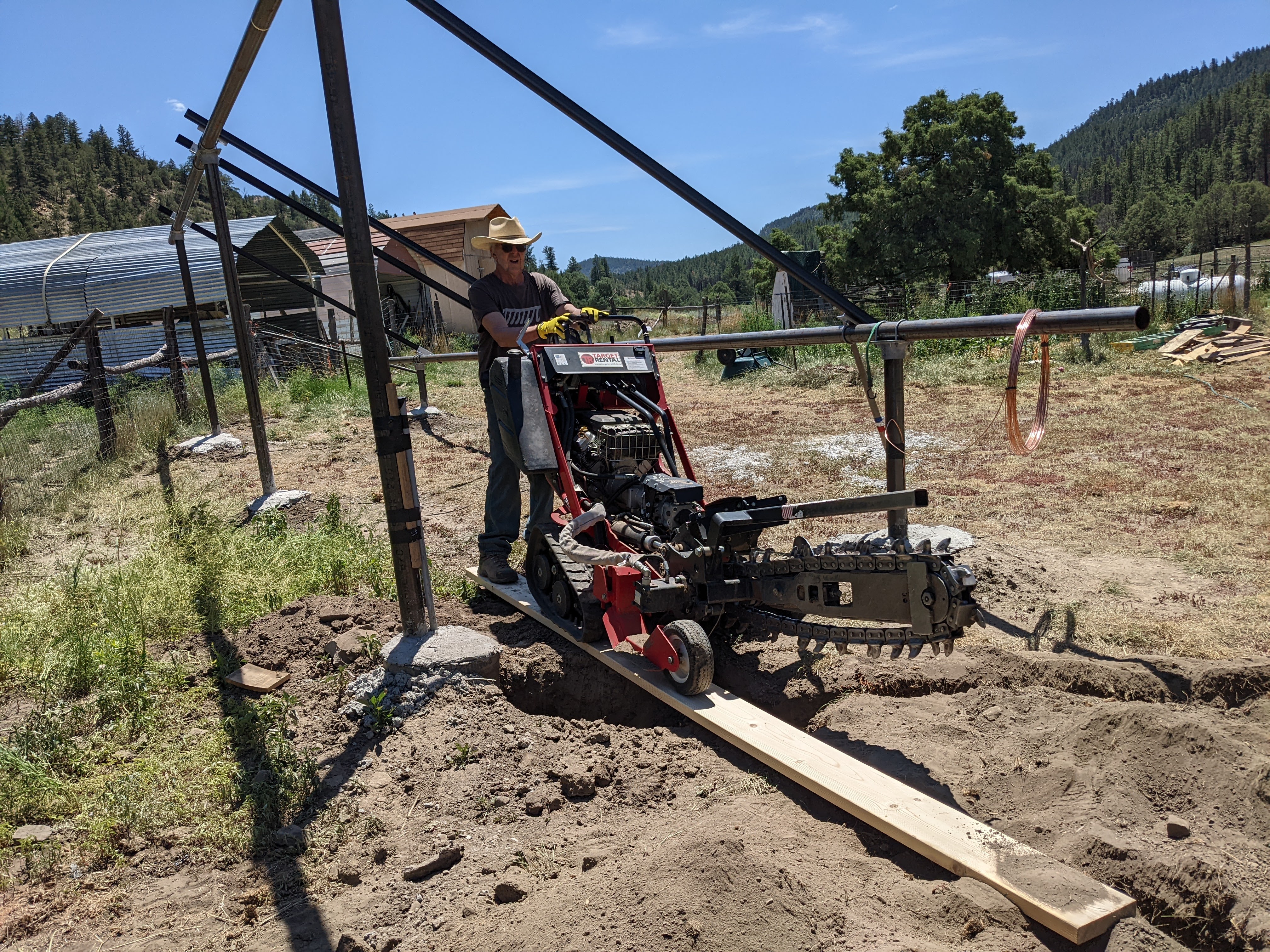
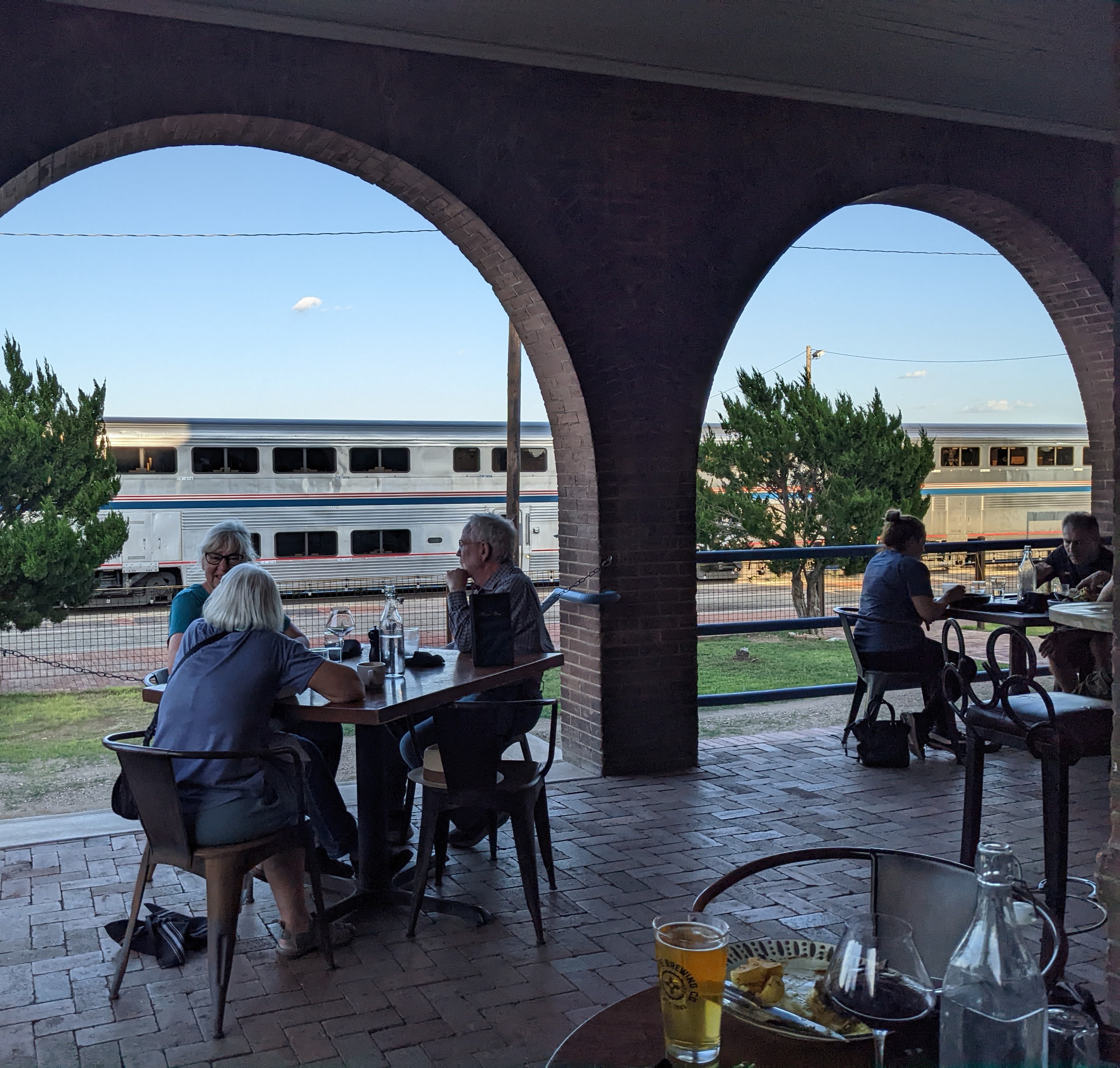

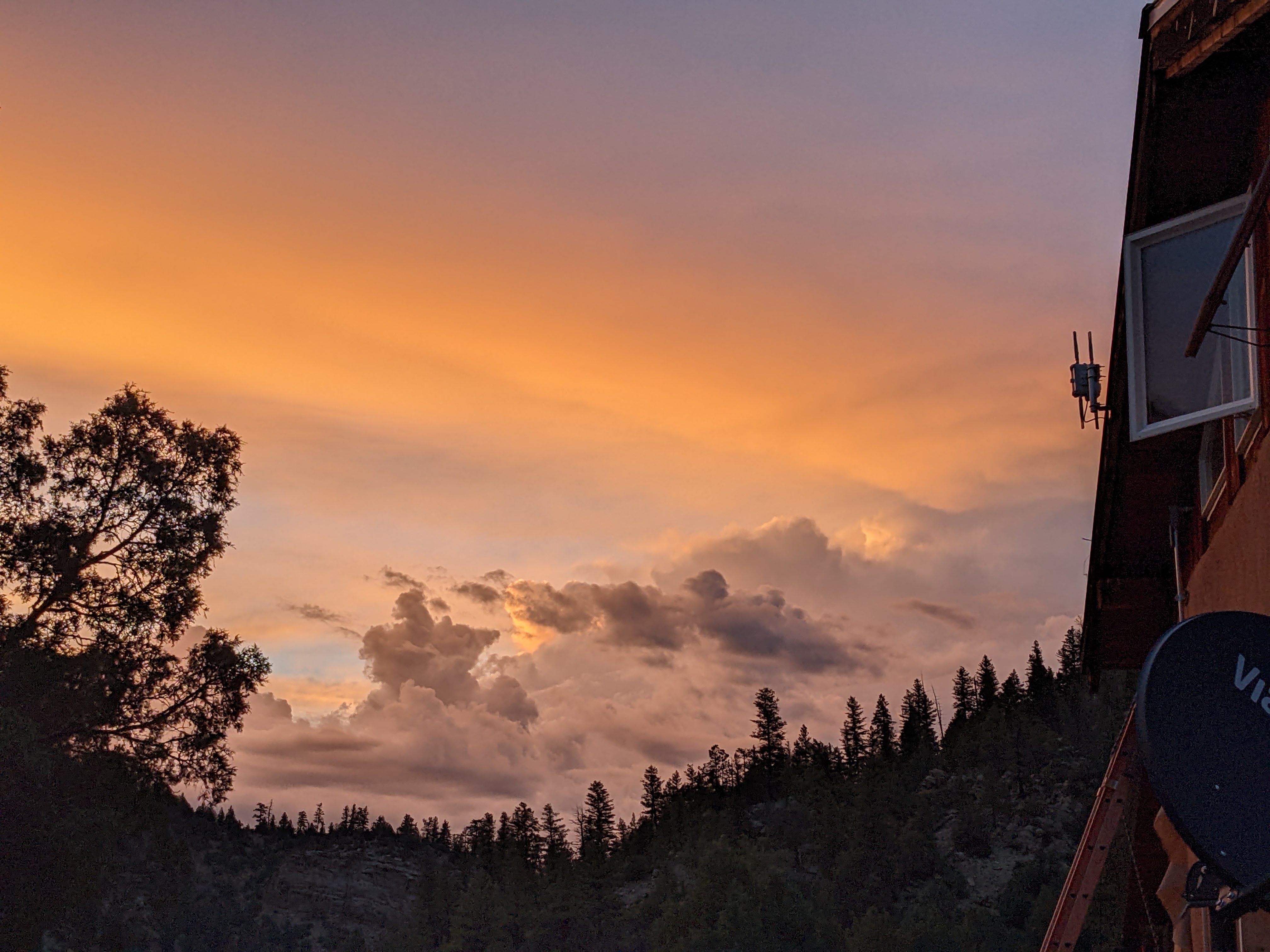



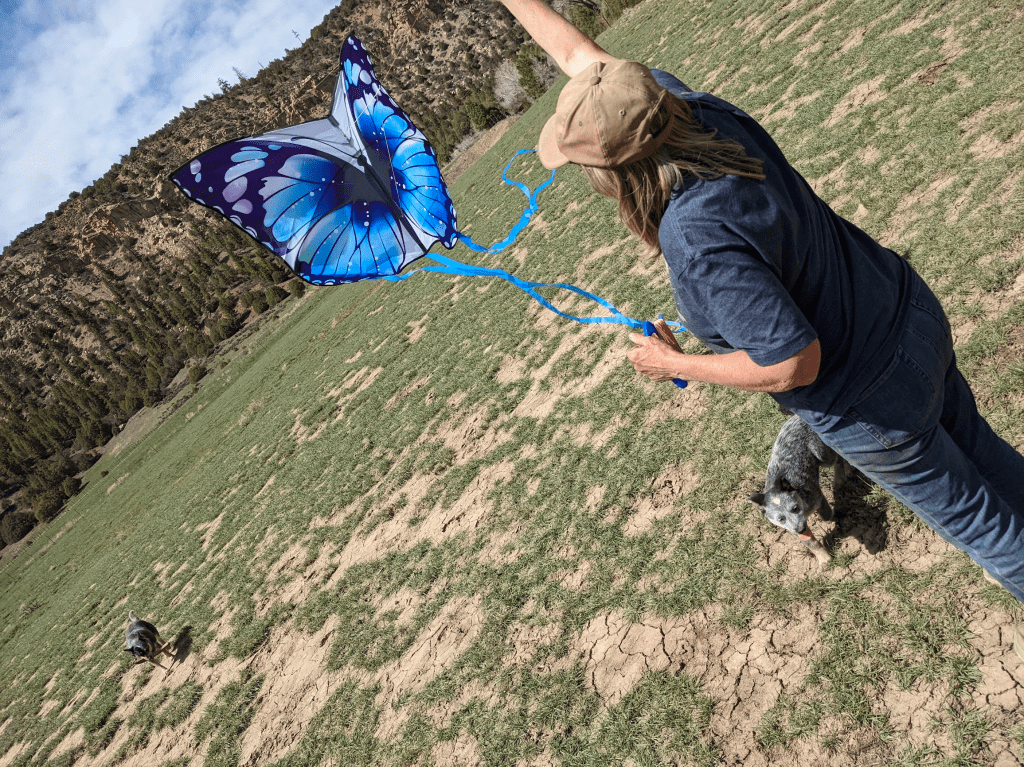


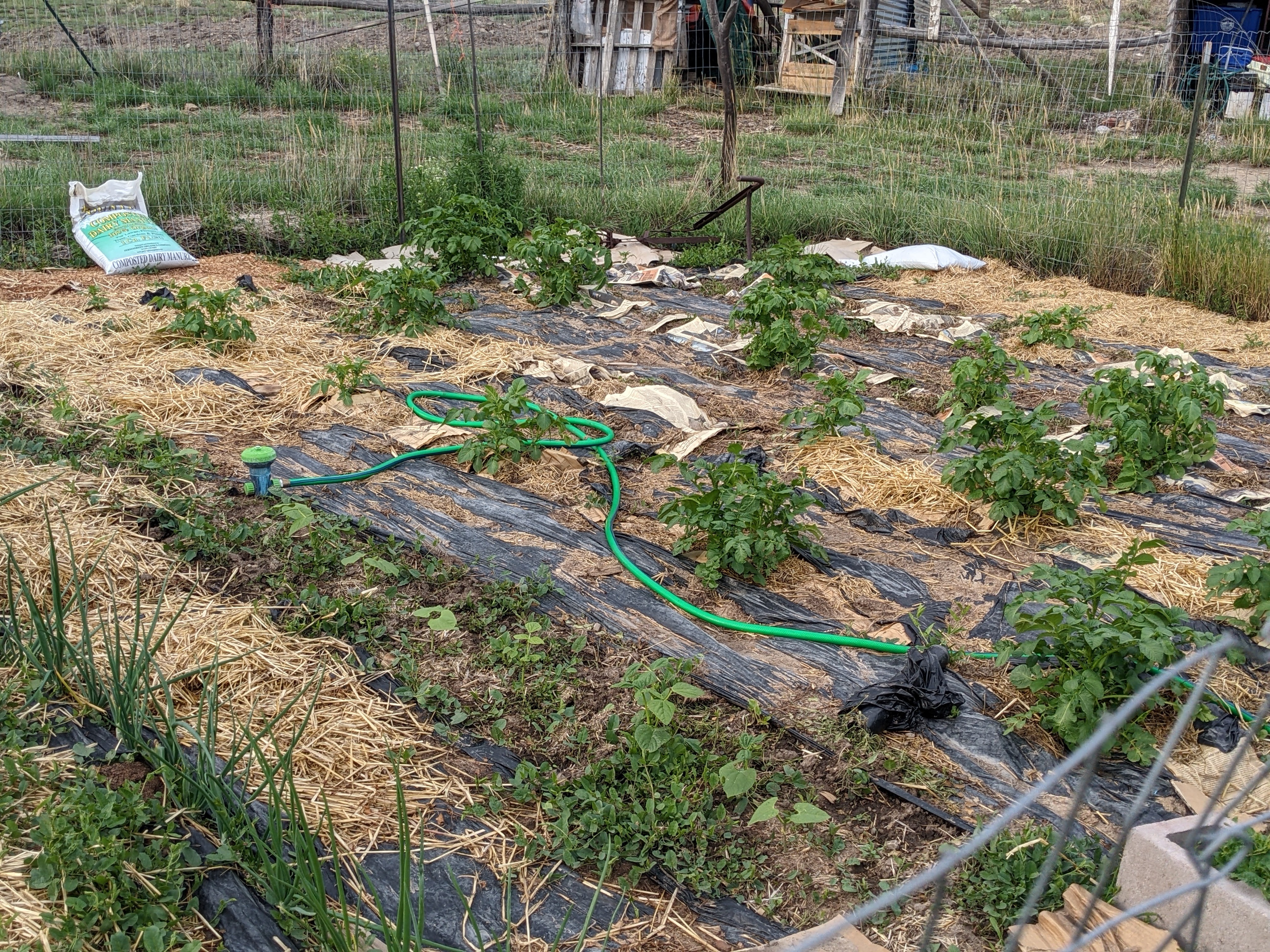


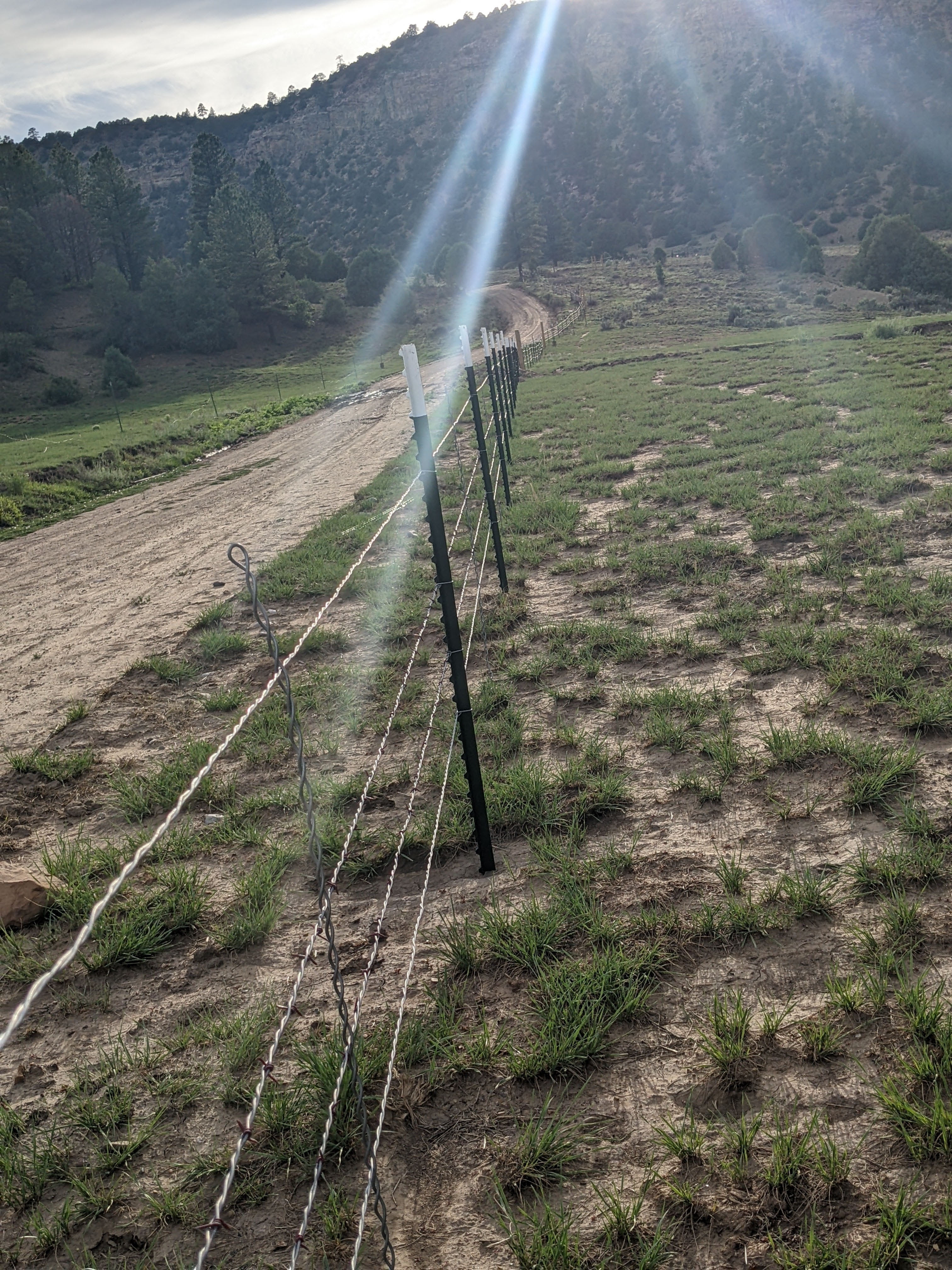
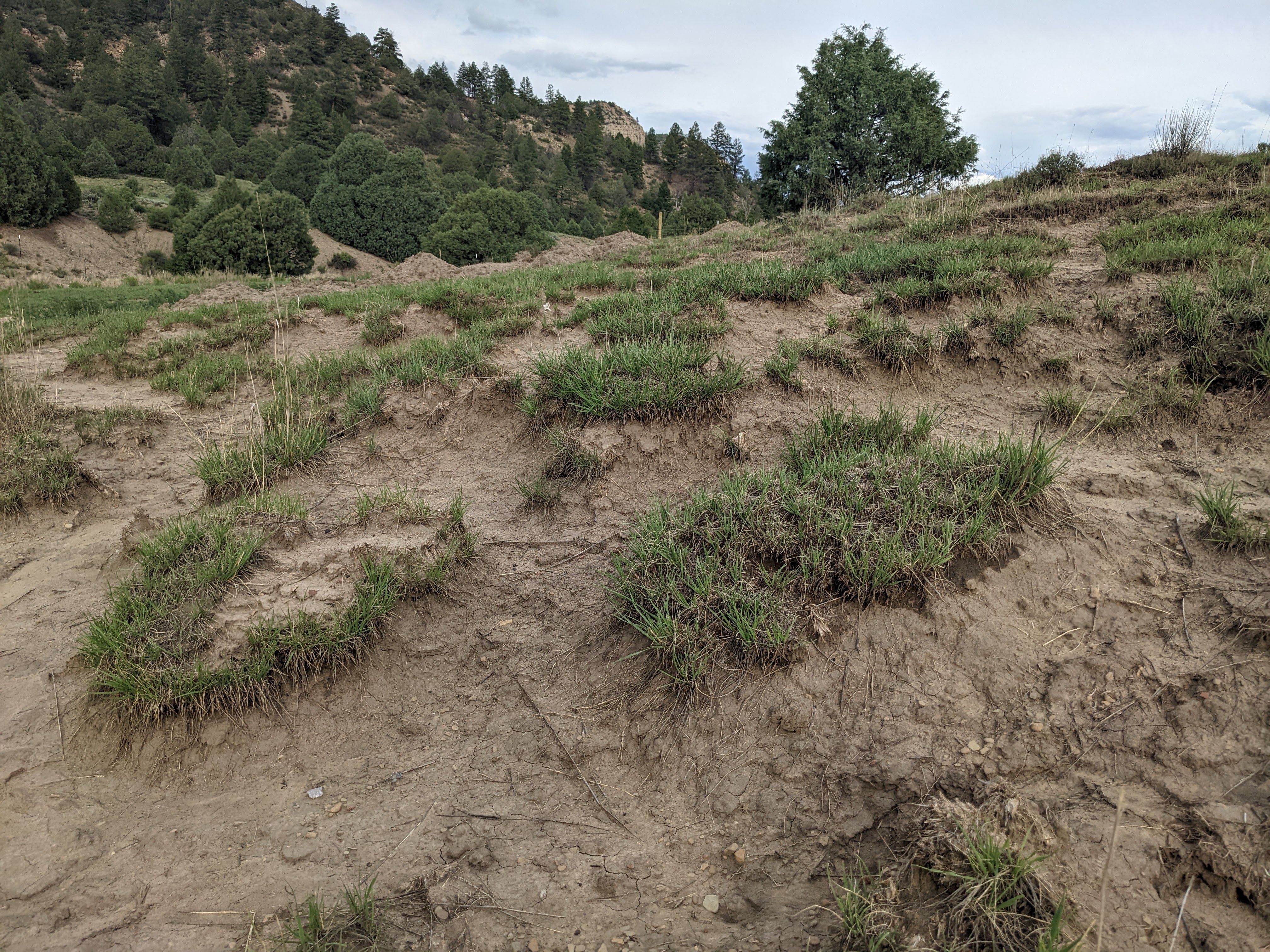


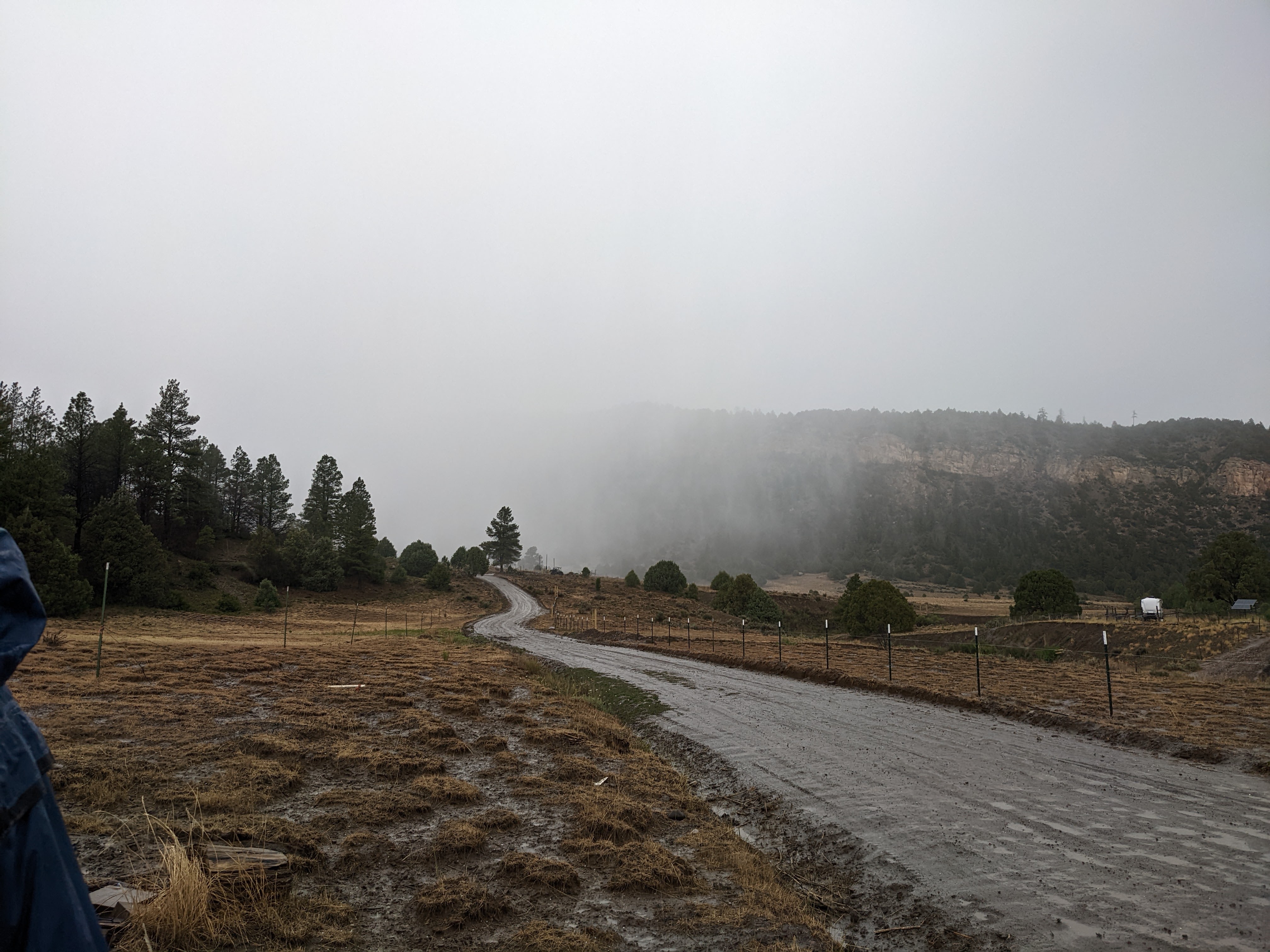


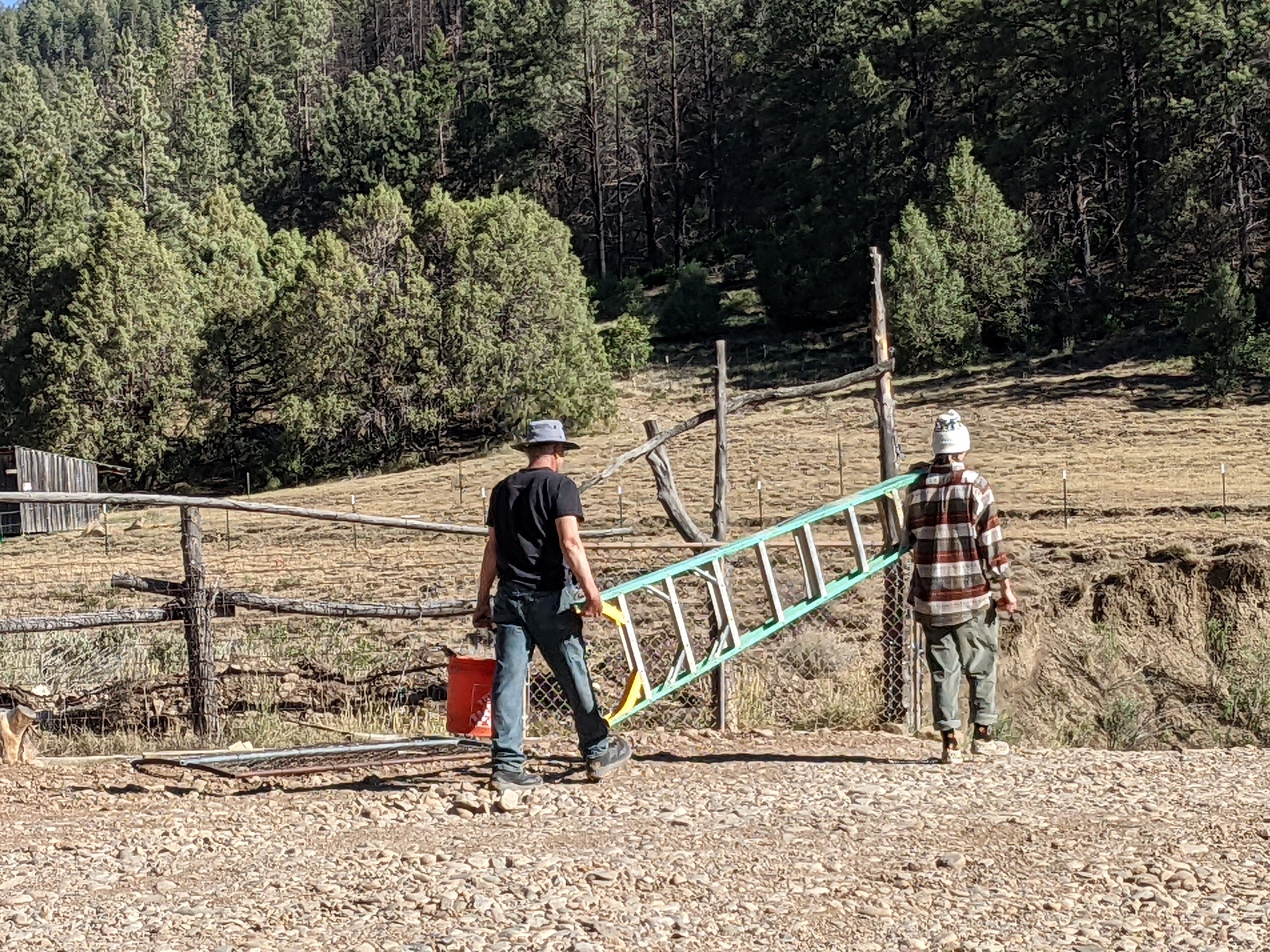
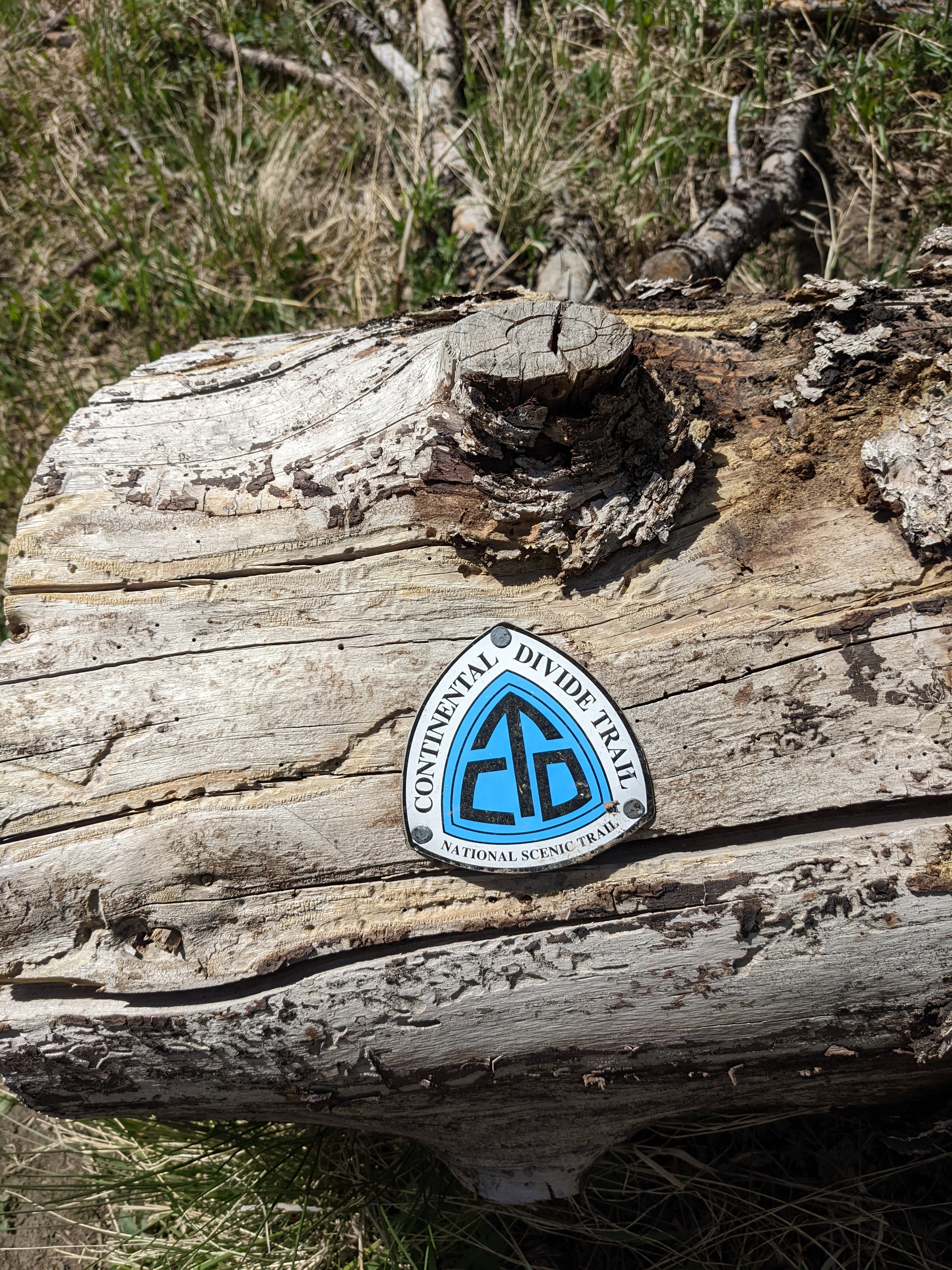
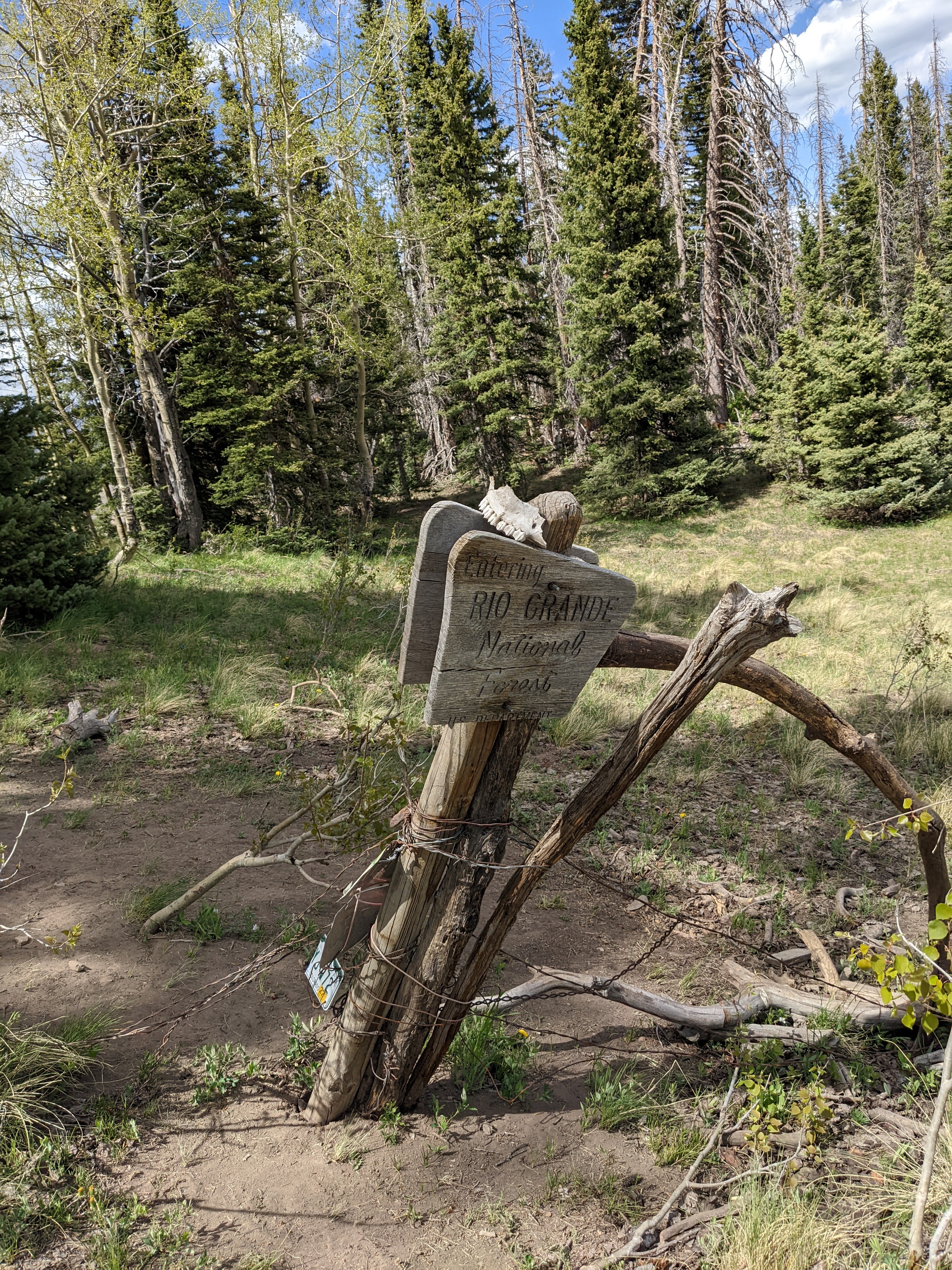
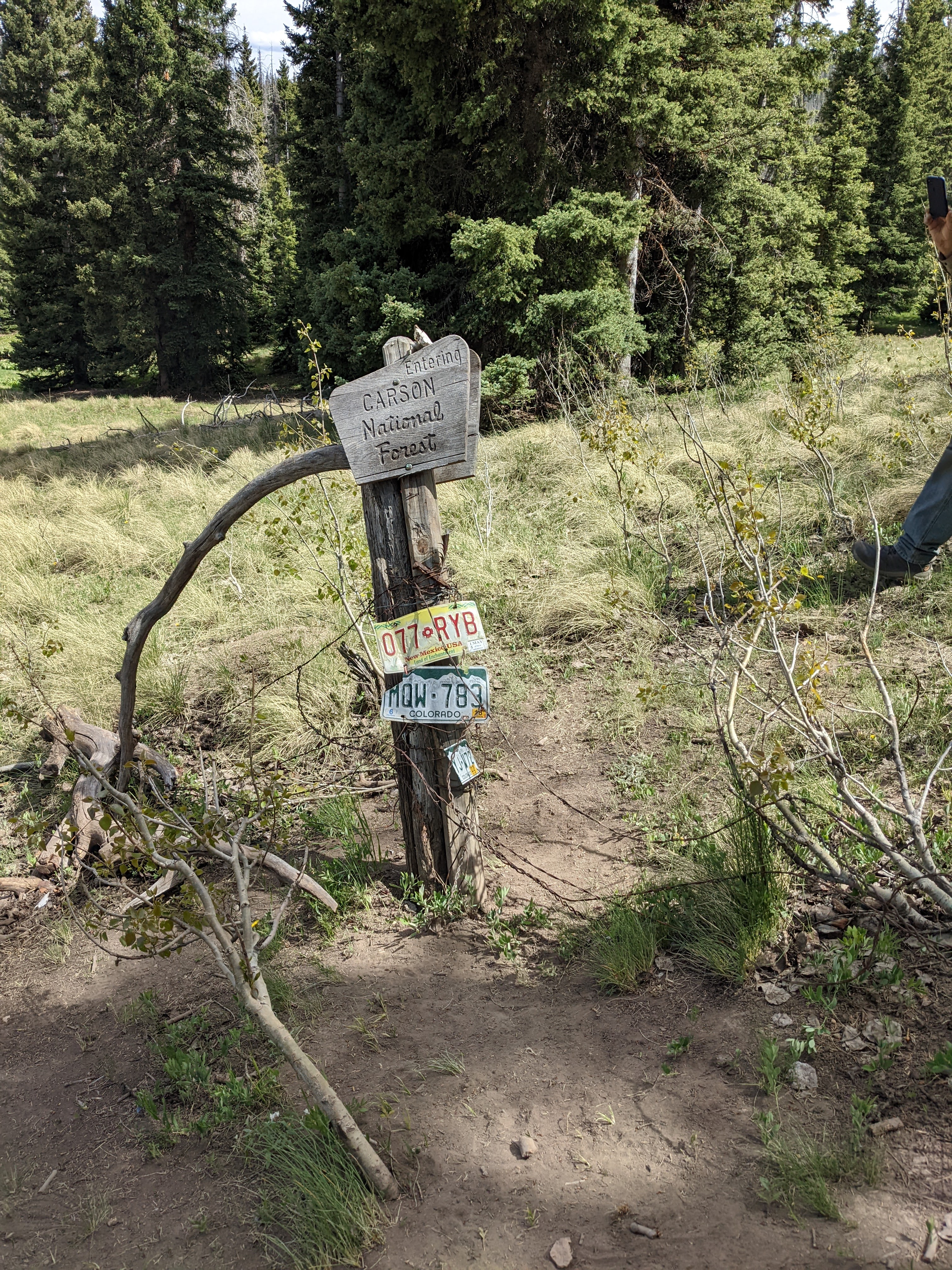

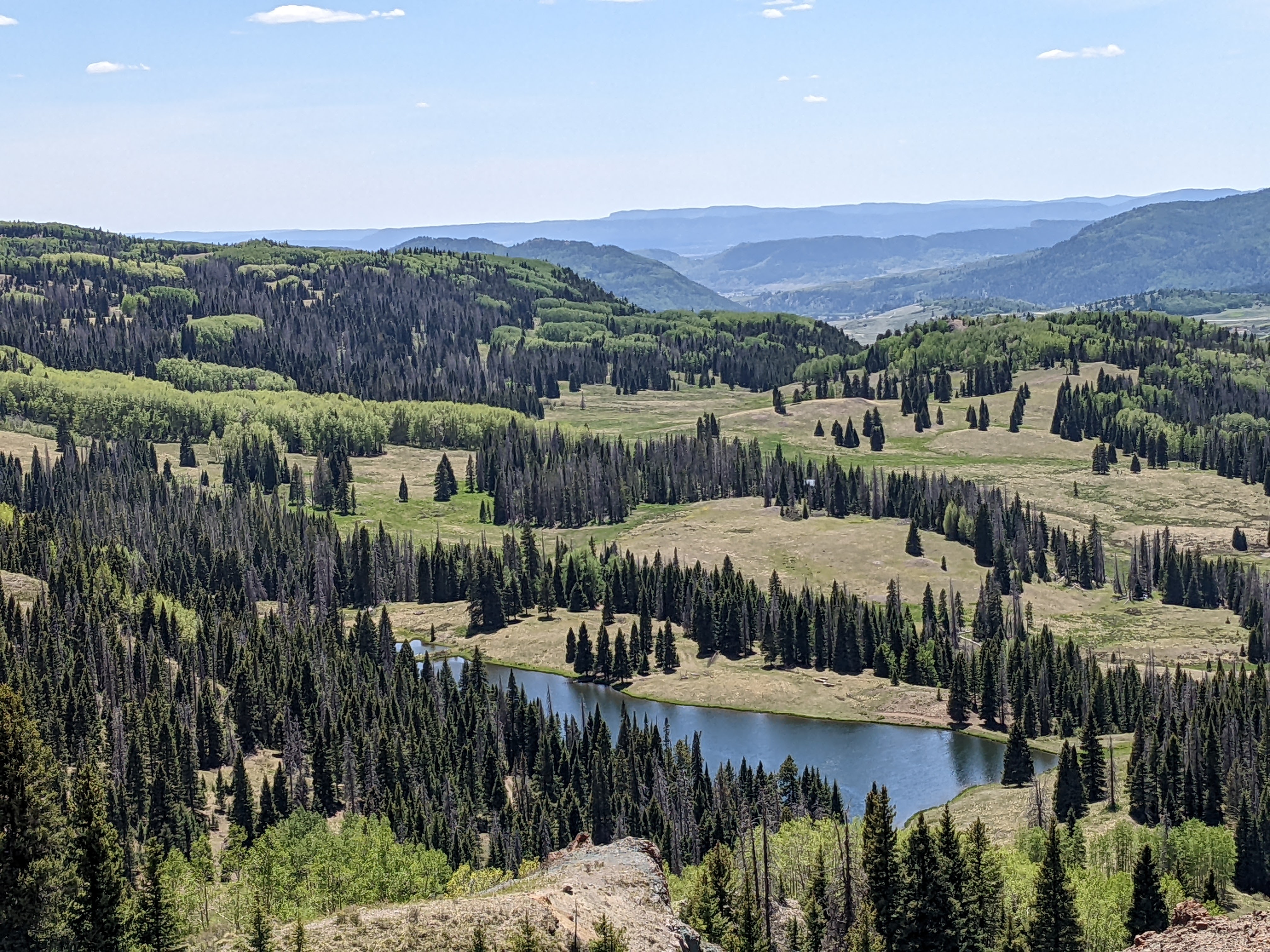

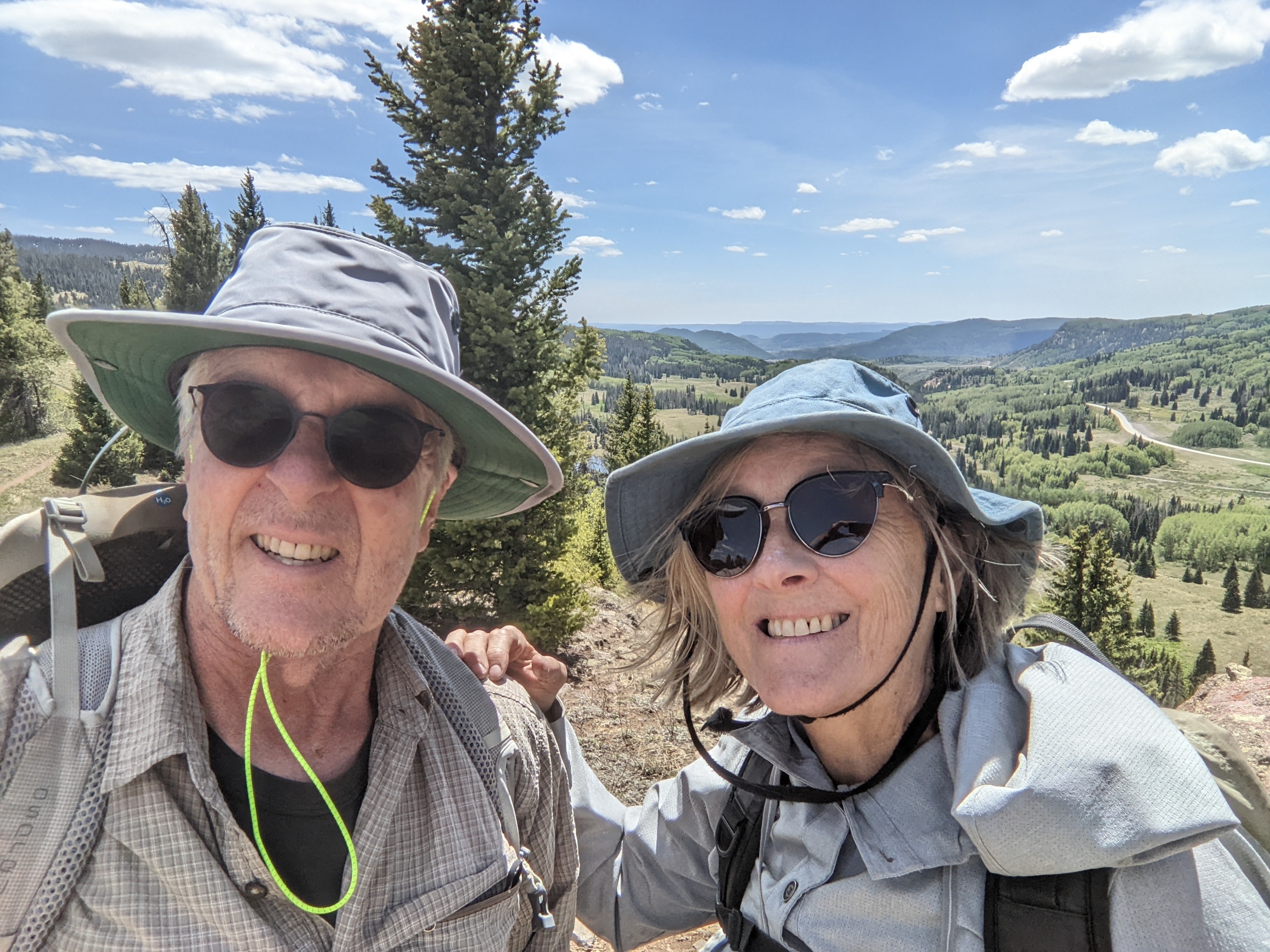
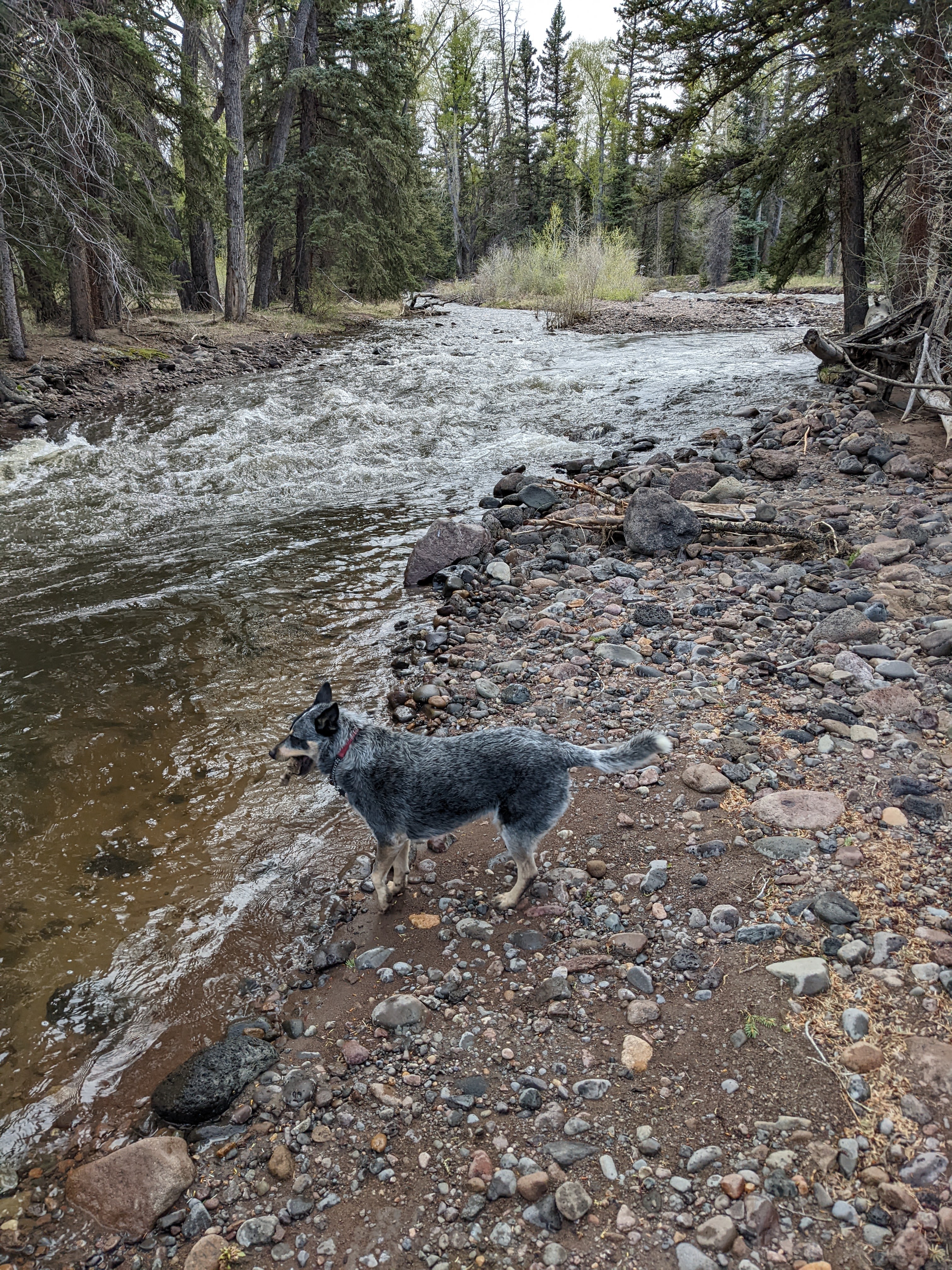
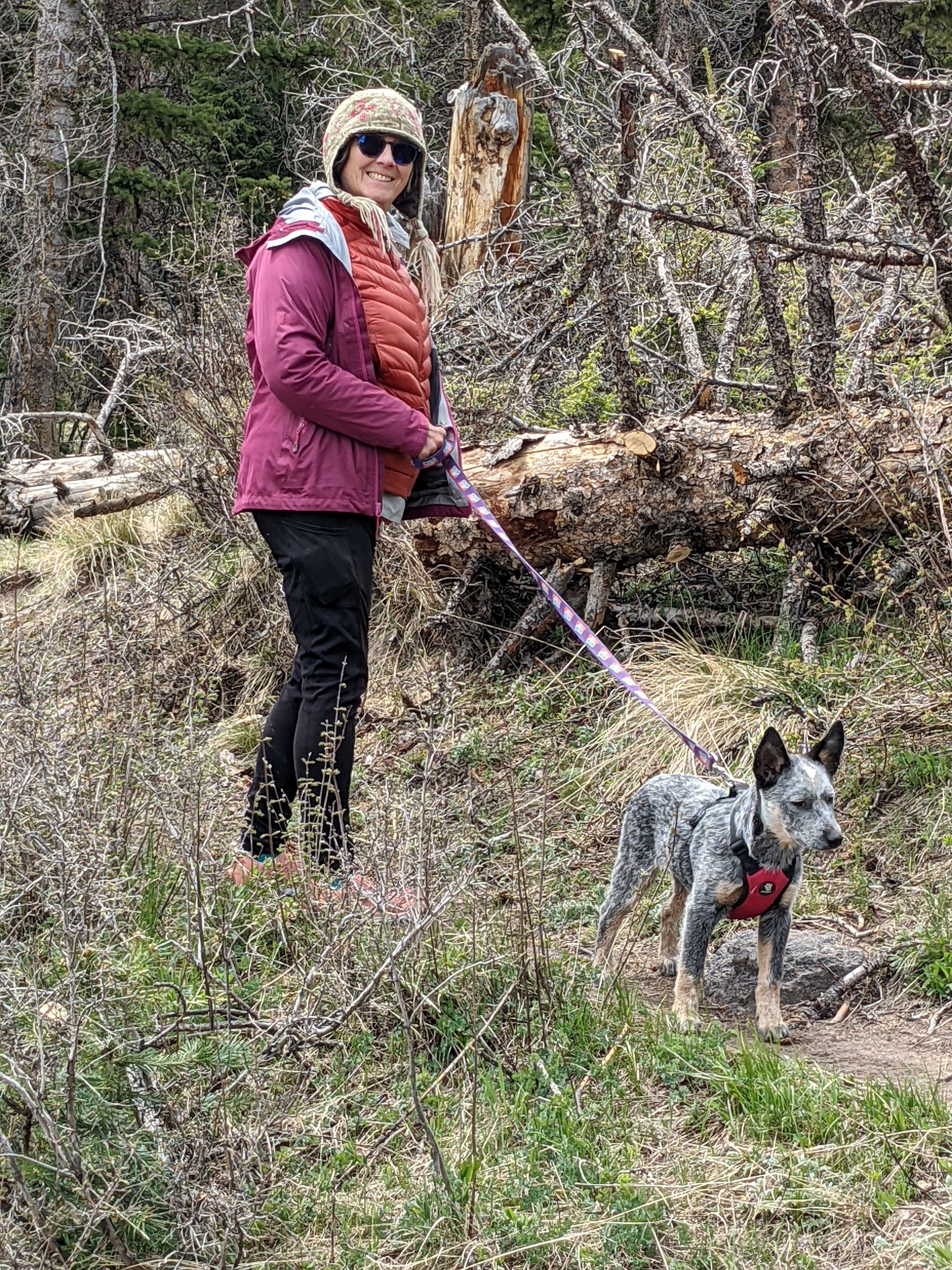


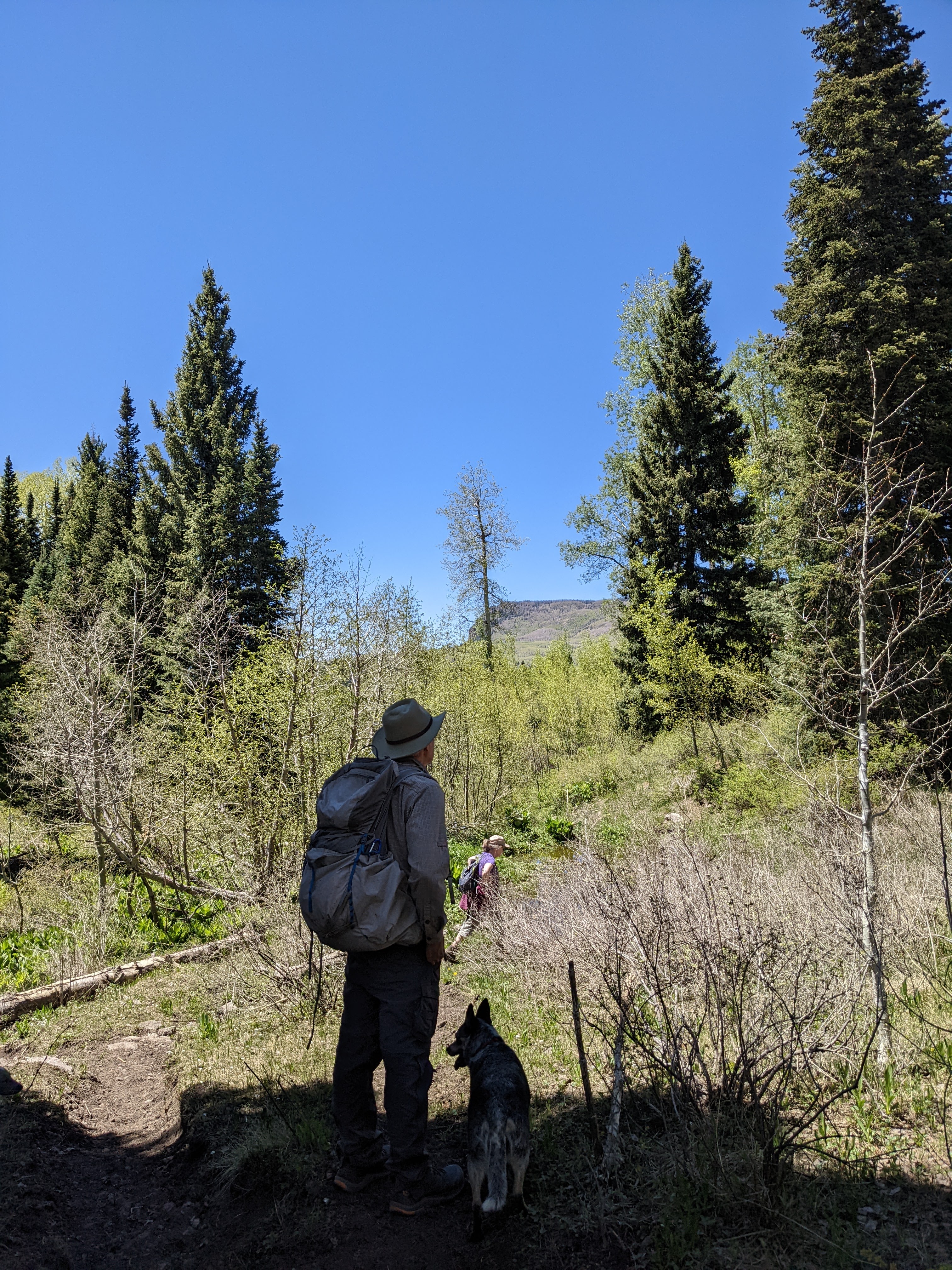
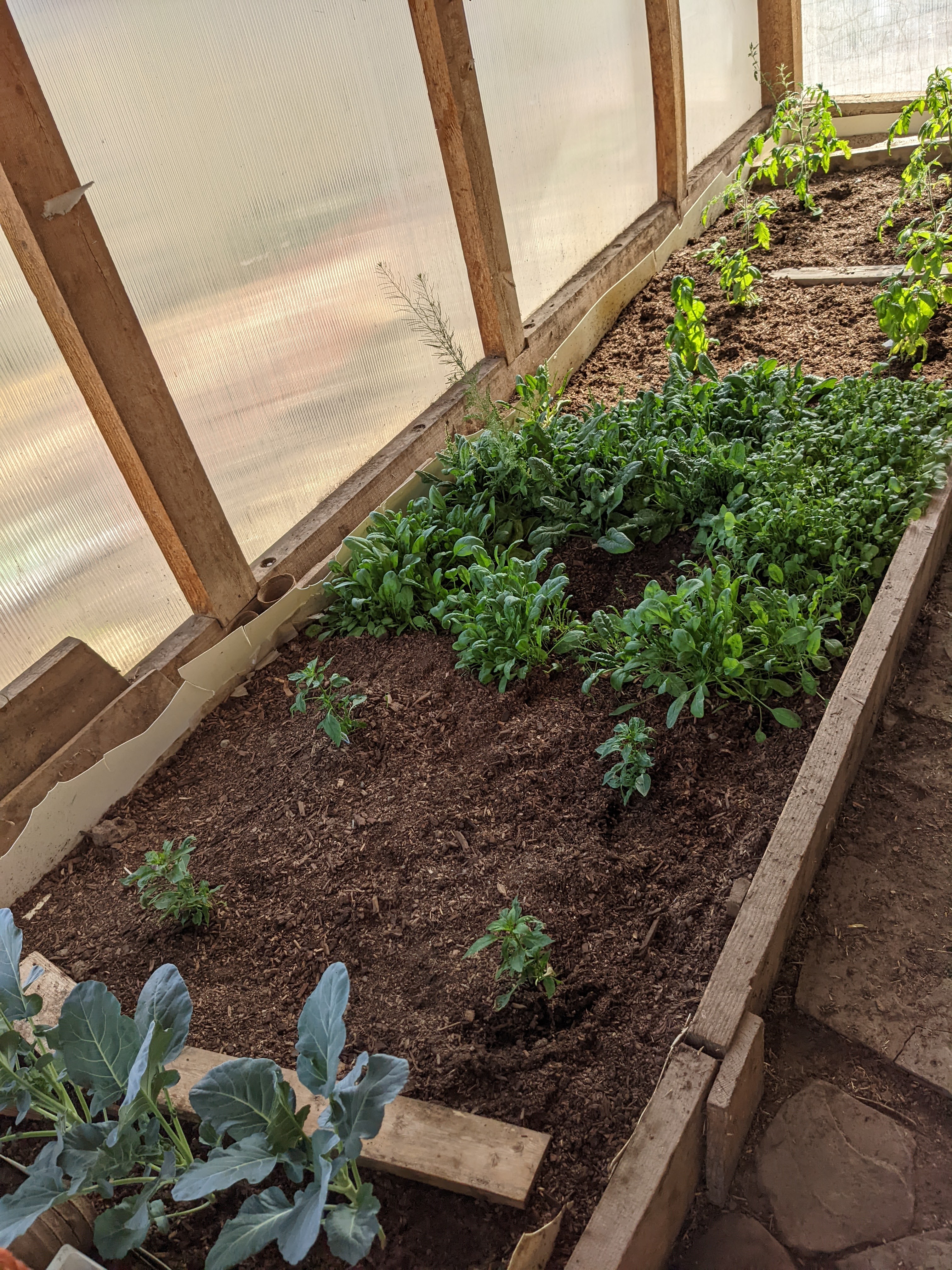
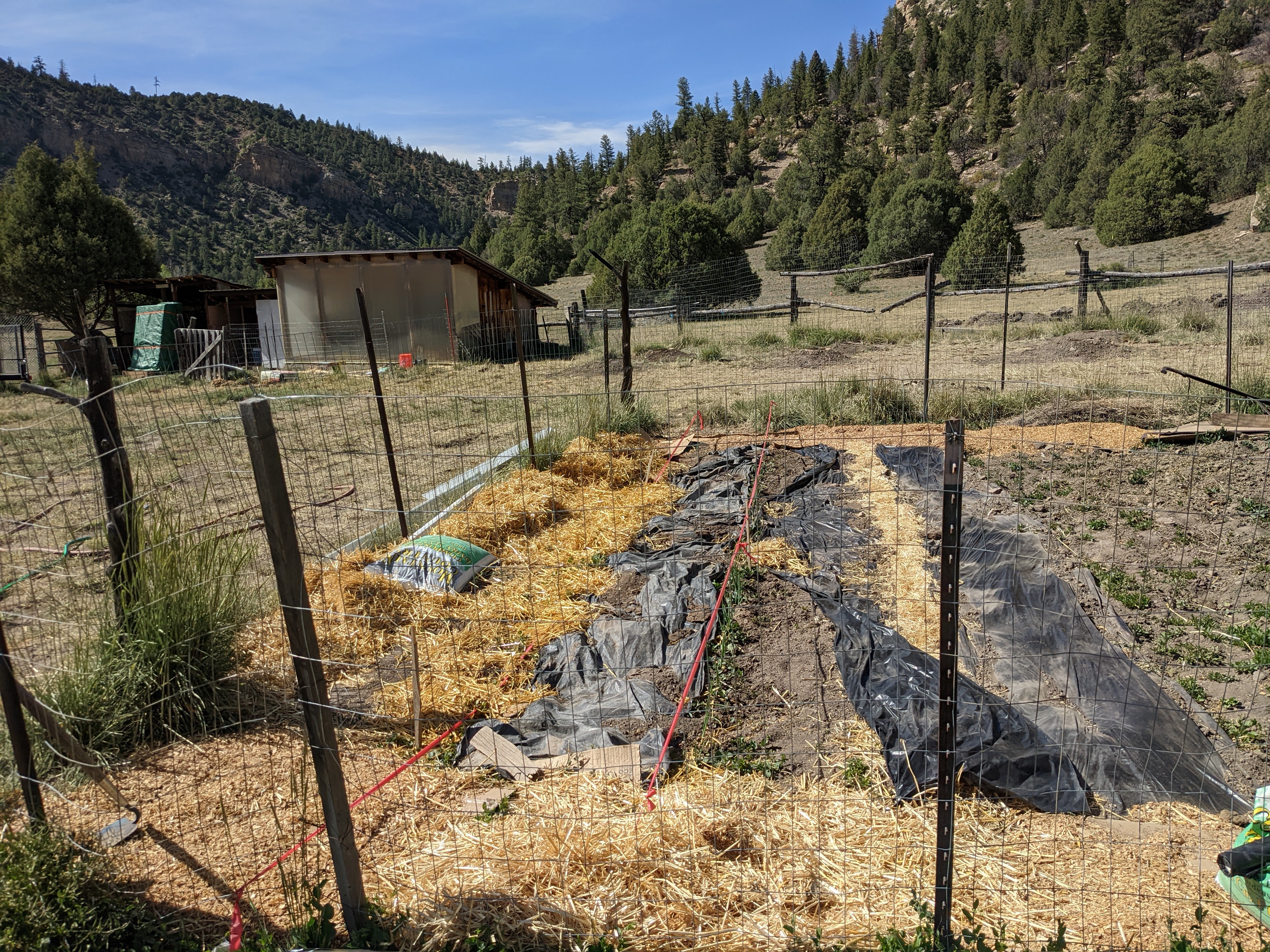


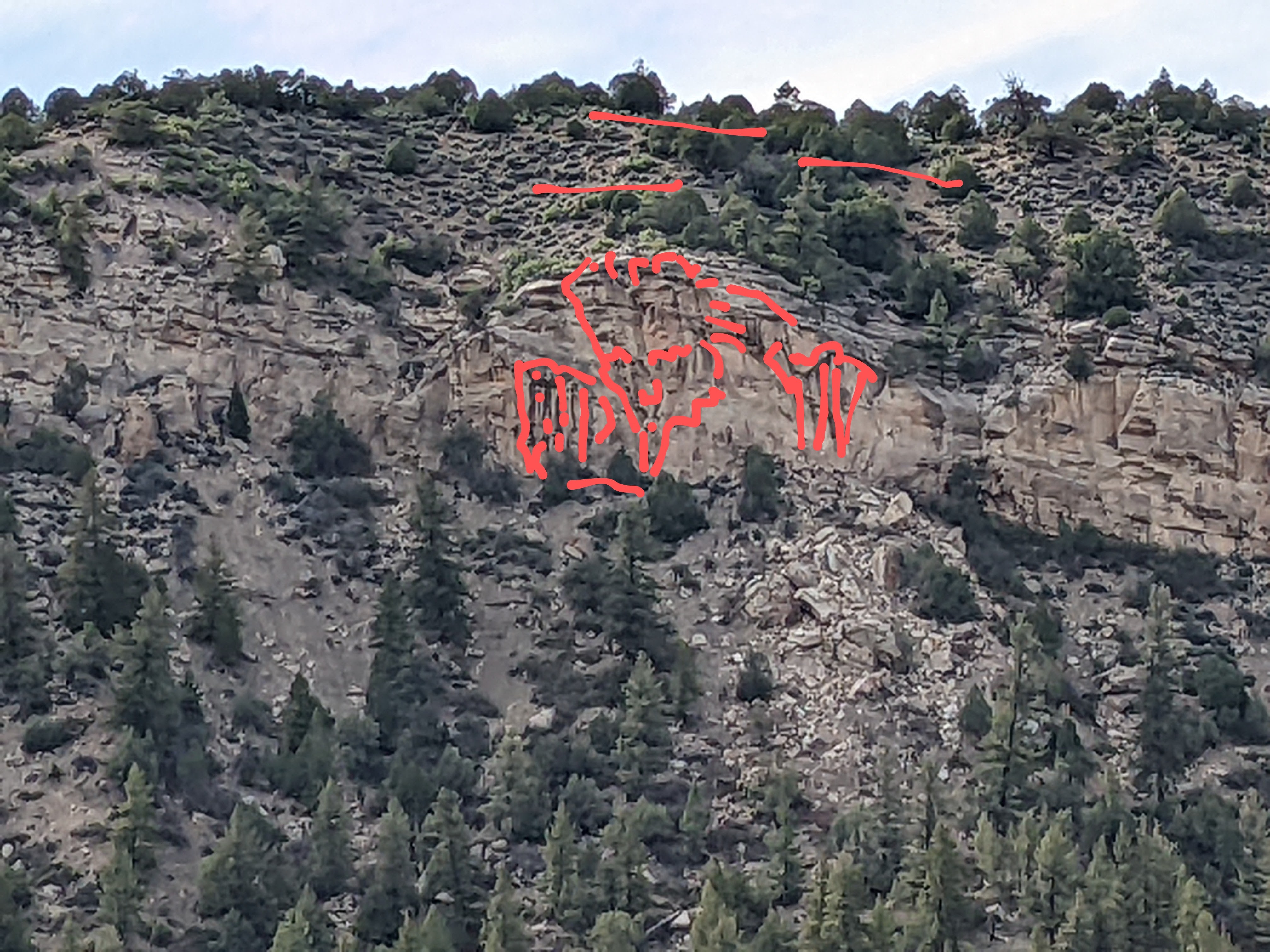




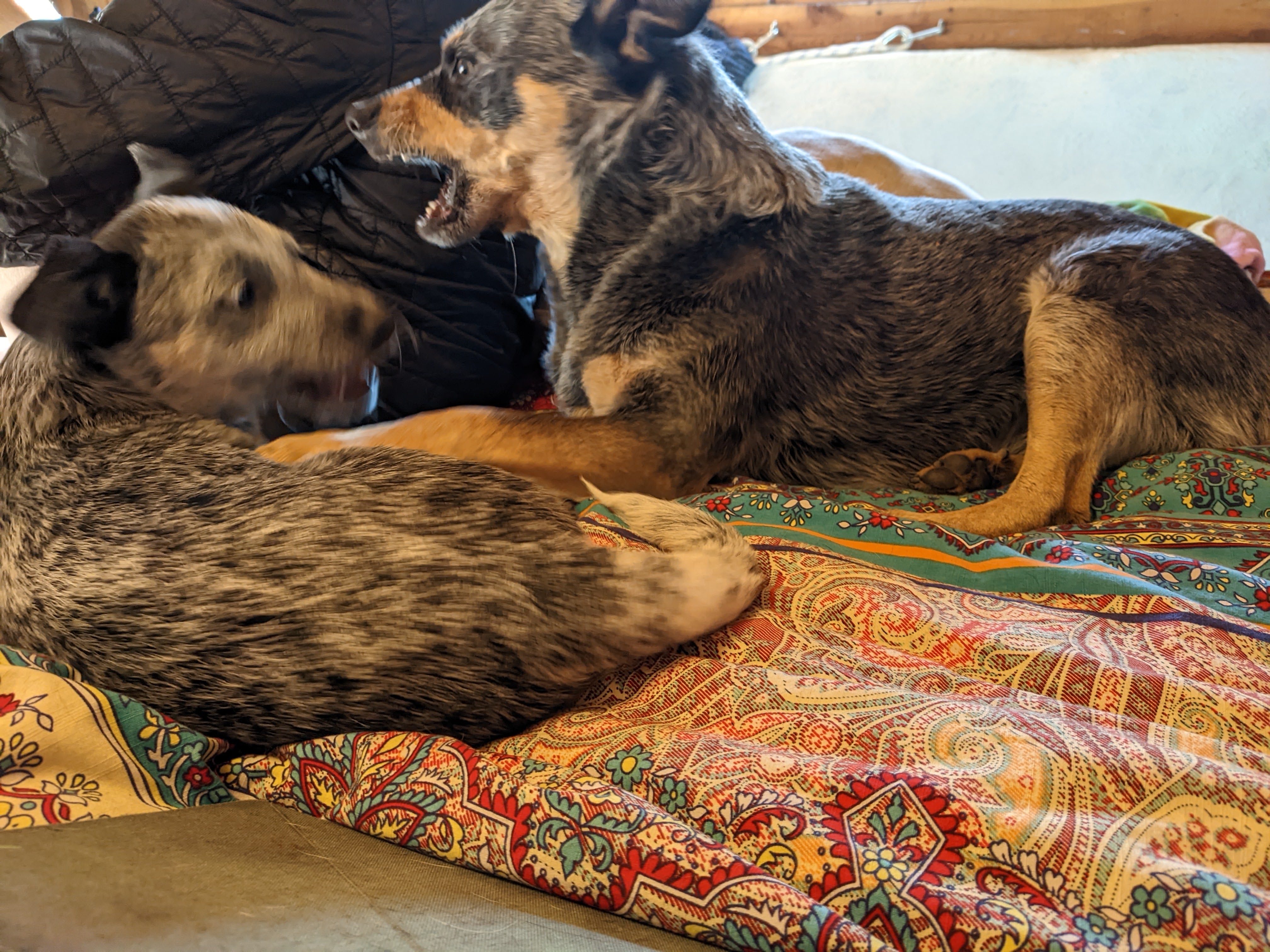
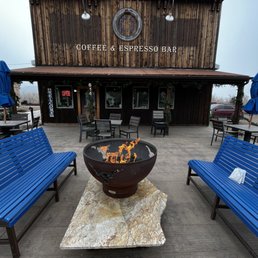
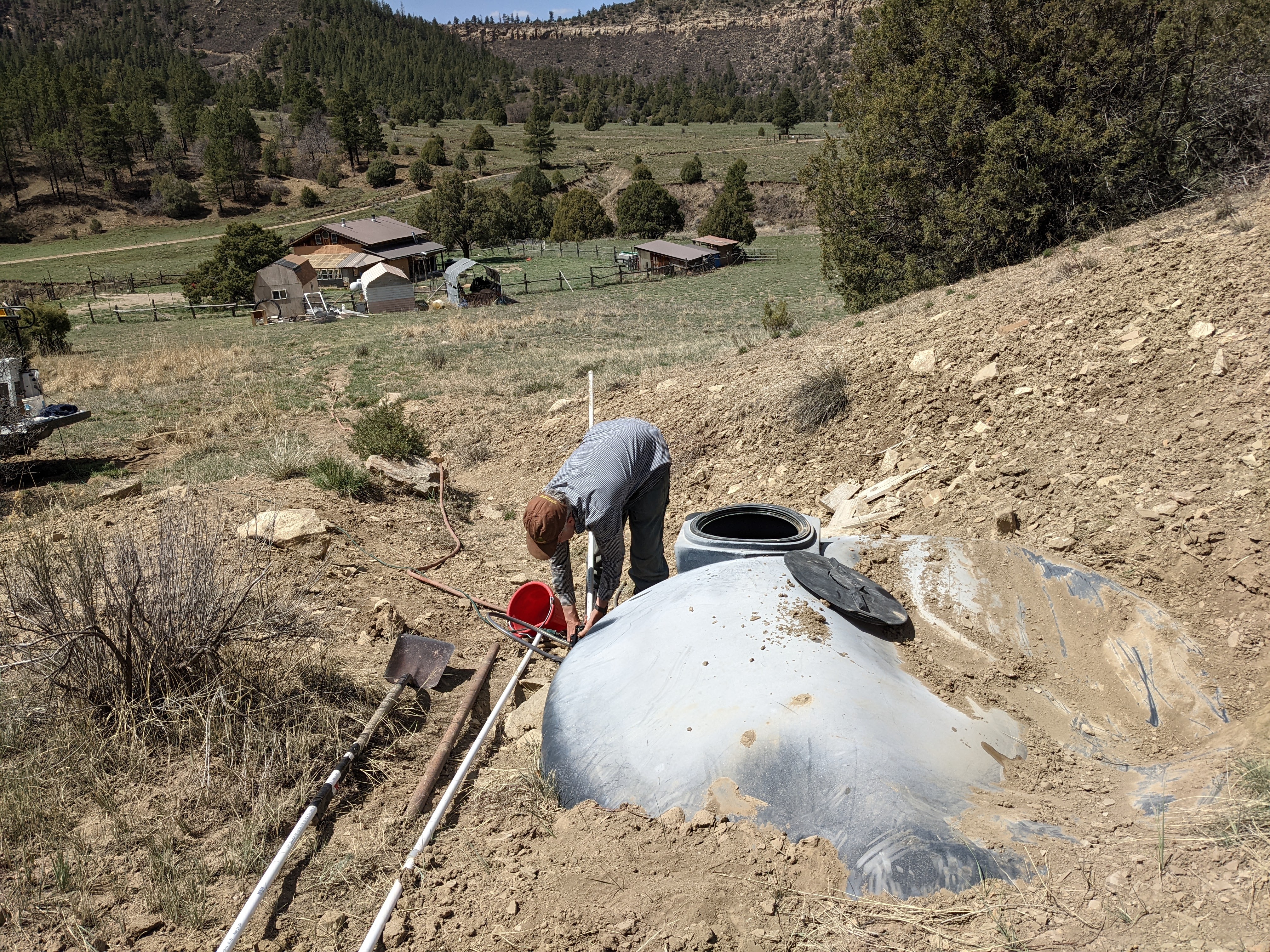
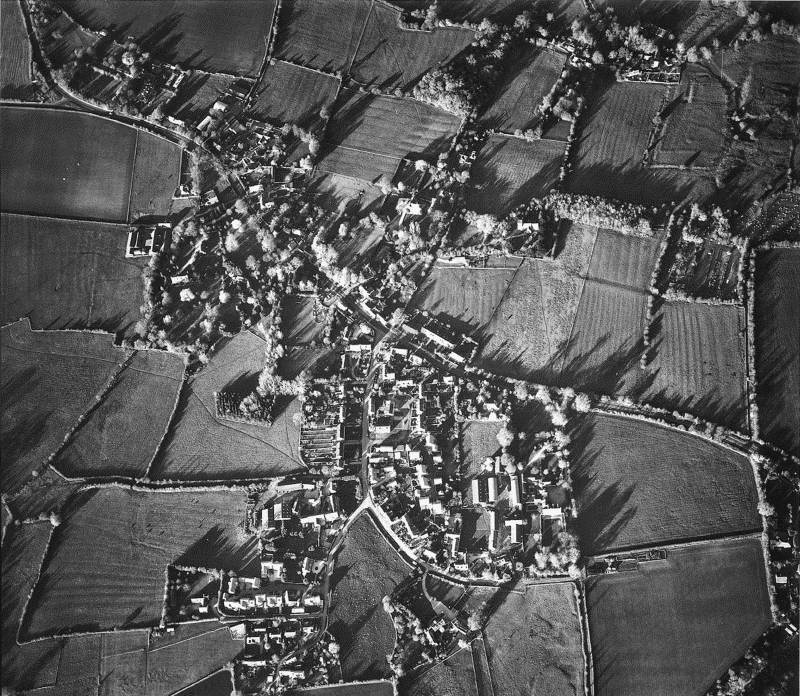
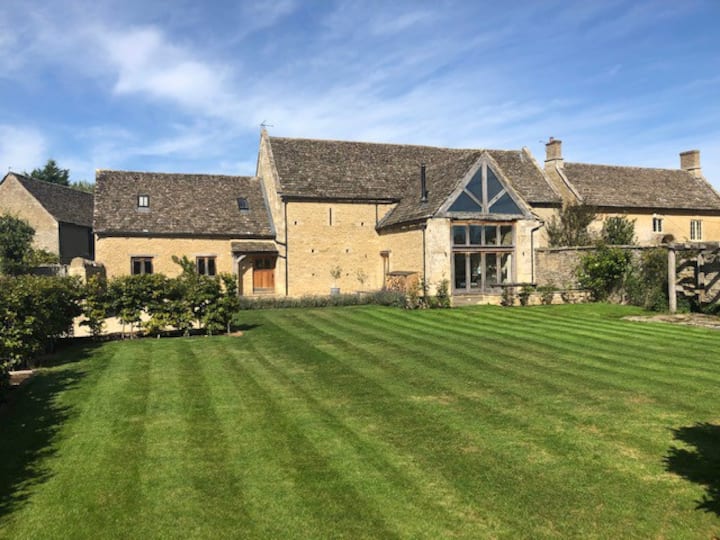

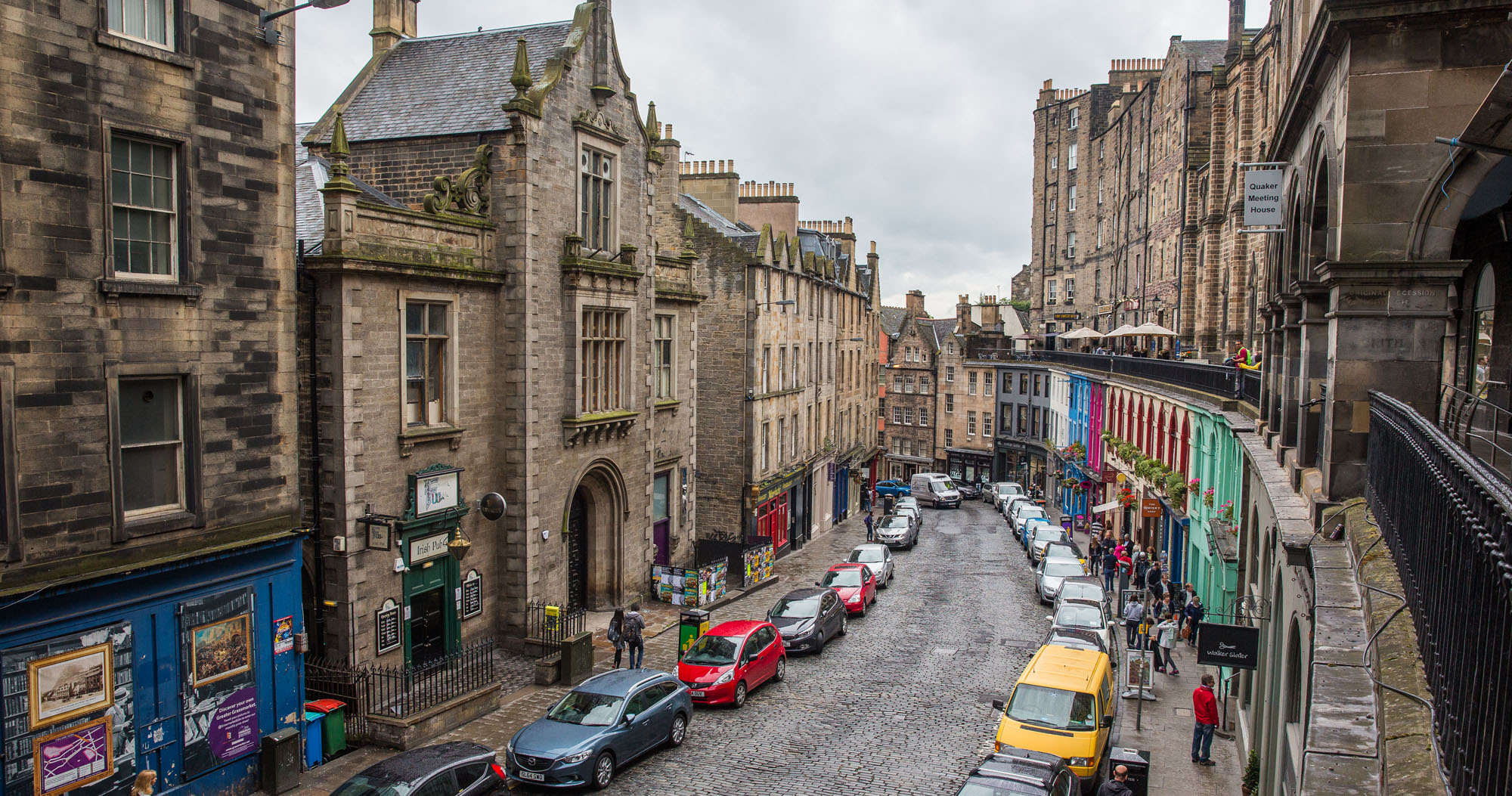

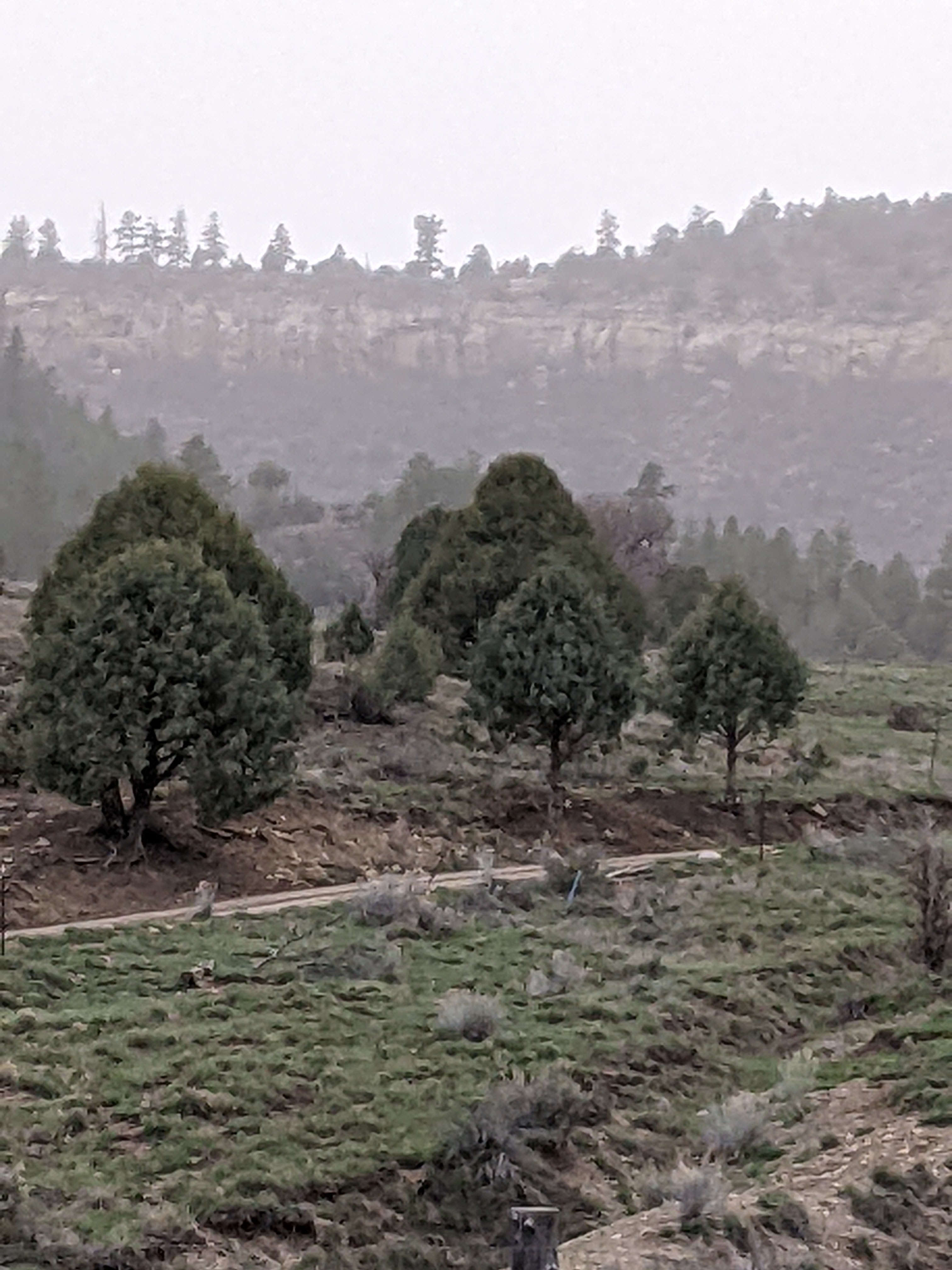


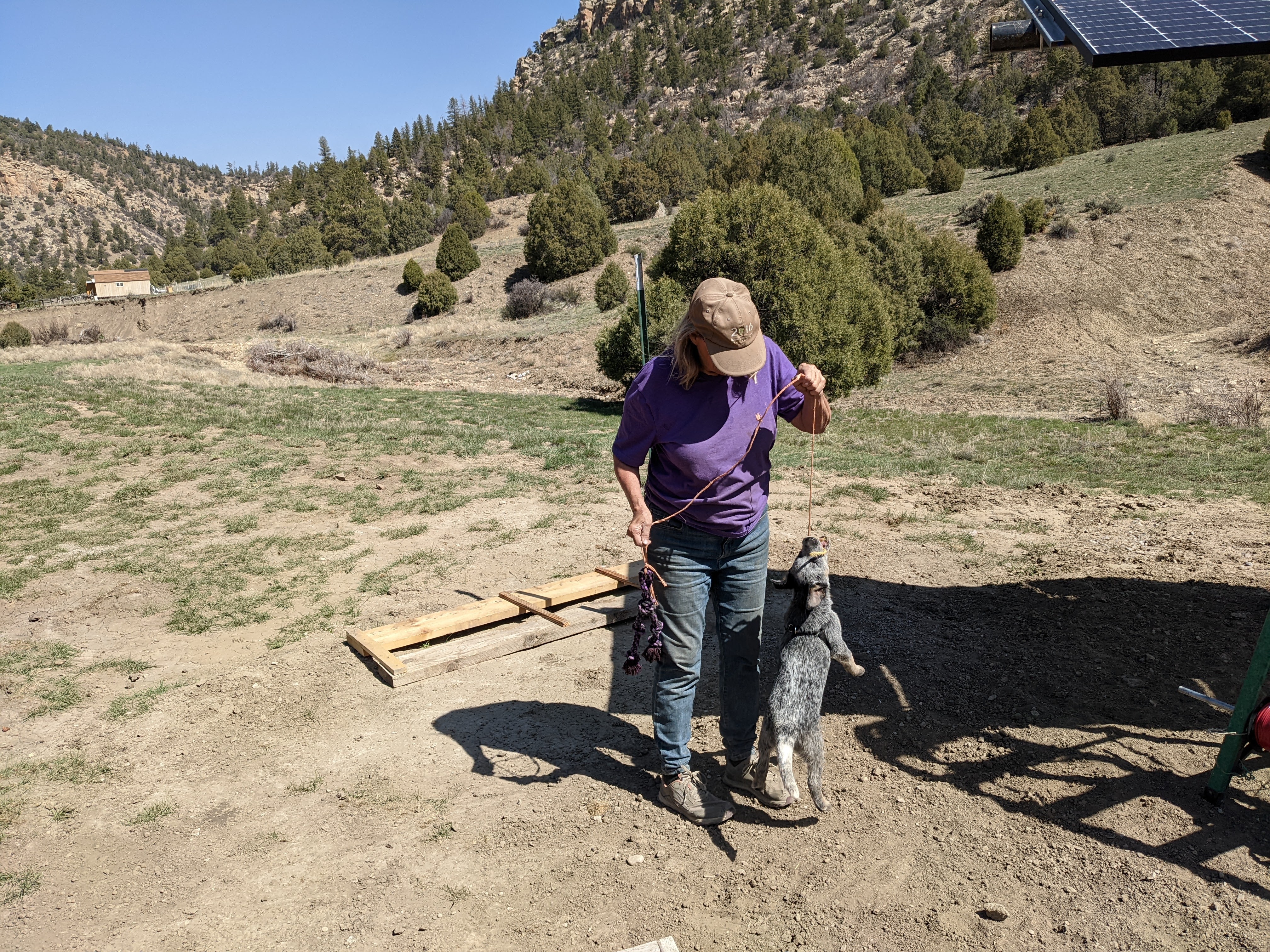
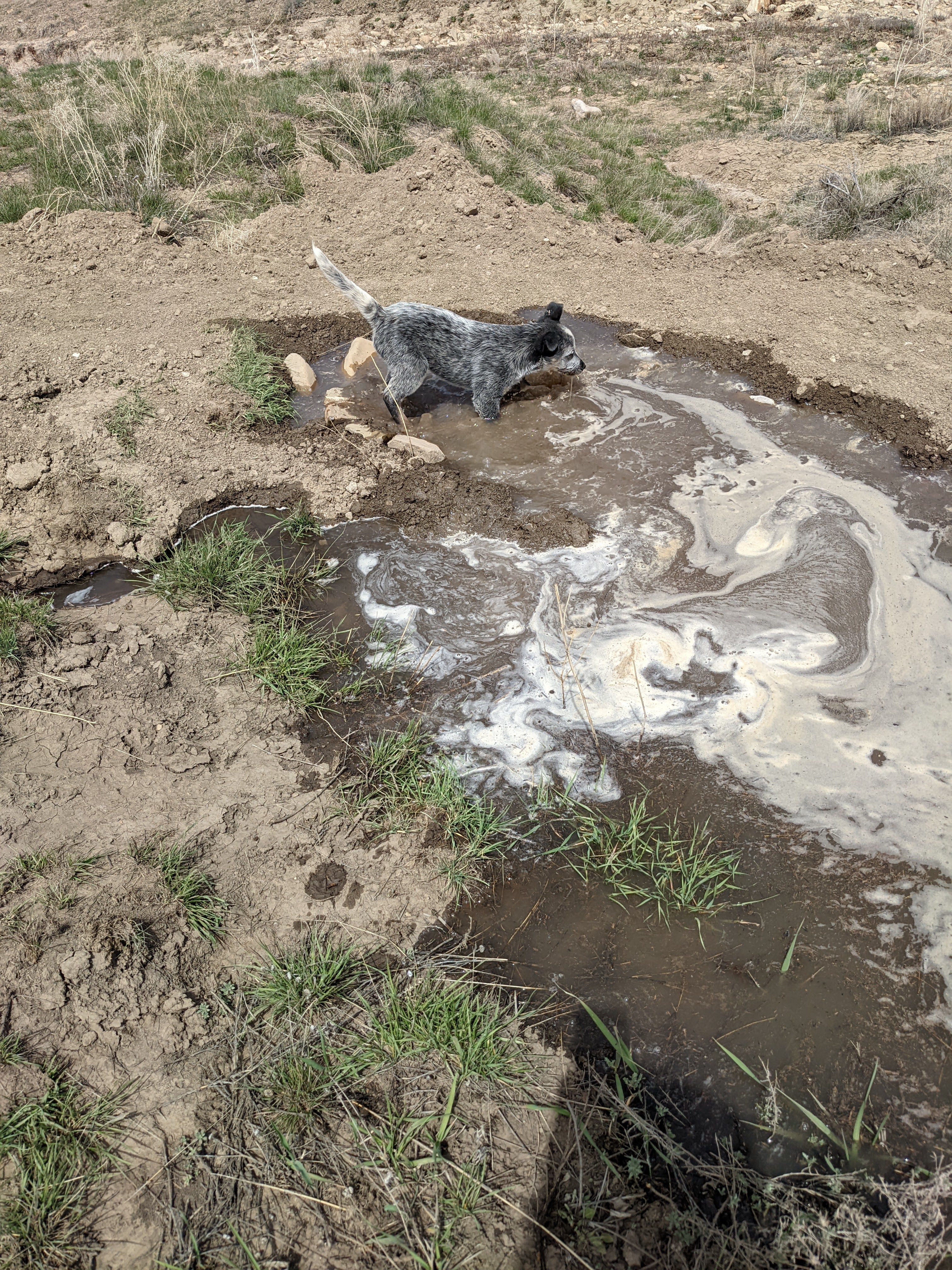


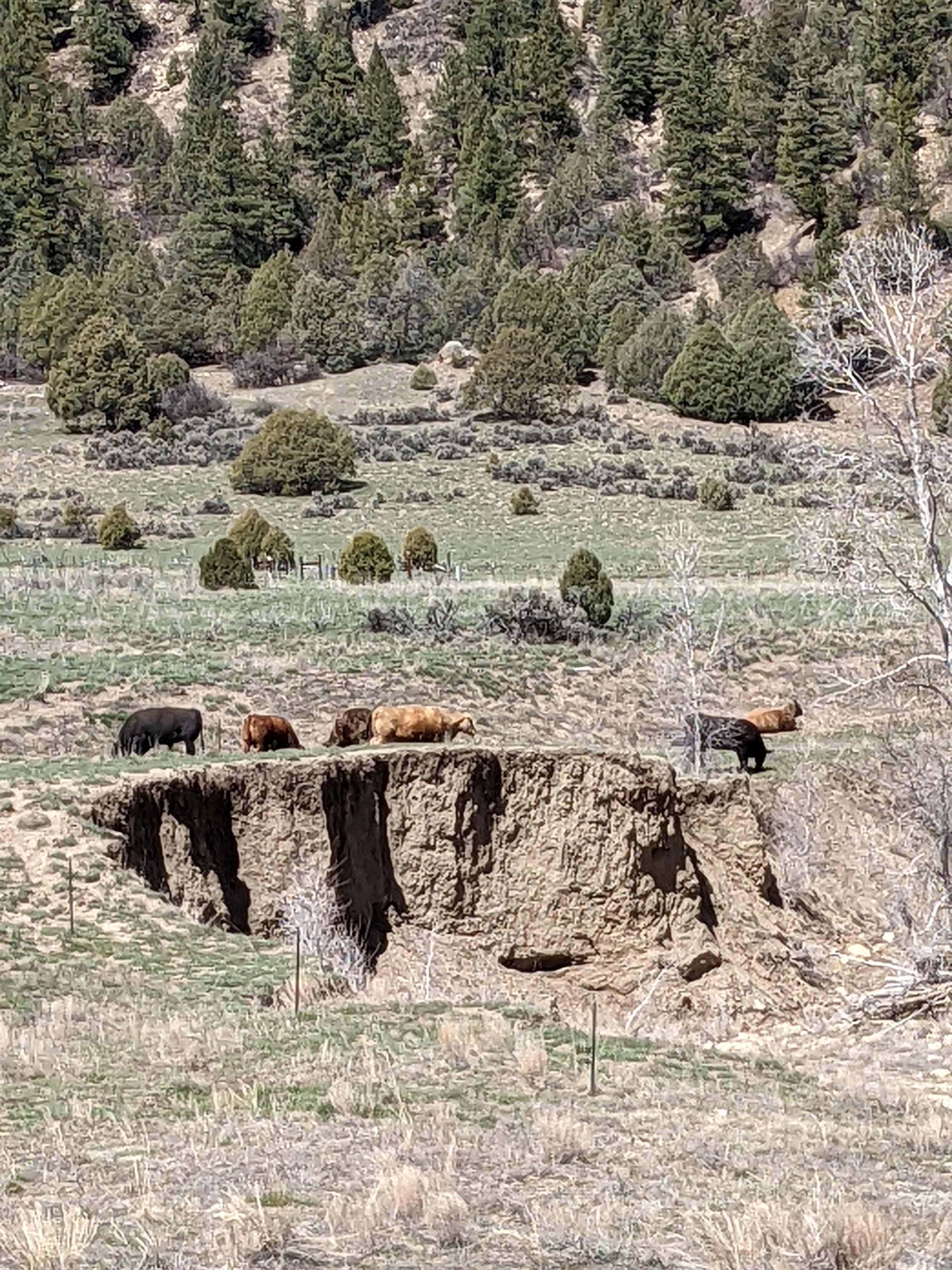
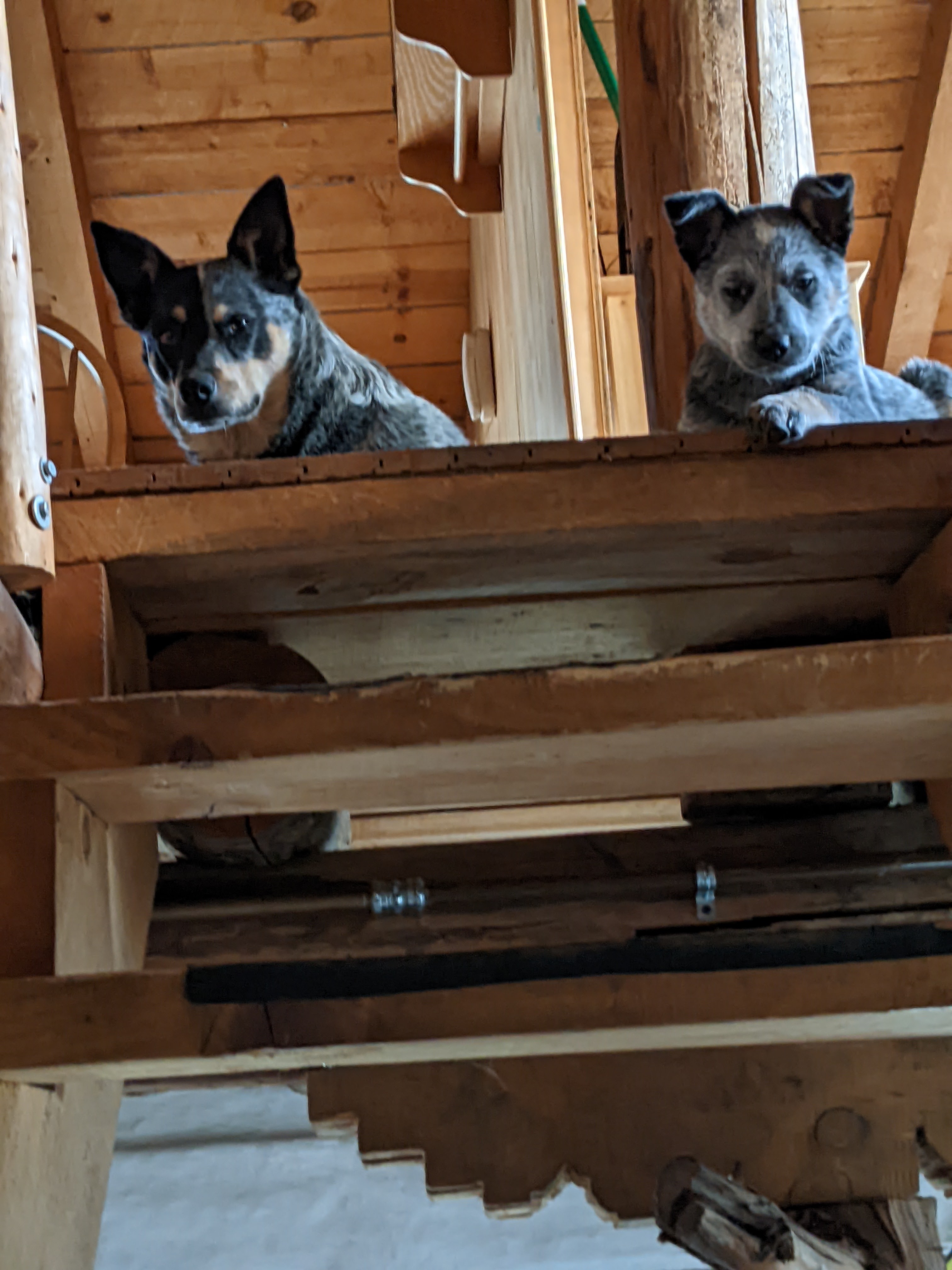
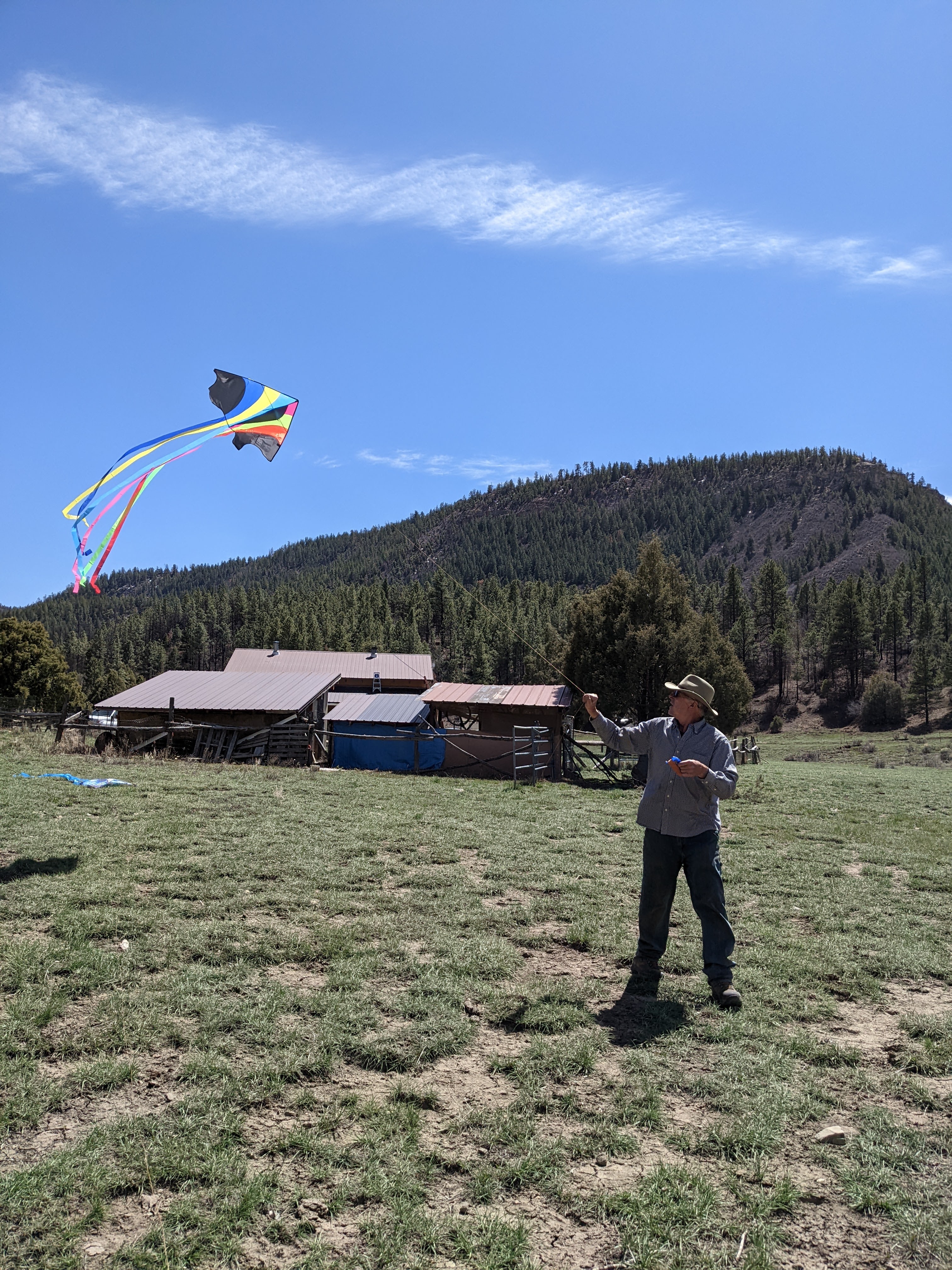

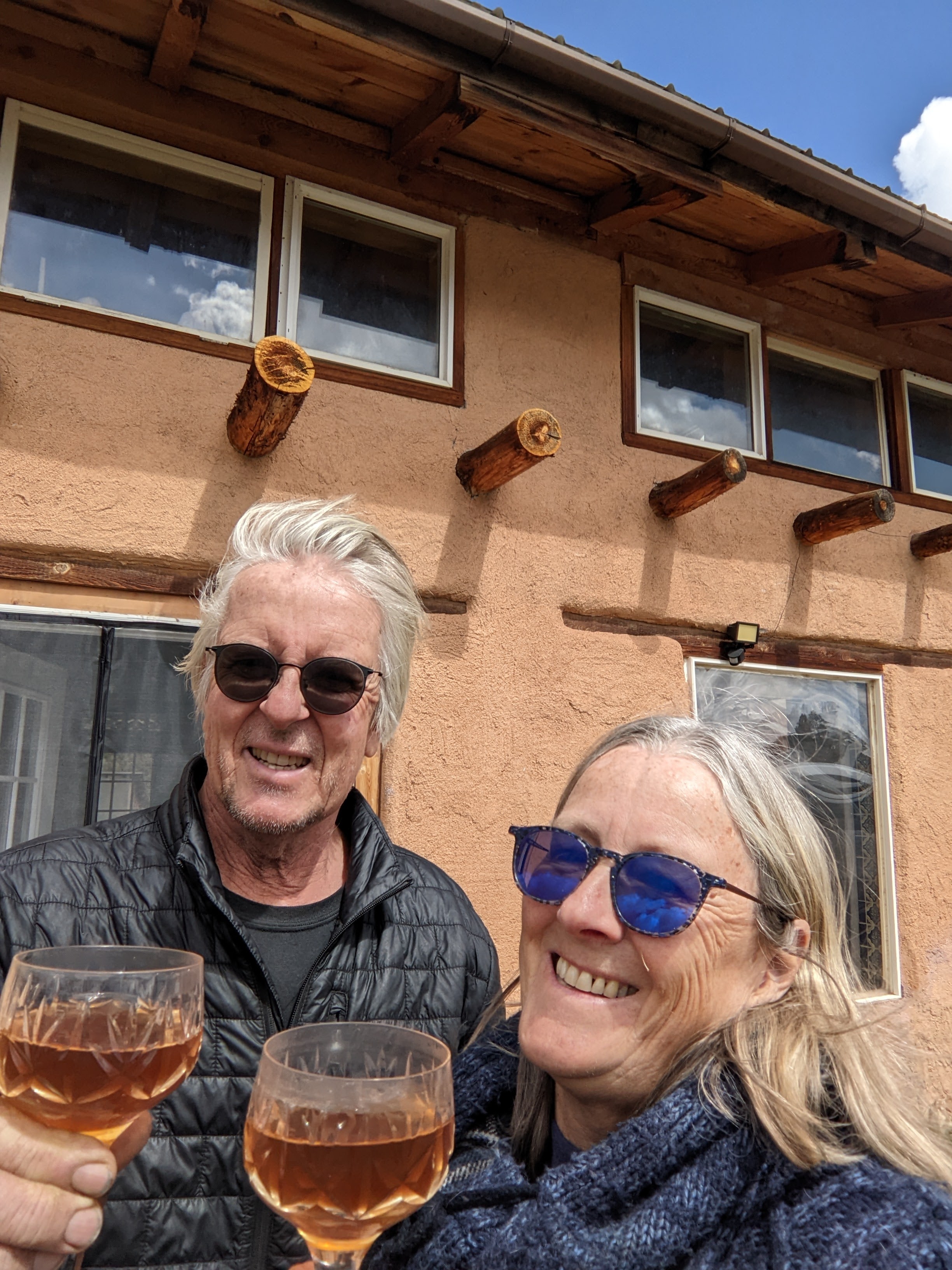


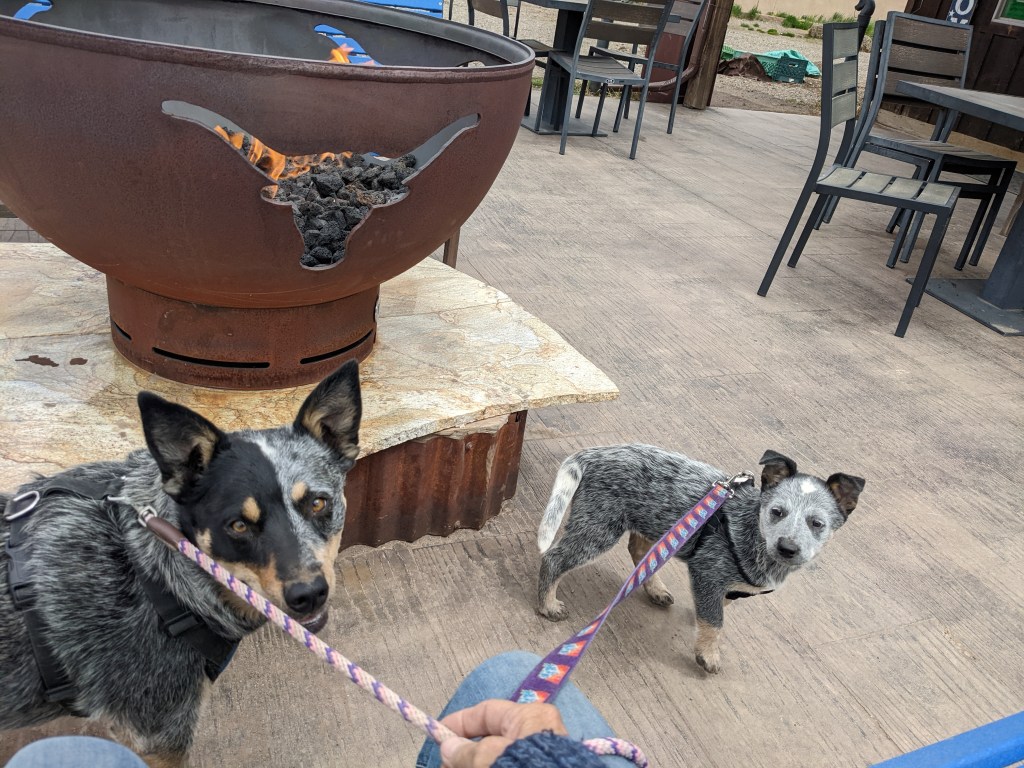


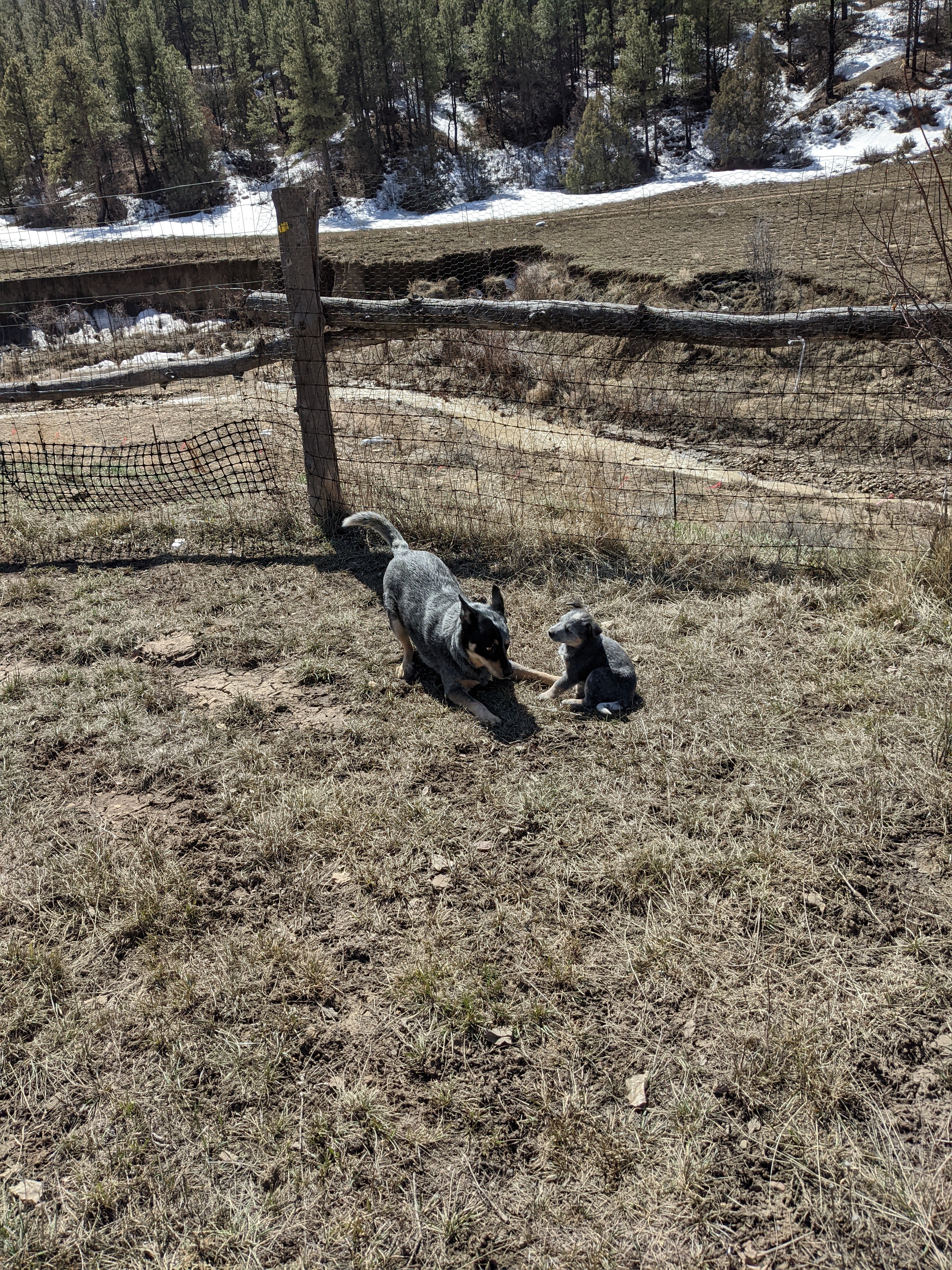

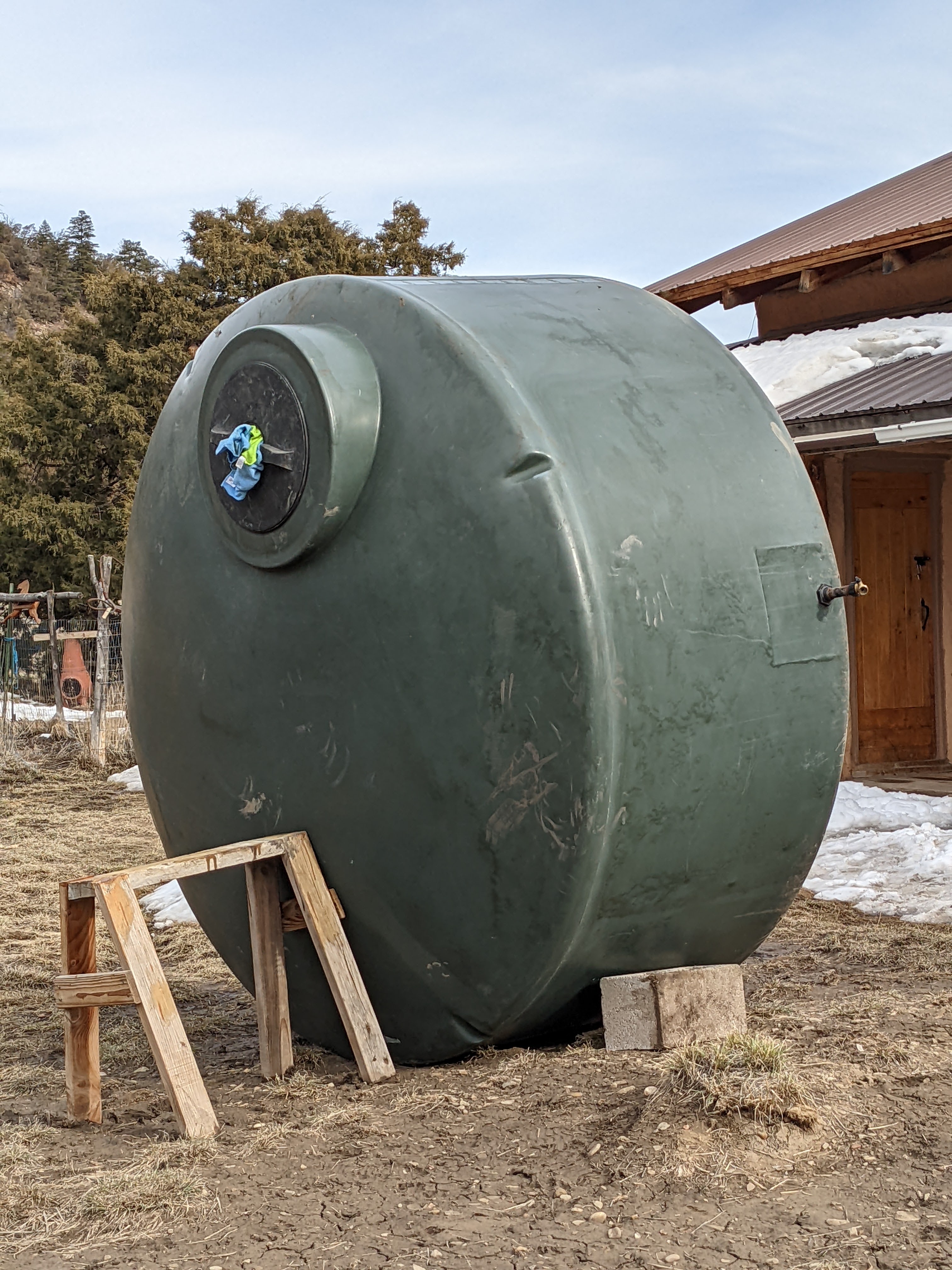

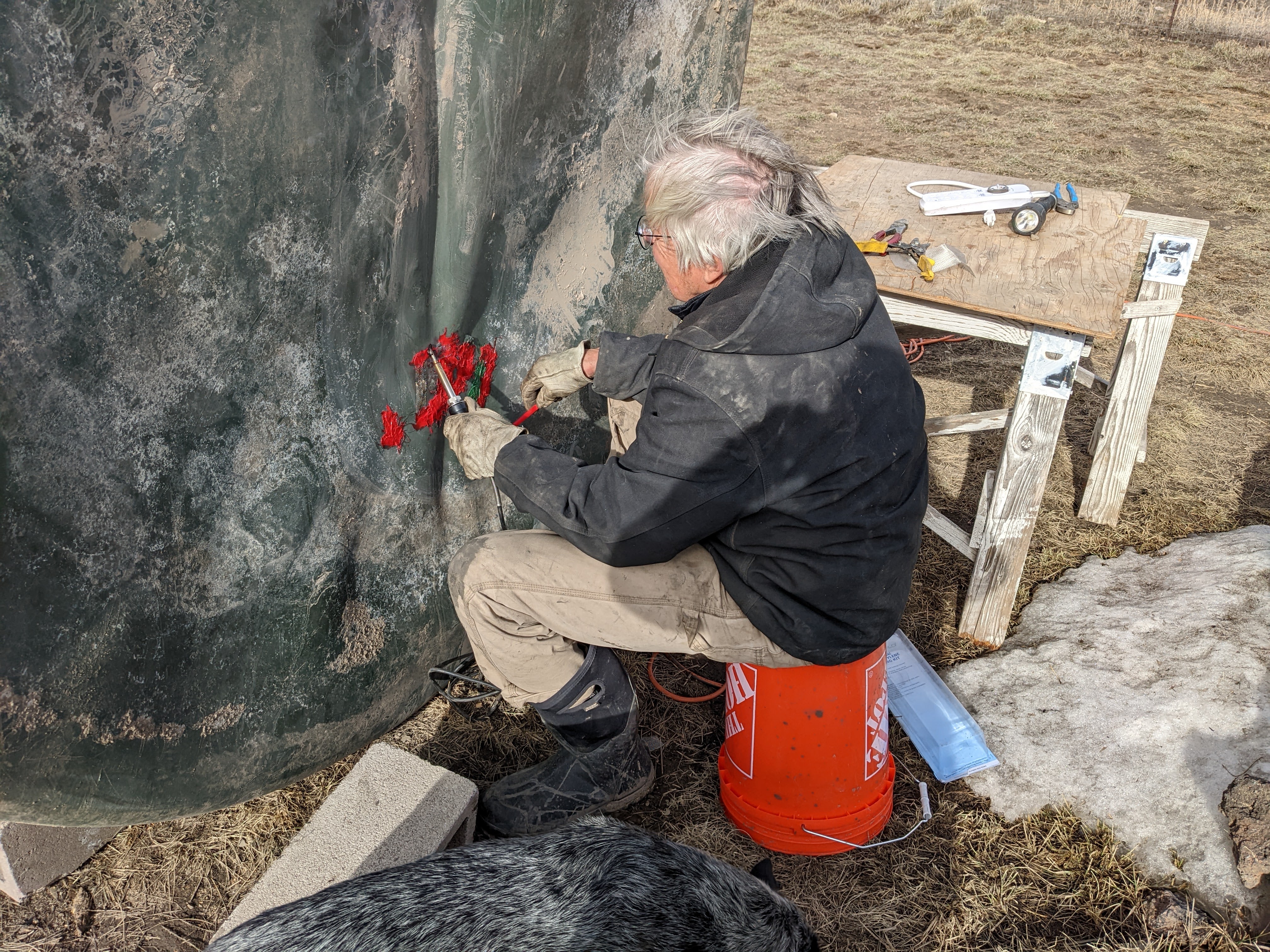
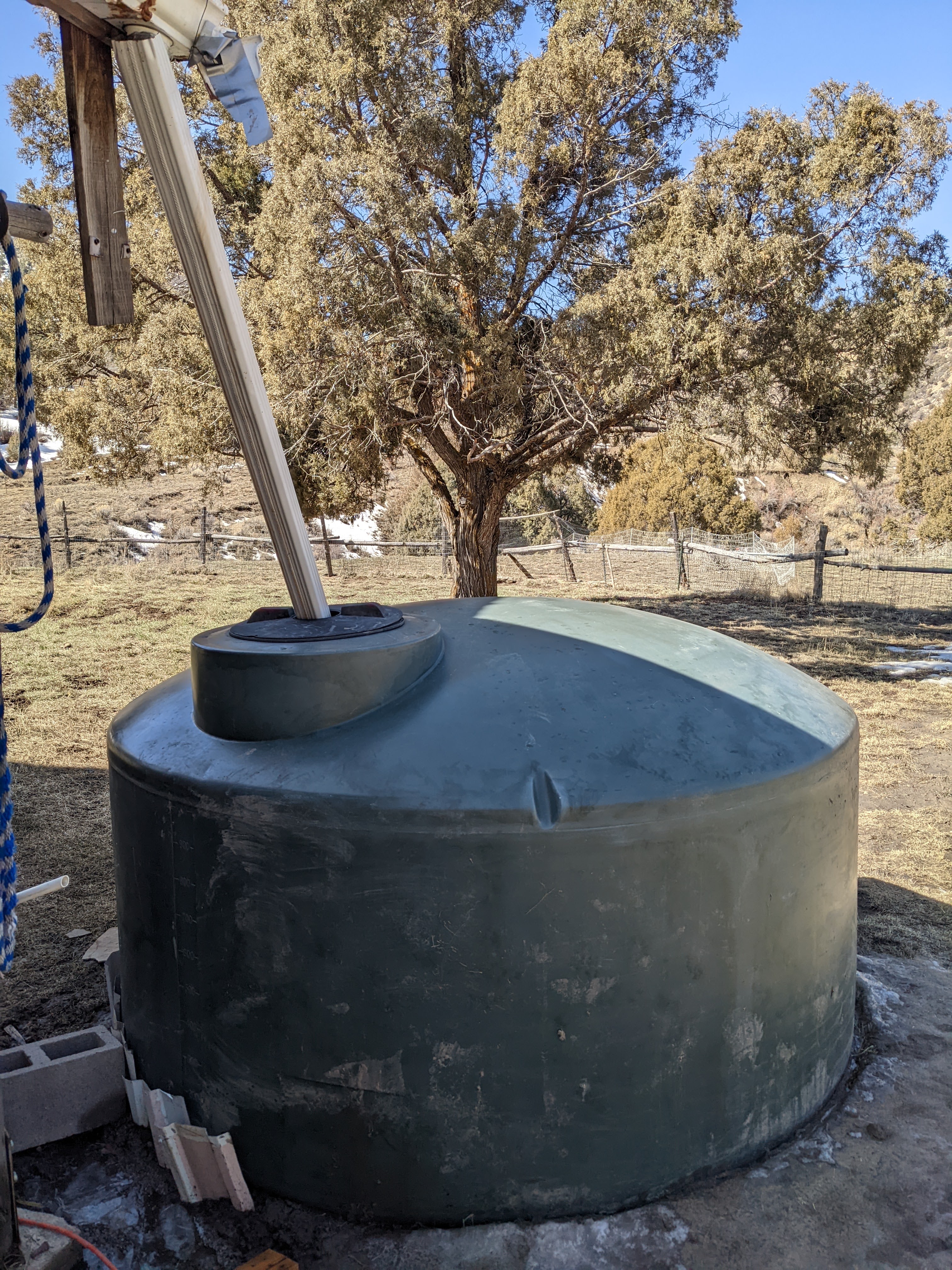


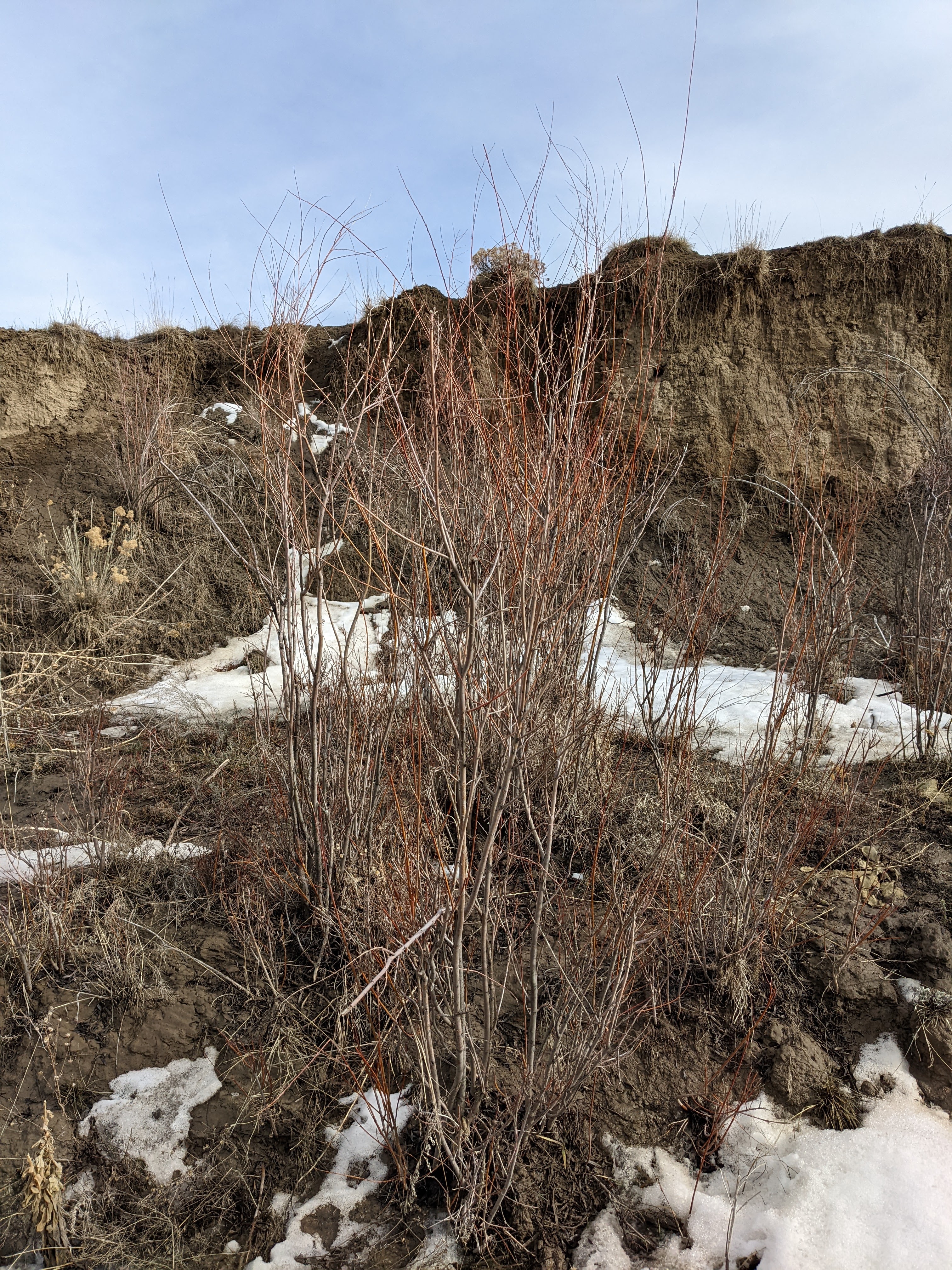
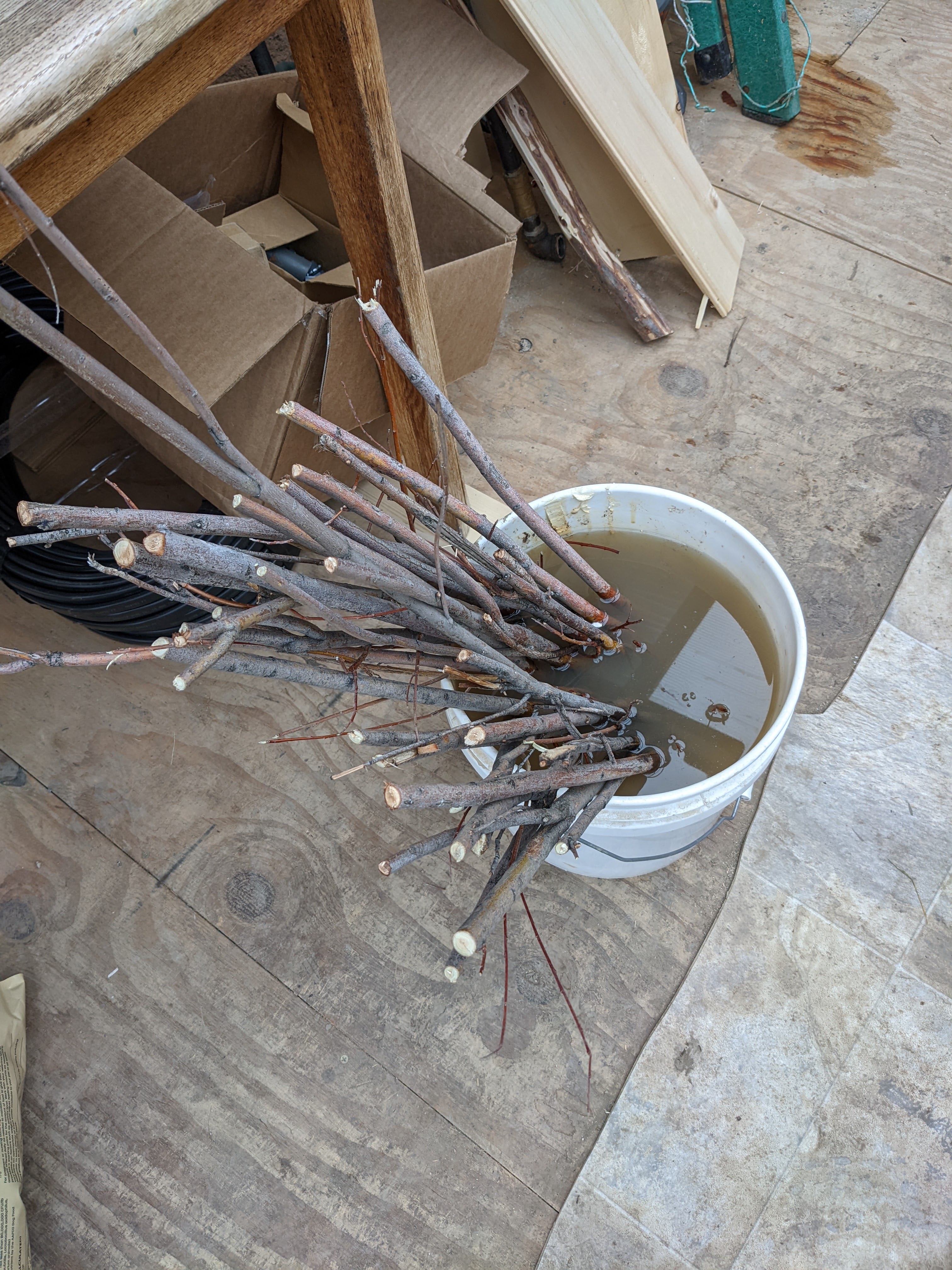

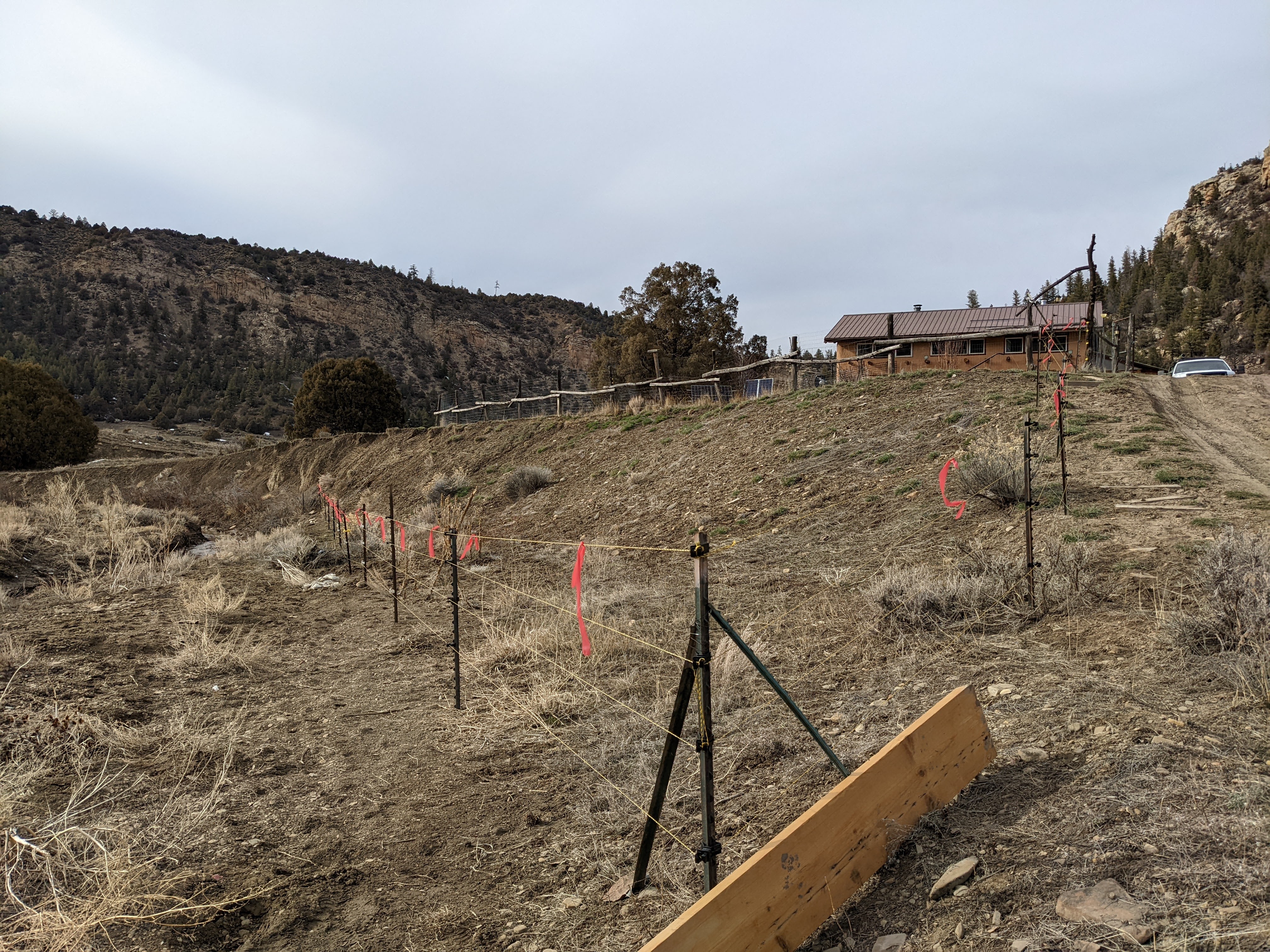


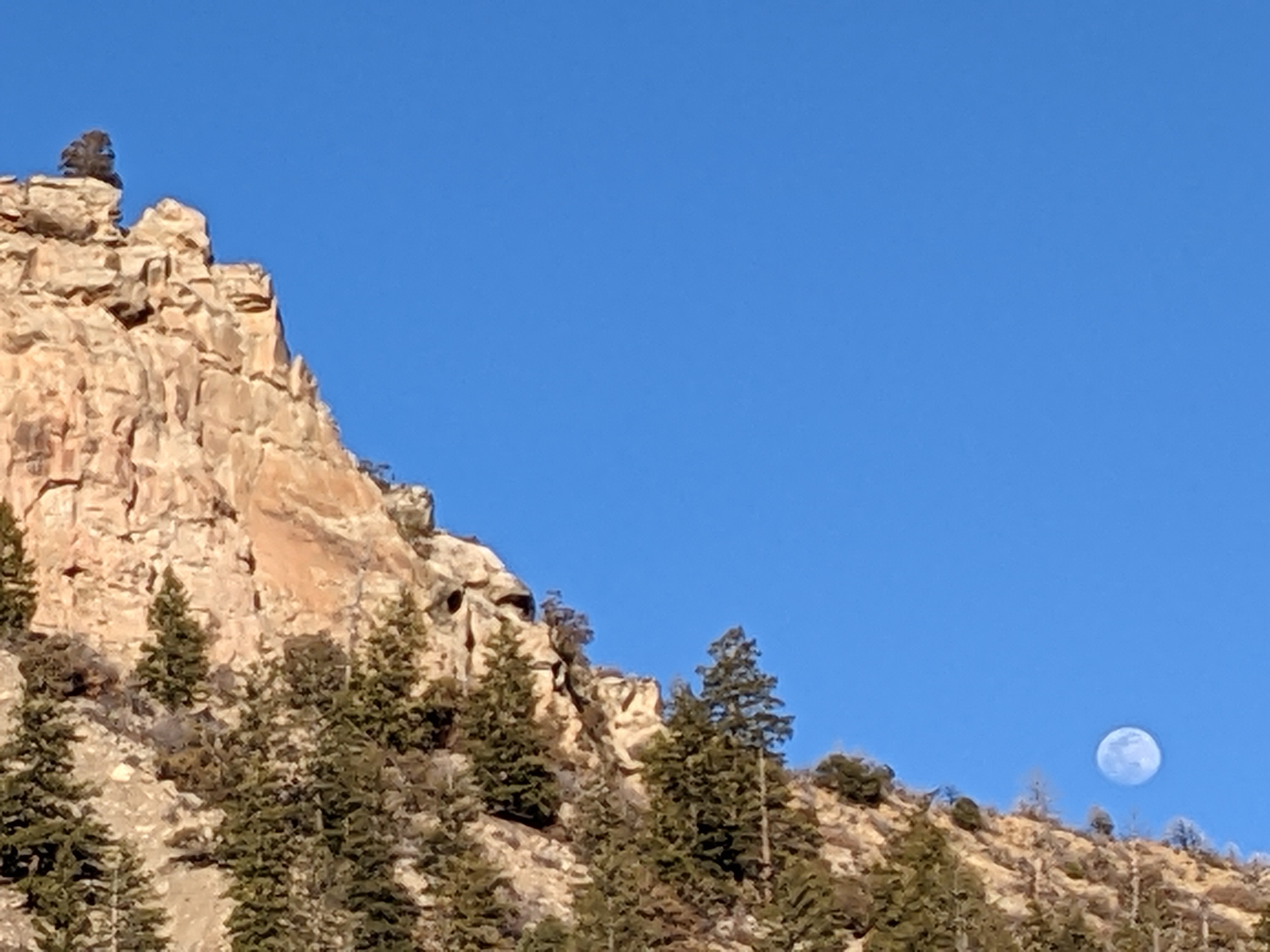

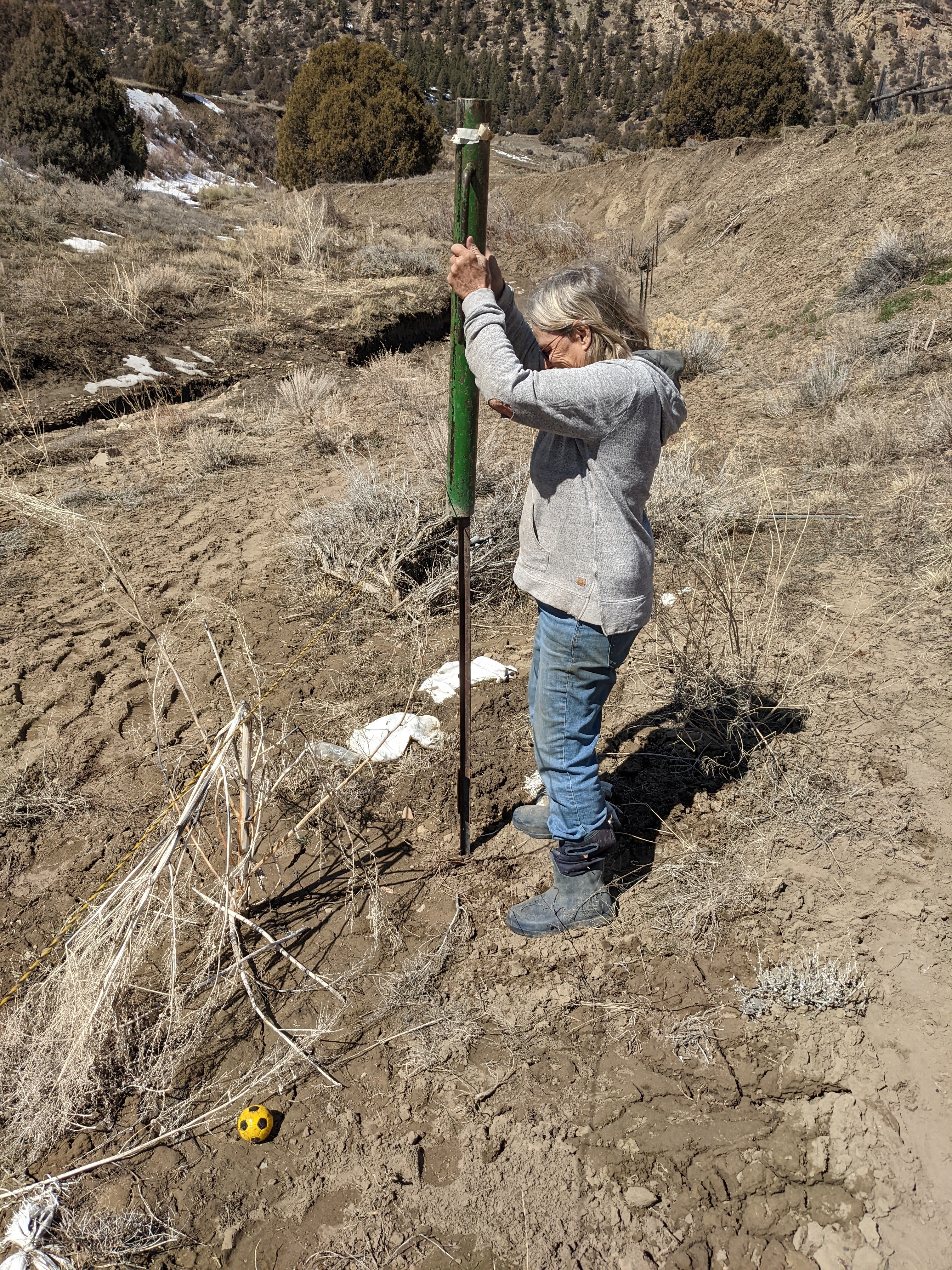



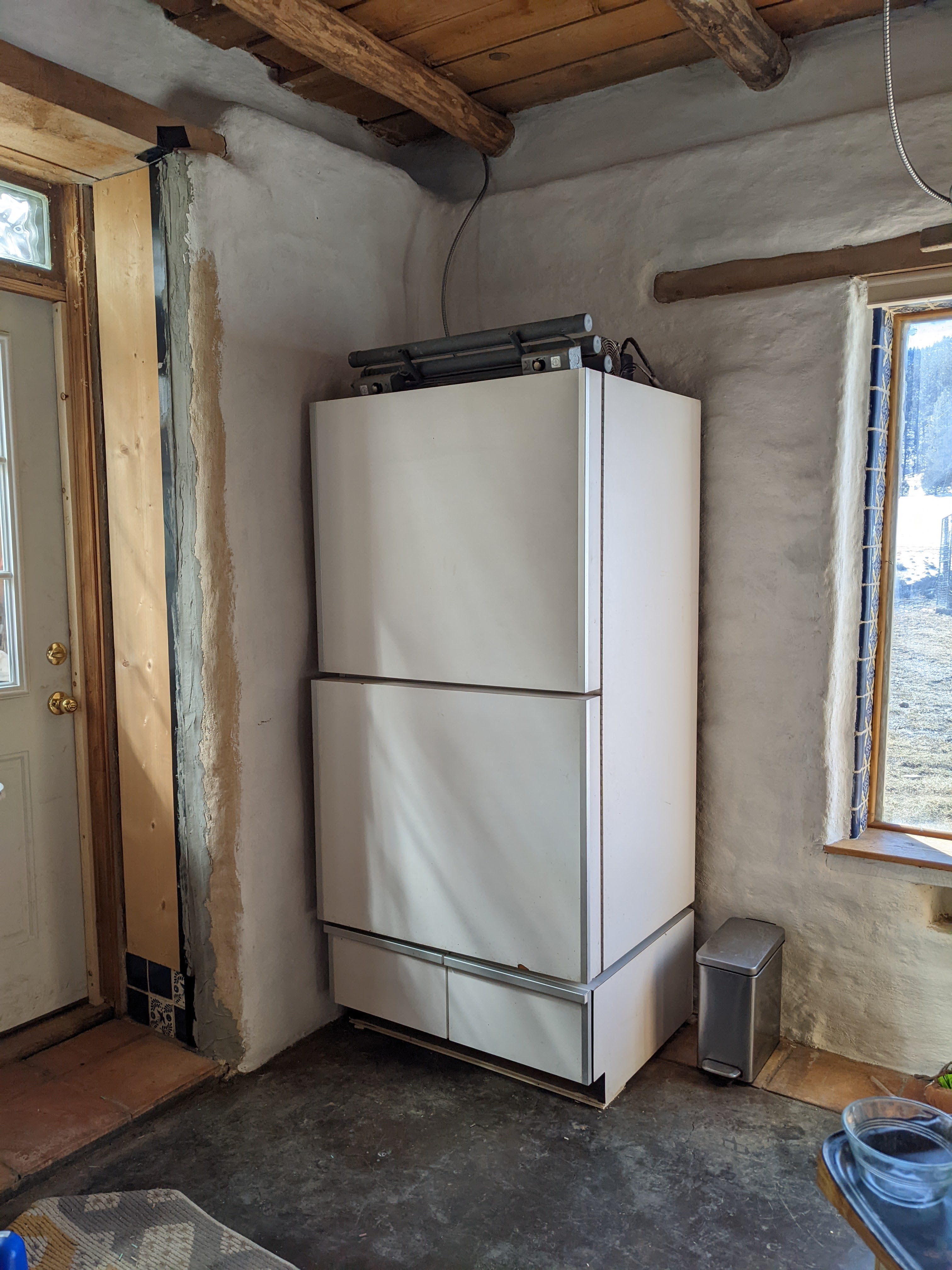
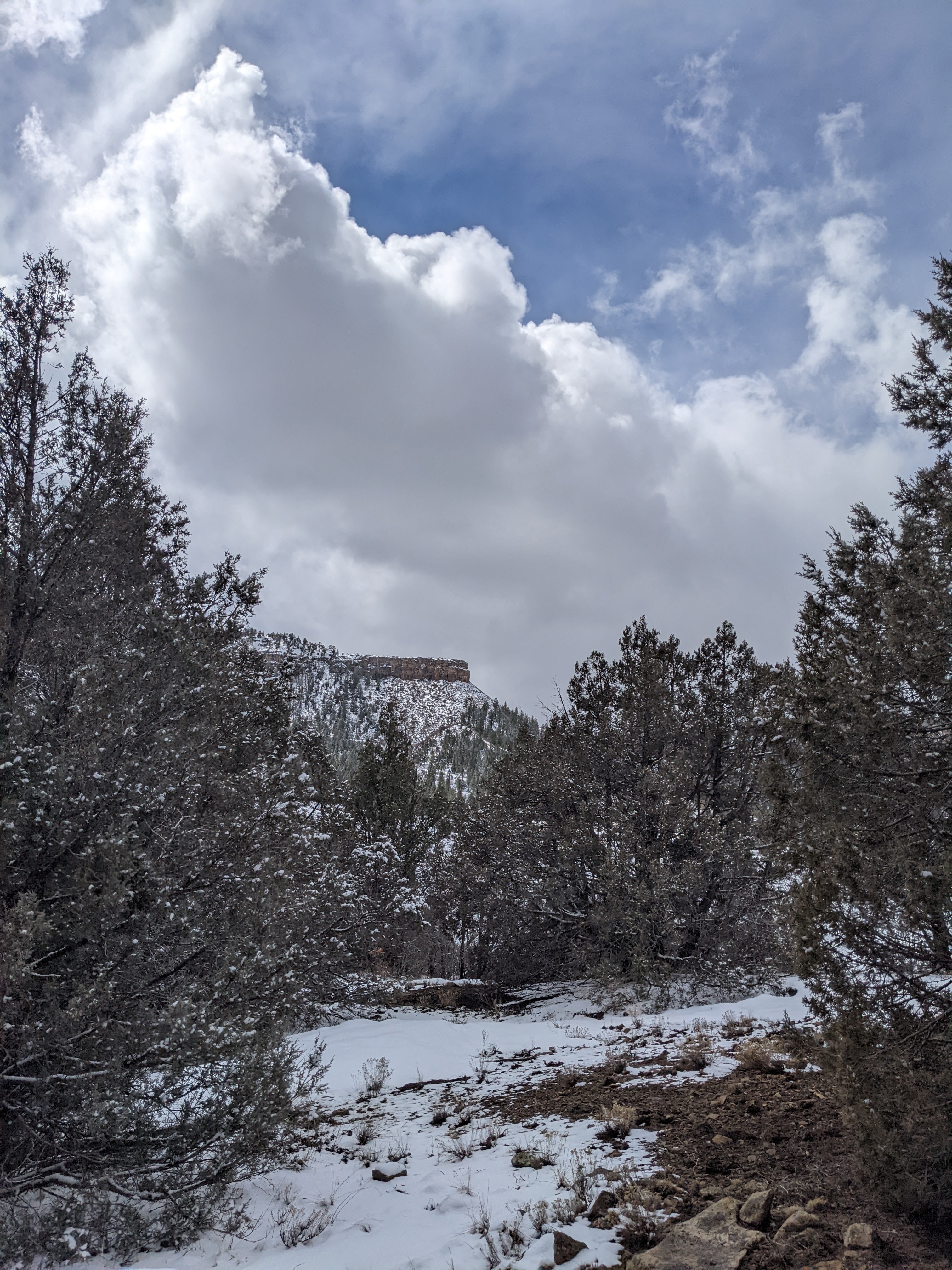

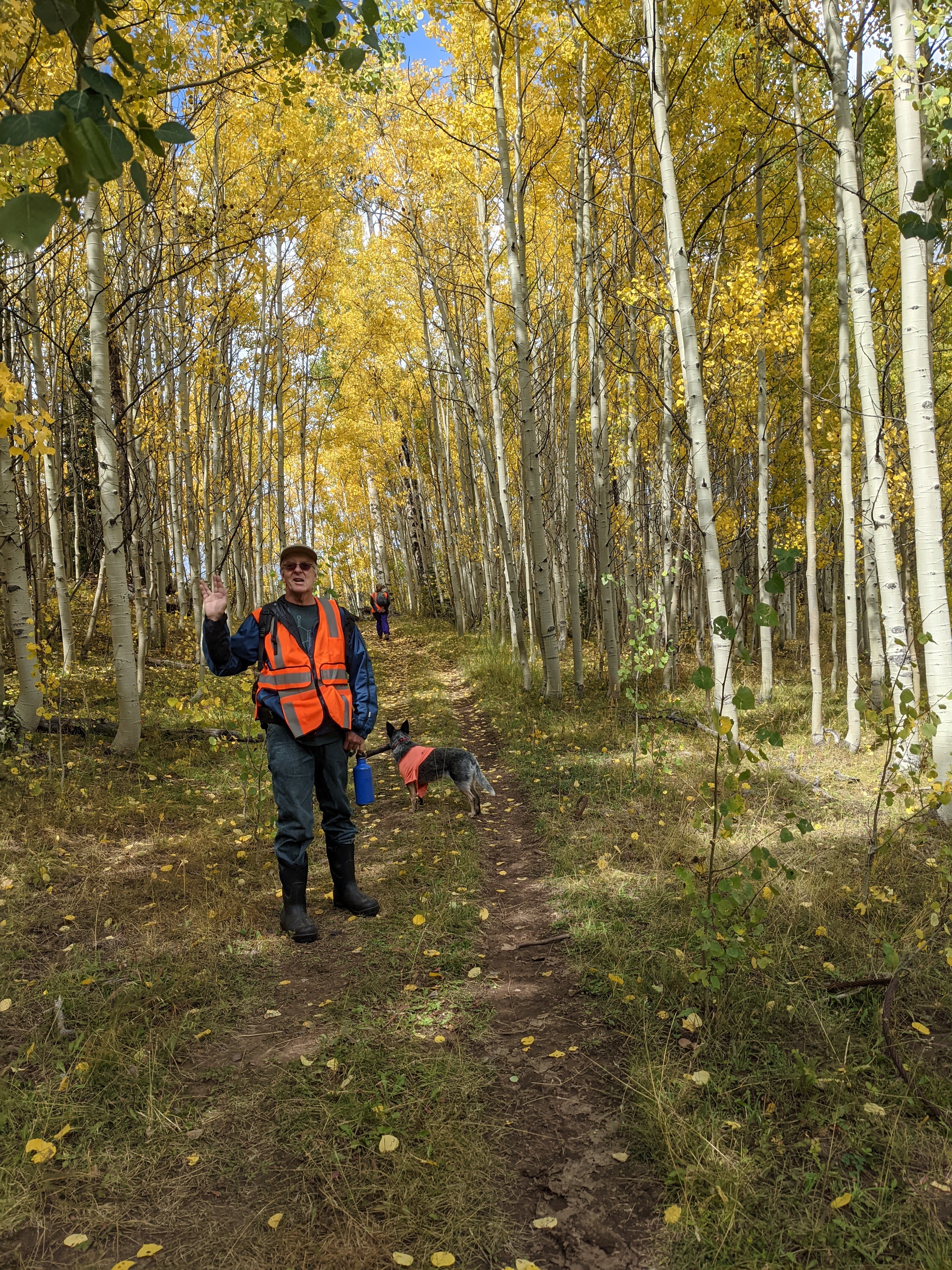
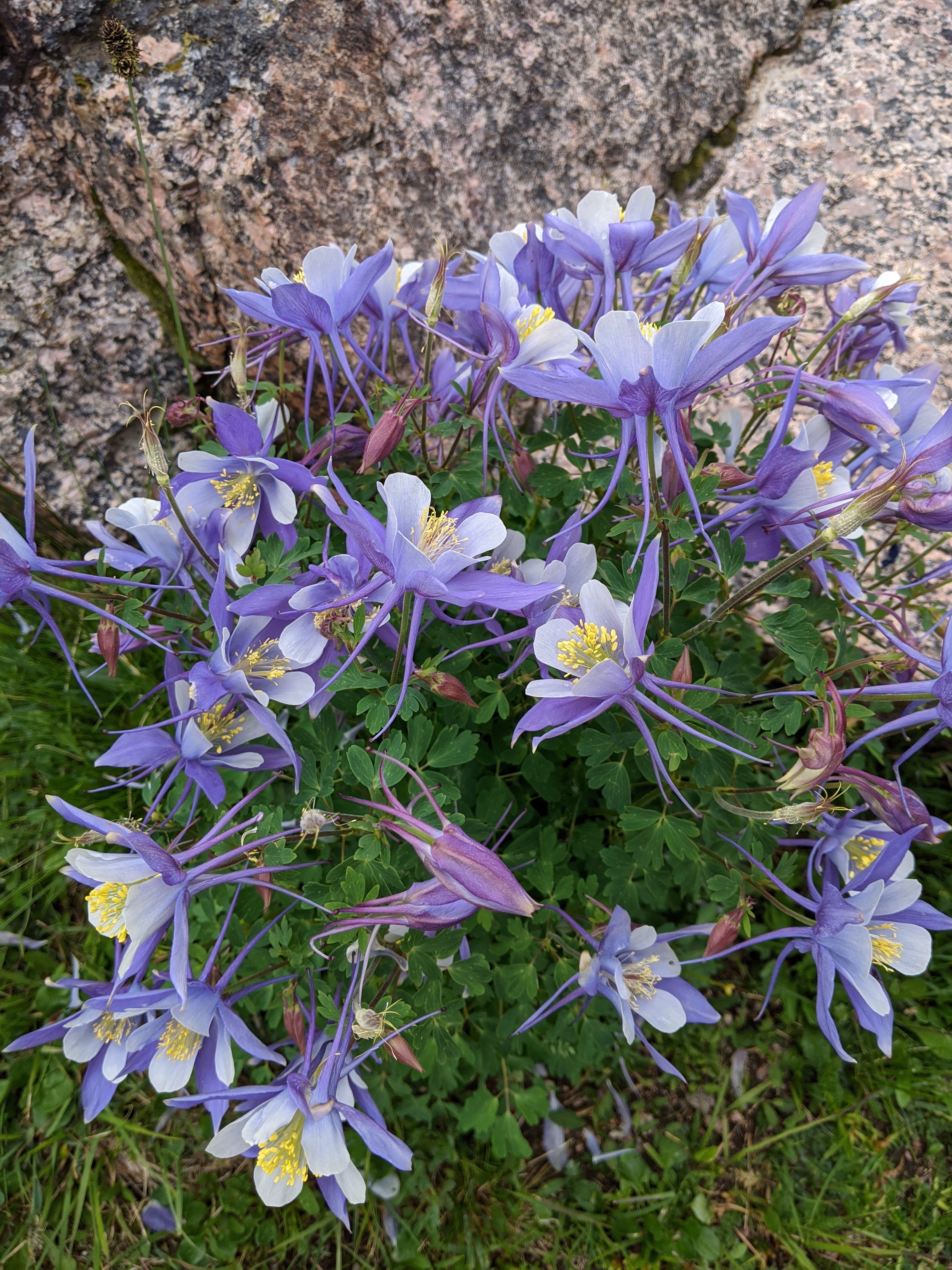


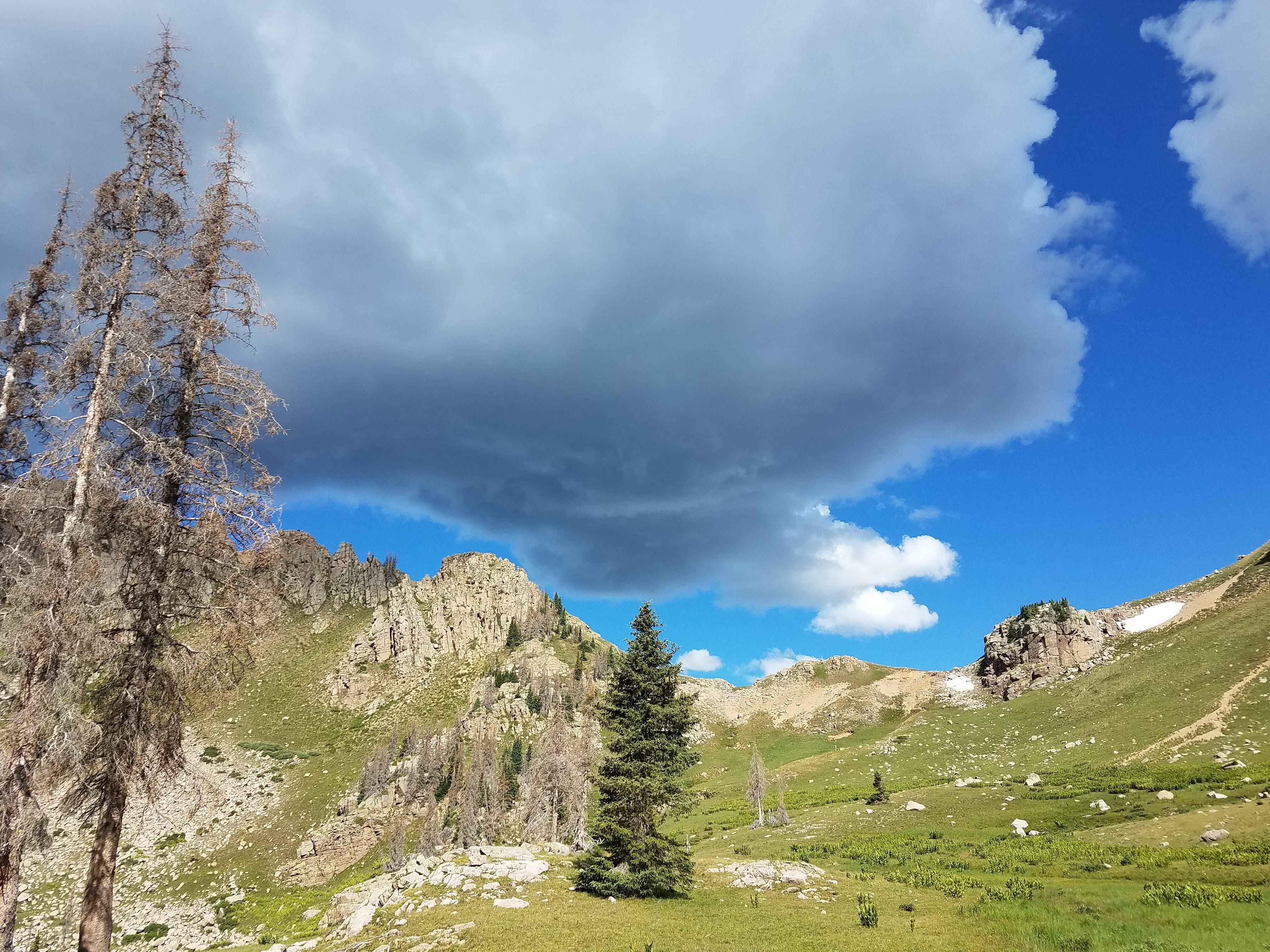
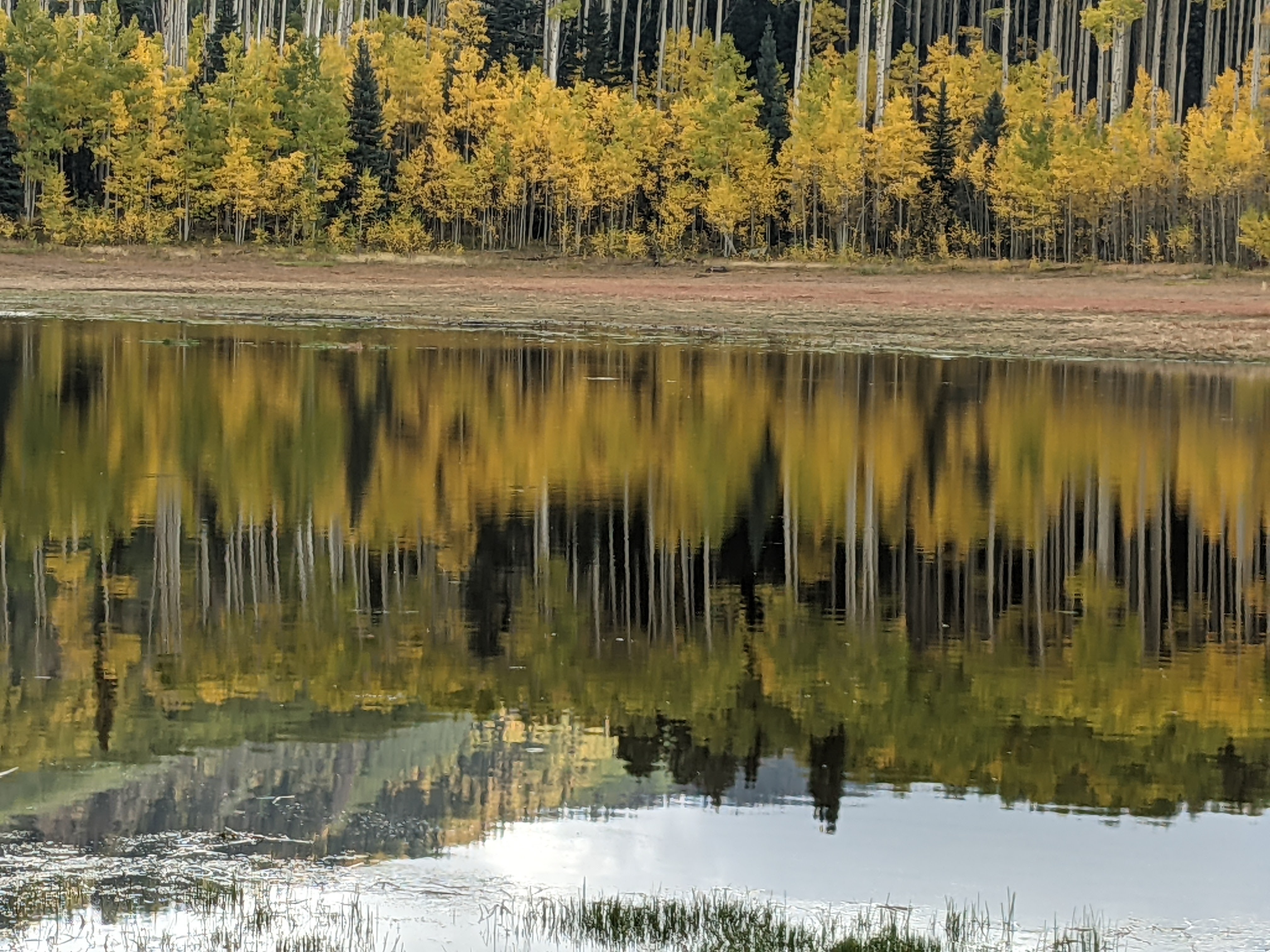


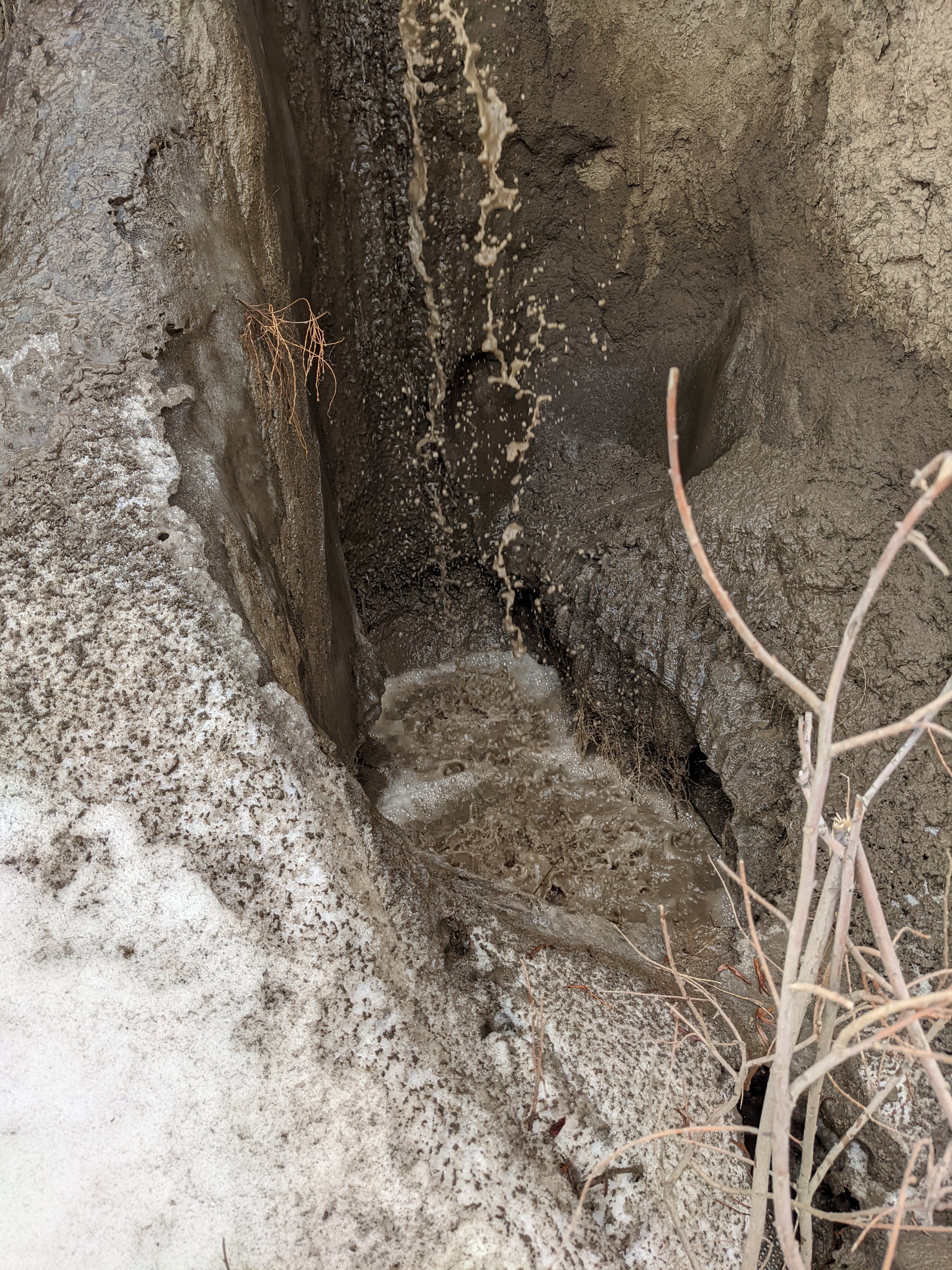
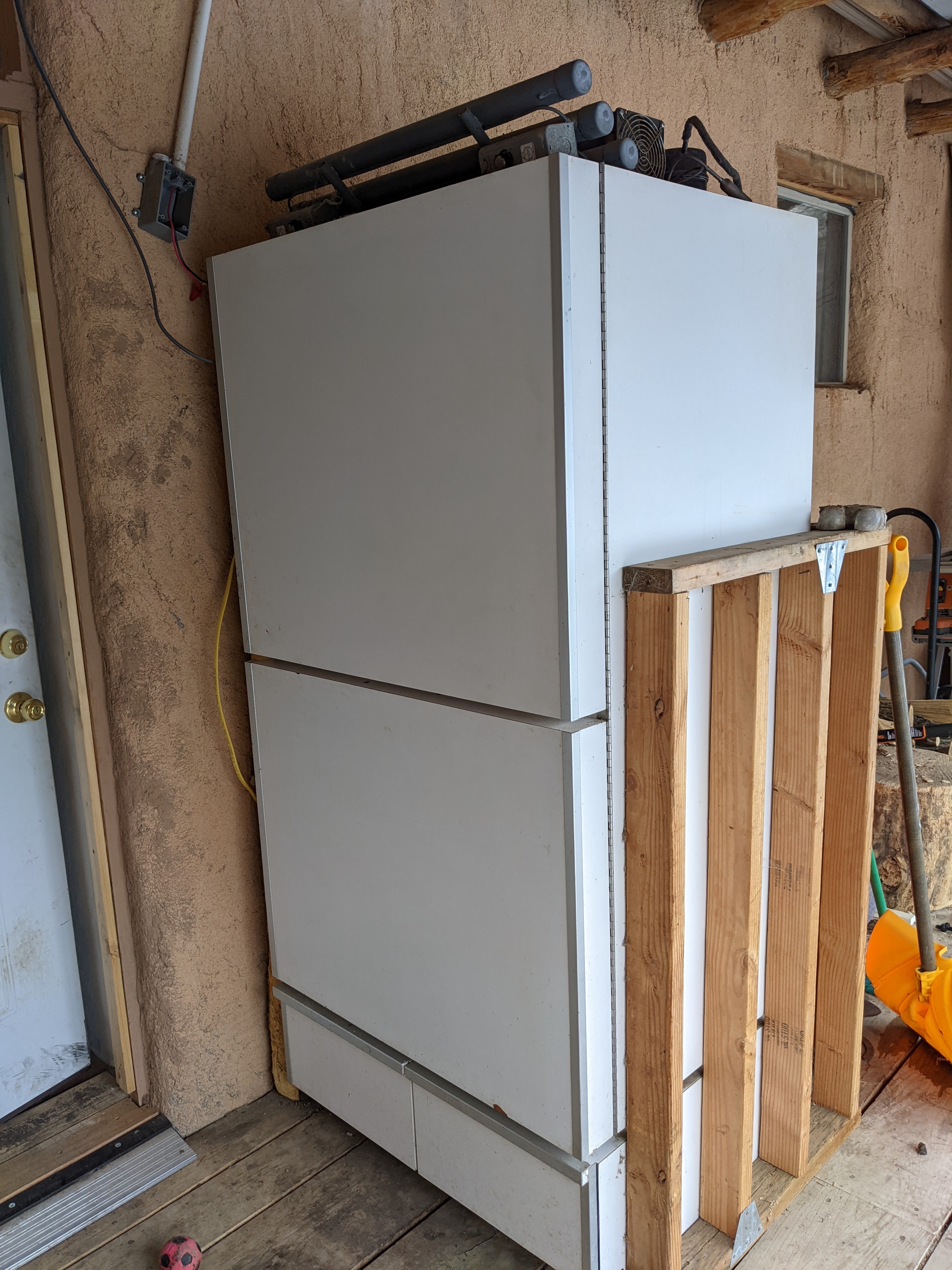
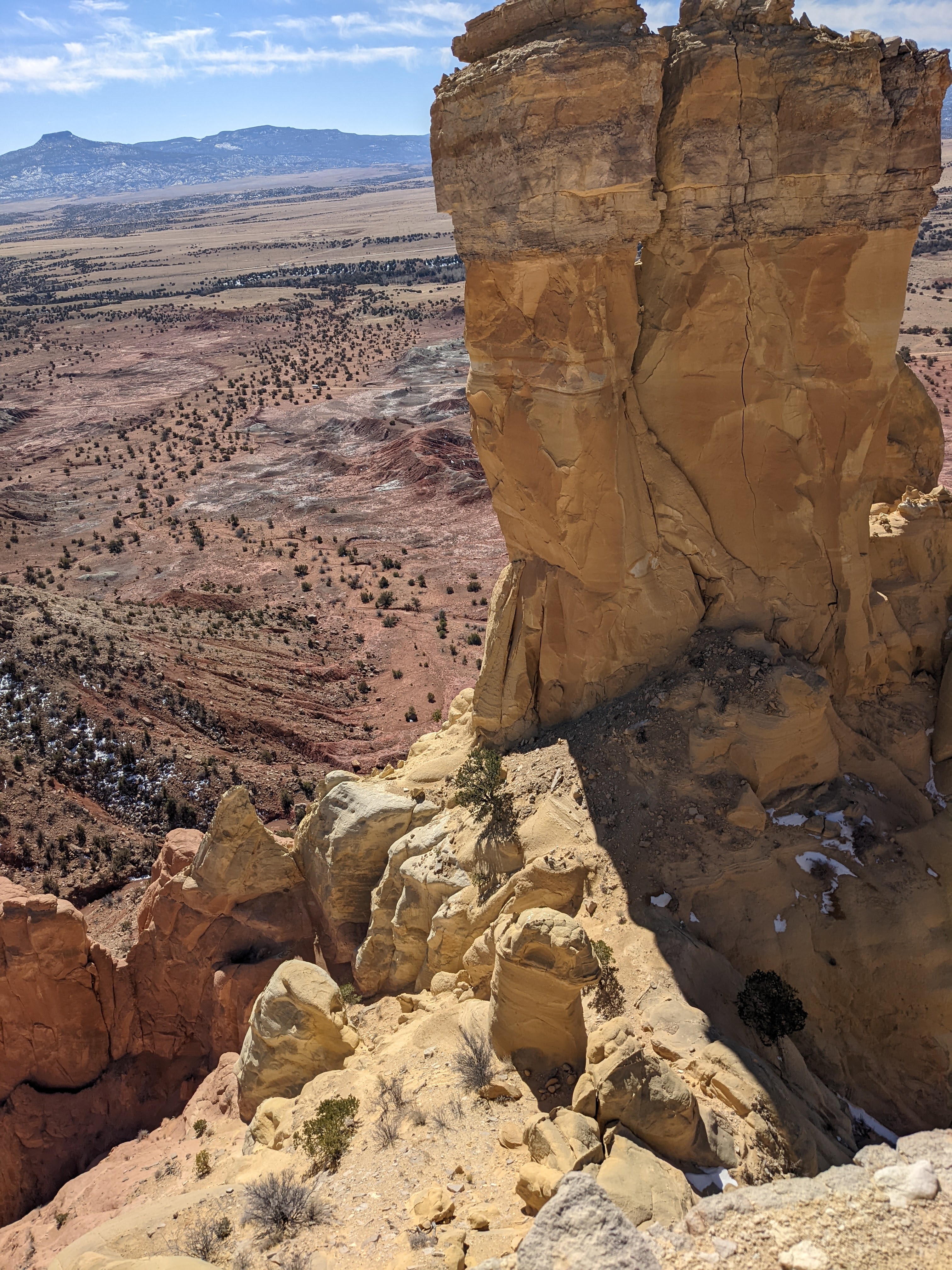
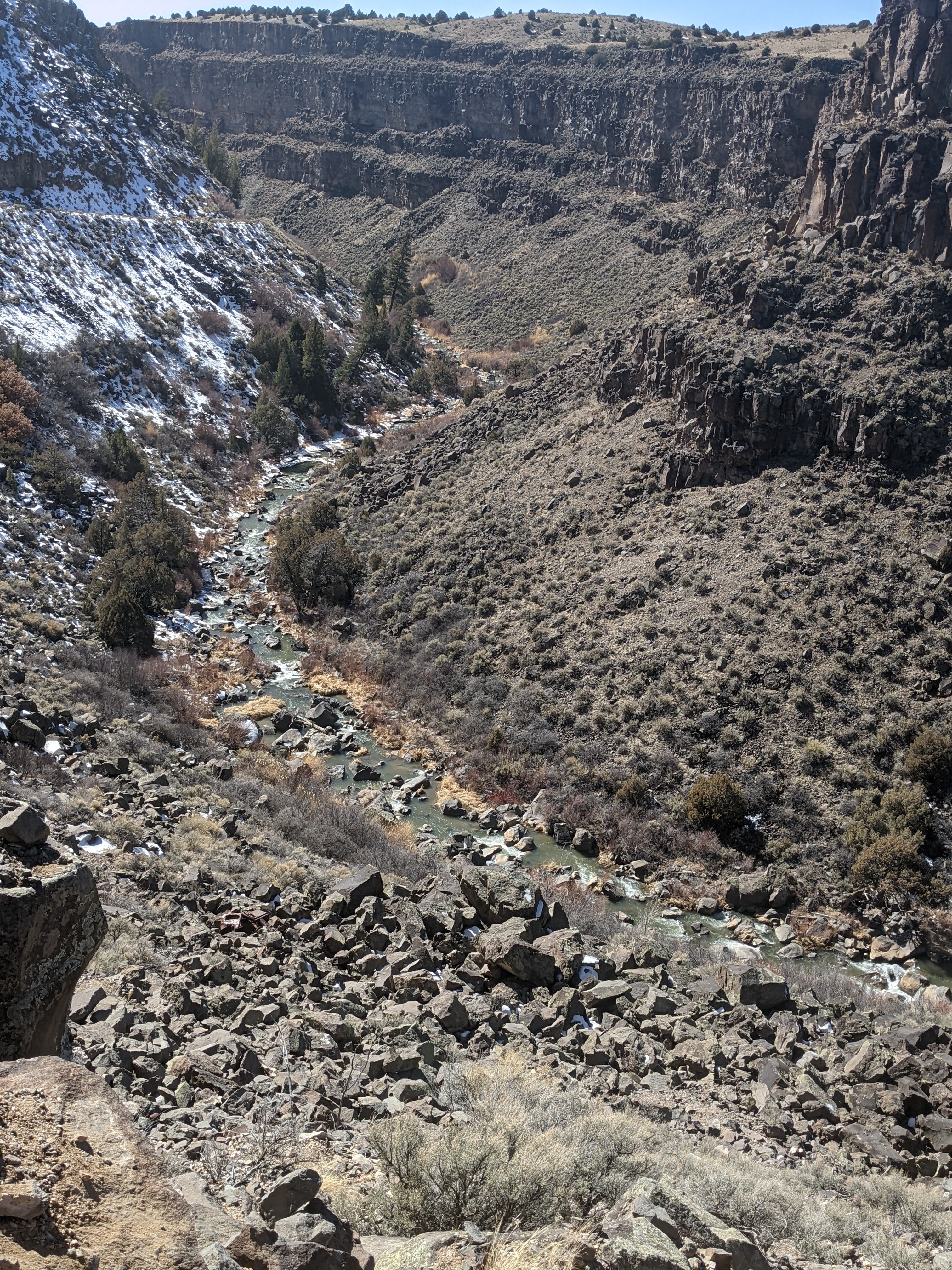

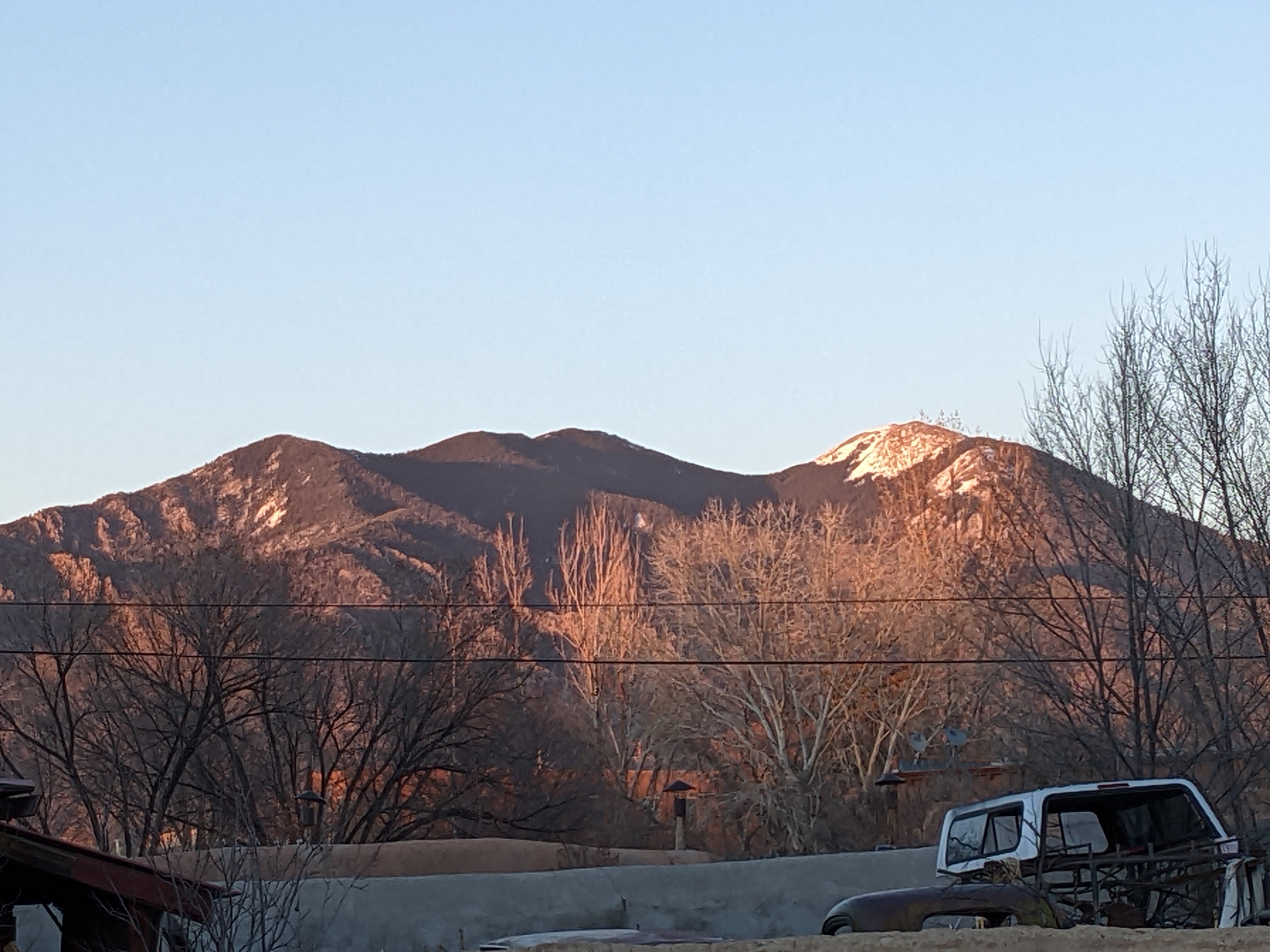
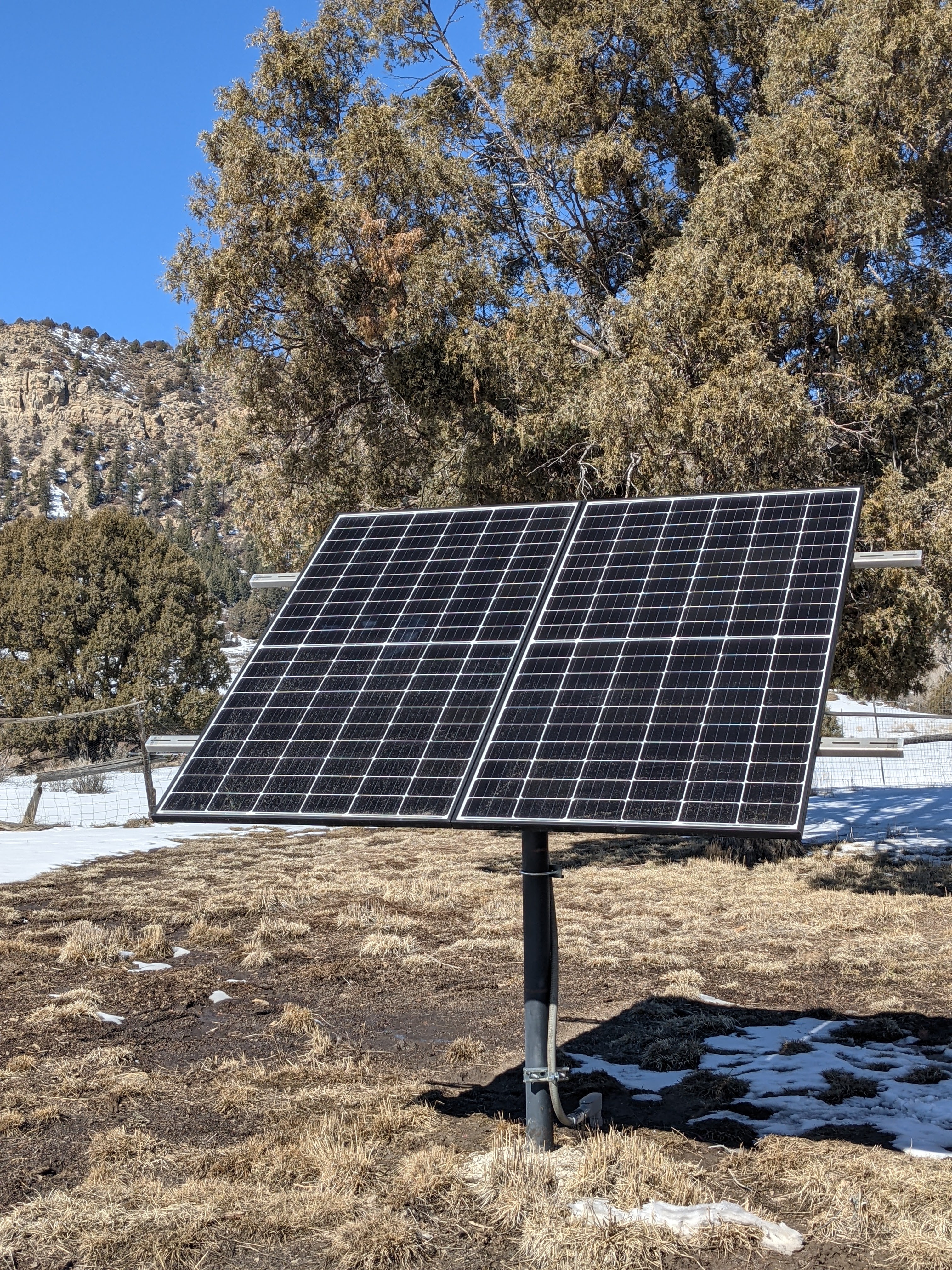


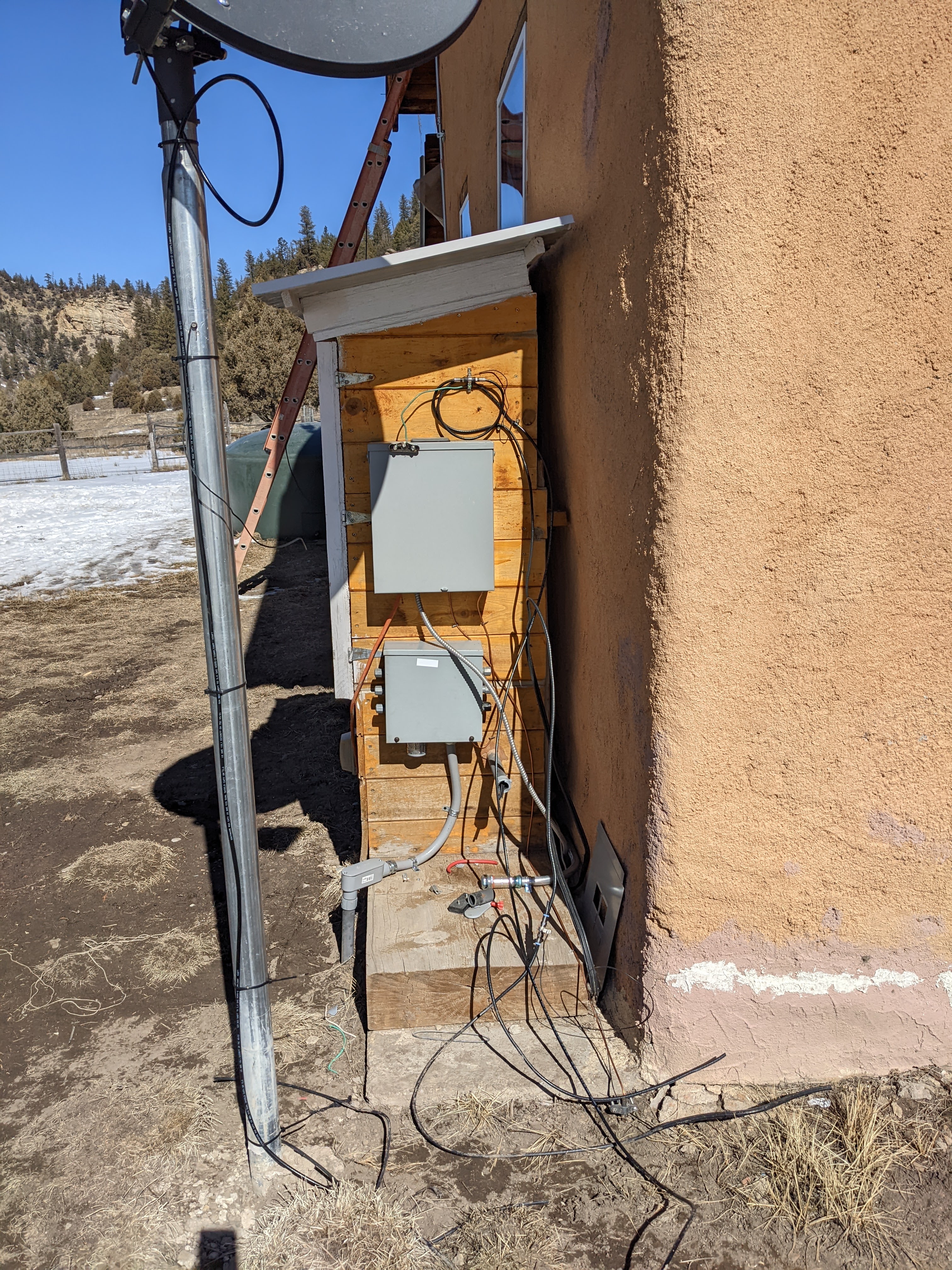
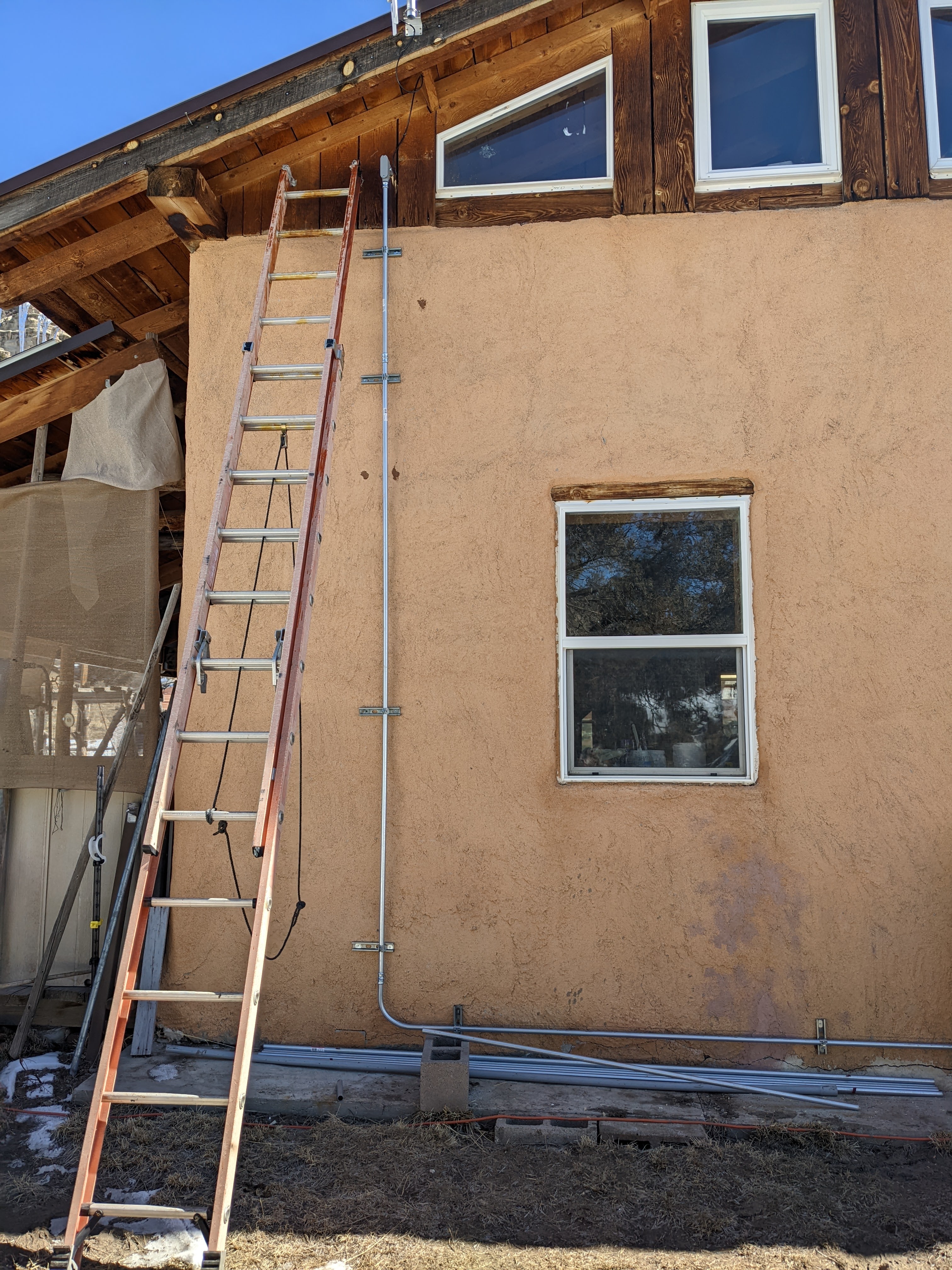
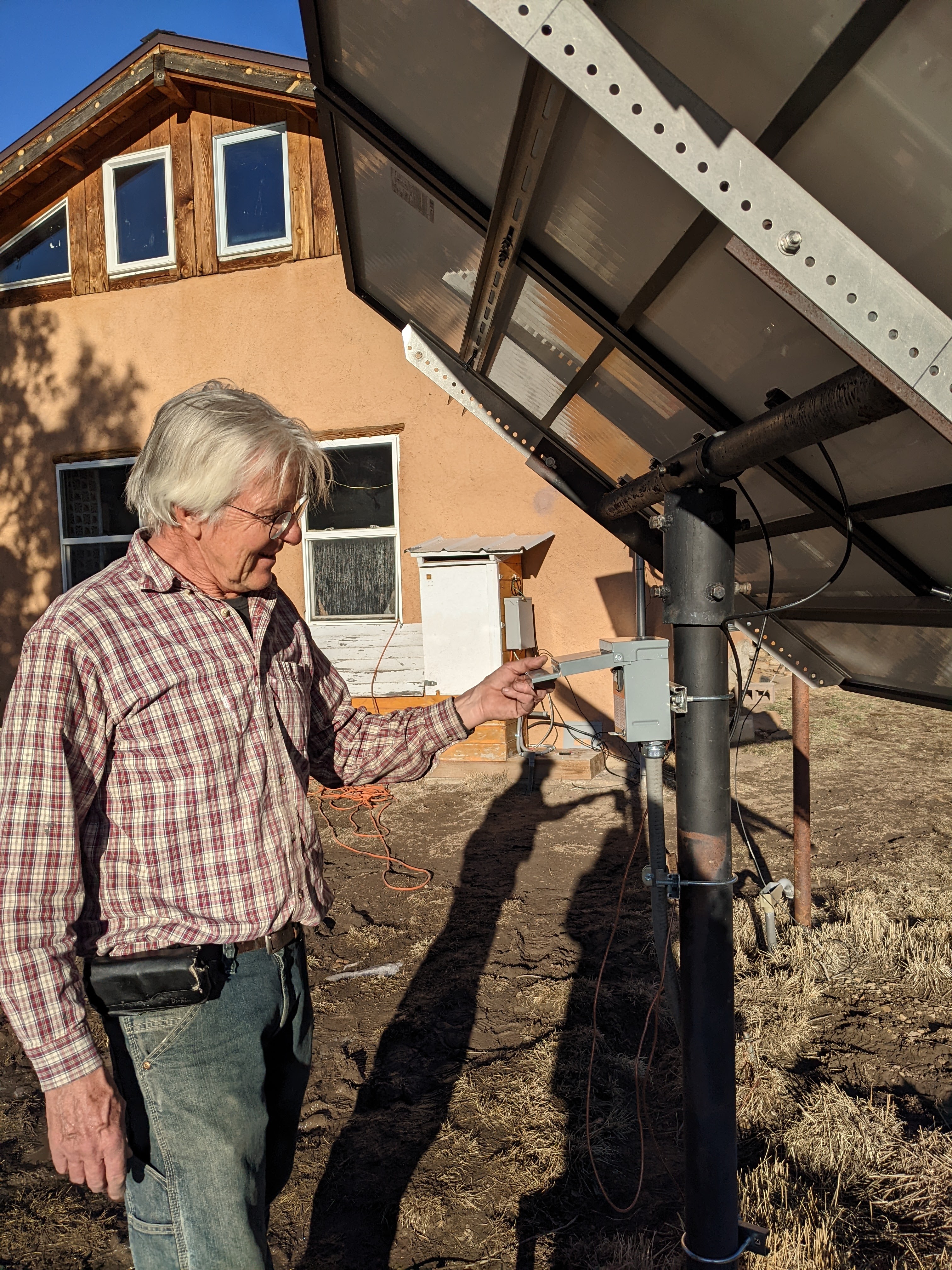




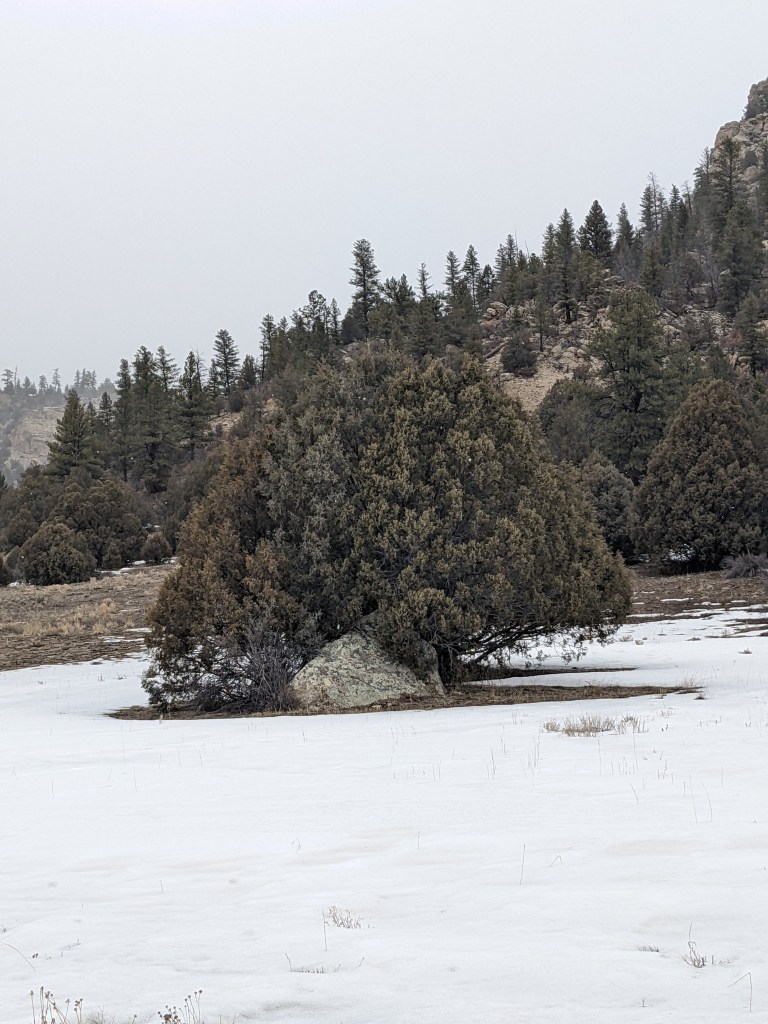
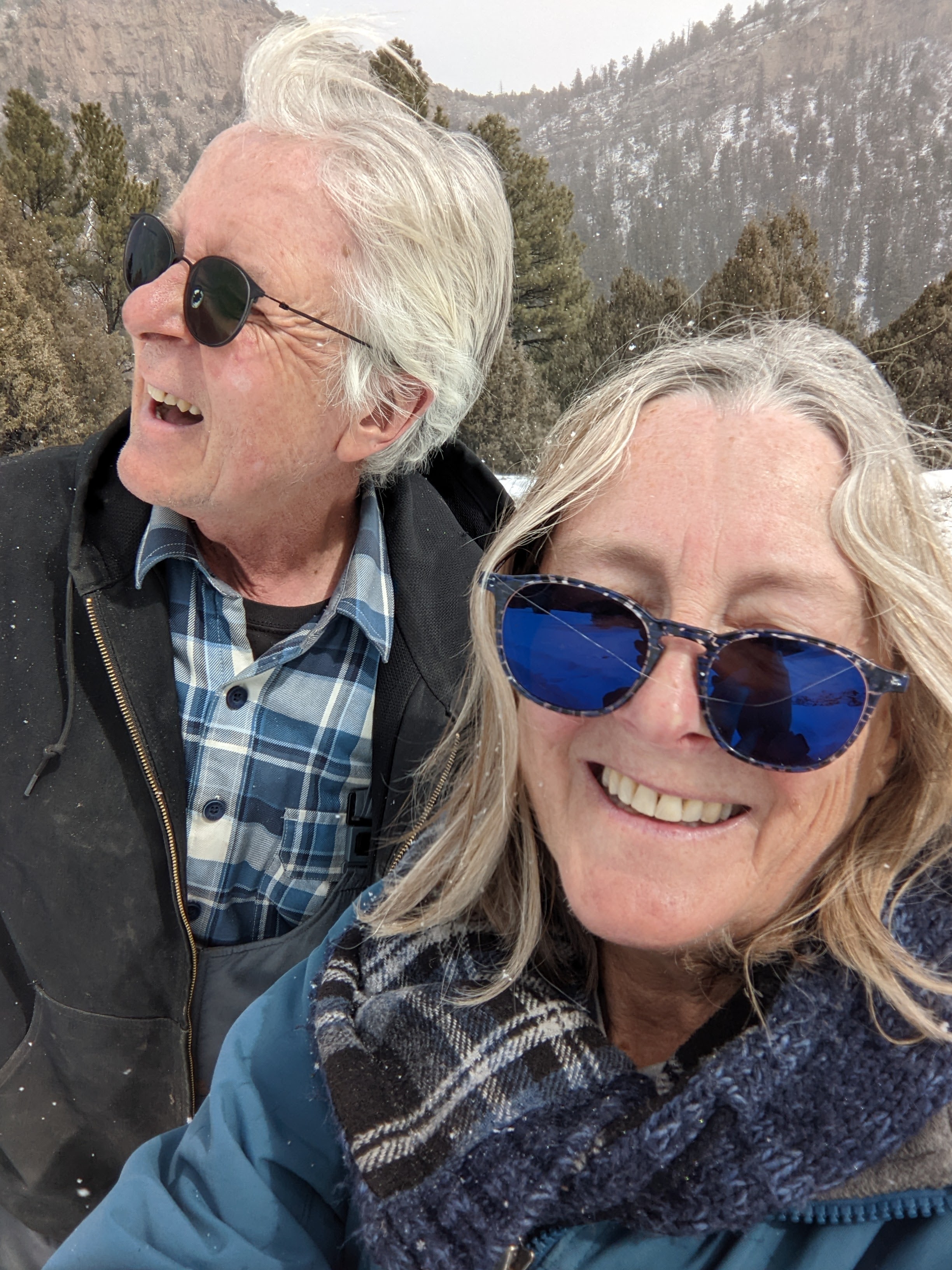

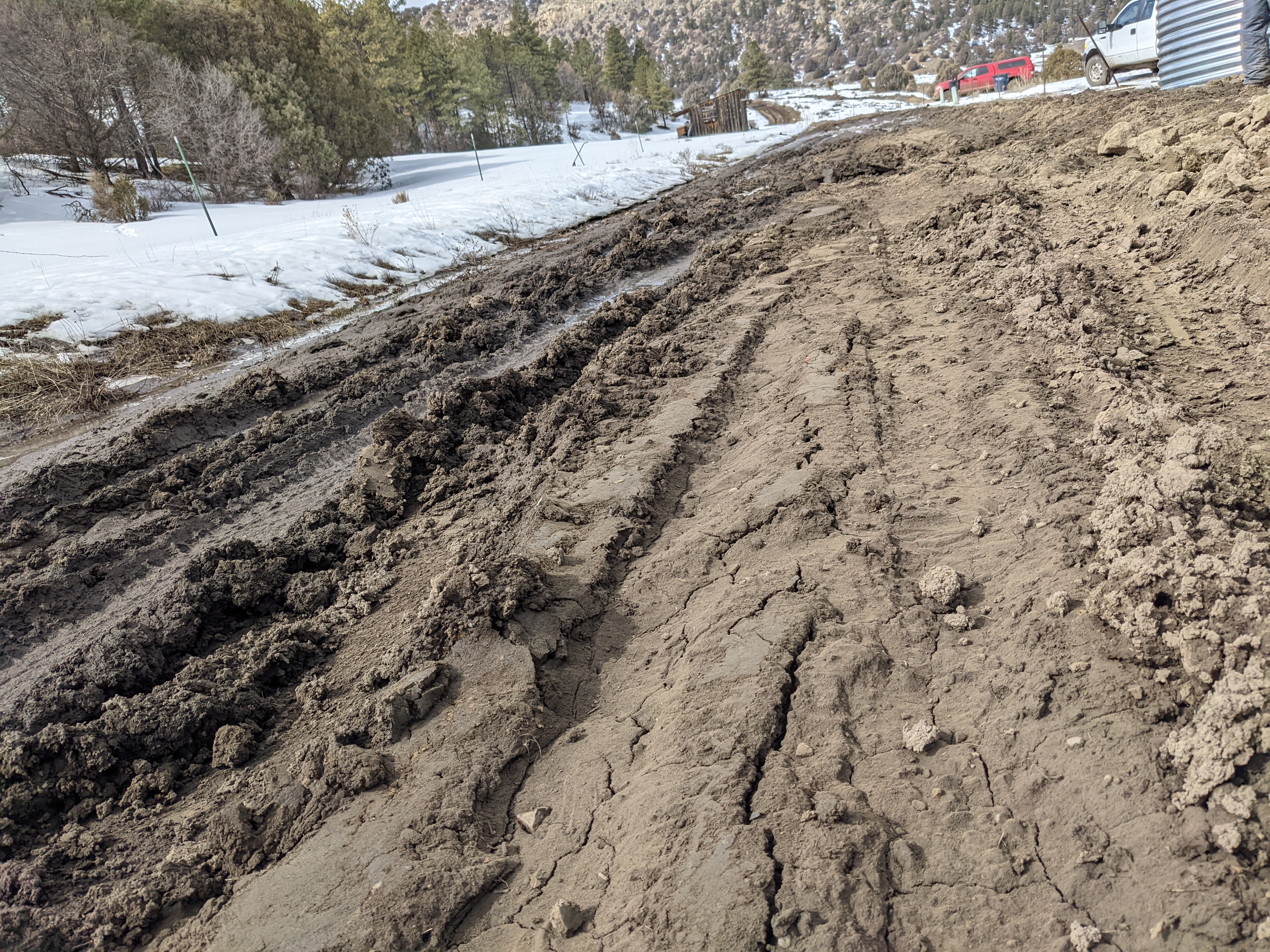

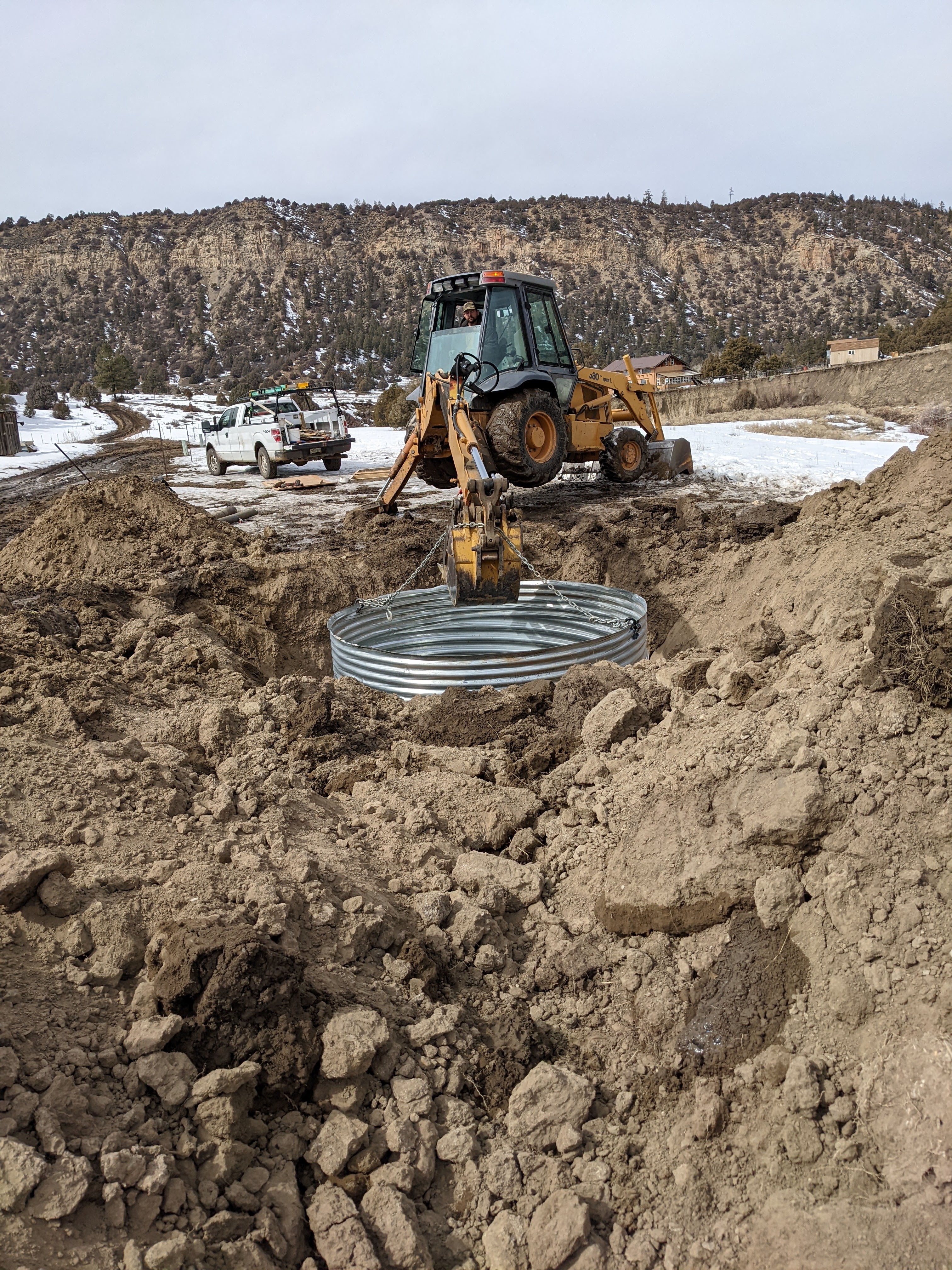


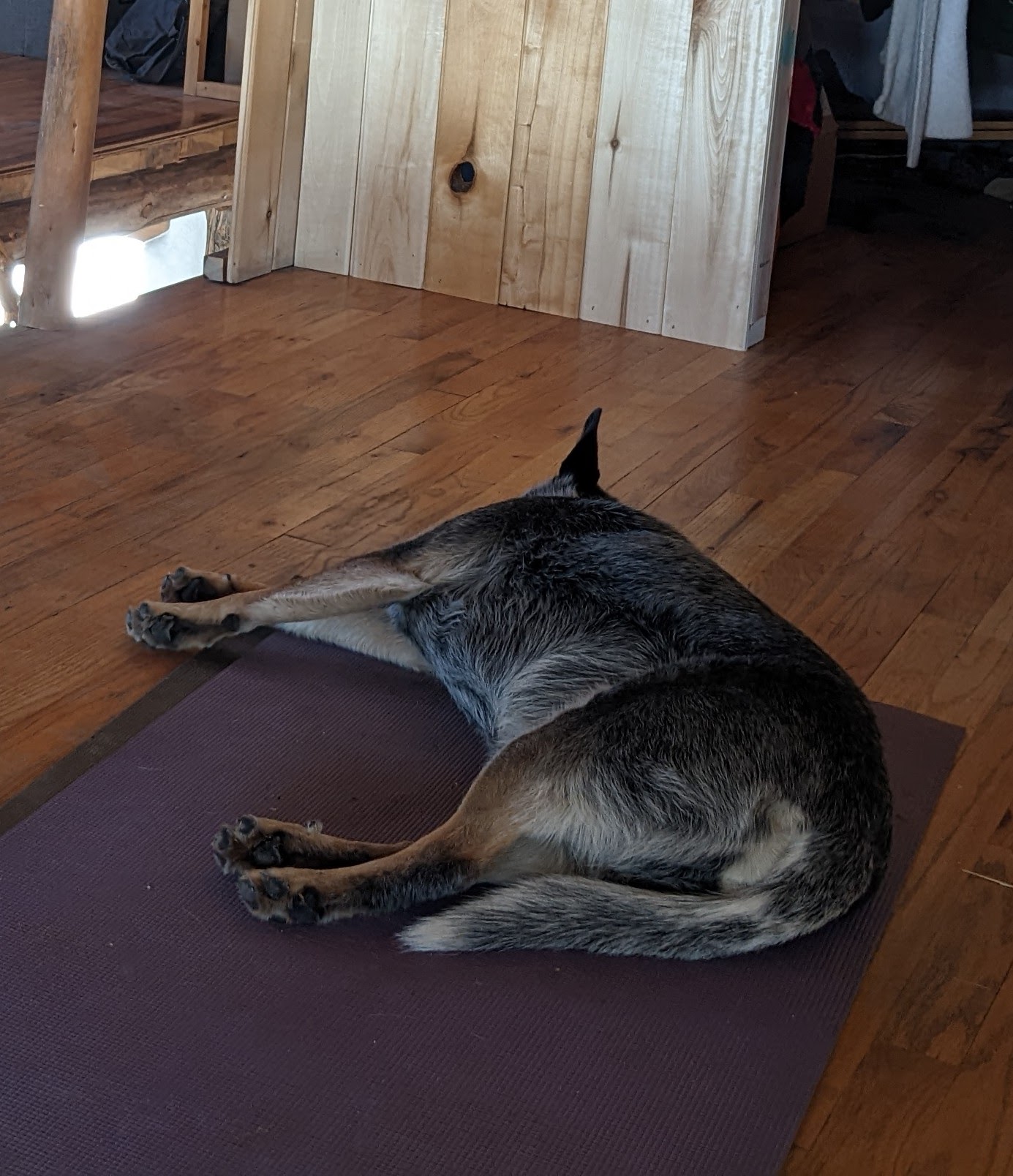

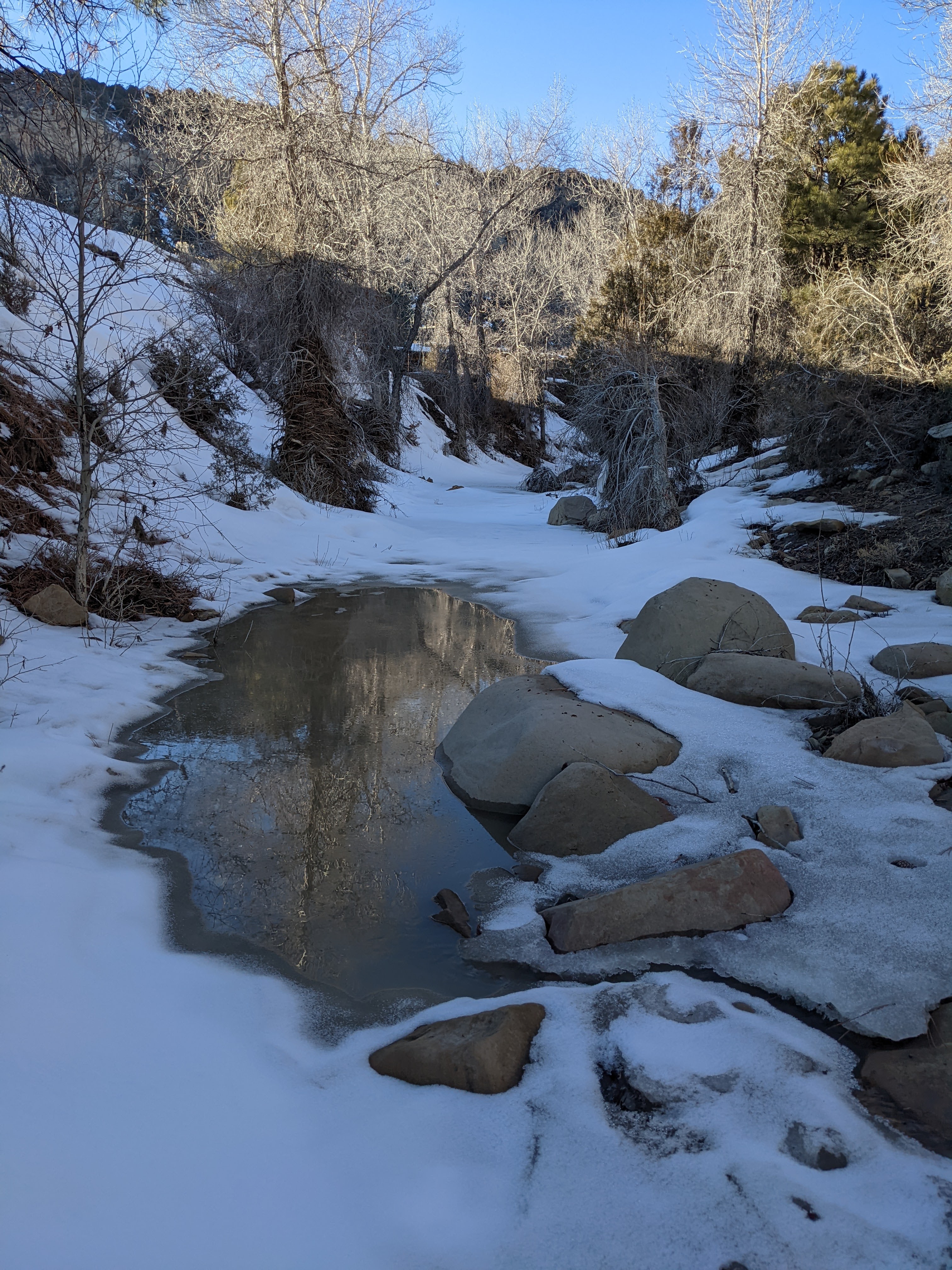
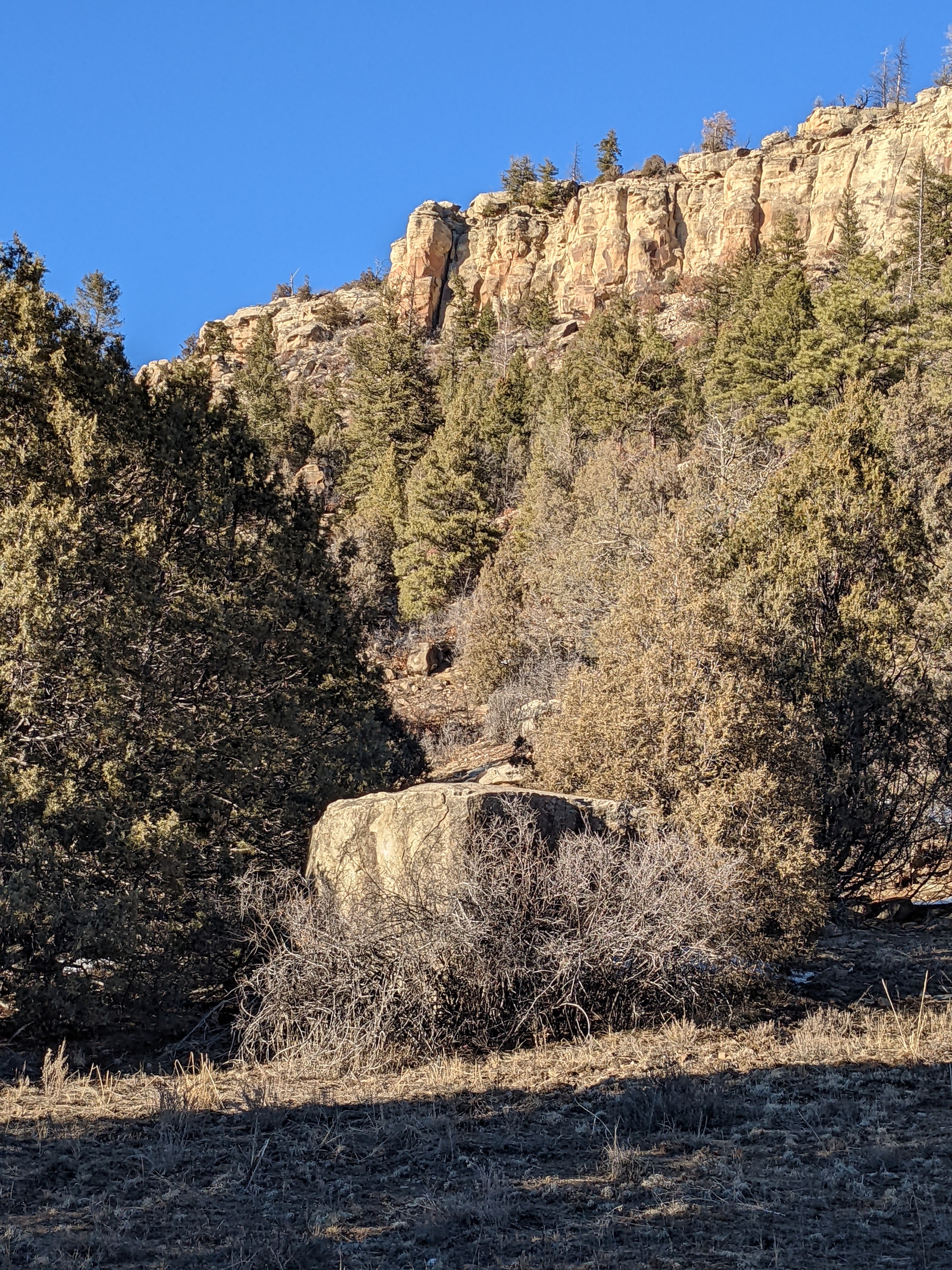

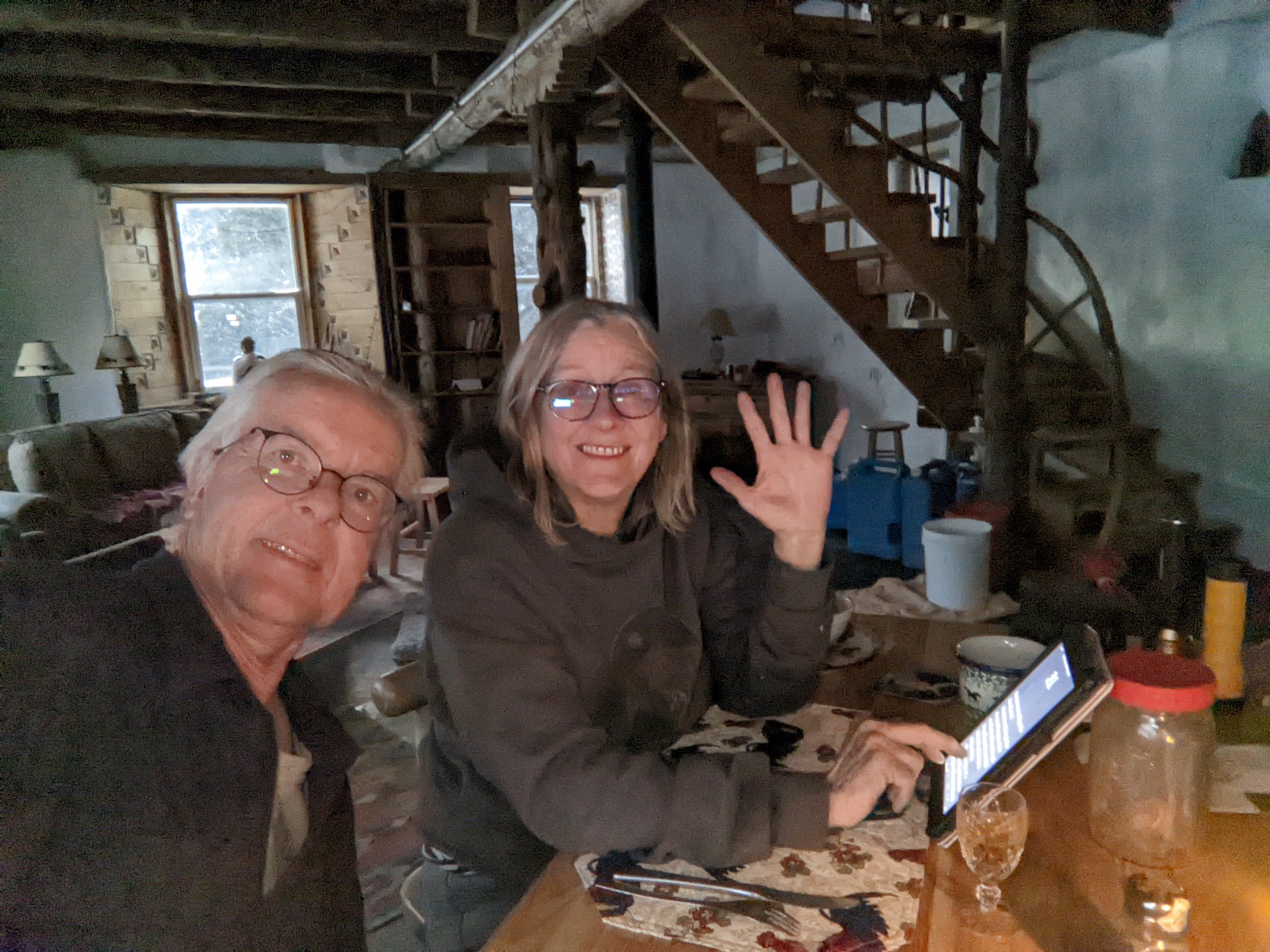

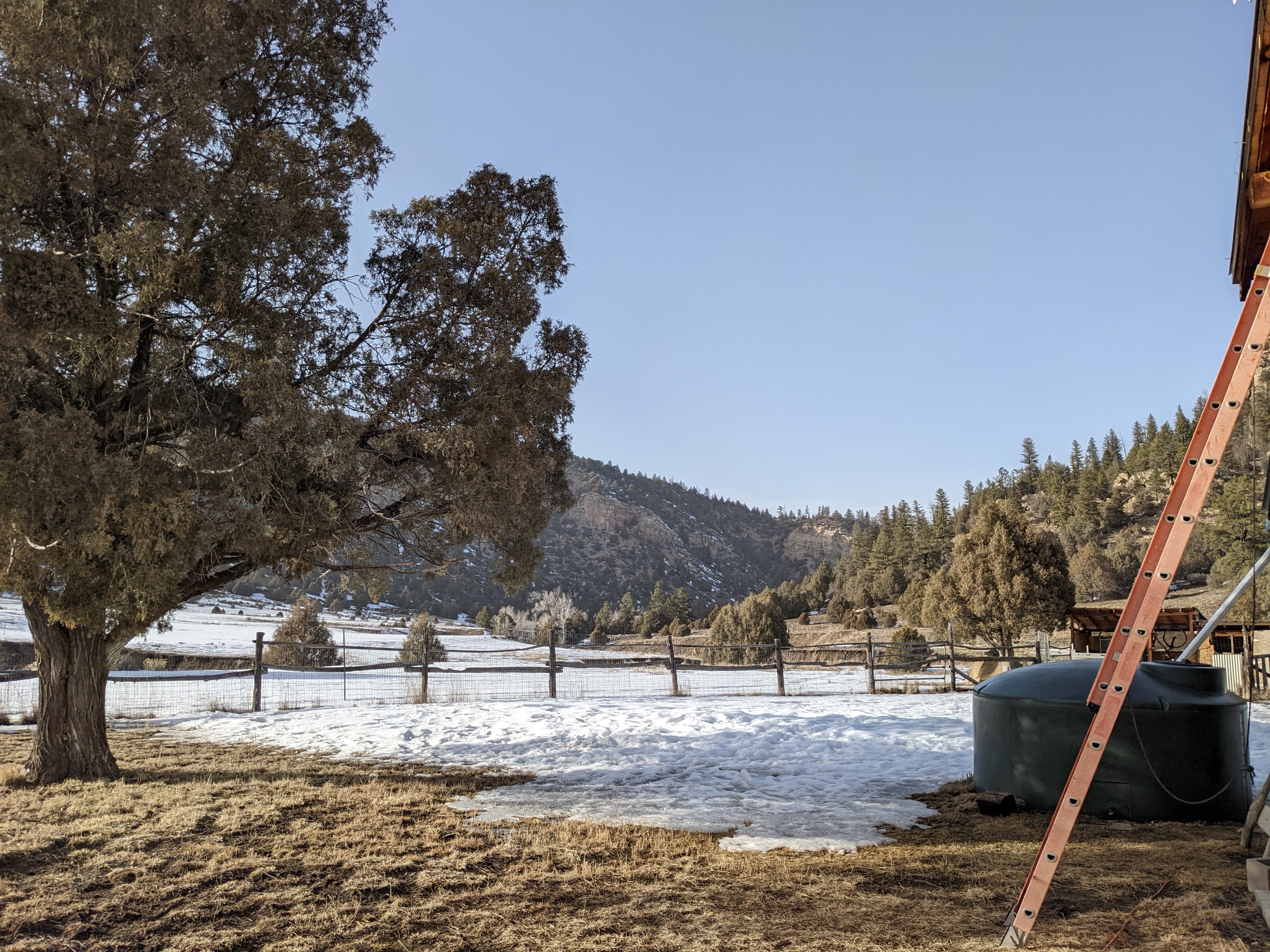
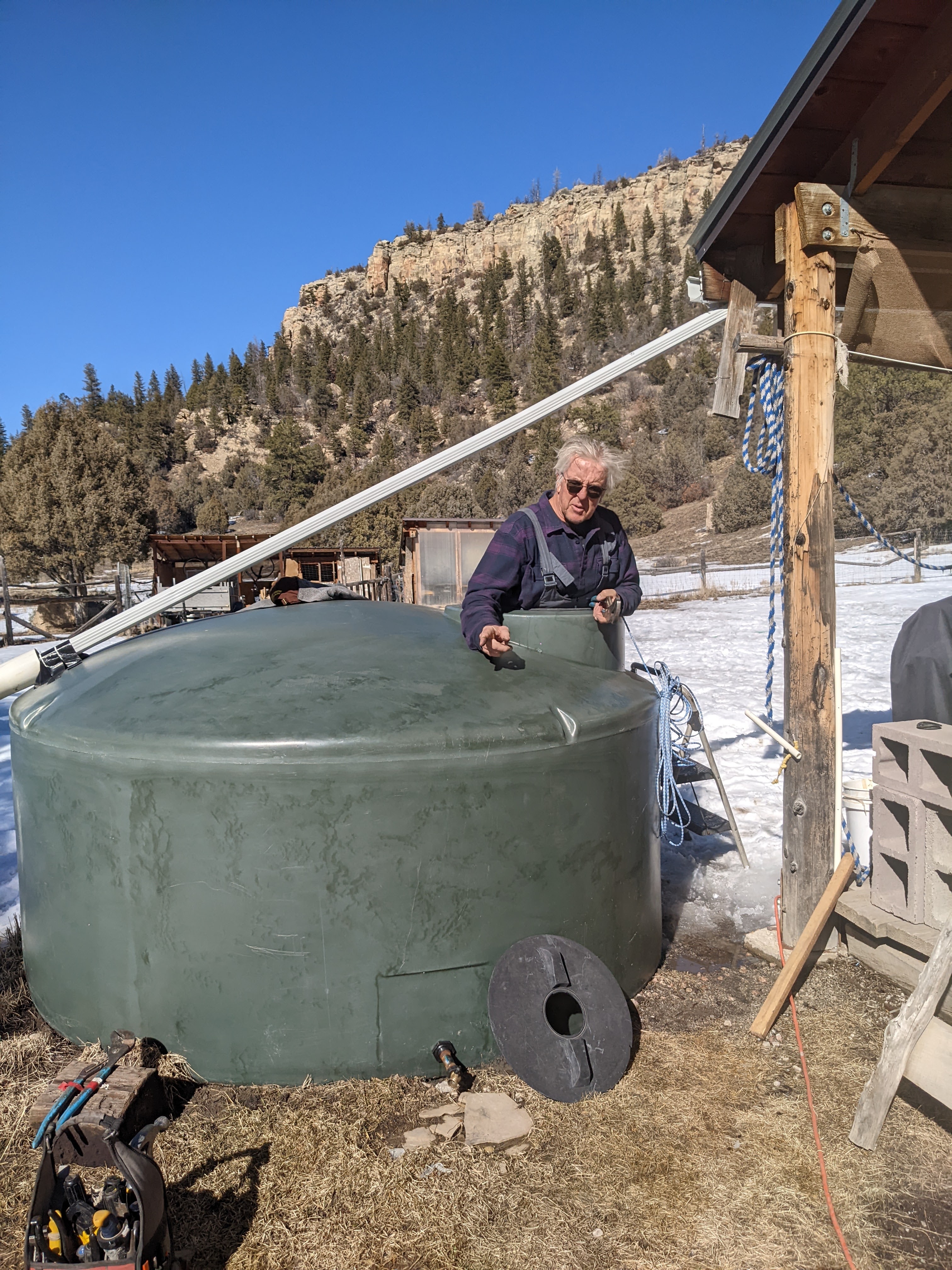
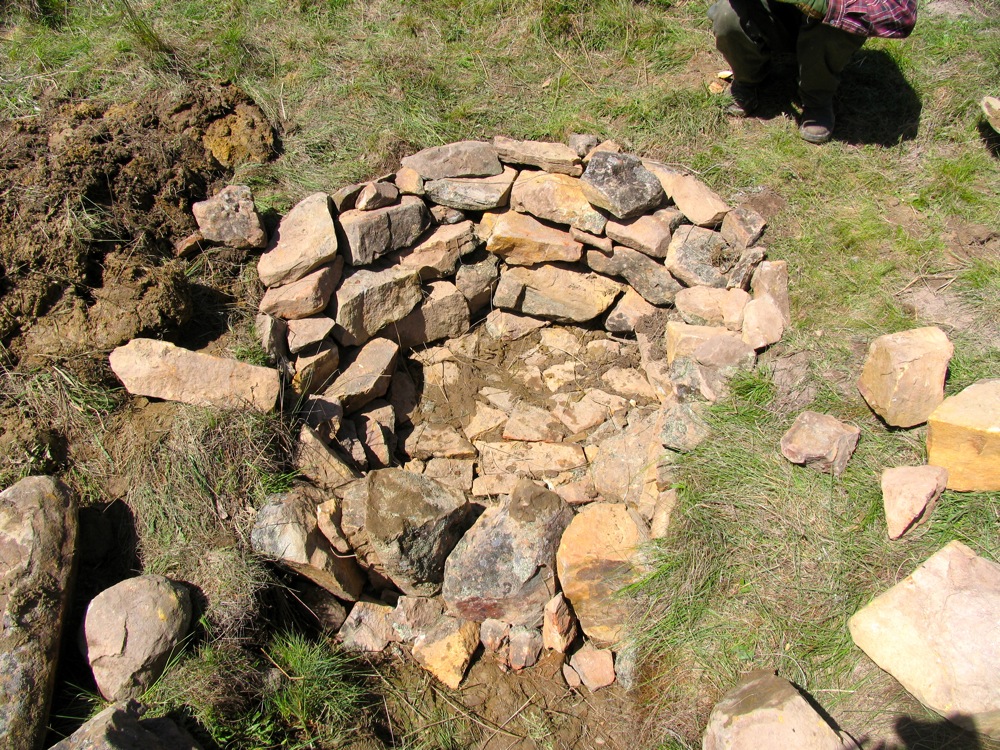


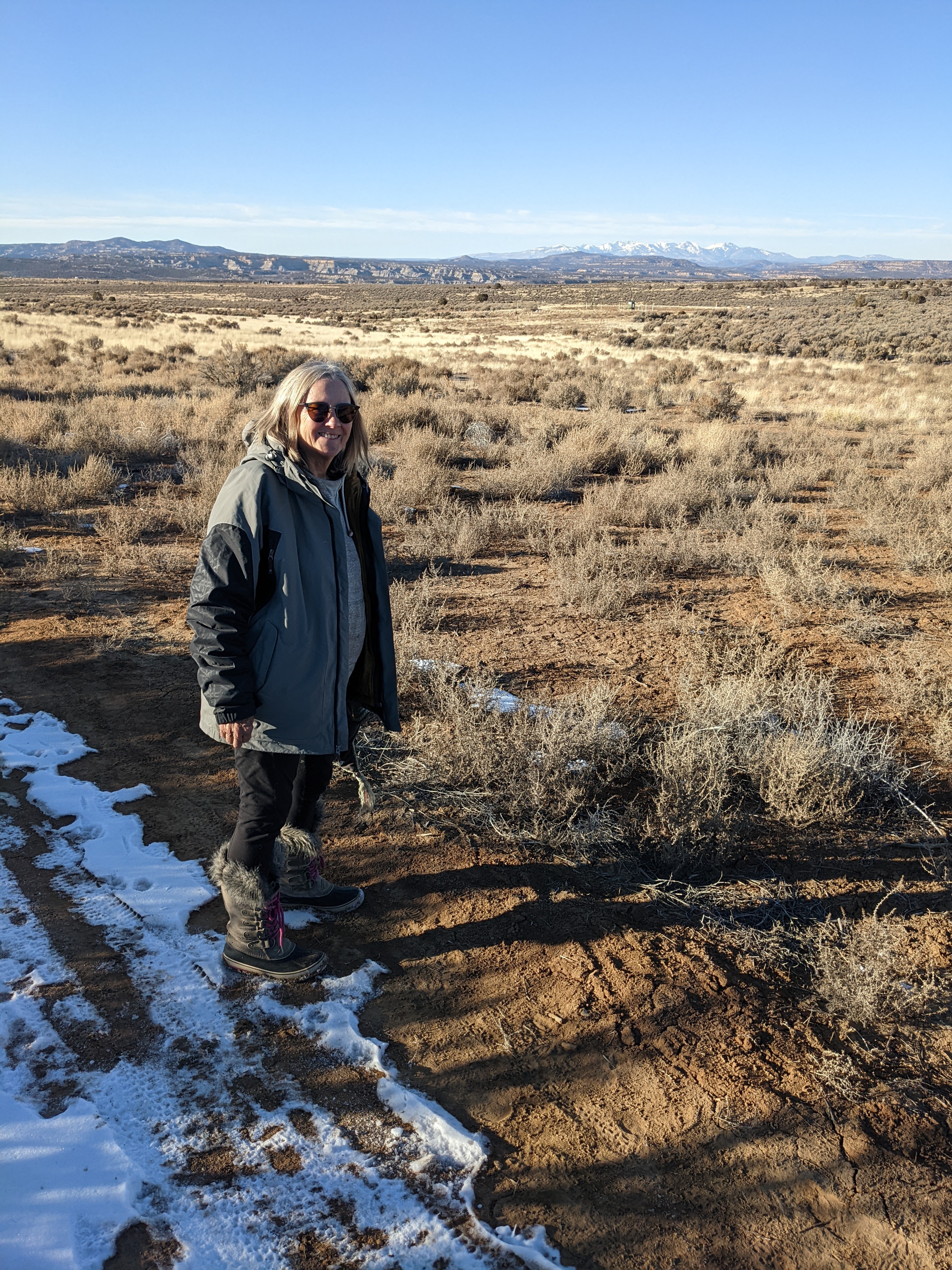


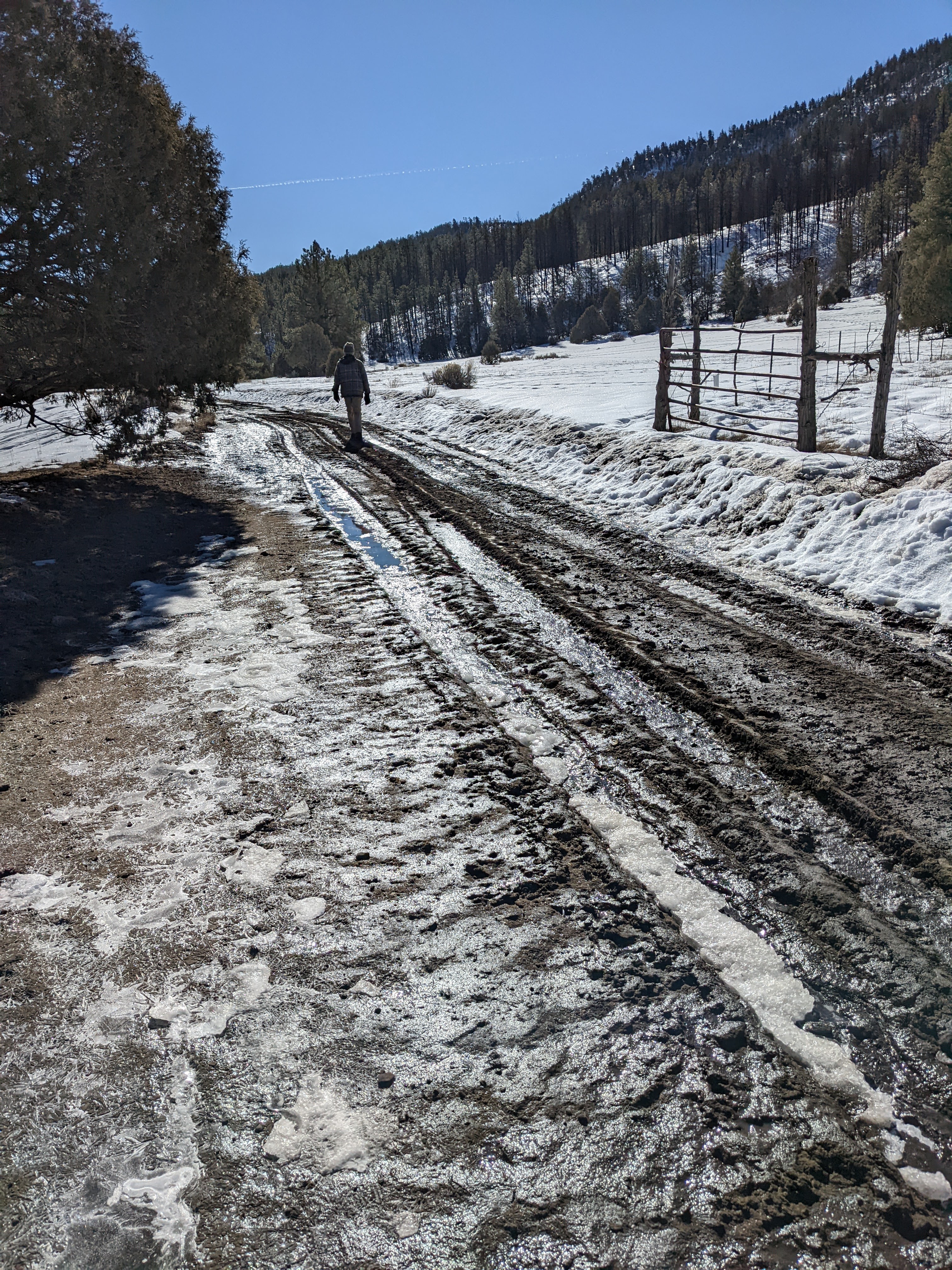
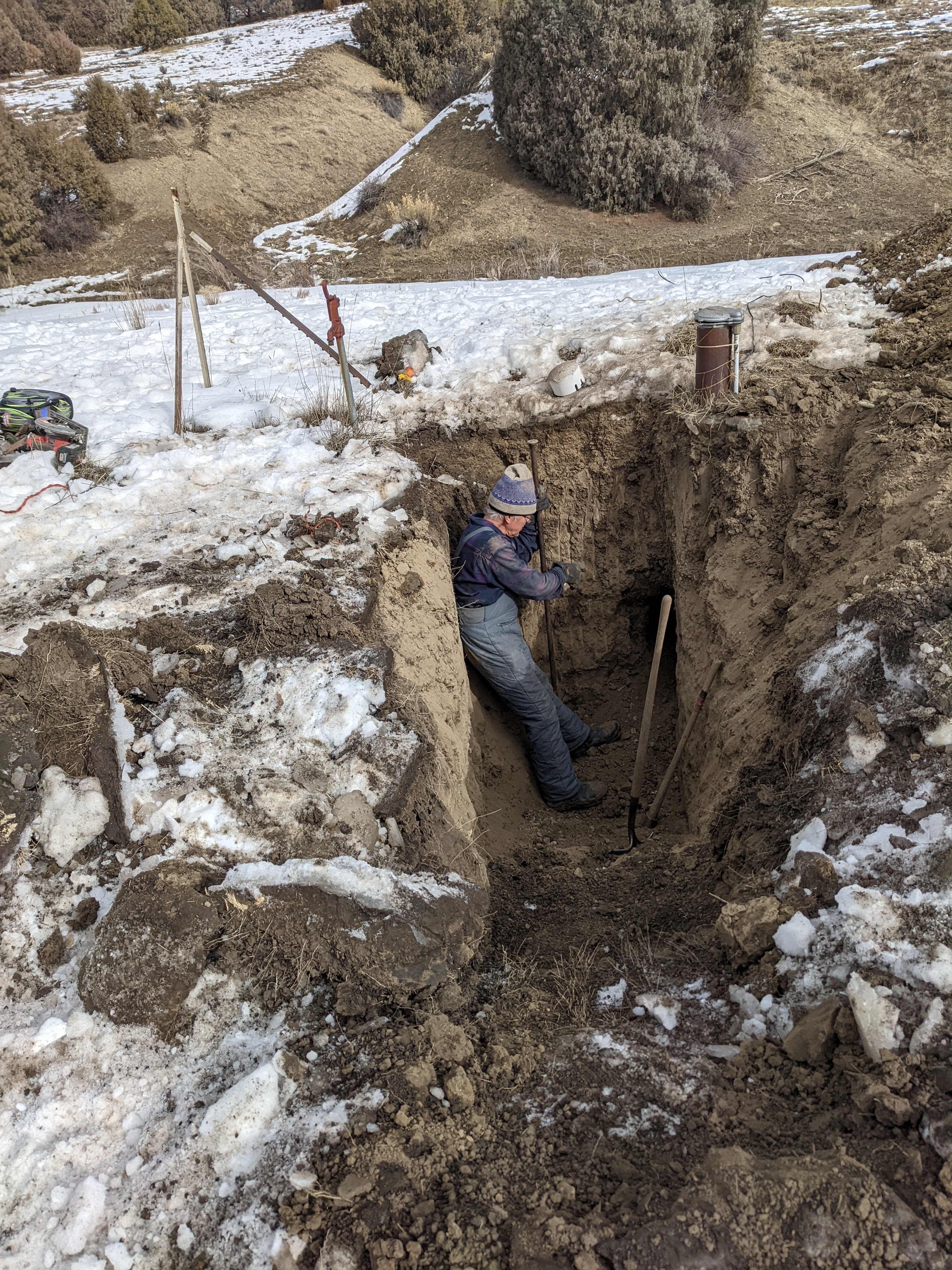


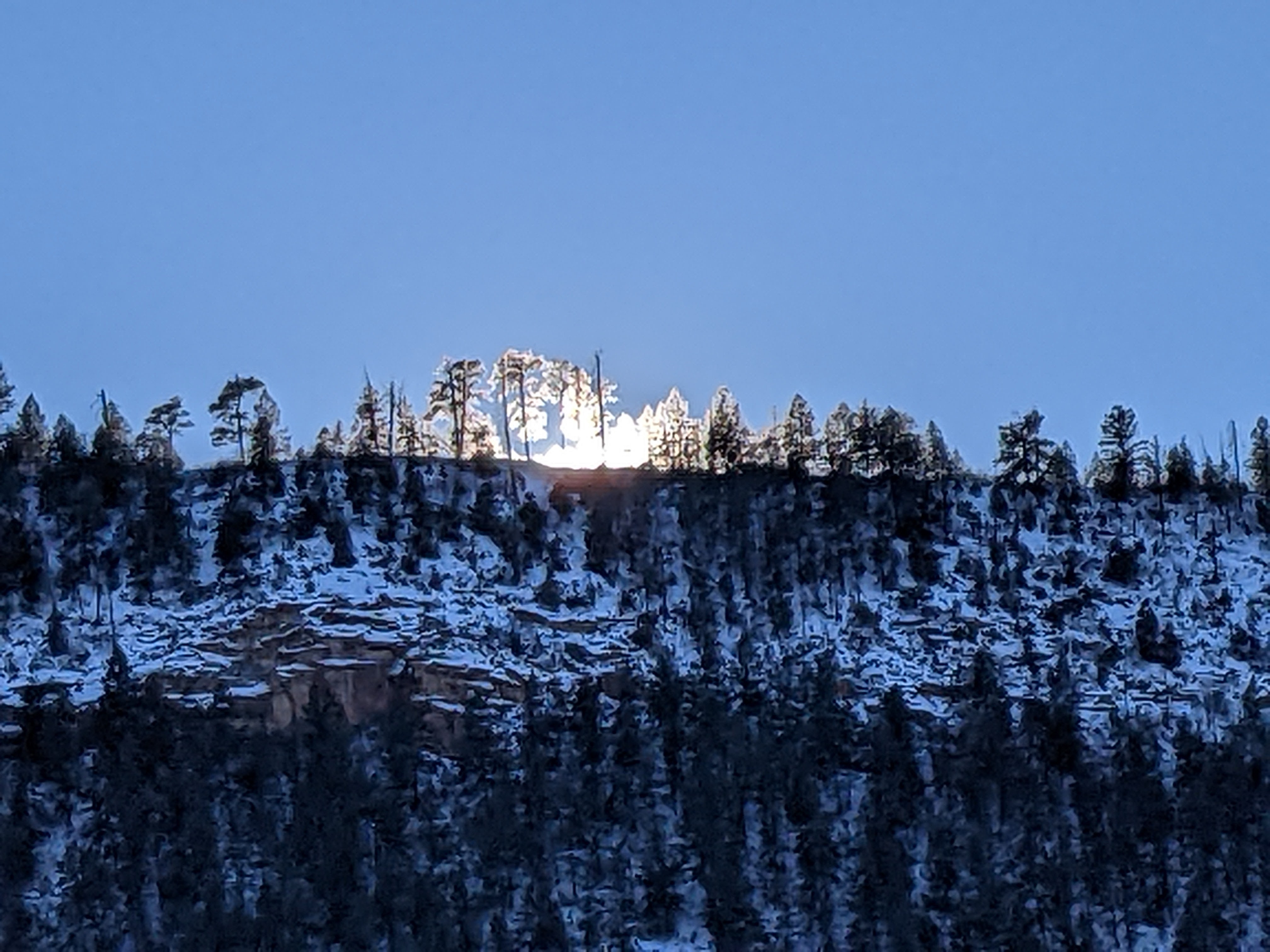
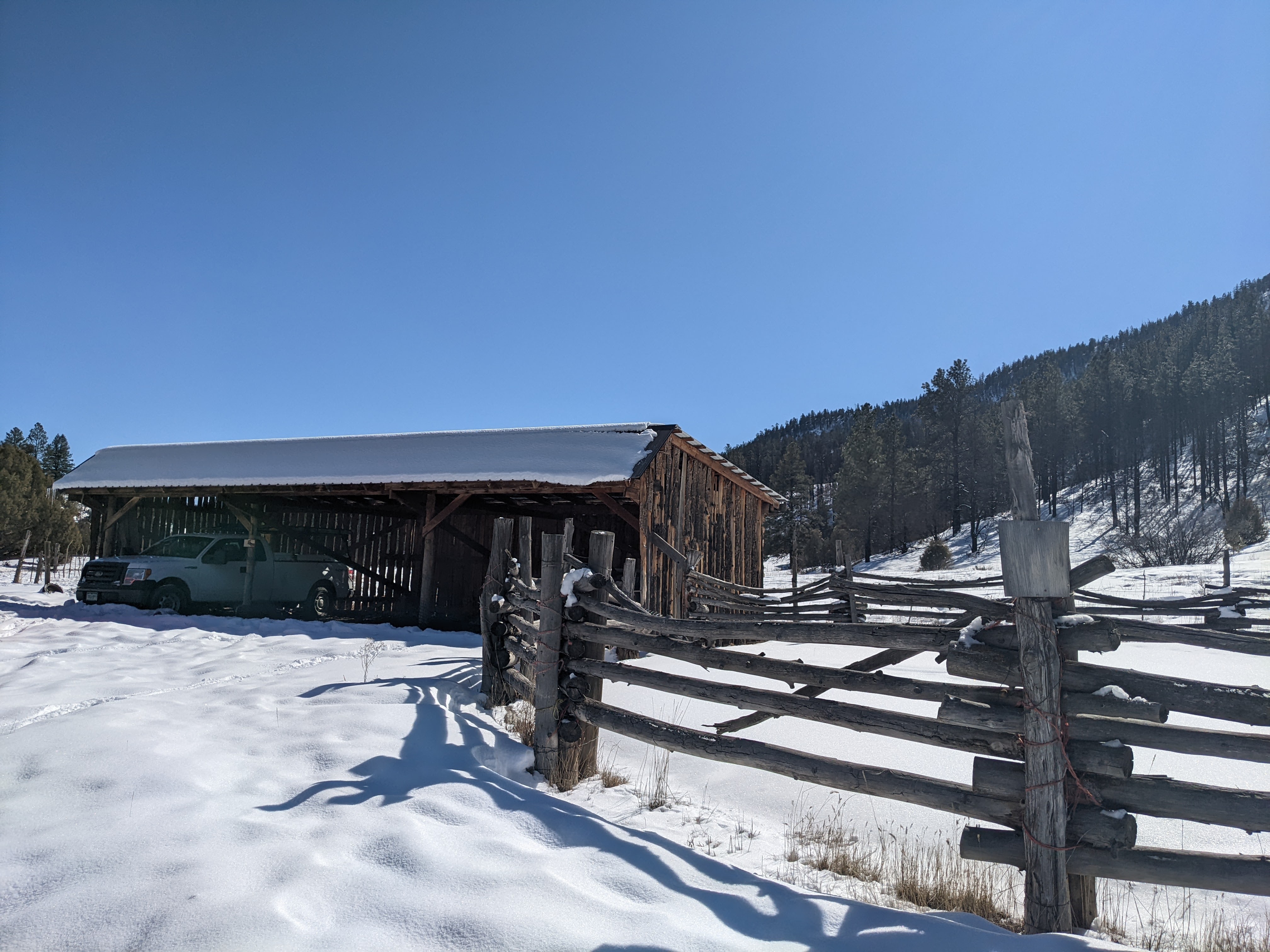
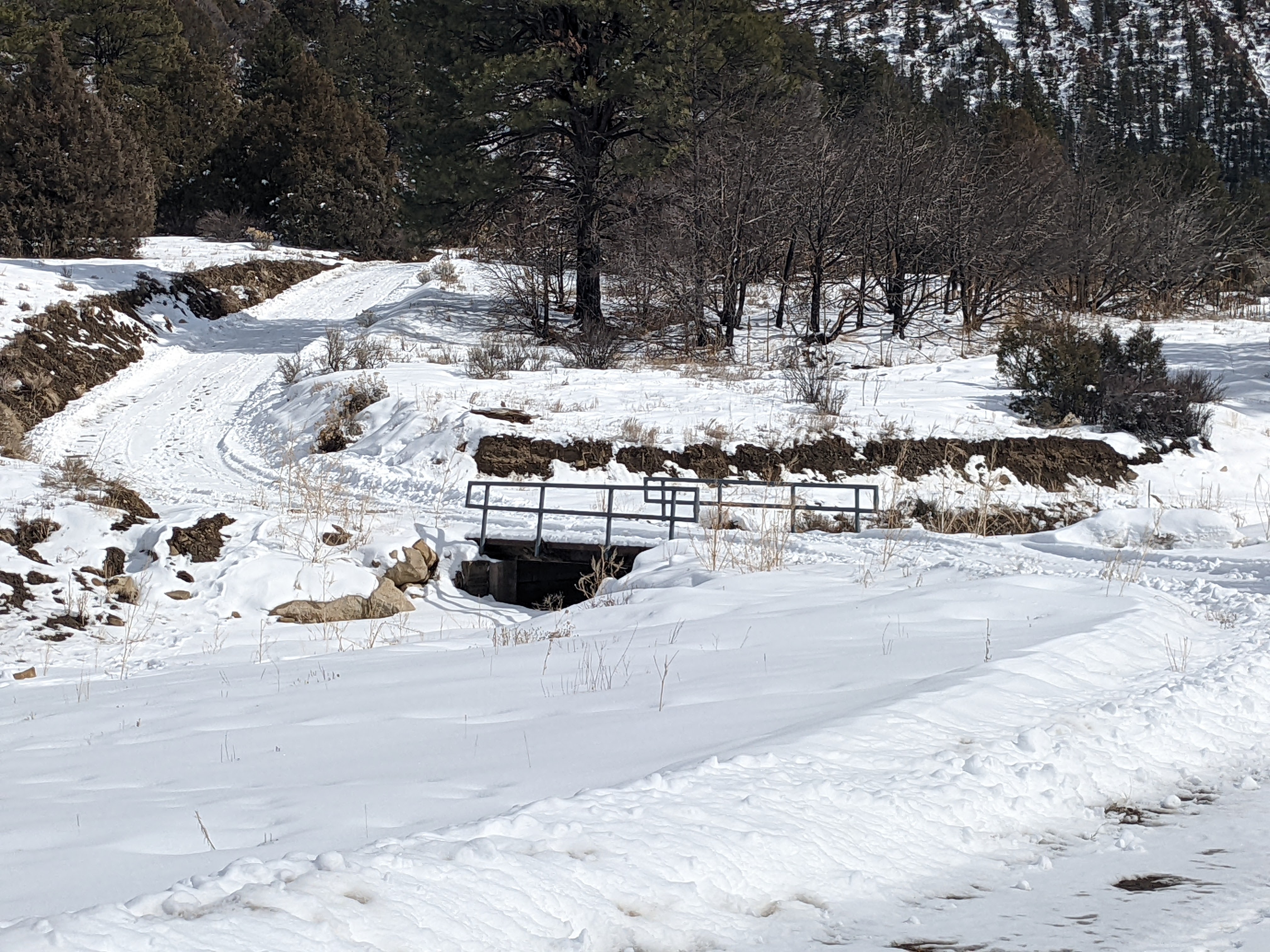






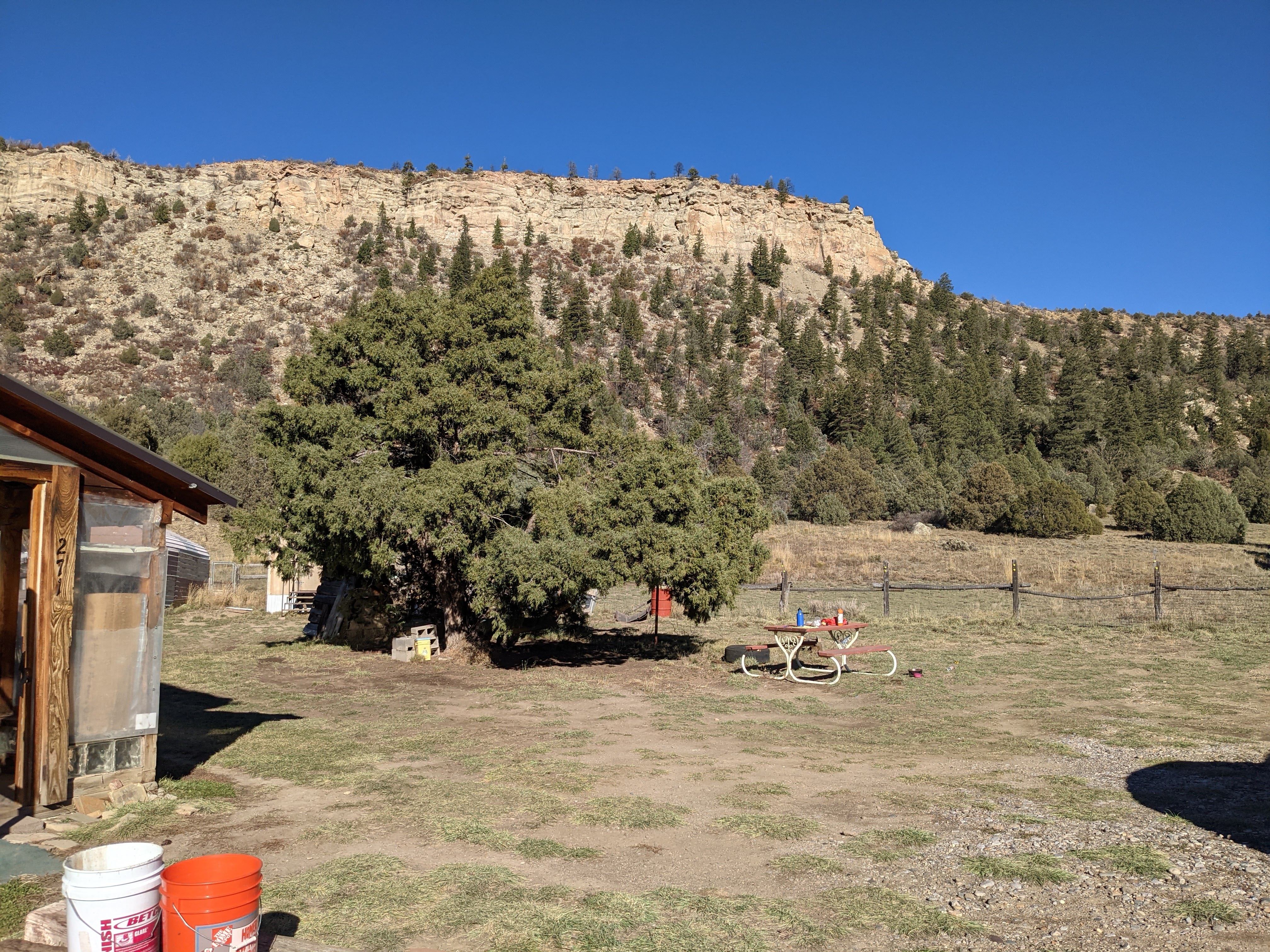

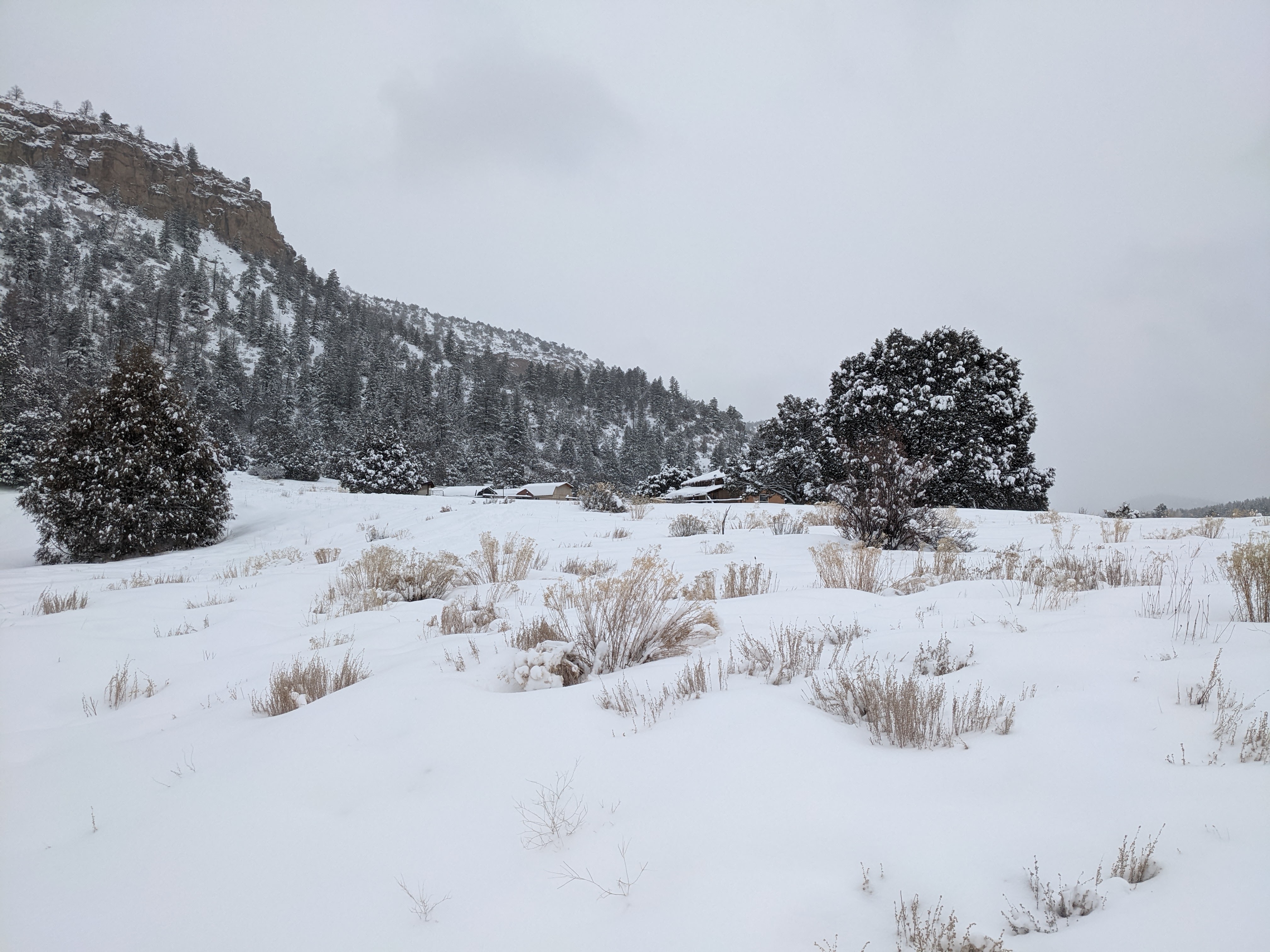
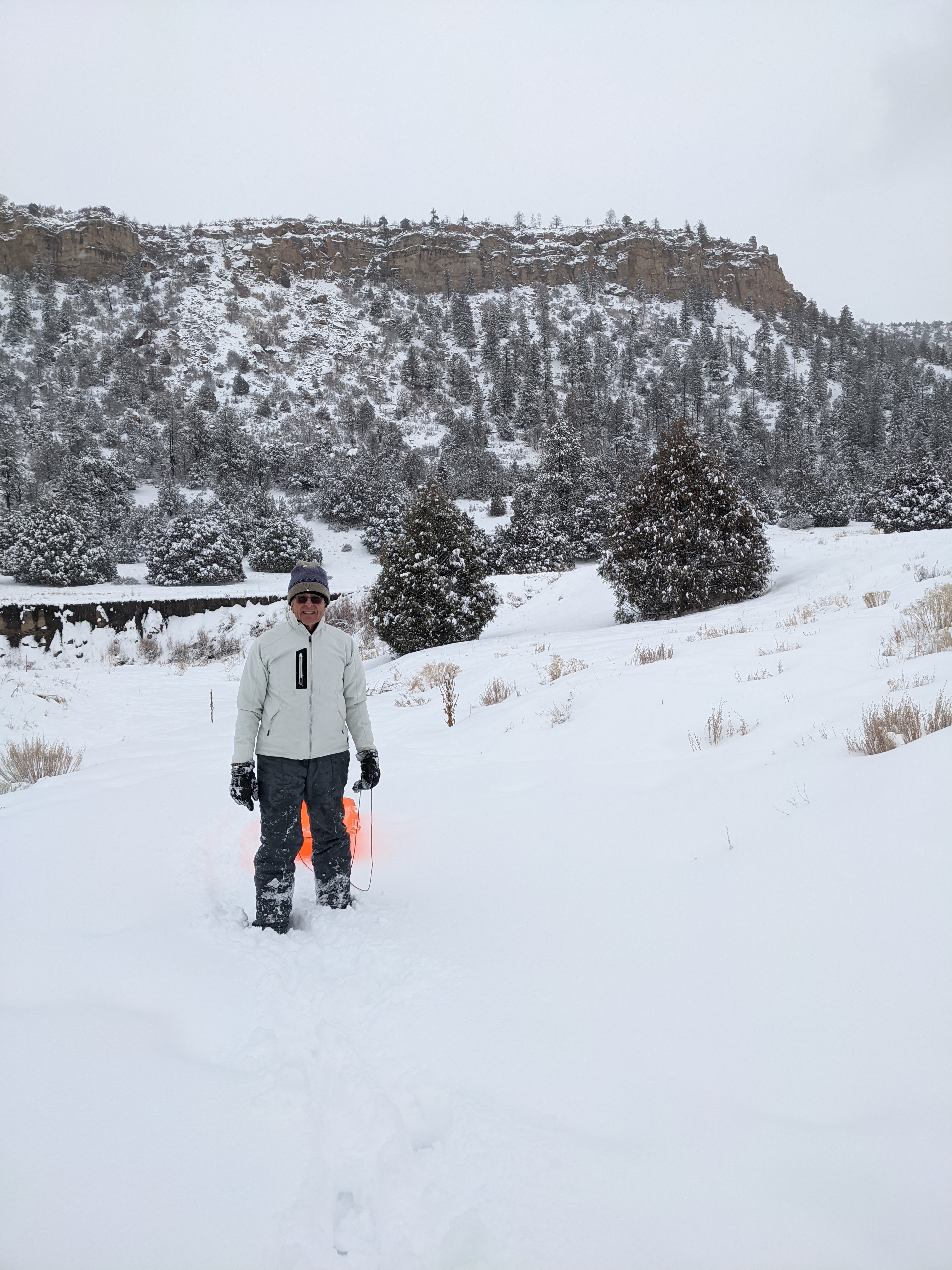


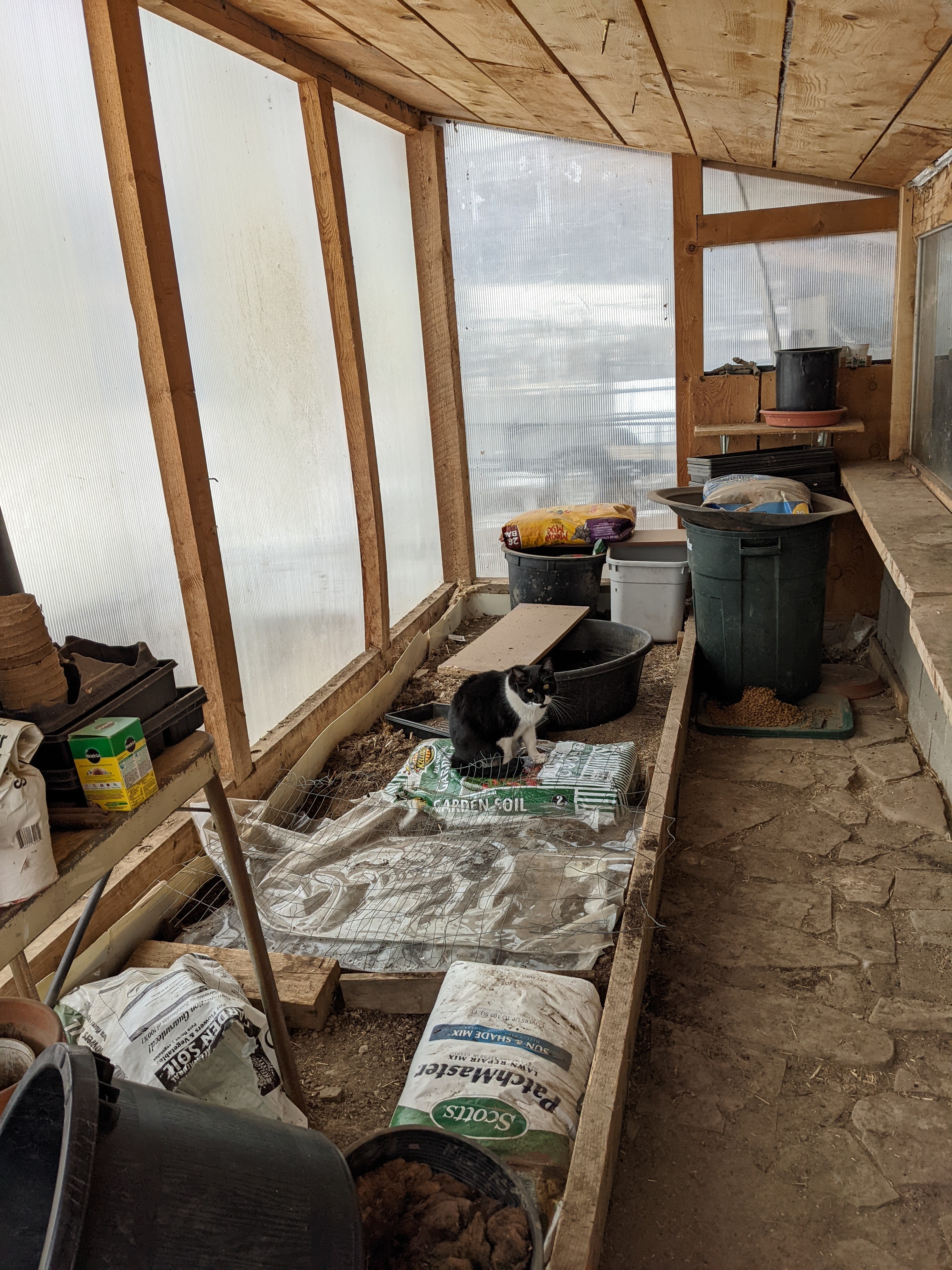

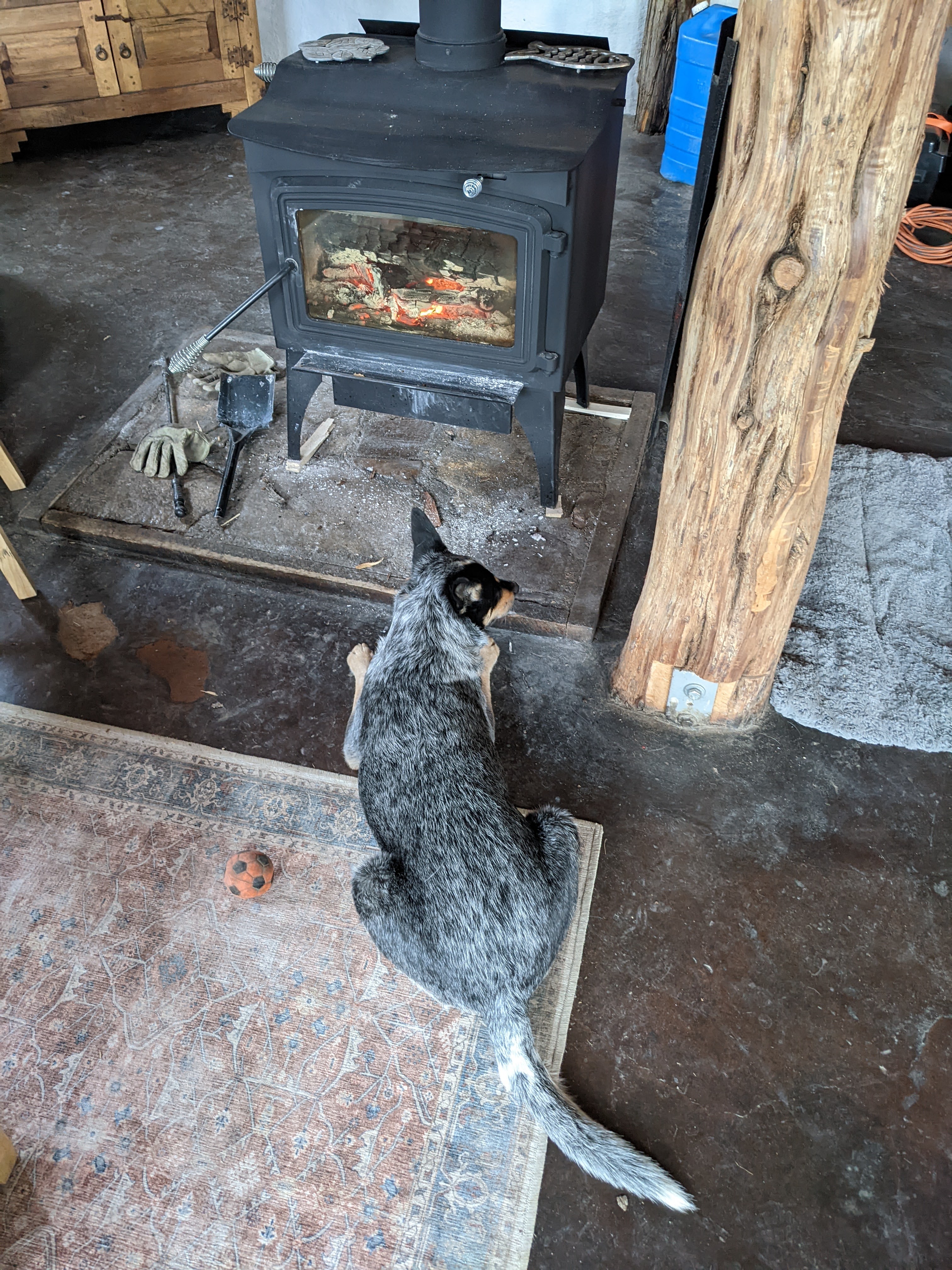
 4Fords Journal