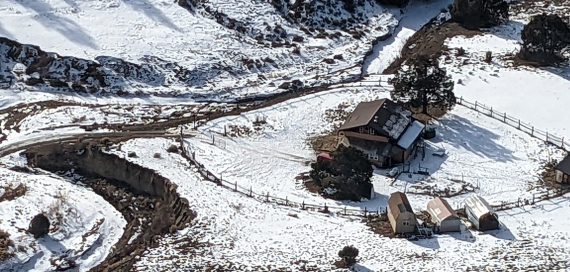

This spring has flown by, as Alan and I continue to work on our water systems. Living in the desert Southwest gives you utter respect for water: toilet water, drinking water, garden water, shower water, laundry water, dishwater. If you don’t take every drop seriously and consider every bit of usage, you will struggle to live here. Many of our neighbors haul their water in large totes or tanks that they fill, for a price, in either Chama or Pagosa Springs. Many others have some rooftop rainwater storage, but not nearly enough to sustain them during May and June, our driest months. Very few, other than the big ranches, apparently have working wells like ours. We are very aware of how fortunate we are and send daily prayers that it continues to flow. Since spring, the driest season, is also the time of year when a garden needs the most water, it has been, up ’til now, a challenge to meet all our needs.
This year however, for the first time, we seem to have all the water we could ask for (knock on wood), although it is not all plumbed as we would desire. The well is running at 5 gallons/minute and is fully filtered so can be used for the gardens, shower, laundry and dishes. The 2 cisterns were full as of May 15, giving us 2600 gallons of stored, drinkable rainwater. We put together a gray-water system for our washing machine, which gives us nearly enough used water for the big garden. The composting toilet saves us about 35 gallons/day. Another small tank collects 50 gallons off the greenhouse roof, which, although nearly empty now, I use for the small garden. I’m about to set up another tank over by the barn, which, while not useful for us, will offer refreshment to wildlife.


As a result of what seems to be a plethora of agua, I planted a couple areas of bee-attracting plants. They are a small start, but once fully planted and landscaped, will hopefully be the beginnings of a bee garden, . This canyon simply does not have enough pollinating flowers until well in July, so birds and bees, while plentiful, struggle until then. As pollination is an essential piece of land regeneration, my long-term goal is to have an abundance of spring flowers to attract pollinators. So far, I’ve put in lavender, lilacs and bee balm along with a few others. I’ve also started a number of different strains of lavender in the greenhouse to transplant outside later.
The afternoon spring winds, occasionally hitting 60mph gusts, make it hard for baby plants to thrive. The wind batters their leaves, and sucks the moisture right out of the ground. It takes patience, lots of “hats” with which to cover tender starts, and frequent watering to give them a chance at survival. This year has been especially windy, as anyone in the West can attest to. Our entire camping trip in March and April was chased by high winds. The photo below shows how the surrounding grass, brilliant green just a week ago, is already turning brown. I could flood it with water endlessly, but the winds would dry it out as fast as I wet it. One good note: once (if) we get some monsoon rains, this grass will come back greener and lusher than ever. It’s quite remarkable.

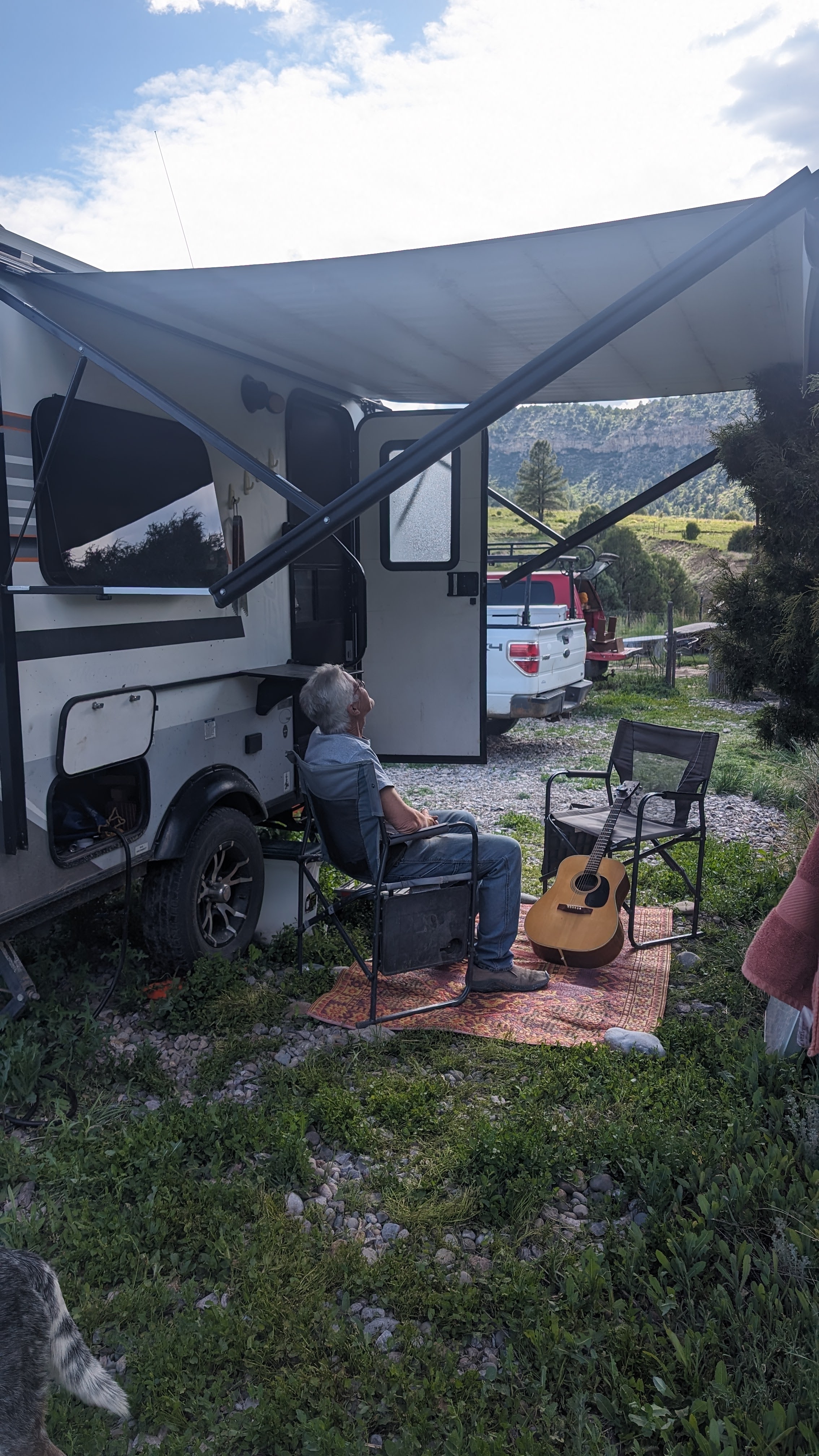
We had one severe microburst of wind (no rain, alas) last week: the strongest gust I have yet seen here, maybe 70mph and sounding like a jet taking off. In only 10 seconds, the burst managed to rip Pippin’s awning to shreds and tear it from the camper before I could even get to the door. We so rarely use the awning anyway, we have decided to simply do away with it. We had it out for some CDT thru-hikers staying here for a week while snow melted in the South San Juan Wilderness, and we forgot to close it when they left. On our travels last winter, we only used the awning once in a rainstorm, then had to immediately retract it when a gust tried to pick it up. The inevitable entropy of camper-trailers!
As an aside, having the hikers here was a pleasure. One was from Germany, another, Israel, and the third from Colorado. The snow was still so deep in the high mountains, that most hikers were skipping the stretch from Chama to Pagosa Springs, but these three are serious about not missing any of the trail, so opted to wait for some of the snow to melt. They are now likely getting close to Silverton, CO in the Weminuche Wilderness.
I think often of how the ancestors who lived here centuries ago managed the windy and dry conditions. We know that Indigenous peoples lived here at least as early as the 1000s. Then, our Miller Creek was likely year-round, but the winds were just as bad or worse (according to local history and looking at the rock formations). The Poshuouinge Ruins (https://en.wikipedia.org/wiki/Poshuouinge) near Abiquiu, NM, are an example of a farming community from that time in the Abiquiu Valley who figured out how to grow crops on an exposed mesa in hot weather and very high winds. They built miles of little rock walls, ditches, and berms to not only move water, but also offer protection from the wind.

In other news, while I’ve been gardening, Alan continues work on getting the plumbing fully operational. It has been a challenge finding the right parts, odd little Sharkbite™ connectors and adapters that no one seems to sell. He is also spending time every morning while it’s cool digging a hole in front of the house in our never-ending attempt to locate our gray-water drain line. We know it’s out there, but there’s no clue as to exactly where. It needs a clean-out and candy-cane vent installed to stop the drain from backing up. This has been a long-standing challenge that I mention frequently, so I won’t bore readers with any more details, but be assured that, once this thing is fixed, we WILL be celebrating!

In more pleasant news, we have finally chosen and ordered the final house paint. Below are all the sample colors we tried. And the winner is…..the second from the top (more yellow in reality than here): Milk Paint www.milkpaint.com: a 1:2 mix of “Marigold” and “Snow White” Farmhouse Finishes. Of course, now we have to paint it. 🤪

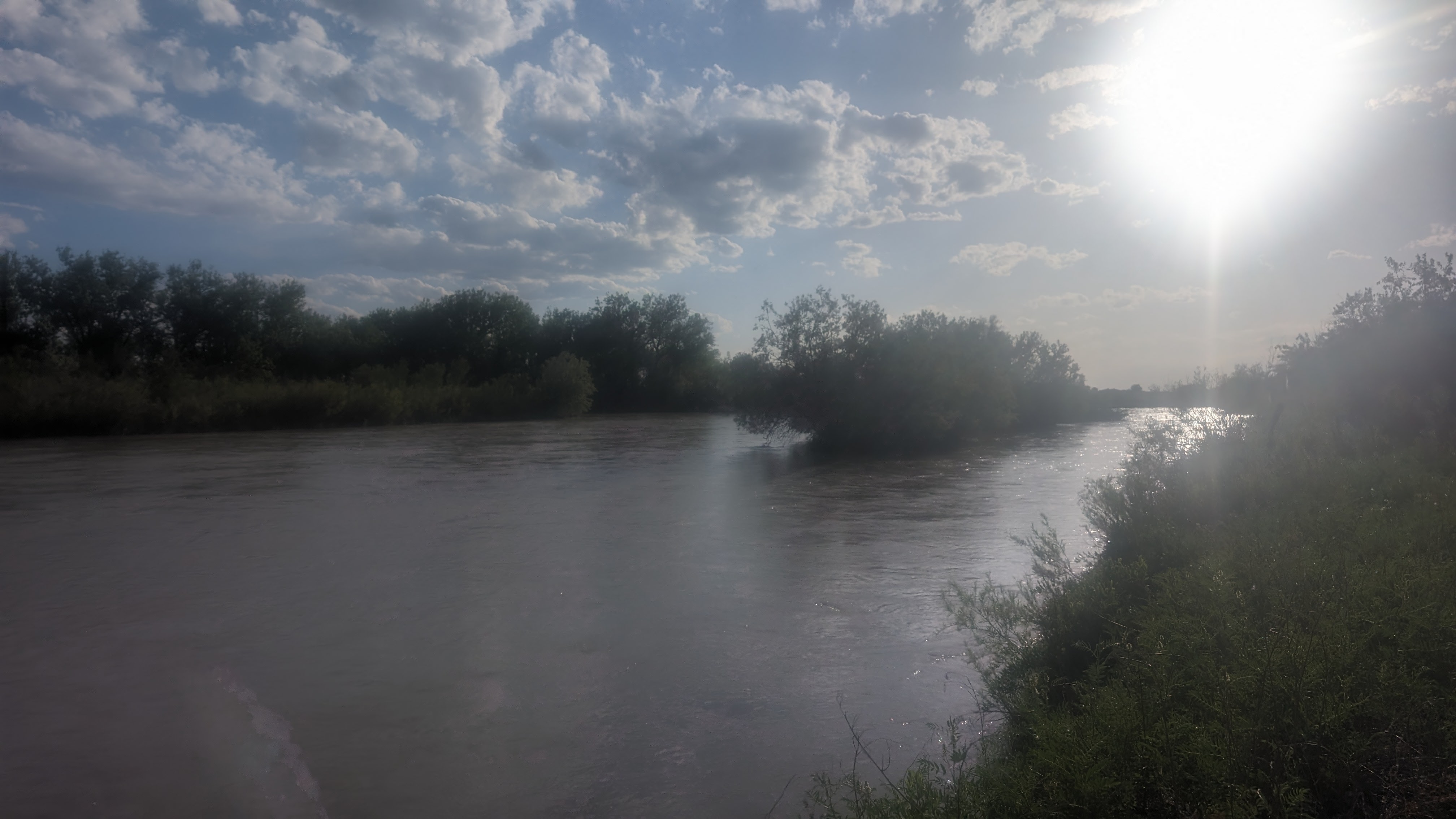
I want to finish this post by celebrating water. Here’s a picture of the Arkansas River in full flood near Rocky Ford, CO, on our way home from our recent trip north. It was so beautiful standing on the banks, listening to ducks and geese, frogs and crickets, everyone just enjoying the water flowing by on its way to the Mississippi.

 4Fords Journal
Rusty
<
div>Thank you for giving me a better insight to life
LikeLike